Back to all routes

(Žitište - Timisoara)

CR-3: Twin Banat

This 62 km route connects Žitište and Timișoara, taking you along a dedicated cycle path that follows the course of the Bega Canal the entire way. Along the route, you can explore the wooden church in Torak and enjoy the natural ecosystem of the canal, tracing the former Iron Curtain path into Romania. Keep in mind that Romanian time is one hour ahead of Serbian time. Attention: Crossing this route requires the Srpski Itebej border crossing on the cycle path to be open.

Distance
63 km
Estimated duration
240 min
Surface type
Asphalt
Points of interest
21

Route map

An interactive view of this cycling route's complete path.

The interactive map is currently unavailable. The remaining route information is available on this page.

About the route

This route connects several prominent settlements in Central Banat, starting from Žitište as the project's central hub, passing through Torak and Srpski Itebej at the Romanian border, and ending in Timișoara. This international tour measures 62.15 km and follows a dedicated cycle path along the course of the Bega Canal, offering a flat, safe, and comfortable ride.

Departing from Žitište, we ride along the river toward Torak, a settlement renowned for its rich cultural heritage and its unique wooden church—one of the few preserved examples of sacred wooden architecture in Banat.

We continue along the path beside the Bega Canal, a historical hydrotechnical milestone whose regulation began in 1718 under the Habsburg Monarchy. Today, the canal serves as a green ecological corridor filled with wetland habitats and diverse flora and fauna.

The path guides us further to Srpski Itebej and the border crossing located directly on the cycle path (note: using this route requires the Srpski Itebej border crossing to be open). After crossing into Romania, we ride continuously along the cycle path into the heart of Timișoara. This route represents an extension of the EuroVelo 13 network, transforming the former Iron Curtain border zone into a symbol of cross-border cooperation and open travel.

Points of interest
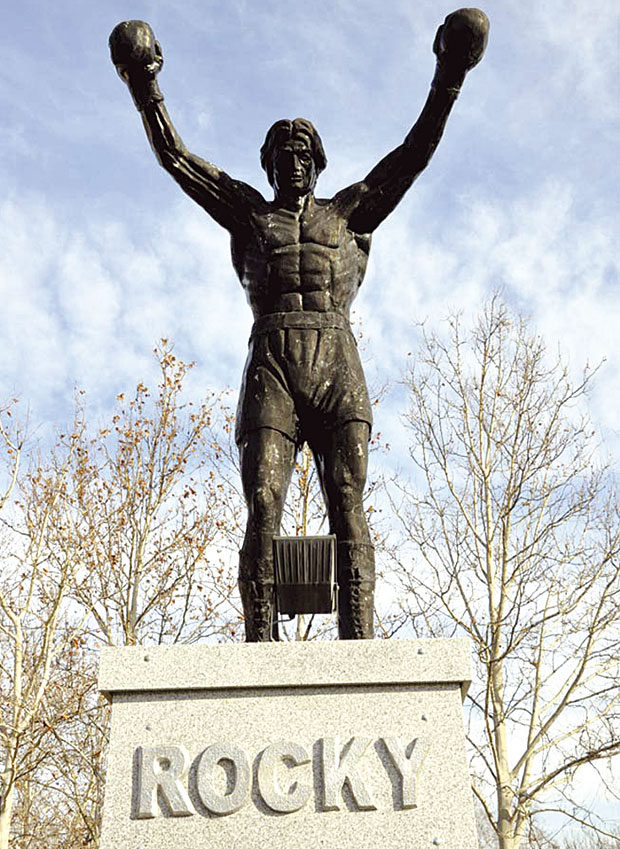
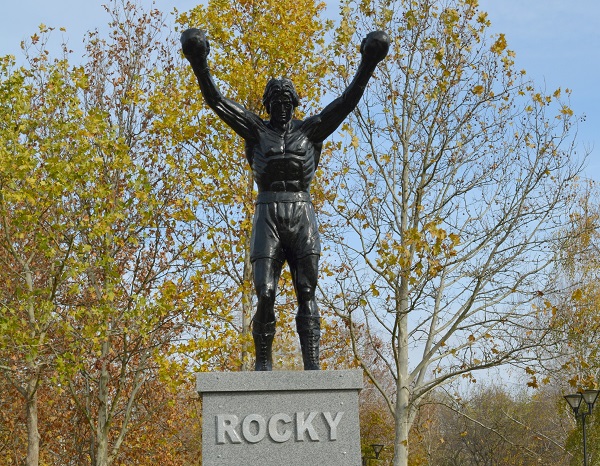
Rocky Balboa Statue

Monument

Rocky Balboa Statue

The statue dedicated to the film boxer, Rocky Balboa, is probably one of the most famous statues in Serbia, which the whole world has heard about. The idea of ​​erecting…

  • Cara Dušana bb

Monument

Rocky Balboa Statue

The statue dedicated to the film boxer, Rocky Balboa, is probably one of the most famous statues in Serbia, which the whole world has heard about. The idea of ​​erecting the statue arose as an interesting marketing move by several young people from Zitiste, with the desire to promote their place in this way and point out the need for greater activism and decision-making of young people in society. The goal was, above all, to hear in Serbia and the surrounding area about the initiative to erect a statue of Rocky Balboa as a recognizable symbol of perseverance and the desire to achieve success. However, the making and unveiling of the statue aroused unprecedented interest not only from domestic but also numerous foreign media from around the world, and the numbers of 70,000 published websites, 140 accredited media and 12,000 people at the unveiling of the statue as part of the "Chicken Fest" event were enough. says the idea has achieved a global resonance. Built using the technique of modeled concrete and over three meters high, the statue of Rocky Balboa with victoriously raised hands reminds how a group of young people decided to influence their environment and their lives in a completely different and unusual way. Decorating the center of Zitiste, the statue welcomes curious passengers who decide to stop the car for a moment and take a photo in front of the statue, imitating Roki himself - his hands raised victoriously high.

Contact and practical information

Address
Cara Dušana bb
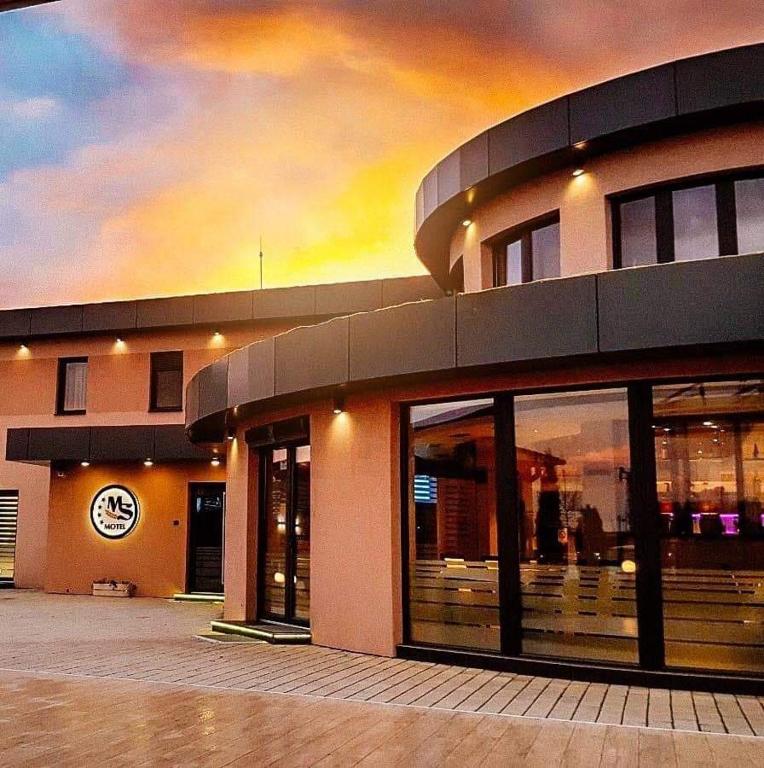
Restaurant Mrksicevi salasi

Restaurant

Restaurant Mrksicevi salasi

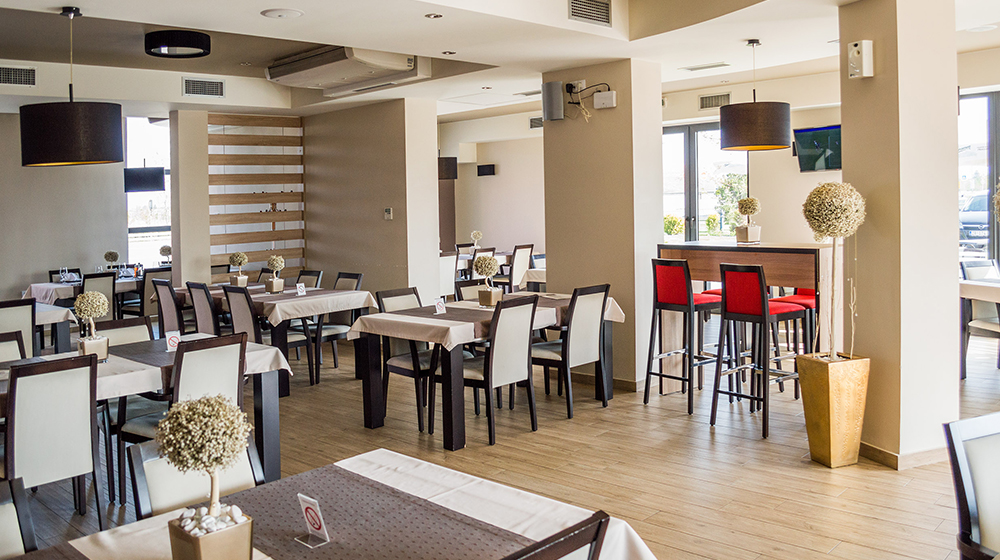
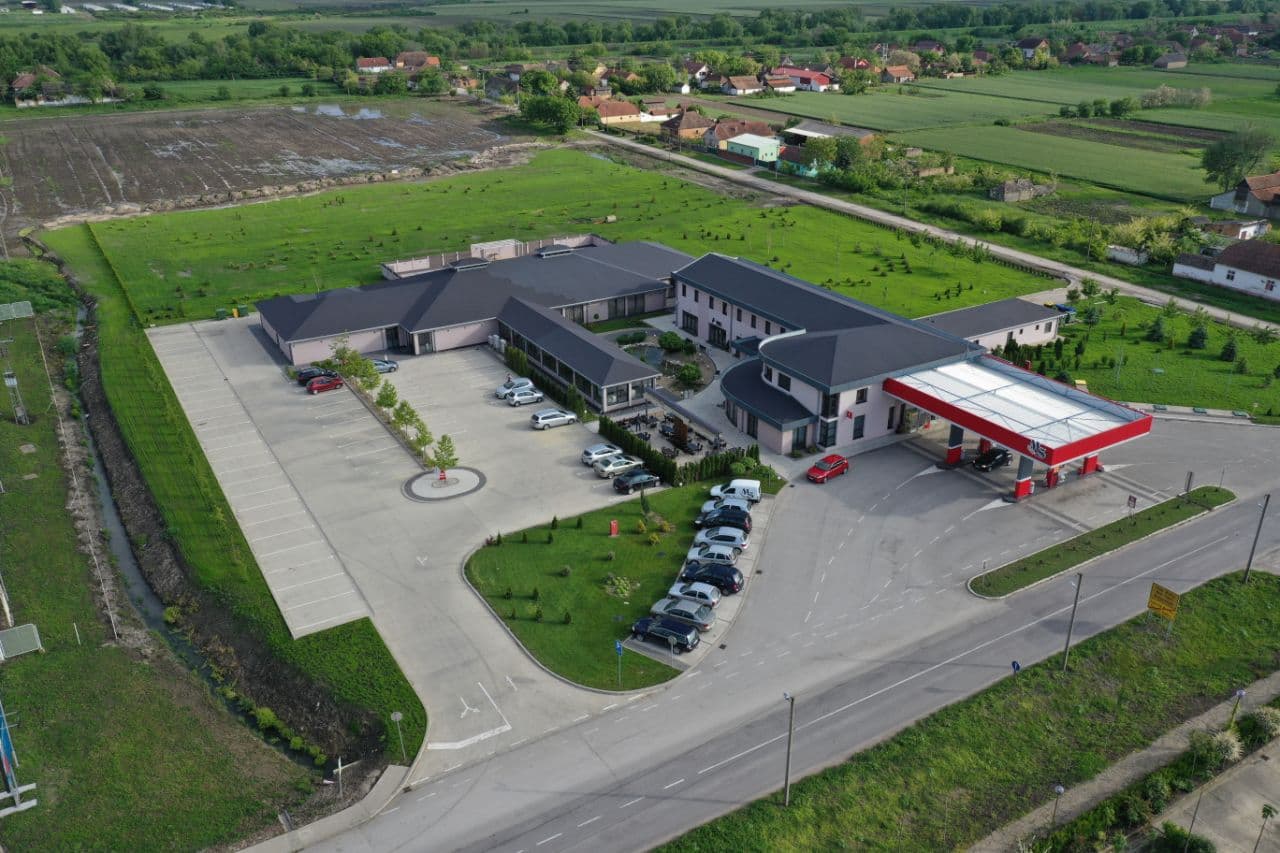
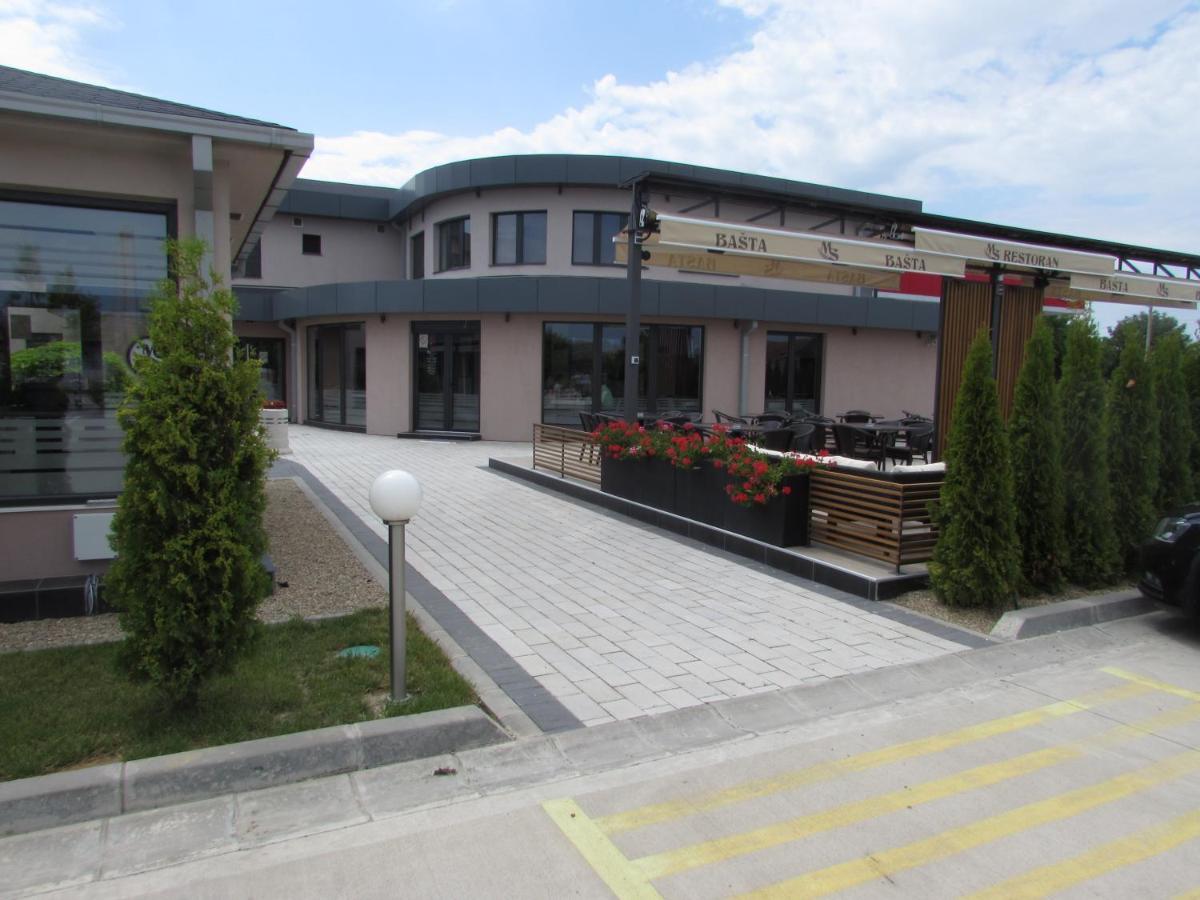
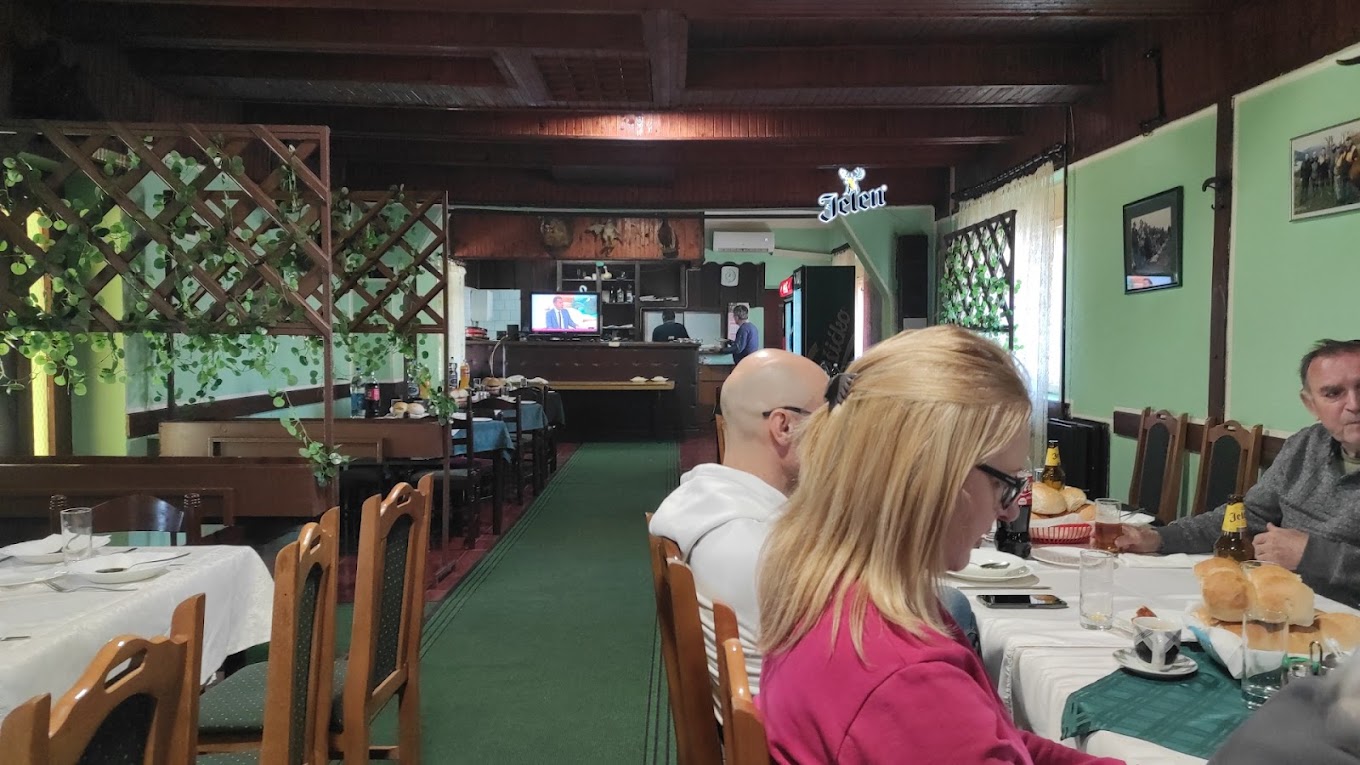
At a distance of 36 km from Zrenjanin, at the entrance to Srpski Itebej, there is a tourist complex "Mrkšićevi salaši" where you can find your quiet place for vacation…

  • Milosa Crnjanskog bb, Srpski Itebej
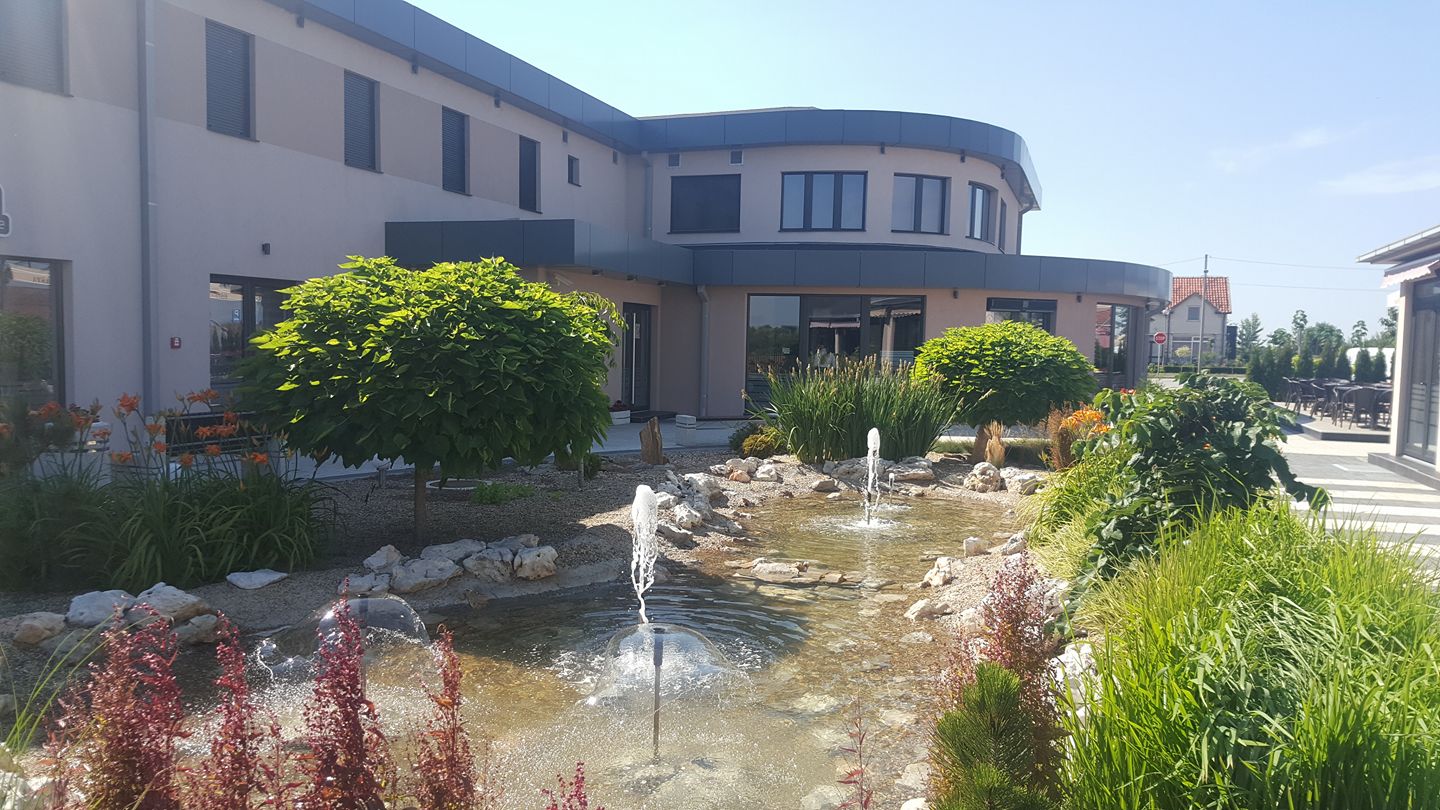
Restaurant

Restaurant Mrksicevi salasi

At a distance of 36 km from Zrenjanin, at the entrance to Srpski Itebej, there is a tourist complex "Mrkšićevi salaši" where you can find your quiet place for vacation and for organizing various family and business events and celebrations. Within the complex there are: a restaurant with a capacity of up to 100 seats, an exclusive ceremonial hall suitable for organizing celebrations with a capacity of up to 300 seats and business meetings for up to 200 people, a conference hall for organizing business meetings for up to 90 people with all necessary accompanying technology the same. Guests have at their disposal modern rooms with a total of 26 accommodation units as well as M Salon which offers professional make-up, massage, body treatments, beauty and hairdressing services.

Contact and practical information

Address
Milosa Crnjanskog bb, Srpski Itebej
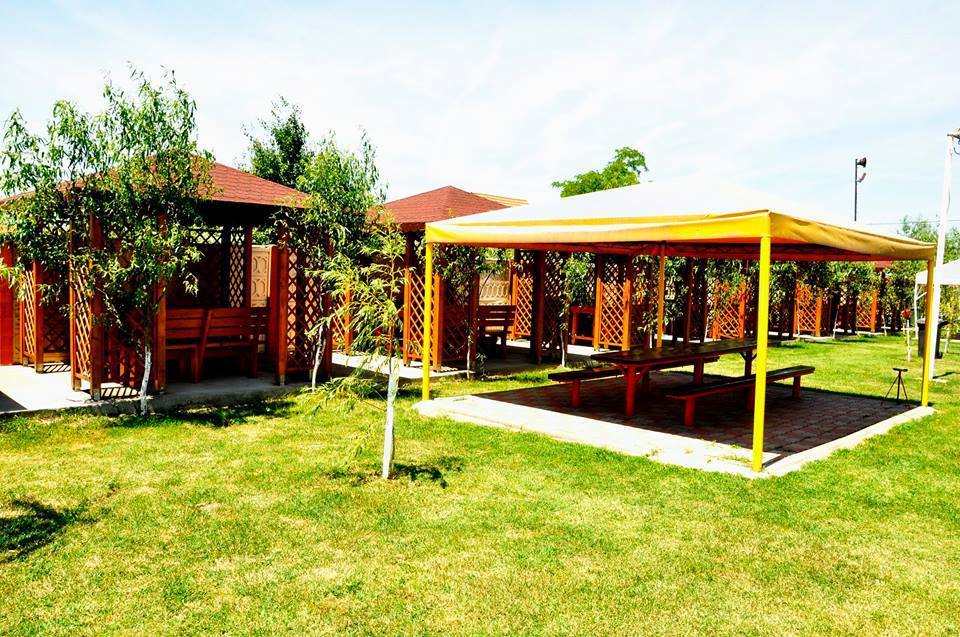
The Thermal Swimming Pool Compound Sânmihaiu Roman

Pool

The Thermal Swimming Pool Compound Sânmihaiu Roman

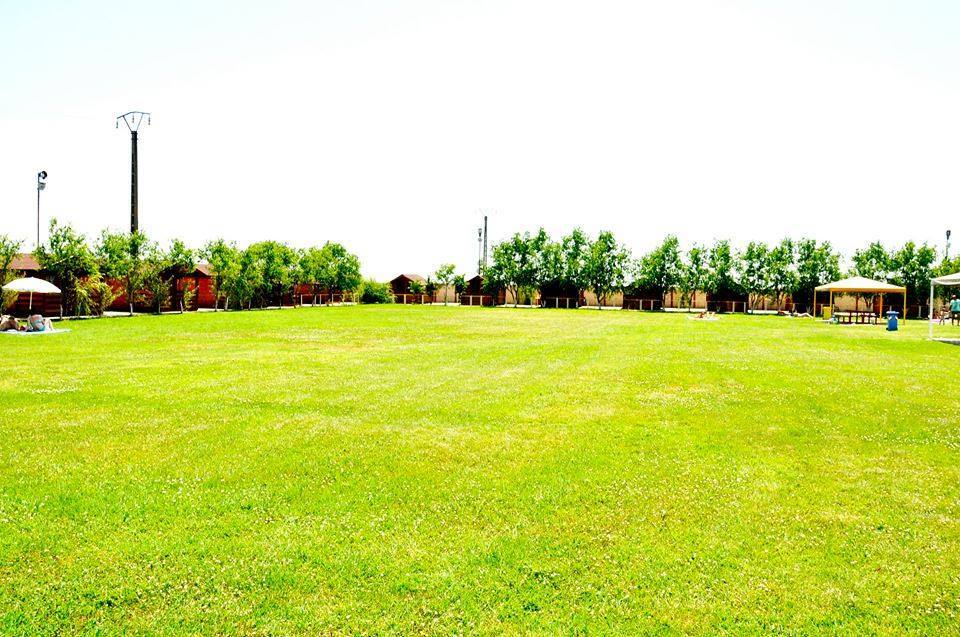
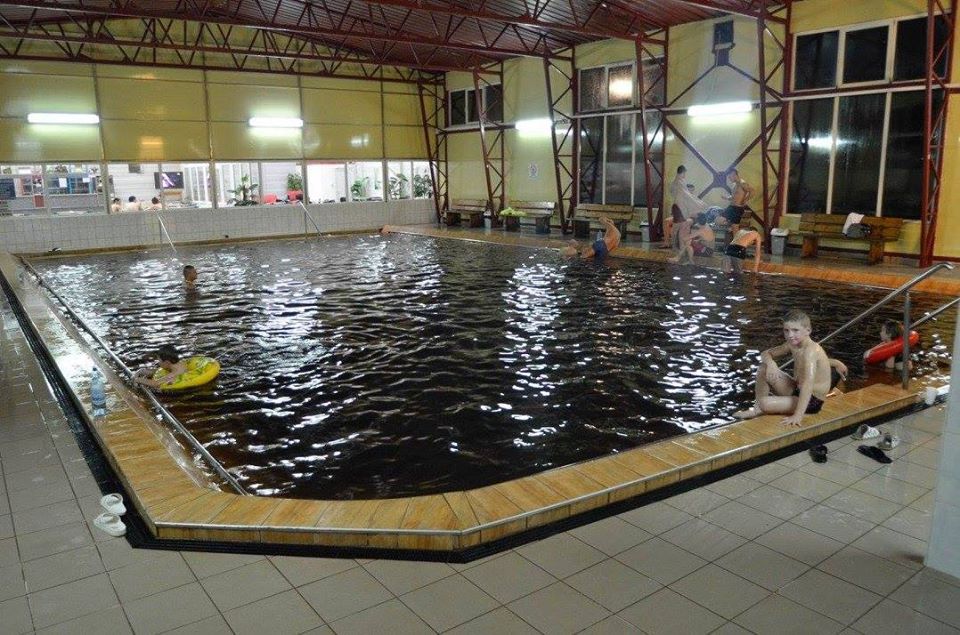
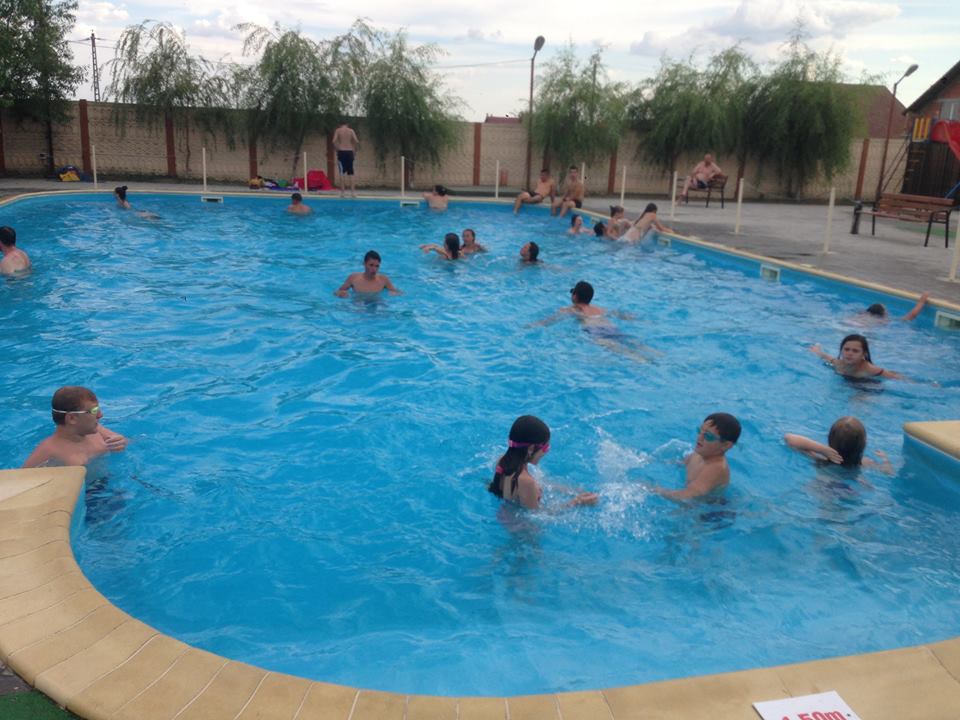
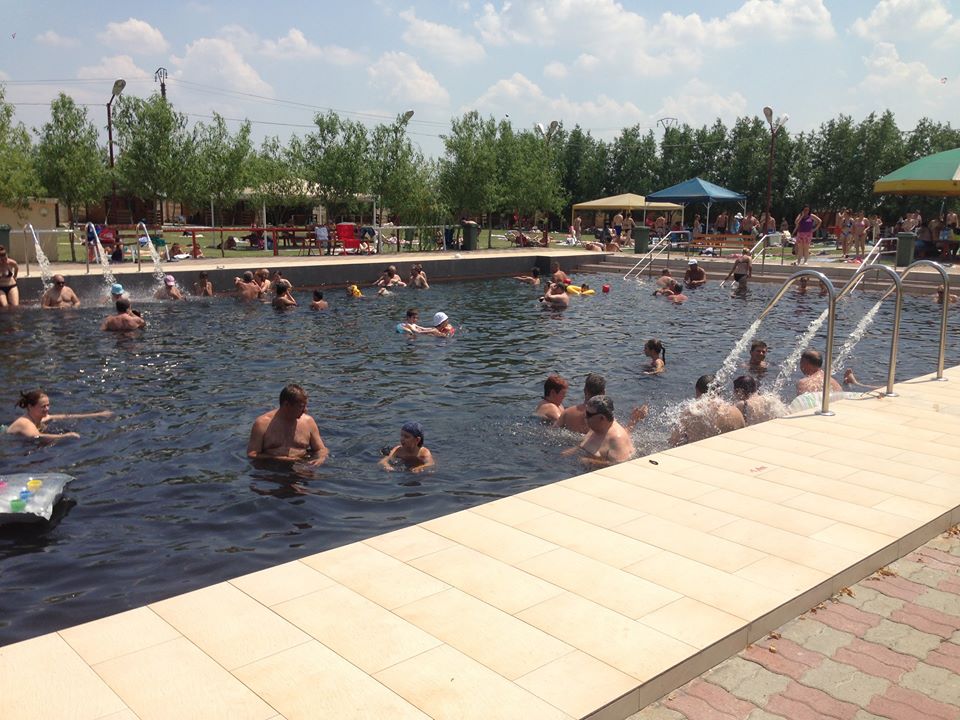
It offers services of accommodations, restaurant, massage, camping place, thermal water swimming pools, with water at 36 degrees, which can be visited in any season.

  • Sanmihaiu German, Jud. Timis, Romania
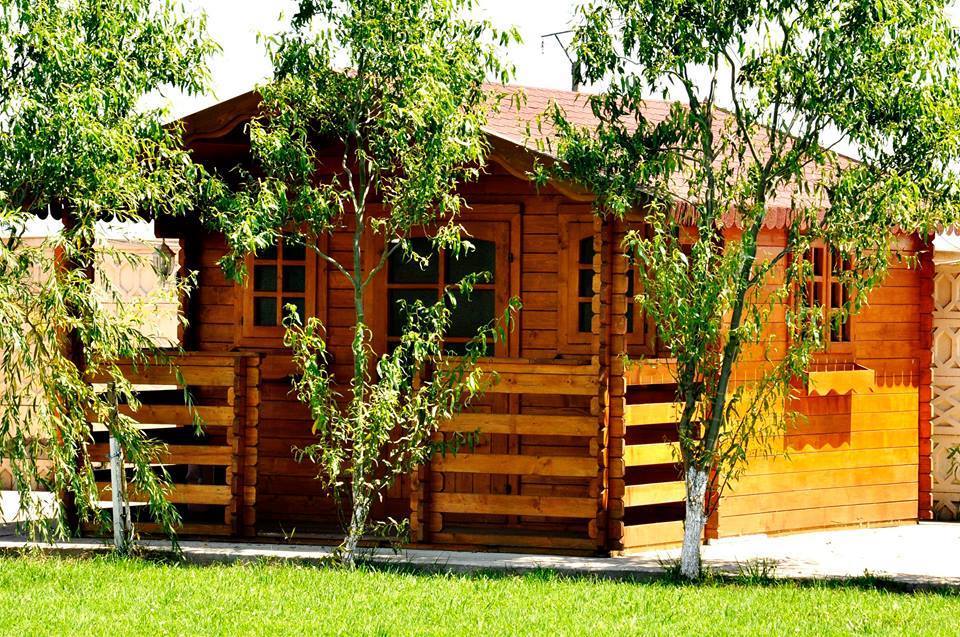
Pool

The Thermal Swimming Pool Compound Sânmihaiu Roman

It offers services of accommodations, restaurant, massage, camping place, thermal water swimming pools, with water at 36 degrees, which can be visited in any season.

Contact and practical information

Address
Sanmihaiu German, Jud. Timis, Romania
Timișoara Metropolitan Cathedral

Church

Timișoara Metropolitan Cathedral

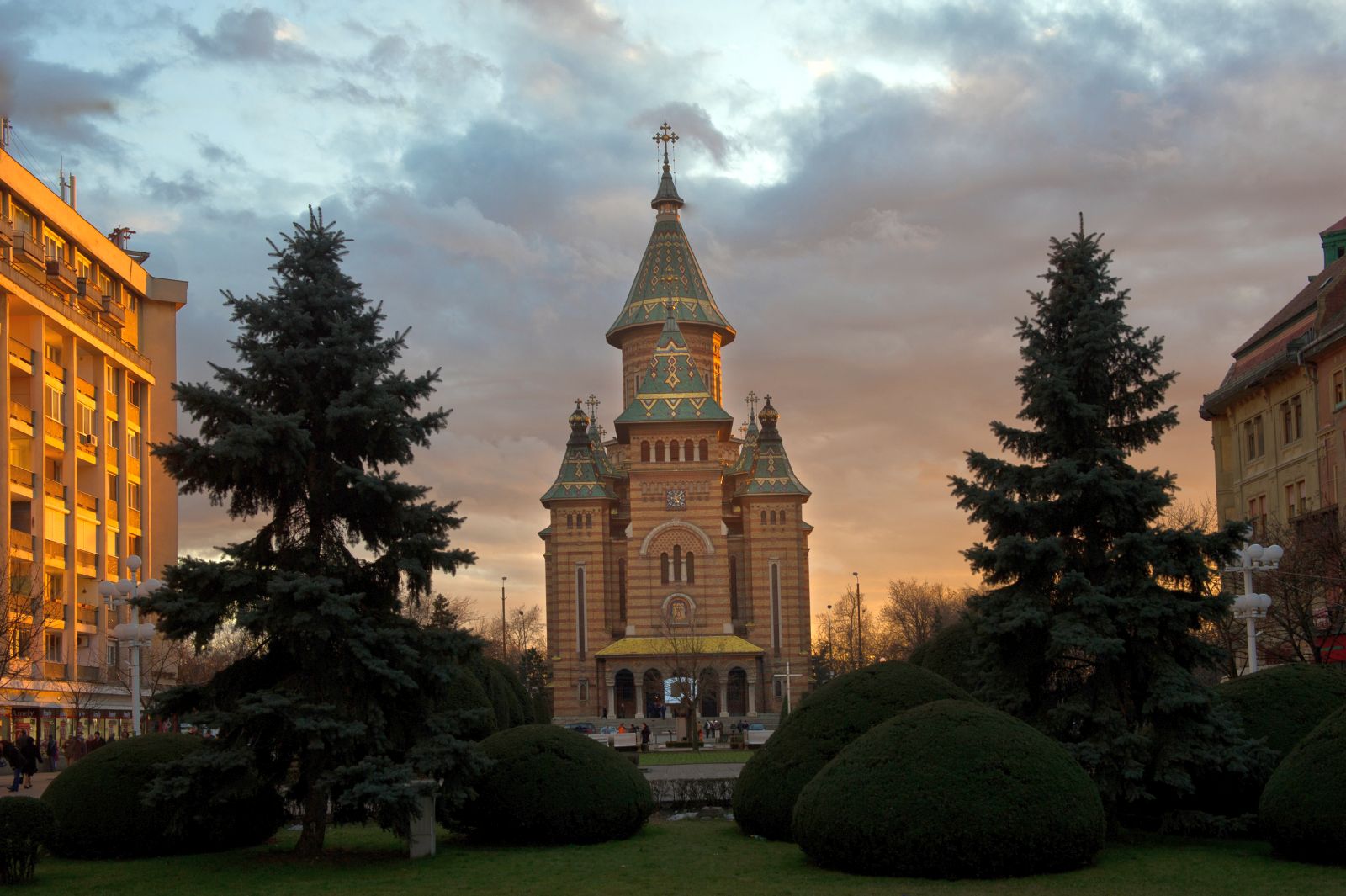
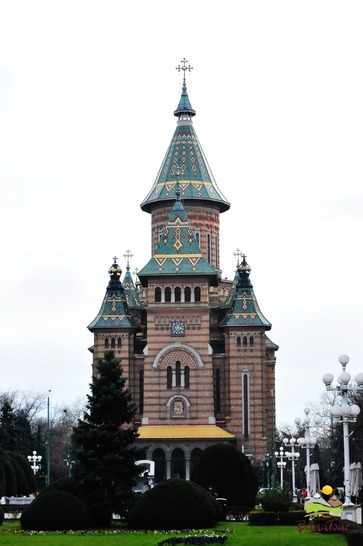
Also known under the name „Saints Three Hierarchs” Orthodox Cathedral, the church was built during 1936-1946, according to the plans of architect Ion Traianescu. Because…

  • No.1, Regele Ferdinand I Blv.

Church

Timișoara Metropolitan Cathedral

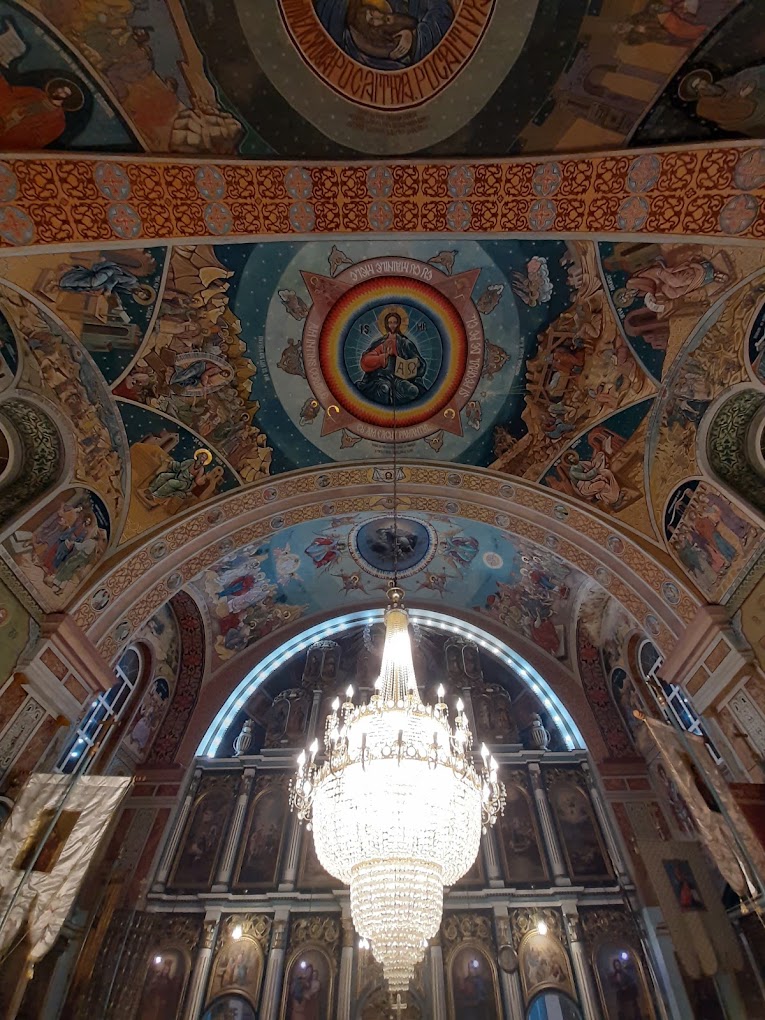
Also known under the name „Saints Three Hierarchs” Orthodox Cathedral, the church was built during 1936-1946, according to the plans of architect Ion Traianescu. Because of the swampy soil, the foundation is supported by 1000 pillars made of reinforced concrete and stuck at a depth of 20 meters. Even though the church was inaugurated in 1946, with the presence of King Mihai I, the finishing work of the interior and exterior paintings by painter Atanasie Demian were done only in 1956 – a delay caused by the second world war. The construction is a combination of two architectural styles, the Romanian style with Moldavian influences and the Byzantine style. Due to its dimensions of 63 meters long and 32 meters wide ( 11 towers – the highest of 83,7 meters), the church is one of the highest churches in Romania. The seven bells of the cathedral are very impressive. They are made of an alloy of metals brought from Indonesia and they weigh over 7 tones. The acoustic harmonization of the bells was made by the well known composer, Sabin Dragoi. Their unique sound can be heard in the whole town. On the basement of the cathedral, there is The Museum Collection of Old Ecclesiastical Art of The Metropolitan of Banat. The impressive collection has 3000 ecclesiastical books, over 800 icons on glass and wood and over 130 ecclesiastical objects. The part of the basement oriented towards the altar hosts the necropolis of the Metropolitans of Banat.

Contact and practical information

Address
No.1, Regele Ferdinand I Blv.
Timișoara Beer Factory

Landmark building

Timișoara Beer Factory

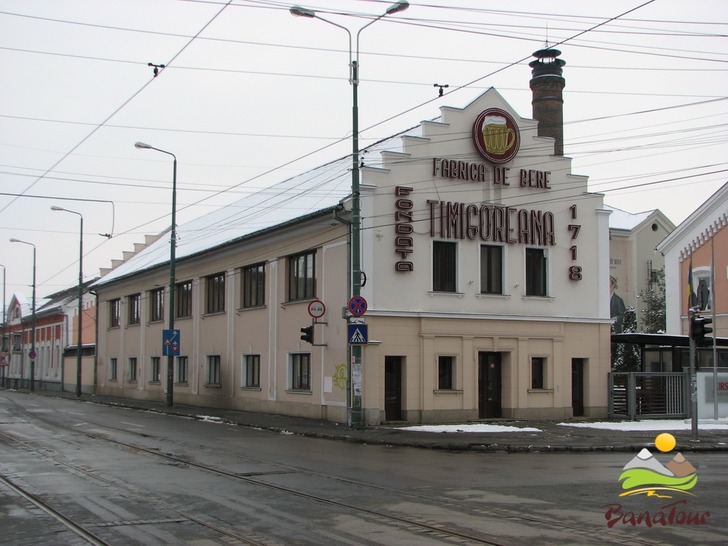
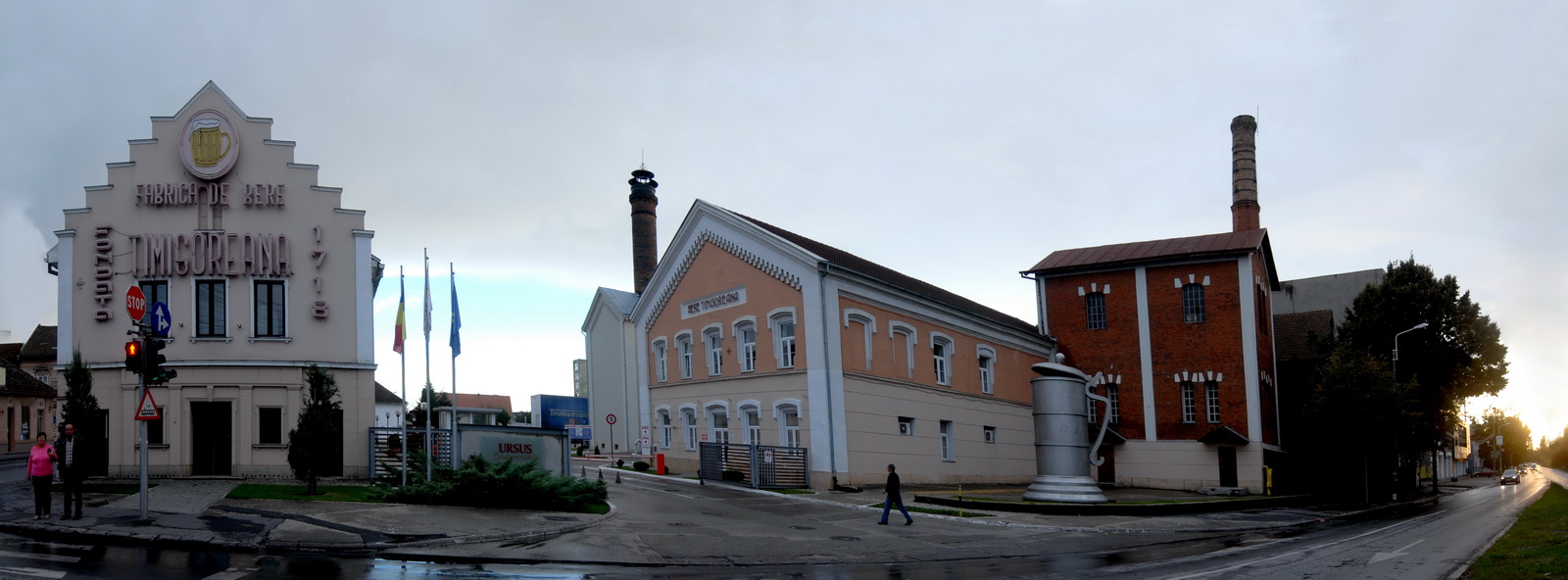
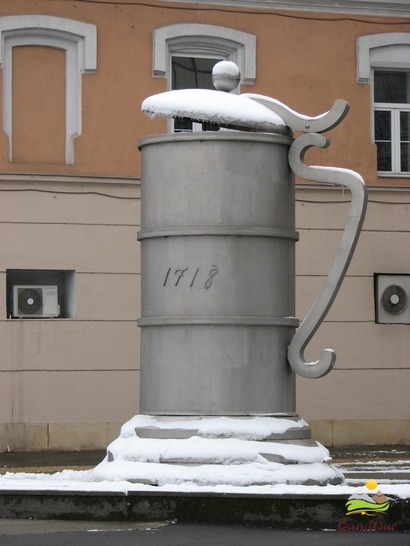
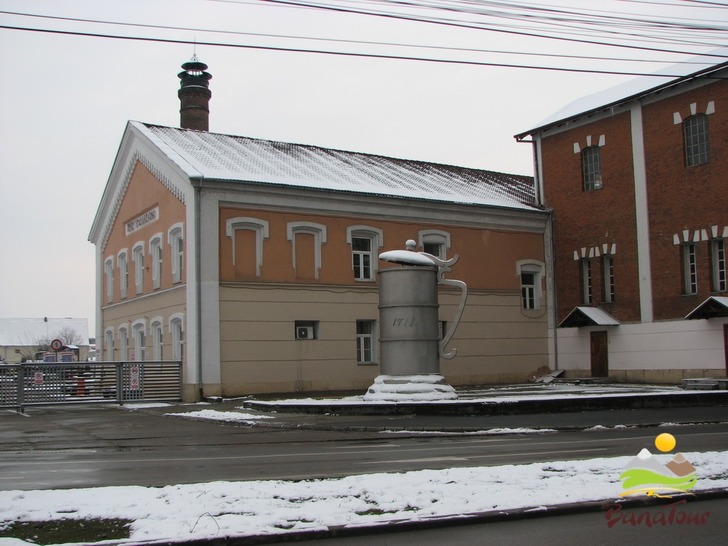
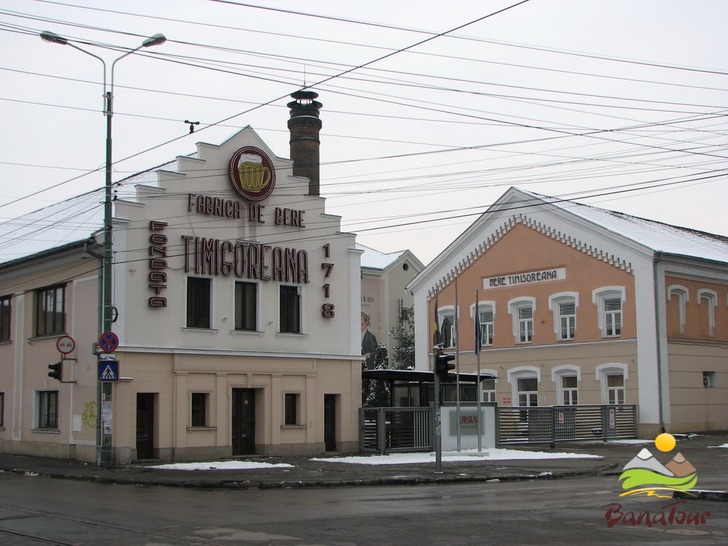
Considered the first beer factory in Romania, the factory in Timisoara was built in 1718 at the direct order of Prince Eugene of Savoy. The reasons behind his idea were…

  • 28 Ştefan cel Mare str.

Landmark building

Timișoara Beer Factory

Considered the first beer factory in Romania, the factory in Timisoara was built in 1718 at the direct order of Prince Eugene of Savoy. The reasons behind his idea were connected to the needs of the Austrian troups and to supplying the city with beer as there was little drinking water. After the fire in 1890, most part of the building was destroyed, but it was reconstructed at the highest standards of those times and it became one of the most modern beer factories in Europe. Between 1900 and 1920 the investment in the factory brought about two projects: the increase of the beer production to reach 100.000hl/year and the improvement of its quality. The beer produced there became more and more popular, and after 1981, the Beer Factory was declared the official supplier of The Royal Romanian House. Even though the factory has been functioning for almost 300 years in the same building and it has been modernized several times, The Beer Factory remains a traditional building combined with modern technology; its XVIIIth century architecture is still preserved.

Contact and practical information

Address
28 Ştefan cel Mare str.
Cetate Synagogue

Church

Cetate Synagogue

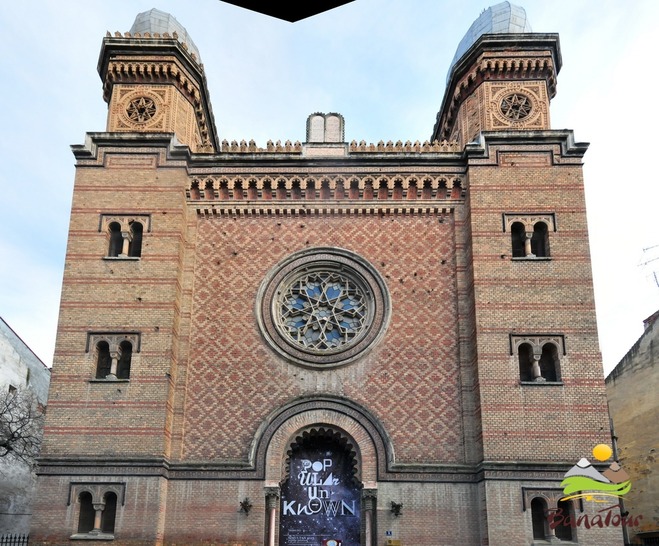
The synagogue was built on the built on the initiative by Rabbi Maurice Hirschfeld I designed by the Viennese architect Igatz Schuhmann. It was built between 1863-1865…

  • Str. Mărăşeşeti nr. 6

Church

Cetate Synagogue

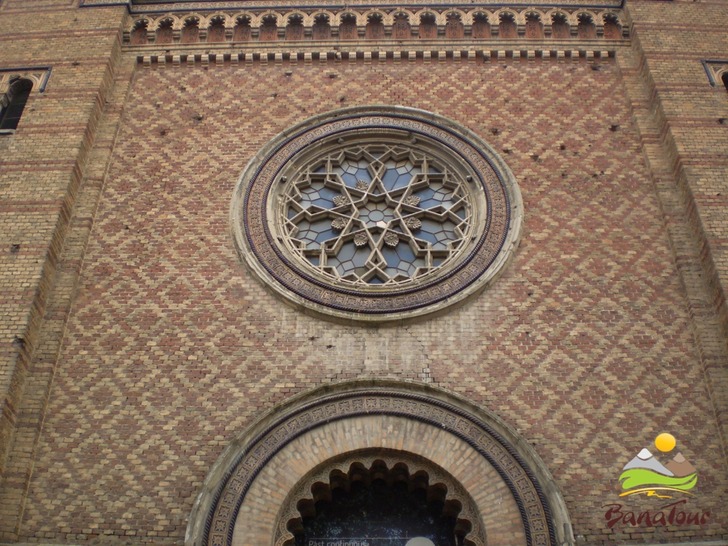
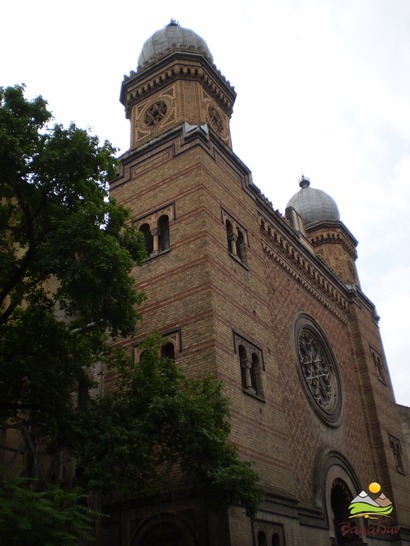
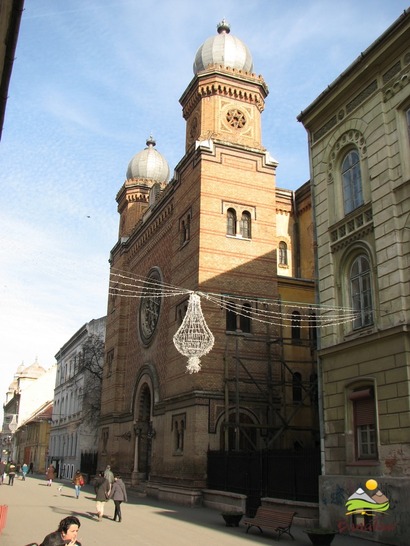
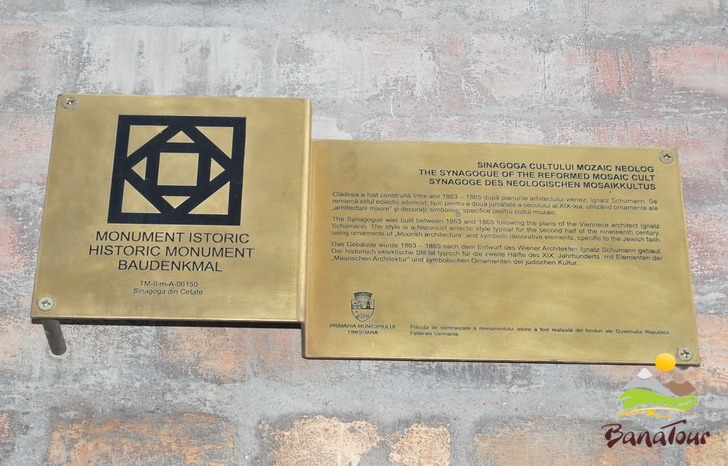
The synagogue was built on the built on the initiative by Rabbi Maurice Hirschfeld I designed by the Viennese architect Igatz Schuhmann. It was built between 1863-1865 for the Spanish Jewish community in the city.The place of worship is also known for the fact that Rabbi David Opelheim is buried here.Construction in the historicist eclectic style typical in the second half of the 19th century, with ornaments inspired by the Moorish architecture of the Byzantine and Roman influences. The facade of the building is covered with ceramic tiles and ceramic tiles. At the same time, there are two towers and an outer dome. Since 2001, the Synagogue was entrusted to the Banat Philharmonic Orchestra from Timisoara.

Contact and practical information

Address
Str. Mărăşeşeti nr. 6
Roman Catholic Cathedral of St. George

Church

Roman Catholic Cathedral of St. George

The construction lasted over 20 years, respectively between 1736 and 1774. The architectural specific style is baroque. Inside there are nine altars decorated baroque…

  • N. 12 Union Square

Church

Roman Catholic Cathedral of St. George

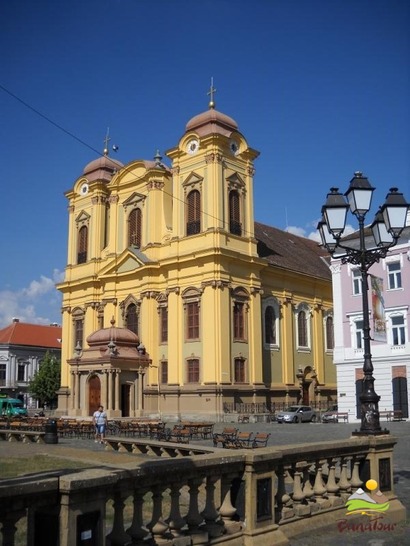
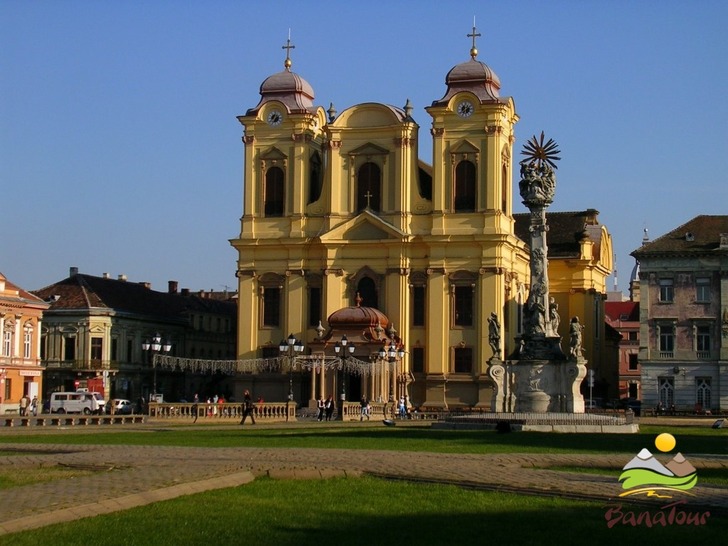
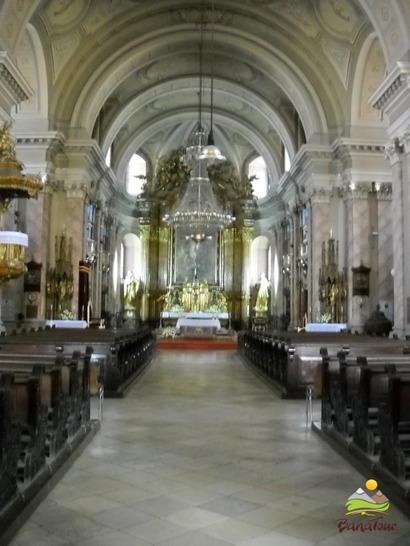
The construction lasted over 20 years, respectively between 1736 and 1774. The architectural specific style is baroque. Inside there are nine altars decorated baroque and rococo style, and the organ is in Louis the XVIth style. The abode has a main entrance and two on both sides.

Contact and practical information

Address
N. 12 Union Square
The Baroque Palace

Landmark building

The Baroque Palace

Also known as the Old Prefect's Palace, the building was built between 1752-1754, when it became the residence of the governor of the Banat region of the…

  • Str. Piaţa Unirii nr. 1

Landmark building

The Baroque Palace

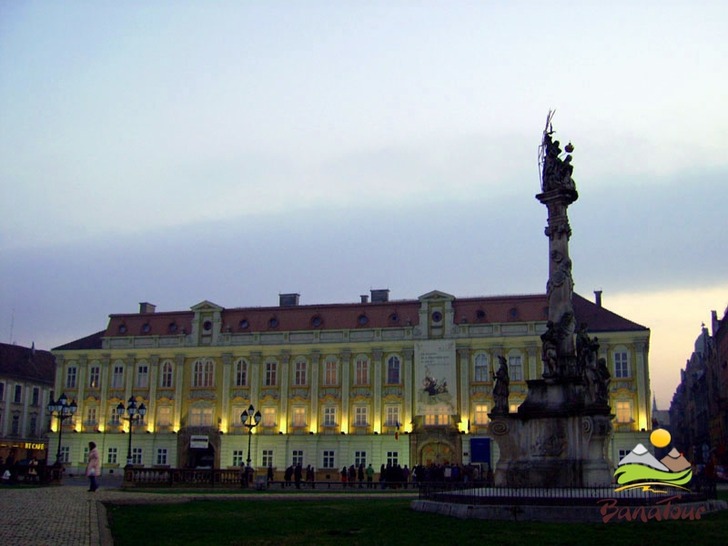
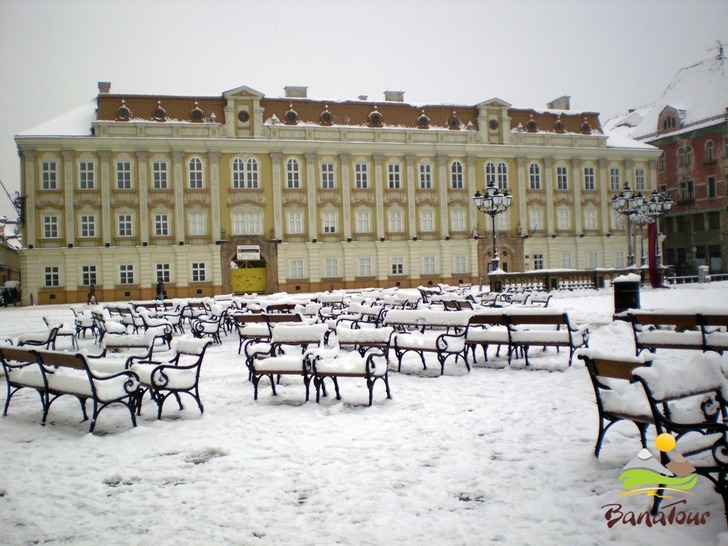
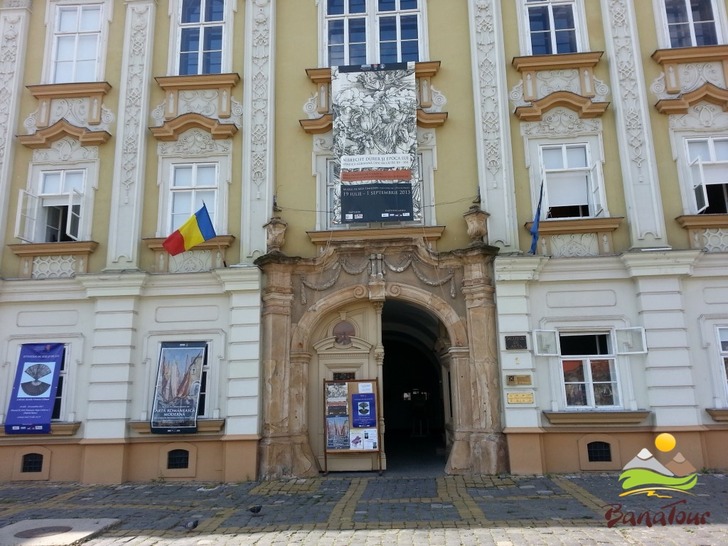
Also known as the Old Prefect's Palace, the building was built between 1752-1754, when it became the residence of the governor of the Banat region of the Austro-Hungarian Empire. In 1779, it became the House of the County, and between 1848-1860 it was the seat of the. From 1861 to 1918, the Timiş County headquarters is re-established, and after World War I, the Prefecture of Timiş-Torontal County is housed. Nowadays, the Art Museum is inaugurated in 2006, after a long restoration process started in 1979 by architects Şerban and Doina Sturdza. From an architectural point of view, the palace is one of the most representative monuments in the Austrian Baroque style, and features some Rococo details. The exterior decorative elements and construction look similar to the Kinsky Palace in Vienna.

Contact and practical information

Address
Str. Piaţa Unirii nr. 1
Hydroelectric Power Plant Museum

Museum

Hydroelectric Power Plant Museum

The Timişoara administration began the construction of a new Begej canal, at the beginning of 1907, between the entrance to the city and Neptun Palace in Fabric. Due to…

  • Canalul Bega – cartierul Fabric, str. Câmpului nr. 1
Museum

Hydroelectric Power Plant Museum

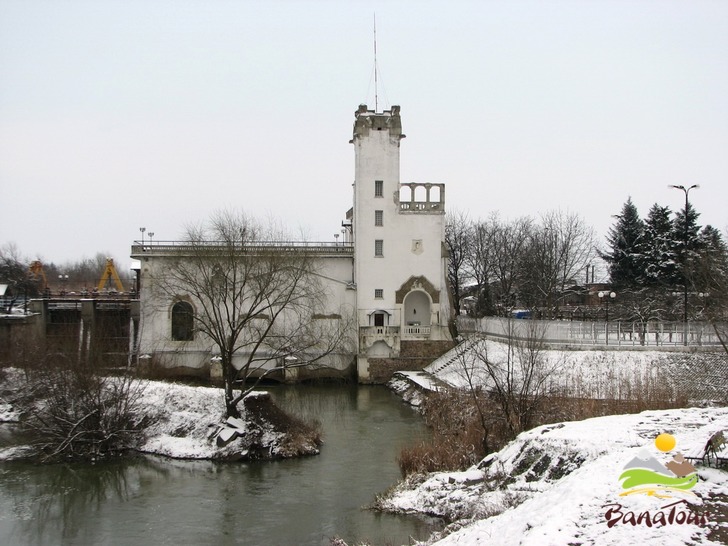
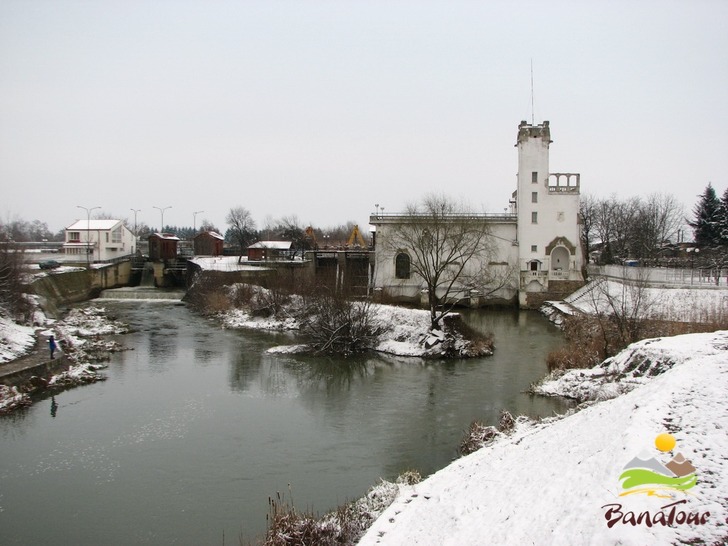
The Timişoara administration began the construction of a new Begej canal, at the beginning of 1907, between the entrance to the city and Neptun Palace in Fabric. Due to the fact that the water level difference between the mentioned points is more than 4 meters, in 1909, the City Hall decided to build a hydroelectric power plant on the Begej Canal, according to the plans of the architect Székely László. In 1910, the hydroelectric plant was put into operation and is still being used.The central building of the hydropower plant is made up of a rectangular body. Stavails form the second largest component of the lens, above which a wooden walkway is built.The electricity produced here was used for tram and public lighting.

Contact and practical information

Address
Canalul Bega – cartierul Fabric, str. Câmpului nr. 1
Church of the Nativity of the Theotokos - Iosefin

Church

Church of the Nativity of the Theotokos - Iosefin

The church was built between 1932 and 1936, on an area of 1,320 square meters, which was donated in 1925, the City Administration in Timisoara. The foundation stone was…

  • Piața Alexandru Mocioni, nr. 9

Church

Church of the Nativity of the Theotokos - Iosefin

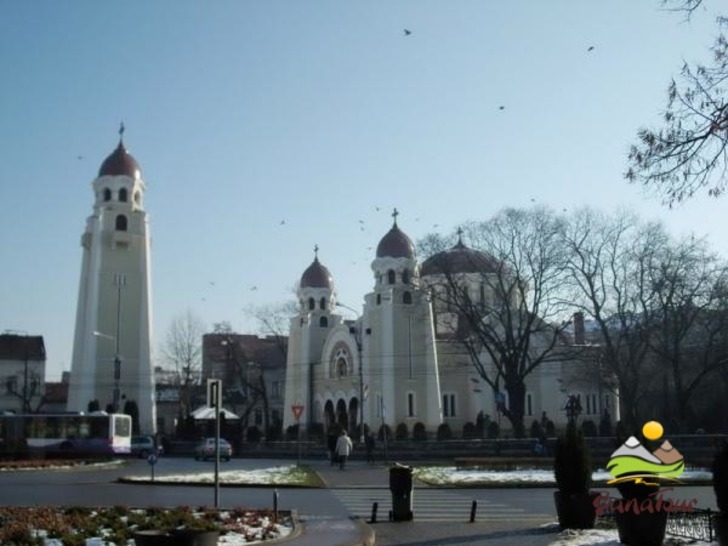
The church was built between 1932 and 1936, on an area of 1,320 square meters, which was donated in 1925, the City Administration in Timisoara. The foundation stone was laid on September 8, 1931. After the construction of the temple, on September 8, 1936, it was dedicated to the "Virgin Mary". Between 1939 and 1946 it served as an Orthodox cathedral, also known as the "Old Orthodox Cathedral".The church was built in an unusual style, inspired by the cathedral of "St. Sofia" in Istanbul (Istanbul). The bell tower is separated from the church itself, with its own cupola in the form of a building. Mural painting was performed by Professor Katul Bogdan and dr. Ioachim Miloia, between 1935 and 1936. After that, two restorations were carried out, in 1958, and between 1983 and 1985, when about 88 biblical scenes were added.In the courtyard to the five founders (Iacob Marian, Ing. Victor Vlad, professor Ioan Imbroane, Av. Emanuil Ungurianu, Dr. Ioachim Miloia), all made by the sculptor Aurel Gheorghe Ardeleanu.

Contact and practical information

Address
Piața Alexandru Mocioni, nr. 9
Maria Theresa Bastion

Landmark building

Maria Theresa Bastion

It was built between 1730 and 1735, being part of the defensive wall of the old city of Timisoara. It is the only bastion of the nine that has not been destroyed over…

  • Str. Hector

Landmark building

Maria Theresa Bastion

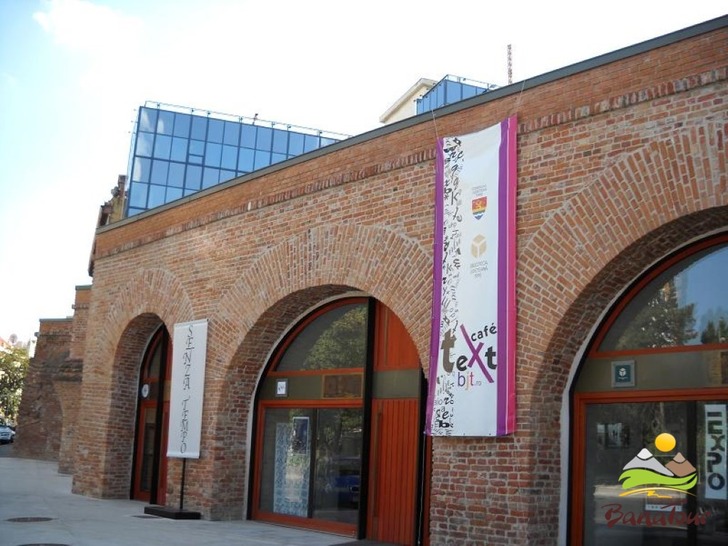
It was built between 1730 and 1735, being part of the defensive wall of the old city of Timisoara. It is the only bastion of the nine that has not been destroyed over time. It has the appearance of a fortified bastion that has a protective ditch and high walls on the outside. The interior of the bastion is used as a cultural space.

Contact and practical information

Address
Str. Hector
The Banat Village Museum

Museum

The Banat Village Museum

Designed as a traditional Banat village, the Reserve of Ethnographic Outdoor Architecture in Green Forest includes household of various national minorities from Banat…

  • No. 1, Avram Imbroane Street

Museum

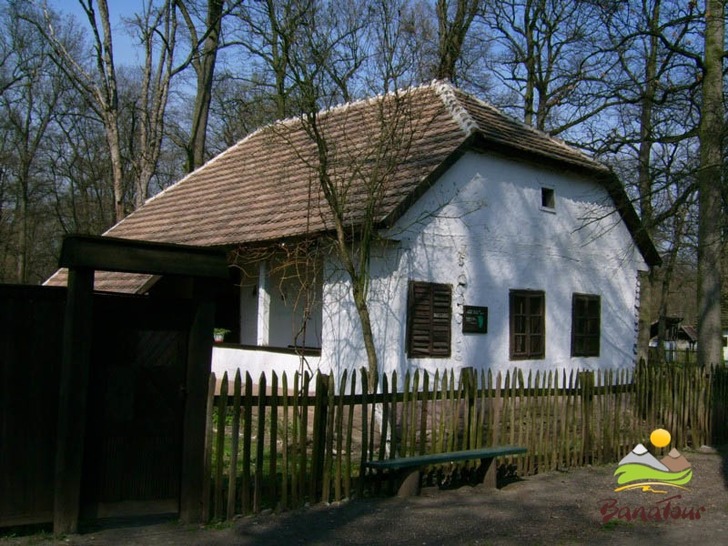
The Banat Village Museum

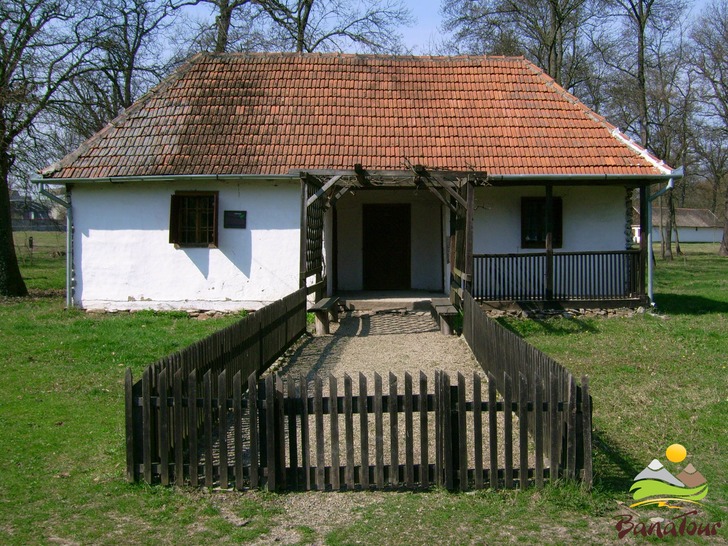
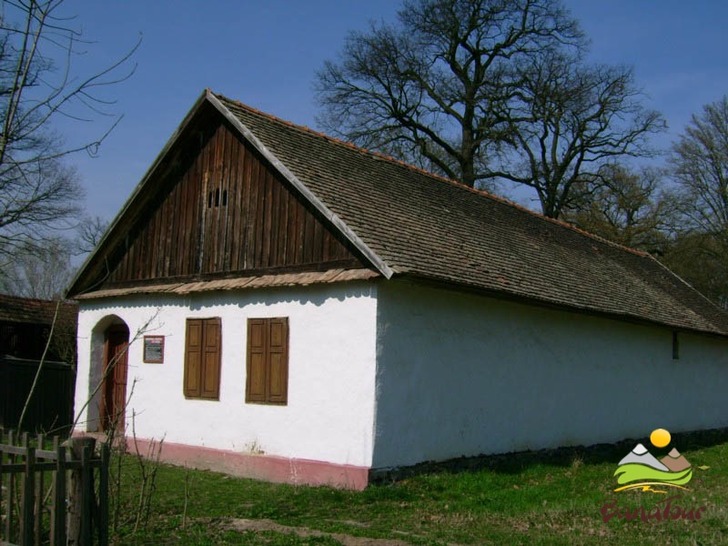
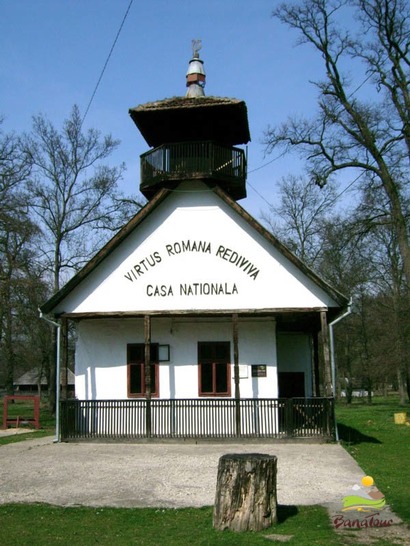
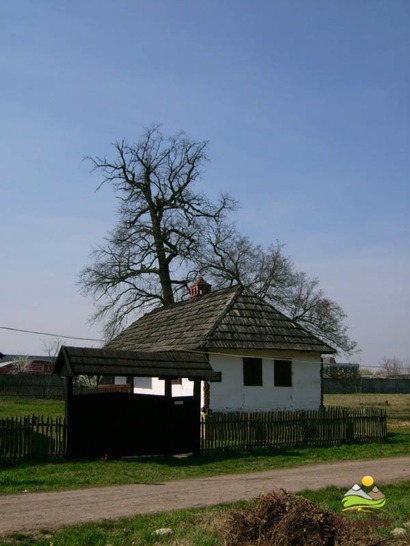
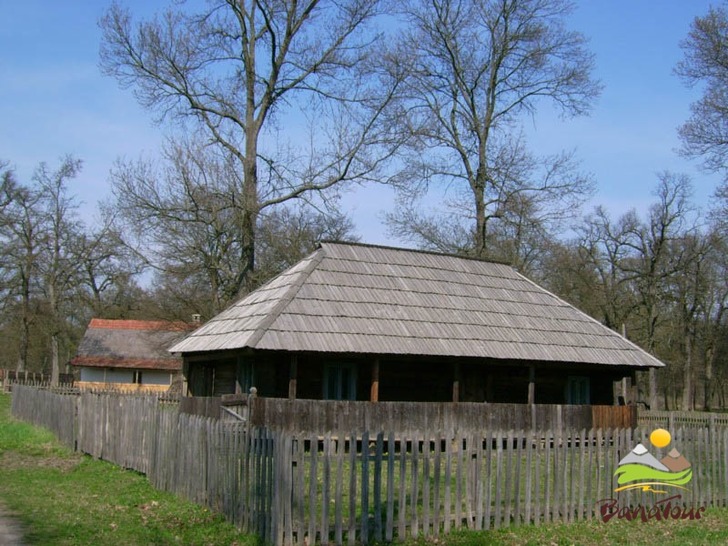
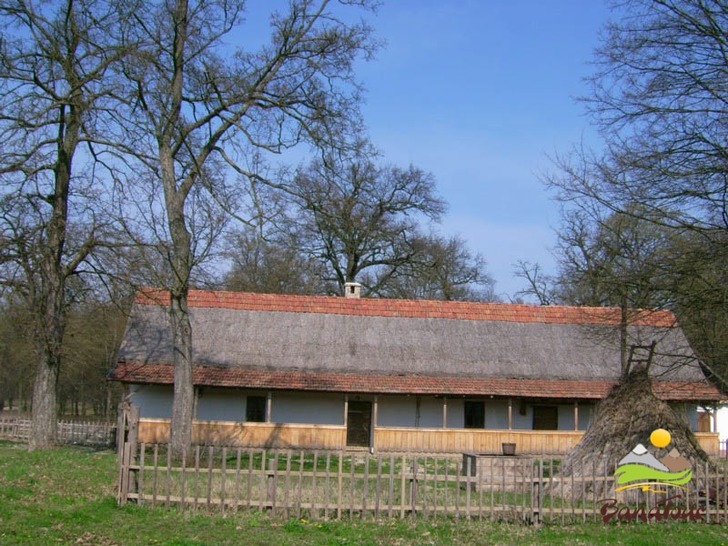
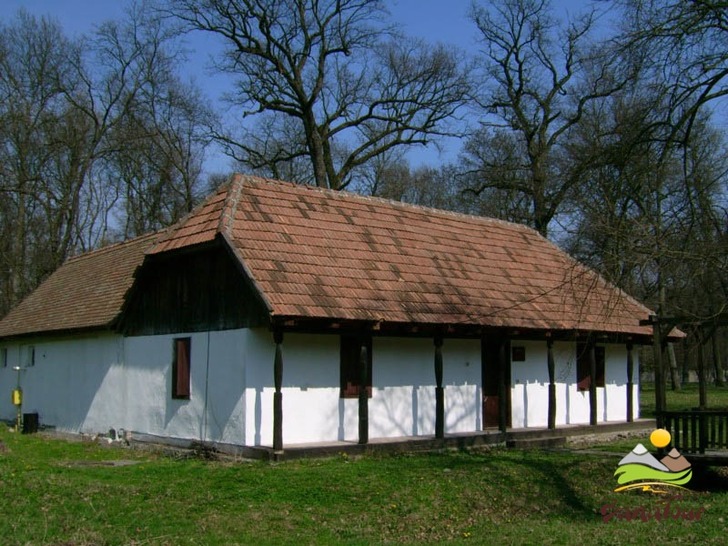
Designed as a traditional Banat village, the Reserve of Ethnographic Outdoor Architecture in Green Forest includes household of various national minorities from Banat (Romanians, Slovaks, Swabians, Ukrainians, Hungarians, Serbs, etc.), buildings with a social function in a traditional village (municipality, church), technical installations and workshops. One example is the traditional house of Căpâlnaș (the 19th century), the potter's house and workshop of Bata, oil making appliances, the mill bucket of Topleţ, water mills, the wooden church of Topala (the 18th century). The museum has received a wealthy collection of traditional art (12,000 objects) previously belonging the permanent exhibition of the Banat Museum in the Bastion building, which closed in 2007. In the near future a permanent exhibition will be opened in a new building to be set within the open air museum.

Contact and practical information

Address
No. 1, Avram Imbroane Street
The Huniade Castle (Banat Museum)

Castle

The Huniade Castle (Banat Museum)

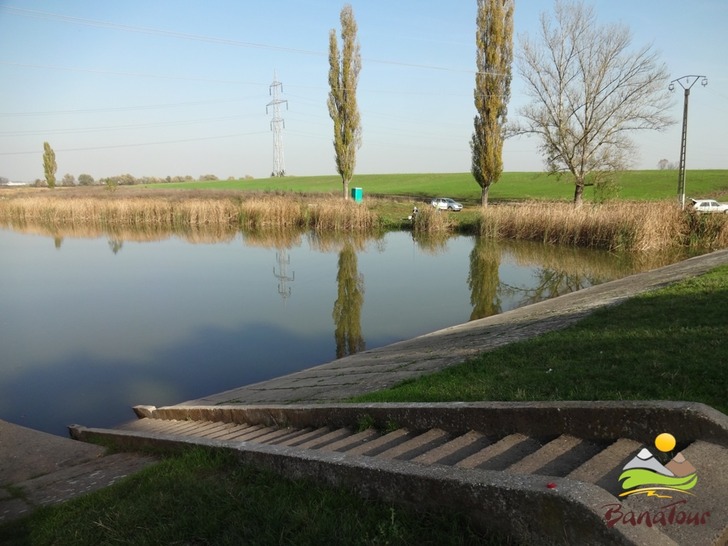
The Huniade Castle (Banat Museum) is the oldest building in Timisoara, as it was built between 1443 and 1447 by Ioan of Hunedoara, on the ruins of an ancient castle,…
Castle

The Huniade Castle (Banat Museum)

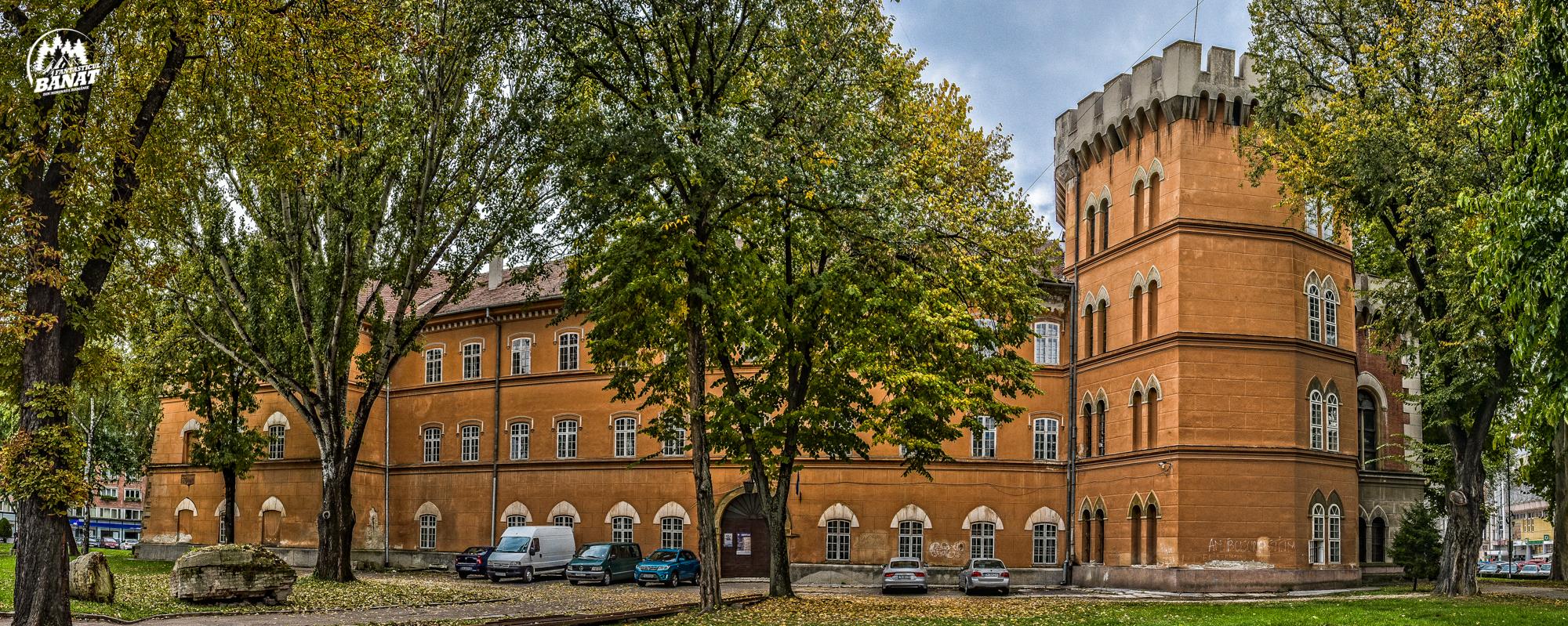
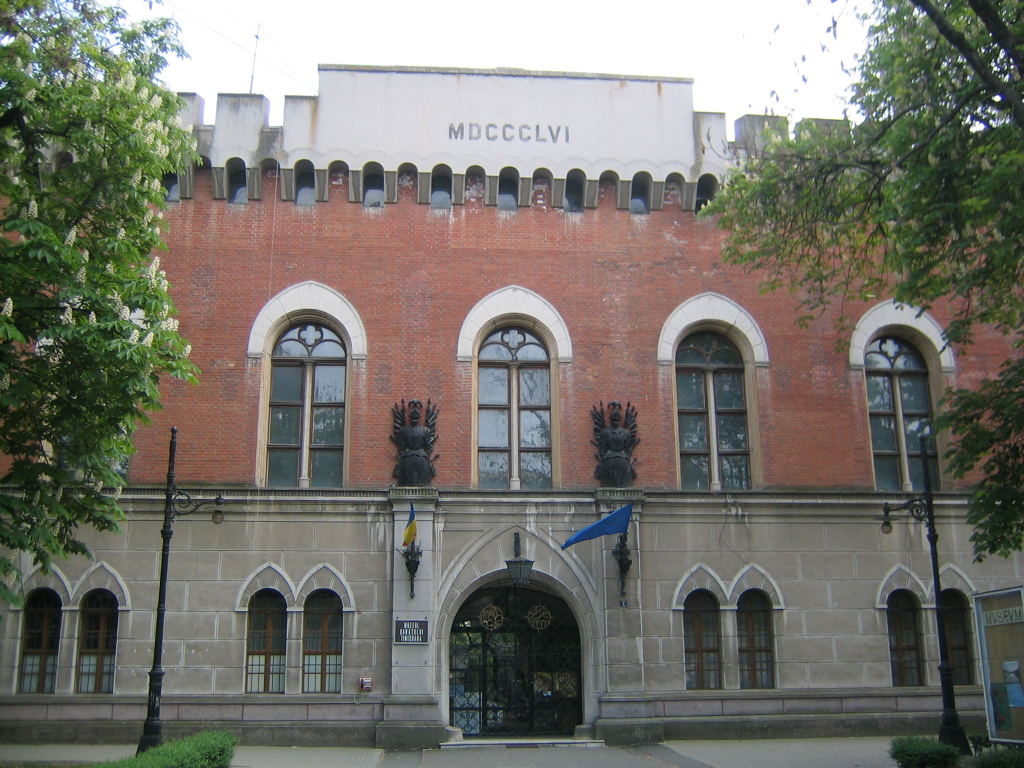
The Huniade Castle (Banat Museum) is the oldest building in Timisoara, as it was built between 1443 and 1447 by Ioan of Hunedoara, on the ruins of an ancient castle, from the 14th century. In the inside courtyard, the foundations of the stonework and of the walled tower were discovered, which are assumed to date back to 1307-1314...

Dumbrăviţa Accumulation

Viewpoint

Dumbrăviţa Accumulation

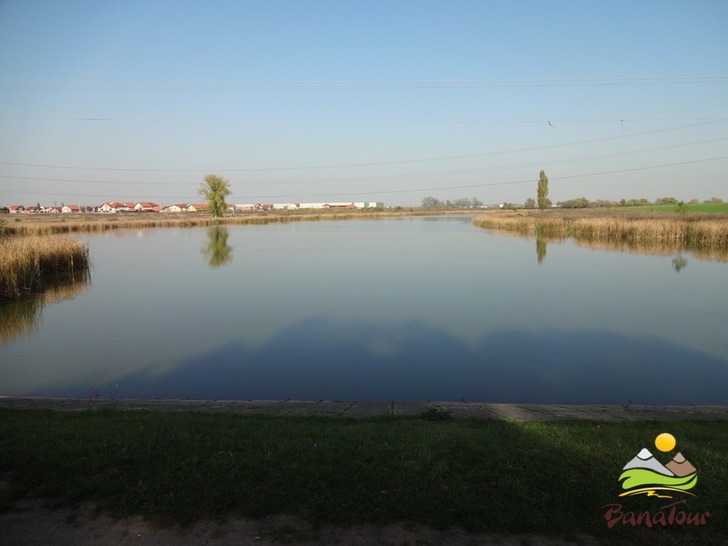
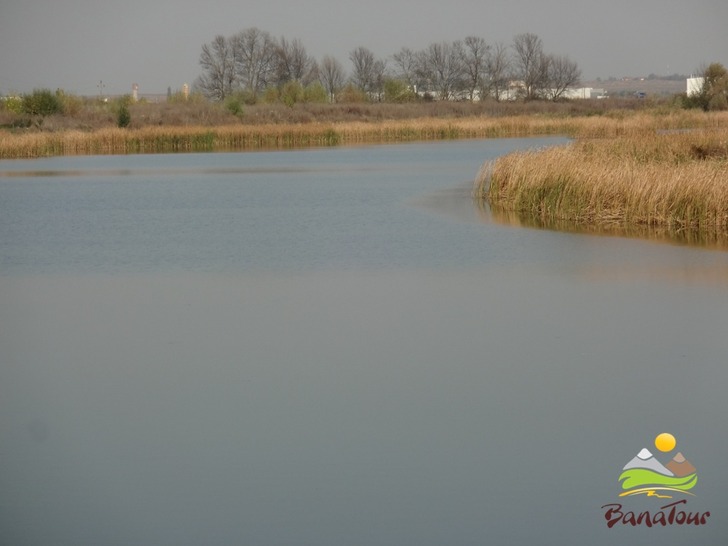
Dumbravita Accumulation Lake is approximately 7 km away from Timisoara, at the exit of Dumbravita, on the right side of the road, close to Padurea Verde. The lake…
Viewpoint

Dumbrăviţa Accumulation

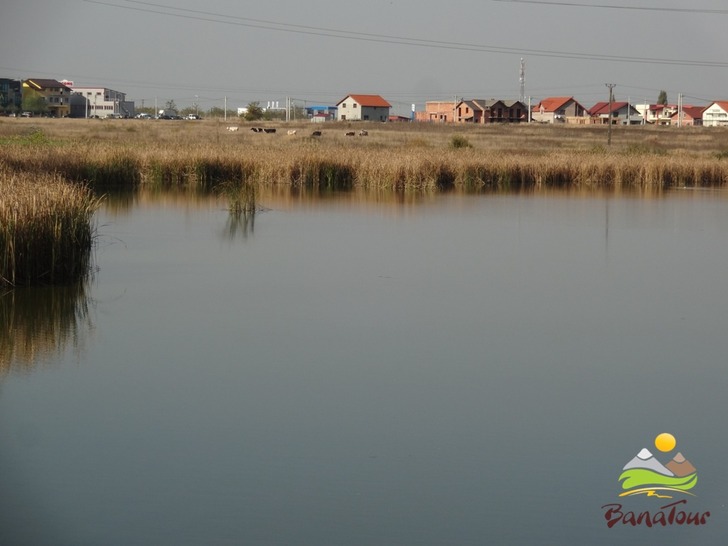
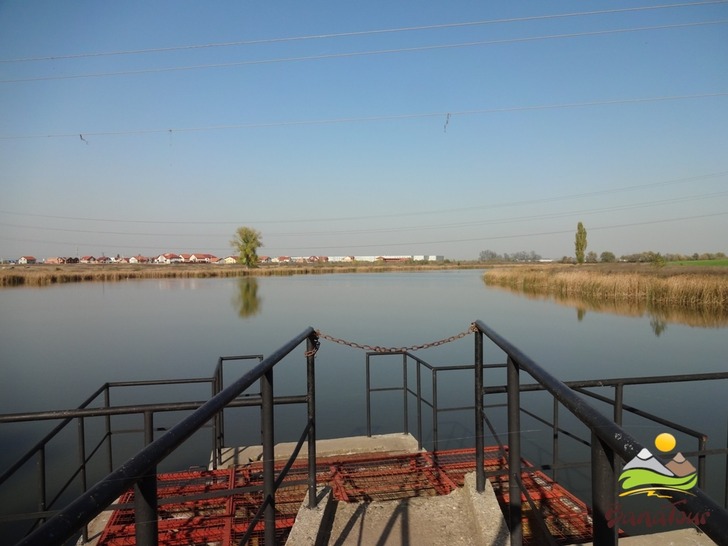
Dumbravita Accumulation Lake is approximately 7 km away from Timisoara, at the exit of Dumbravita, on the right side of the road, close to Padurea Verde. The lake streches over approximately 13 ha. It was set up again in 2009. The access to the lake is by the 691 county road, Timisoara – Lipova; at the exit of Dumbravita, at the roundabout one takes the right and after approximately 500 meters one reaches the lake. Fishing is allowed both with permit or without it (25 lei fee/person) with maximum four rods. Night fishing is also allowed.

The Žitište beach on the Begej River

Beach

The Žitište beach on the Begej River

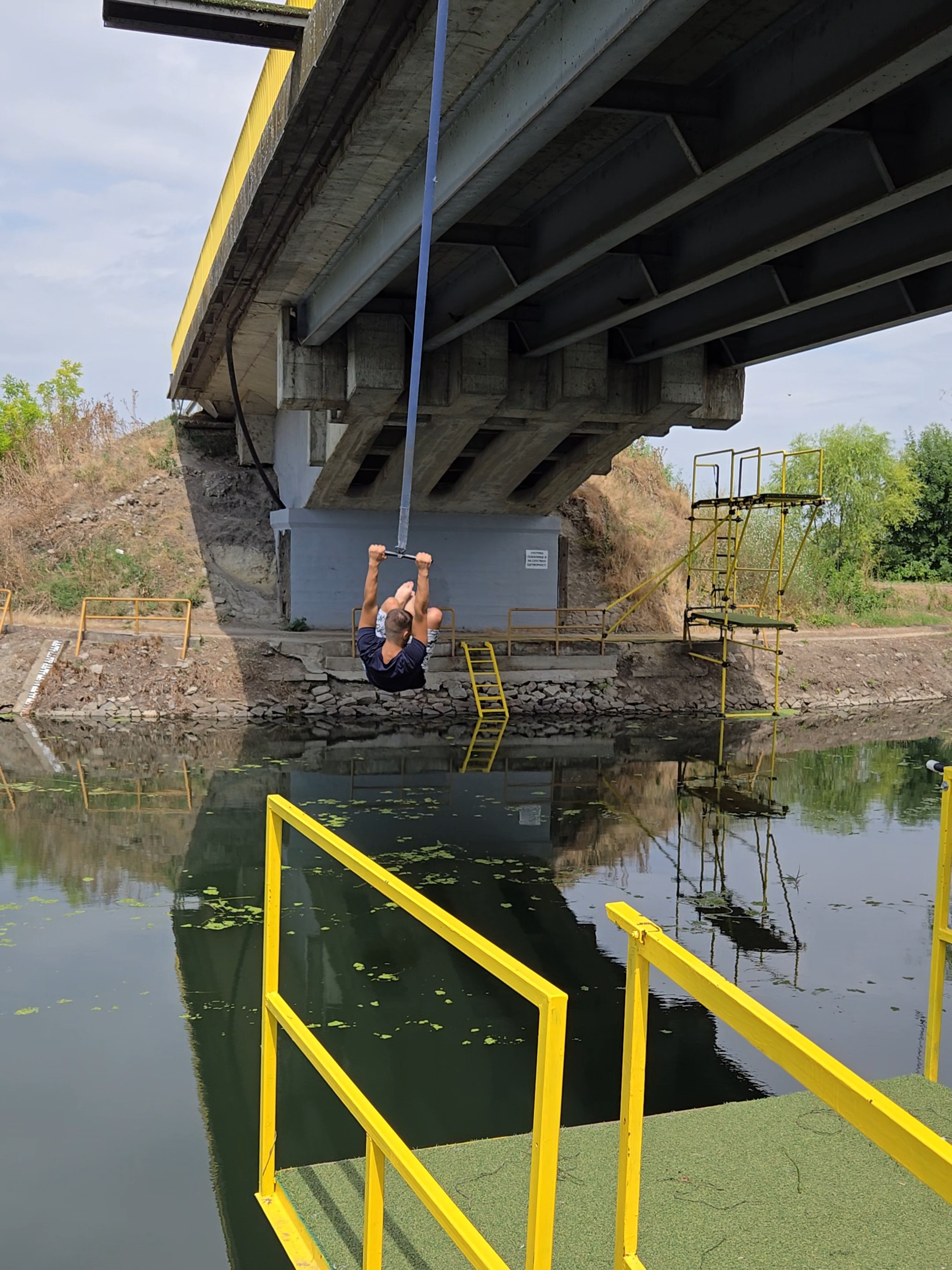
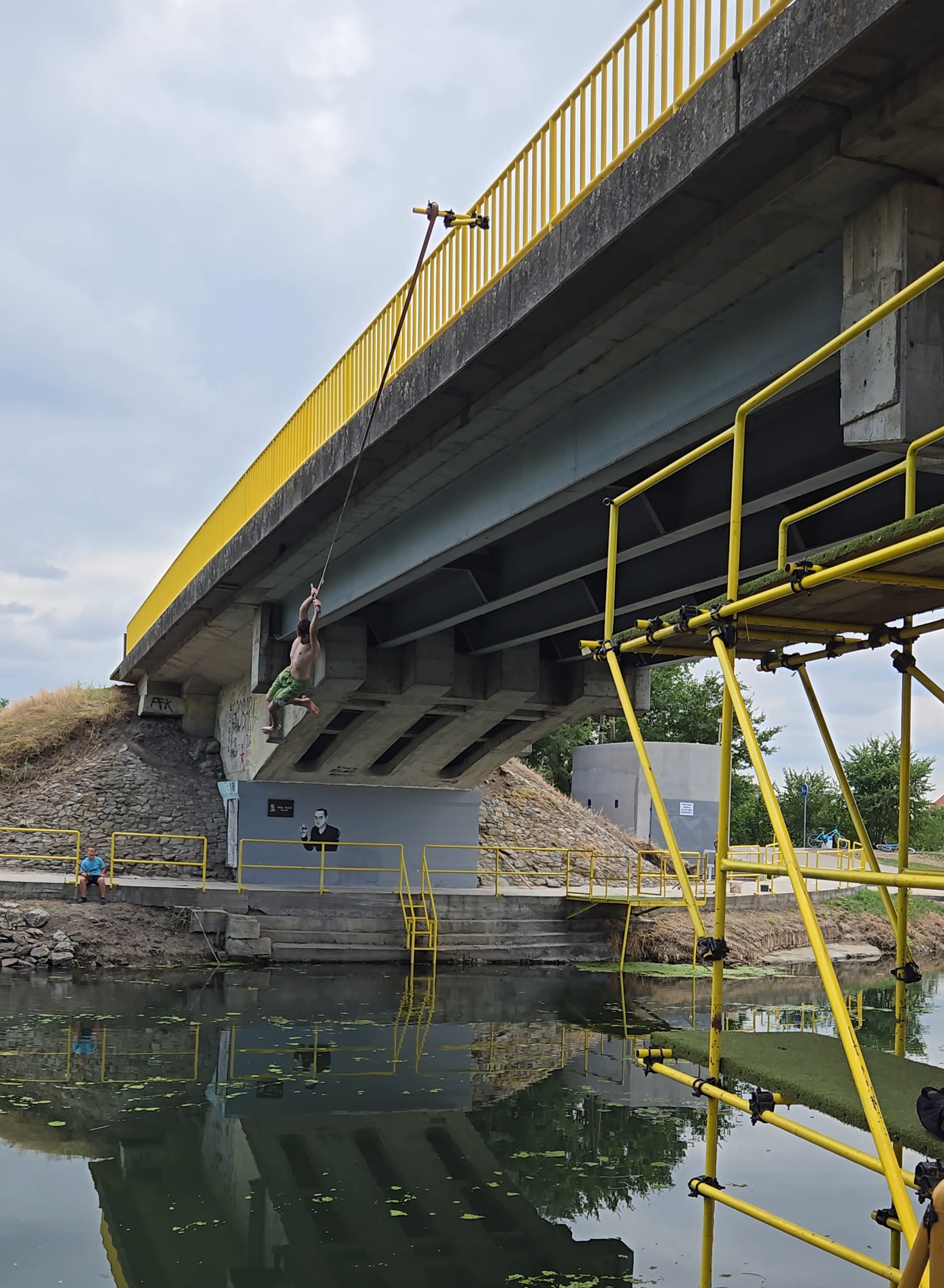
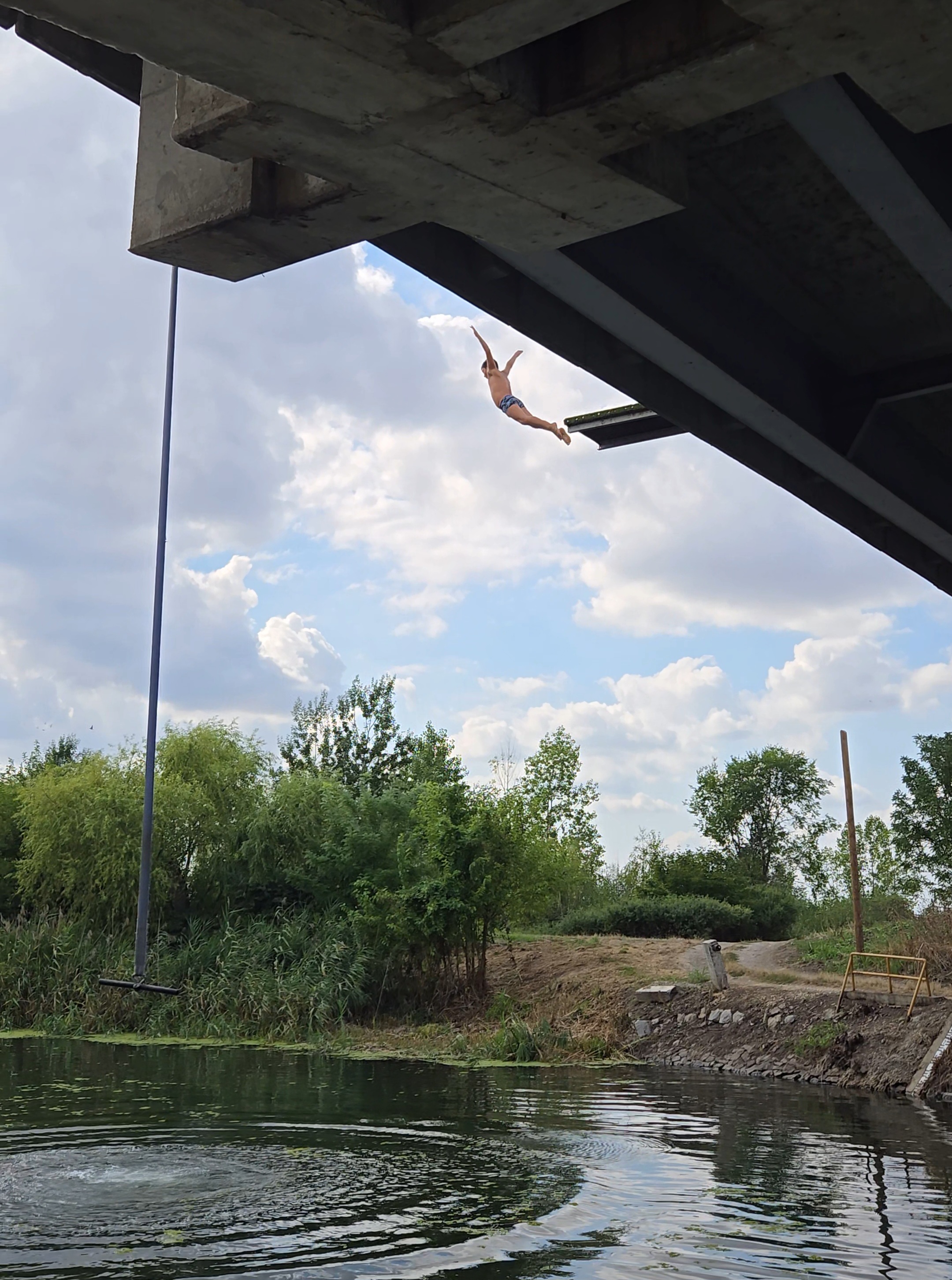
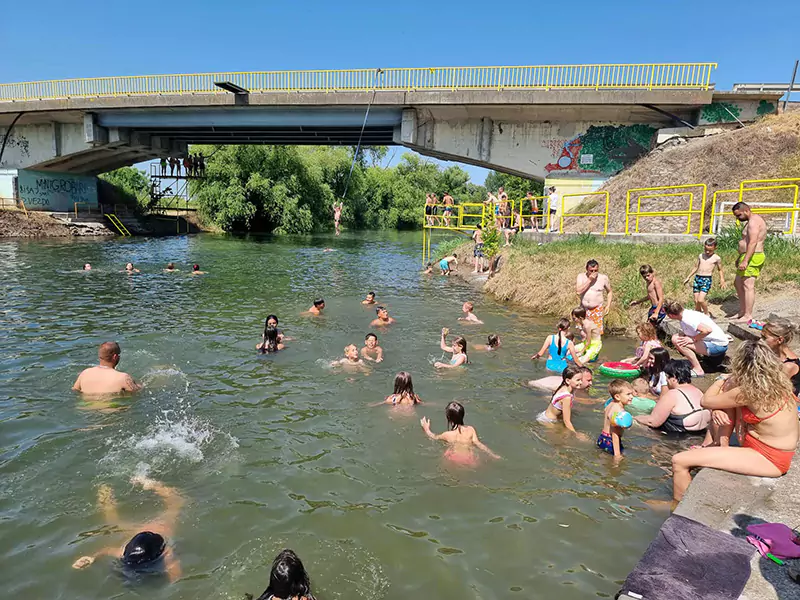
The Žitište beach on the Begej River is a nicely arranged riverbank spot located near the local bridge, perfect for summer refreshment and relaxation.

  • Begejski kej

Beach

The Žitište beach on the Begej River

The Žitište beach on the Begej River is a nicely arranged riverbank spot located near the local bridge, perfect for summer refreshment and relaxation.

Contact and practical information

Address
Begejski kej
Caffe „ART”

Restaurant

Caffe „ART”

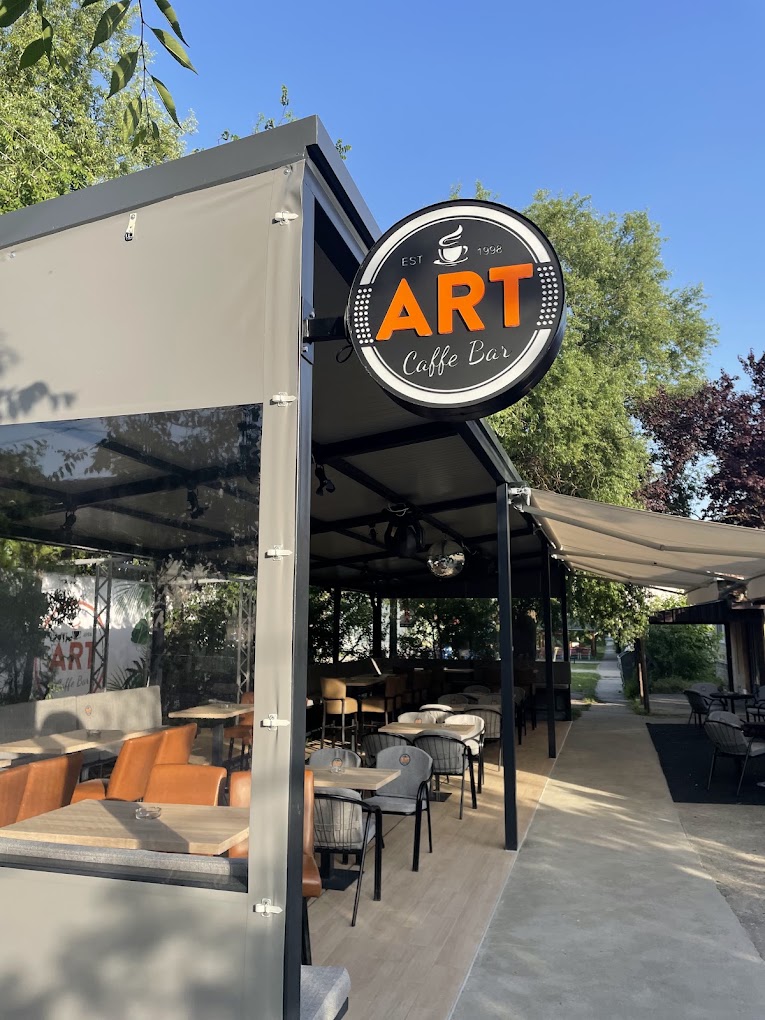
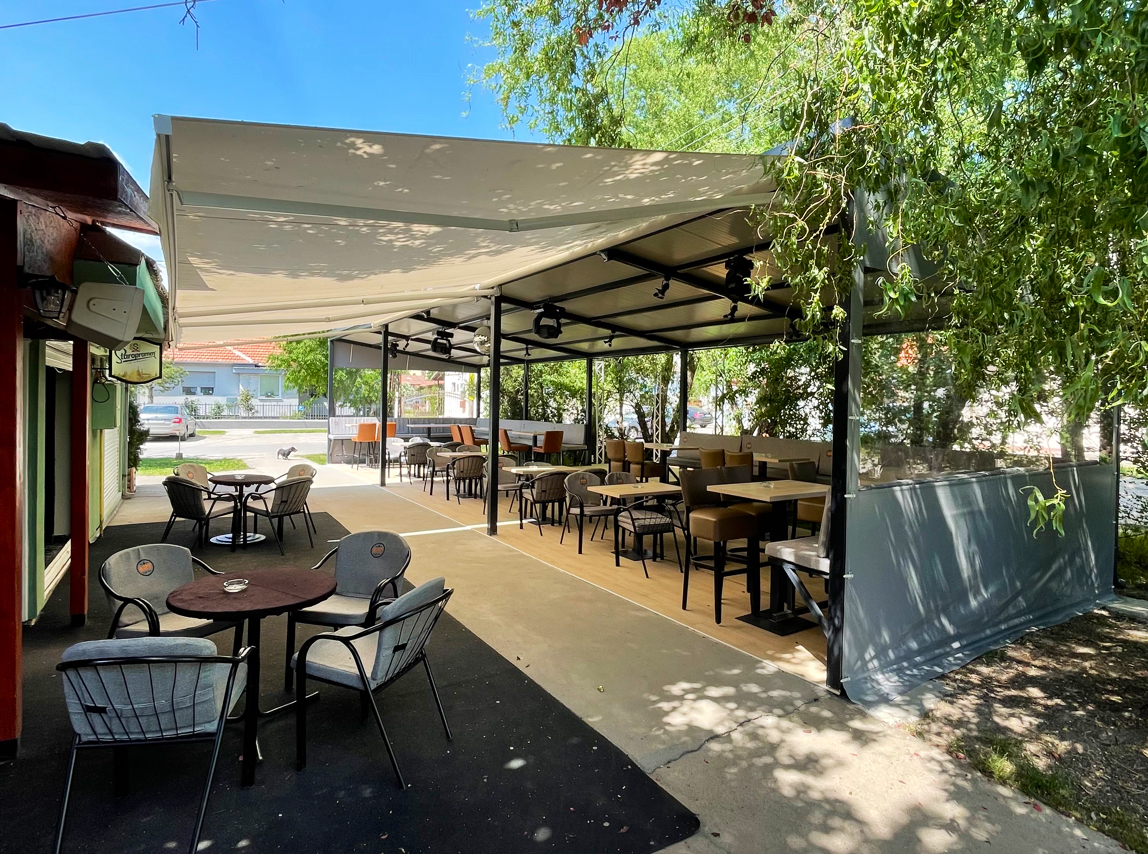
Located in the very center of Žitište, Caffe "ART" is a popular local spot known for its cozy ambiance, relaxed atmosphere, and a wide selection of hot and cold…

Restaurant

Caffe „ART”

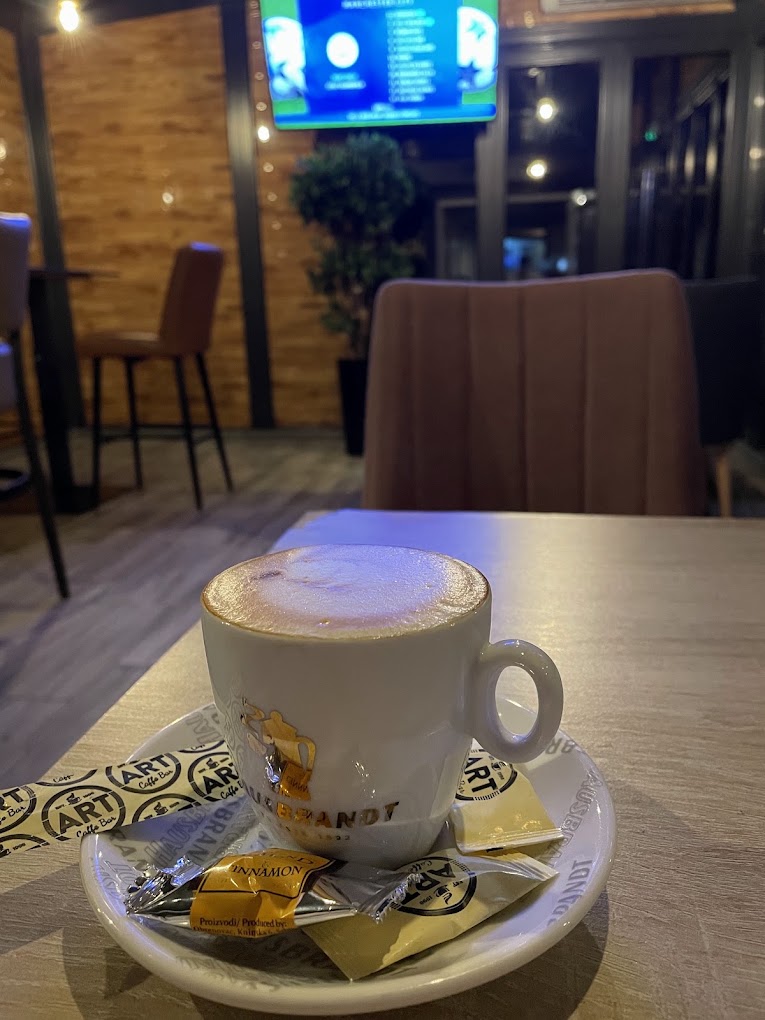
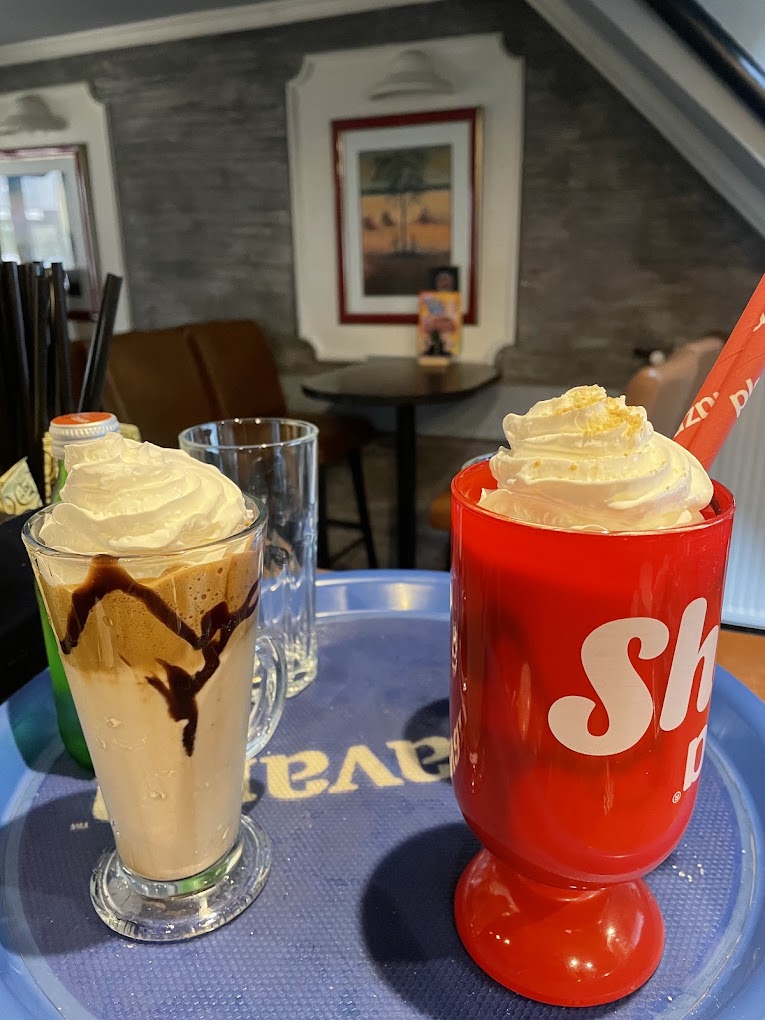
Located in the very center of Žitište, Caffe "ART" is a popular local spot known for its cozy ambiance, relaxed atmosphere, and a wide selection of hot and cold beverages. Featuring a pleasant outdoor terrace in the heart of the town, it serves as an excellent place for cyclists and passersby to refresh themselves, enjoy a coffee, and take a break during their ride.

Contact and practical information

Address
Trg Oslobođenja
Crooked Tree

Viewpoint

Crooked Tree

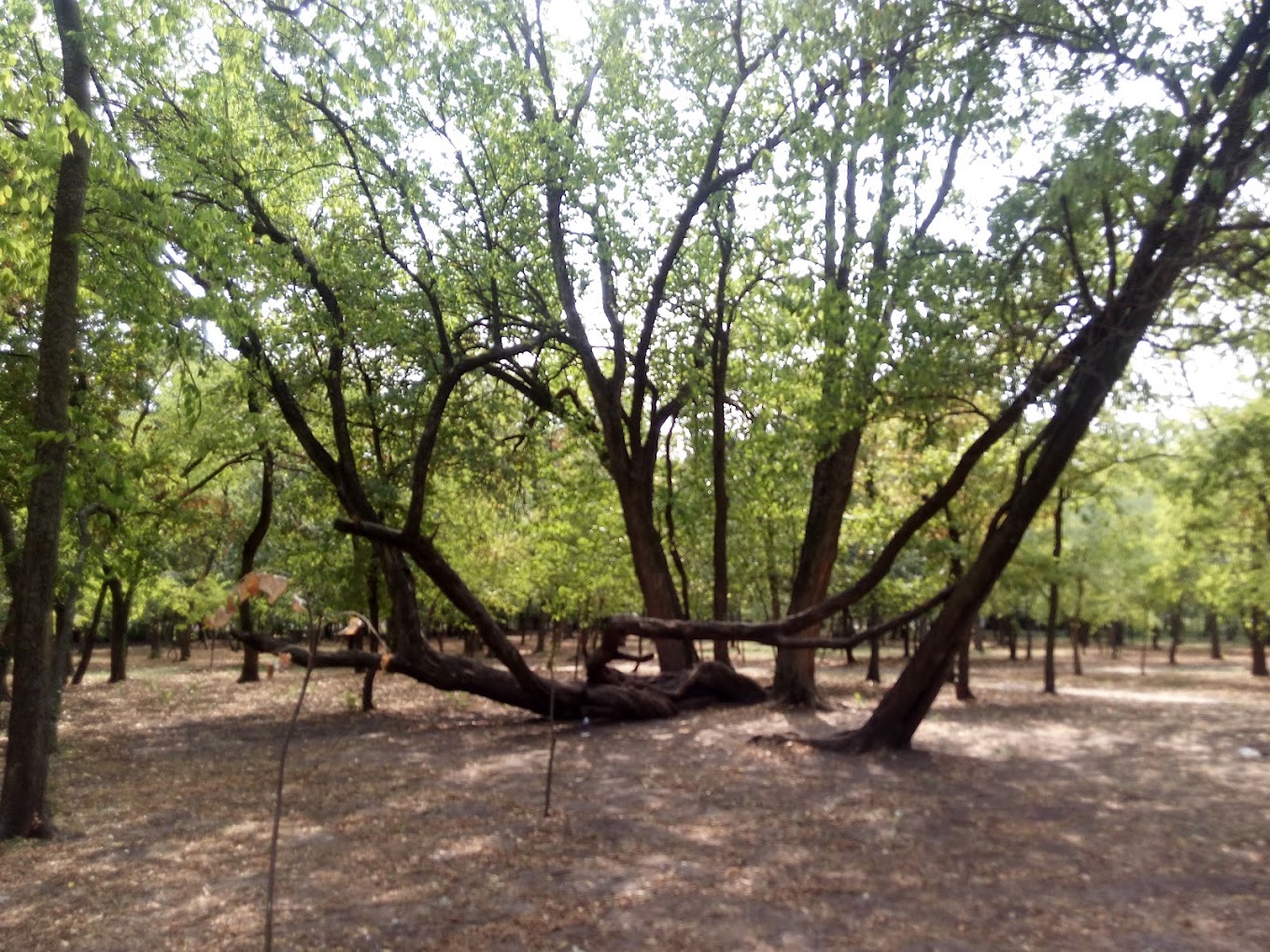
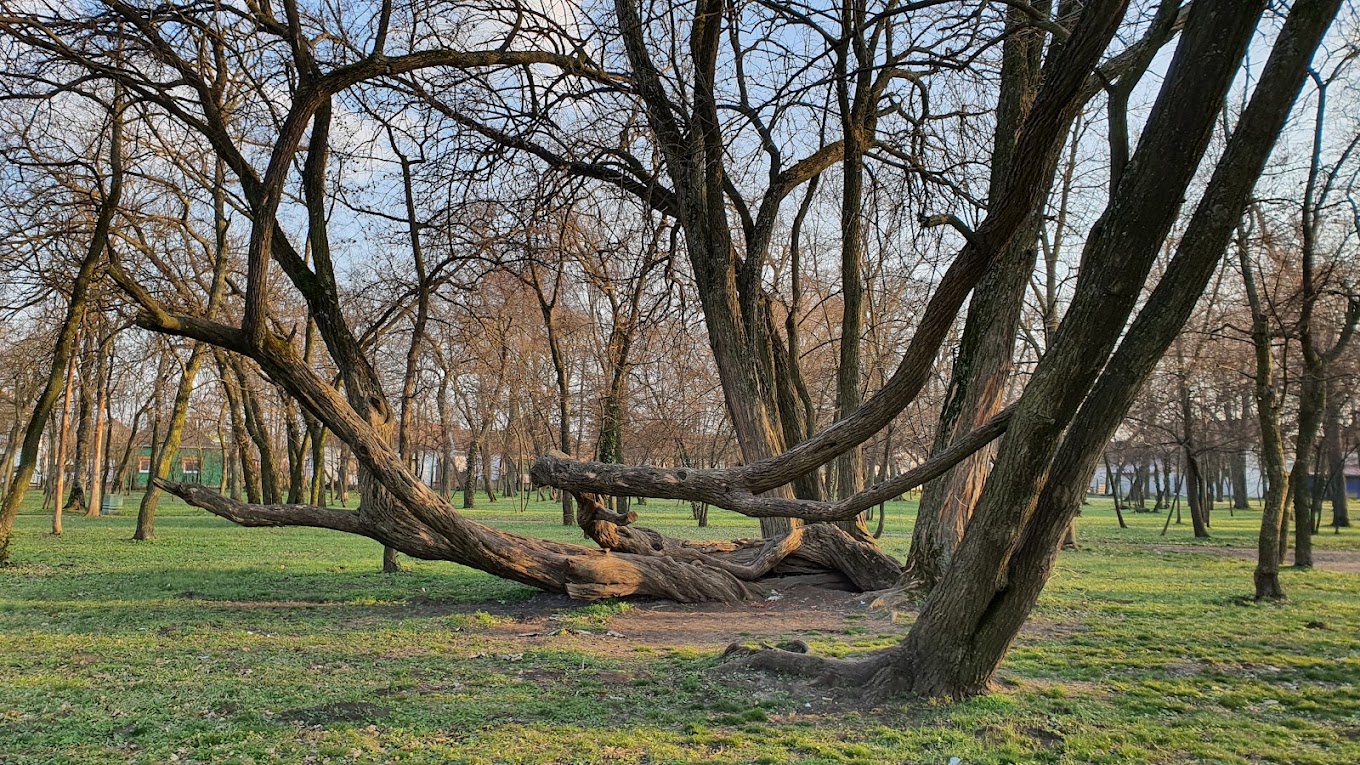
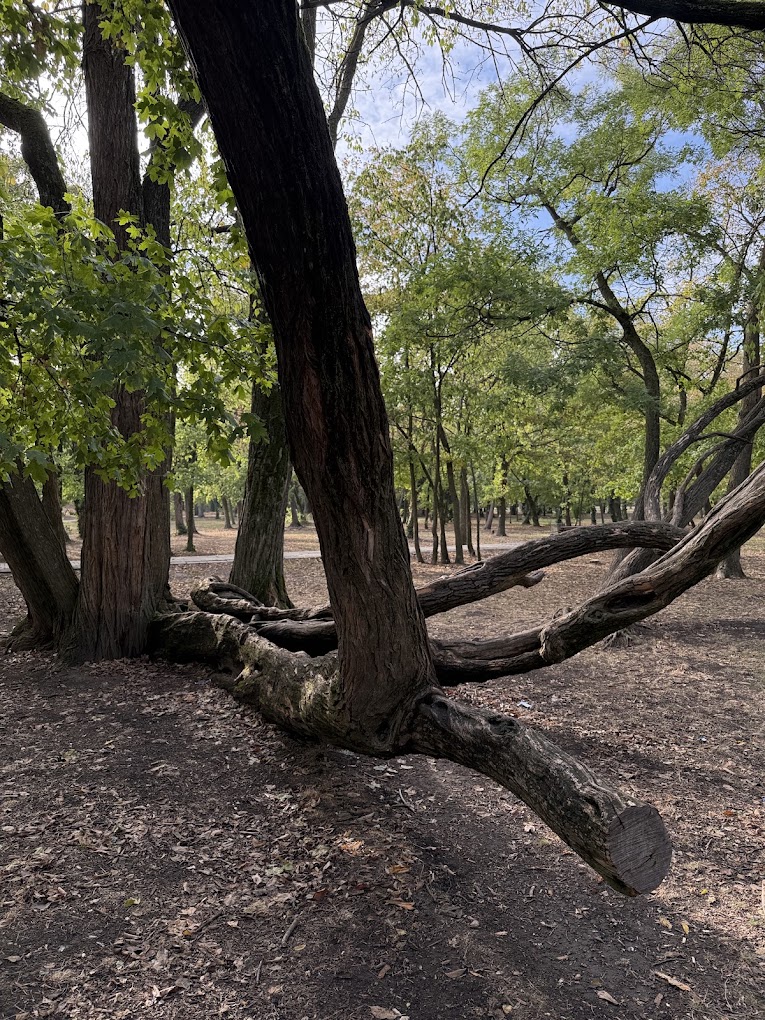
Located in the main park of Žitište, the "Crooked Tree" is a unique natural landmark and a recognizable symbol of the town. This unusual tree grows horizontally rather…

  • Pupinova

Viewpoint

Crooked Tree

Located in the main park of Žitište, the "Crooked Tree" is a unique natural landmark and a recognizable symbol of the town. This unusual tree grows horizontally rather than upright, creating a distinctive and eye-catching shape. Surrounded by greenery and walking paths, it is a favorite photo spot and a pleasant rest area for cyclists and visitors exploring the park.

Contact and practical information

Address
Pupinova
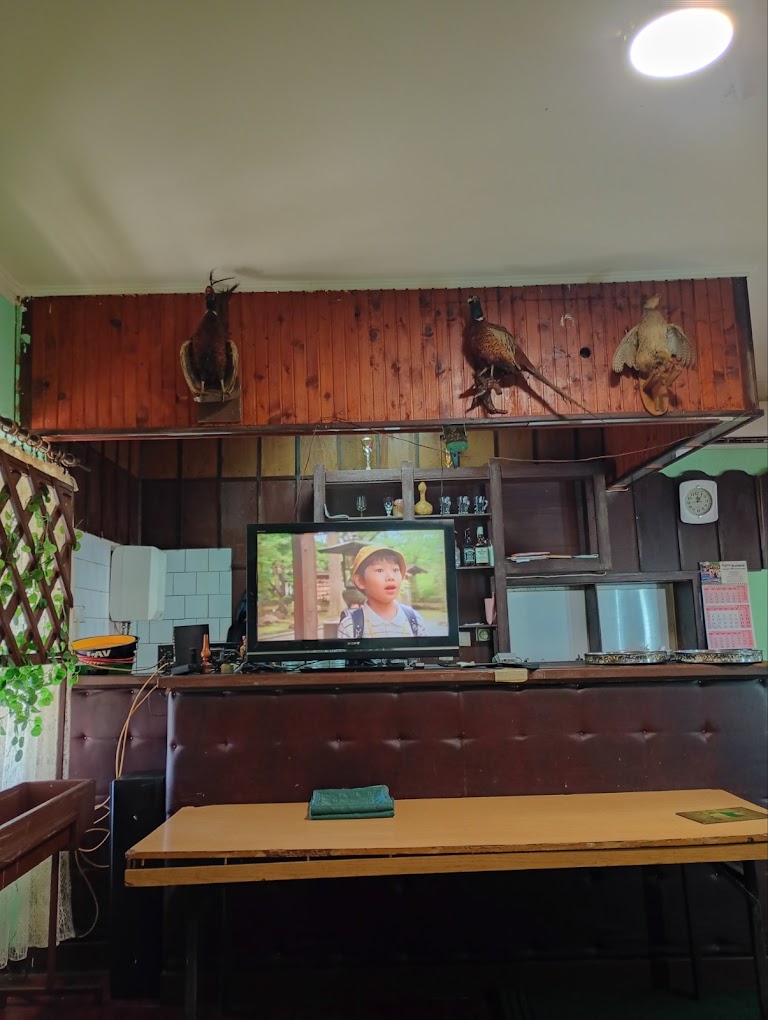
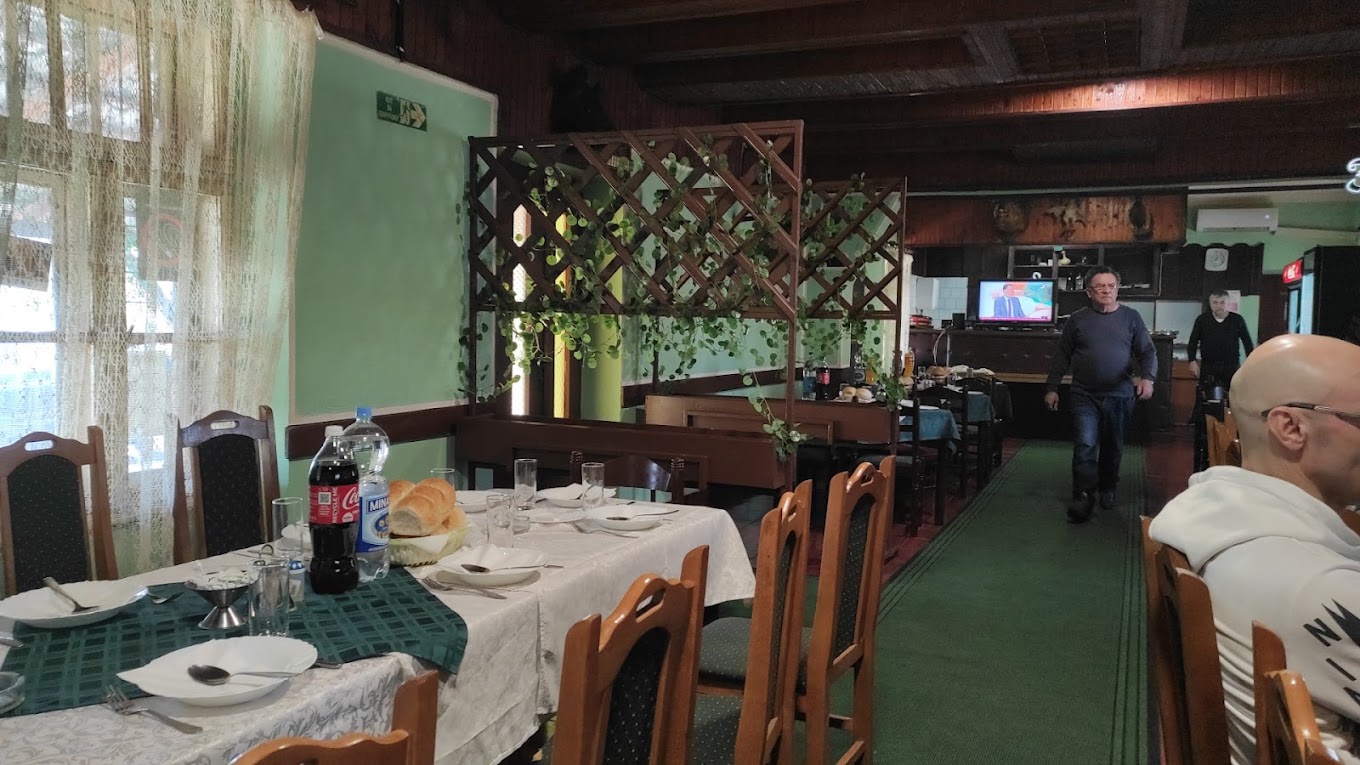
Restaurant „Lovac”

Restaurant

Restaurant „Lovac”

Located in Žitište, Restaurant "Lovac" is known for its traditional Banat hospitality and a rich menu featuring local meat and game specialties. Its cozy, hunt-themed…

Restaurant

Restaurant „Lovac”

Located in Žitište, Restaurant "Lovac" is known for its traditional Banat hospitality and a rich menu featuring local meat and game specialties. Its cozy, hunt-themed interior and spacious outdoor seating area make it a great choice for cyclists and travelers looking for a hearty, authentic meal and a good rest on their journey through the region.

Contact and practical information

Address
Železnička 19
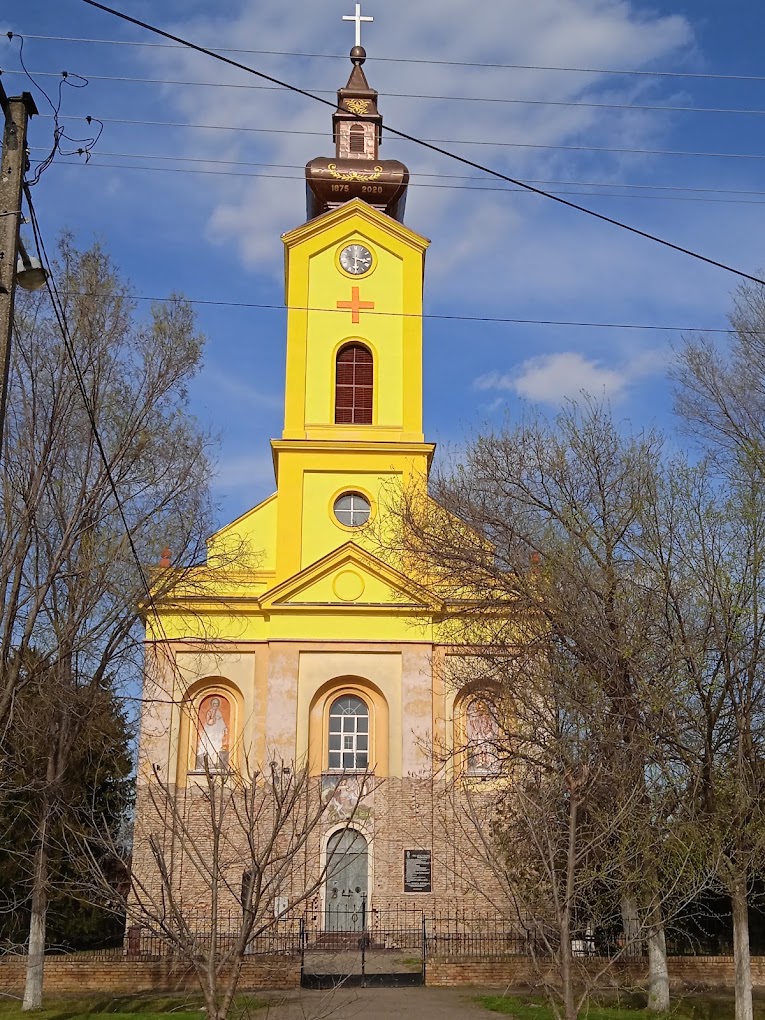
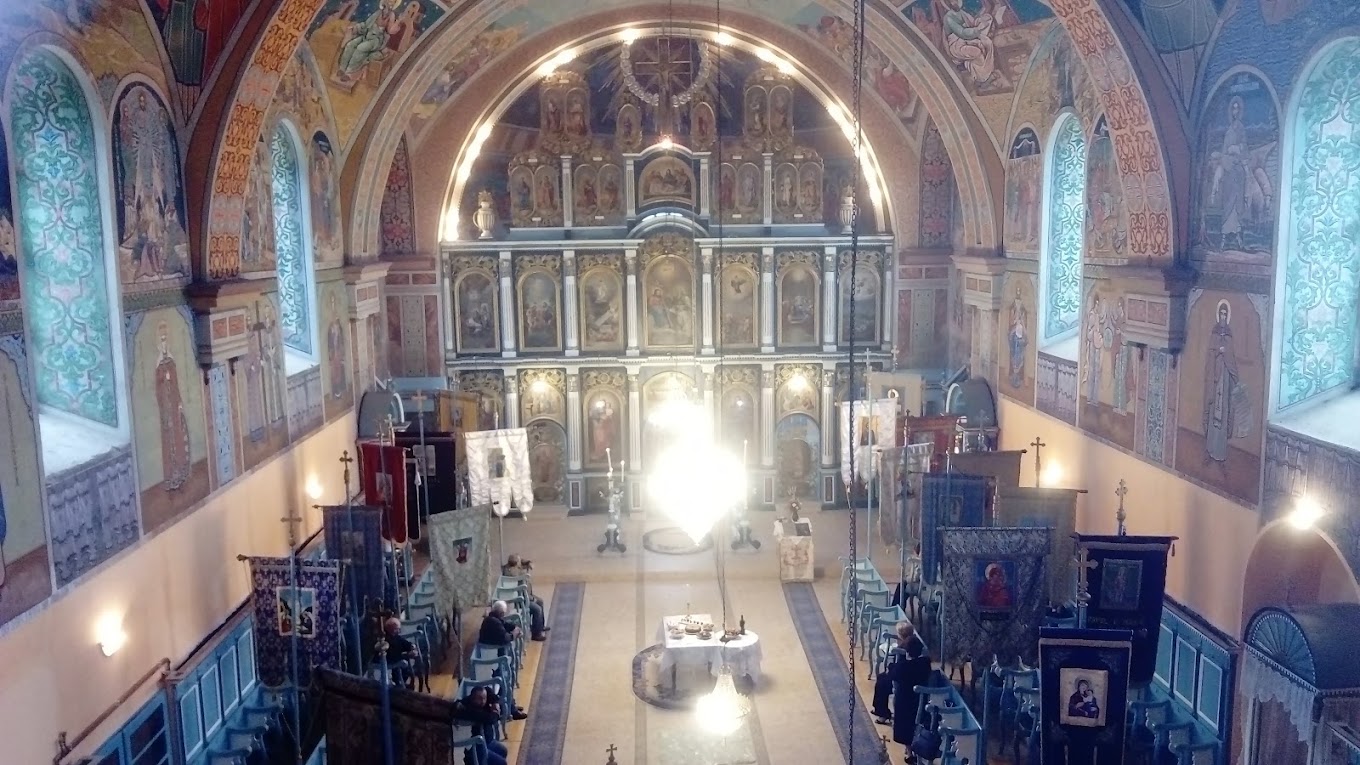
Romanian Orthodox Church of St. George

Church

Romanian Orthodox Church of St. George

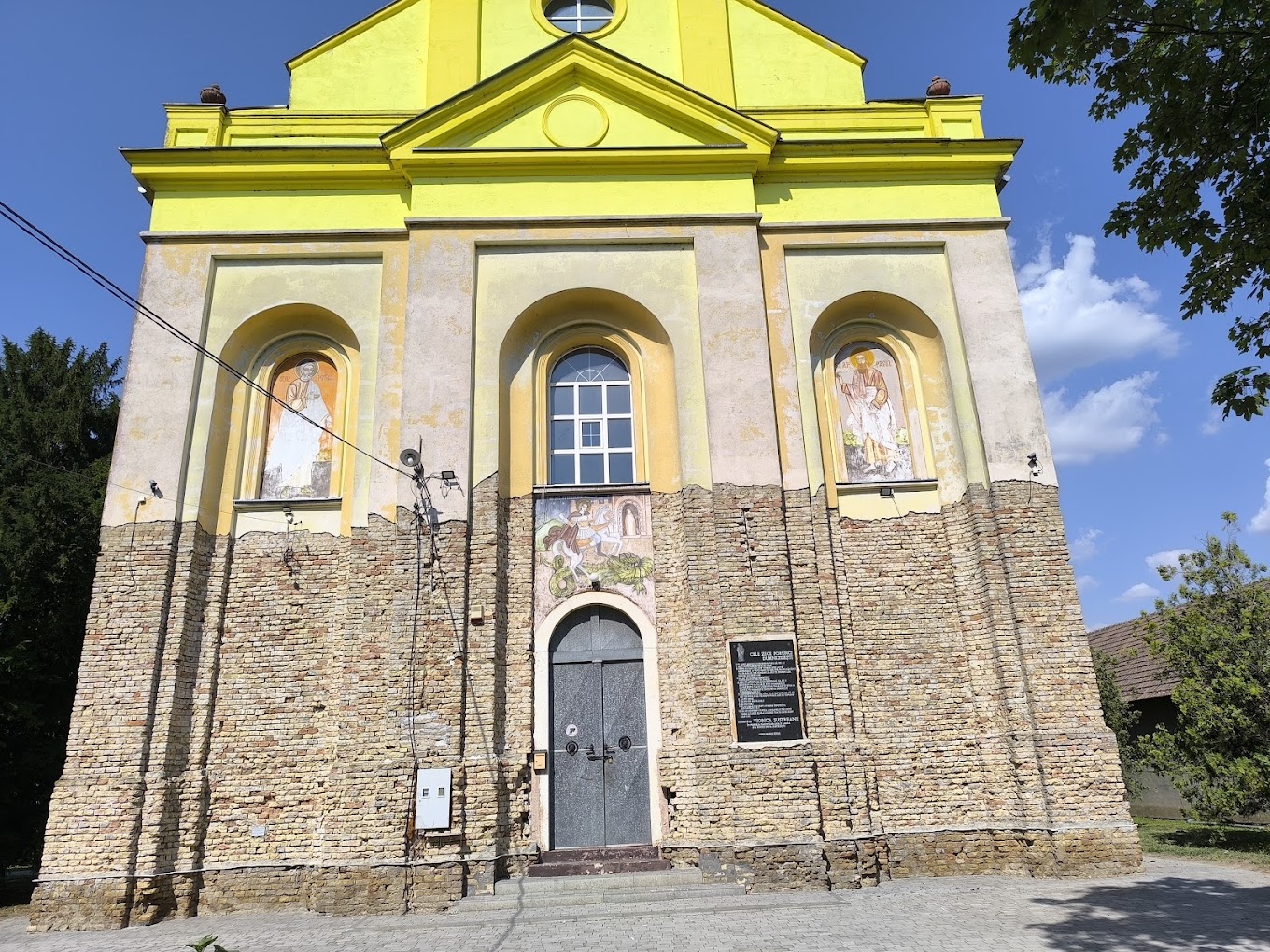
Located in Torak (formerly Veliki Torak), this impressive Orthodox church was built in the late 18th century (1782) and is dedicated to Saint George the Martyr. It…

Church

Romanian Orthodox Church of St. George

Located in Torak (formerly Veliki Torak), this impressive Orthodox church was built in the late 18th century (1782) and is dedicated to Saint George the Martyr. It stands as one of the most vital spiritual and cultural hubs for the local Romanian community in the Banat region. The church features a prominent bell tower, detailed interior decorations, and a rich historical heritage. Set in a quiet village atmosphere, it serves as a peaceful rest stop for cyclists interested in local history and sacred architecture.

Contact and practical information

Address
Bratstva I Jedinstva 49
Sports & Recreational Fishing Pond "Šaran"

Viewpoint

Sports & Recreational Fishing Pond "Šaran"

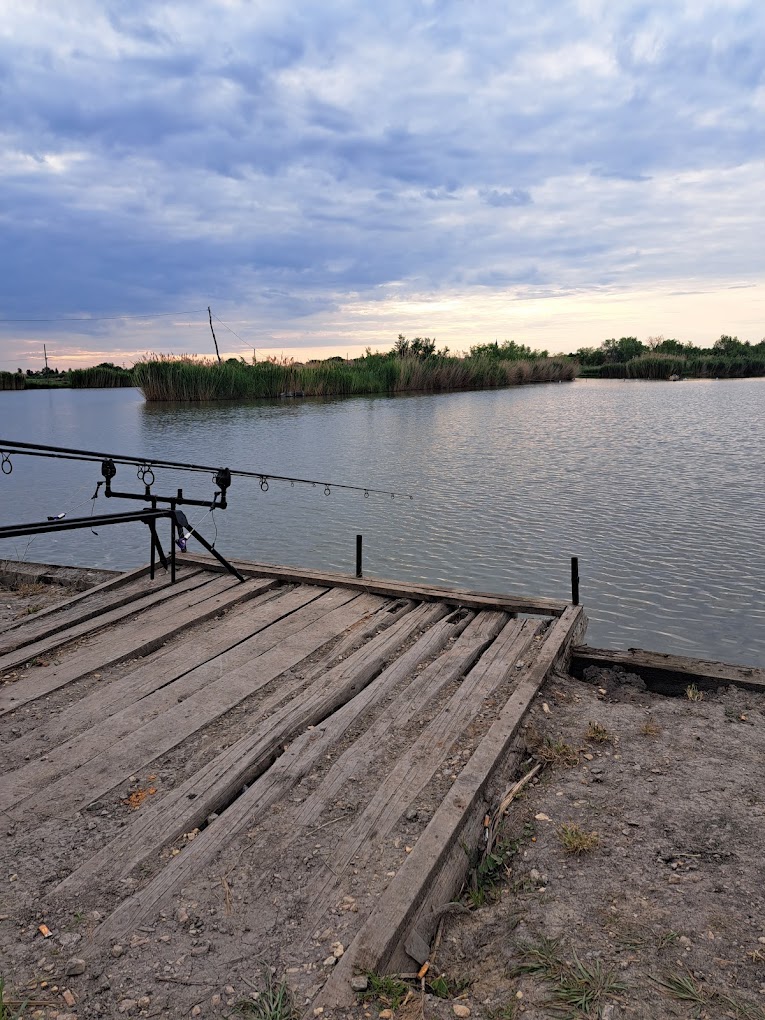
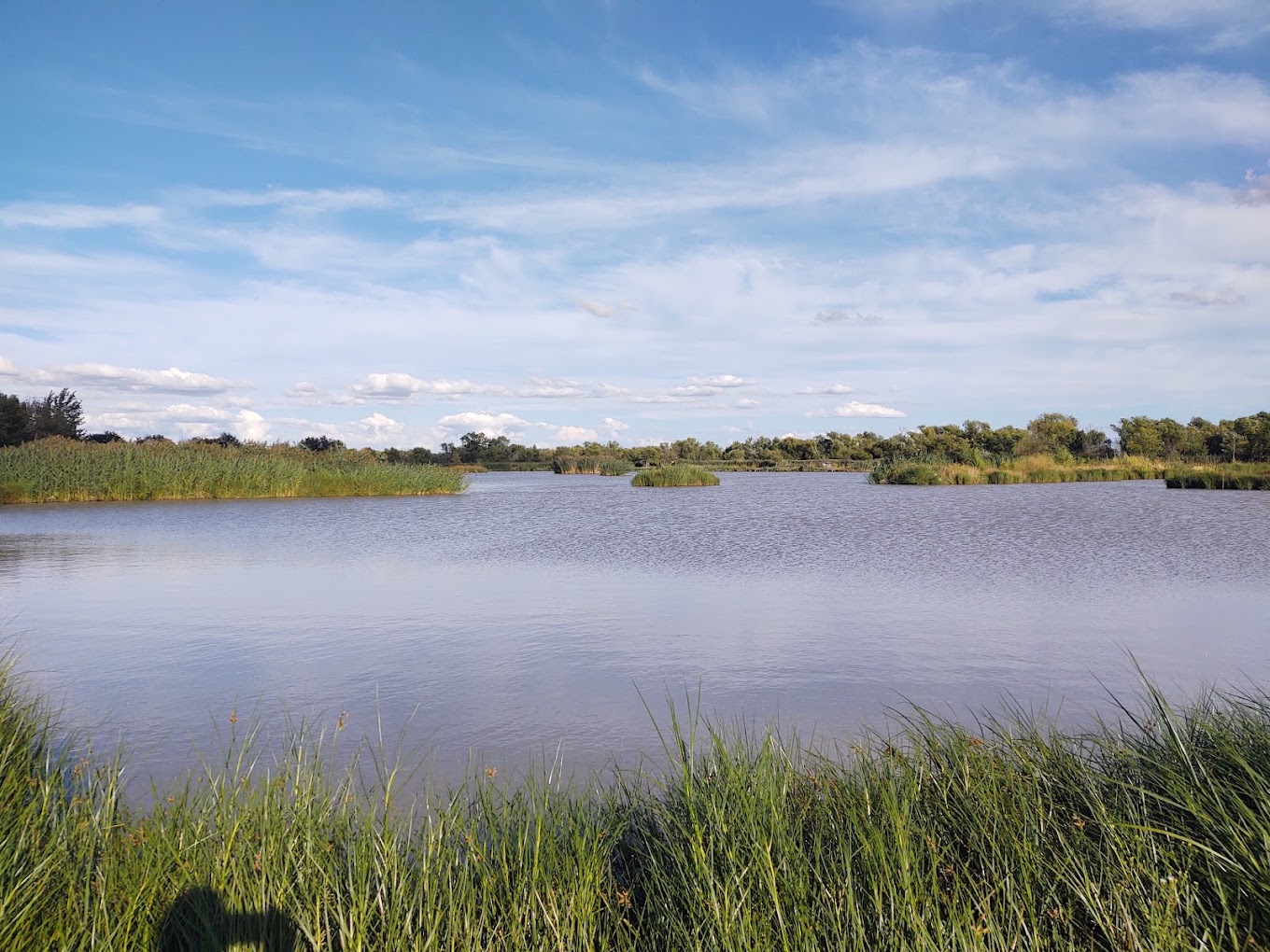
Located on the edge of the village near the Begej River, the "Šaran" sports and recreational fishing pond in Srpski Itebej is a peaceful oasis of nature and a favorite…
Viewpoint

Sports & Recreational Fishing Pond "Šaran"

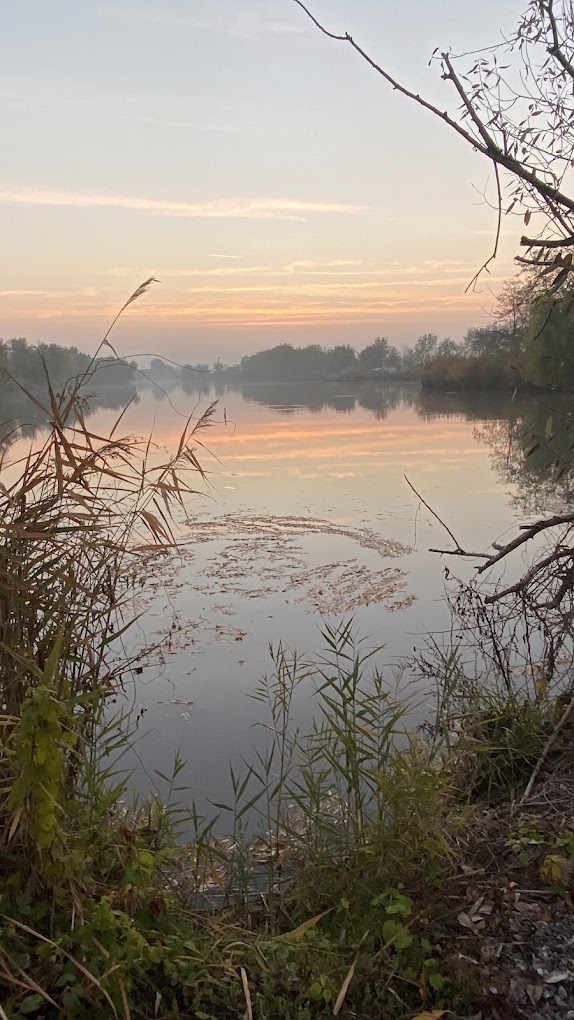
Located on the edge of the village near the Begej River, the "Šaran" sports and recreational fishing pond in Srpski Itebej is a peaceful oasis of nature and a favorite local angling spot. Well-stocked with carp and other freshwater species, the lake frequently hosts local fishing competitions and draws recreational anglers from across the region. Surrounded by greenery, trees, and quiet footpaths, it offers cyclists a scenic and tranquil environment to unwind and take a refreshing break while riding through the Banat countryside.

Watchtower & Historic Border Area

Landmark building

Watchtower & Historic Border Area

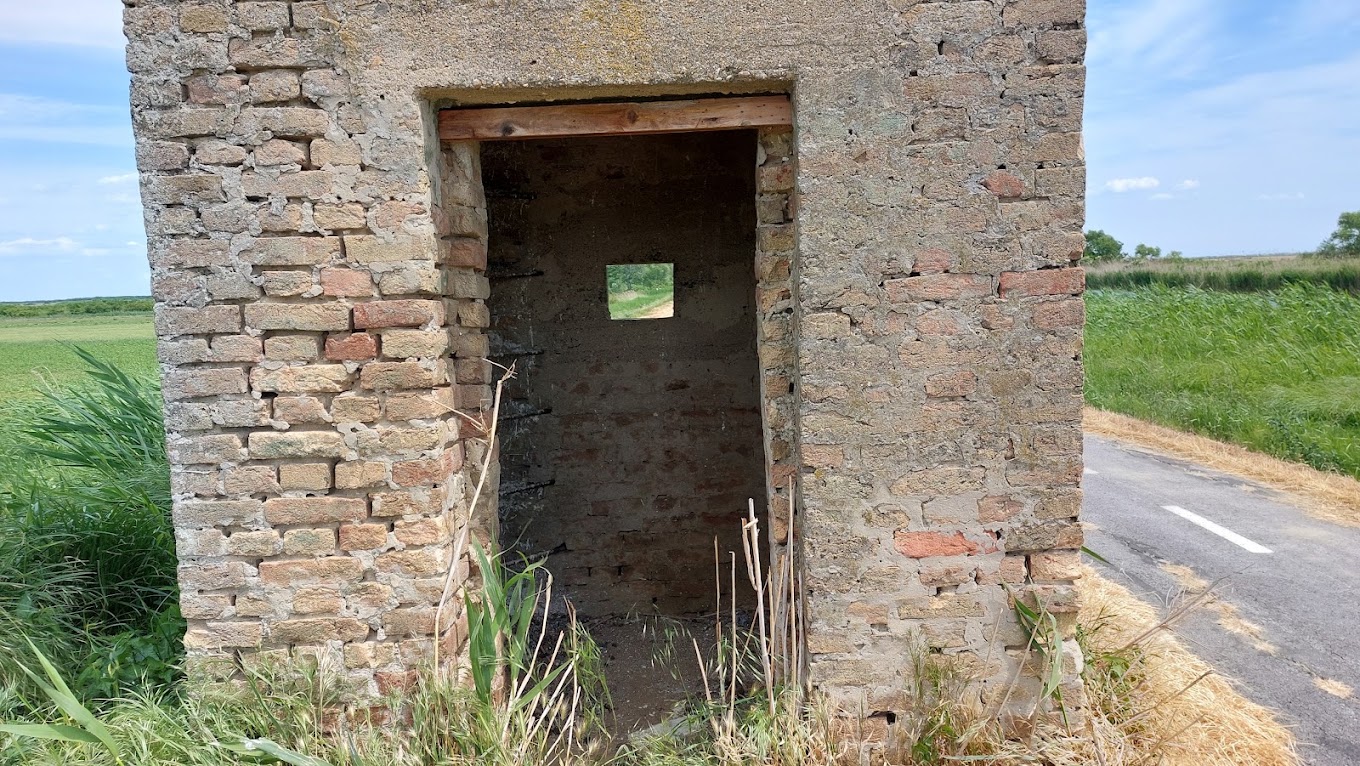
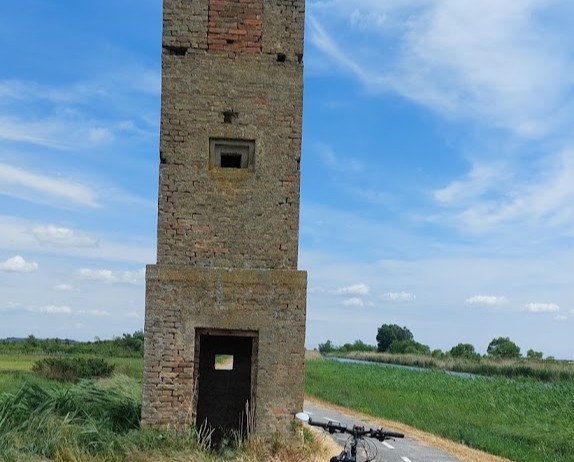
Located directly on the state border between Serbia and Romania, at the exit of Srpski Itebej along the Begej Canal, this historic watchtower stands as a striking…
Landmark building

Watchtower & Historic Border Area

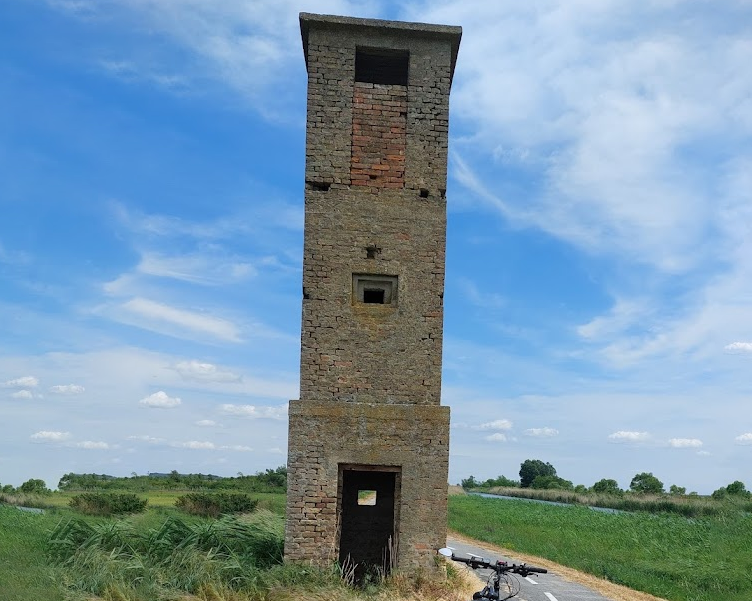
Located directly on the state border between Serbia and Romania, at the exit of Srpski Itebej along the Begej Canal, this historic watchtower stands as a striking geographical landmark. Having served for decades as a border control post, the tower now marks the easternmost point of the cycle route through the municipality of Žitište. Surrounded by the open Banat plains and the quiet canal waters, it offers a memorable stop and a prime photo opportunity right at the border line.