Back to all routes

(Serbia - Romania)

EuroVelo 13: Serbia - Romania Section

eurovelo13

Distance
340 km
Estimated duration
1275 min
Surface type
Asphalt
Points of interest
55

Route map

An interactive view of this cycling route's complete path.

The interactive map is currently unavailable. The remaining route information is available on this page.

About the route

eurovelo13

Points of interest
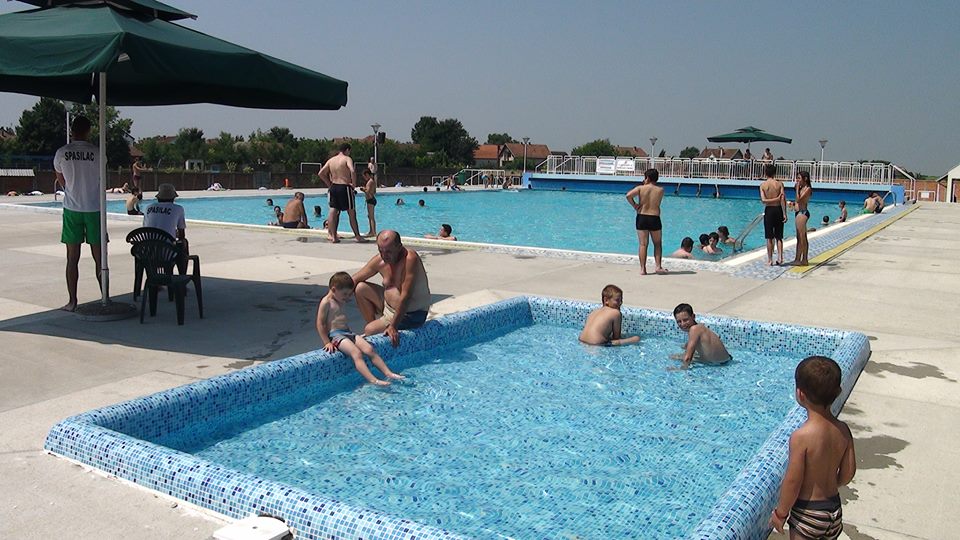
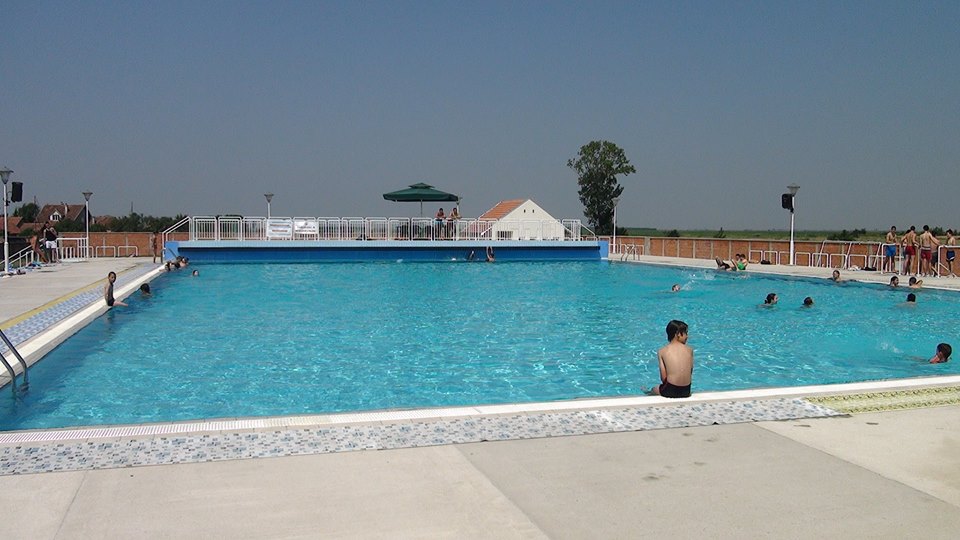
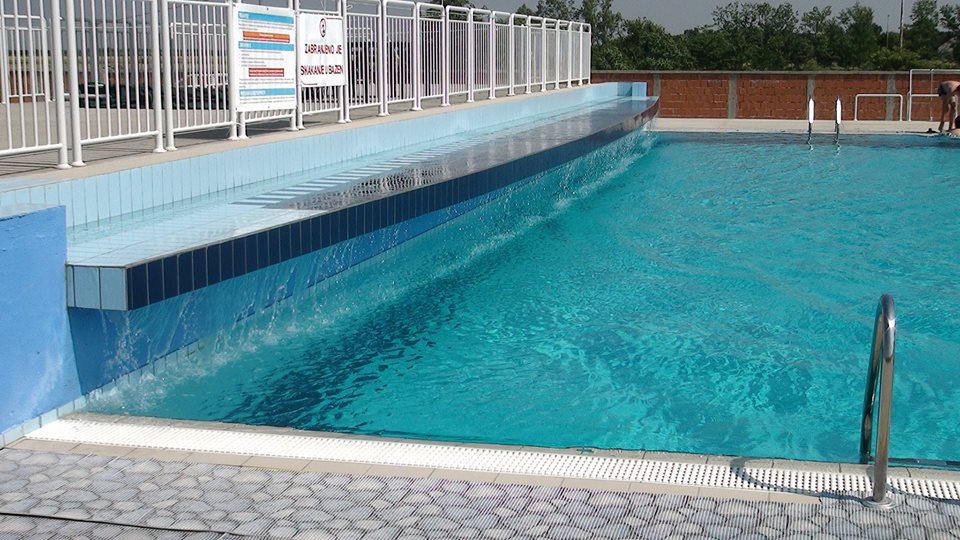
Srpska Crnja – Public pool

Pool

Srpska Crnja – Public pool

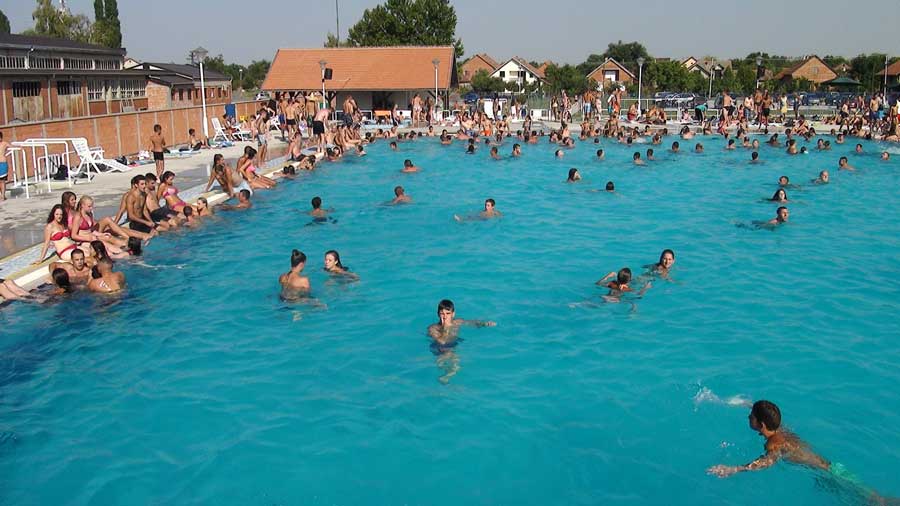
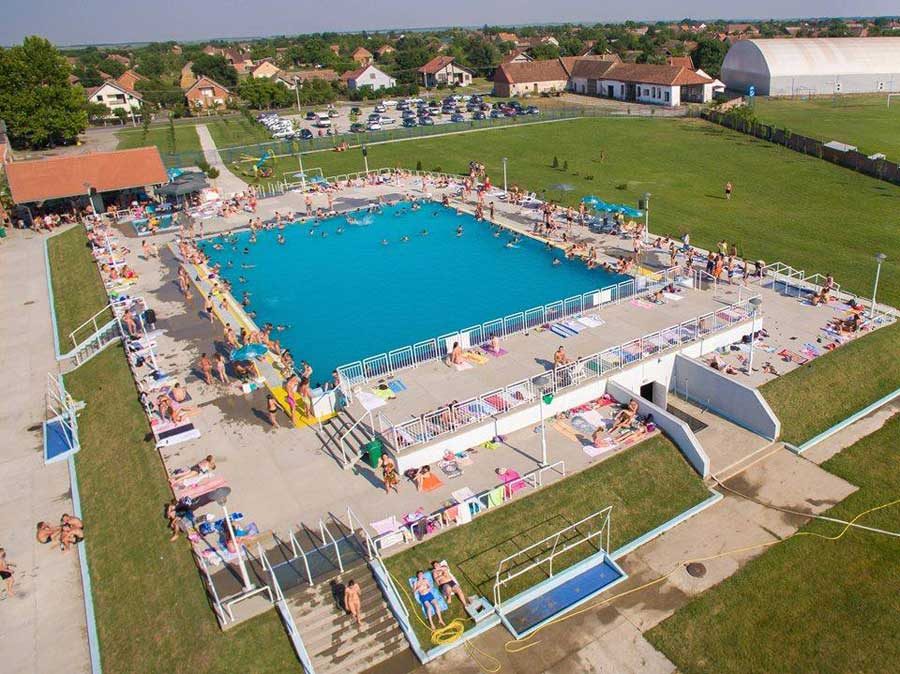
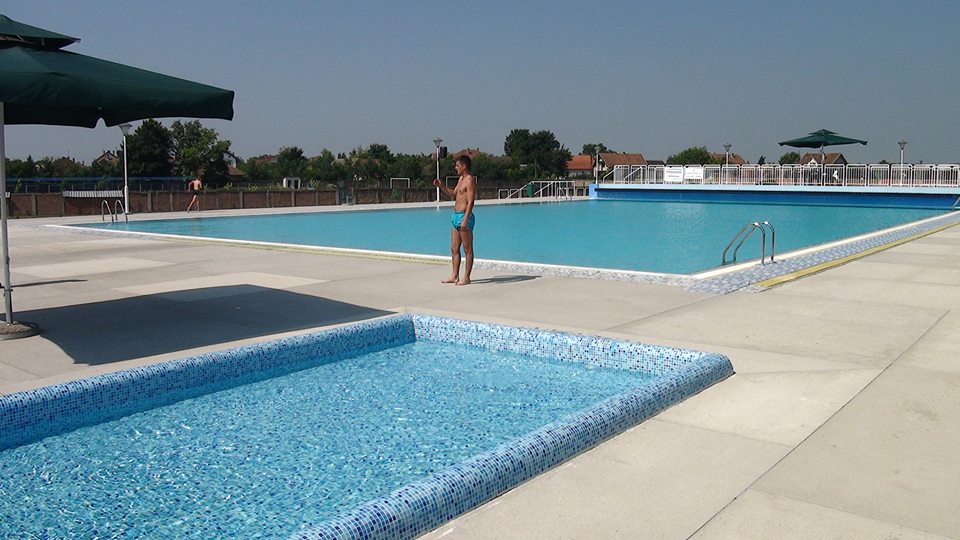
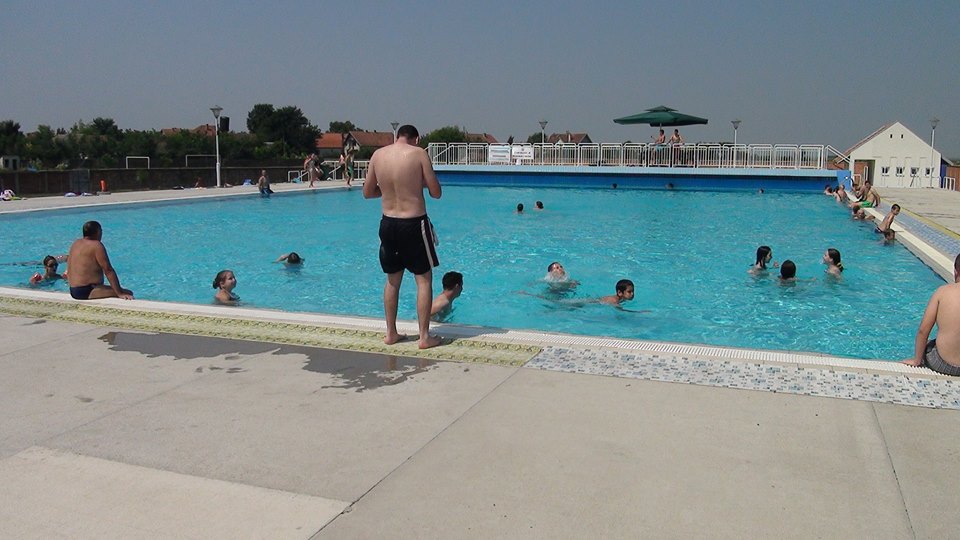
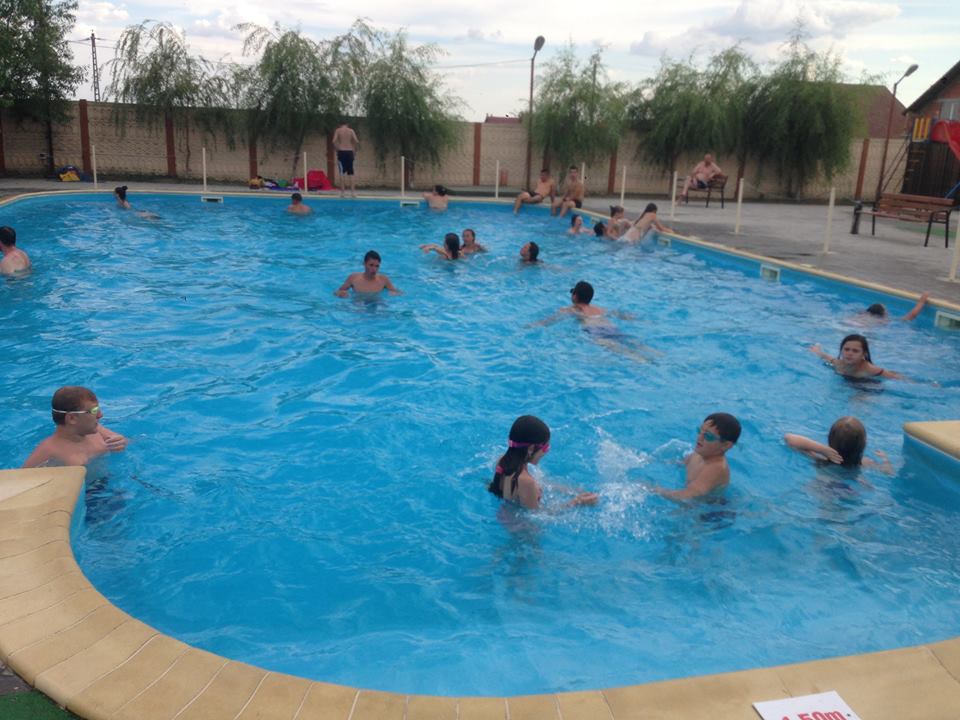
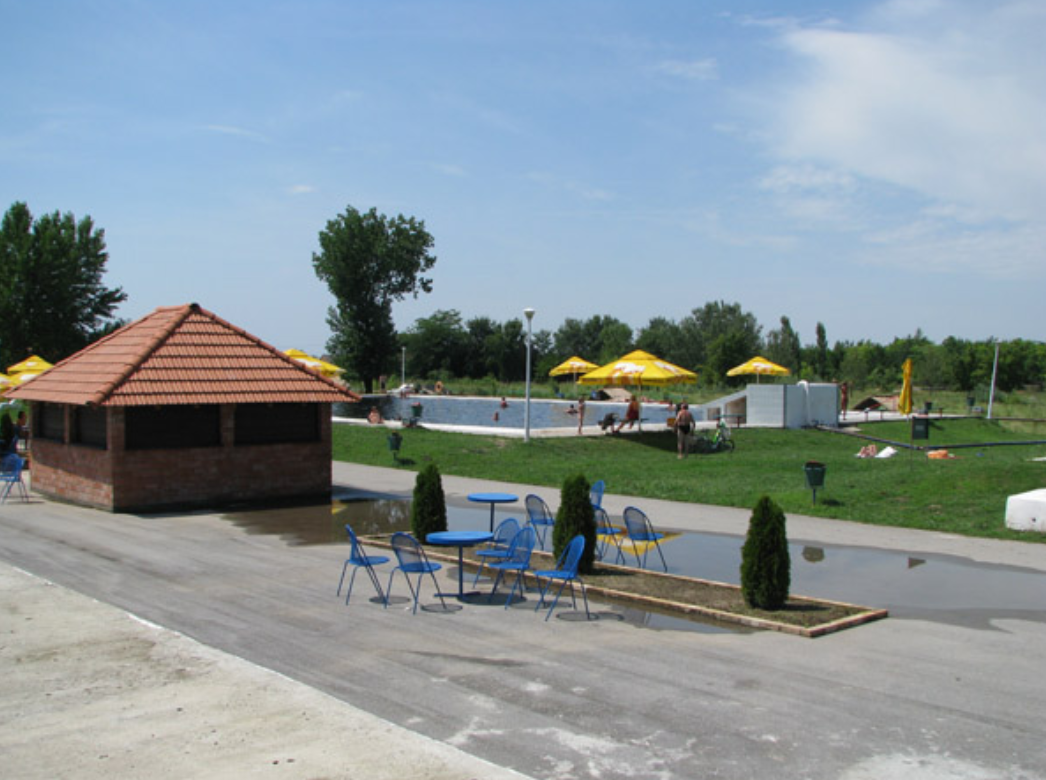
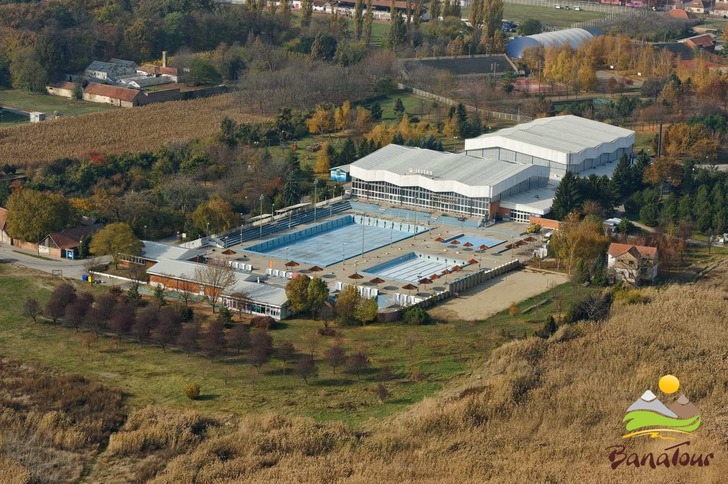
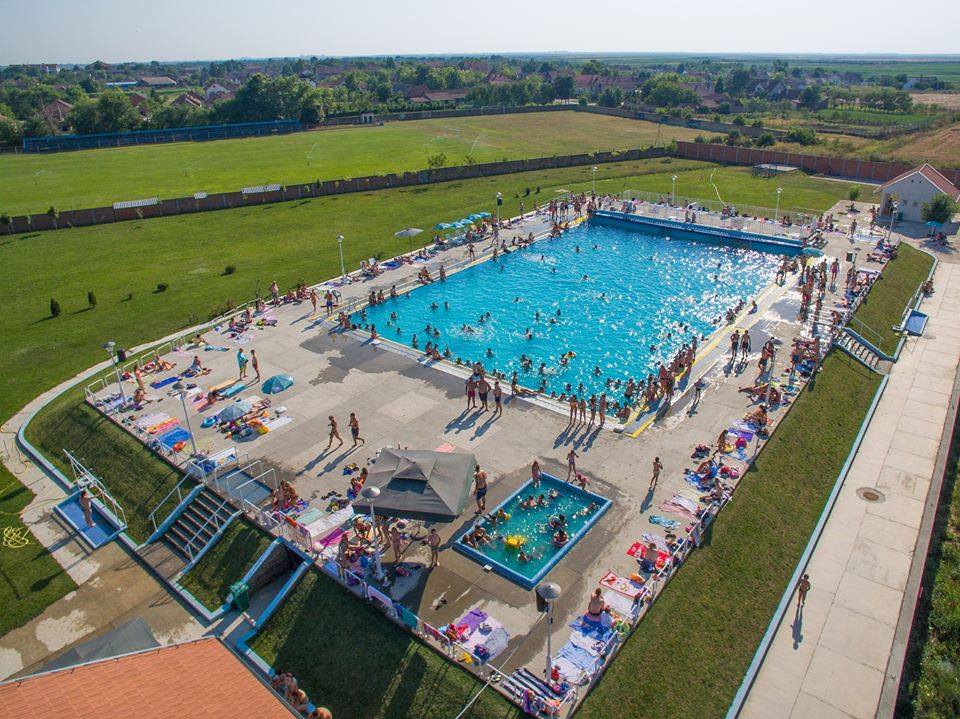
Outdoor public swimming pool is under the control of Serbian Crnja JKP "August 8". Opening time is from early June to early September. Regular water quality control is…

Pool

Srpska Crnja – Public pool

Outdoor public swimming pool is under the control of Serbian Crnja JKP "August 8". Opening time is from early June to early September. Regular water quality control is carried out by the Public Health Institute.

Contact and practical information

Address
Partizanska
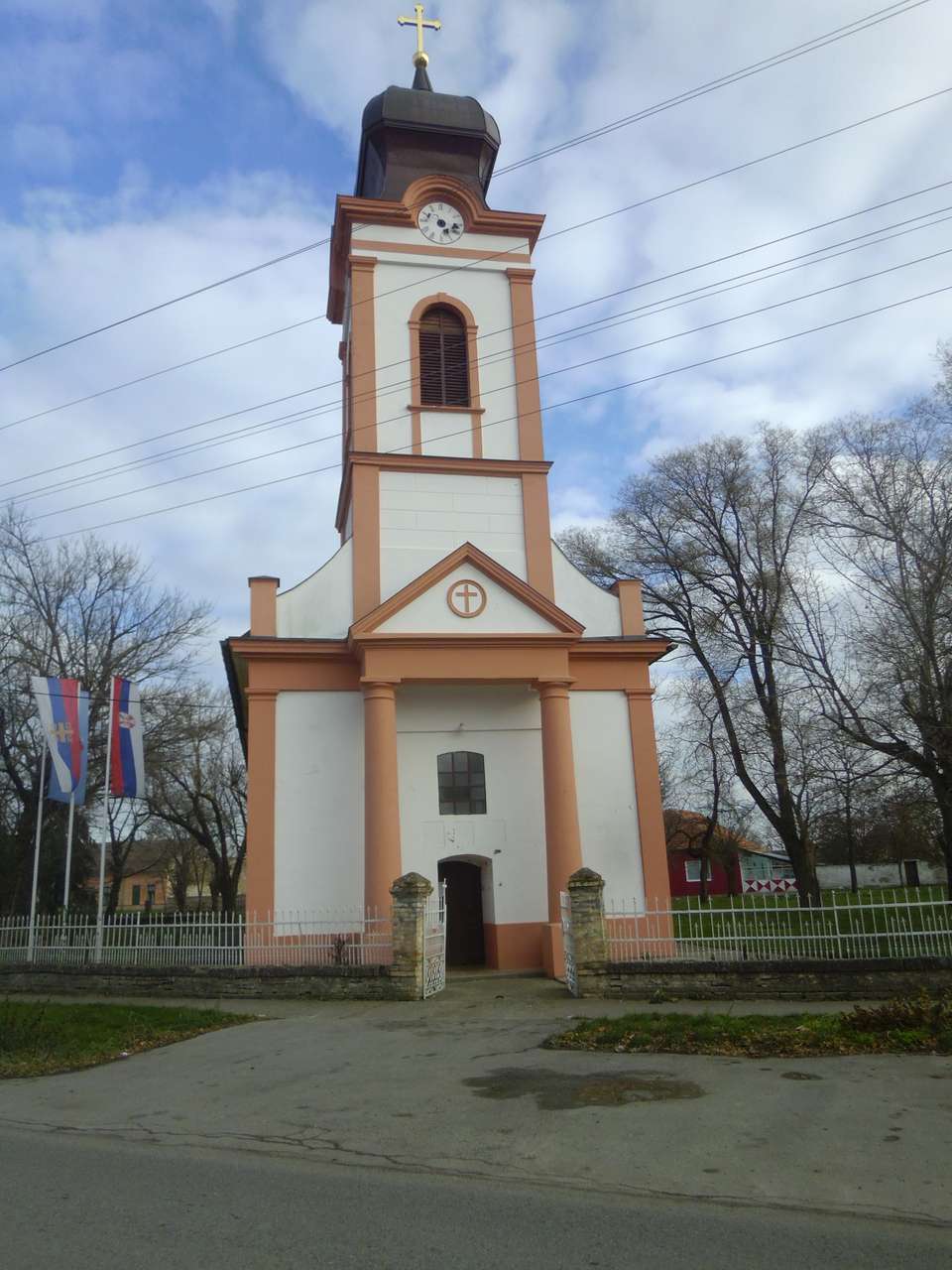
Pravoslavni Hram Svetog velikomučenika Prokopija u Srpskoj Crnji

Church

Pravoslavni Hram Svetog velikomučenika Prokopija u Srpskoj Crnji

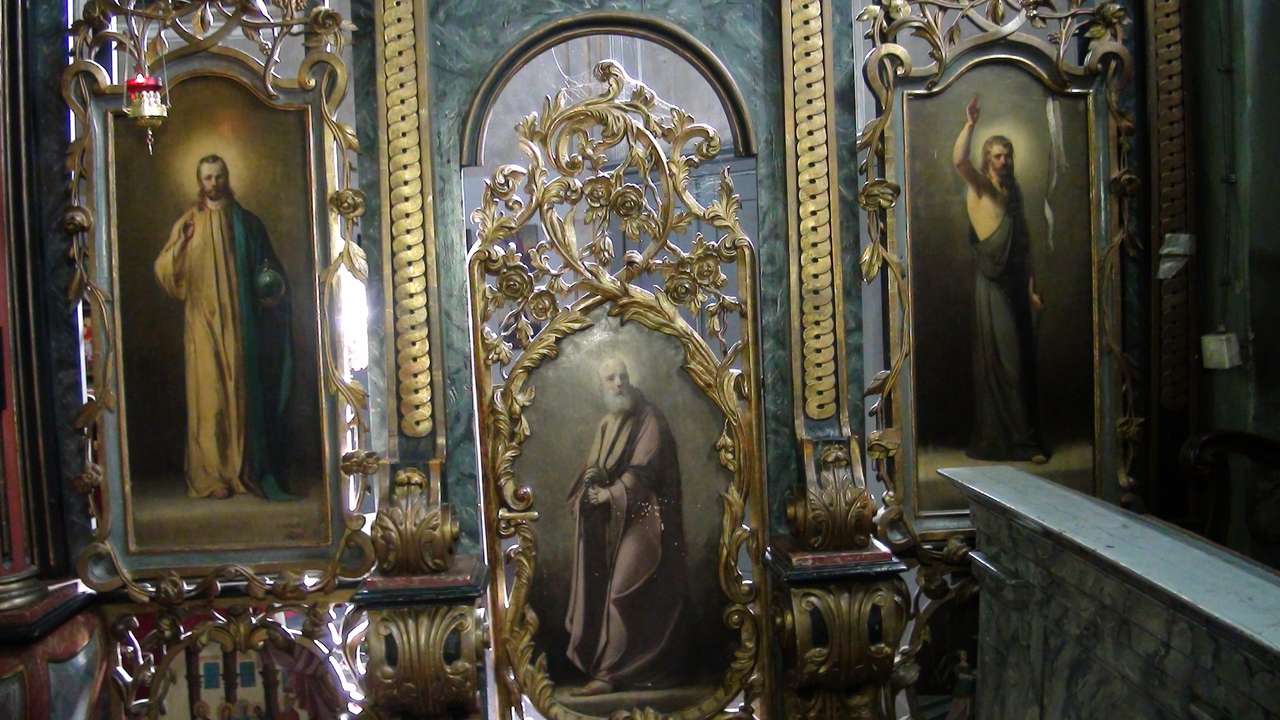
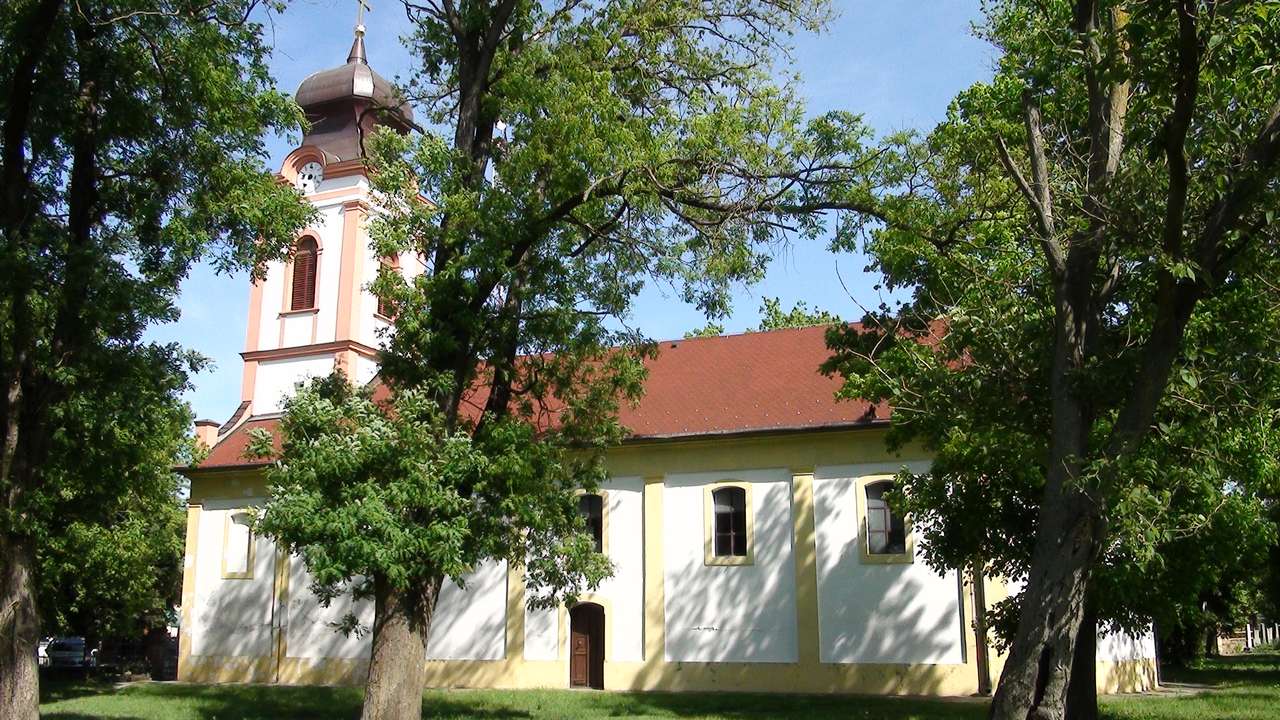
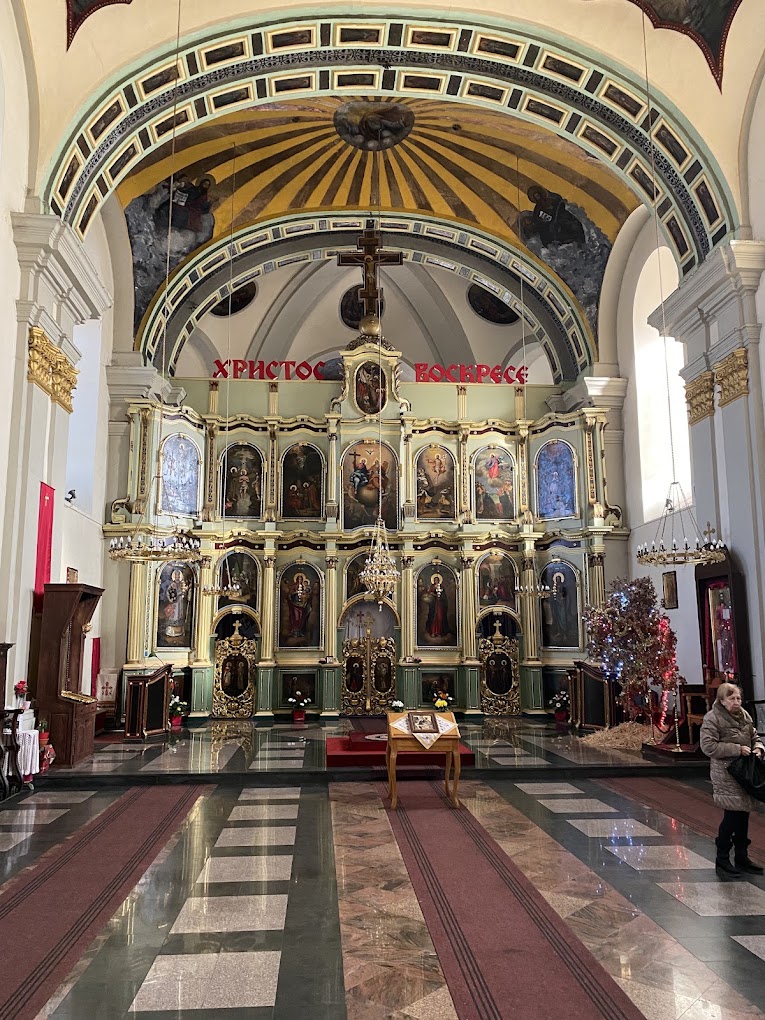
Hram je izgrađen 1775. godine i poznat je po tome što se u njemu nalazi ikonostas koji je slikao najznačajniji slikar Srpskog romantizma Đura Jakšić. Đura Jakšić je…

Church

Pravoslavni Hram Svetog velikomučenika Prokopija u Srpskoj Crnji

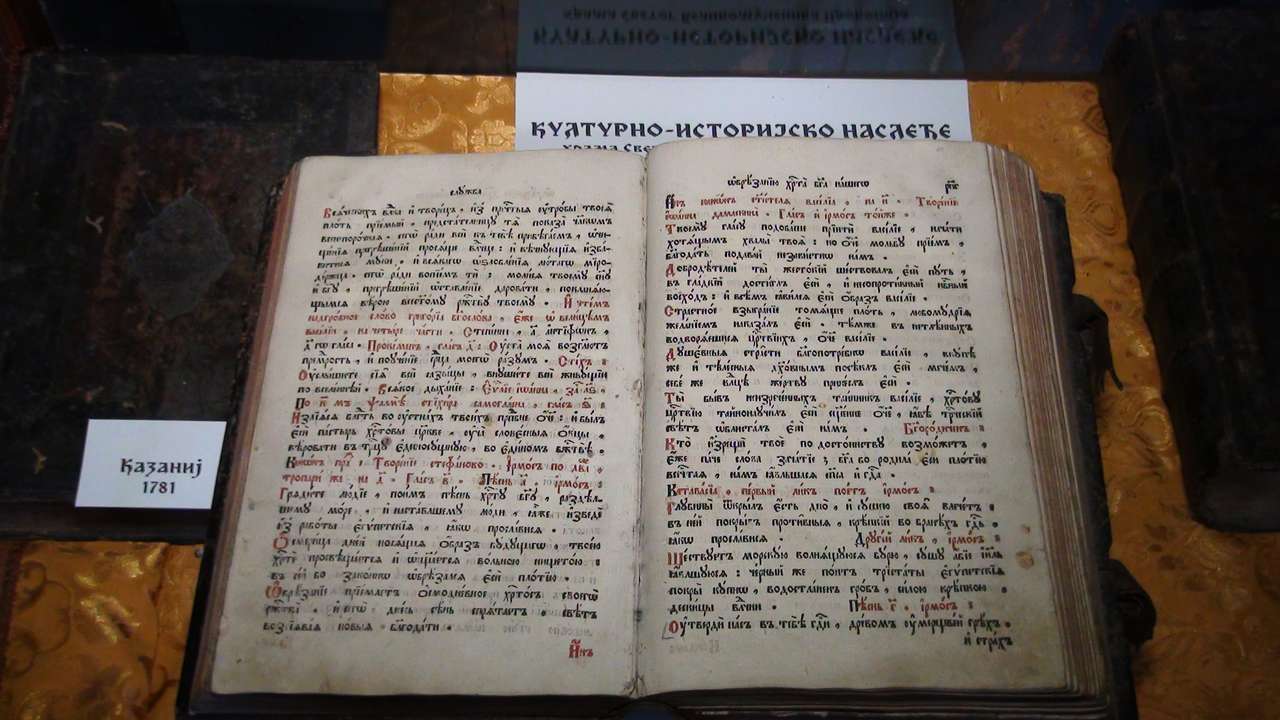
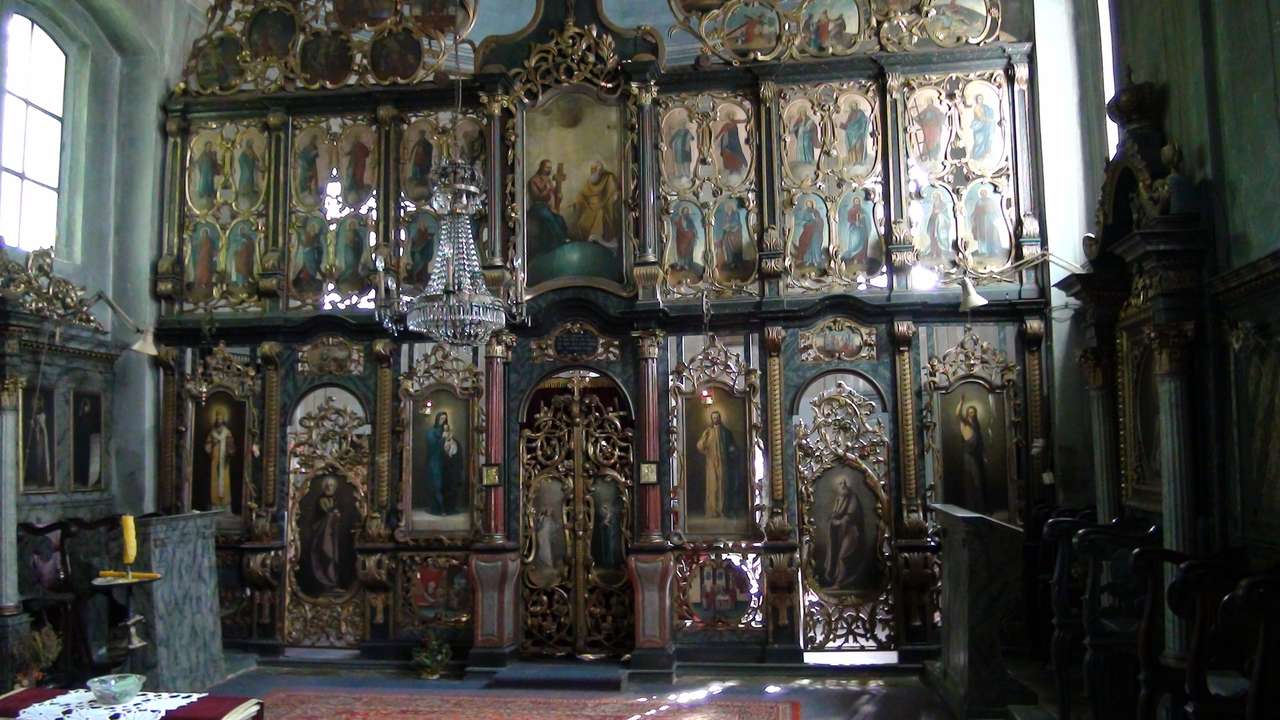
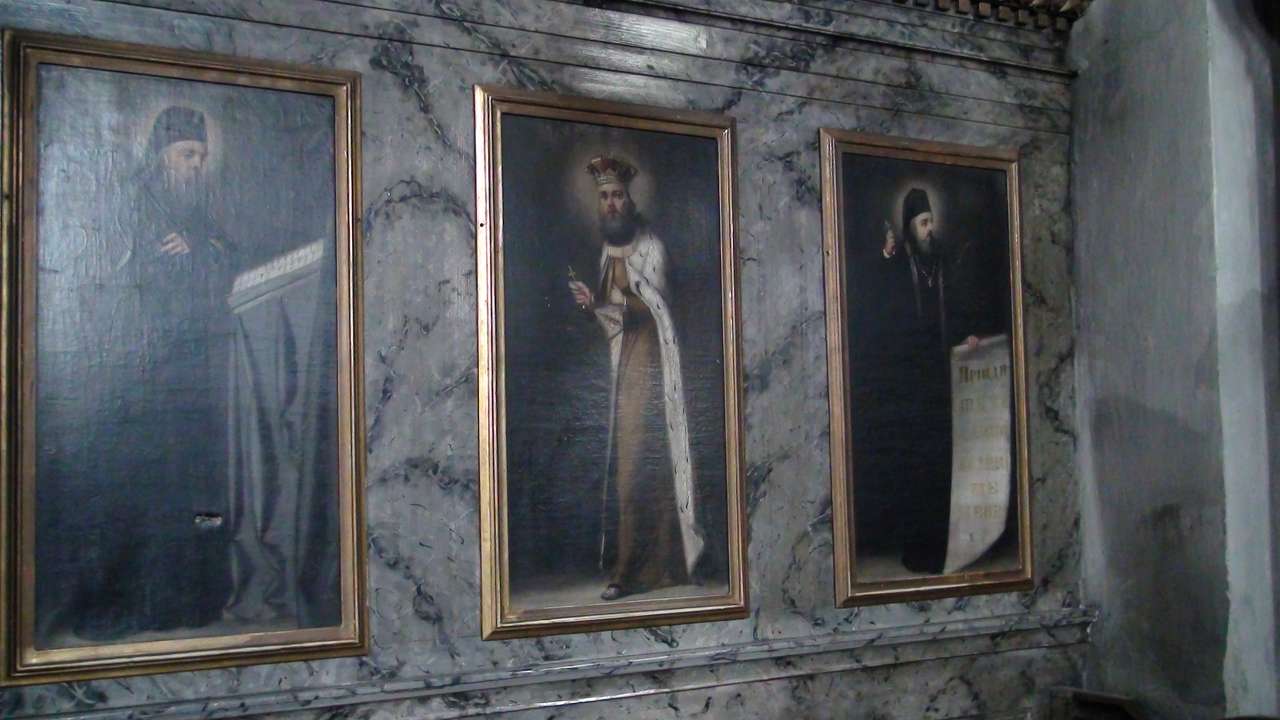
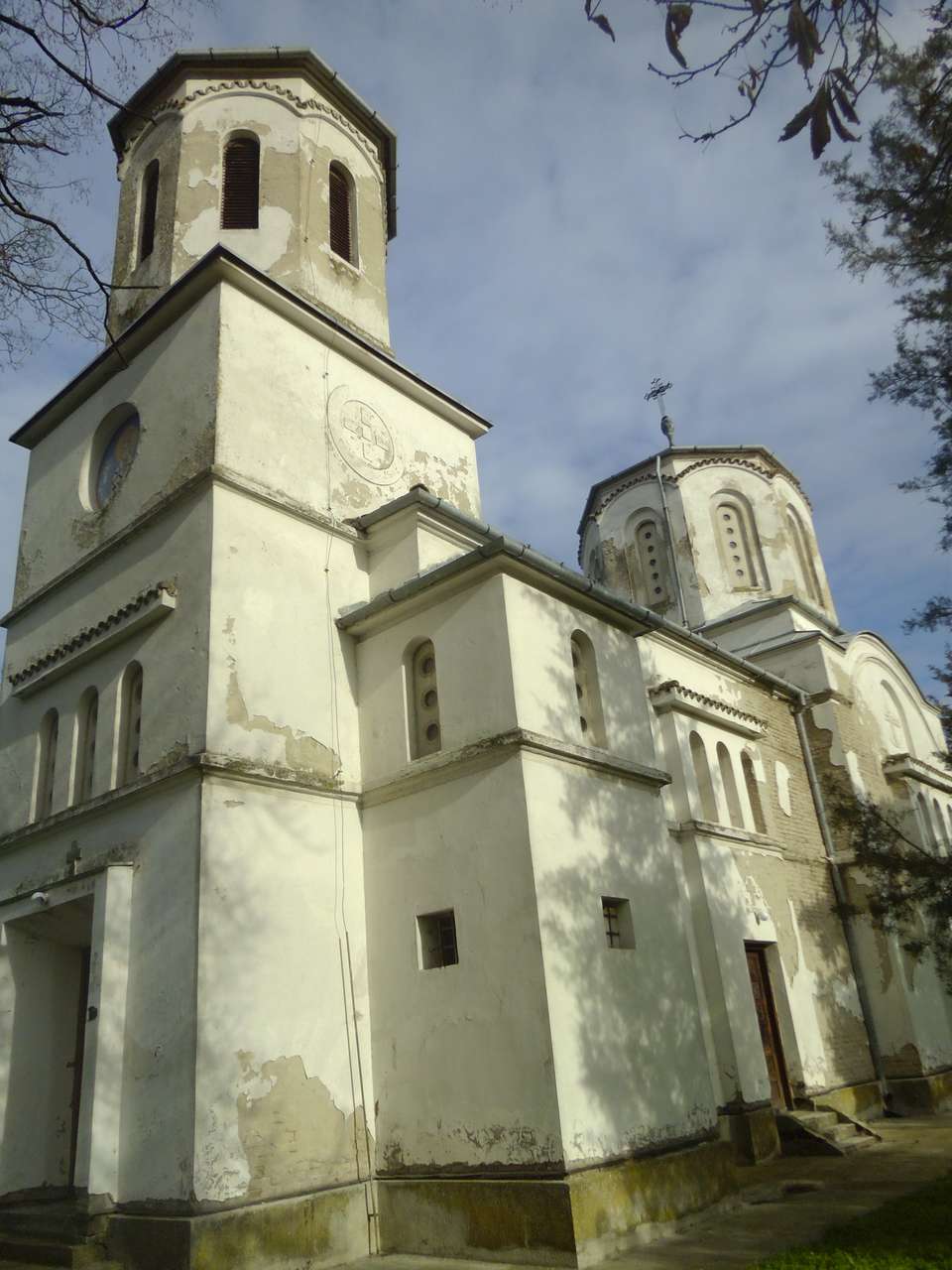
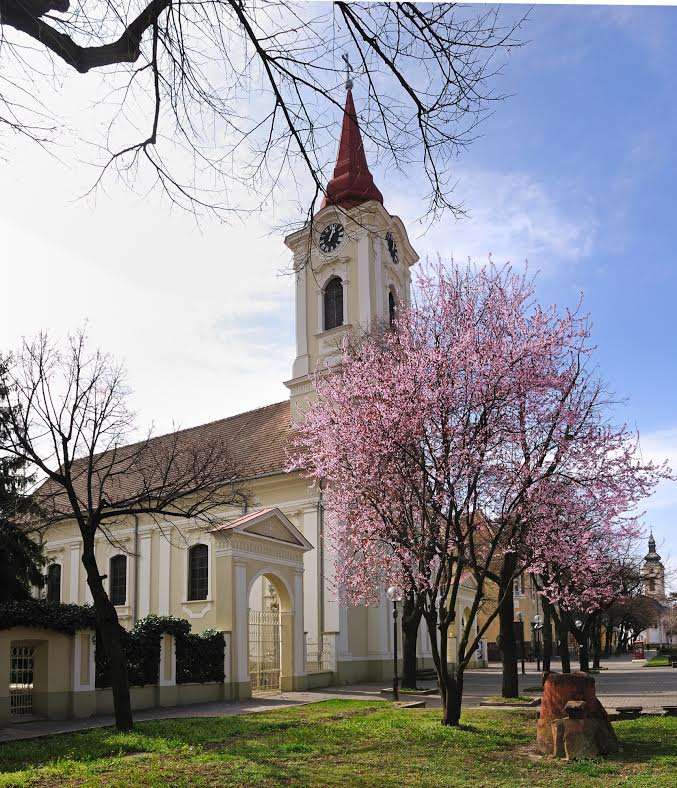
Hram je izgrađen 1775. godine i poznat je po tome što se u njemu nalazi ikonostas koji je slikao najznačajniji slikar Srpskog romantizma Đura Jakšić. Đura Jakšić je tokom 1852 i 1853. godine započeo zamenu ikona, ali nije zamisao izveo do kraja. Krajem XIX. veka, 1892. godine, obnovu odnosno delimično preslikavanje ikonostasa, izvršio je J. Riger iz Temišvara. Hram spada u jedan od najstarijih sakralnih građevina u Banatu. Iako pripadaju njegovim ranim radovima, u kojima je osetna tendencija da se postigne sličnost sa ikonama Konstantina Danila, crnjanske ikone značajne su među relativno malobrojnim Jakšićevim delima iz oblasti crkvenog slikarstva. Pored ikona, u hramu se čuvaju 4 stare štampane knjige: Antologion, Dugo Polje 1643, Đejanija cerkovnaja, Moskva, 1719 , Teatron ili pozor istoriceskij, Sanktpeterburg, 1720, Kazanij, Rimnik, 1781. Crkva je pod zaštitom države.

Contact and practical information

Address
Kralja Aleksandra
Catholic Church of St. Joseph in Srpska Crnja

Church

Catholic Church of St. Joseph in Srpska Crnja

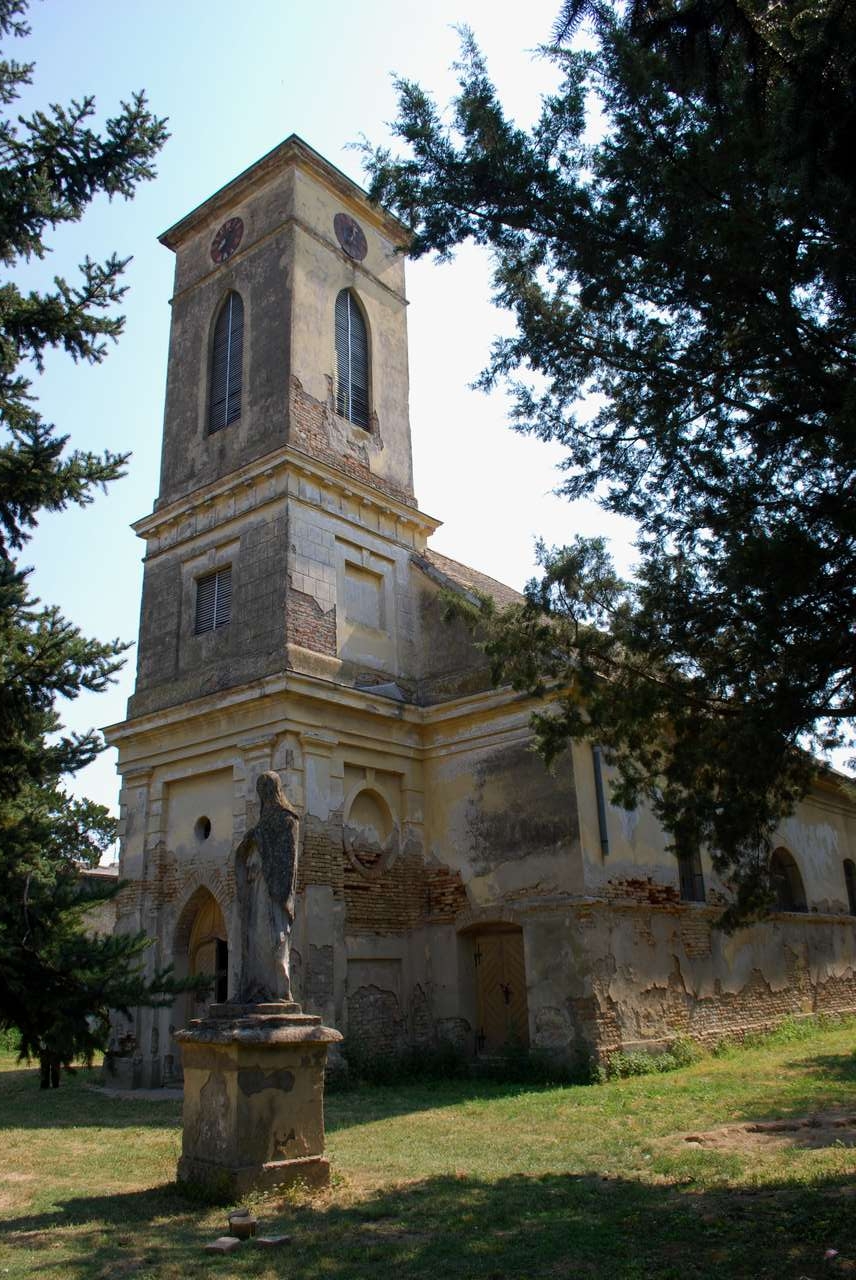
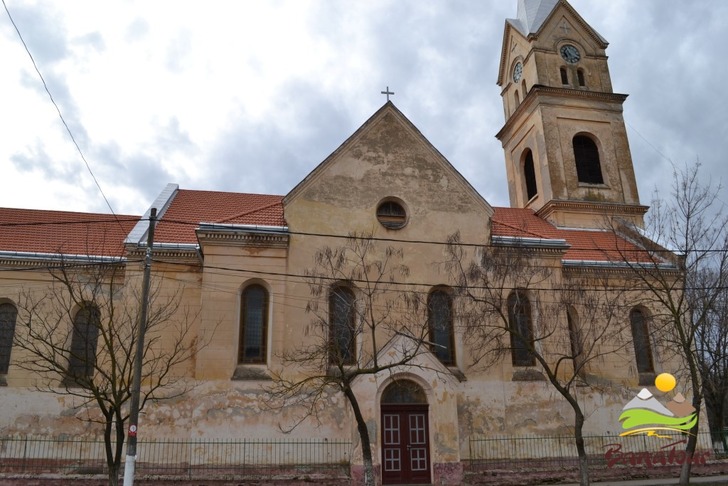
The church was constructed by Josef Čekonjić on 1 September 1808 at the time when Crnja was divided to Serbian and German Crnja. The church was actually constructed by…

Church

Catholic Church of St. Joseph in Srpska Crnja

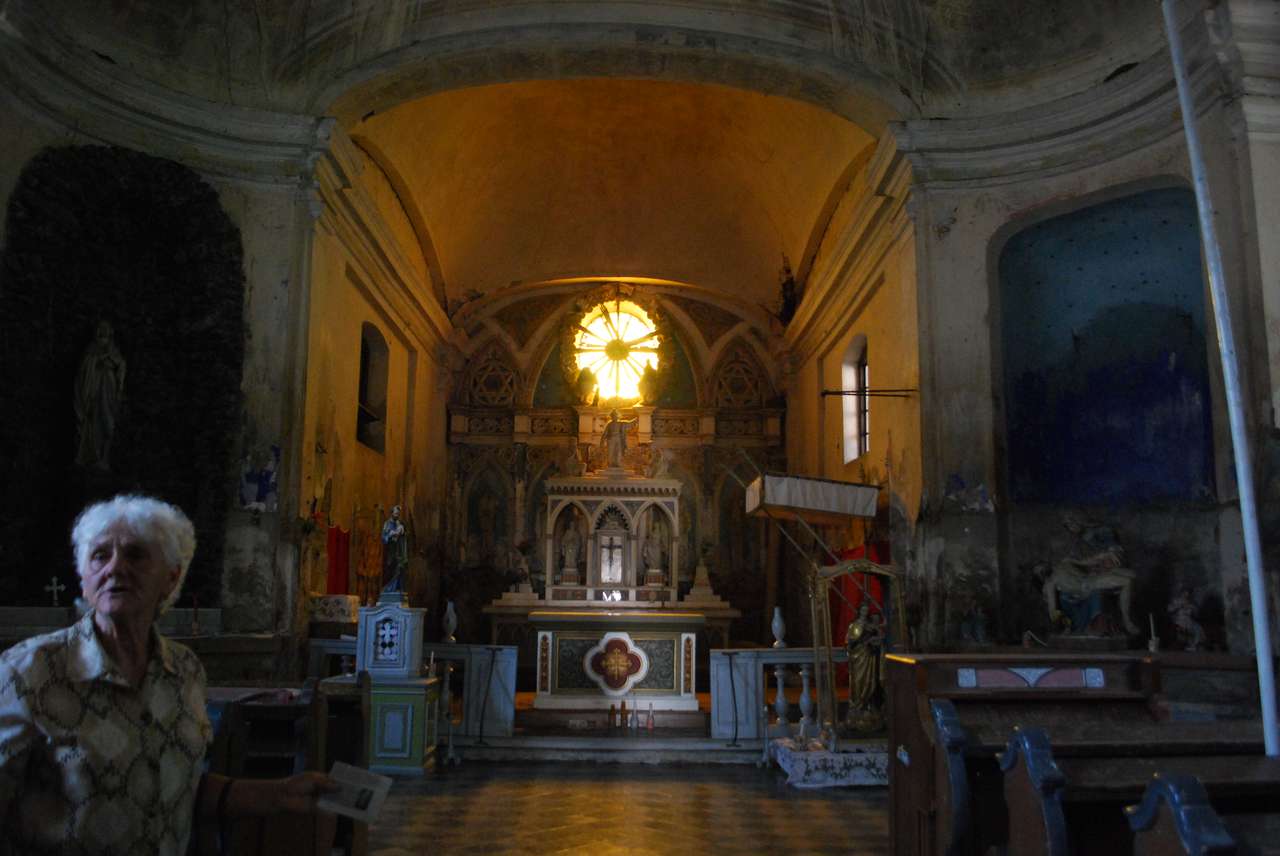
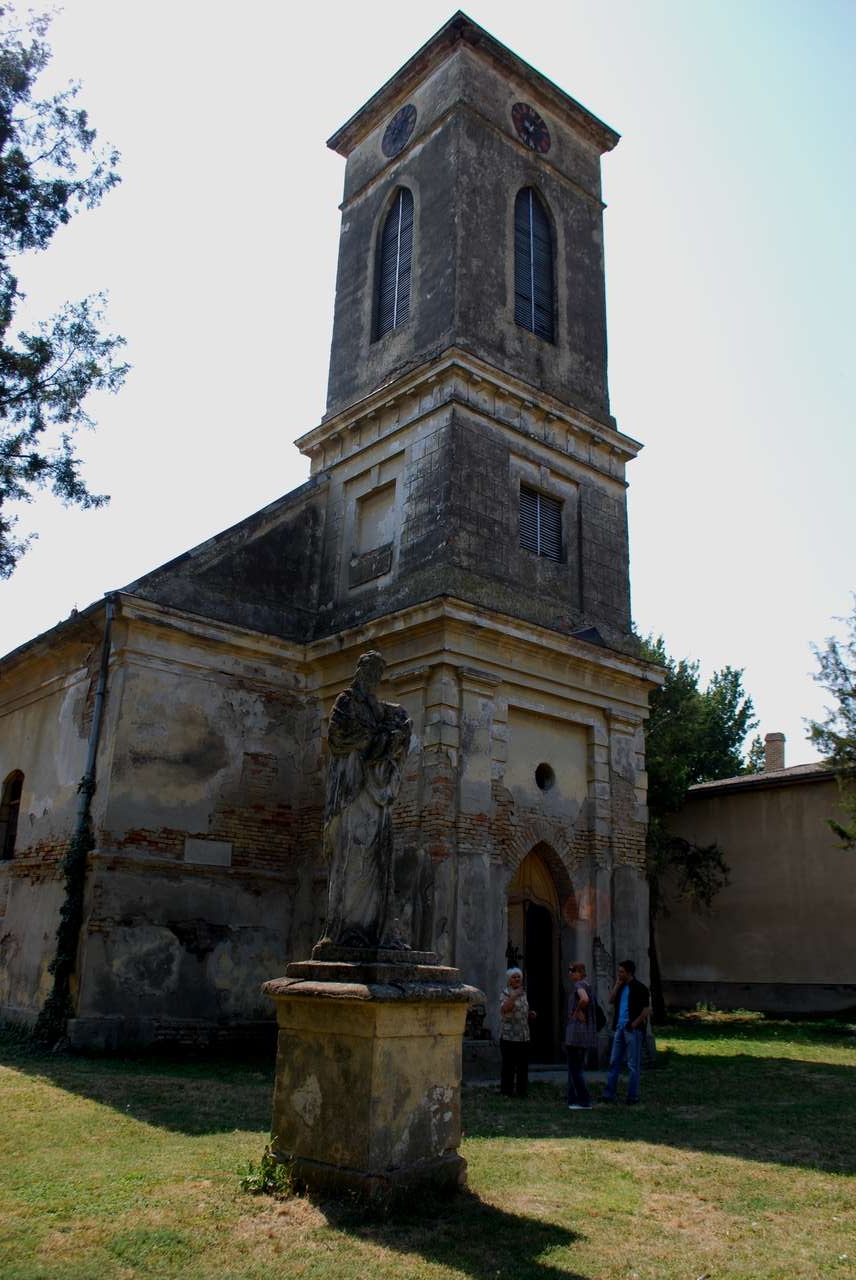
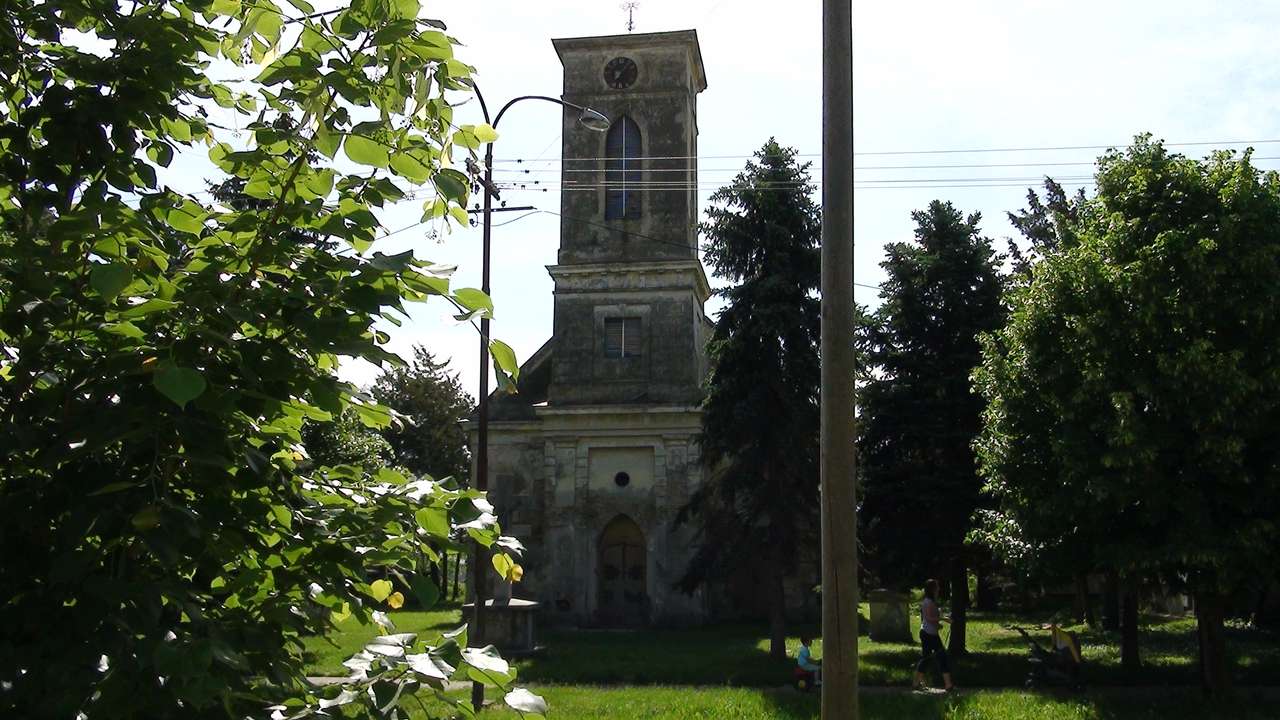
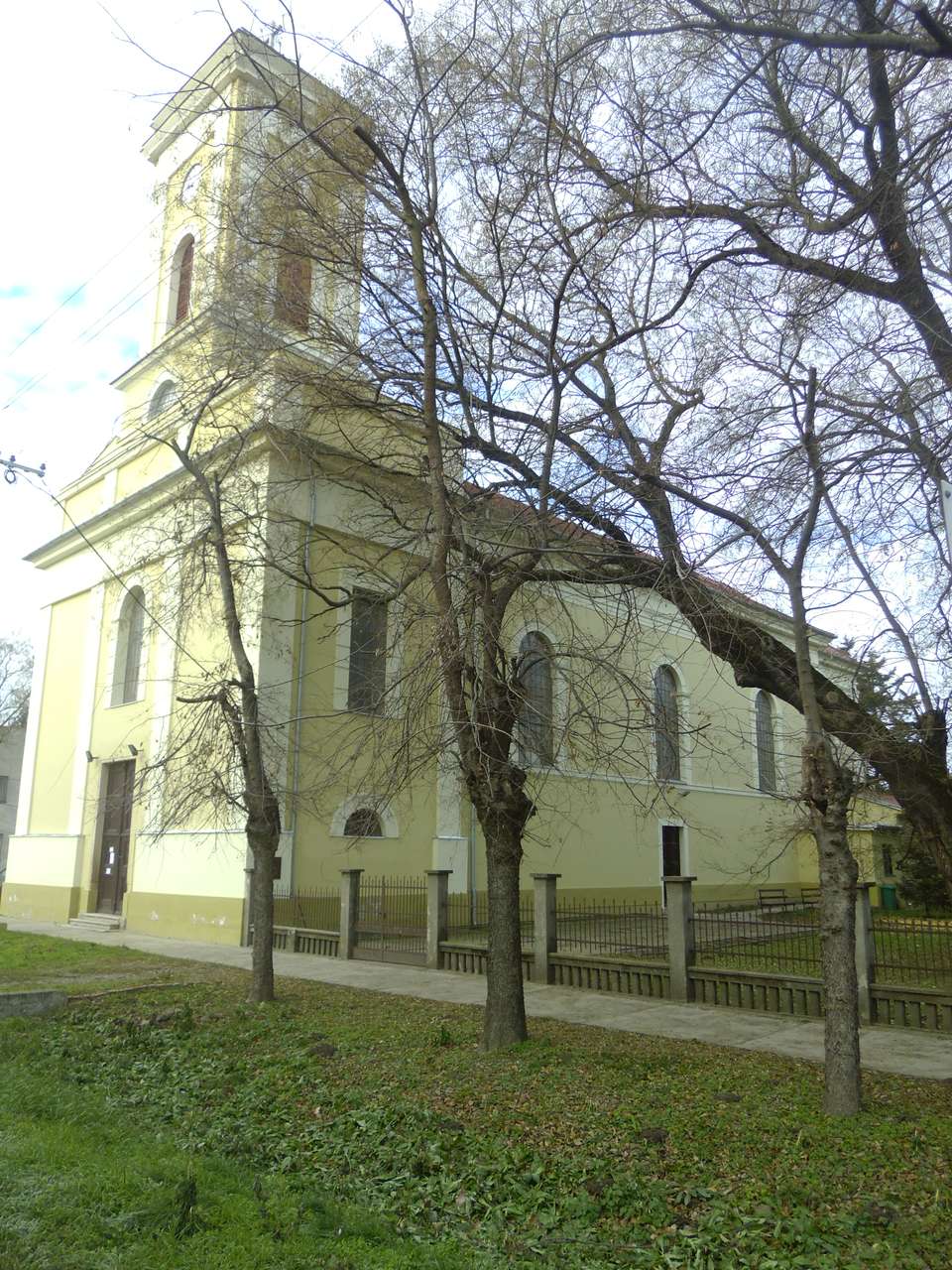
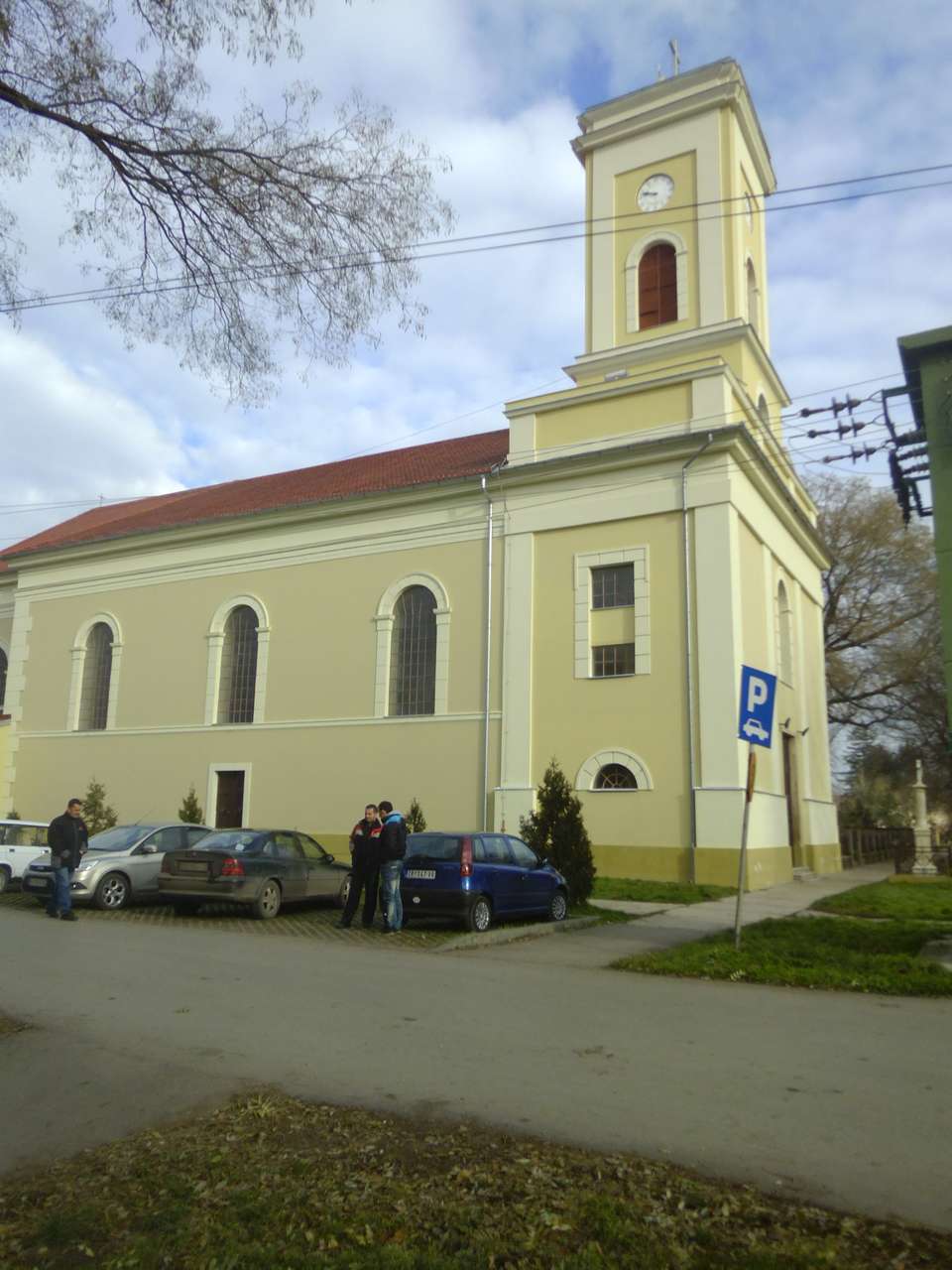
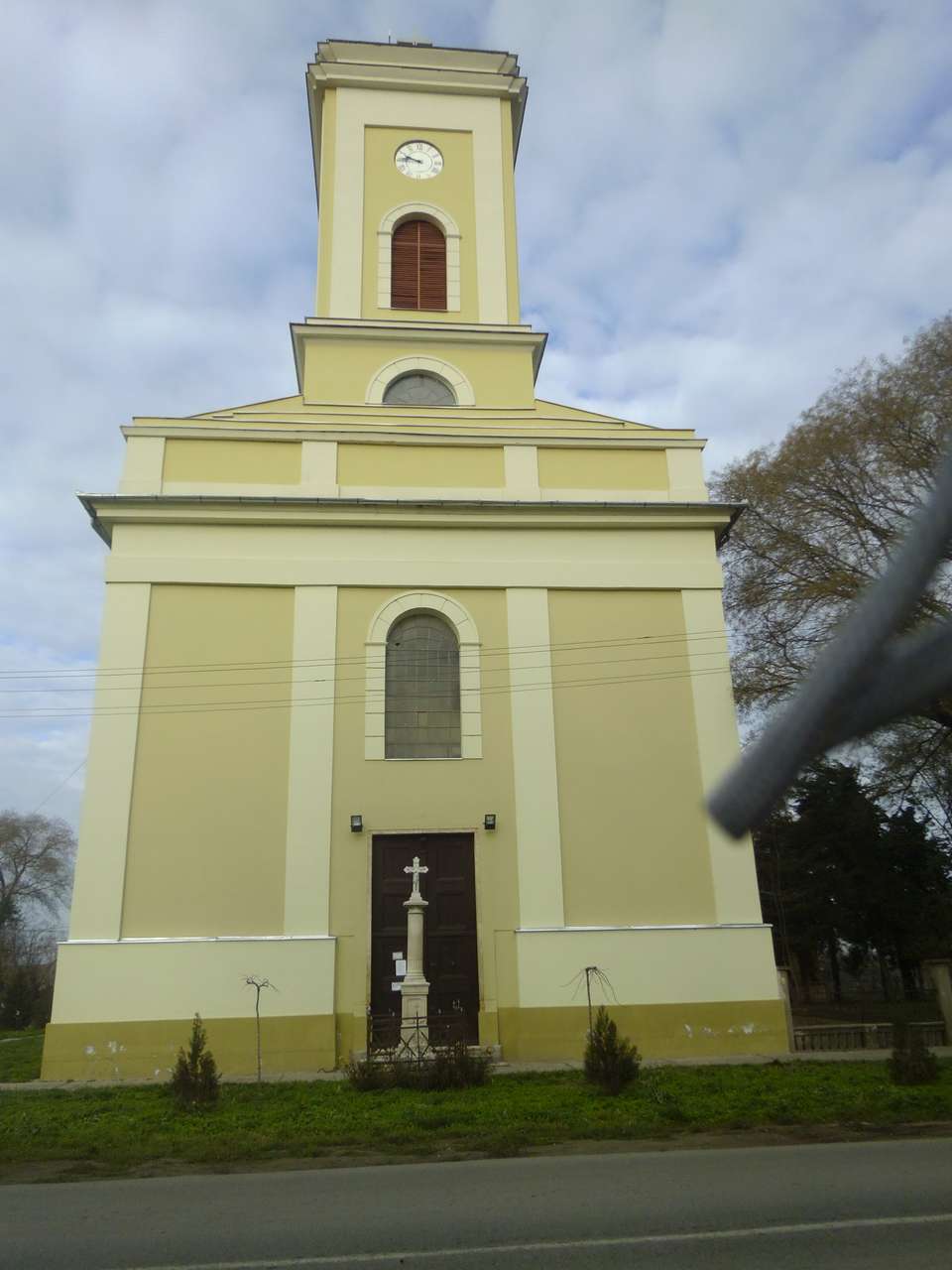
The church was constructed by Josef Čekonjić on 1 September 1808 at the time when Crnja was divided to Serbian and German Crnja. The church was actually constructed by German Crnja inhabitants with Count Čekonjić providing for the material. The stone cross and the statues in front were provided by people. On October 18 it was accepted by the priest of the parish, while the bishop Ladislaus Koszeghi von Remete blessed it in honour of St Joseph in 1811. In 1847 the church was robbed and the damage was significant. The interior used to be adorned by the magnificent Main Altar and Maria’s Altar. Around the church believers used to gather especially at Christmas and Easter. Nowadays St. Joseph church is in extremely poor condition due to lack of money for its maintenance. Initiative for its renovation has been taken and it is to be expected that it will be fully reconstructed and become again the centre of gathering of worshipers and visitors of the place who come to look for their roots. Because of great interest of foreign tourists, first of all Germans whose predecessors once lived in Crnja, renovation of the church is a must.

Contact and practical information

Address
Partizanska bb
the House of Djura Jakšić in Srpska Crnja – Memorial  Museum

Museum

the House of Djura Jakšić in Srpska Crnja – Memorial Museum

The house of Djura Jakšić turned to Museum has, frequently changed owners and functions. After the death of Dionisije Jakšić, it was inherited by the youngest son…

Museum

the House of Djura Jakšić in Srpska Crnja – Memorial Museum

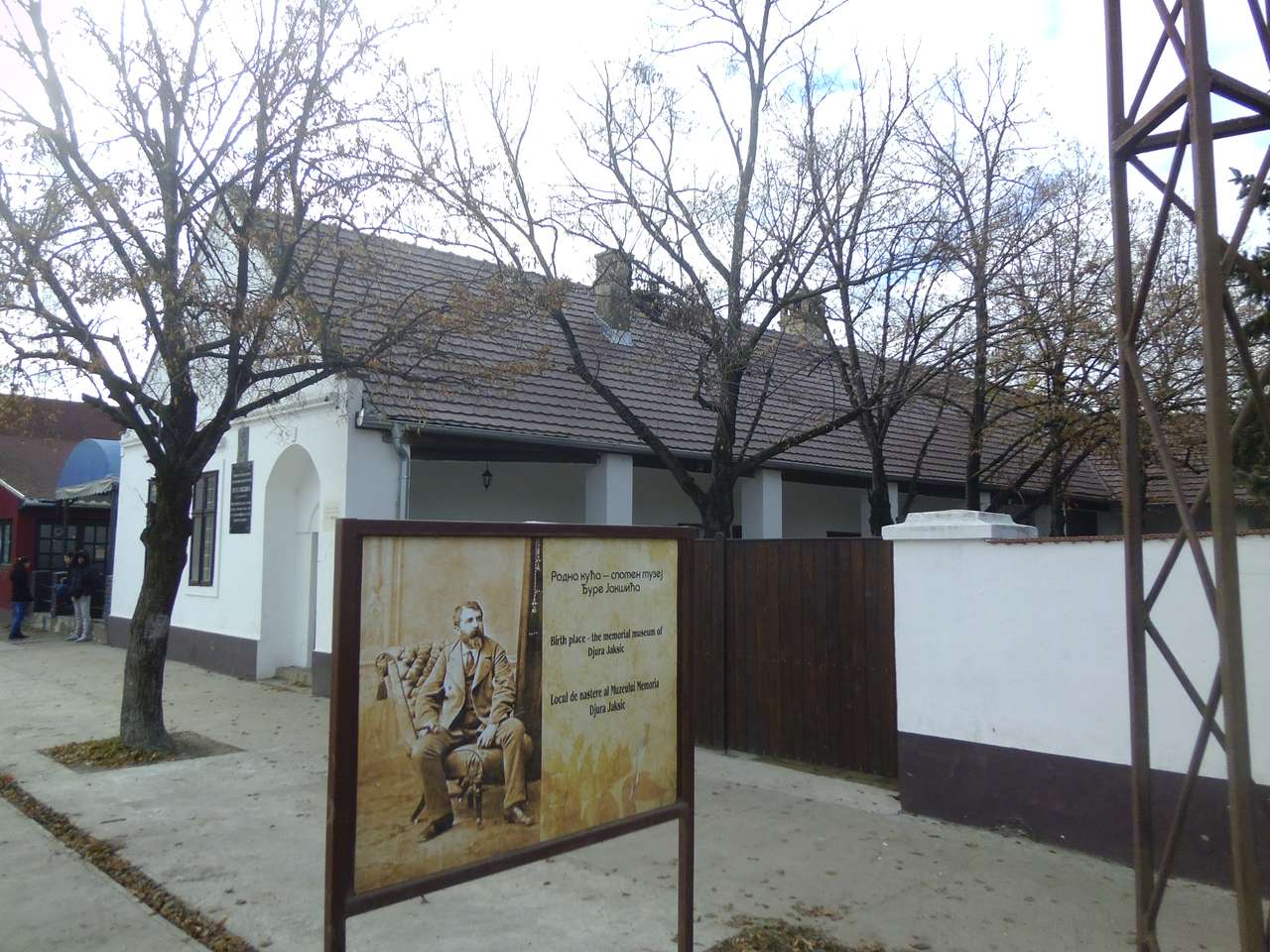
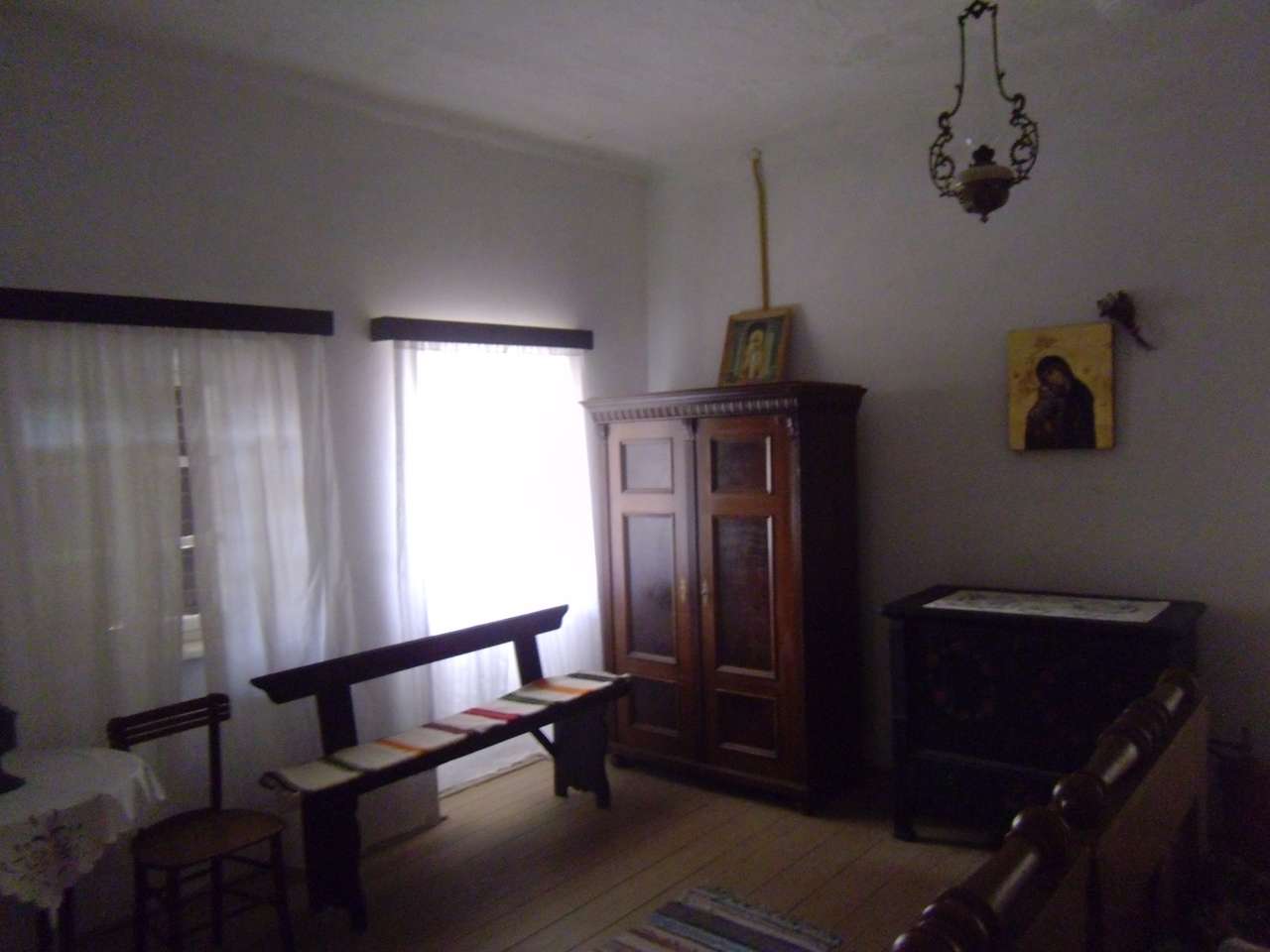
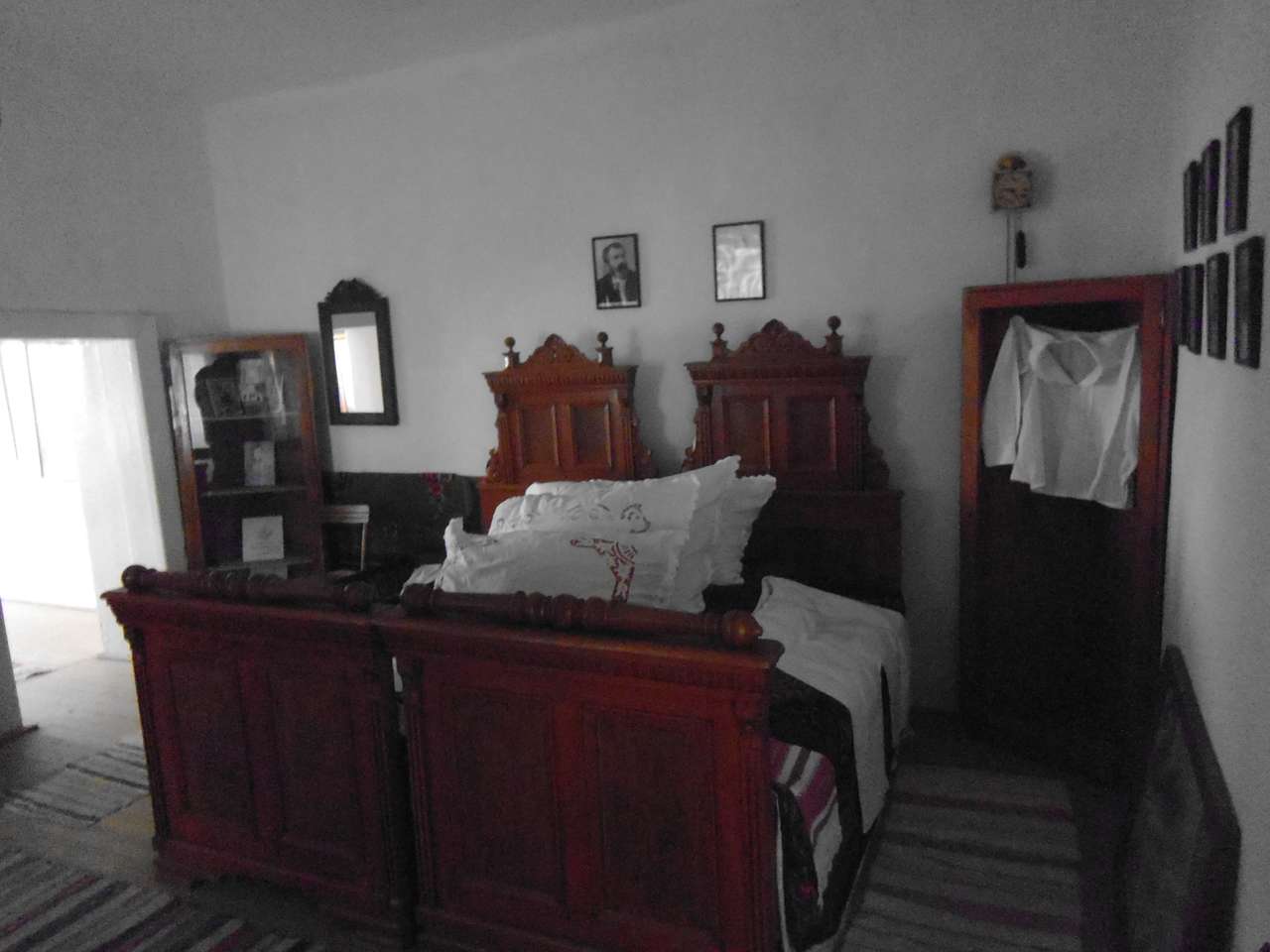
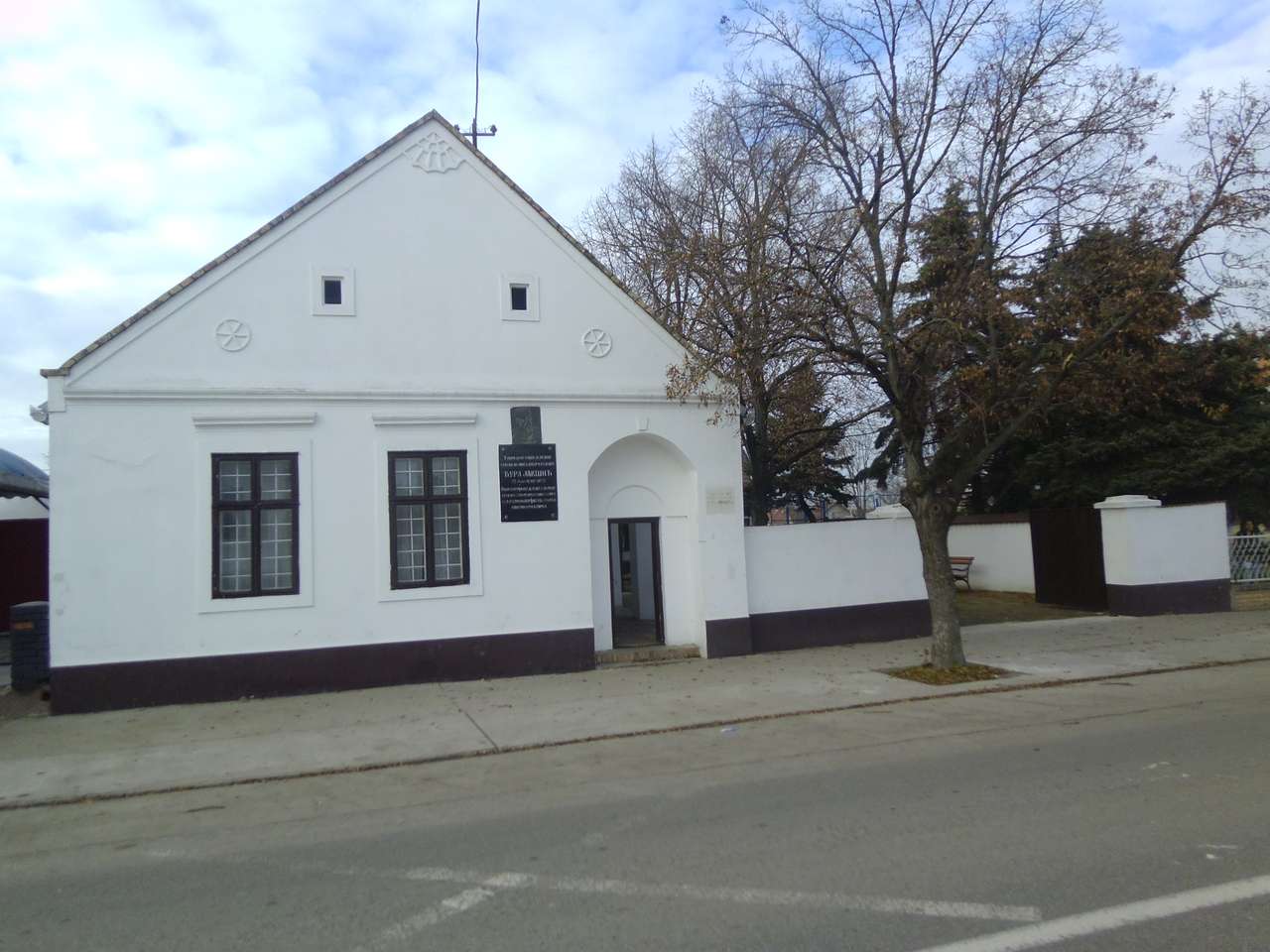
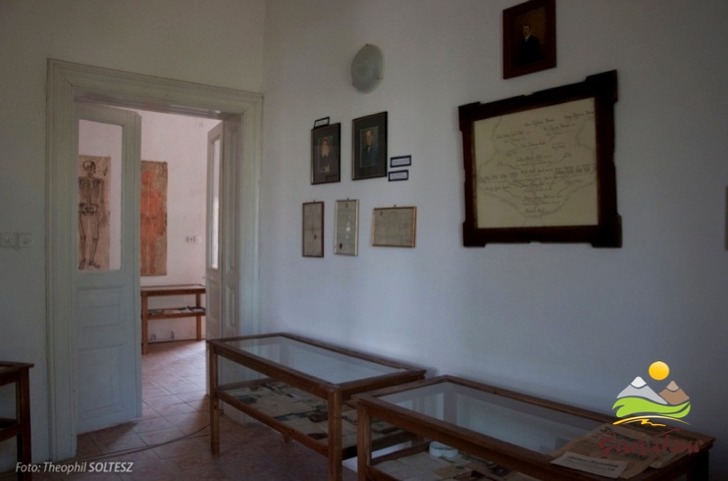
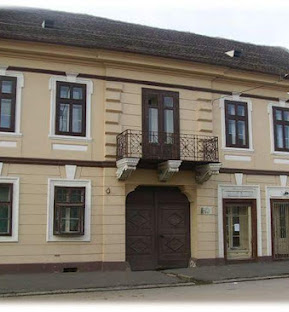
The house of Djura Jakšić turned to Museum has, frequently changed owners and functions. After the death of Dionisije Jakšić, it was inherited by the youngest son Venijamin, a priest in Crnja. After his death, the house became state-owned. The first Srpska Crnja library and reading-room were opened in it in 1919. The first decision on setting up of a museum in memory of Djura Jakšić was passed on 05/12/1944, but the decision was not enforced at that time though. The museum was opened on 5 October 1952. Birth house of Djura Jakšić has been protected at the national level since 1956.

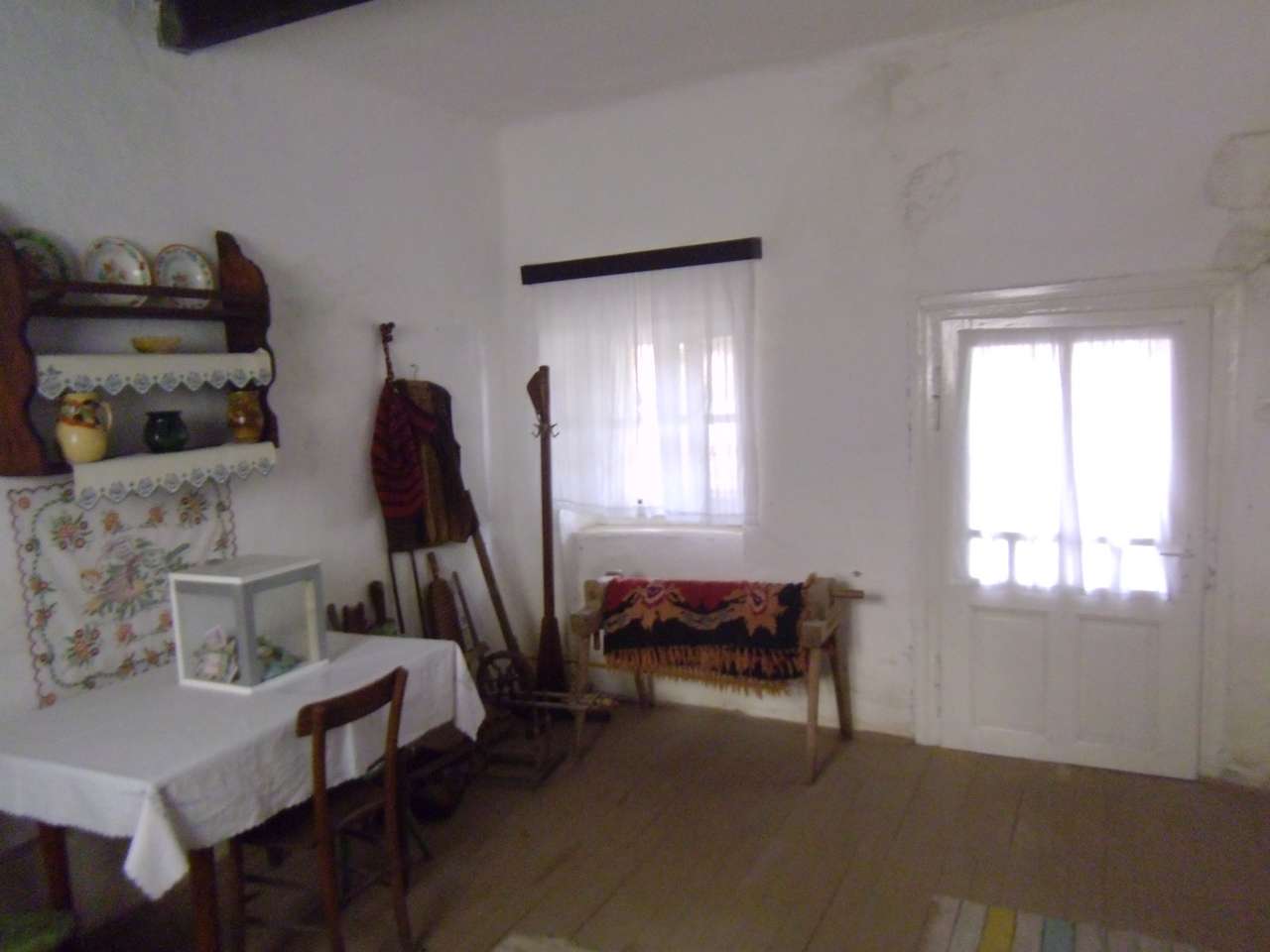
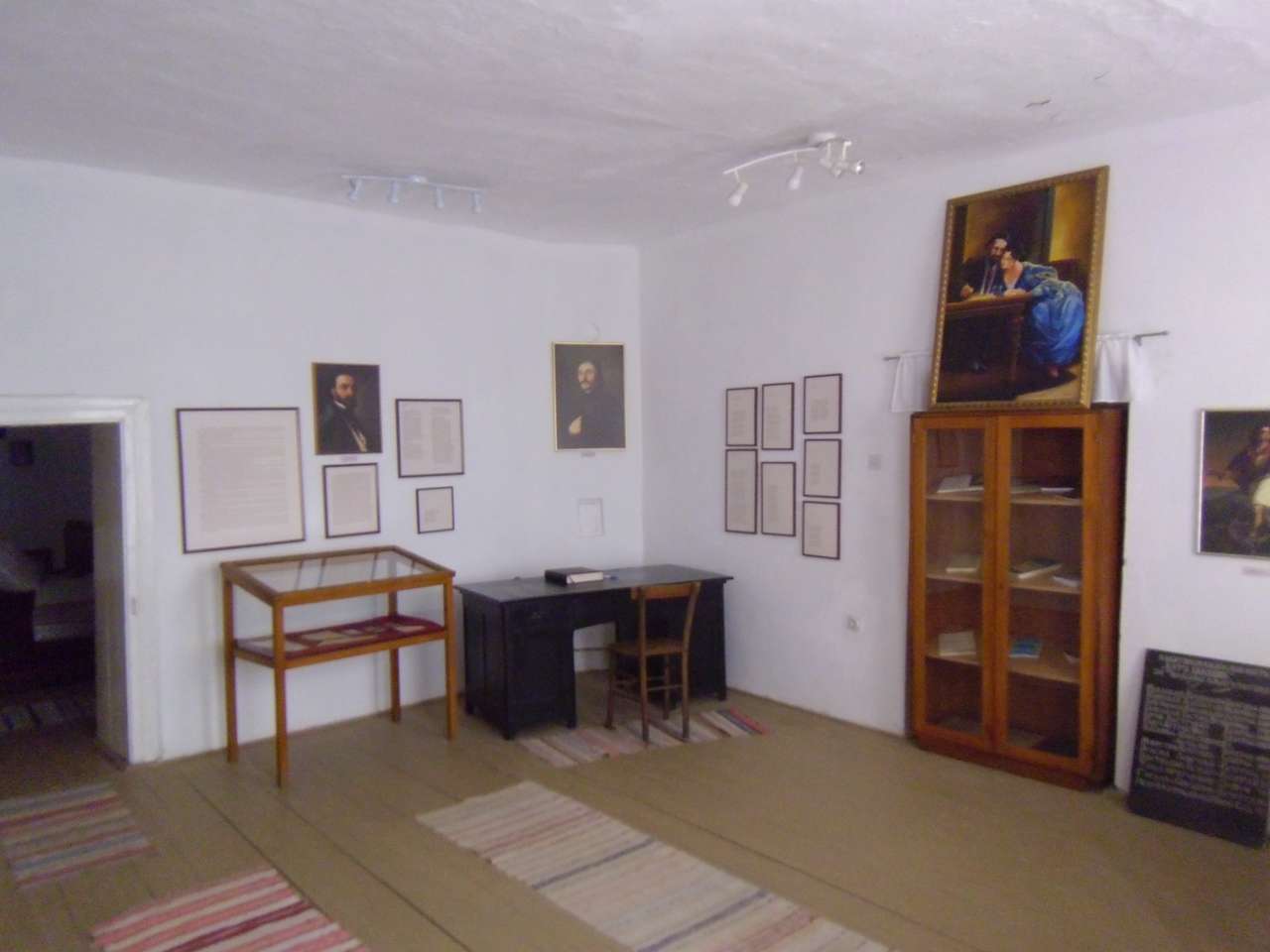
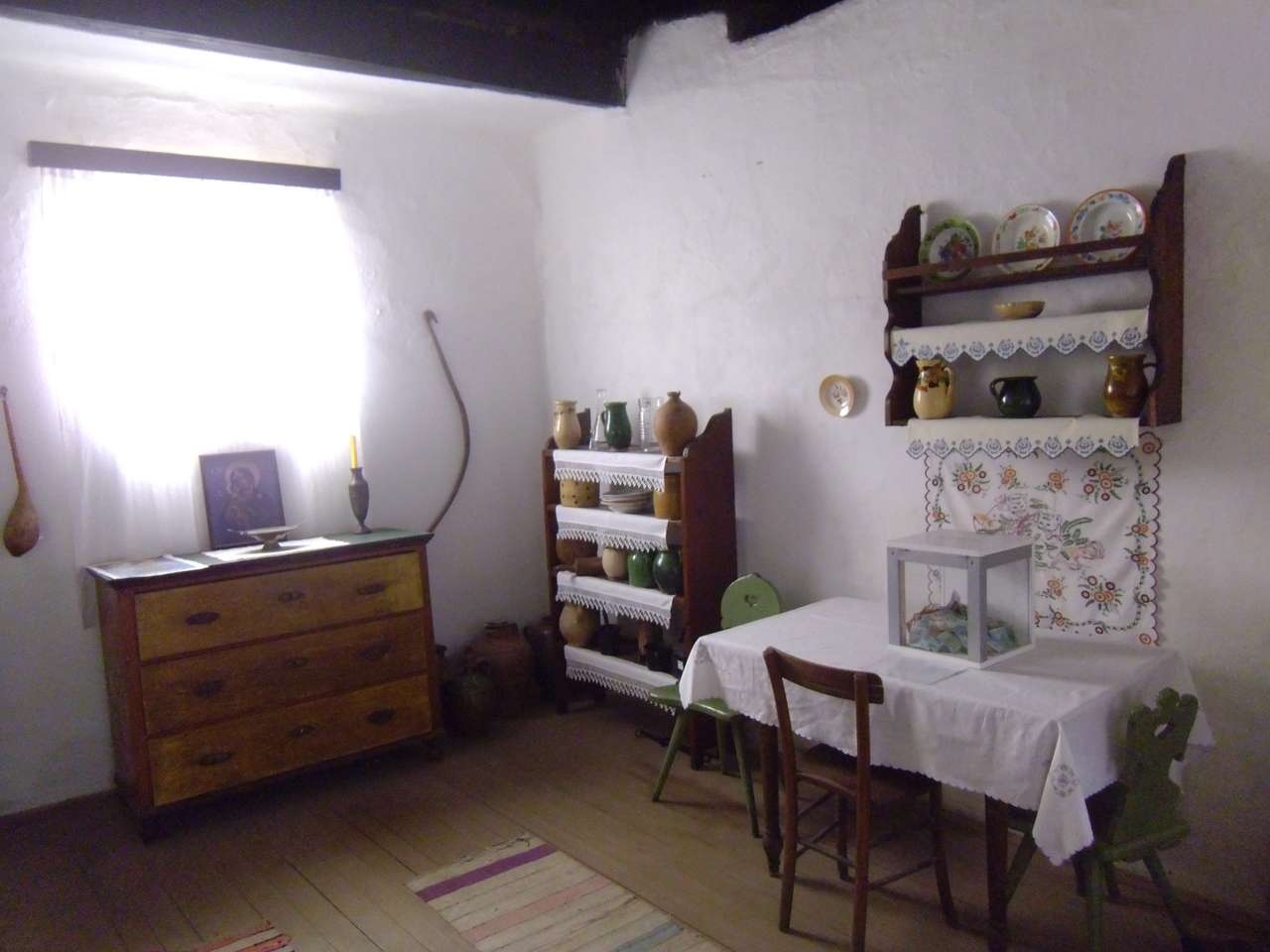
Exhibition space of the museum consists of three rooms. The exhibits as they are now were arranged by Zrenjanin National Museum in 1981 in such a way to consistently reflect the complex personality of the greatest Serbian painter and poet of Romanticism. Approximately 400 various documentary items: photo-copies, xero-copies and colour reproductions interprete the life and work of Djura Jakšić by way of concise description on labels; the original documents are kept in the archives of Novi Sad, Kragujevac, Požarevac, Svetozarevo - Jagodina, City Museum of Belgrade, while the paintings are in the Gallery of "Matica Srpska" in Novi Sad, National Museum in Belgrade and Zrenjanin.

Contact and practical information

Address
Kralja Aleksandra 62
Djura Jakšić Monument

Monument

Djura Jakšić Monument

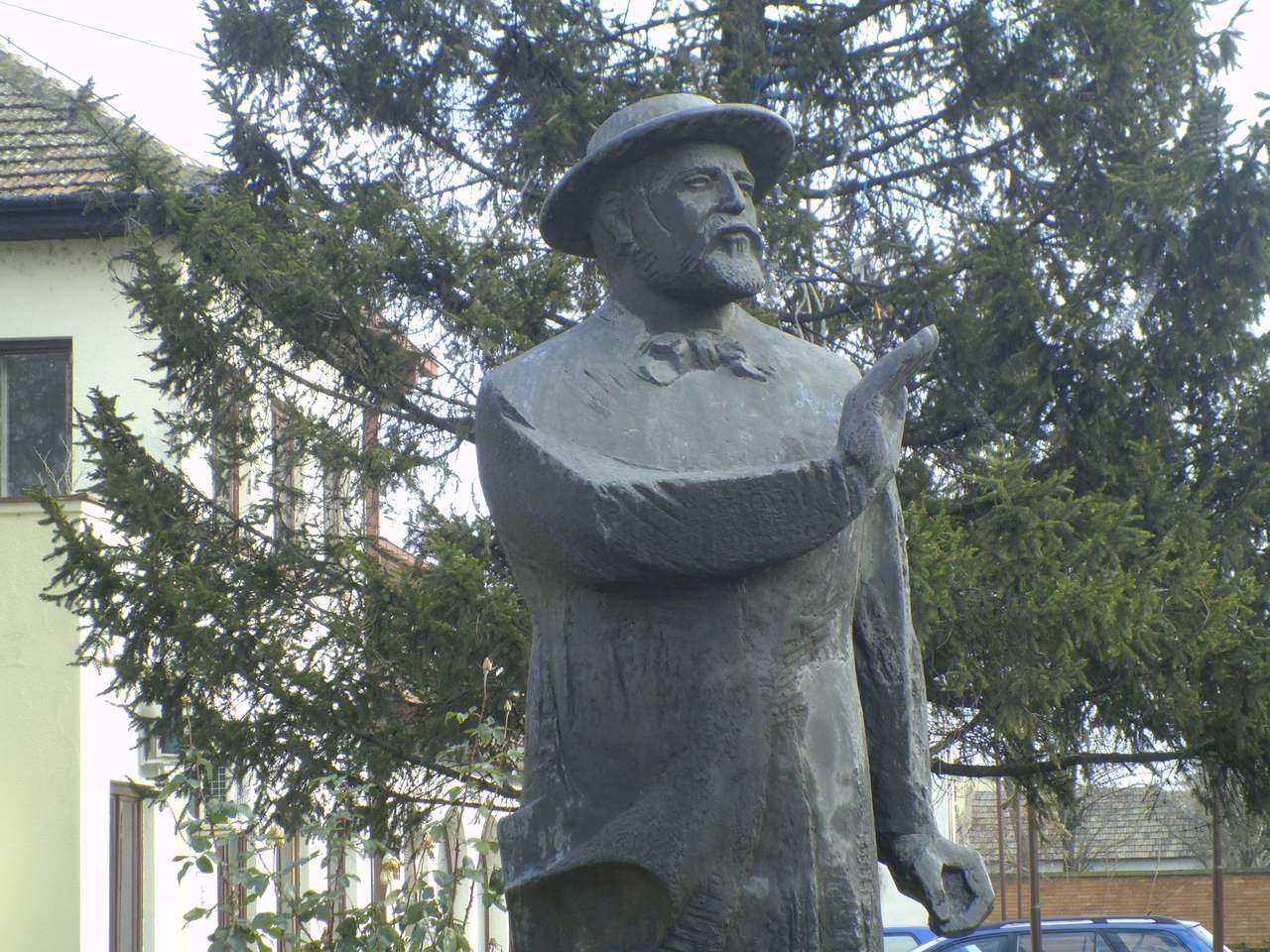
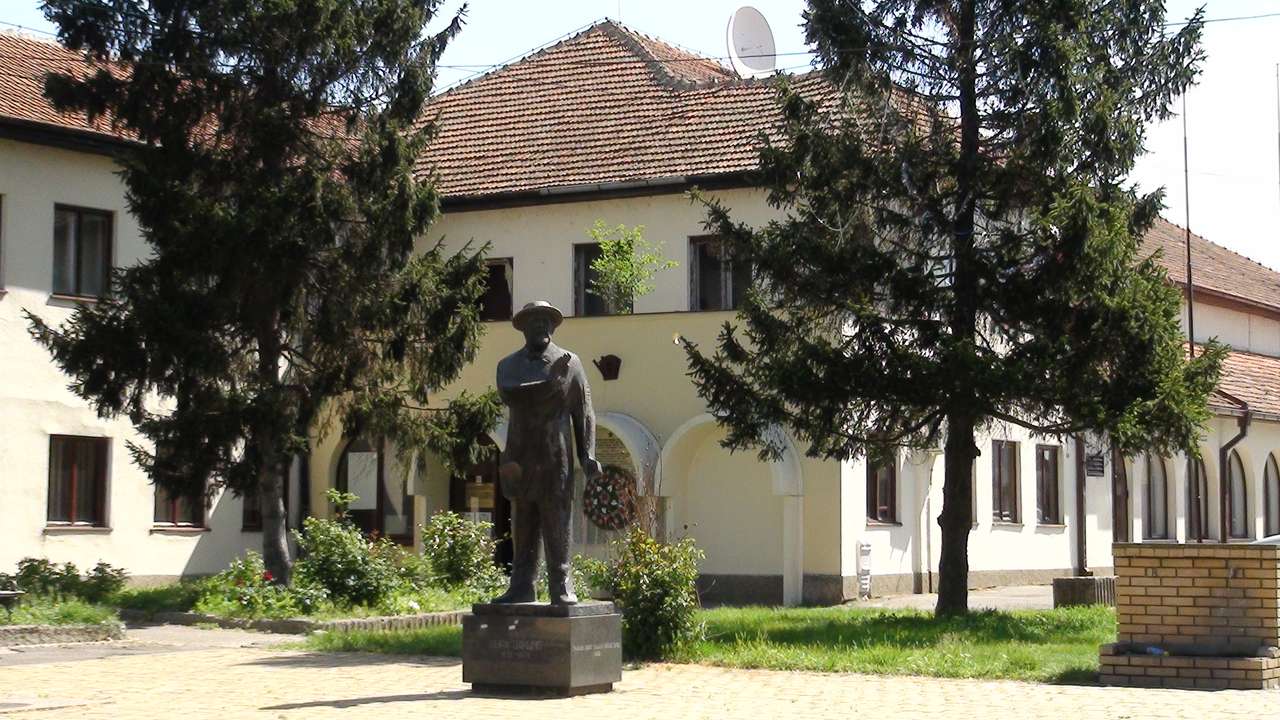
On the occasion of the 150th anniversary of the birth of Đura Jakšić (1832-1982), a large monument was set up in front of the Cultural Club and the Public Library.…

Monument

Djura Jakšić Monument

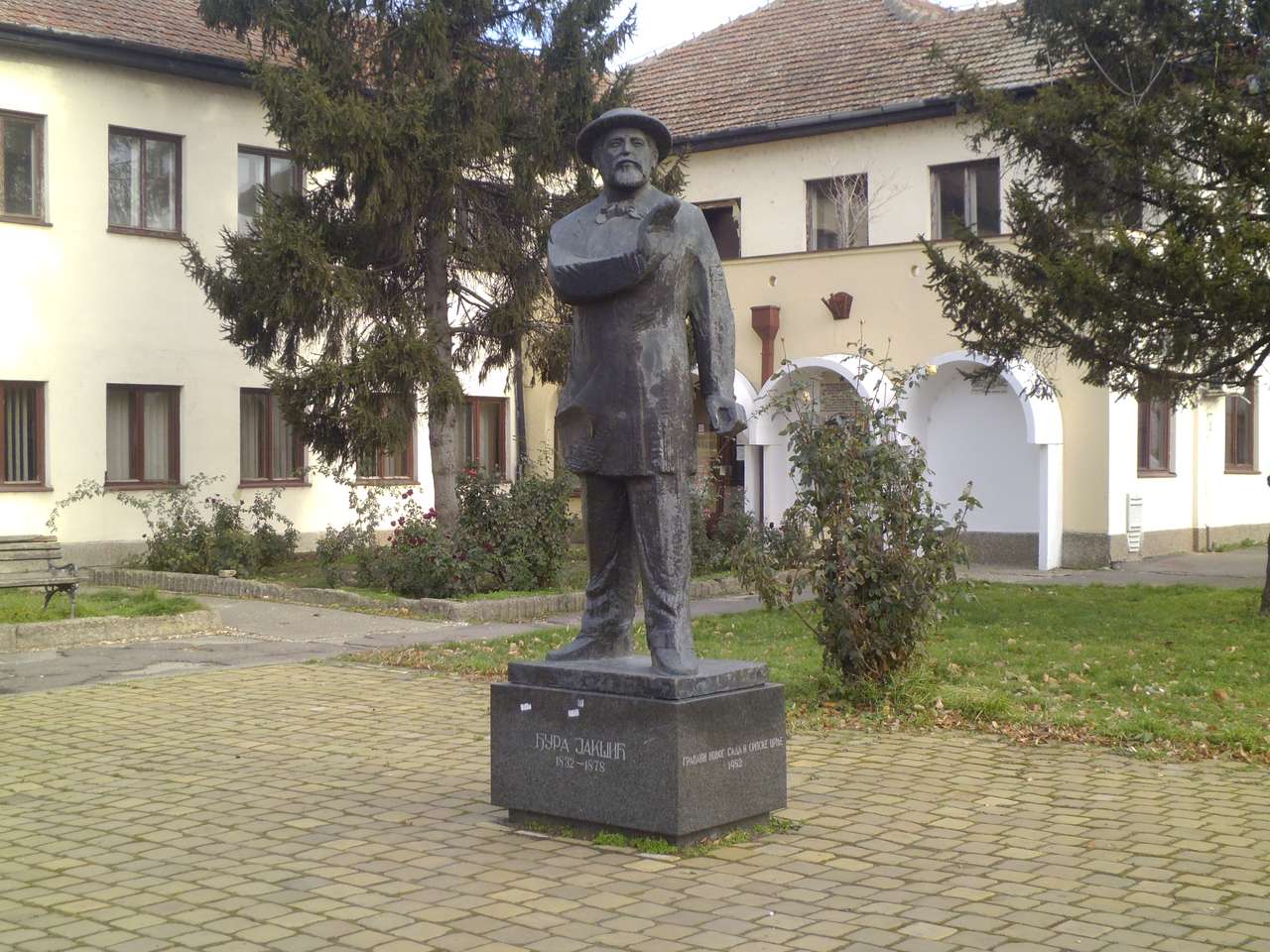
On the occasion of the 150th anniversary of the birth of Đura Jakšić (1832-1982), a large monument was set up in front of the Cultural Club and the Public Library. Created by Aleksandar Zarin, a sculptor born in Srpska Crnja in 1923. This year - the 1982 Djura's Dais Festival - Lipar Nights - lasted for 15 days.

Contact and practical information

Address
Kralja Aleksandra 65
Crkva Svete Agote u Novoj Crnji

Church

Crkva Svete Agote u Novoj Crnji

Kamen temeljac ove crkve je stavjen 3. oktobra 1842 godine na insistiranje Jožefa Čekonjića a već 1844.godine bila osveštena i prvi put se čulo u selu crkveno zvono i…

Church

Crkva Svete Agote u Novoj Crnji

Kamen temeljac ove crkve je stavjen 3. oktobra 1842 godine na insistiranje Jožefa Čekonjića a već 1844.godine bila osveštena i prvi put se čulo u selu crkveno zvono i zvuk orgulje. 2007 godine su počeli da renoviraju crkvu na insistiranje fonda Szent Agota. Naselje Nova Crnja ima jednu katoličku crkvu. U sklopu renoviranja promenjen je krov i pod a prošle godine su renovirani unutrašnji i špoljašnji zidovi. Glavni sponzori renoviranja su bili Pokrajinski Investicioni Fond, Zrenjaninska Biskupija, fond Kirche in Not iz Nemačke, i pojedini donatori.

Contact and practical information

Address
JNA bb
St. Vasilije Ostroški Orthodox Church

Church

St. Vasilije Ostroški Orthodox Church

St. Vasilije Ostroški church was built in 1939 in Vojvoda Stepa village by newcomers (colonists) who actually were Serbian volunteers in first World war coming from the…

Church

St. Vasilije Ostroški Orthodox Church

St. Vasilije Ostroški church was built in 1939 in Vojvoda Stepa village by newcomers (colonists) who actually were Serbian volunteers in first World war coming from the Salonika Front. The church is the gathering place of believers and relevant spot of cultural and religious tourism.

Contact and practical information

Address
Karadjordjeva
The Thermal Swimming Pool Compound Sânmihaiu Roman

Pool

The Thermal Swimming Pool Compound Sânmihaiu Roman

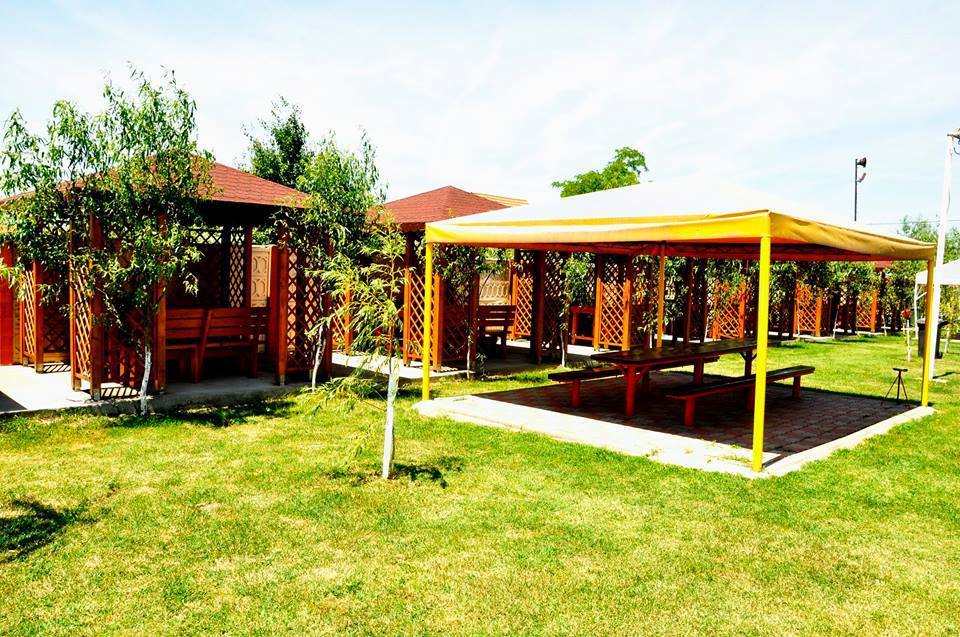
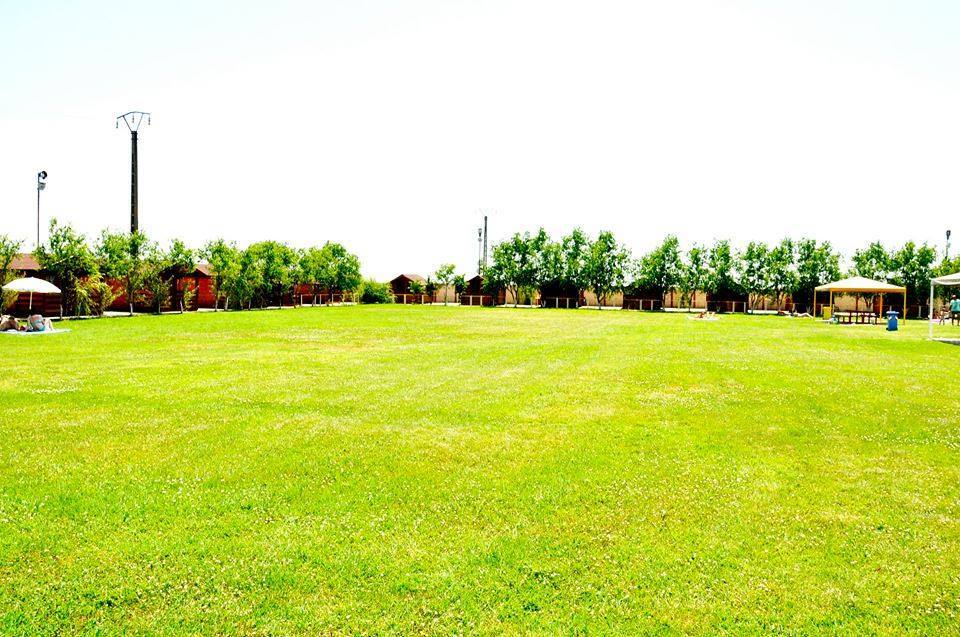
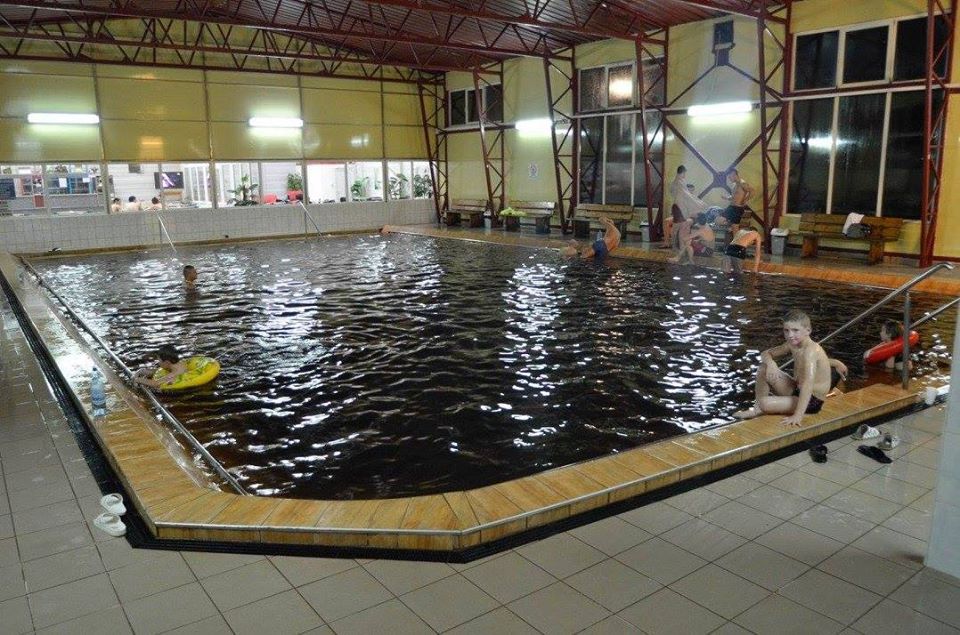
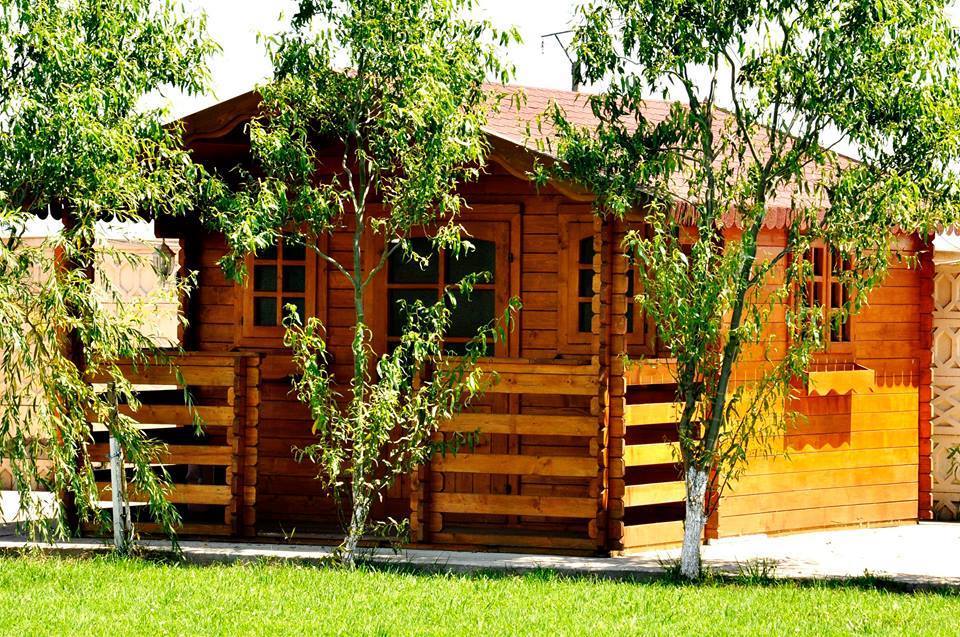
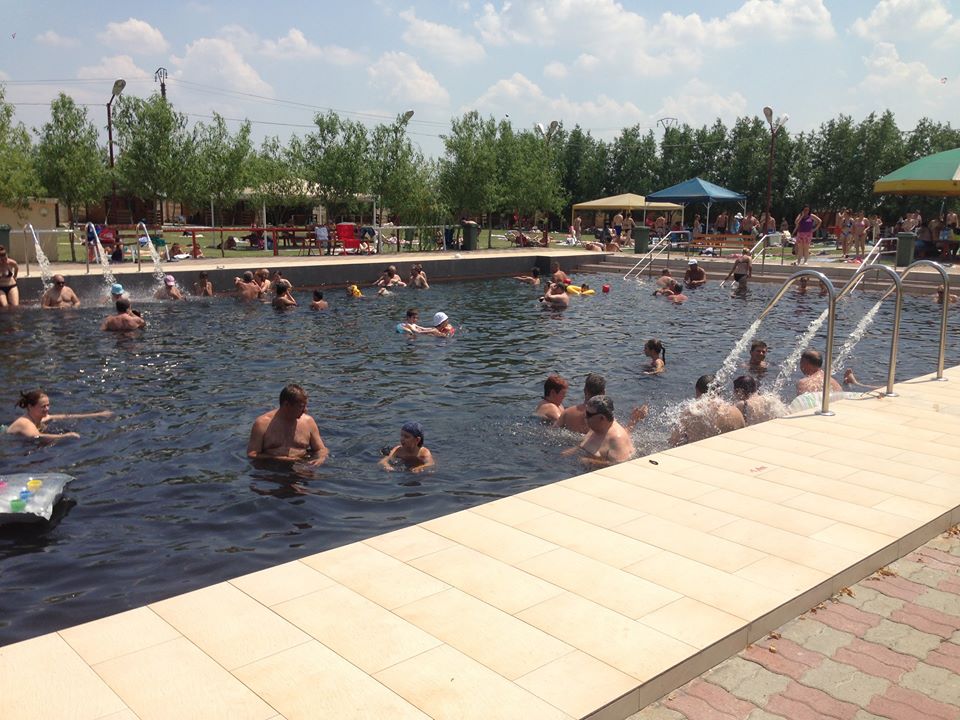
It offers services of accommodations, restaurant, massage, camping place, thermal water swimming pools, with water at 36 degrees, which can be visited in any season.

  • Sanmihaiu German, Jud. Timis, Romania
Pool

The Thermal Swimming Pool Compound Sânmihaiu Roman

It offers services of accommodations, restaurant, massage, camping place, thermal water swimming pools, with water at 36 degrees, which can be visited in any season.

Contact and practical information

Address
Sanmihaiu German, Jud. Timis, Romania
Timișoara Metropolitan Cathedral

Church

Timișoara Metropolitan Cathedral

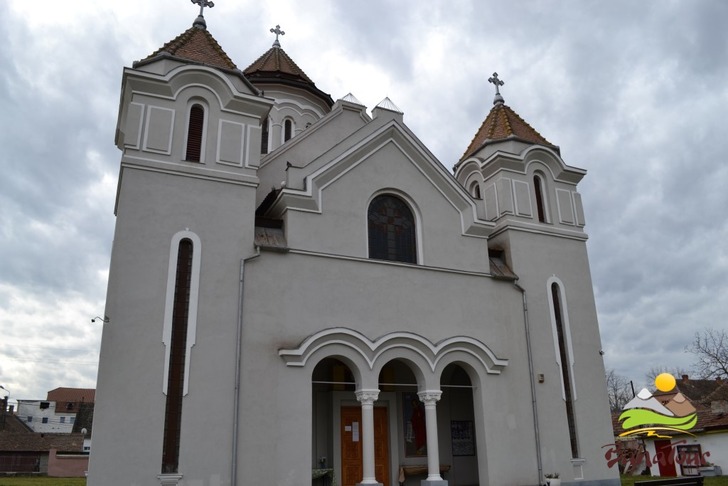
Also known under the name „Saints Three Hierarchs” Orthodox Cathedral, the church was built during 1936-1946, according to the plans of architect Ion Traianescu. Because…

  • No.1, Regele Ferdinand I Blv.

Church

Timișoara Metropolitan Cathedral

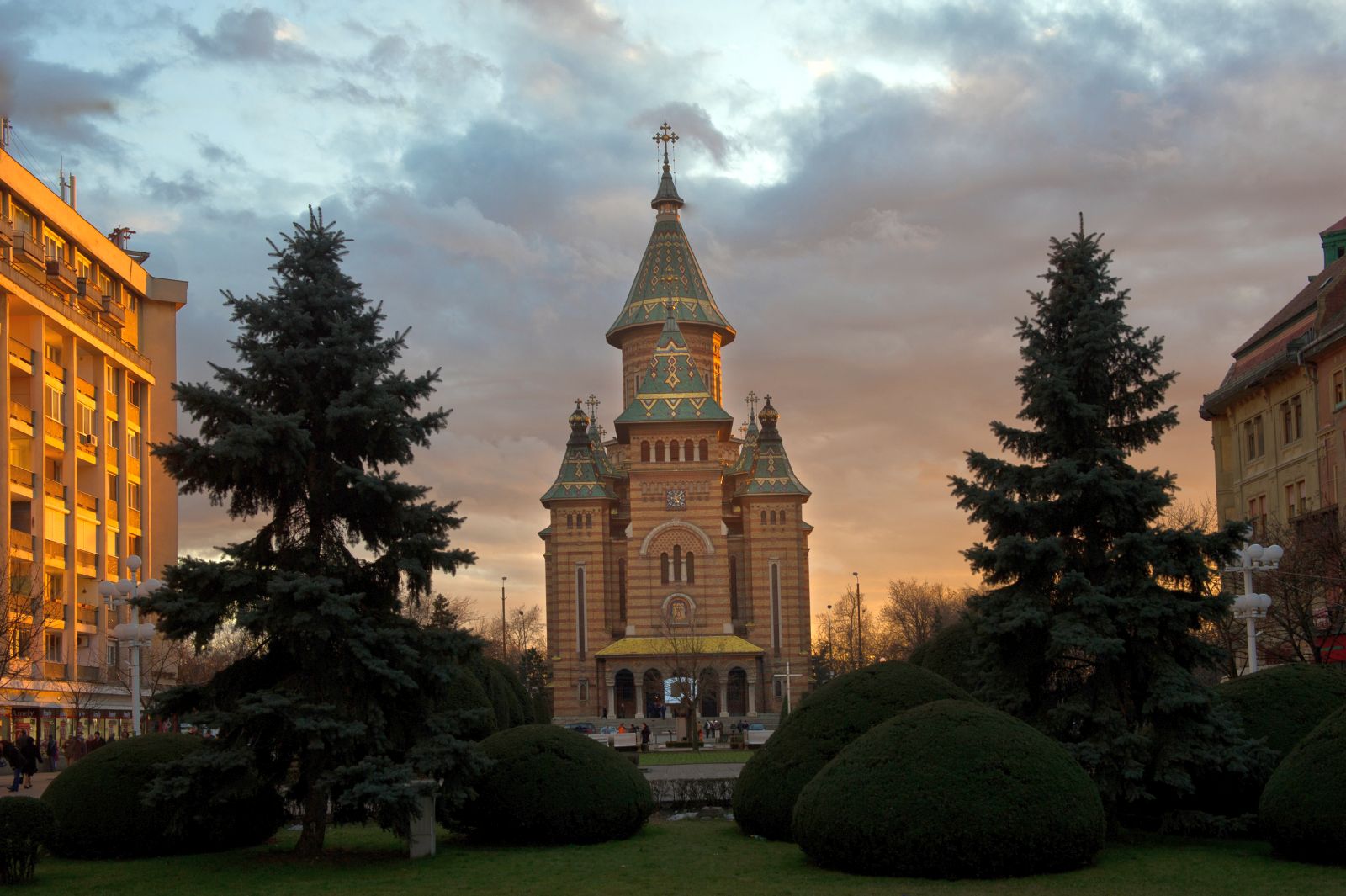
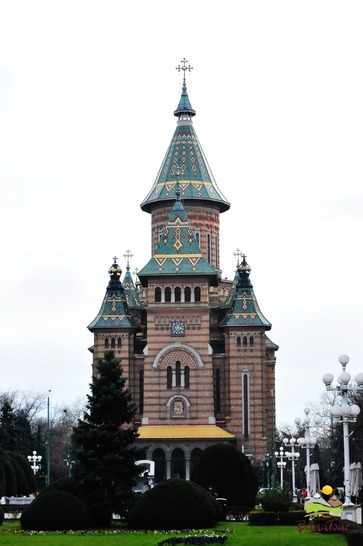
Also known under the name „Saints Three Hierarchs” Orthodox Cathedral, the church was built during 1936-1946, according to the plans of architect Ion Traianescu. Because of the swampy soil, the foundation is supported by 1000 pillars made of reinforced concrete and stuck at a depth of 20 meters. Even though the church was inaugurated in 1946, with the presence of King Mihai I, the finishing work of the interior and exterior paintings by painter Atanasie Demian were done only in 1956 – a delay caused by the second world war. The construction is a combination of two architectural styles, the Romanian style with Moldavian influences and the Byzantine style. Due to its dimensions of 63 meters long and 32 meters wide ( 11 towers – the highest of 83,7 meters), the church is one of the highest churches in Romania. The seven bells of the cathedral are very impressive. They are made of an alloy of metals brought from Indonesia and they weigh over 7 tones. The acoustic harmonization of the bells was made by the well known composer, Sabin Dragoi. Their unique sound can be heard in the whole town. On the basement of the cathedral, there is The Museum Collection of Old Ecclesiastical Art of The Metropolitan of Banat. The impressive collection has 3000 ecclesiastical books, over 800 icons on glass and wood and over 130 ecclesiastical objects. The part of the basement oriented towards the altar hosts the necropolis of the Metropolitans of Banat.

Contact and practical information

Address
No.1, Regele Ferdinand I Blv.
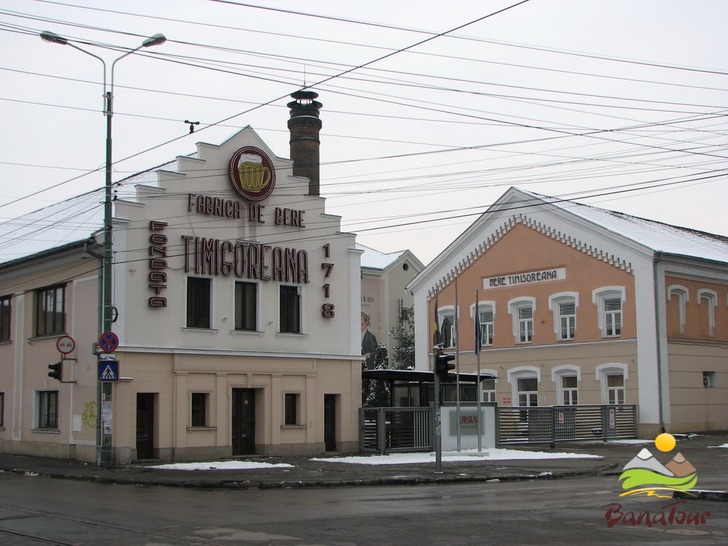
Timișoara Beer Factory

Landmark building

Timișoara Beer Factory

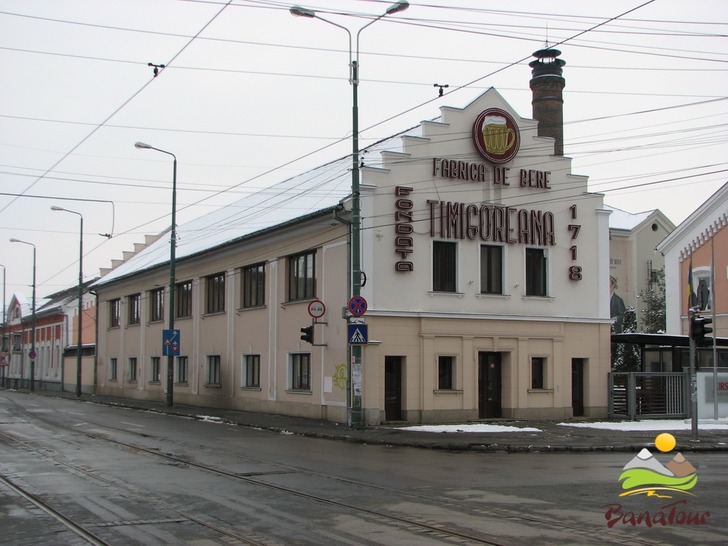
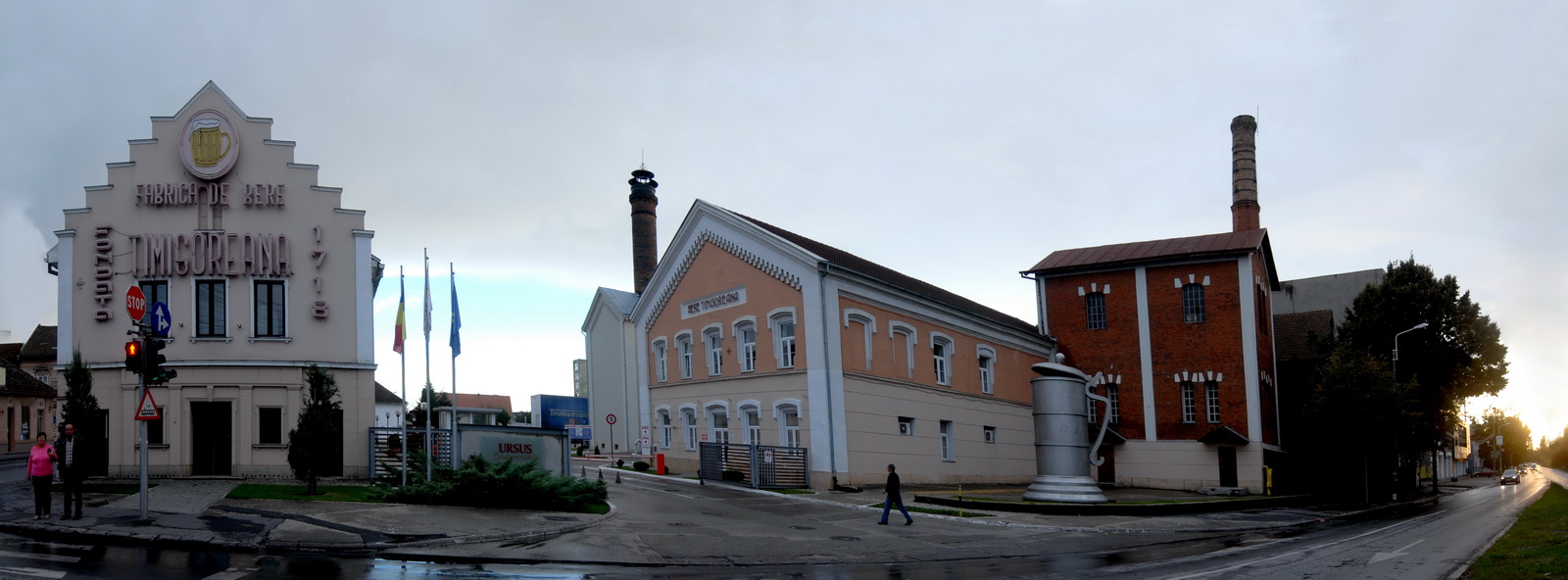
Considered the first beer factory in Romania, the factory in Timisoara was built in 1718 at the direct order of Prince Eugene of Savoy. The reasons behind his idea were…

  • 28 Ştefan cel Mare str.

Landmark building

Timișoara Beer Factory

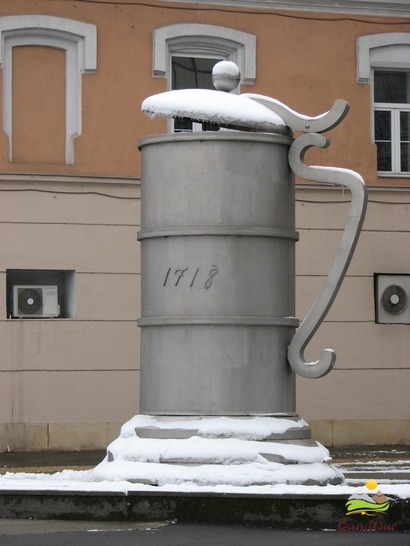
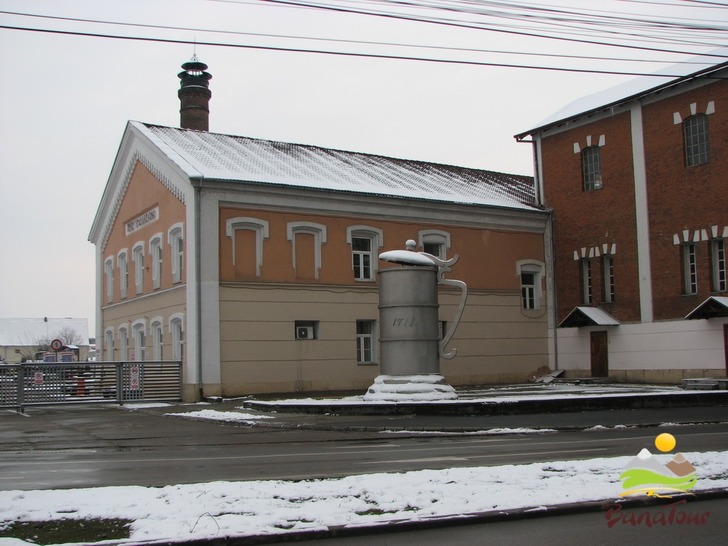
Considered the first beer factory in Romania, the factory in Timisoara was built in 1718 at the direct order of Prince Eugene of Savoy. The reasons behind his idea were connected to the needs of the Austrian troups and to supplying the city with beer as there was little drinking water. After the fire in 1890, most part of the building was destroyed, but it was reconstructed at the highest standards of those times and it became one of the most modern beer factories in Europe. Between 1900 and 1920 the investment in the factory brought about two projects: the increase of the beer production to reach 100.000hl/year and the improvement of its quality. The beer produced there became more and more popular, and after 1981, the Beer Factory was declared the official supplier of The Royal Romanian House. Even though the factory has been functioning for almost 300 years in the same building and it has been modernized several times, The Beer Factory remains a traditional building combined with modern technology; its XVIIIth century architecture is still preserved.

Contact and practical information

Address
28 Ştefan cel Mare str.
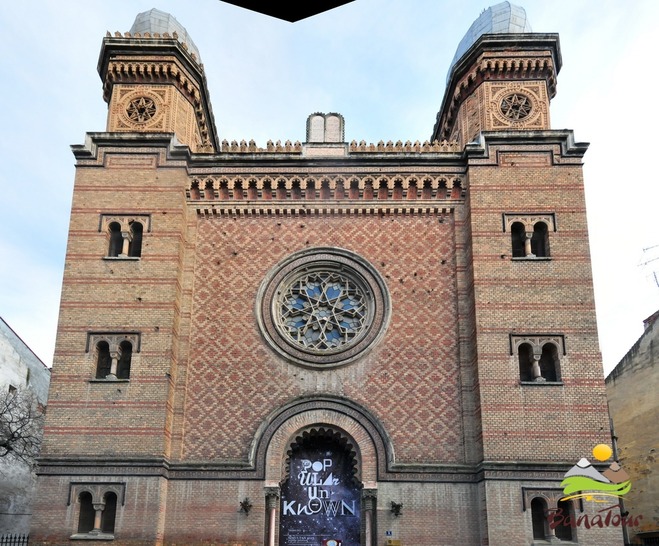
Cetate Synagogue

Church

Cetate Synagogue

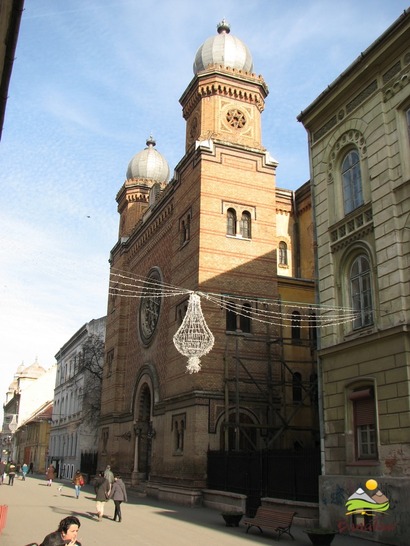
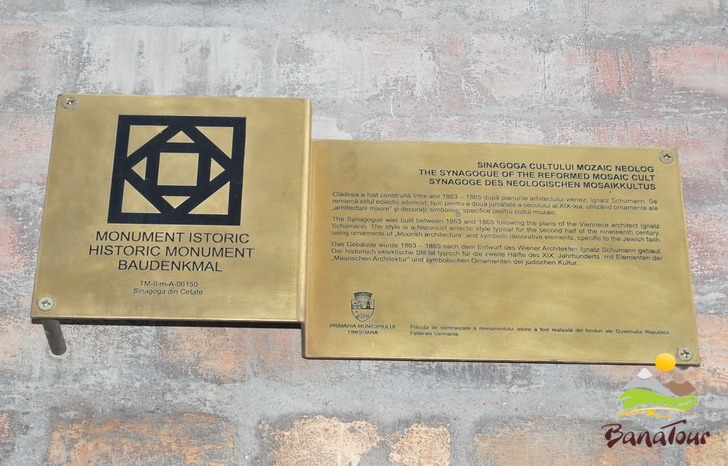
The synagogue was built on the built on the initiative by Rabbi Maurice Hirschfeld I designed by the Viennese architect Igatz Schuhmann. It was built between 1863-1865…

  • Str. Mărăşeşeti nr. 6

Church

Cetate Synagogue

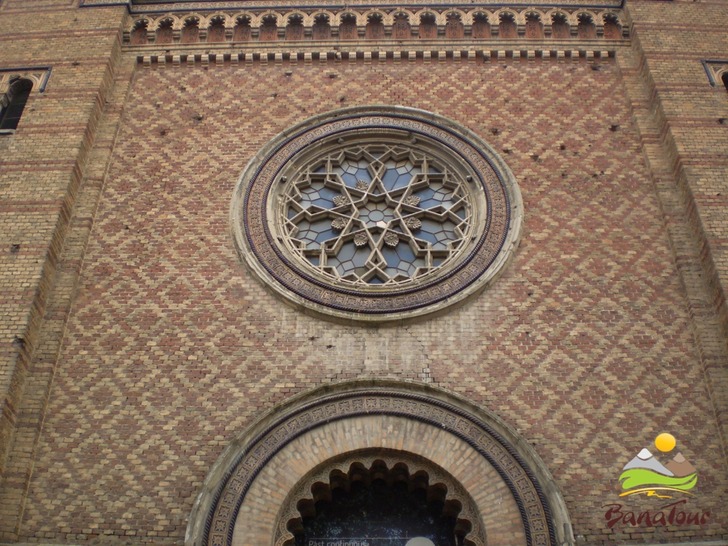
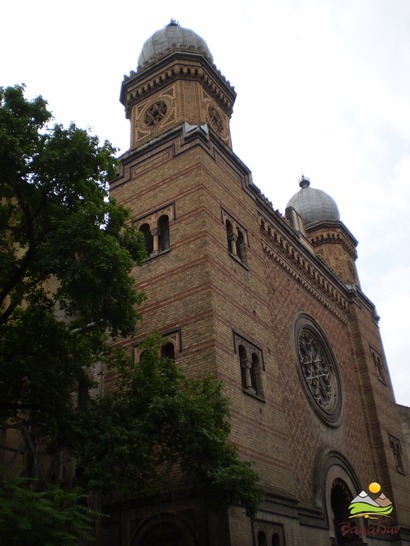
The synagogue was built on the built on the initiative by Rabbi Maurice Hirschfeld I designed by the Viennese architect Igatz Schuhmann. It was built between 1863-1865 for the Spanish Jewish community in the city.The place of worship is also known for the fact that Rabbi David Opelheim is buried here.Construction in the historicist eclectic style typical in the second half of the 19th century, with ornaments inspired by the Moorish architecture of the Byzantine and Roman influences. The facade of the building is covered with ceramic tiles and ceramic tiles. At the same time, there are two towers and an outer dome. Since 2001, the Synagogue was entrusted to the Banat Philharmonic Orchestra from Timisoara.

Contact and practical information

Address
Str. Mărăşeşeti nr. 6
Roman Catholic Cathedral of St. George

Church

Roman Catholic Cathedral of St. George

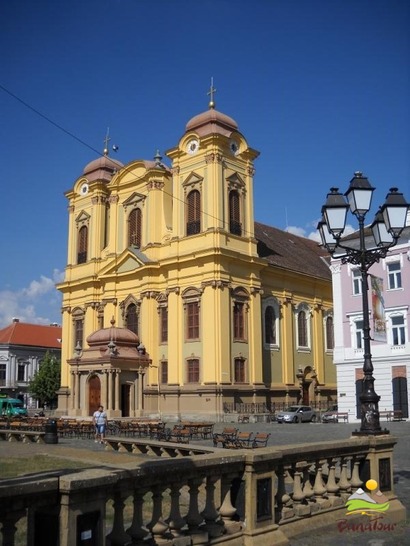
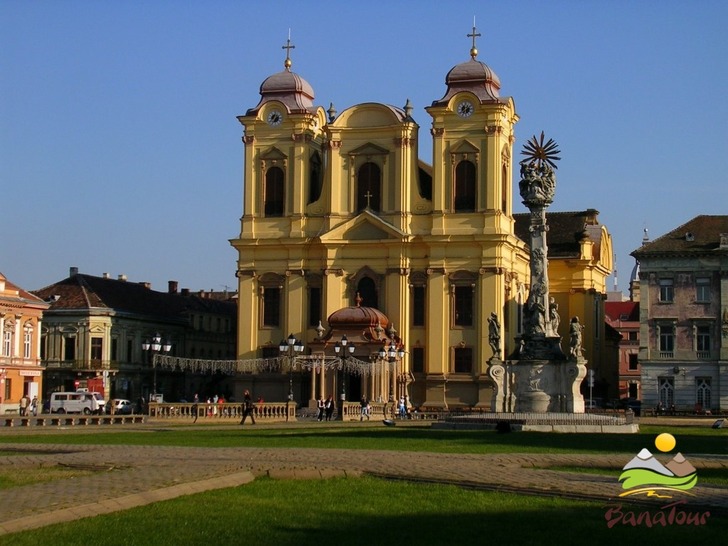
The construction lasted over 20 years, respectively between 1736 and 1774. The architectural specific style is baroque. Inside there are nine altars decorated baroque…

  • N. 12 Union Square

Church

Roman Catholic Cathedral of St. George

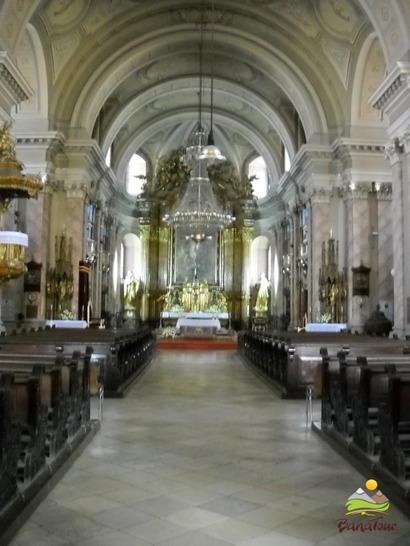
The construction lasted over 20 years, respectively between 1736 and 1774. The architectural specific style is baroque. Inside there are nine altars decorated baroque and rococo style, and the organ is in Louis the XVIth style. The abode has a main entrance and two on both sides.

Contact and practical information

Address
N. 12 Union Square
The Baroque Palace

Landmark building

The Baroque Palace

Also known as the Old Prefect's Palace, the building was built between 1752-1754, when it became the residence of the governor of the Banat region of the…

  • Str. Piaţa Unirii nr. 1

Landmark building

The Baroque Palace

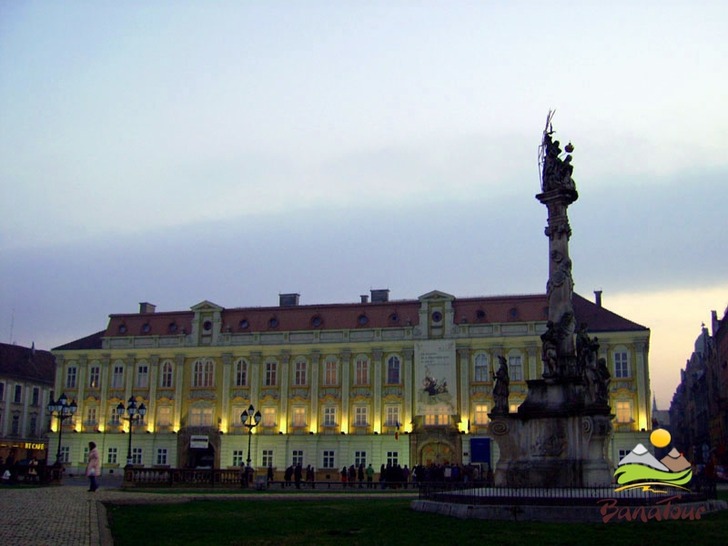
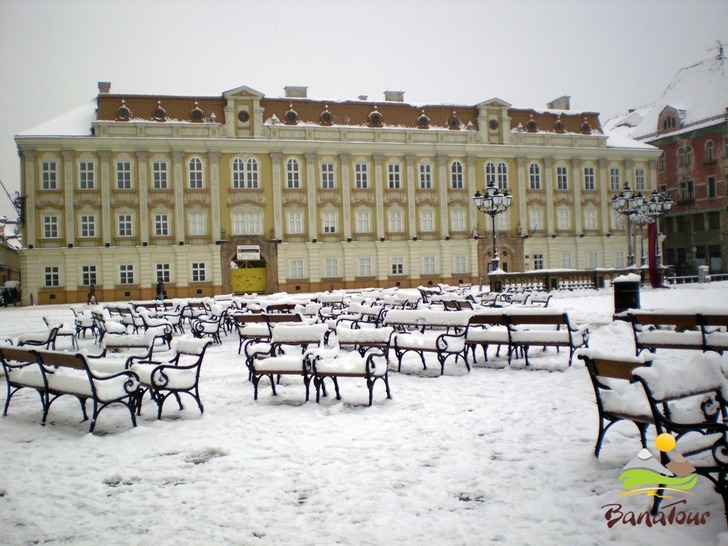
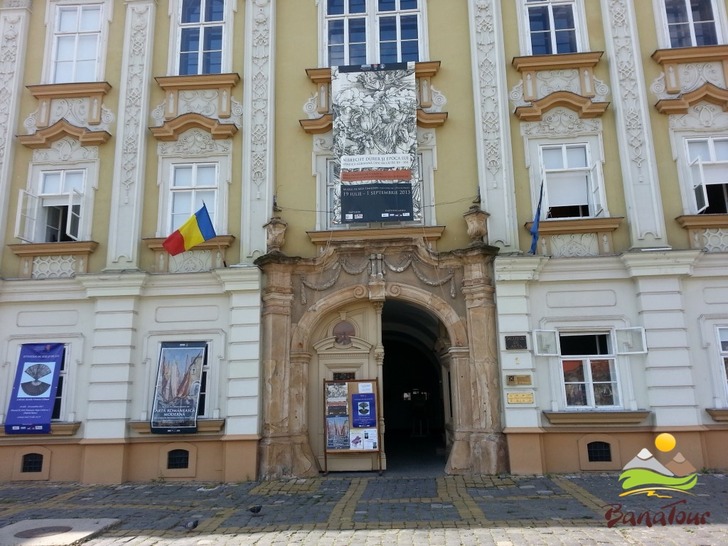
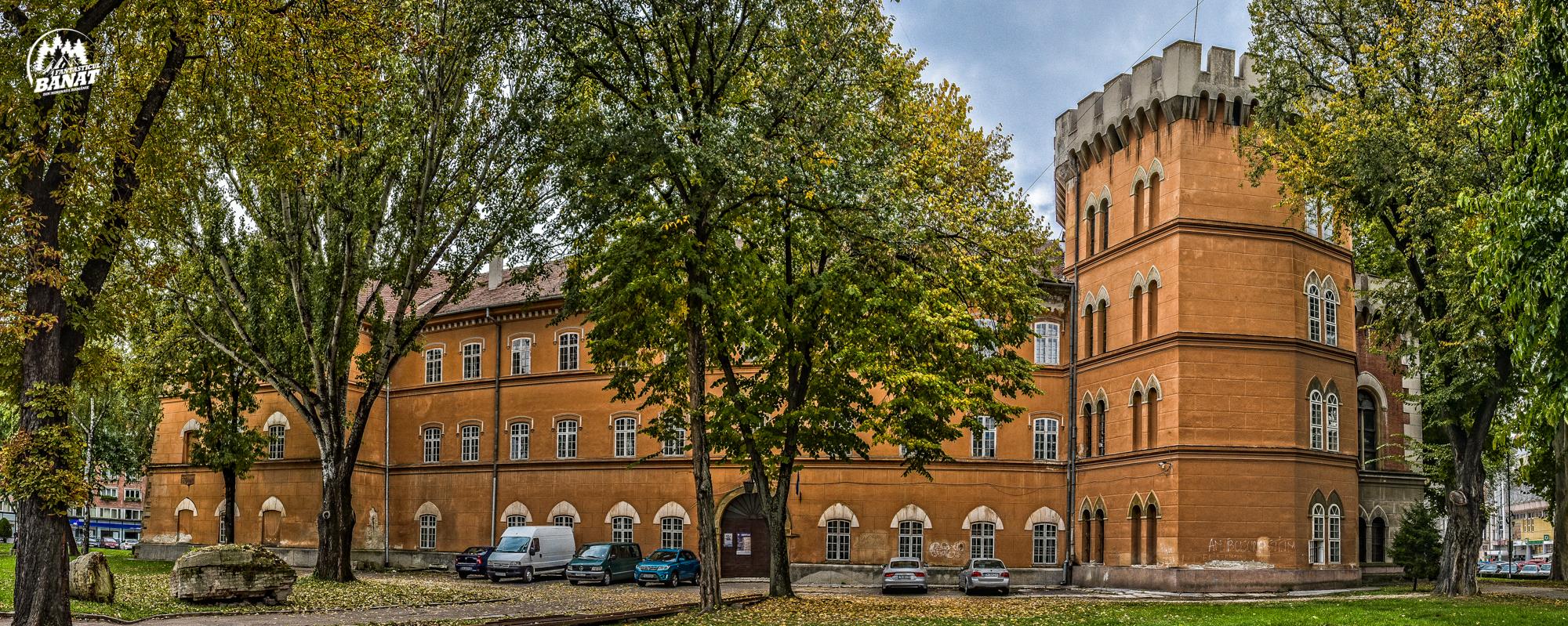
Also known as the Old Prefect's Palace, the building was built between 1752-1754, when it became the residence of the governor of the Banat region of the Austro-Hungarian Empire. In 1779, it became the House of the County, and between 1848-1860 it was the seat of the. From 1861 to 1918, the Timiş County headquarters is re-established, and after World War I, the Prefecture of Timiş-Torontal County is housed. Nowadays, the Art Museum is inaugurated in 2006, after a long restoration process started in 1979 by architects Şerban and Doina Sturdza. From an architectural point of view, the palace is one of the most representative monuments in the Austrian Baroque style, and features some Rococo details. The exterior decorative elements and construction look similar to the Kinsky Palace in Vienna.

Contact and practical information

Address
Str. Piaţa Unirii nr. 1
Hydroelectric Power Plant Museum

Museum

Hydroelectric Power Plant Museum

The Timişoara administration began the construction of a new Begej canal, at the beginning of 1907, between the entrance to the city and Neptun Palace in Fabric. Due to…

  • Canalul Bega – cartierul Fabric, str. Câmpului nr. 1
Museum

Hydroelectric Power Plant Museum

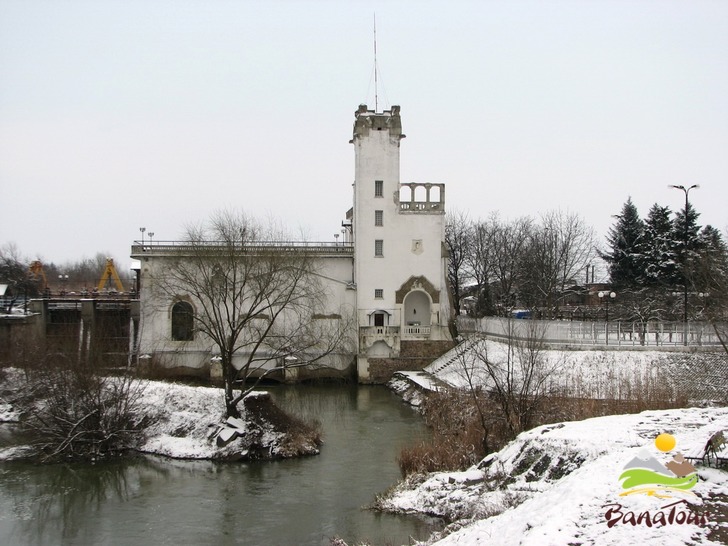
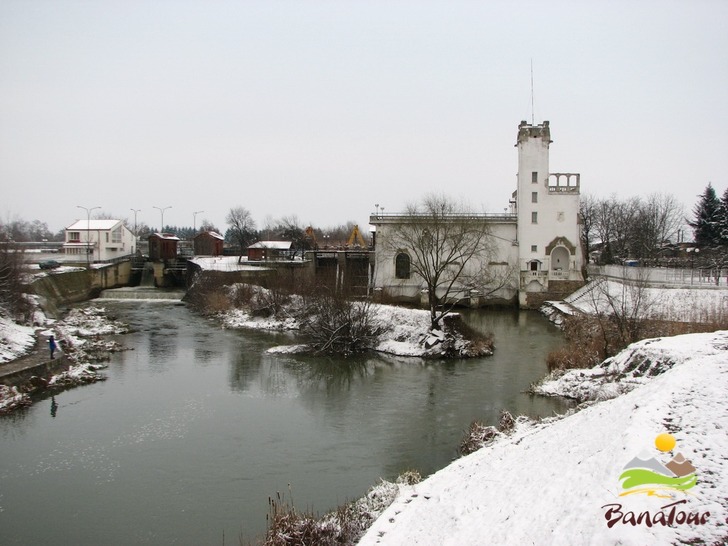
The Timişoara administration began the construction of a new Begej canal, at the beginning of 1907, between the entrance to the city and Neptun Palace in Fabric. Due to the fact that the water level difference between the mentioned points is more than 4 meters, in 1909, the City Hall decided to build a hydroelectric power plant on the Begej Canal, according to the plans of the architect Székely László. In 1910, the hydroelectric plant was put into operation and is still being used.The central building of the hydropower plant is made up of a rectangular body. Stavails form the second largest component of the lens, above which a wooden walkway is built.The electricity produced here was used for tram and public lighting.

Contact and practical information

Address
Canalul Bega – cartierul Fabric, str. Câmpului nr. 1
Church of the Nativity of the Theotokos - Iosefin

Church

Church of the Nativity of the Theotokos - Iosefin

The church was built between 1932 and 1936, on an area of 1,320 square meters, which was donated in 1925, the City Administration in Timisoara. The foundation stone was…

  • Piața Alexandru Mocioni, nr. 9

Church

Church of the Nativity of the Theotokos - Iosefin

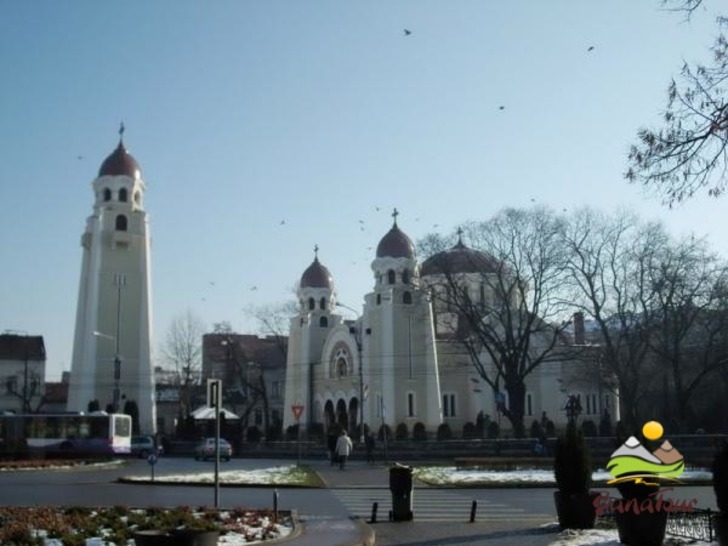
The church was built between 1932 and 1936, on an area of 1,320 square meters, which was donated in 1925, the City Administration in Timisoara. The foundation stone was laid on September 8, 1931. After the construction of the temple, on September 8, 1936, it was dedicated to the "Virgin Mary". Between 1939 and 1946 it served as an Orthodox cathedral, also known as the "Old Orthodox Cathedral".The church was built in an unusual style, inspired by the cathedral of "St. Sofia" in Istanbul (Istanbul). The bell tower is separated from the church itself, with its own cupola in the form of a building. Mural painting was performed by Professor Katul Bogdan and dr. Ioachim Miloia, between 1935 and 1936. After that, two restorations were carried out, in 1958, and between 1983 and 1985, when about 88 biblical scenes were added.In the courtyard to the five founders (Iacob Marian, Ing. Victor Vlad, professor Ioan Imbroane, Av. Emanuil Ungurianu, Dr. Ioachim Miloia), all made by the sculptor Aurel Gheorghe Ardeleanu.

Contact and practical information

Address
Piața Alexandru Mocioni, nr. 9
Maria Theresa Bastion

Landmark building

Maria Theresa Bastion

It was built between 1730 and 1735, being part of the defensive wall of the old city of Timisoara. It is the only bastion of the nine that has not been destroyed over…

  • Str. Hector

Landmark building

Maria Theresa Bastion

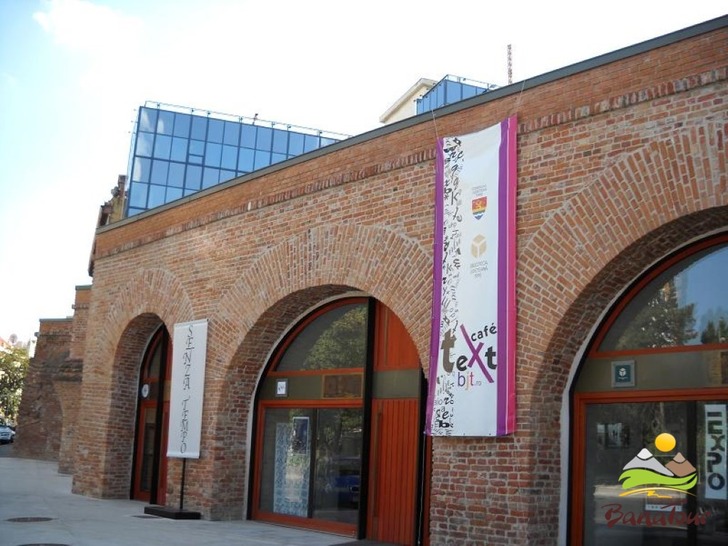
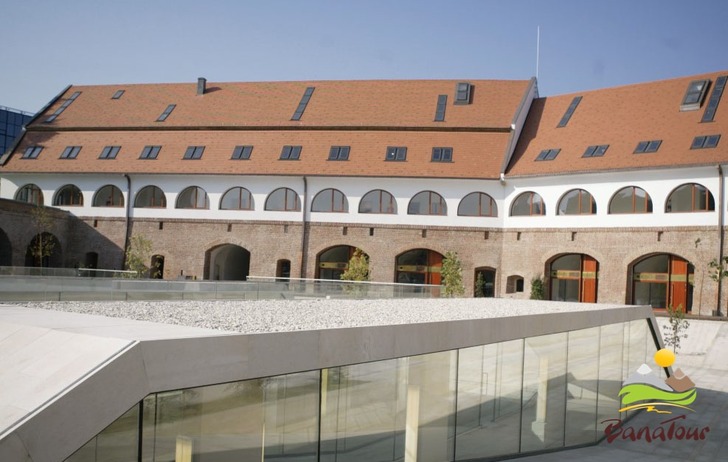
It was built between 1730 and 1735, being part of the defensive wall of the old city of Timisoara. It is the only bastion of the nine that has not been destroyed over time. It has the appearance of a fortified bastion that has a protective ditch and high walls on the outside. The interior of the bastion is used as a cultural space.

Contact and practical information

Address
Str. Hector
The Banat Village Museum

Museum

The Banat Village Museum

Designed as a traditional Banat village, the Reserve of Ethnographic Outdoor Architecture in Green Forest includes household of various national minorities from Banat…

  • No. 1, Avram Imbroane Street

Museum

The Banat Village Museum

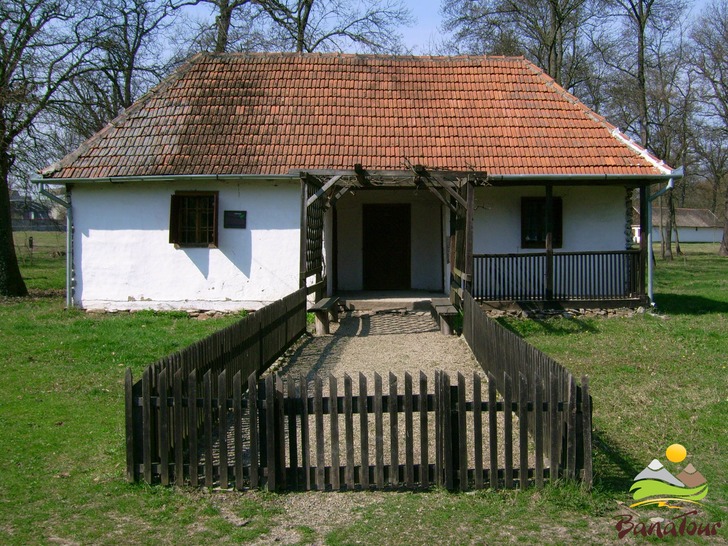
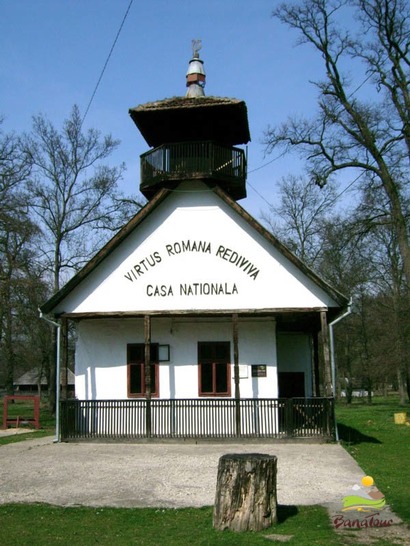
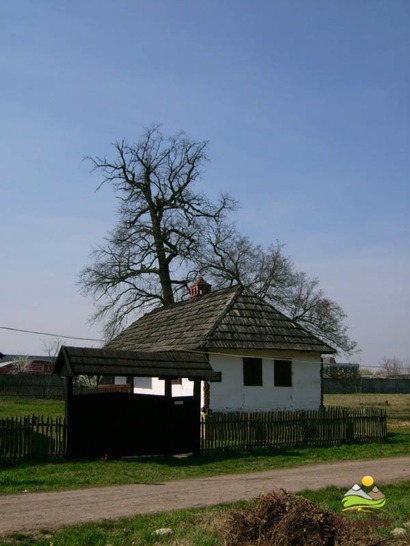
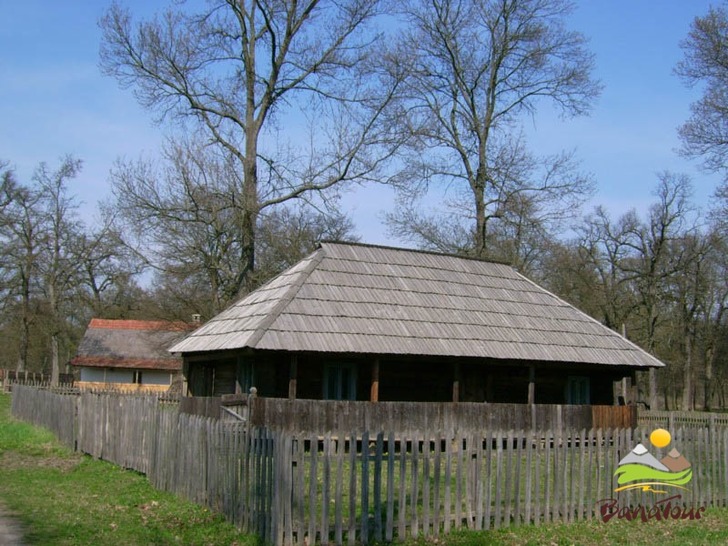
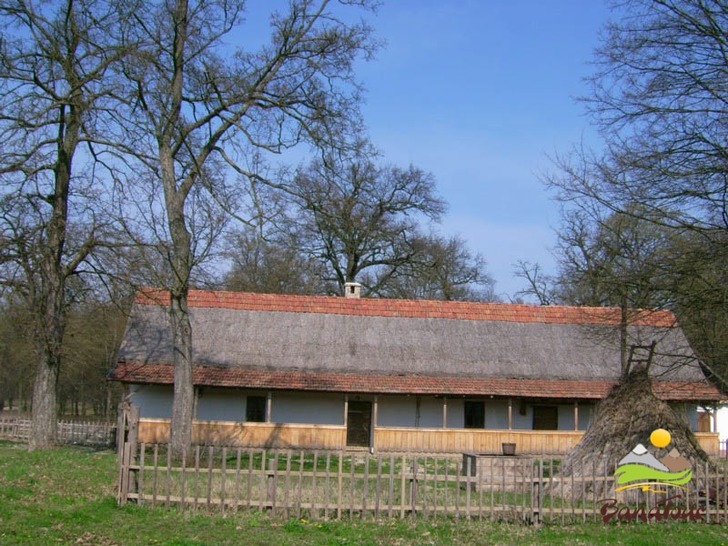
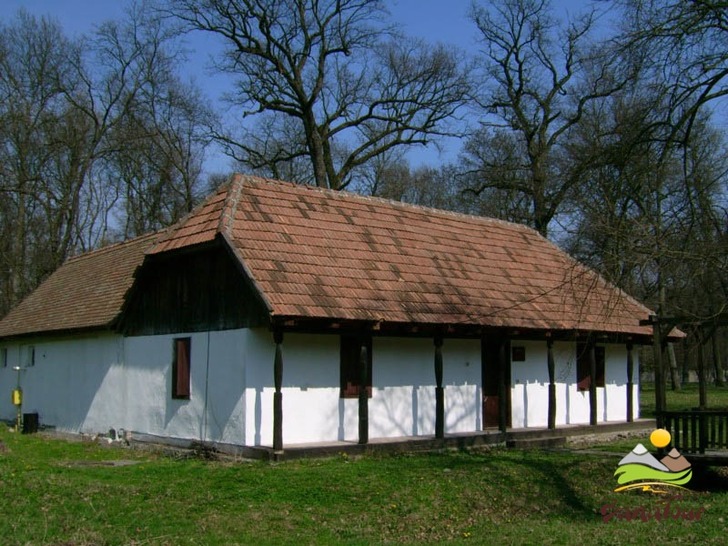
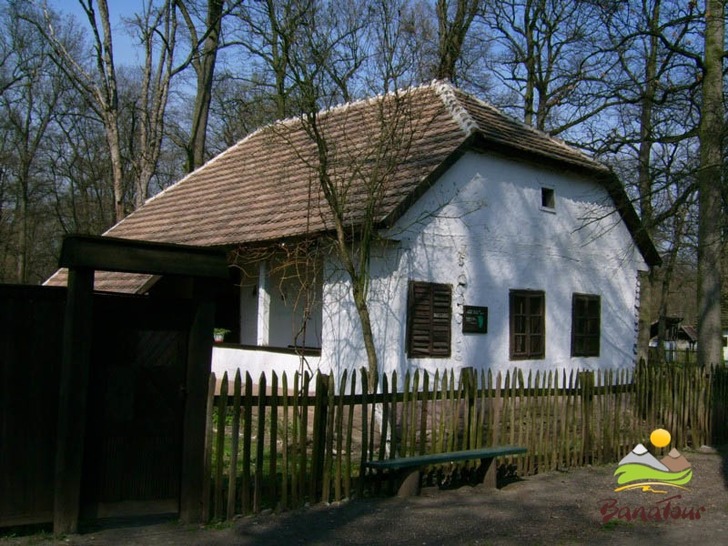
Designed as a traditional Banat village, the Reserve of Ethnographic Outdoor Architecture in Green Forest includes household of various national minorities from Banat (Romanians, Slovaks, Swabians, Ukrainians, Hungarians, Serbs, etc.), buildings with a social function in a traditional village (municipality, church), technical installations and workshops. One example is the traditional house of Căpâlnaș (the 19th century), the potter's house and workshop of Bata, oil making appliances, the mill bucket of Topleţ, water mills, the wooden church of Topala (the 18th century). The museum has received a wealthy collection of traditional art (12,000 objects) previously belonging the permanent exhibition of the Banat Museum in the Bastion building, which closed in 2007. In the near future a permanent exhibition will be opened in a new building to be set within the open air museum.

Contact and practical information

Address
No. 1, Avram Imbroane Street
The Huniade Castle (Banat Museum)

Castle

The Huniade Castle (Banat Museum)

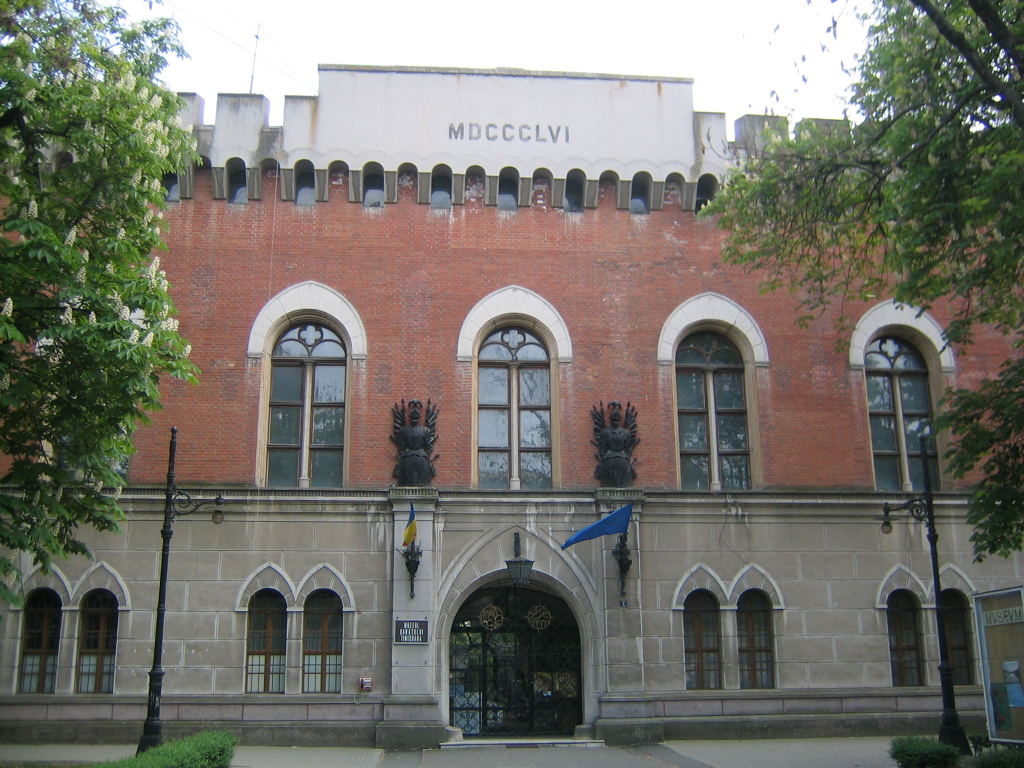
The Huniade Castle (Banat Museum) is the oldest building in Timisoara, as it was built between 1443 and 1447 by Ioan of Hunedoara, on the ruins of an ancient castle,…
Castle

The Huniade Castle (Banat Museum)

The Huniade Castle (Banat Museum) is the oldest building in Timisoara, as it was built between 1443 and 1447 by Ioan of Hunedoara, on the ruins of an ancient castle, from the 14th century. In the inside courtyard, the foundations of the stonework and of the walled tower were discovered, which are assumed to date back to 1307-1314...

The statue of St. Florian

Monument

The statue of St. Florian

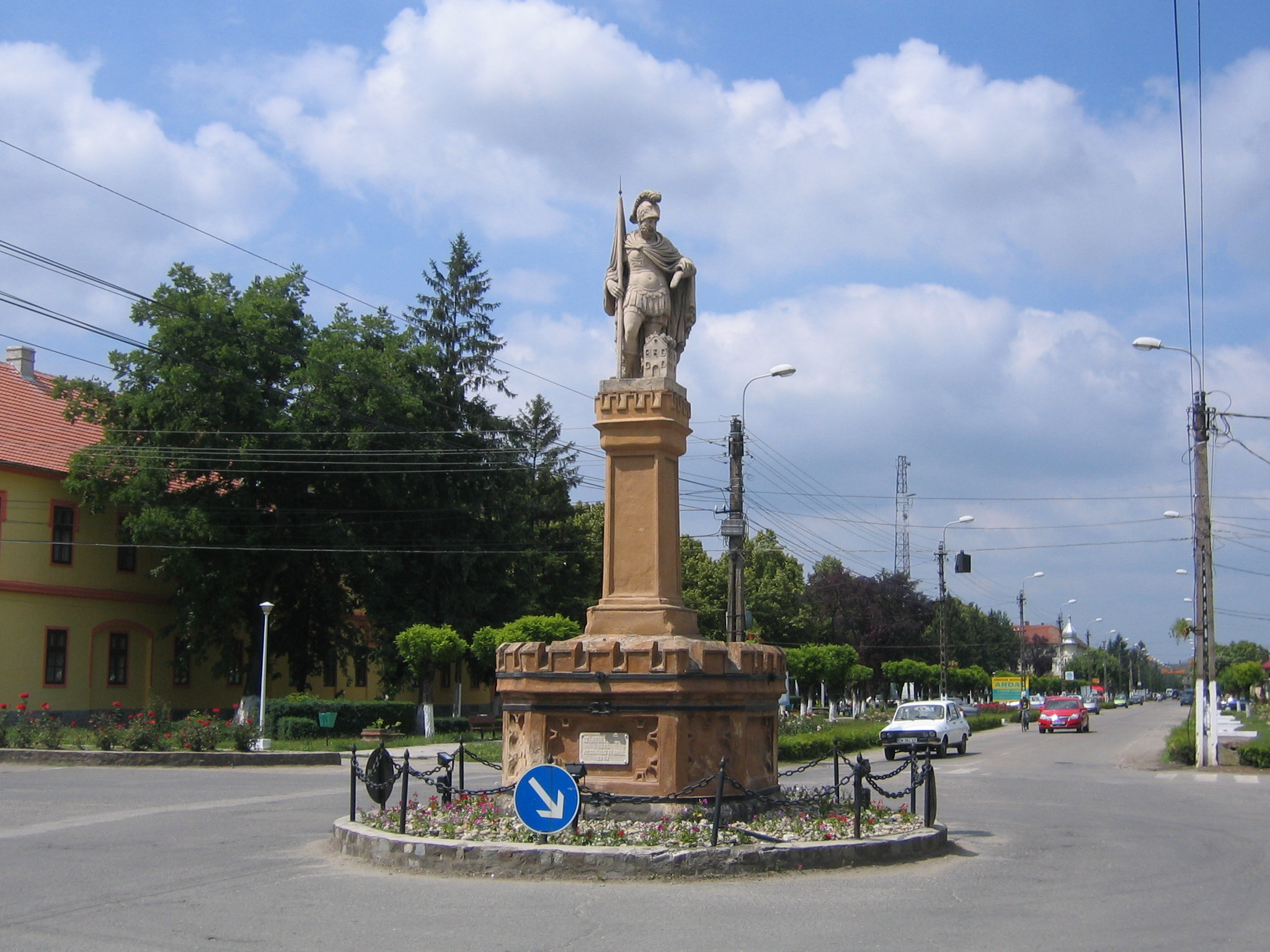
It was created before the year 1866, which is carved in the pedestal, in honor of St. Florian, patron of the town and saint of the Catholic Church, a guardian against…
Monument

The statue of St. Florian

It was created before the year 1866, which is carved in the pedestal, in honor of St. Florian, patron of the town and saint of the Catholic Church, a guardian against fires and floods – catastrophes that affected the town countless times, after the colonization of the Swabians.

The Santa Maria Hotel

Hotel

The Santa Maria Hotel

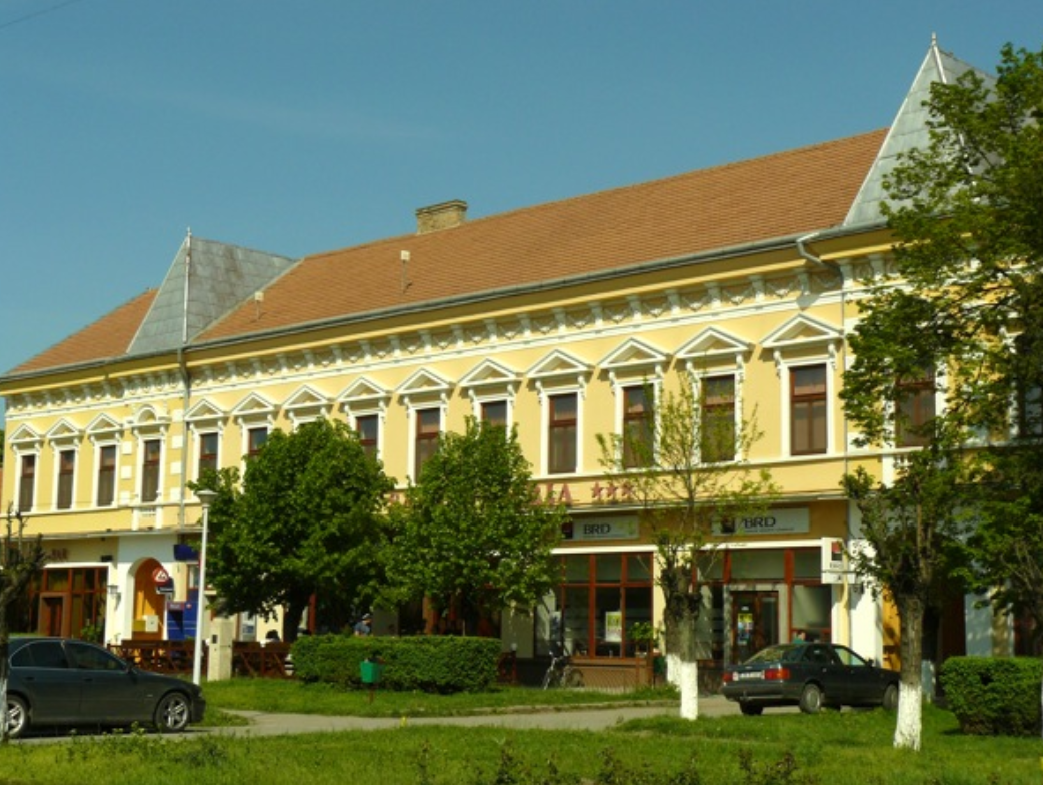
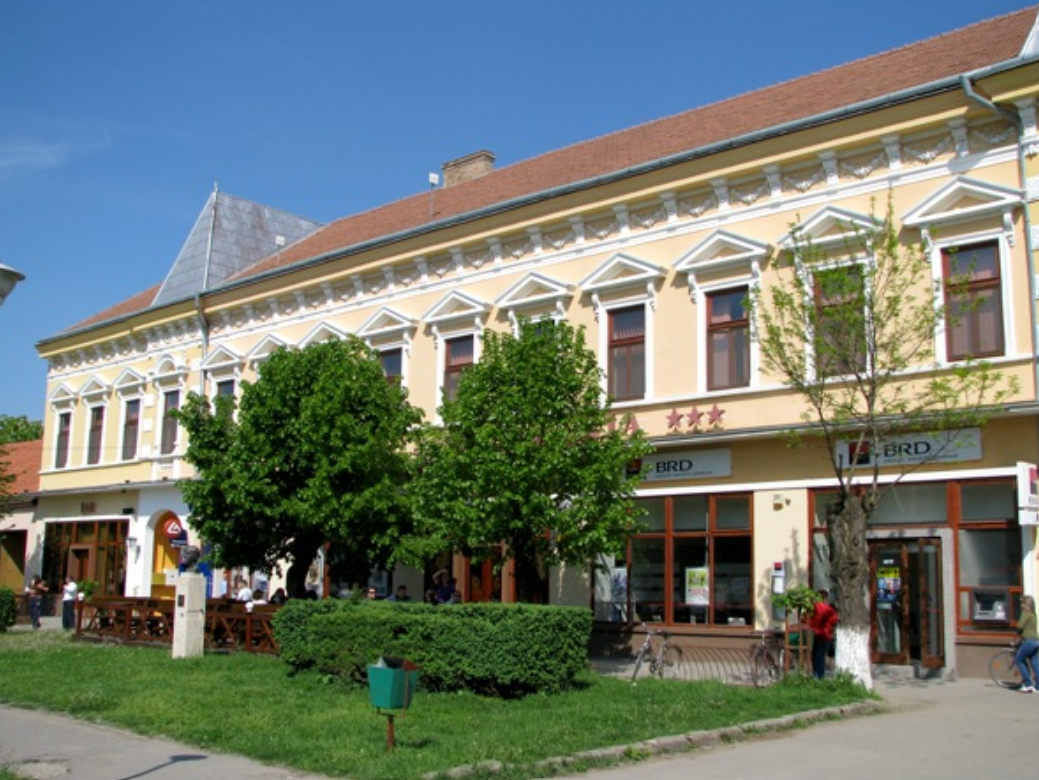
The “Santa Maria” Hotel (three stars) - It is located in the center of the town, in a historical building, built in a classical architectonic style, which has been…

  • Strada Republicii, Jimbolia 305400
  • Website

Hotel

The Santa Maria Hotel

The “Santa Maria” Hotel (three stars) - It is located in the center of the town, in a historical building, built in a classical architectonic style, which has been preserved to this day. It offers rooms with a modern ambiance and spaces especially equipped for offices.

Contact and practical information

Address
Strada Republicii, Jimbolia 305400
The Roman Catholic Church St. Vendelin

Church

The Roman Catholic Church St. Vendelin

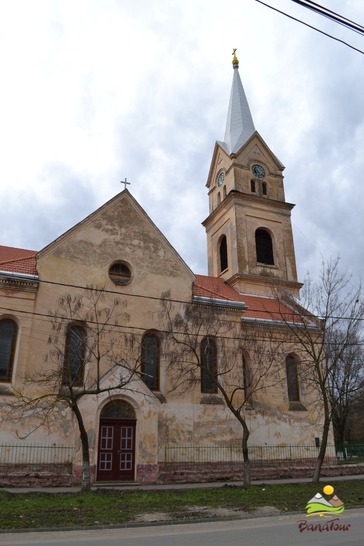
The Roman Catholic Church “St. Vendelin" - The first Roman Catholic establishment dates back to 1766 and it was built at the same time with the settlement of the Swabian…

  • Strada Vasile Lucaciu, Jimbolia 305400
Church

The Roman Catholic Church St. Vendelin

The Roman Catholic Church “St. Vendelin" - The first Roman Catholic establishment dates back to 1766 and it was built at the same time with the settlement of the Swabian colonists in the towns of Hatzfeld and Landestreu. In 1876, it was enhanced and fully redecorated. In 1911, church tower was raised from 39 m to 53.5 m, and it has has remained to this day the highest building of the town. Inside, the main altar is overshadowed by an oil painting created in 1877, on canvas (300x180), a reproduction of Rafael’s ”Sistine Madonna”, dedicated to St. Vendelin, the patron of the church. The original painting (belonging to the painter Pállik Béla, from Budapest) is located in Dresden, Germany.

Contact and practical information

Address
Strada Vasile Lucaciu, Jimbolia 305400
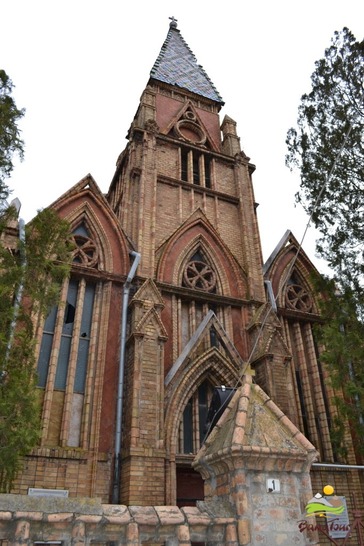
The Roman Catholic Church in Futok District

Church

The Roman Catholic Church in Futok District

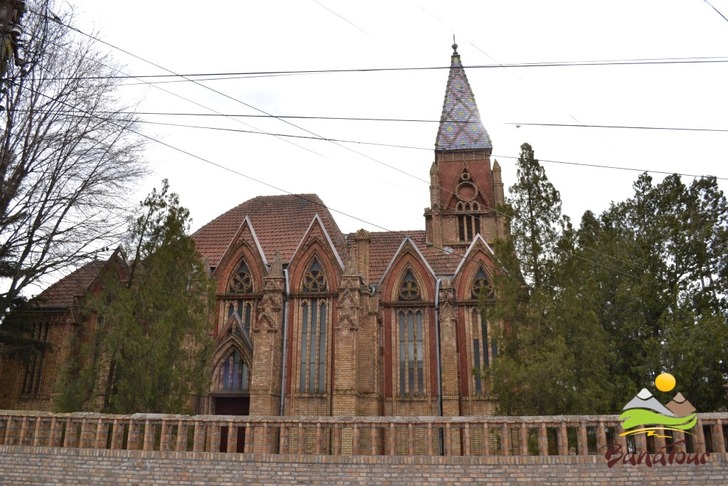
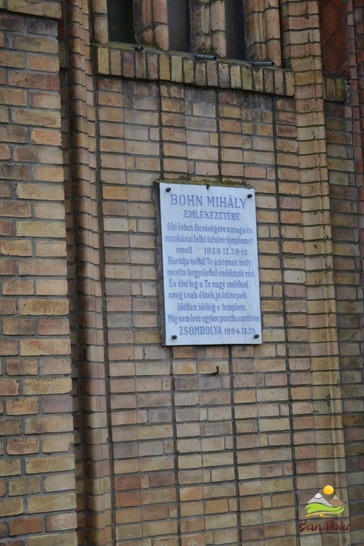
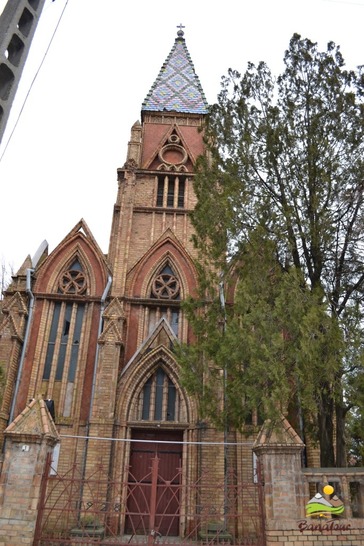
The impressive edifice was built between 1928 and 1929 with Bohn family funds for the commemoration of Michael and Jakob Bohn. The materials used for building the church…

  • Calea Mărășești str.

Church

The Roman Catholic Church in Futok District

The impressive edifice was built between 1928 and 1929 with Bohn family funds for the commemoration of Michael and Jakob Bohn. The materials used for building the church were brought from the renwoned Bohn factory. The plans of the construction were drawn by the architect Hans Jänner, born in Jimbolia, who planned a Neo Gothic church. There are some paintings of great value inside the church: the painting in the altar depicting Saint Archangel Mihail, the patron of the church, and also the two paintings made by the renowned painter Stefan Jäger(1877-1962).

Contact and practical information

Address
Calea Mărășești str.
The Railways Museum

Museum

The Railways Museum

located near the railway station, it was inaugurated on November 15th, 1997, on celebration of 150 years from the opening of the Jimbolia Timisoara railroad. The museum…
Museum

The Railways Museum

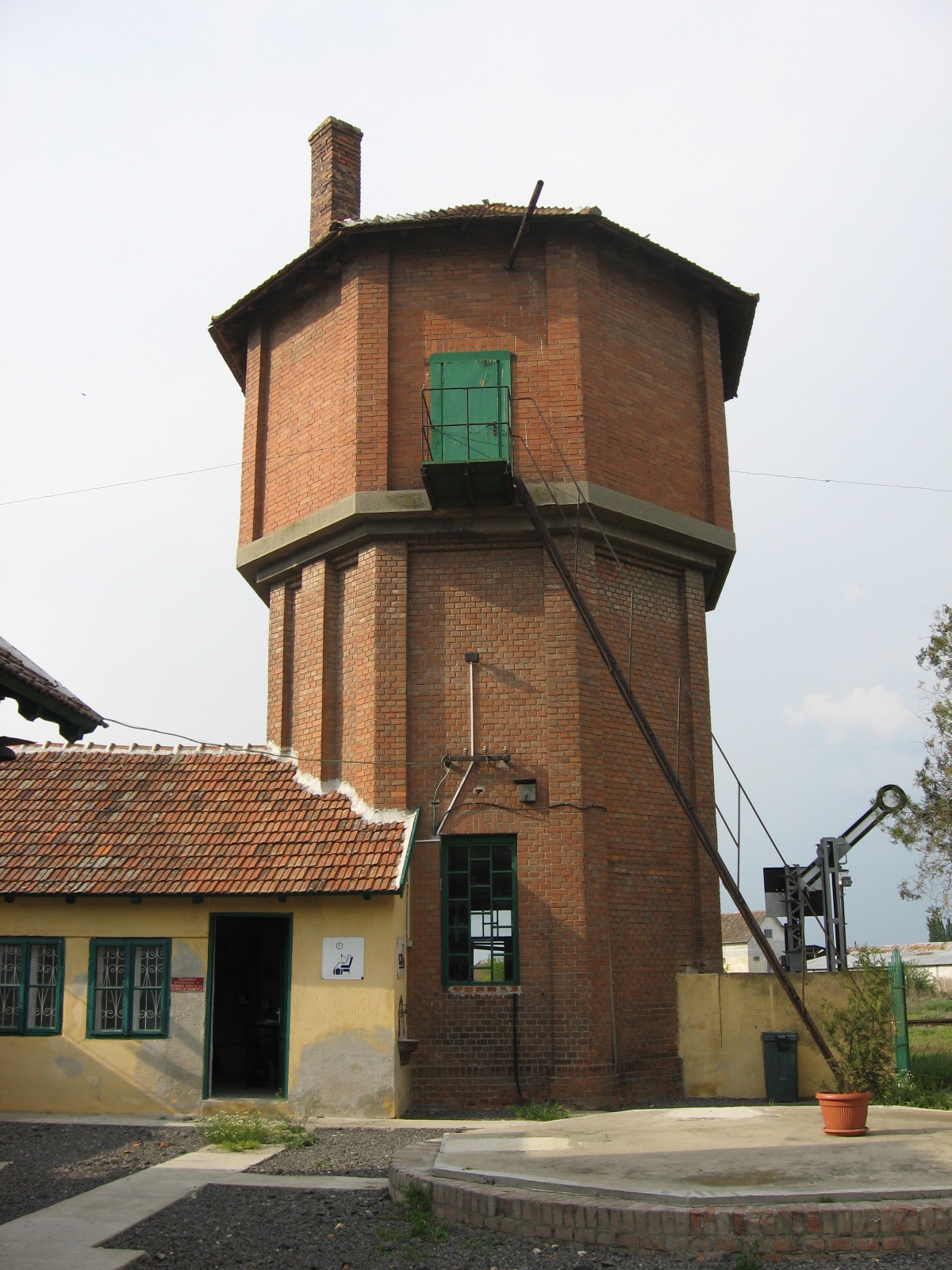
located near the railway station, it was inaugurated on November 15th, 1997, on celebration of 150 years from the opening of the Jimbolia Timisoara railroad. The museum offers an exhibition of postcards, illustrating the history of locomotives, from those working on steam to the modern ones, a numismatics series, comprising various types of coins, which circulated in this area, as well as a collection of ancient train tickets. Numerous old objects can also be seen here, which are specific to the railroad transport: sealing presses for the railcars, tail lamps, signaling devices, suitcases, a railway repair tricycle, more than 100 years old etc.

The Orthodox Church The Annunciation

Church

The Orthodox Church The Annunciation

The cornerstone of the present church was installed in 1933. The church was fineshed by 1942, when it was consecrated to the holy celebration of the Annunciation (March…
Church

The Orthodox Church The Annunciation

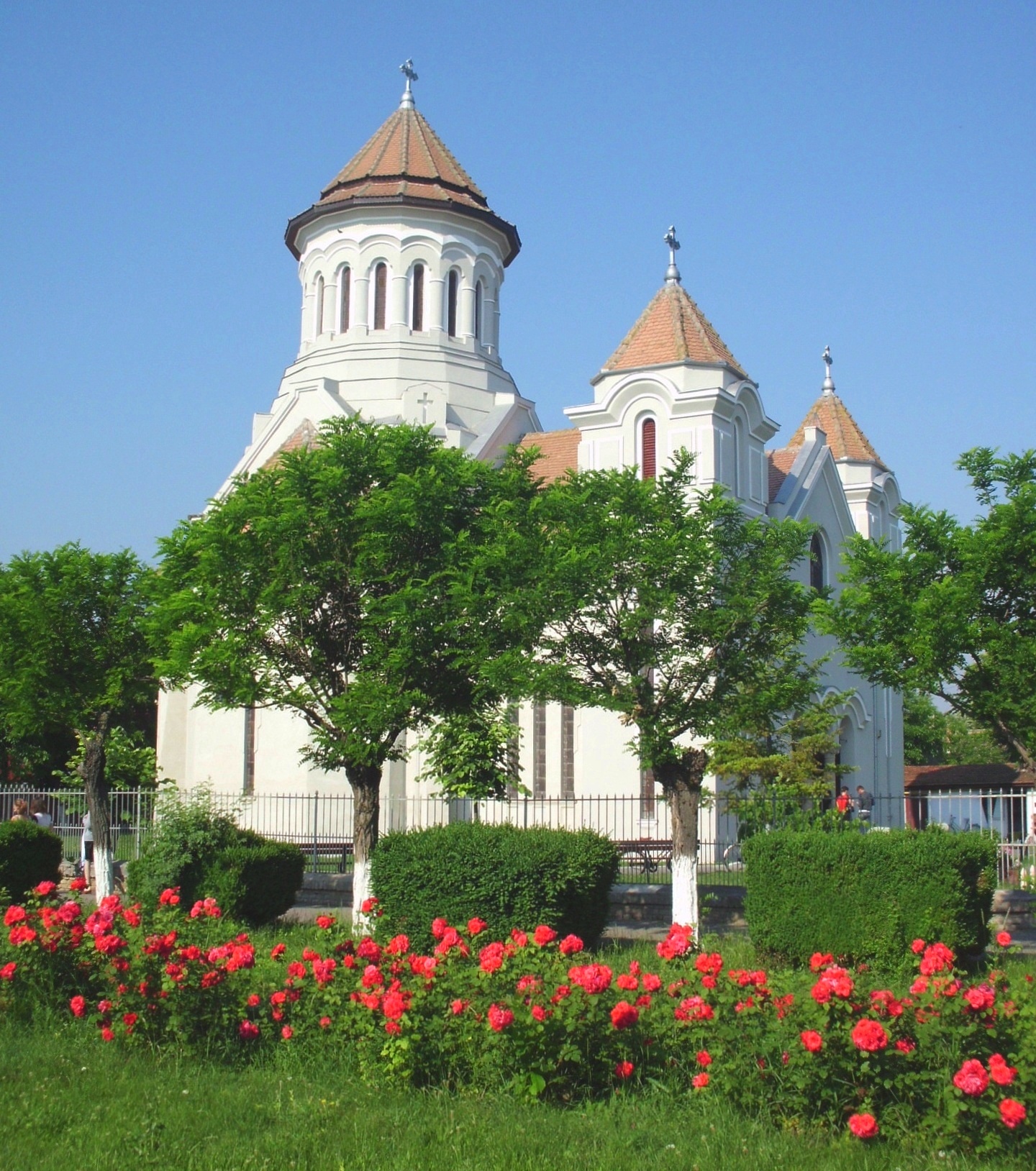
The cornerstone of the present church was installed in 1933. The church was fineshed by 1942, when it was consecrated to the holy celebration of the Annunciation (March 25th)

The Open Space Thermal Swimming Pool Compound

Pool

The Open Space Thermal Swimming Pool Compound

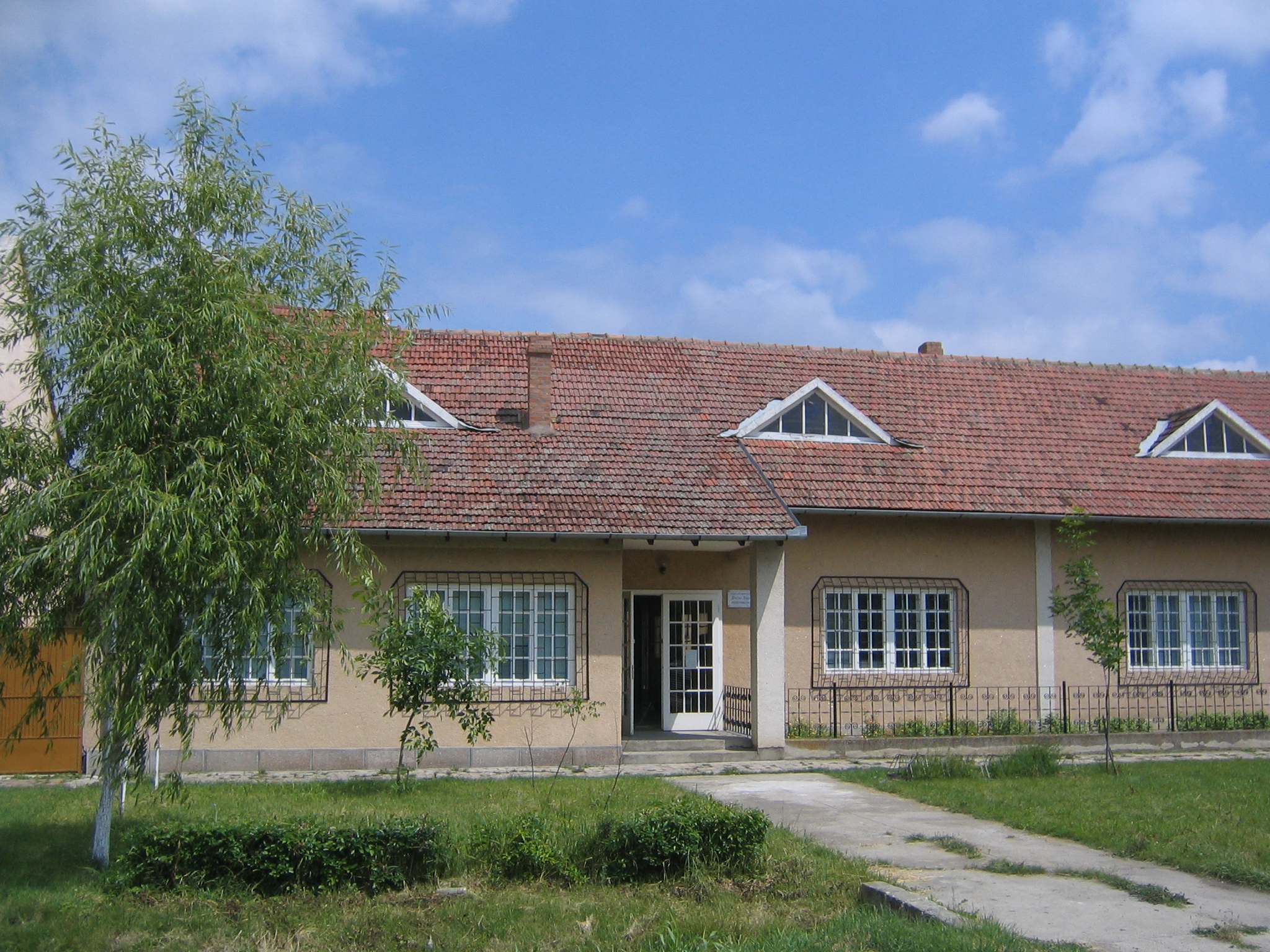
It represents an actual alternative to the heat during the summers. It consists of three swimming pools, one of them is Olympic game sizes and another one has thermal…
Pool

The Open Space Thermal Swimming Pool Compound

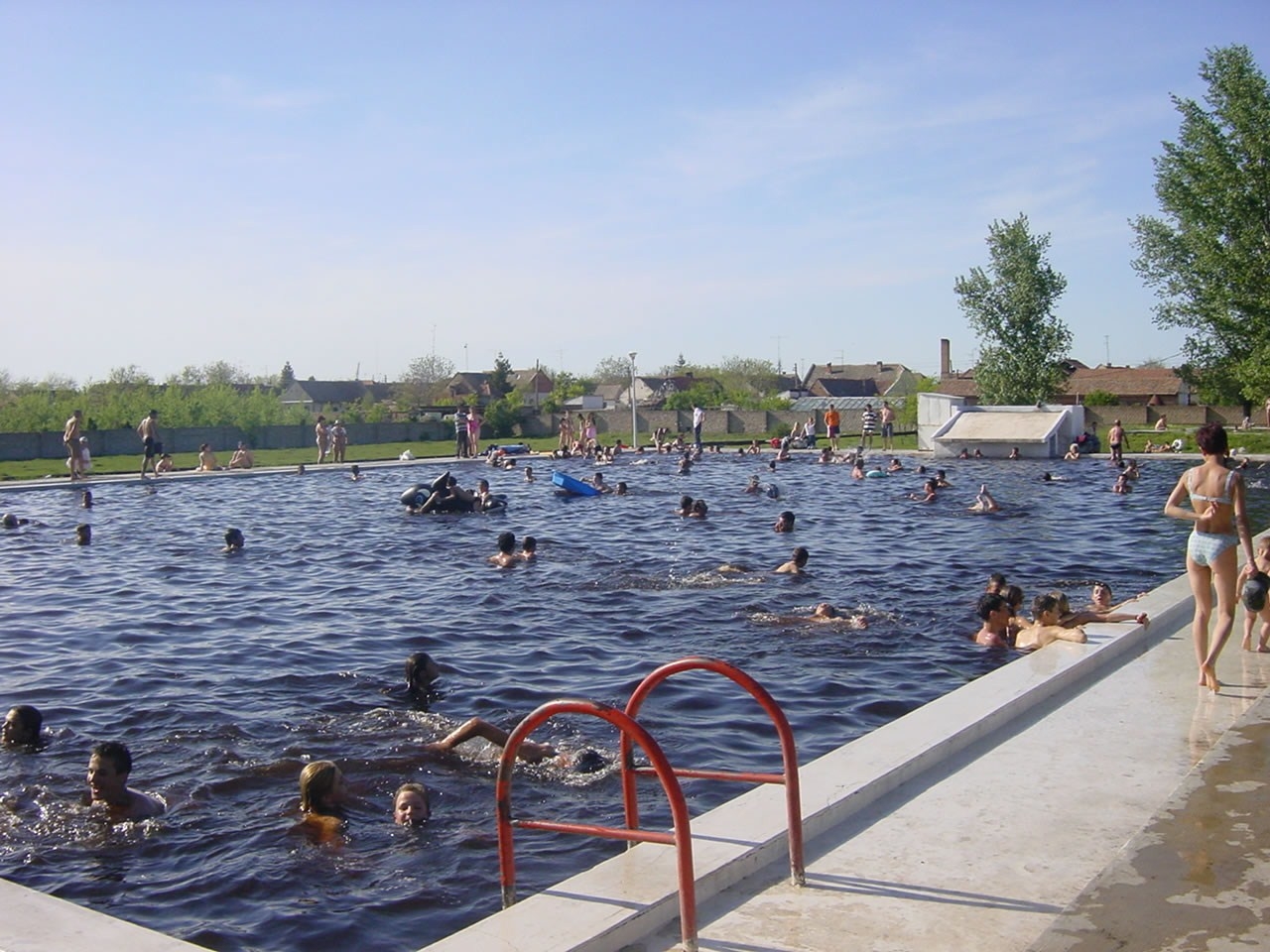
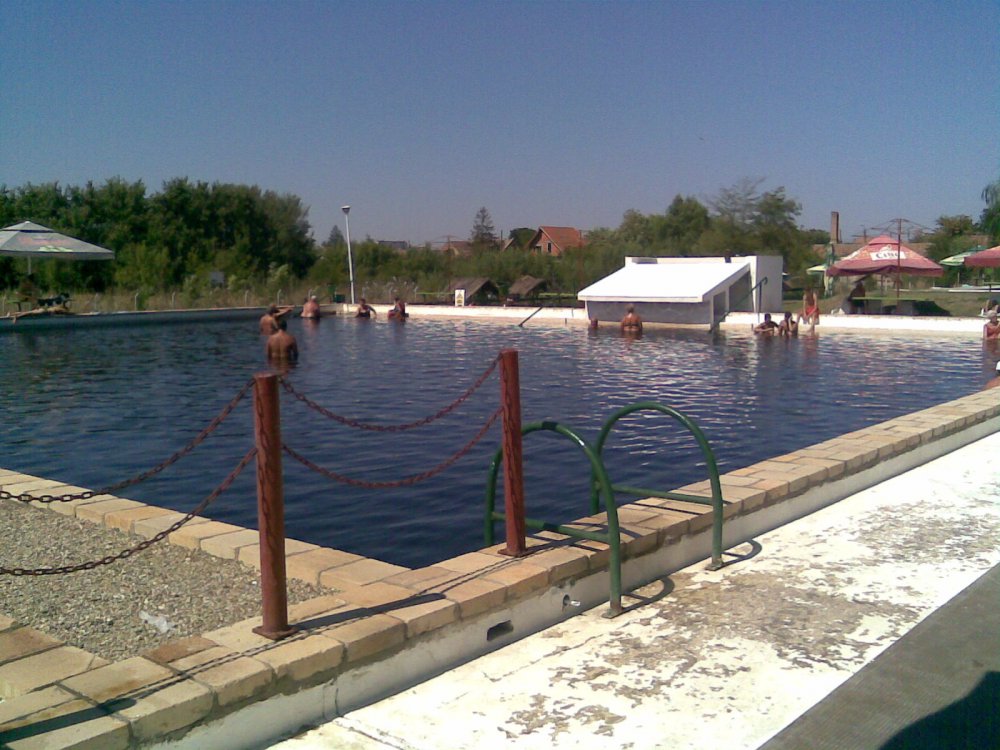
It represents an actual alternative to the heat during the summers. It consists of three swimming pools, one of them is Olympic game sizes and another one has thermal water; the pools are accompanied by volley-ball and basketball fields, food shops and a space predicted for picnics. As for the thermal waters, they are useful because of their beneficial effects on the following illnesses: spondylosis, osteoarthritis of the hip, gonarthrosis, chronic articular rheumatism, slipped discs, low back pains, sciatic nerve condition, polyarthritis, intercostal neuralgia, circulatory failure, osteoporosis, gynecological conditions.

The Museum of Stefan Jäger

Museum

The Museum of Stefan Jäger

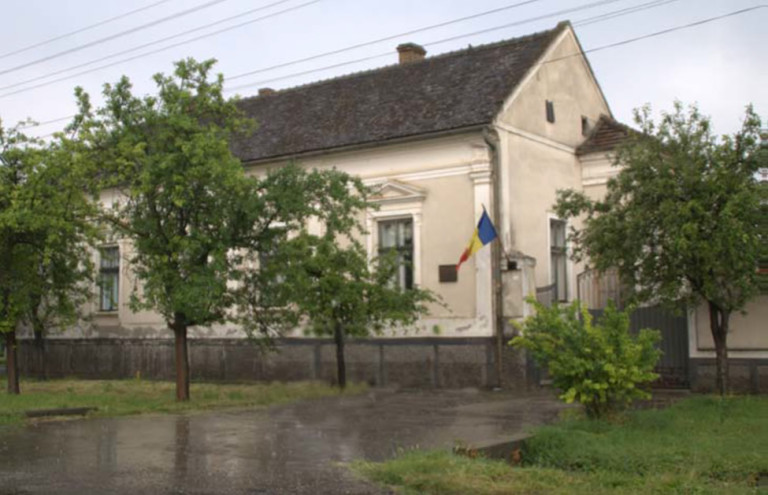
It is dedicated to the life and work of the painter Stefan Jäger (1877 - 1962). It was opened in 1996 and built with the support of the German land of Bavaria; it…

  • Str. Tudor Vladimirescu 90 Jimbolia 305400
Museum

The Museum of Stefan Jäger

It is dedicated to the life and work of the painter Stefan Jäger (1877 - 1962). It was opened in 1996 and built with the support of the German land of Bavaria; it comprises the former memorial house, devoted to the painter (opened in 1969) and also a new building. The construction includes: an ethnography section, an archeology section, a room destined for the personalities of Jimbolia, a meeting room, a traditional Swabian room and a space meant for exhibitions. The painter´s workshop has remained unchanged and it comprises, beside objects which belonged to the artist, eleven oil paintings, water color creations and sketches

Contact and practical information

Address
Str. Tudor Vladimirescu 90 Jimbolia 305400
The Memorial House Dr. Karl Diel

Landmark building

The Memorial House Dr. Karl Diel

It was inaugurated in 2000, through the mutual effort of Mrs. Pia Brânzeu, the great grand-daughter of the reputed surgeon, of the town hospital and of the Jimbolia…

  • Str. Dr. Diel nr. 1

Landmark building

The Memorial House Dr. Karl Diel

It was inaugurated in 2000, through the mutual effort of Mrs. Pia Brânzeu, the great grand-daughter of the reputed surgeon, of the town hospital and of the Jimbolia Town-Hall employees.

Contact and practical information

Address
Str. Dr. Diel nr. 1
The lakes of Jimbolia

Viewpoint

The lakes of Jimbolia

They are located at the exit from town, on the road leading to the locality of Comlosul Mare. They are actually anthropic origin lakes, resulted from the excavations…
Viewpoint

The lakes of Jimbolia

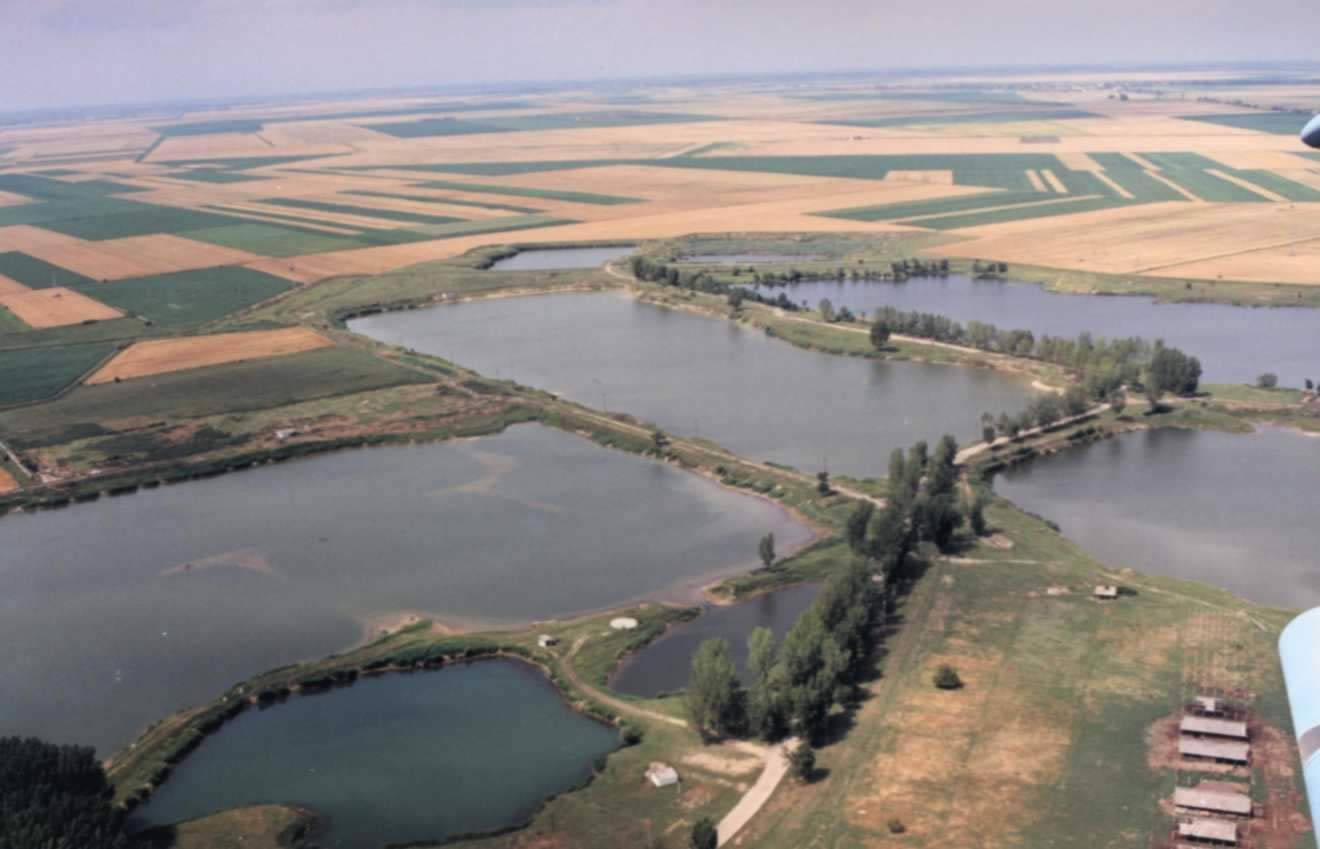
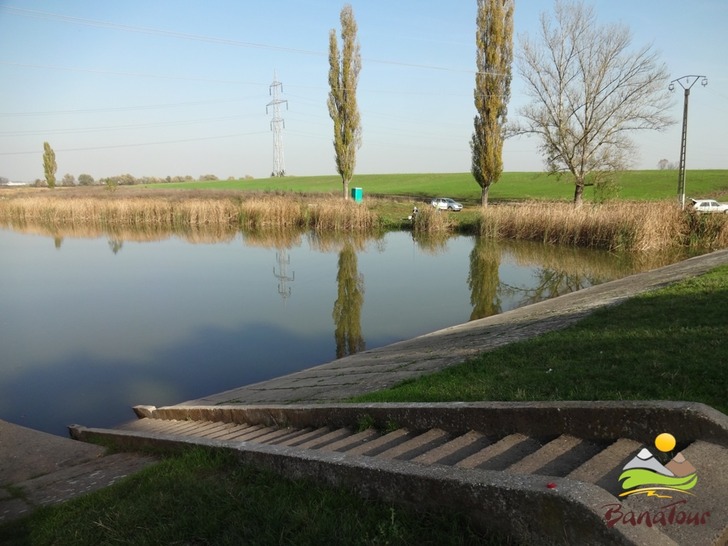
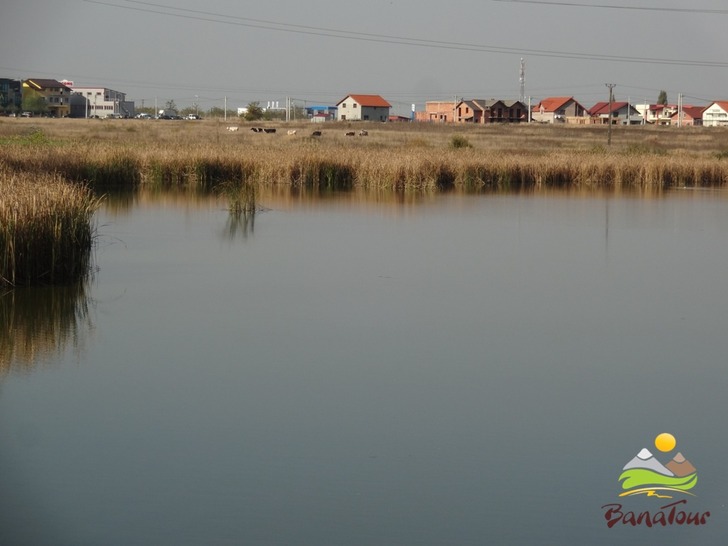
They are located at the exit from town, on the road leading to the locality of Comlosul Mare. They are actually anthropic origin lakes, resulted from the excavations performed by the former Ceramica (Pottery) factory in search of the clay necessary for the construction of bricks. They have areas of up to 7 hectares, and depths of up to 25-30 meters. They represent the favorite place of the fishing lovers (the ponds are populated by various species of carp, pickerel, and catfish) and an ideal recreation spot during the hot summer days.

The Florian Museum of Firefighters

Museum

The Florian Museum of Firefighters

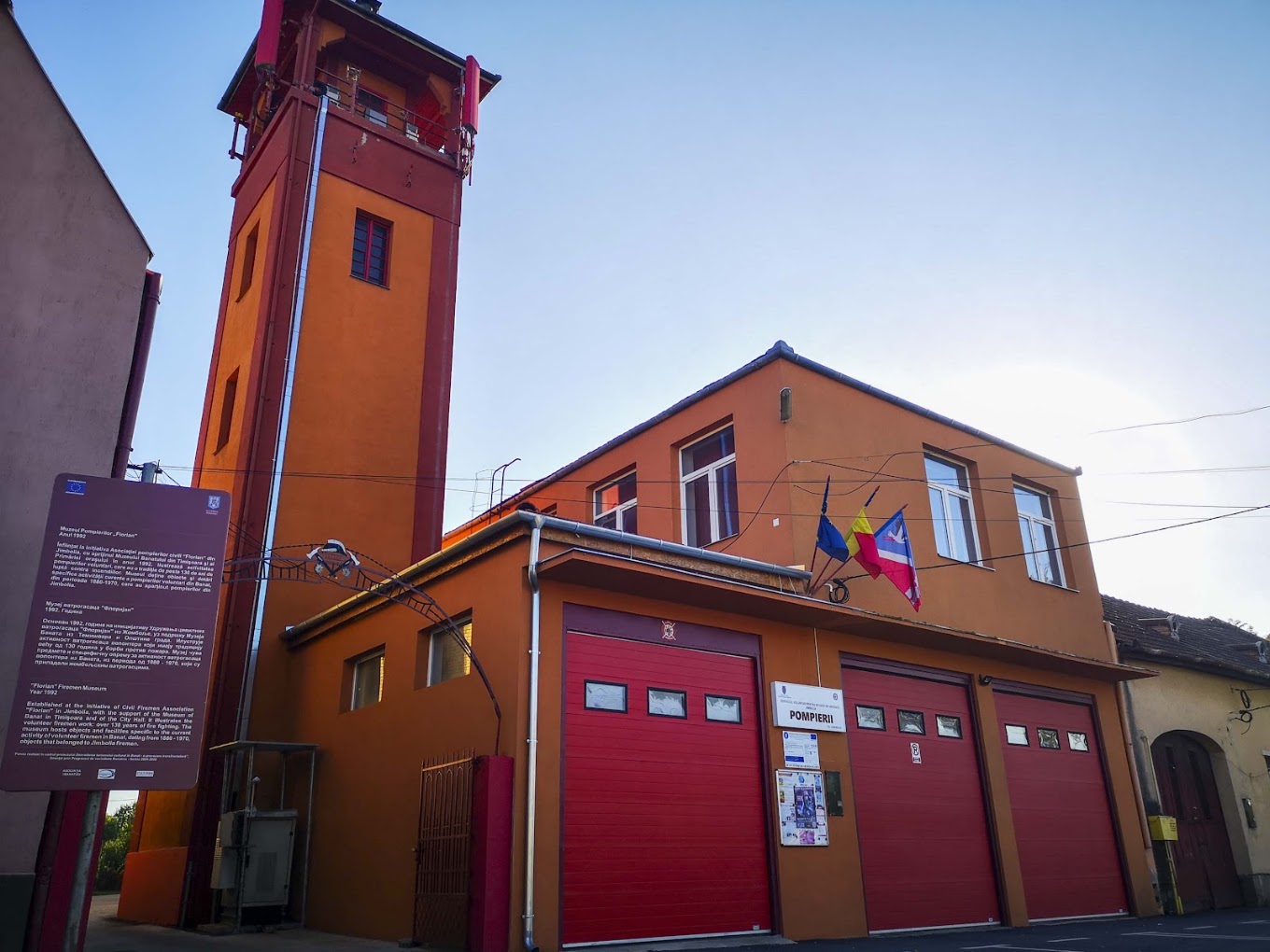
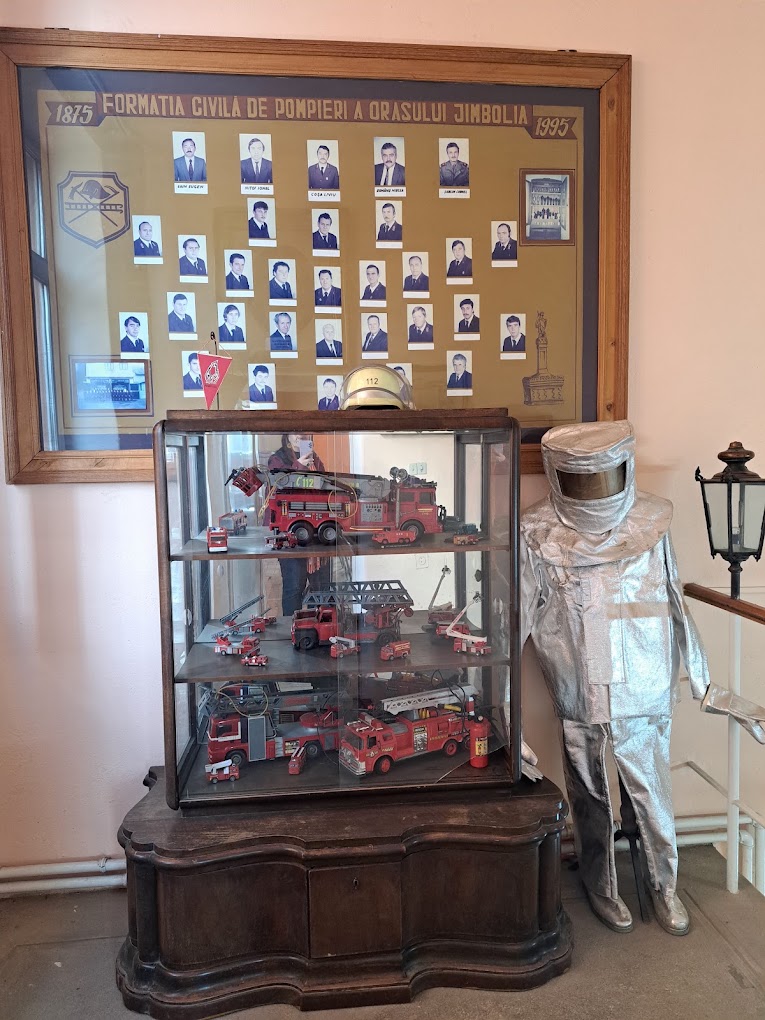
It was established in 1993, upon initiative of the ”Florian” Civilian Firefighters Association in Jimbolia, with the support of the Town Hall employees and of the…

  • 9 Strada Liviu Rebreanu, Jimbolia 305400
Museum

The Florian Museum of Firefighters

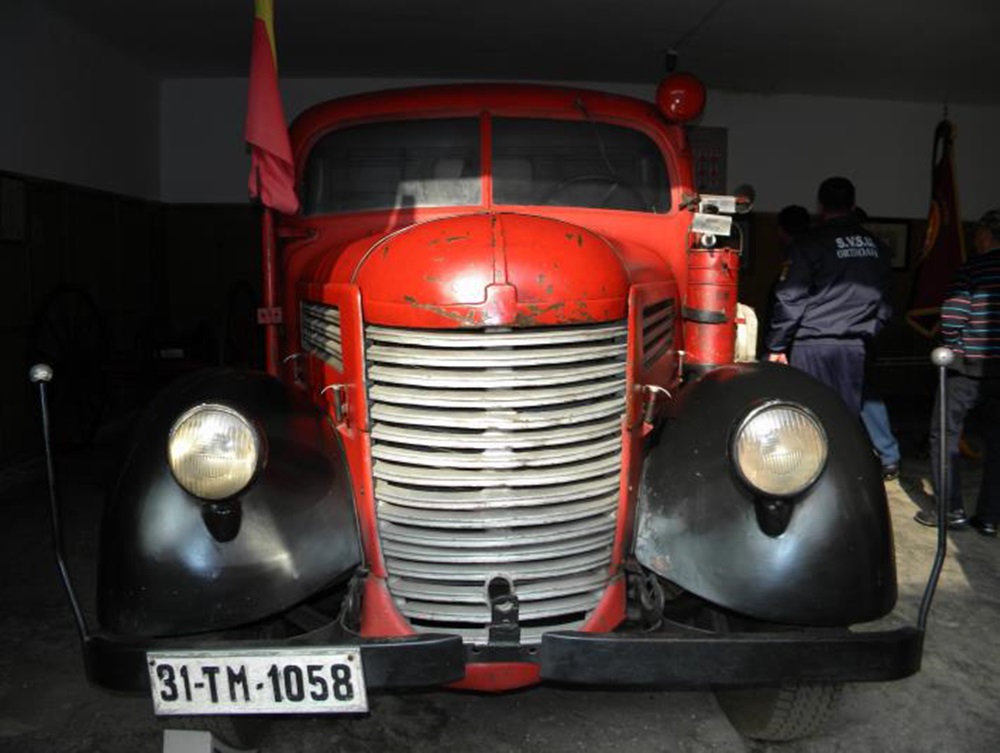
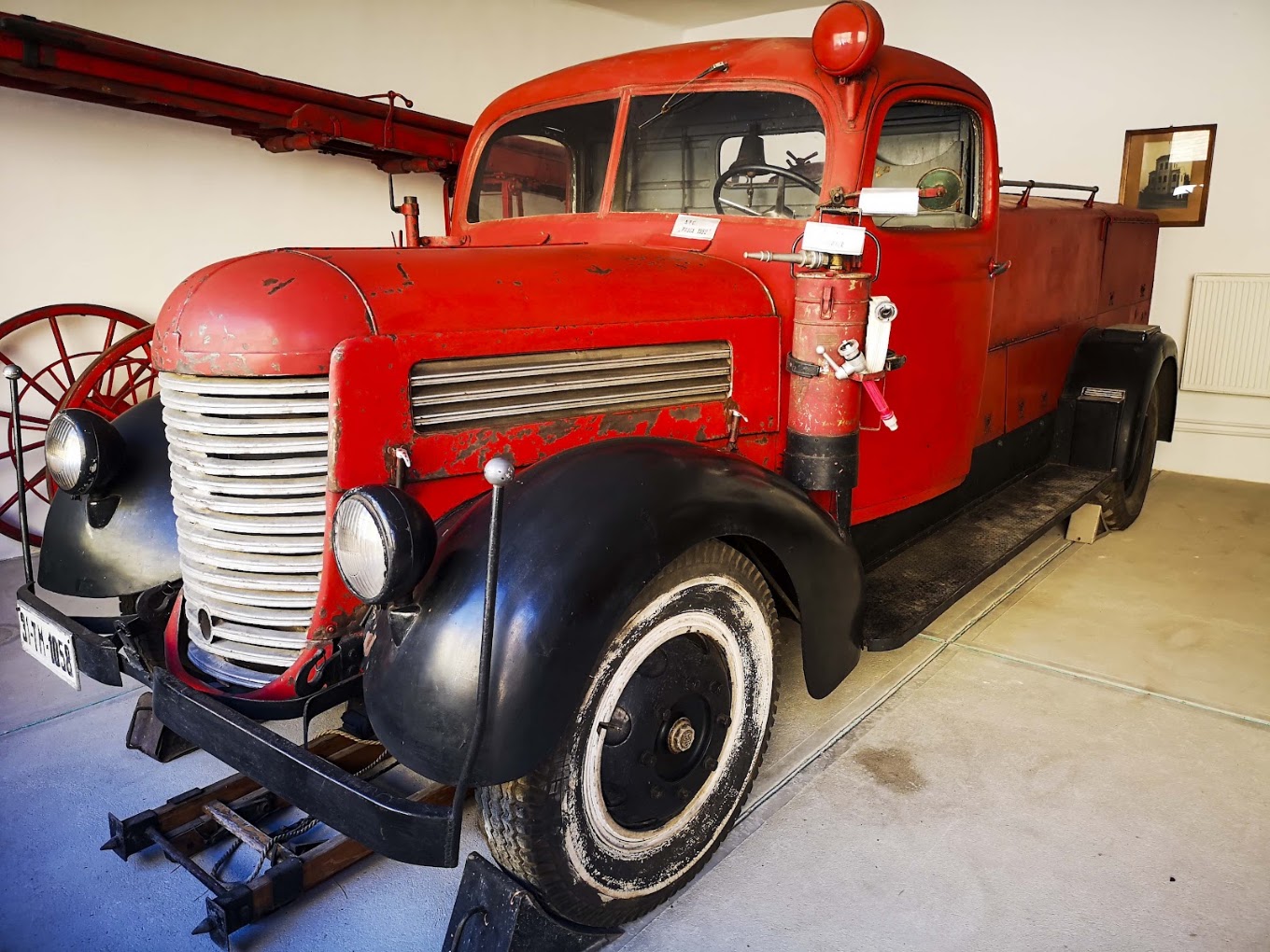
It was established in 1993, upon initiative of the ”Florian” Civilian Firefighters Association in Jimbolia, with the support of the Town Hall employees and of the ”Banatul” Museum in Timisoara, in order to honor the activity of firefighting of the volunteer firefighters. The museum exhibits objects and specific equipment for the volunteer firefighter teams in the Banat, dating back to the period 1880 – 1970, which belonged to the firefighters in Jimbolia, paintings, photographs, diplomas and trophies obtained by the volunteer firefighters in professional competitions.

Contact and practical information

Address
9 Strada Liviu Rebreanu, Jimbolia 305400
Sever Bocu Press Museum

Museum

Sever Bocu Press Museum

It was established on initiative and by contribution of the poet Petar Stojic, and its main purpose is to preserve, present and promote the cultural and historical…

  • Loc. Jimbolia,Lorena, 35

Museum

Sever Bocu Press Museum

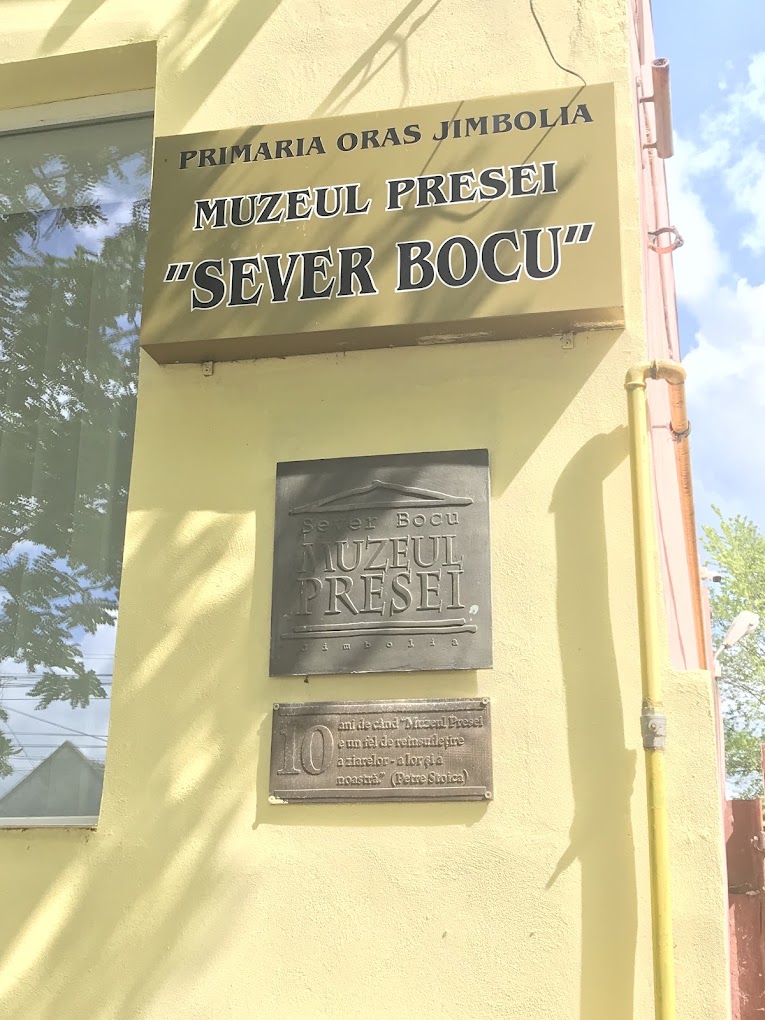
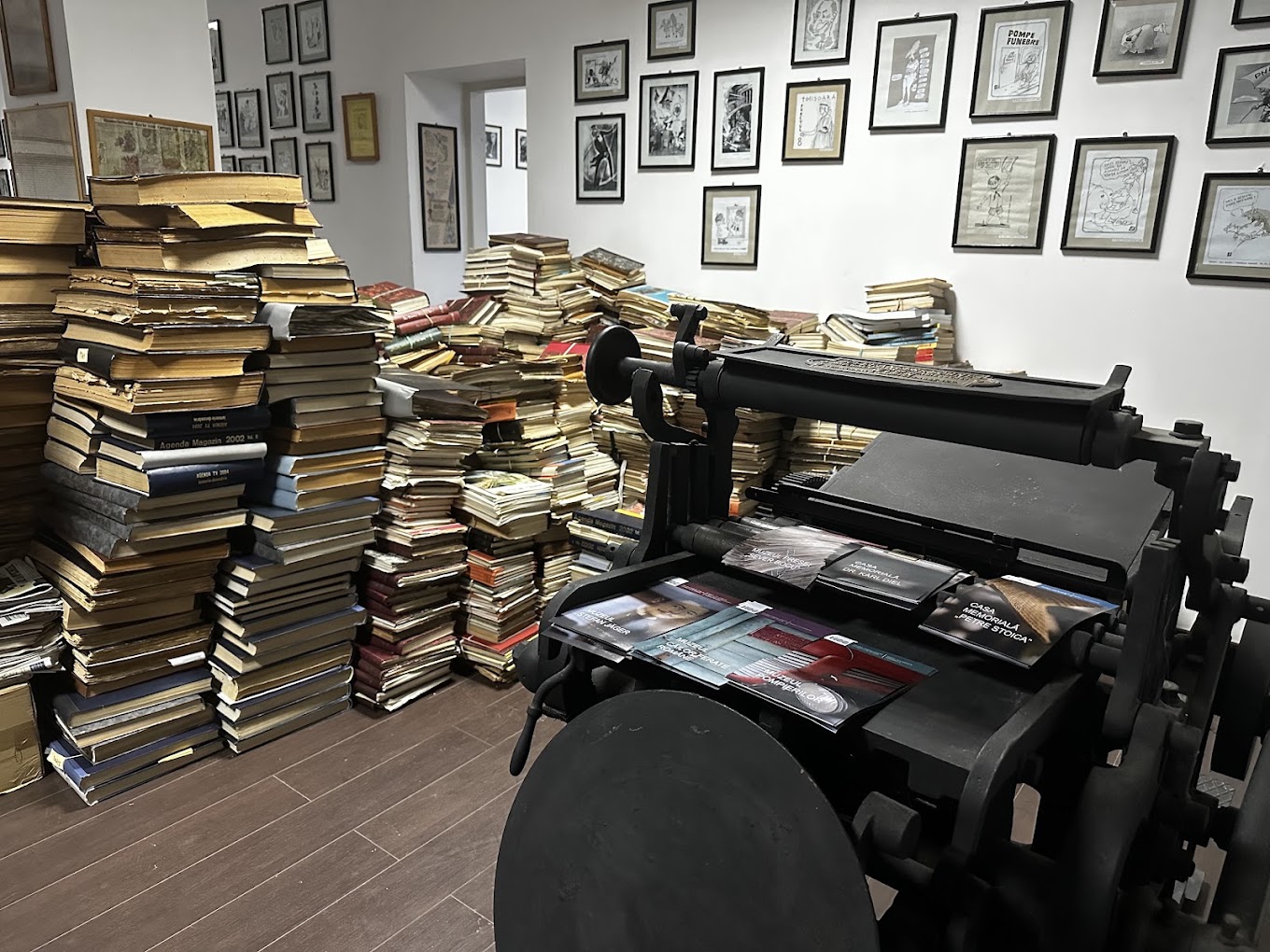
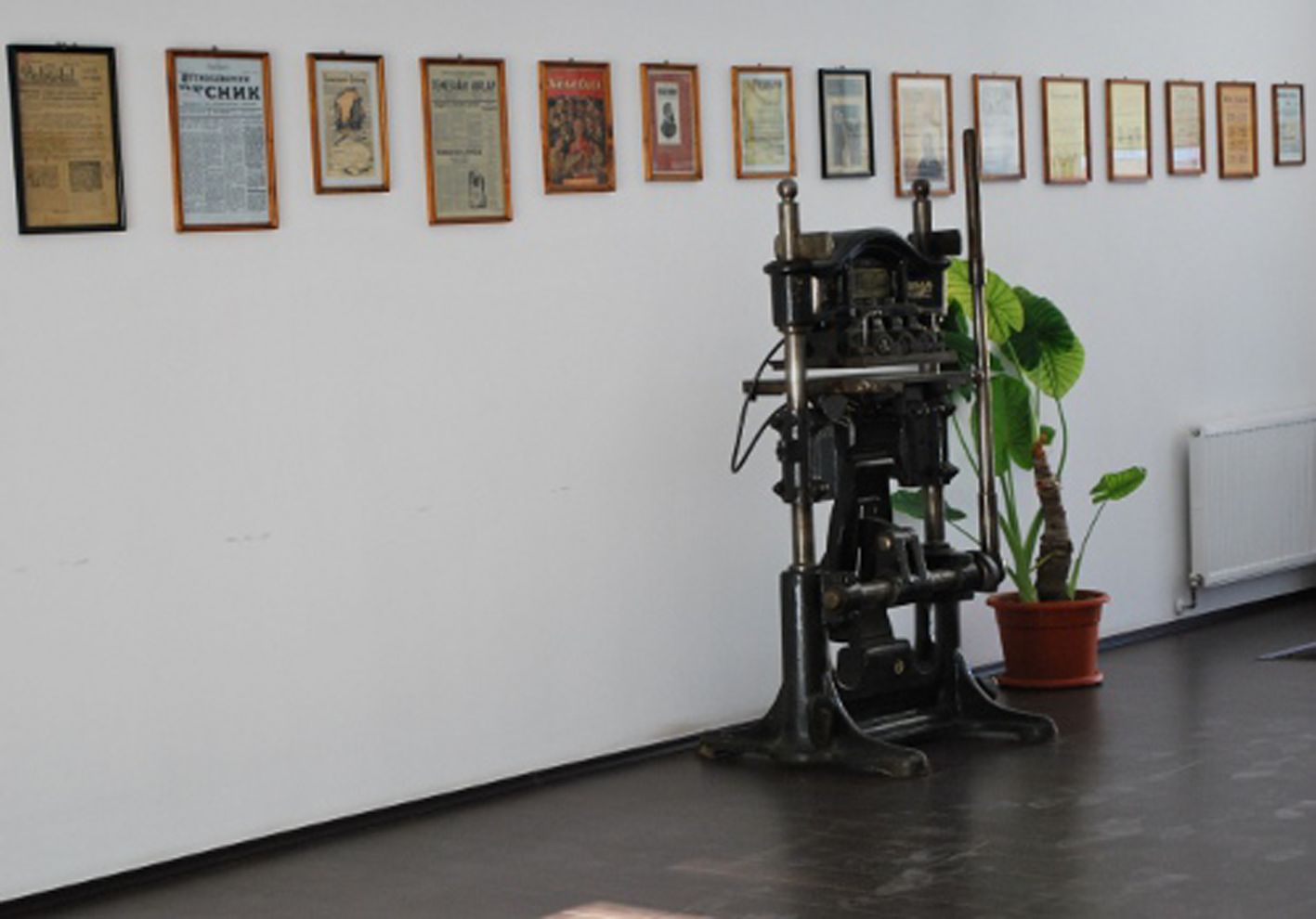
It was established on initiative and by contribution of the poet Petar Stojic, and its main purpose is to preserve, present and promote the cultural and historical values of the social, political and economic events, as they were reflected in time by the written press. The museum has several rooms where various collections of old newspapers, almanacs and calendars from the 19th and the 20th centuries are presented.

Contact and practical information

Address
Loc. Jimbolia,Lorena, 35
Buna Vestire Orthodox Church

Church

Buna Vestire Orthodox Church

The "Buna Vestire" Orthodox Church was built in the Neo-Soviet style, between 1933-1942, according to the plans of the Romanian architect Victor Vlad. This was…

  • Str. Republicii

Church

Buna Vestire Orthodox Church

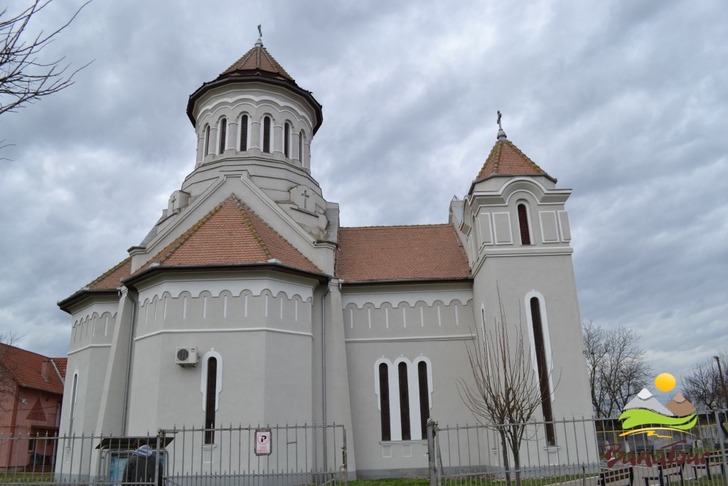
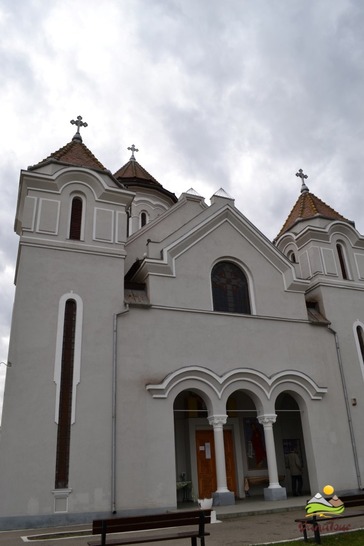
The "Buna Vestire" Orthodox Church was built in the Neo-Soviet style, between 1933-1942, according to the plans of the Romanian architect Victor Vlad. This was celebrated in 1942 under the patronage of the "Celebration" celebrations (March 25), and in 2004 with the patronage "The Assumption of the Virgin" (August 15). The worship place has three towers and a cylindrical vault, entirely covered with a tile. Between 1938 and 1941, painter Vasile Hudici performs the mural painting in an unusual style, and between the years 1938-1944 the iconostasis and the interior furniture by the Iasi artist Ioan Antonescu are carved in lime wood. The traditional Banana prayer is organized, featuring folk music bands, artisans and folk artists from all over the country under the patronage of the Orthodox Church.

Contact and practical information

Address
Str. Republicii
Dumbrăviţa Accumulation

Viewpoint

Dumbrăviţa Accumulation

Dumbravita Accumulation Lake is approximately 7 km away from Timisoara, at the exit of Dumbravita, on the right side of the road, close to Padurea Verde. The lake…
Viewpoint

Dumbrăviţa Accumulation

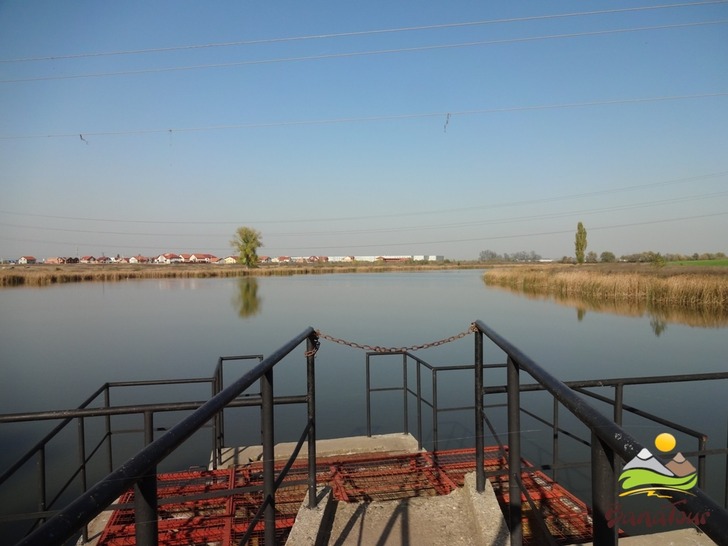
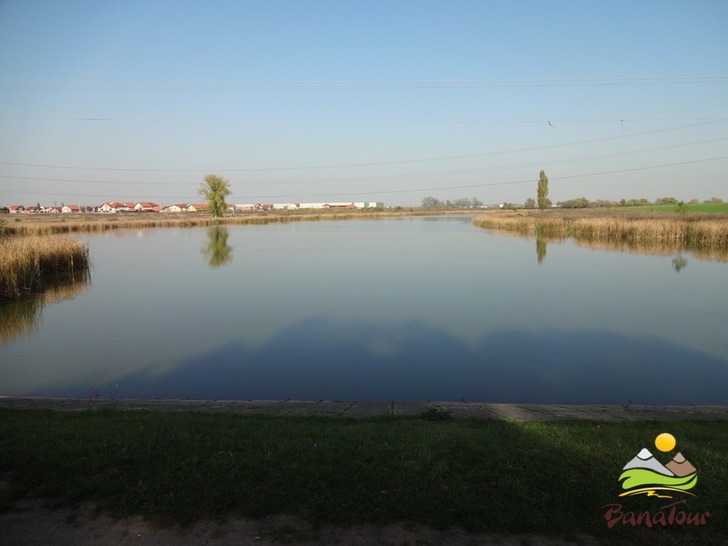
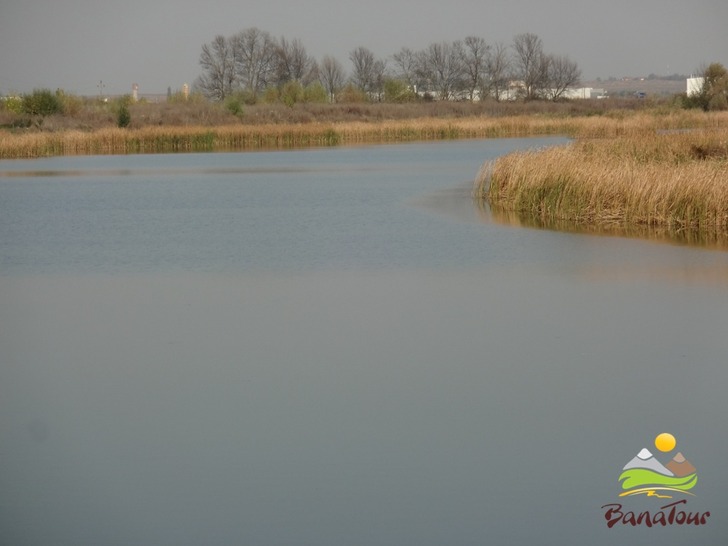
Dumbravita Accumulation Lake is approximately 7 km away from Timisoara, at the exit of Dumbravita, on the right side of the road, close to Padurea Verde. The lake streches over approximately 13 ha. It was set up again in 2009. The access to the lake is by the 691 county road, Timisoara – Lipova; at the exit of Dumbravita, at the roundabout one takes the right and after approximately 500 meters one reaches the lake. Fishing is allowed both with permit or without it (25 lei fee/person) with maximum four rods. Night fishing is also allowed.

Trinity Monastery

Church

Trinity Monastery

The monastery and the residential annex dedicated to Trinity was erected in 1887, in Baroque style, as endowment of Melanija Nikolić born Gajčić (1829-1912), who was…

Church

Trinity Monastery

The monastery and the residential annex dedicated to Trinity was erected in 1887, in Baroque style, as endowment of Melanija Nikolić born Gajčić (1829-1912), who was also buried in the monastery. She was a rich heiress who had the temple, a chapel and a monastery with residence built after her grandson had died. It was on the spot of today’s primary school Djura Jakšić. The monastery was activated in 1887 as men’s sanctuary, and by a decree of the Bishop, Trinity was turned to women’s monastery.

Contact and practical information

Address
Stevana Sinđelića 37
Terra Panonica

Tourist Attraction

Terra Panonica

The property on the flat hill Terra Panonika in Mokrin is a unique example of a combination of traditional and modern functional concept in the field of architecture and…

Tourist Attraction

Terra Panonica

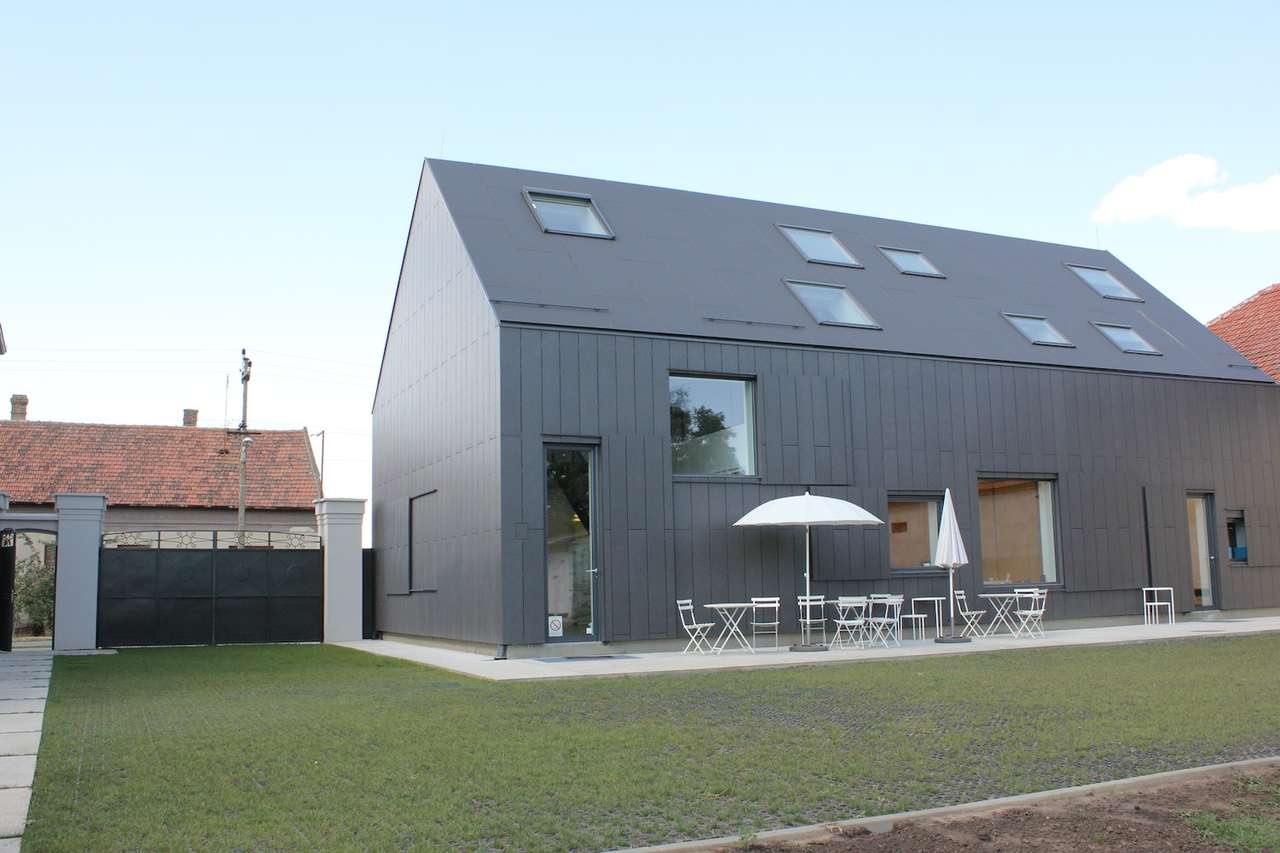
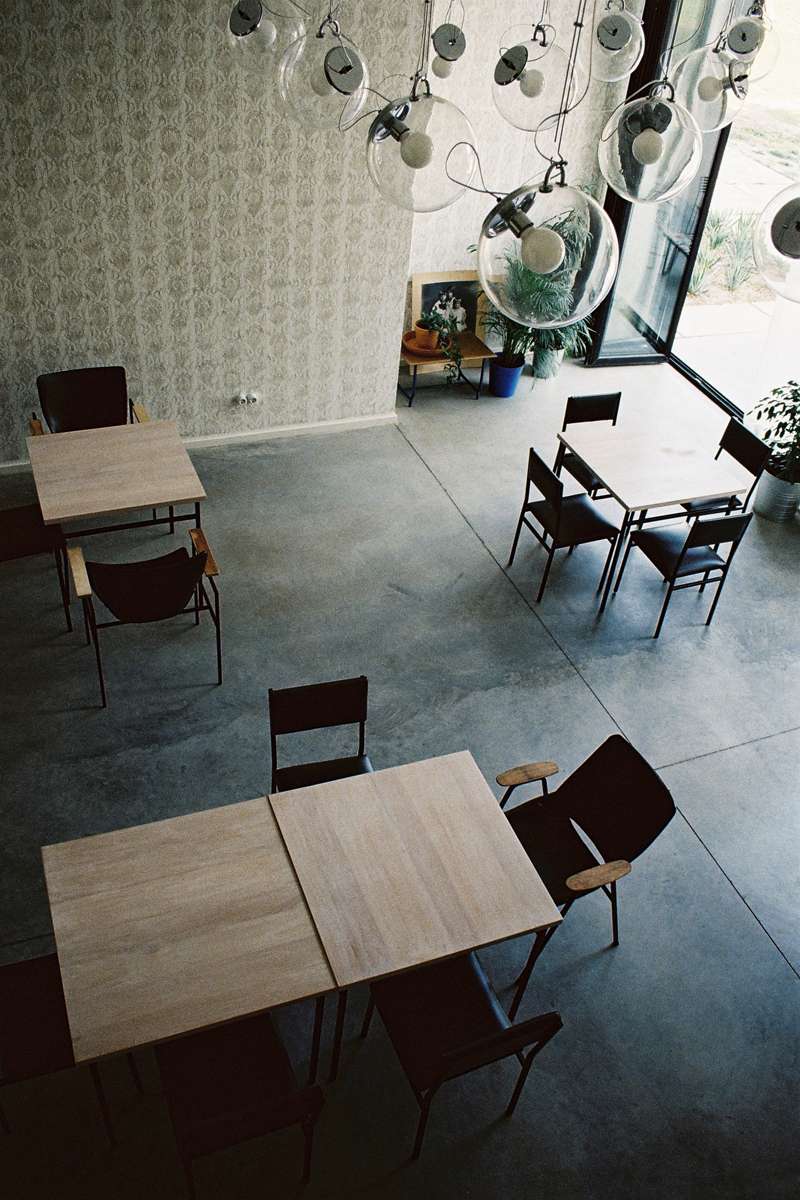
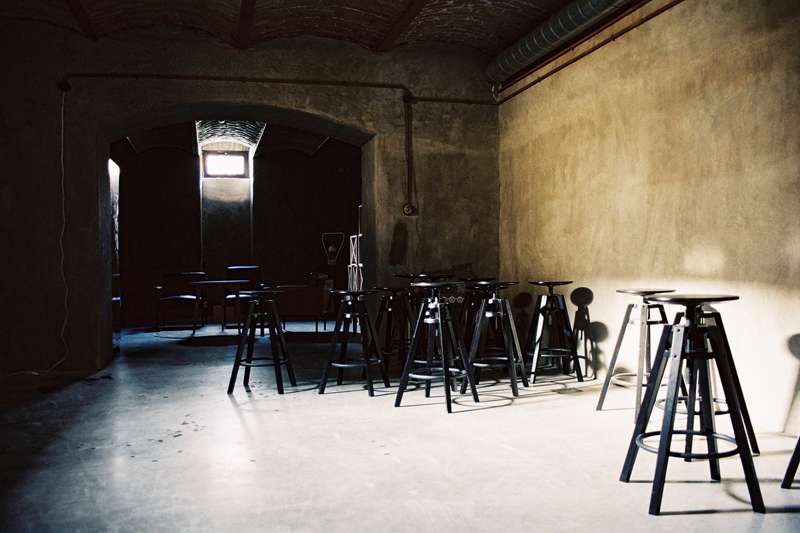
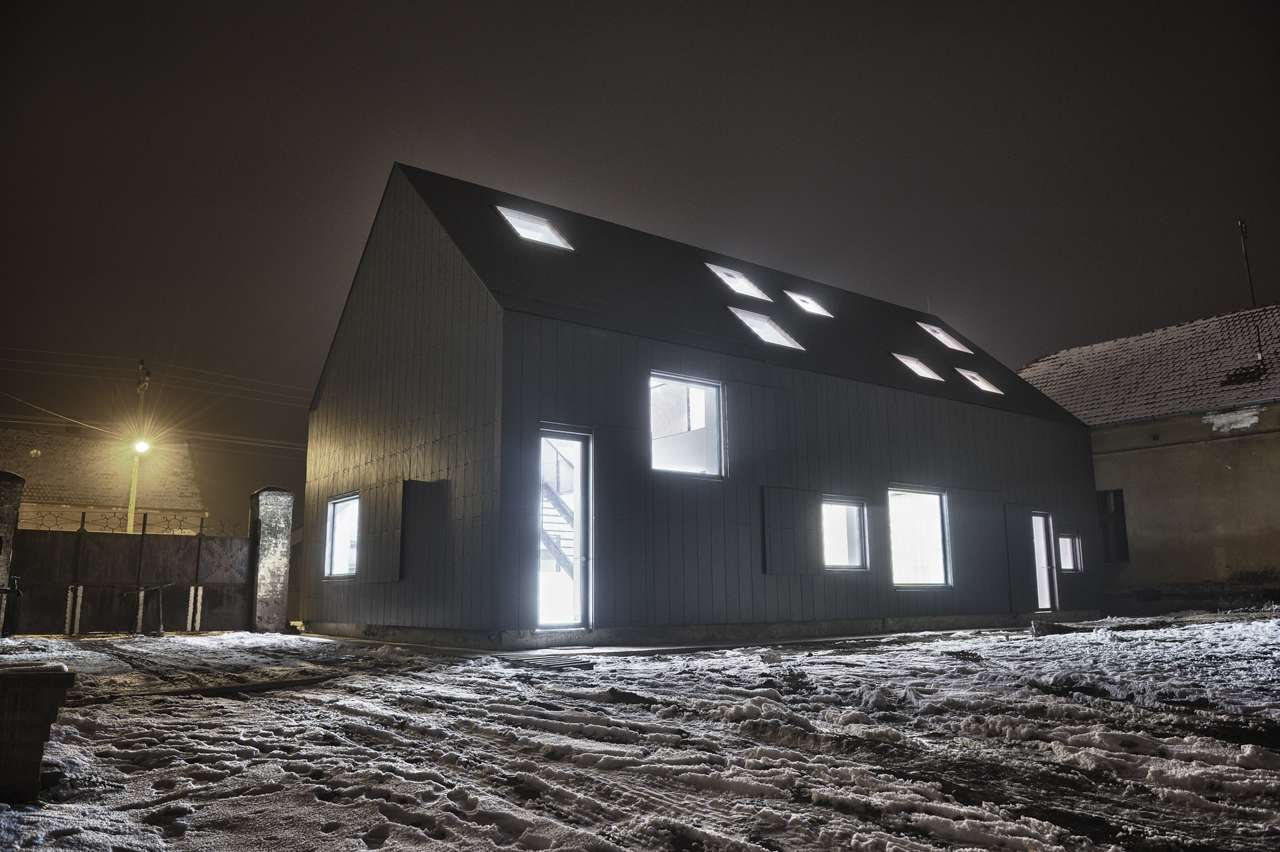
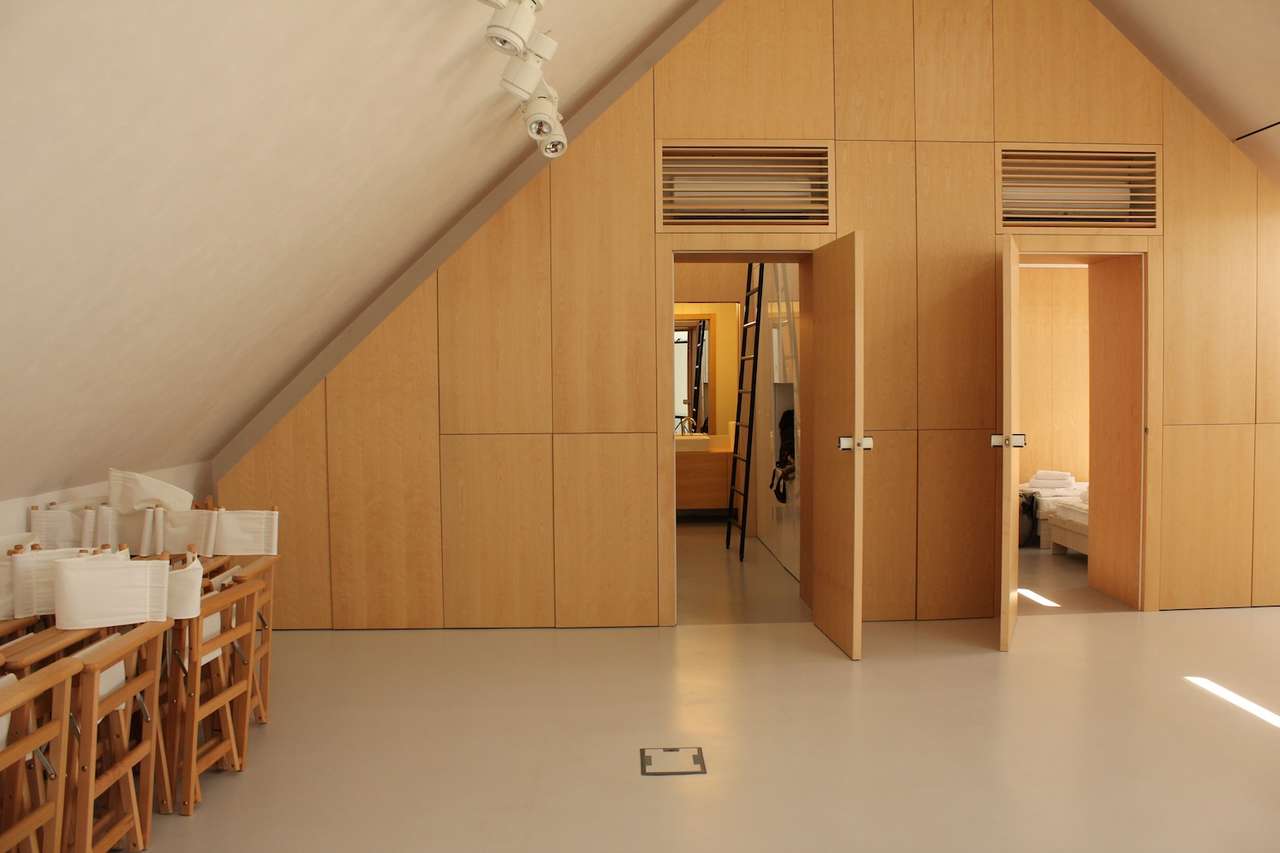
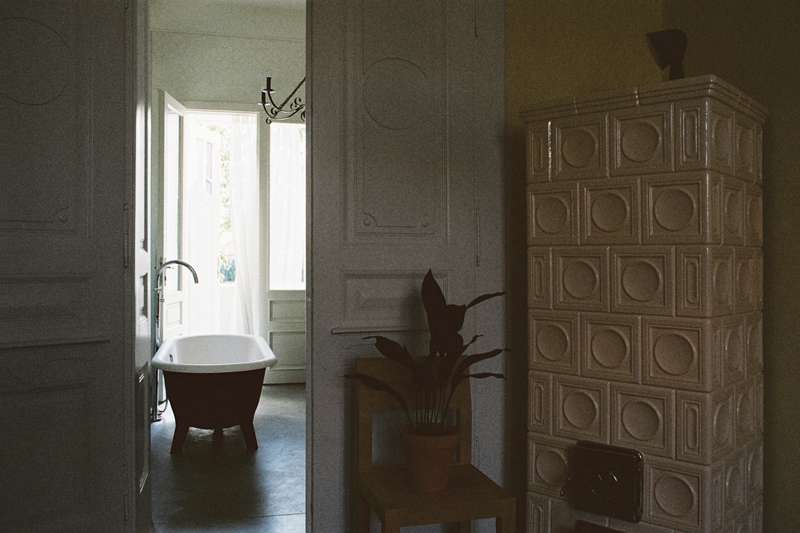
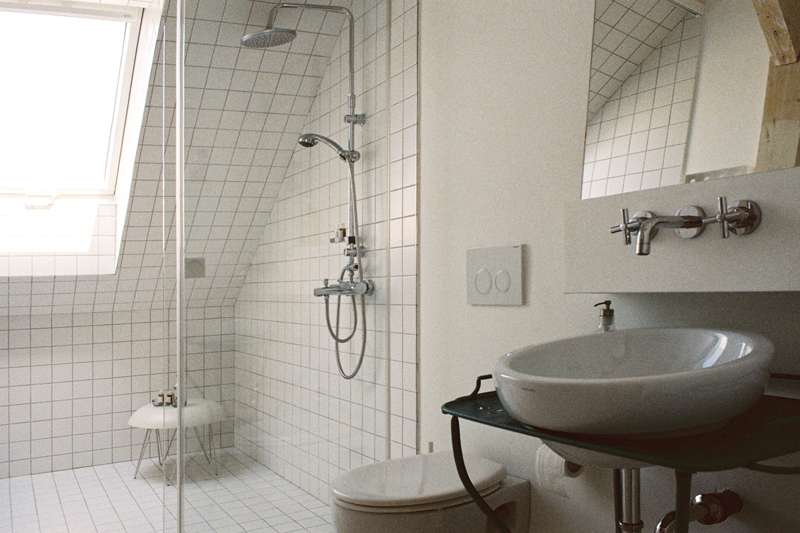
The property on the flat hill Terra Panonika in Mokrin is a unique example of a combination of traditional and modern functional concept in the field of architecture and design. Tis complex consist of five unified objects of vojvodinas yards and represents materialized version of socia engaged investor Branimir Brkljača and a group of young architects gathered in a group called Authors. The property on the flat hill is a specific creative and inspiring oasis for meeting of artists, scholars, innovators, educators, sharing ideas, knowledge and the development of a new view of the possible constructs village and town meetings through local and global communities. Terra Panonica is a transdisciplinary platform, a natural meeting place and a specific process that needs to re-investigate, challenge, initiated the revival of the typical, vulnerable rural communities. Building a completely new relationship within the community, Terra Panonica through its programs, focus on meeting points of art, education, design, agriculture, innovation, social development, communication and production. It’s here to revitalize, initiate, inspire and regenerate. A Trans-disciplinary approach is to combine the fields of science, visual arts, music, sound, performance, new media, social science, industrial design and architecture.

Contact and practical information

Address
Svetog Save 25
TERRA

Tourist Attraction

TERRA

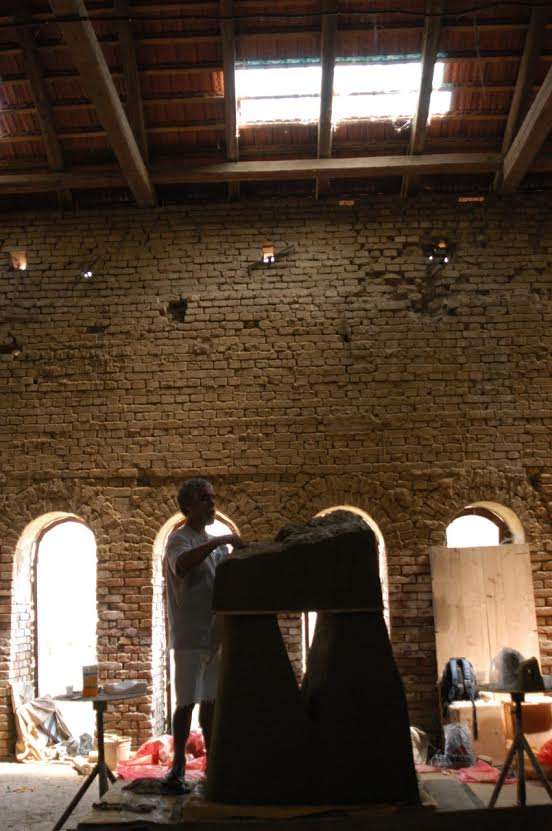
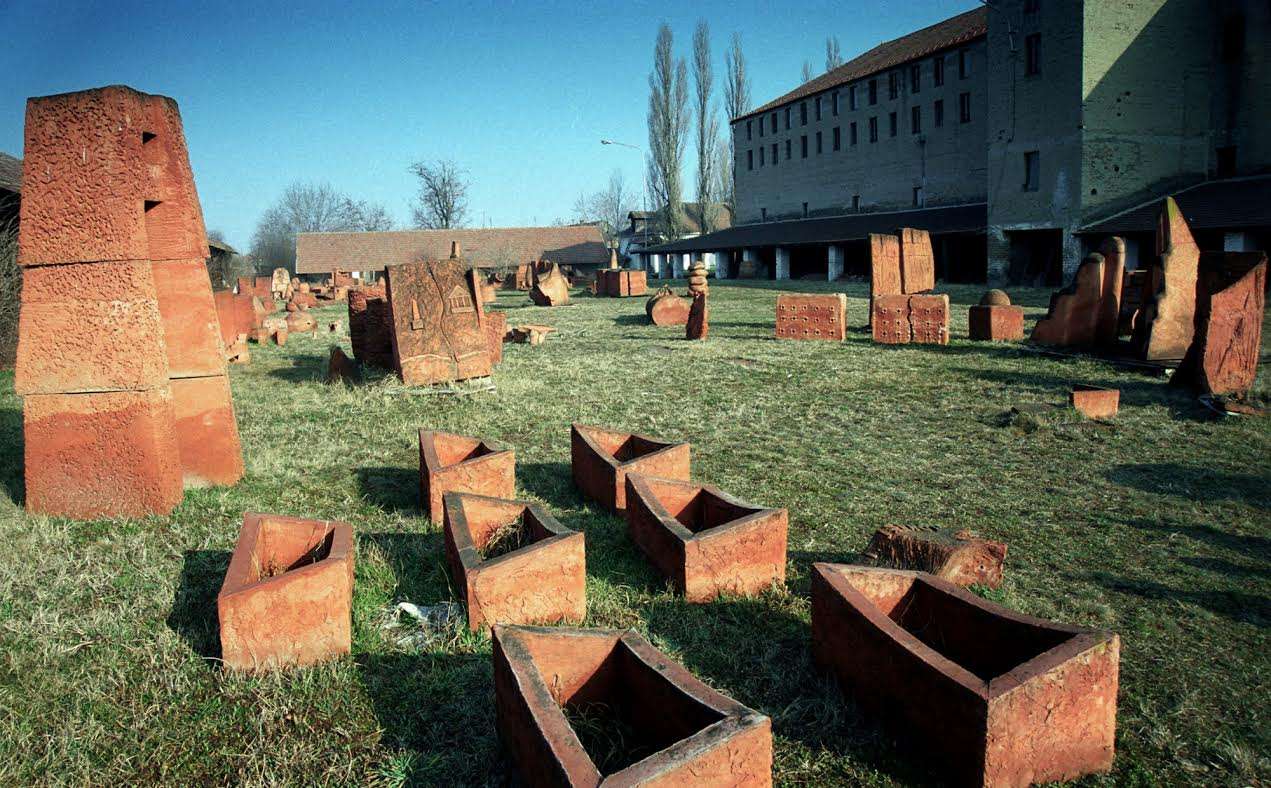
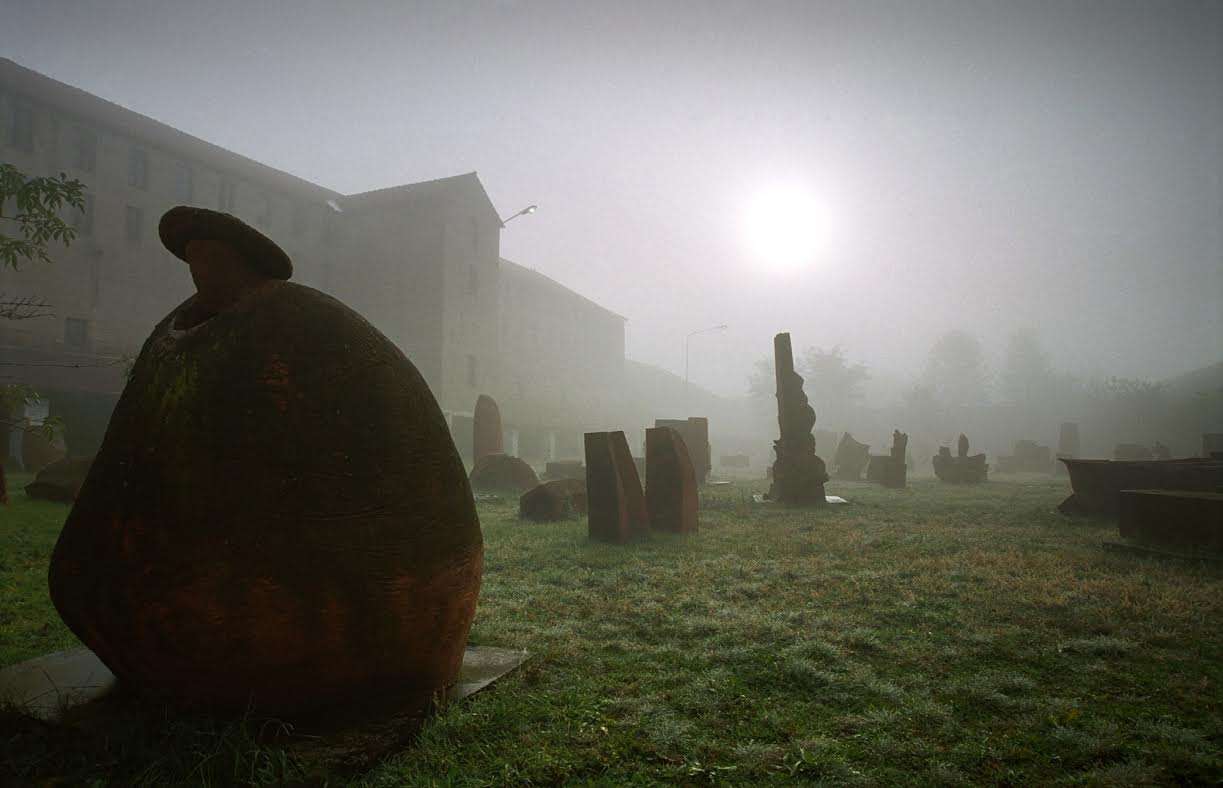
Since 1982 every year there is a grand International Sculpture (in clay) Symposium – TERRA. A few hundred sculptors from all over the world have created a TERRA fundus…

Tourist Attraction

TERRA

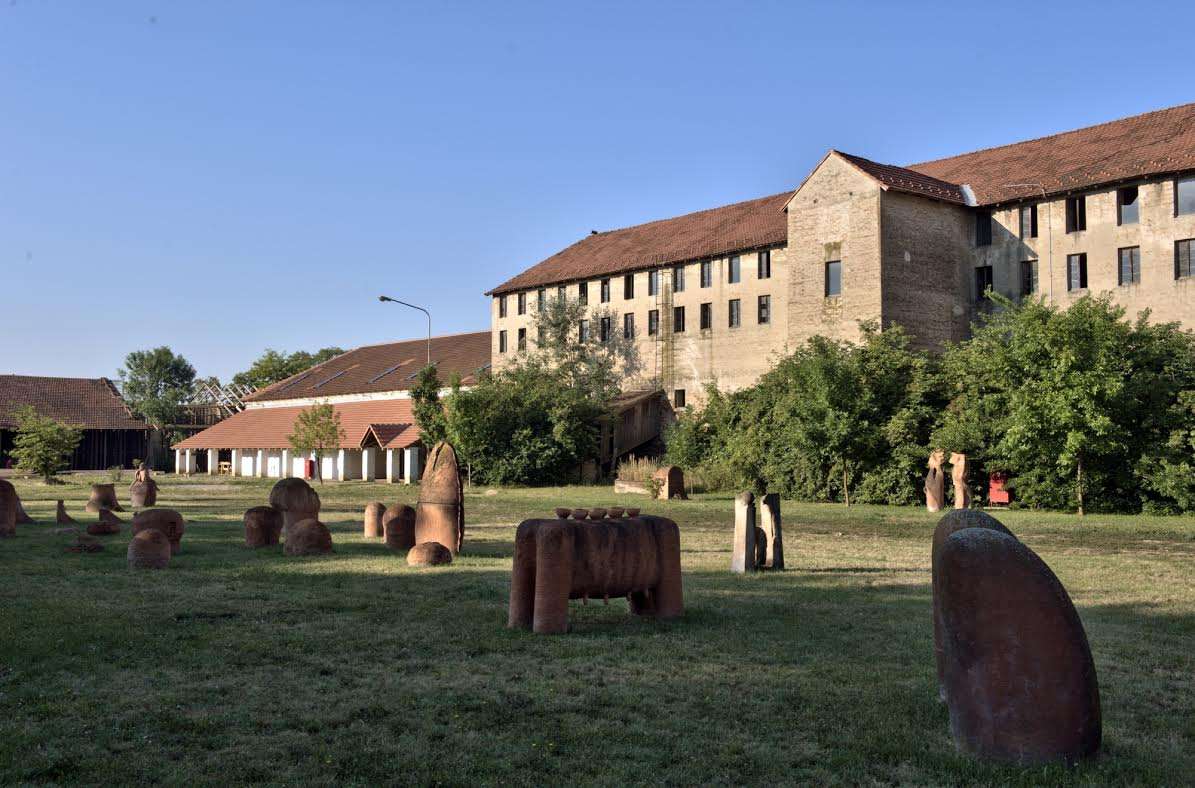
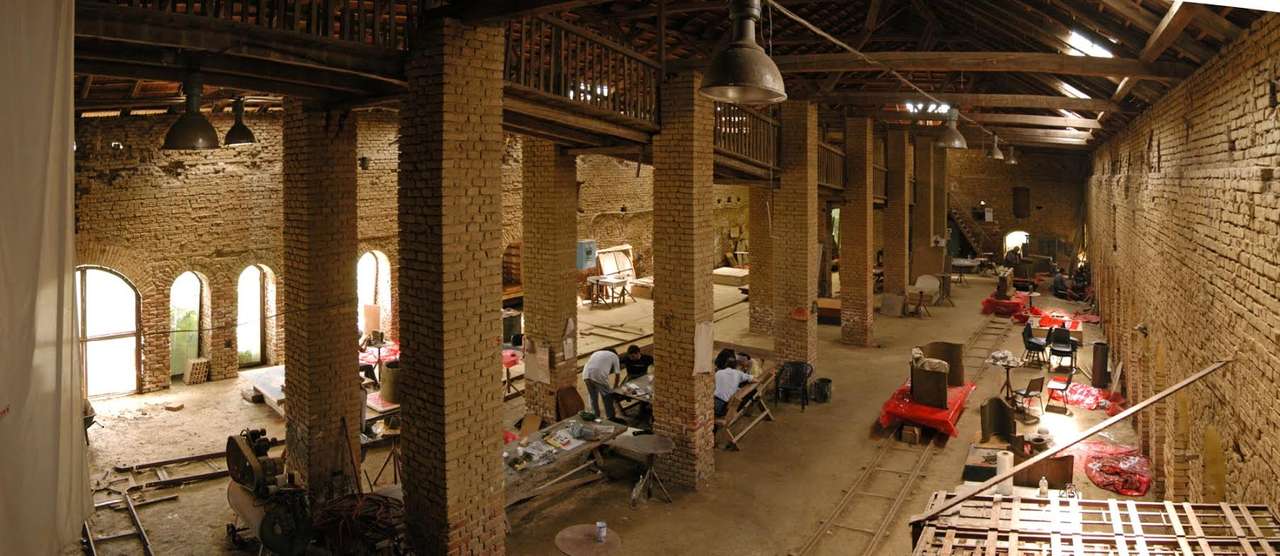
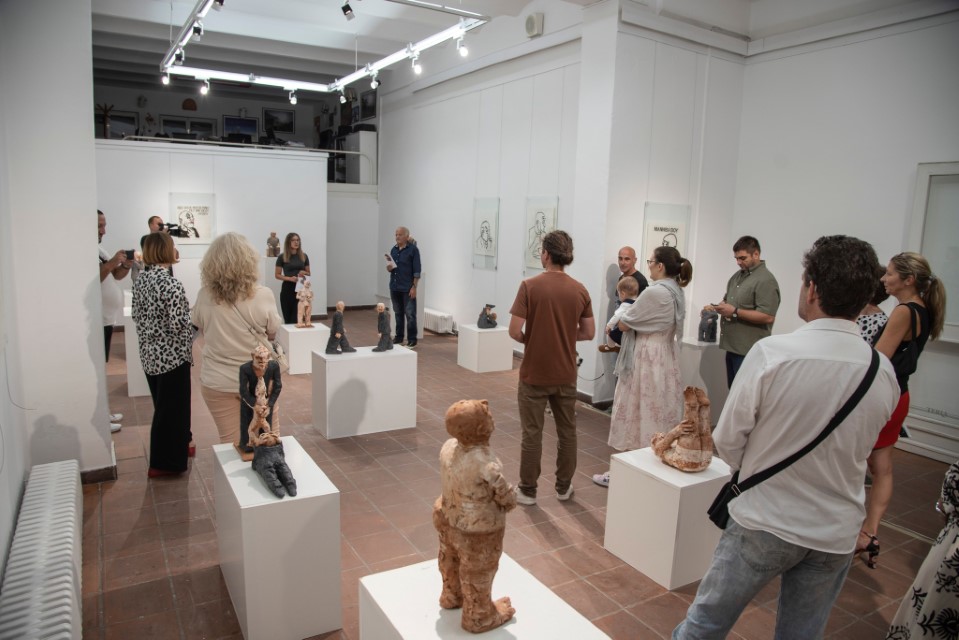
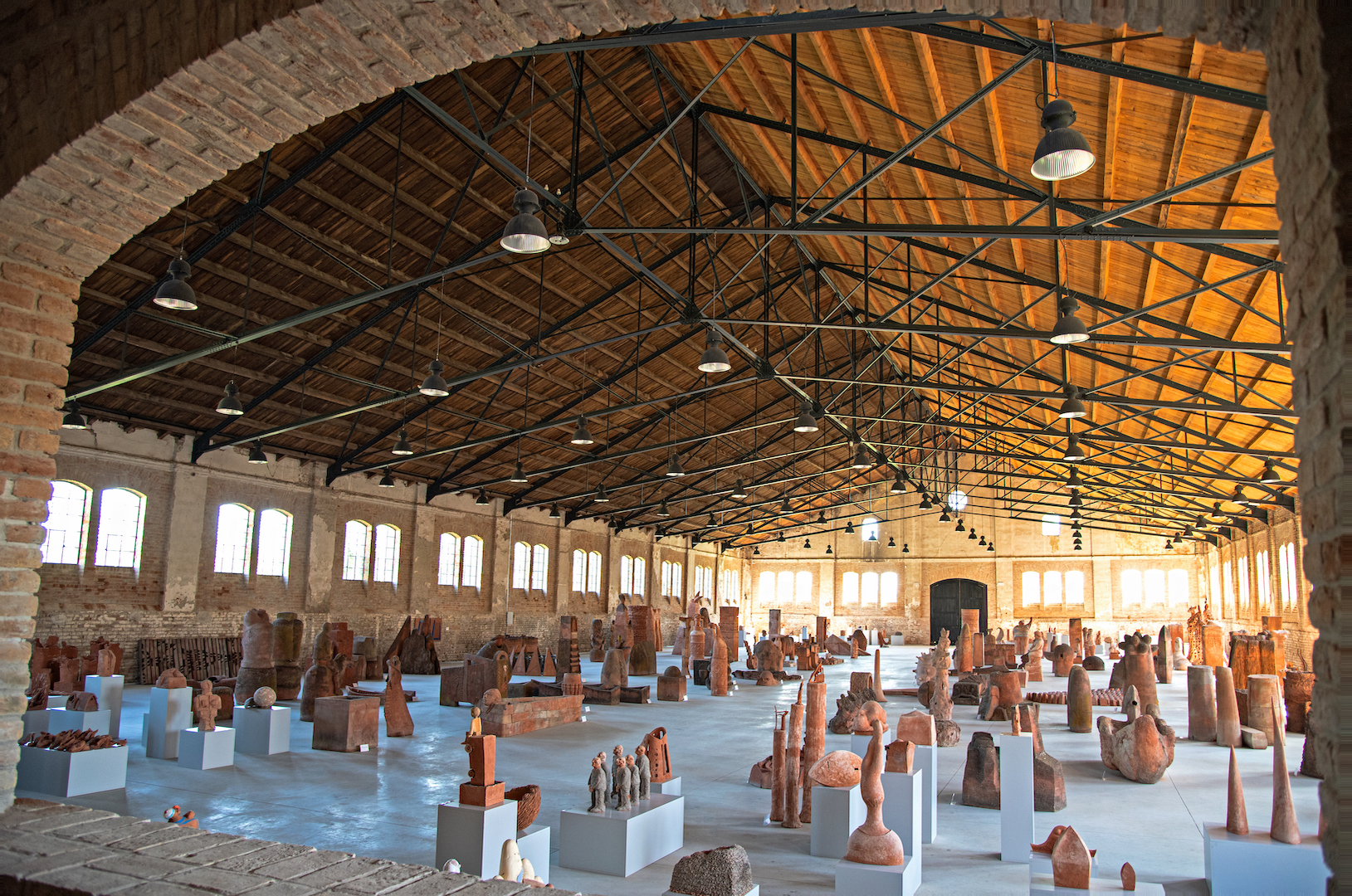
Since 1982 every year there is a grand International Sculpture (in clay) Symposium – TERRA. A few hundred sculptors from all over the world have created a TERRA fundus with over 1.000 sculptures so far. This extraordinary space with huge exhibits in terracotta is in the former Bon brick yard built in 1895. In the gallery TERRA on the square there are all kinds of manifestations taking place all year round. The International Terracotta Sculpture Symposium – TERRA, a unique event, was established in 1982 taking place every year from 1st to 31st July with five to eight artists taking part from Serbia and other countries.

Contact and practical information

Address
Danila Kosića bb
Suvača Mill

Landmark building

Suvača Mill

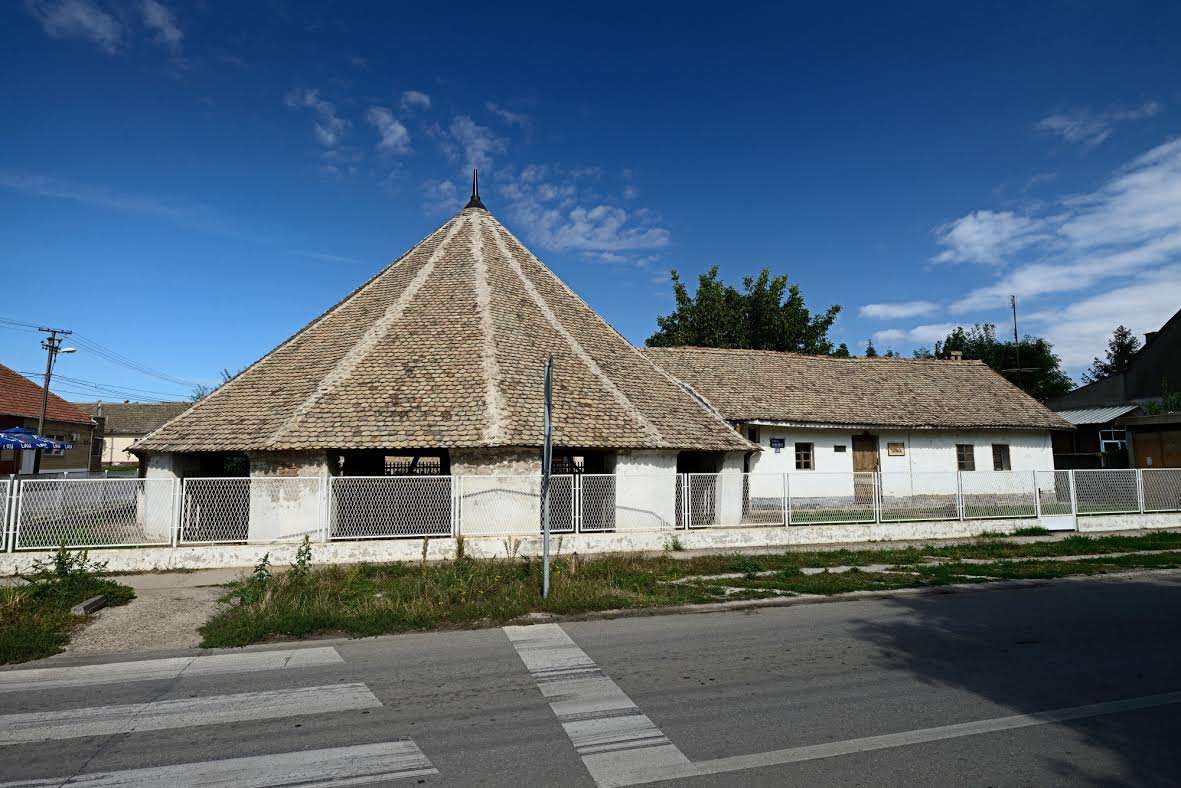
This unique master piece of Serbian architecture, a mill run by horses, draws attention of Kikinda inhabitants and visitors to 1899 when it was built. In the round…

  • The corner of Nemanjina and Moravska St.
Landmark building

Suvača Mill

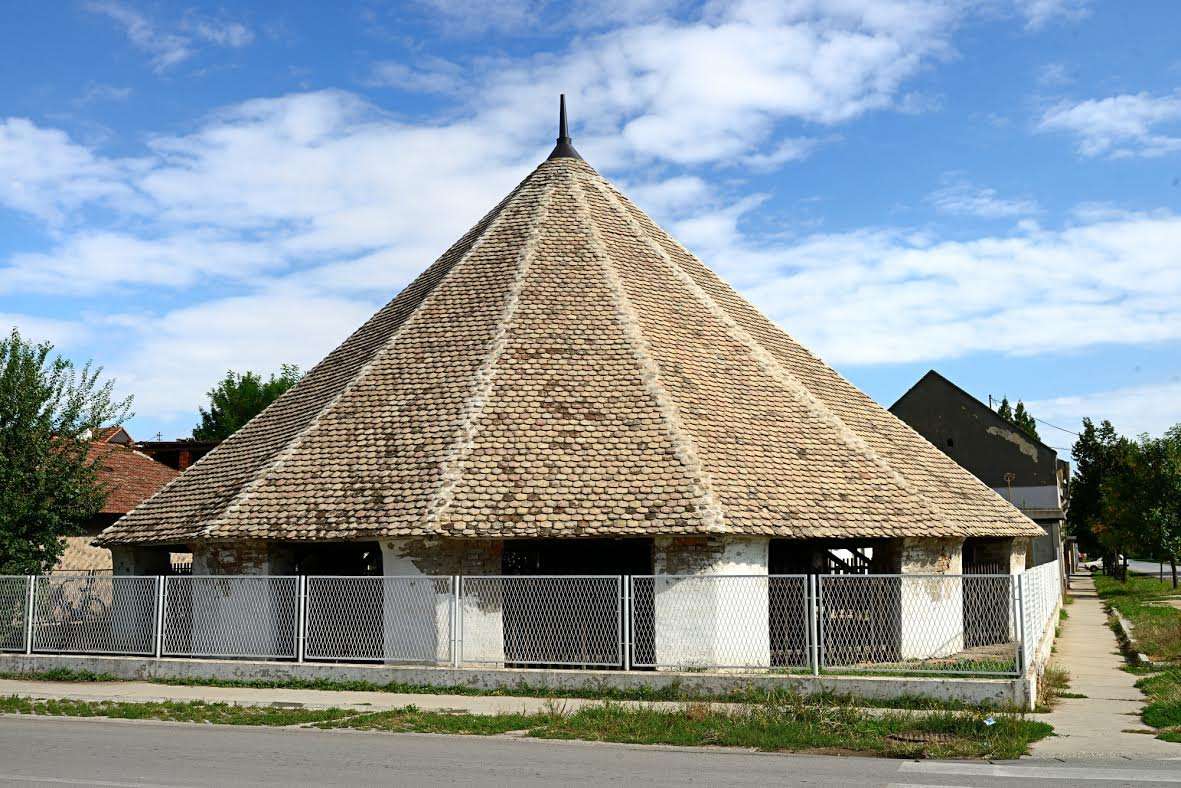
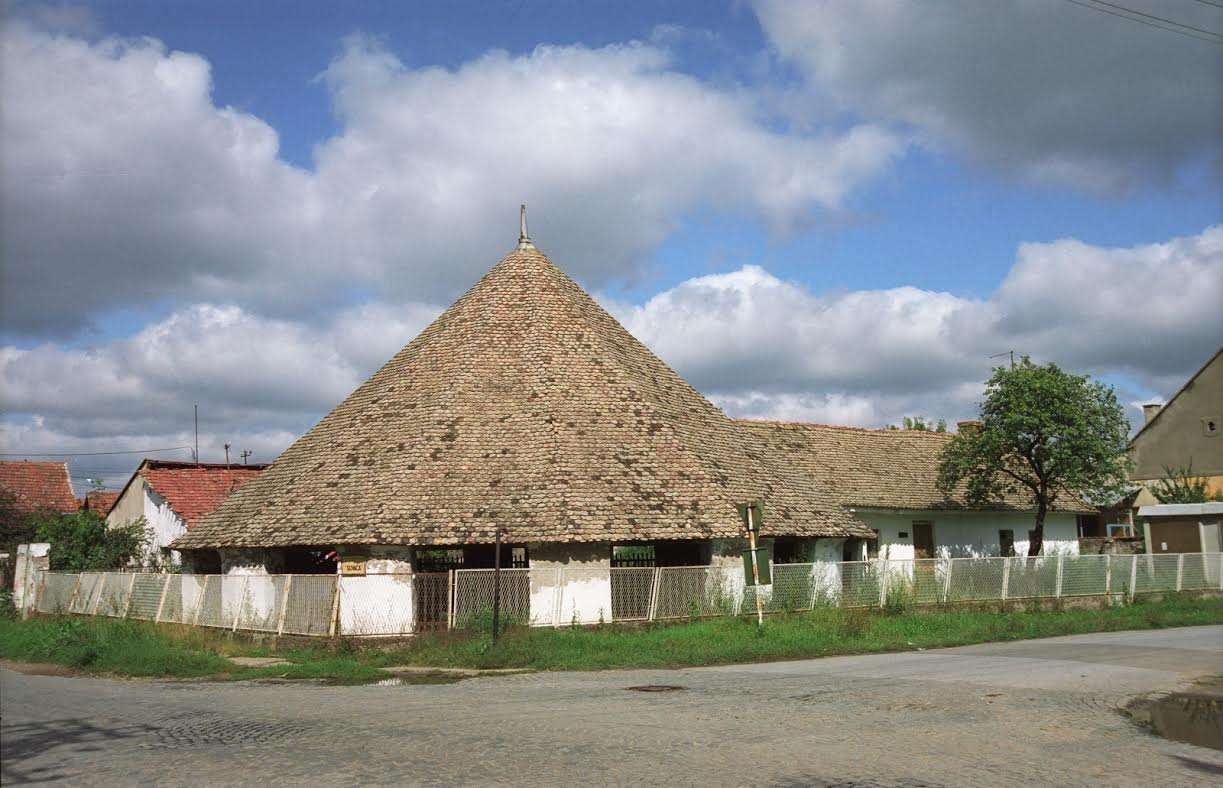
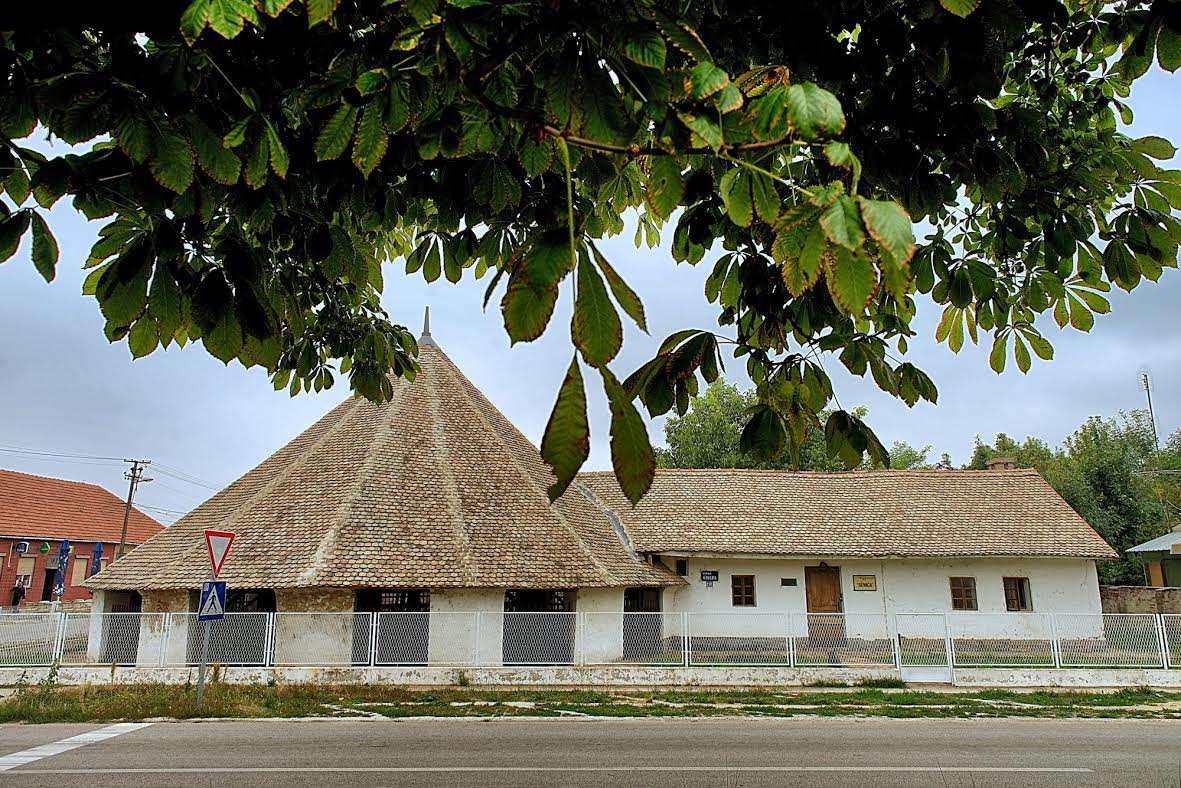
This unique master piece of Serbian architecture, a mill run by horses, draws attention of Kikinda inhabitants and visitors to 1899 when it was built. In the round facility of Suvača mill in radius of 20 m under the cone shaped roof covered with crown tiles is a milling device. The rotating part was a huge horizontal wheel which by rotation moves the mill stones. Wheat, paprika and pepper were ground here. In an hour’s time average 100 of cereals could be ground. The ground grains were of so fine a quality that they were reputed to have reached Vienna court.

Out of thousands similar mills in Europe, only two are preserved – this one and the one in Szarvas, Hungary. In the late 18th century seventeen suvaca mills reportedly existed in Kikinda and twenty years later already thirty two. In 1847 fifty one Suvača mills were recorded in Kikinda. A century after being built, in 1990, Suvača mill was declared a national treasure of extraordinary importance.

Contact and practical information

Address
The corner of Nemanjina and Moravska St.
Terra Gallery

Culture

Terra Gallery

The Centre for Fine and Applied Arts – Terra also has, at its disposal, an exhibition space in the centre of Kikinda. For four decades, the Terra Gallery has been an…

Culture

Terra Gallery

The Centre for Fine and Applied Arts – Terra also has, at its disposal, an exhibition space in the centre of Kikinda.

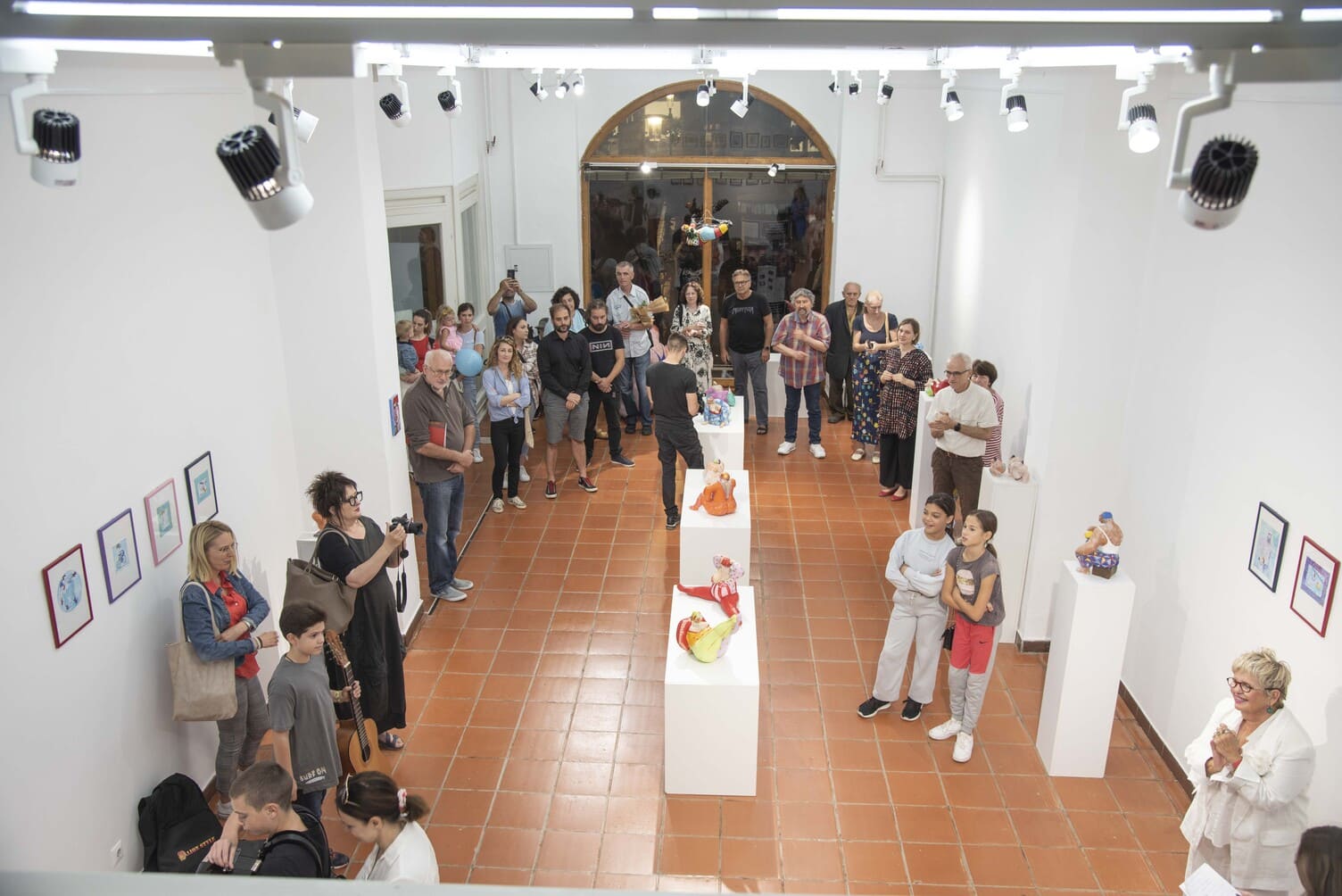
For four decades, the Terra Gallery has been an important cultural hub and the venue of many exhibitions of famous artists from the country and abroad.

This exhibition space also makes displays outside the chamber milieu possible, opening up the opportunity to exhibit sculptures in a public space, in part of the town square surrounding the Gallery. Visitors are thus given an opportunity to observe the displayed works in the best possible way.

The Terra Gallery hosts about fifteen exhibitions of eminent artists from Serbia and abroad annually, and during its forty years of existence, it hosted several hundred exhibitions. In addition to its exhibition activity, the Terra Gallery hosts a large number of forums, concerts and poetry readings.

The exhibition space of the Terra Gallery is 70 square meters.

Contact and practical information

Address
Trg Srpskih Dobrovoljaca 25
Terra Museum

Museum

Terra Museum

Ovo je prevod celokupnog teksta na engleski i rumunski jezik, sa sačuvanim formatiranjem i razmacima između odlomaka: Engleski prevod (English) By opening the "Terra"…

Museum

Terra Museum

Ovo je prevod celokupnog teksta na engleski i rumunski jezik, sa sačuvanim formatiranjem i razmacima između odlomaka: Engleski prevod (English)

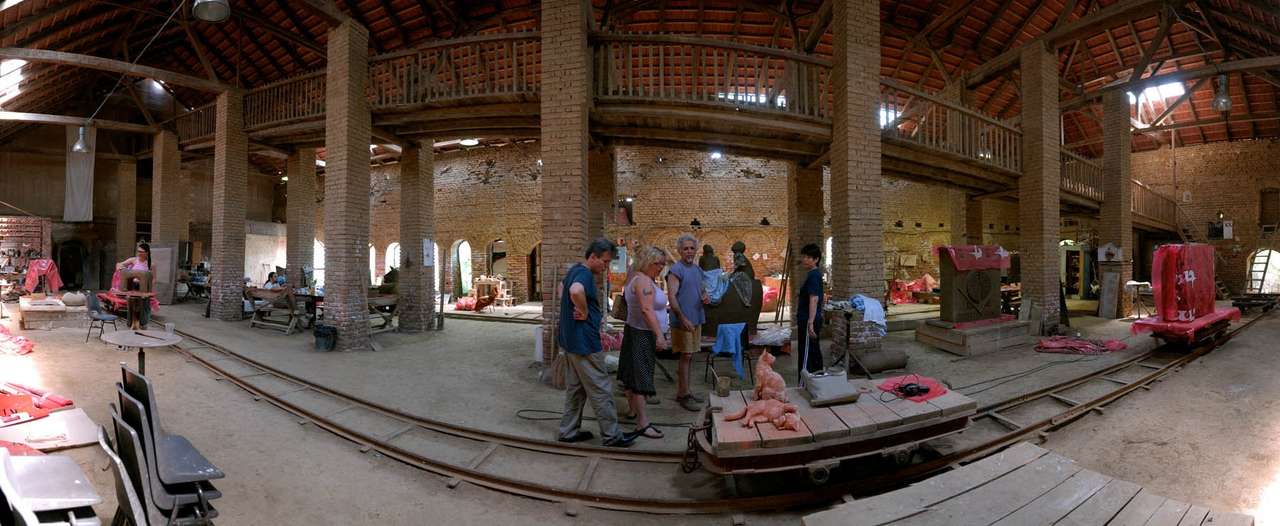
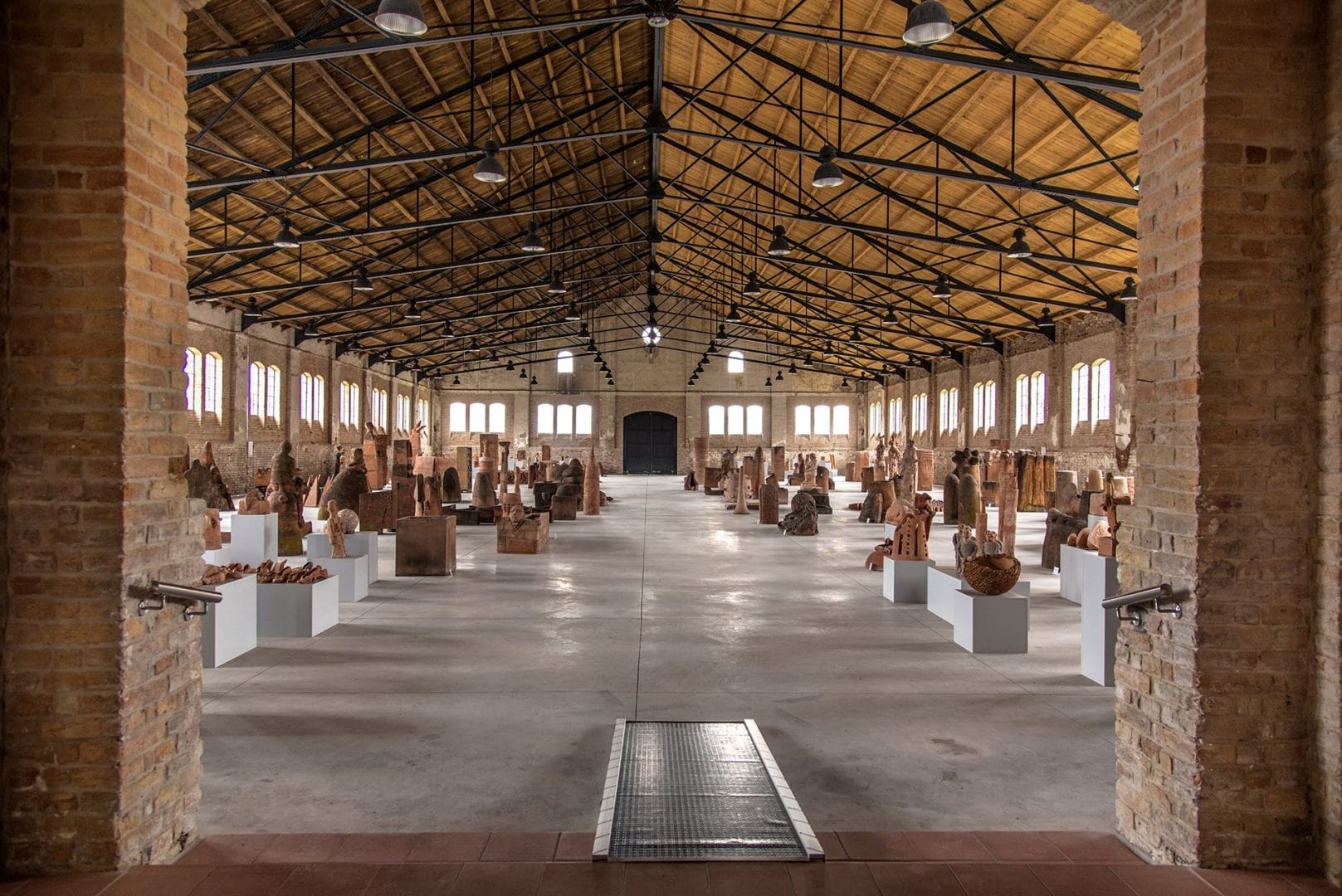
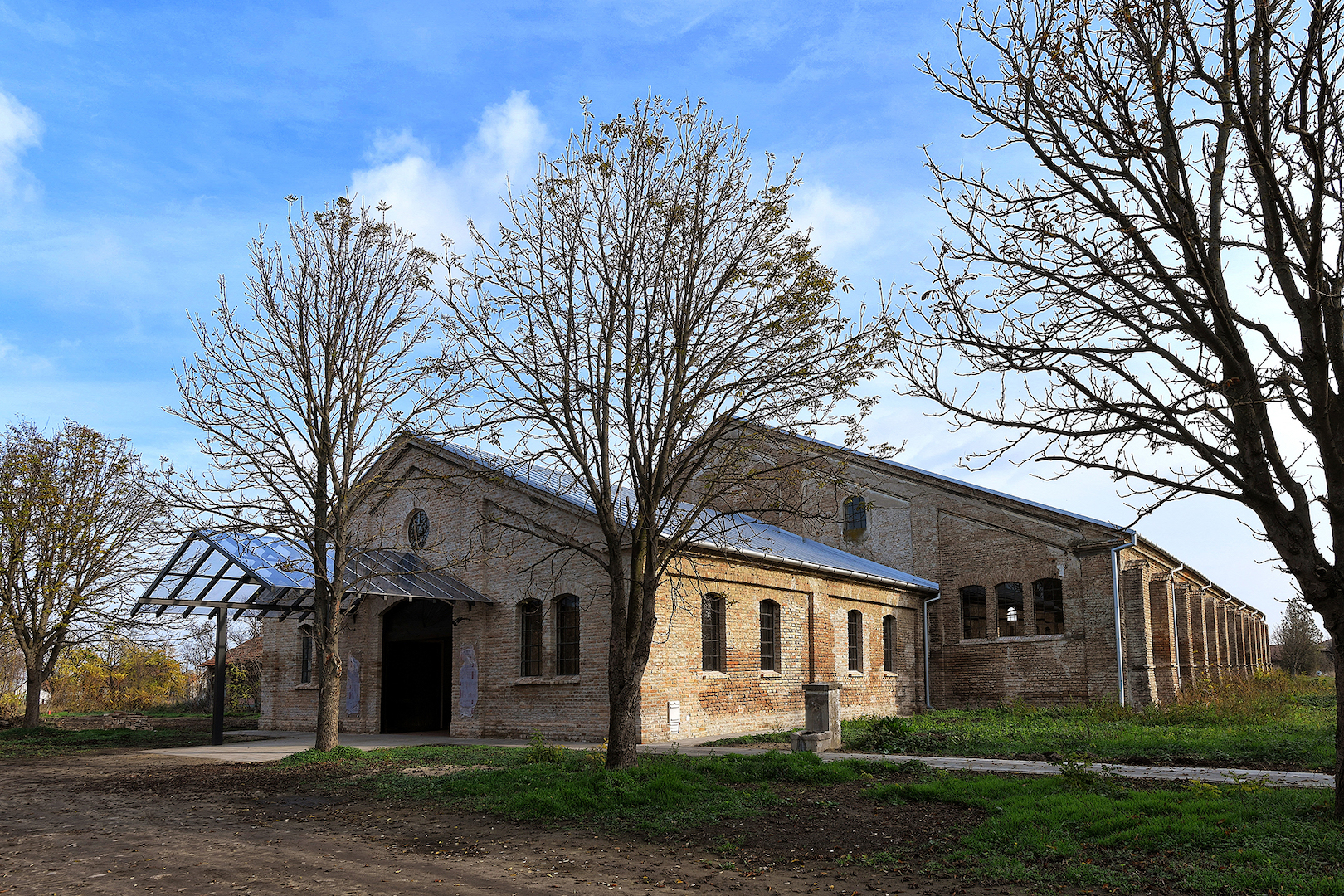
By opening the "Terra" Museum in Kikinda in December 2017 in the former riding school (manège) building of the Kikinda barracks, a decades-long wish and plan of the founders of the International Symposium of Large-scale Terracotta Sculpture "Terra" was realized—to permanently present the sculptors' works in the city where they were created. The idea of the Museum is as old as the Symposium itself, and it developed alongside the constant increase in the number of sculptures created during the traditional symposium gatherings.

In the newly opened "Terra" Museum in Kikinda, visitors to this unique institution are provided with an opportunity to gain insight into the state of sculpture at the turn of the centuries and millennia.

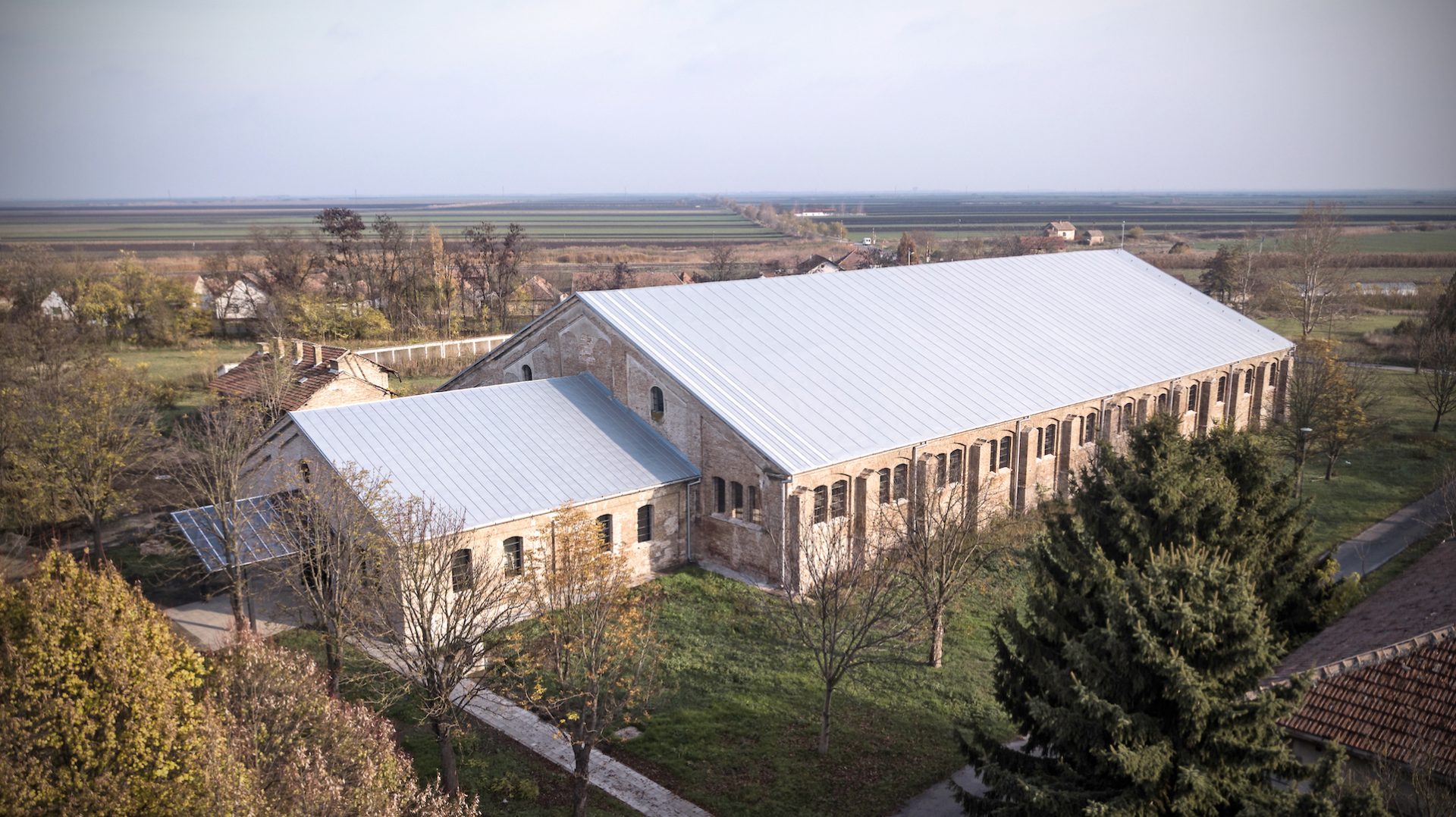
On the initiative of the founder of the International Symposium of Large-scale Terracotta Sculpture "Terra", professor and academic sculptor Slobodan Kojić, the Municipality of Kikinda purchased the old barracks from the Serbian Armed Forces, repurposed it, and handed it over to the "Terra" Center for the Museum. Architect Aranka Blat, specialized in the reconstruction and revitalization of old architecture, designed the project for the adaptation of the riding school building into a museum-gallery space, faithfully and consistently preserving the authentic appearance of this building. She is the recipient of the "House – Keeper of the Past" Award, granted to her by the Hungarian National Committee of the International Council on Monuments and Sites (ICOMOS) – Section for Vernacular Architecture.

Due to its significance, the riding school in Kikinda deserves protection status as an object of technical culture, as evidenced by the official opinion and recommendation of the Inter-Municipal Institute for the Protection of Cultural Monuments from Subotica.

Reconstruction works on the building began in 2012 and were financed by the Ministry of Culture and Information of the Republic of Serbia, the City of Kikinda, the Provincial Secretariat for Culture, Public Information and Relations with Religious Communities, as well as the "Communities Together" fund of the Petroleum Industry of Serbia (NIS). The complete reconstruction of the exhibition and annex space of the "Terra" Museum was completed in 2017.

The riding school building consists of two interconnected units—the main part of the building is taller and spatially dominant compared to the annex part, which is significantly lower, conditioning the functional division of space. The complete, well-organized, architecturally attractive, and compact riding school space of about 2,100 square meters, with good natural light and adequate artificial lighting, was converted into an ideal museum space that fully corresponds to the specific characteristics of terracotta sculptures, especially given the fact that monumental-format sculptures dominate the exhibition layout of the "Terra" Museum.

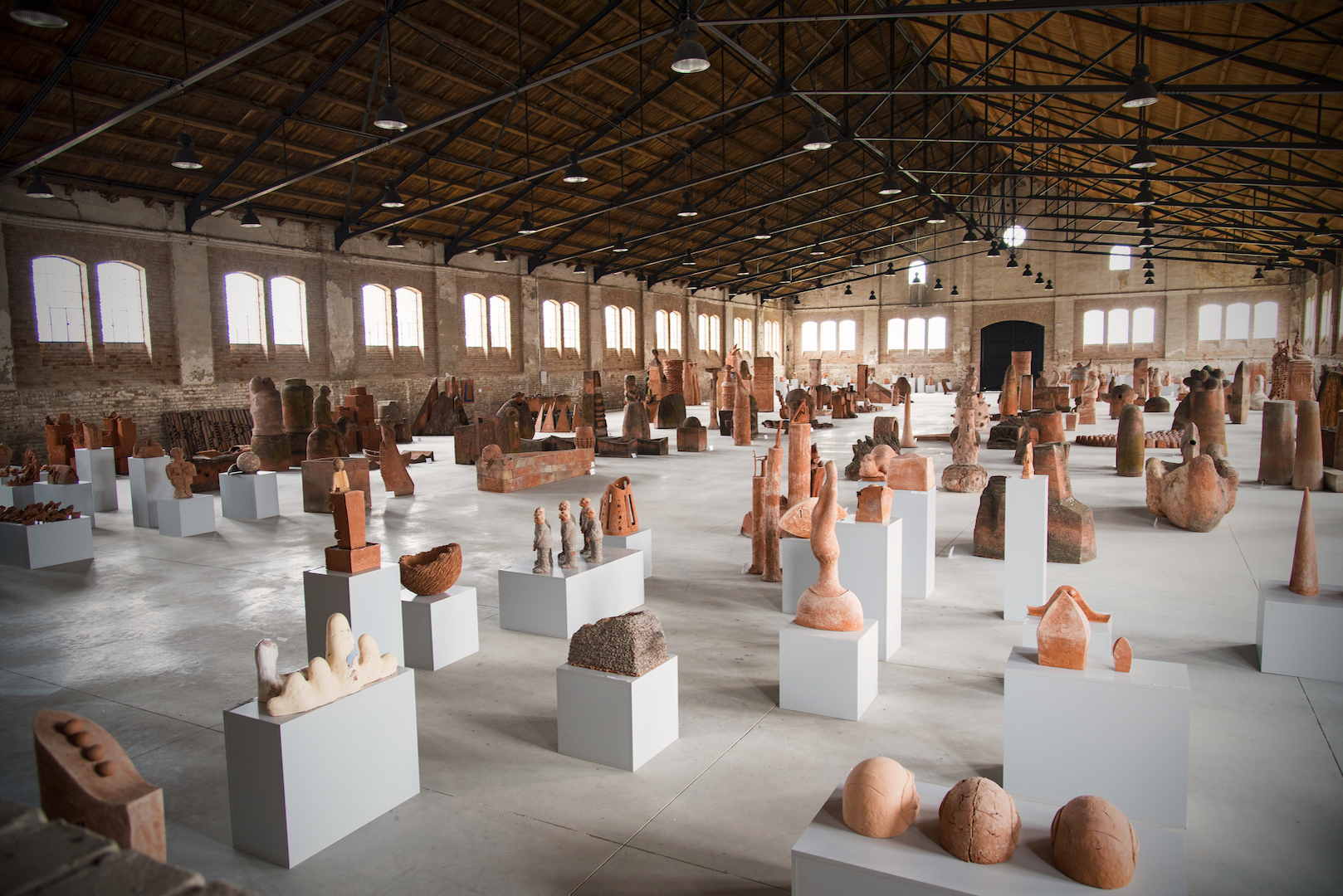
The museum display of the rich collection of terracotta sculptures directly reflects its history by utilizing the extraordinary space of the riding school, where a unique and comprehensive view of the whole is possible. The display does not emphasize a chronological sequence, but provides an opportunity to observe certain changes in work and technique that occurred during the four decades of the International Sculpture Symposium "Terra". Thus, gallery-format works—grouped in the four corner spaces of the Museum—alternate with monumental and more intimate sculptures placed on pedestals or directly on the floor, without division by generations or nationalities of the sculptors, and without grouping by themes or styles. This allows for a spontaneous experience of each exhibited sculpture, creating an impression of an active space and a vibrant, working atmosphere similar to that at the "Terra" Symposium. Almost every participant in the Symposium is represented by at least one work, making it possible to showcase the very diverse poetics of Serbian, Yugoslav, and international artists dedicated to working in this noble material.

The permanent exhibition will not be frozen in time: it will occasionally be supplemented and changed, but the uniqueness of the former riding school will always be respected, as well as the diversity of ideas and realizations of the creators. (Text: Irina Subotić)

The "Terra" holding currently includes around 1,000 sculptures in terracotta technique.

By converting the barracks facility into the "Terra" Museum, a situation from the history of Vojvodina art during the 1950s and 1960s was repeated, when fortification structures and barracks rooms on the Petrovaradin Fortress were handed over to artists and adapted into painting and sculpture studios.

Contact and practical information

Address
Stevana Sremca BB
Sports Center The lake

Pool

Sports Center The lake

Sports Center „The lake“ is located in the north-eastern part of the city and offers great opportunities for those who need recreation and relaxation, it is ideal for…
Pool

Sports Center The lake

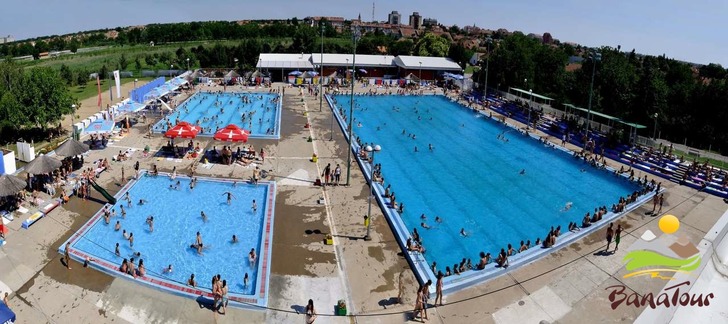
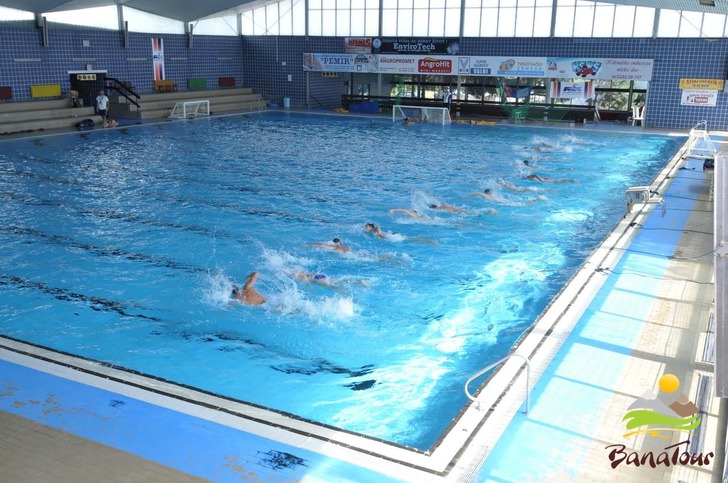
Sports Center „The lake“ is located in the north-eastern part of the city and offers great opportunities for those who need recreation and relaxation, it is ideal for the preparation and training of sports teams, young people or those who feel and like sports, recreation, walking and relaxation.Within the sports center there is a youth settlement where guests can use an indoor swimming pool and a hall with one thousand seats, a trim cabinet, a sauna, a sandbox, volleyball basketball handball courts and a complex of 6 tennis courts. Within the center there is a grassy football field. Accommodation in a youth settlement is in double triple or quadruple rooms and bungalow type. The capacity of the youth settlement is 70 beds with air-conditioned space, kitchenette with cable TV, free "wireless" internet.

Roman Catholic Church

Church

Roman Catholic Church

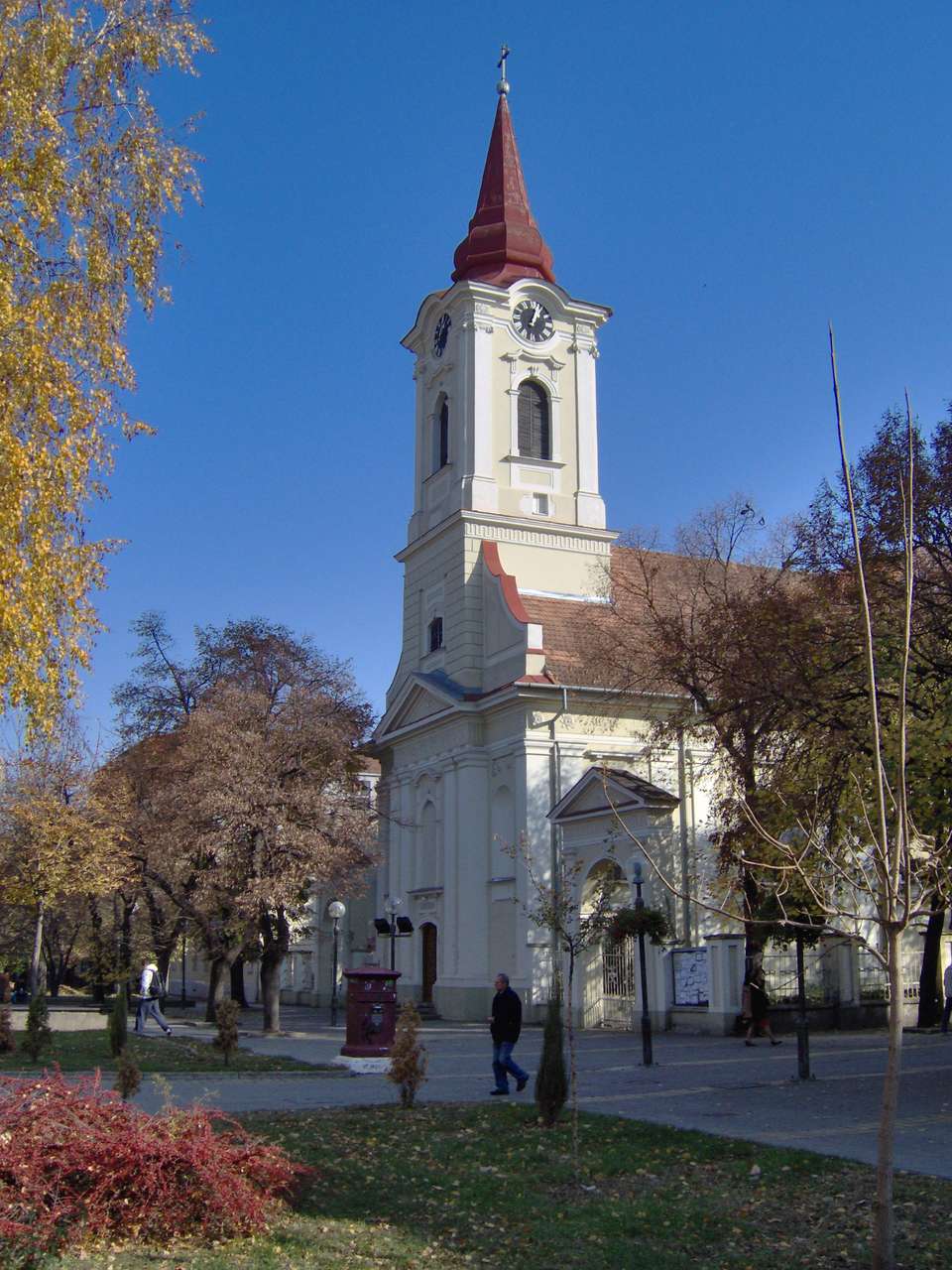
Roman Catholic Church was built in the period 1808-1811 with support of Austrian Tsar Franz I, whereas the construction of the chapel with walls made of clay in the…
Church

Roman Catholic Church

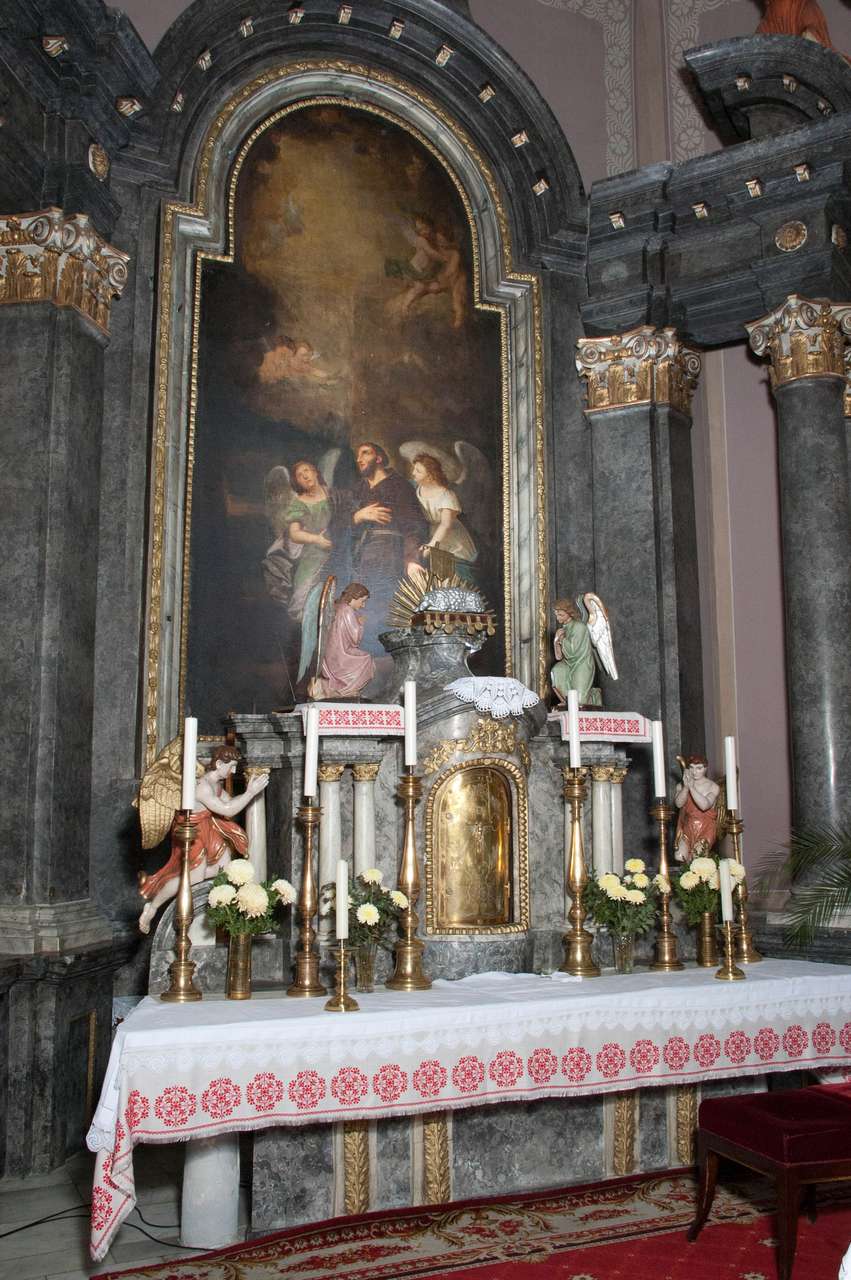
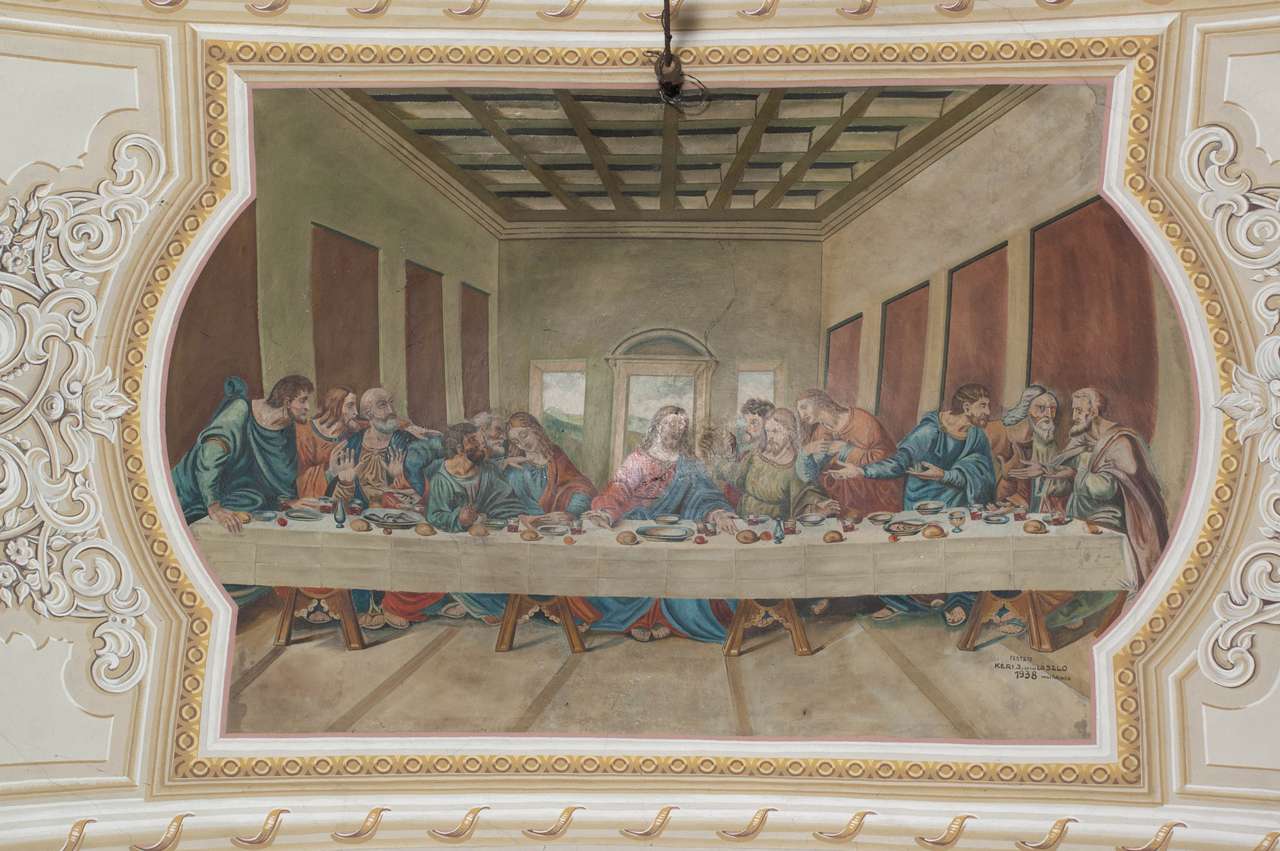
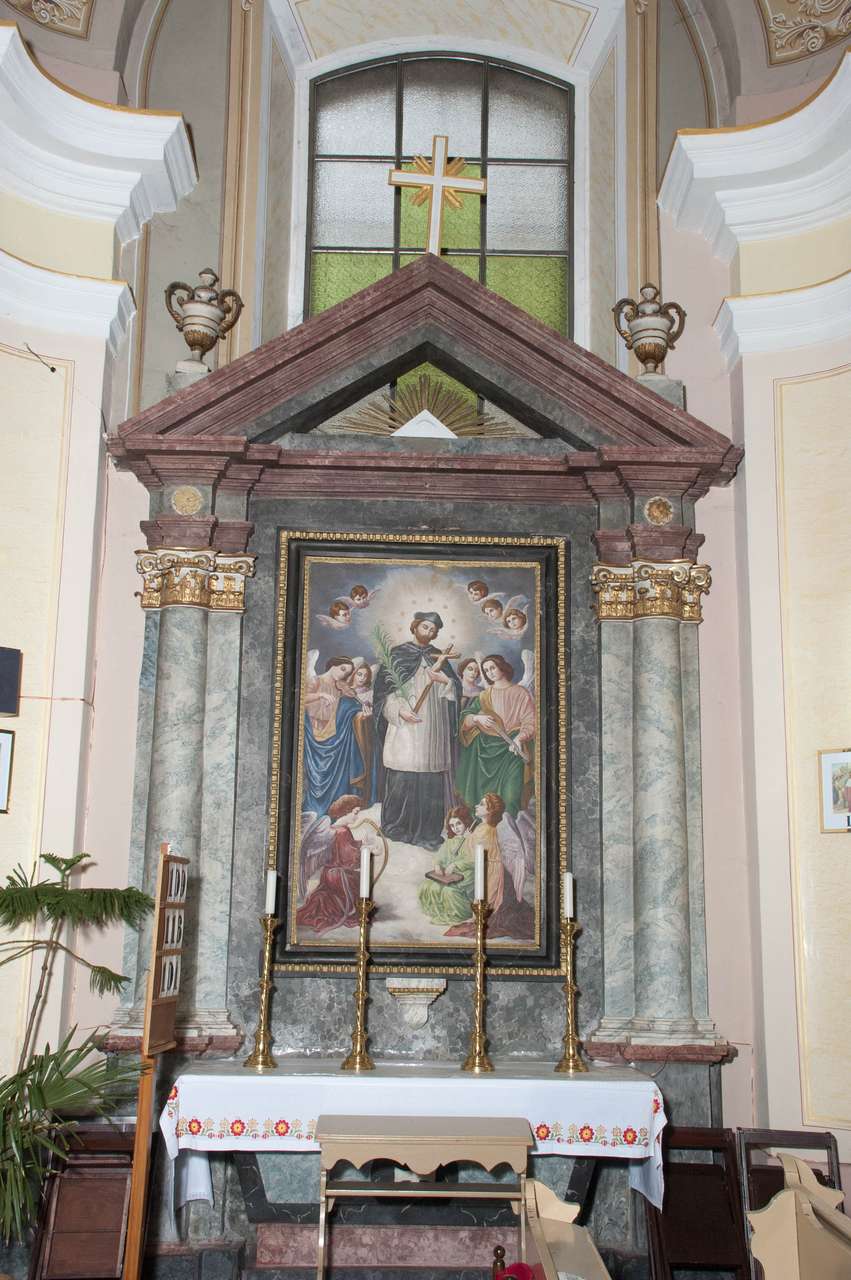
Roman Catholic Church was built in the period 1808-1811 with support of Austrian Tsar Franz I, whereas the construction of the chapel with walls made of clay in the church yard started already in 1760. The chapel was dedicated to St. Anthony. Since the first spiritual people in the church were Franciscans, next to the church a Franciscan monastery was constructed. The church was consecrated on 7th June 1812. Four church bells (in Es major) were set in 1925. White altar was made of marble from Arandjelovac, and specific charm that the church has is attributed to its organ. Four paintings depicting the events from the Gospel are the work of Keri Laszlo and sons.

Contact and practical information

Public Theatre

Culture

Public Theatre

Established as a National Amateur Theatre in 1950 and since 1992 professionally called the National Theatre - Kikinda  Activity is preparation and execution performance.…

Culture

Public Theatre

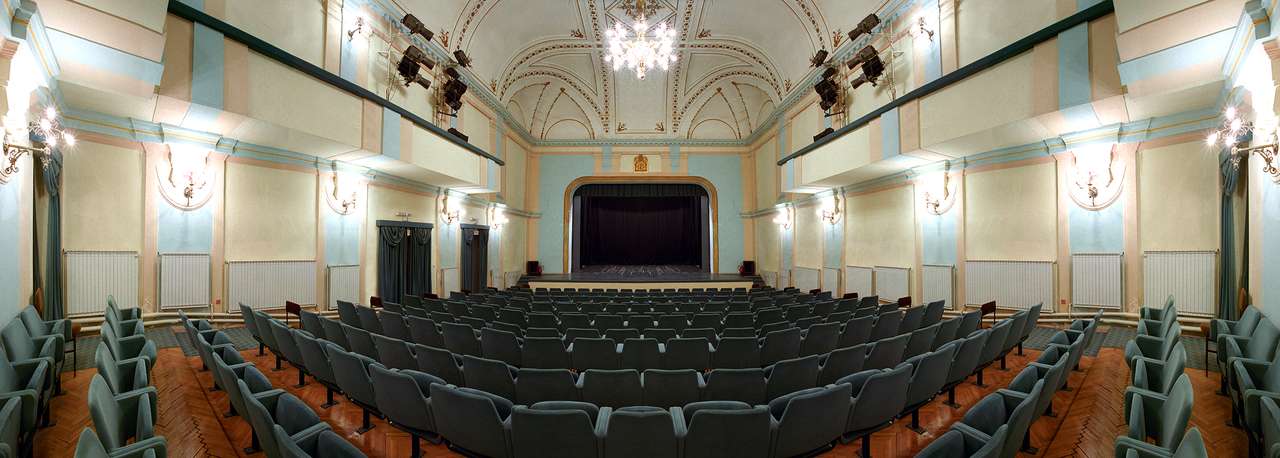
Established as a National Amateur Theatre in 1950 and since 1992 professionally called the National Theatre - Kikinda Activity is preparation and execution performance. National Theatre prepares 4-5 premieres out of about 100 performances per a season. Regular terms are Tuesday and Saturday, but we schedule shows and as needed, especially for children and youth. By the genre we are diverse Theater and we "cover" all variants of theatrical expression except experimental theater

Contact and practical information

Address
Trg srpskih dobrovoljaca 28
Orthodox Church of Holy Father Nicholas

Church

Orthodox Church of Holy Father Nicholas

According to the legend, at the spot of an old church a Serbian Orthodox Church of St. Nicholas was constructed in 1774 at the time when Kikinda was given the privileged…

Church

Orthodox Church of Holy Father Nicholas

According to the legend, at the spot of an old church a Serbian Orthodox Church of St. Nicholas was constructed in 1774 at the time when Kikinda was given the privileged status of the Great Kikinda District seat. Icons The Last Supper on the north side and Ascension of God at the south were painted by Teodor Ilić Češljar in 1790. Compositions in the naos Resurrection and Transfiguration as well as Jesus and Samaritan at the Well and the Wedding at Cana Galilee were painted by Ljubomir Aleksandrovic in 1879. Iconostasis of 1773 is the work of the then young Teodor Ilić Češljar or Jakov Orfelin.

Contact and practical information

Address
Trg srpskih dobrovoljaca
Kikinda National Museum Kurija

Museum

Kikinda National Museum Kurija

Kikinda National Museum was founded on 7th November 1946 as a museum of a complex type. It is situated in the building of former Greater-Kikinda District’s Magistrat,on…

Museum

Kikinda National Museum Kurija

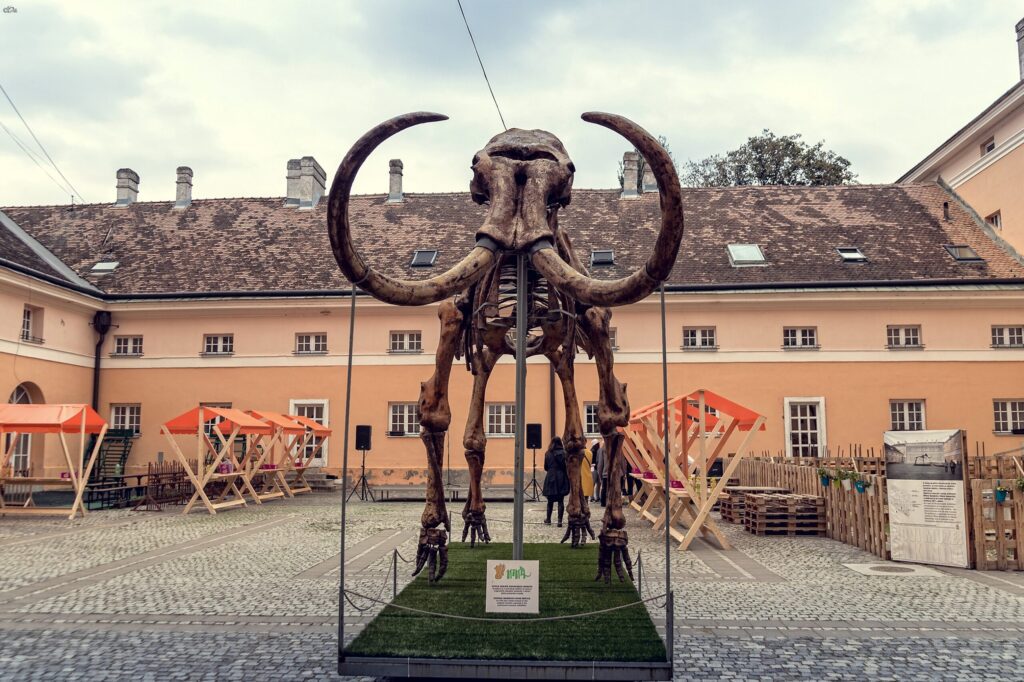
Kikinda National Museum was founded on 7th November 1946 as a museum of a complex type. It is situated in the building of former Greater-Kikinda District’s Magistrat,on 2080m². The museum has six departments: archaeological, ethnological, historical, natural and arts department with a gallery and has in total 25.000 exhibits. The activity of the Museum is restricted to the territory of the municipalities of Kikinda, Čoka and Ada. One of the best preserved original skeletons of a mammoth in Europe has been kept here since 2006. There is the first ever Serbian 3D cinema within the museum, the Club of Museum friends, a concert hall and a souvenir shop. Kurija (lat. Court room) is a monumental structure dominating the central square, once the seat of Great Kikinda District, Royal Court Table, constructed in the period 1835 – 1839 and has ever since witnessed historical, political and cultural activities in Kikinda, among which the national uprising of 1848, court process against Jovan Popović and a group of young poets in 1930, fascist shooting of hostages in 1942, imprisonment of famous public figures of the region, but also the reception for Austro-Hungarian Emperor Franz Josef and Serbian king-regent Aleksandar. An oval stone of 2 tonnes with engraved coat of arms of the District is a specific detail of this building. The Coat of arms presents a golden lion holding a sword in his right hand, and a cut off head of an Ottoman in the left one. The Curia building today hosts the Museum containing extremely rich collection of archaeological artefacts demonstrating that there was life around Kikinda area even in the period of Later Stone Age. Special attraction to visitors is the collection of portraits of the painter Nikola Aleksić. The original remains of the best preserved mammoth skeletons in Europe are kept in the Museum. It is assessed that it is the skeleton of a female, aged 64, 7 m long, 3.5 m wide, 4.5 m tall and weighing around 7 tonnes. The skeleton is 500 000 years old. Historical archives of Kikinda keeps in its treasury original charter on establishment of Great Kikinda privileged District of 12th November 1774. Academic musical society “GUSLE” set up in 1876 by Milan Petrović the editor of the first musical magazine in the Balkans ”Gudalo”. Conductors of the choirs were famous composers Josif Marinković, Robert Tolinger, Hranislav Hartl and conductors Matijas Melihar, Franta Vah i Radivoj Terzić. Important role in the society was also played by Dr. Jovan Paču, Vilhelma Fris, Toša Knežević... GUSLE arranged the first radio broadcast in Serbia in 1931. Today there are about 500 active members of the society, enthusiasts, in several ensembles – folk dance, choir etc. Their programme implies organisation of concerts, performances in other towns, festivals, studio work, ethno-musicology research, publishing, sawing of national costumes, international cooperation, and shooting ethno – movies.

Contact and practical information

Address
Trg srpskih dobrovoljaca 21
Bela Crkva Lakes

Pool

Bela Crkva Lakes

Located right near the town, Bela Crkva Lakes are one of the most famous swimming and recreational highlights of southern Banat, often referred to as the "pearls of…

  • Vojske Jugoslavije

Pool

Bela Crkva Lakes

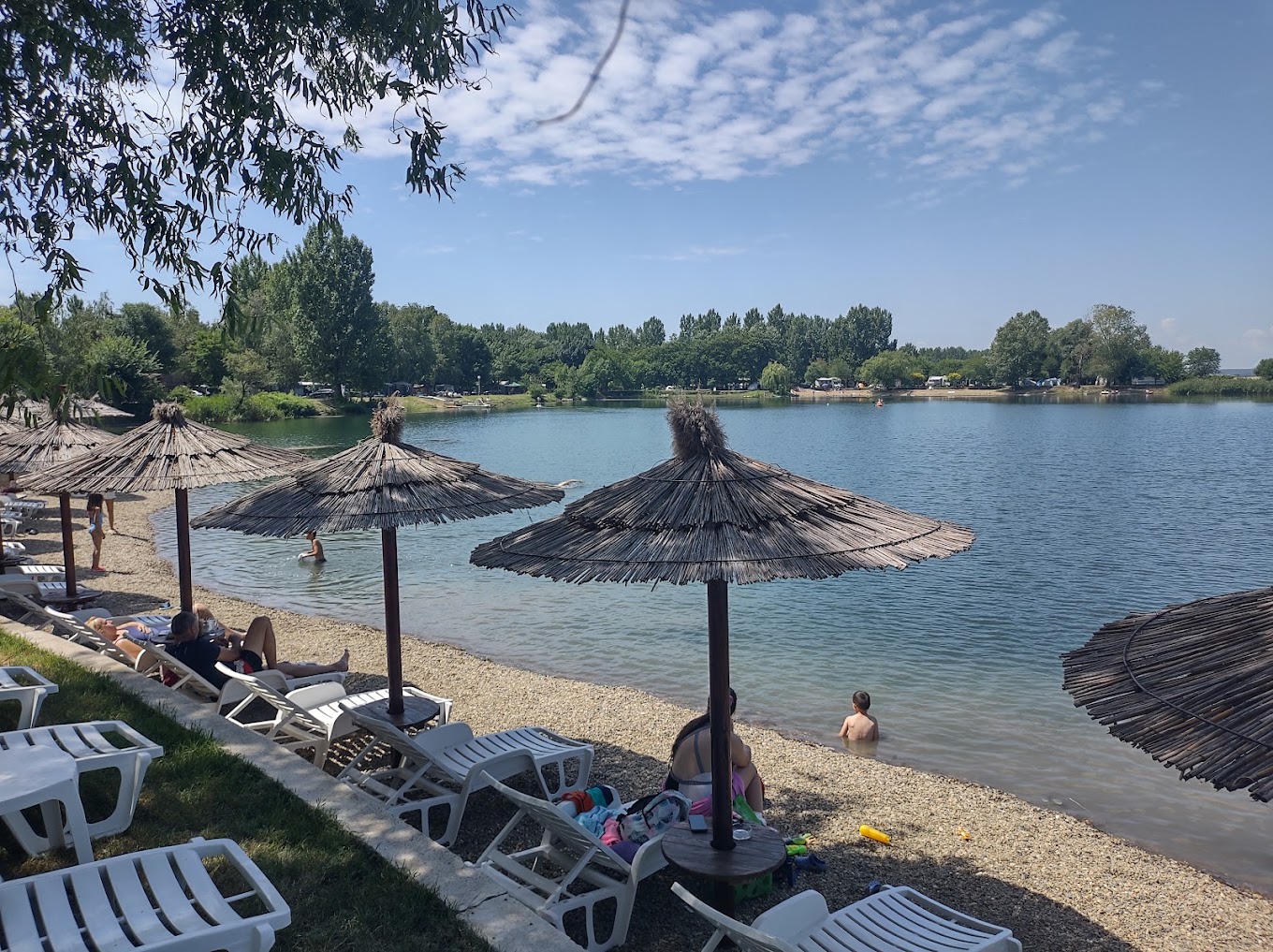
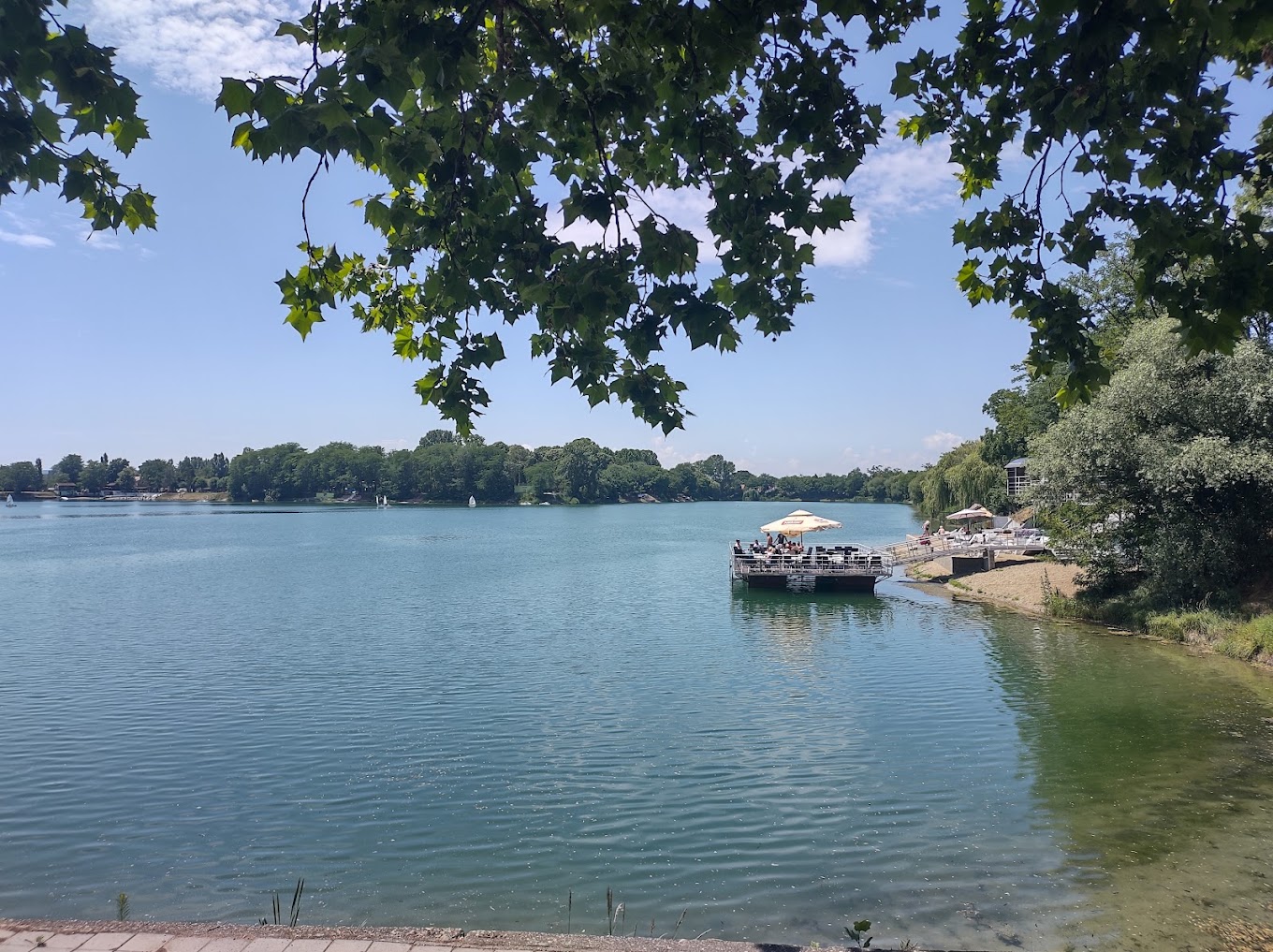
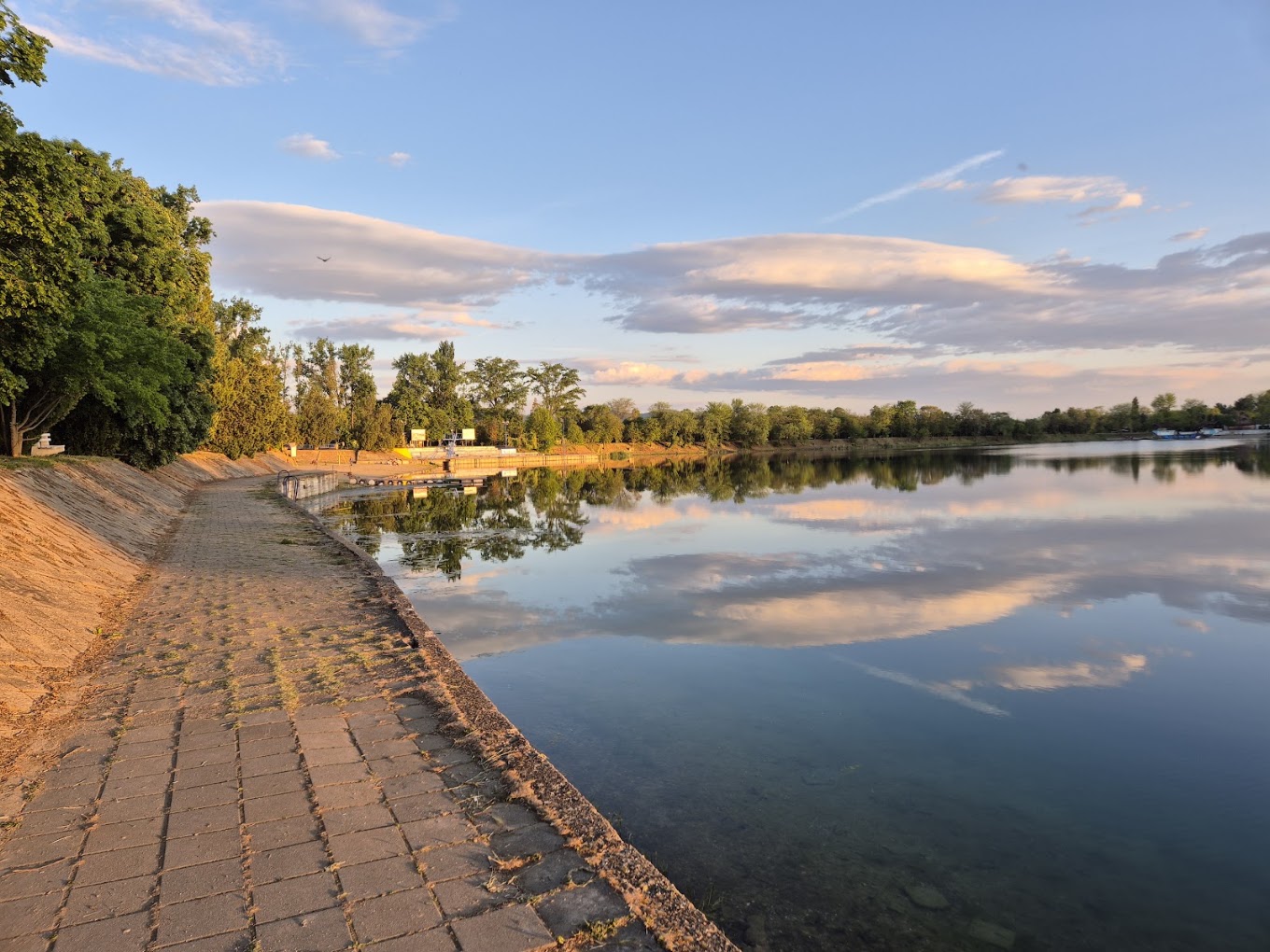
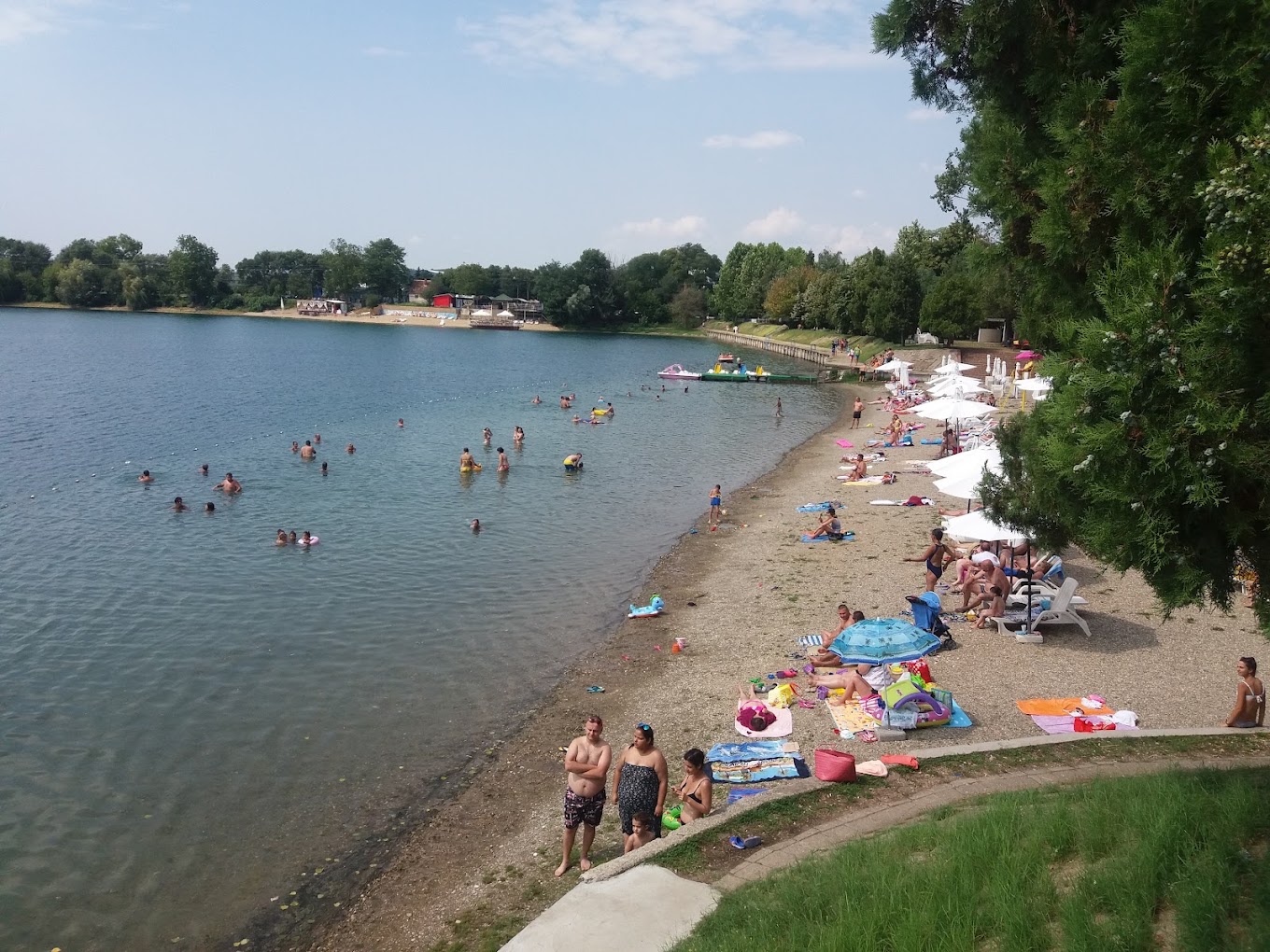
Located right near the town, Bela Crkva Lakes are one of the most famous swimming and recreational highlights of southern Banat, often referred to as the "pearls of Vojvodina". The complex consists of the Main Lake, Vračevgaj Lake, Šljunkara, Šaransko Lake, and several smaller artificial lakes formed by gravel extraction, renowned for their clear emerald-green waters and well-maintained pebble beaches. The lakes feature extensive amenities, including restaurants, lakeside cafes, campsites, pedal boat rentals, and scenic walking trails. For touring cyclists, they offer an ideal destination to cool off with a swim, relax on the beach, and unwind surrounded by nature.

Contact and practical information

Address
Vojske Jugoslavije
Cafe Pizzeria Boss

Restaurant

Cafe Pizzeria Boss

Located in the very heart of Bela Crkva, Cafe Pizzerija Boss is a popular local spot for relaxed dining and socializing. Their menu features a great variety of freshly…

Restaurant

Cafe Pizzeria Boss

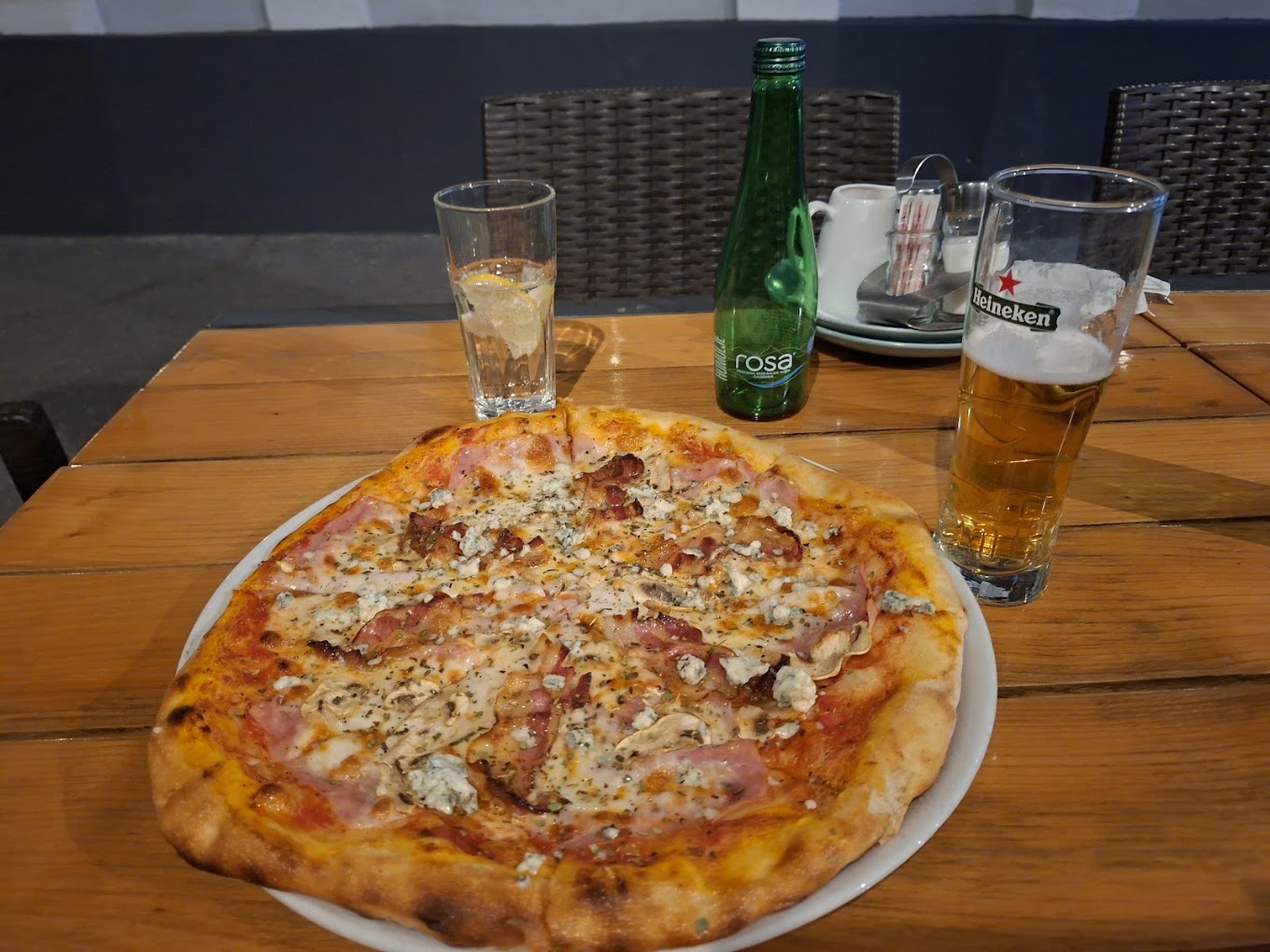
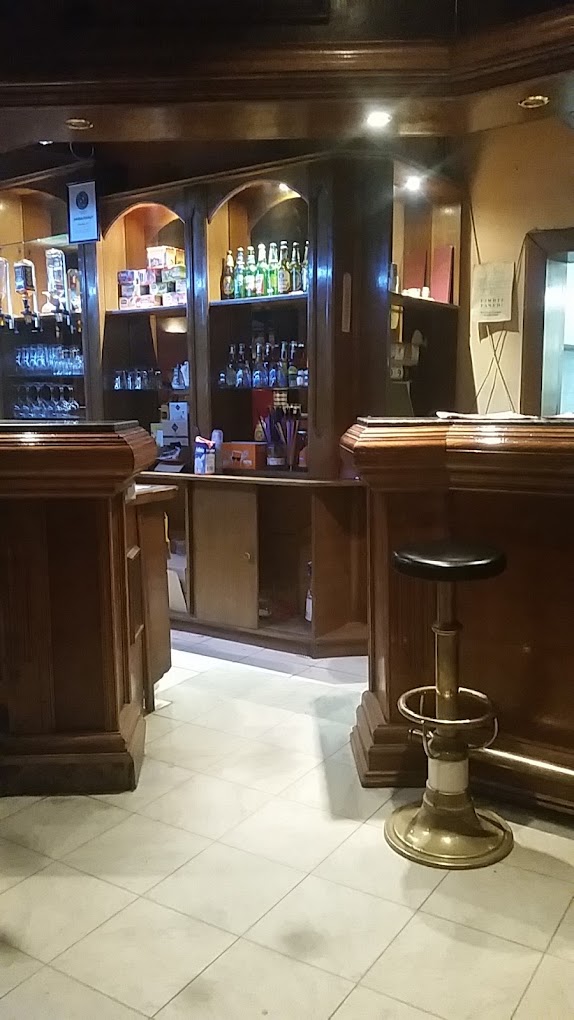
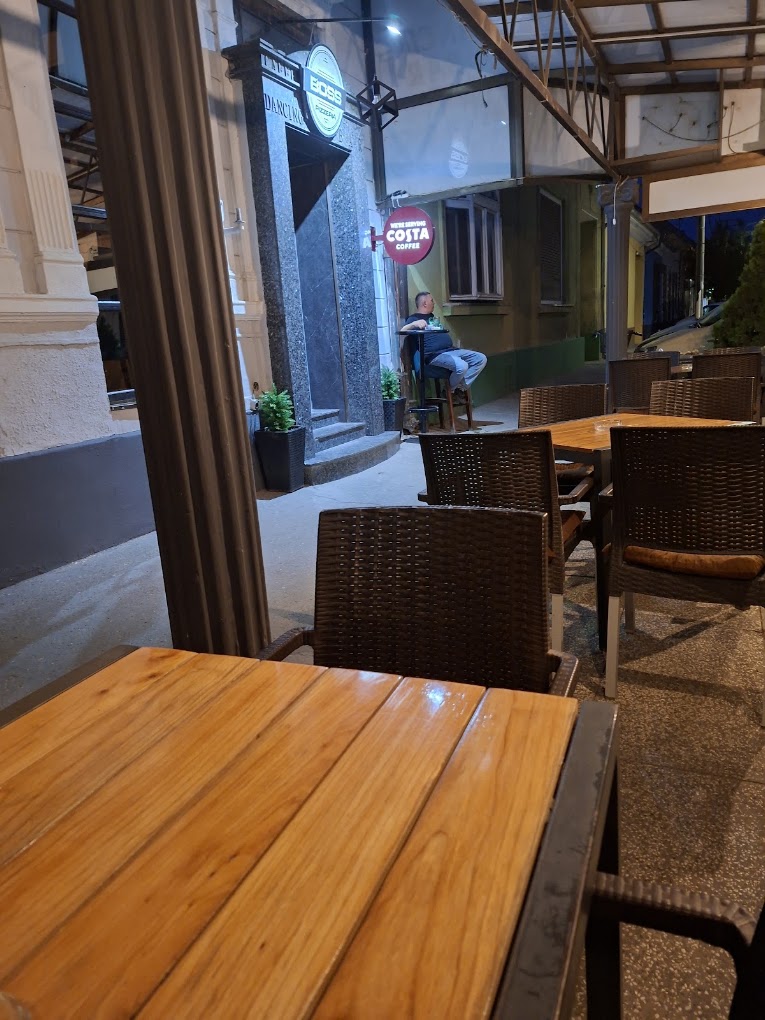
Located in the very heart of Bela Crkva, Cafe Pizzerija Boss is a popular local spot for relaxed dining and socializing. Their menu features a great variety of freshly baked pizzas, generous sandwiches, pasta dishes, and desserts, along with a broad selection of coffees and cold beverages. Boasting a cozy interior and a spacious outdoor terrace, it serves as a convenient and comfortable rest stop for cyclists exploring the town or visiting the nearby Bela Crkva Lakes.

Contact and practical information

Address
Karađorđeva 12
National Museum of Bela Crkva

Museum

National Museum of Bela Crkva

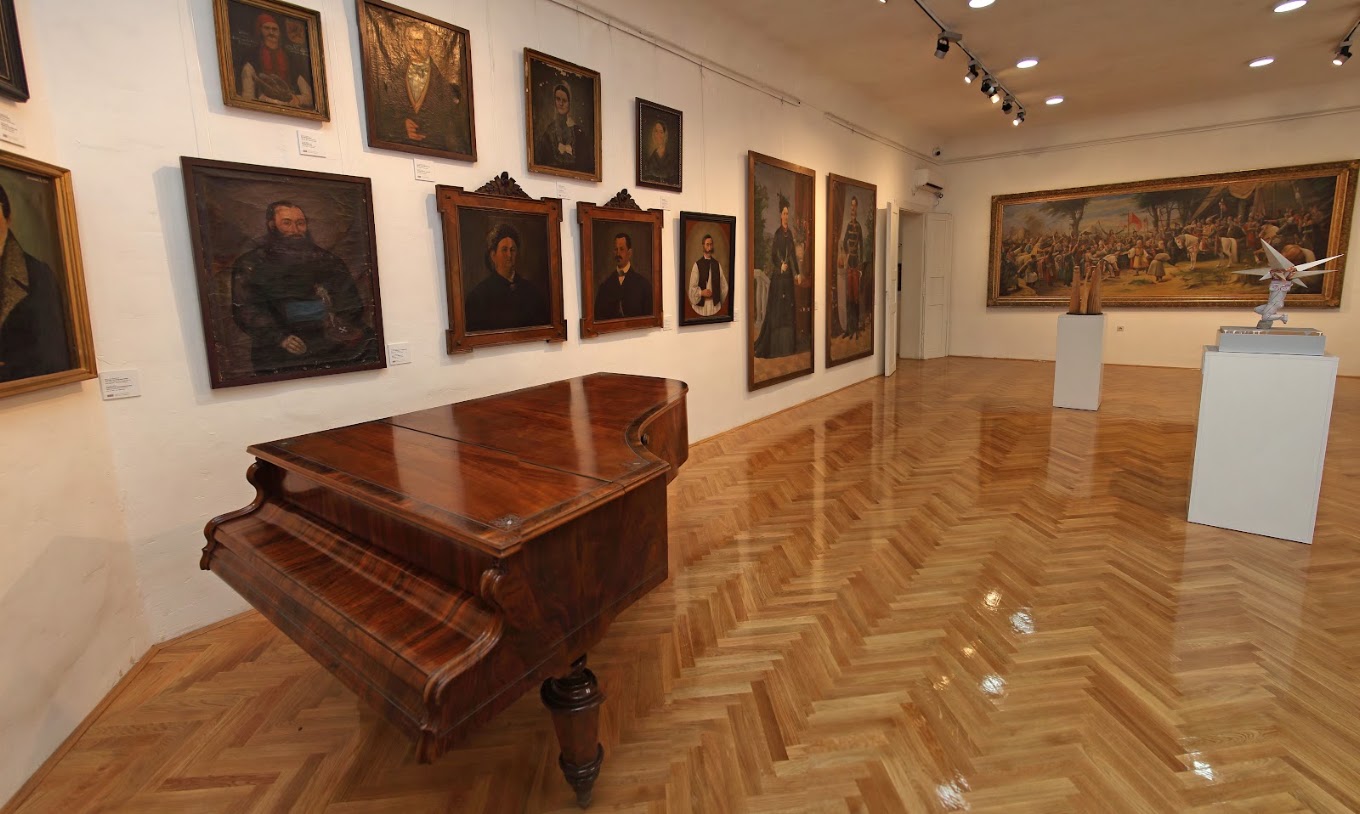
Located in the town center, the National Museum of Bela Crkva was established in 1877, making it the oldest museum in the Vojvodina region. Housed in a historic…
Museum

National Museum of Bela Crkva

Located in the town center, the National Museum of Bela Crkva was established in 1877, making it the oldest museum in the Vojvodina region. Housed in a historic building, it preserves rich archaeological, historical, ethnological, and fine art collections that document the vibrant history and multicultural heritage of the area. Highlights include Bronze and Iron Age artifacts, historical items from the Military Frontier period, and works by notable regional painters. It offers touring cyclists an engaging cultural stop to learn about the deep history of this southern Banat town.

Contact and practical information

Apollo Bike

Bike Shop

Apollo Bike

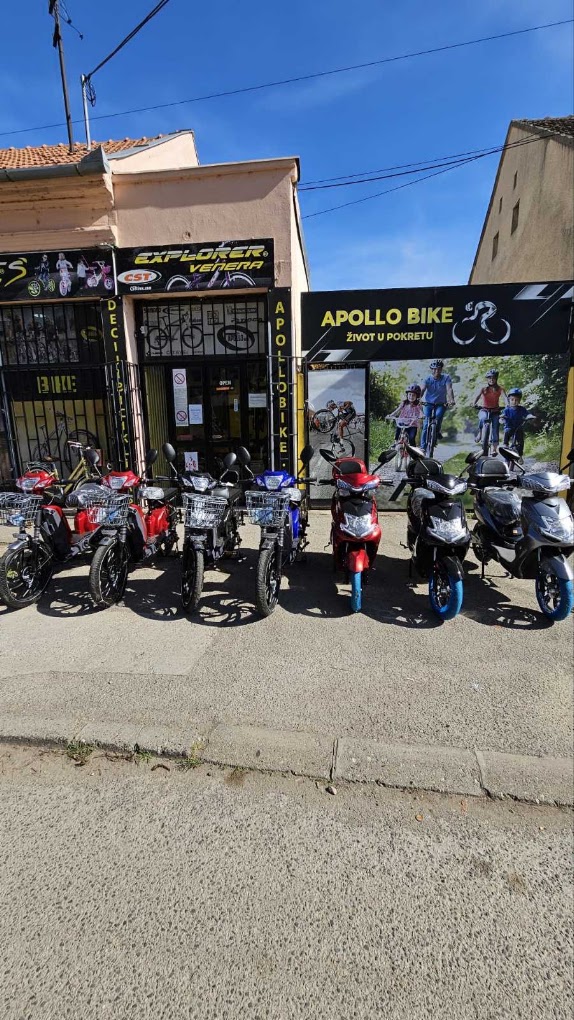
Apollo Bike is a specialized bicycle shop and authorized service center located in Kikinda, offering comprehensive support for all cycling enthusiasts. Focused on…

Bike Shop

Apollo Bike

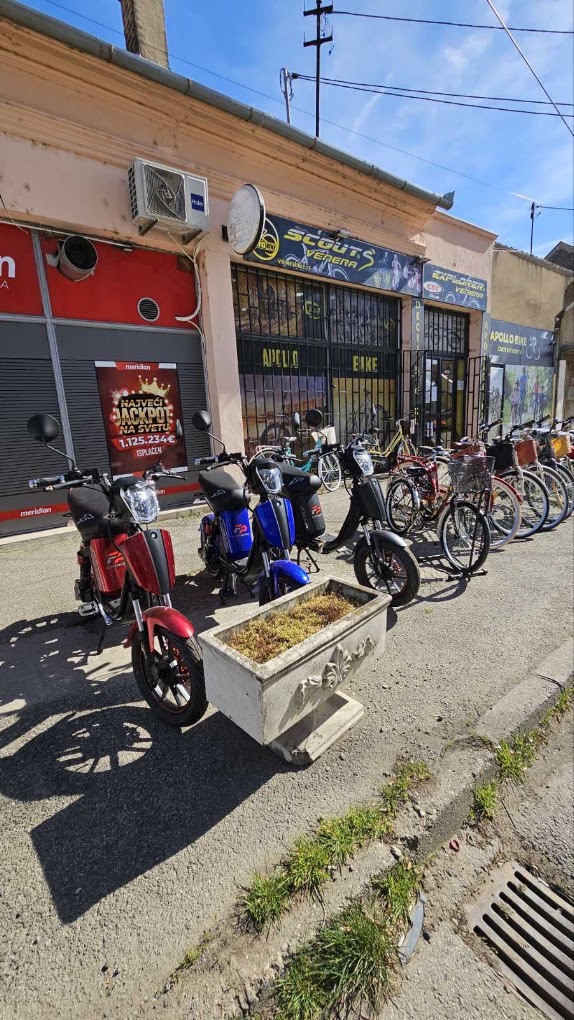
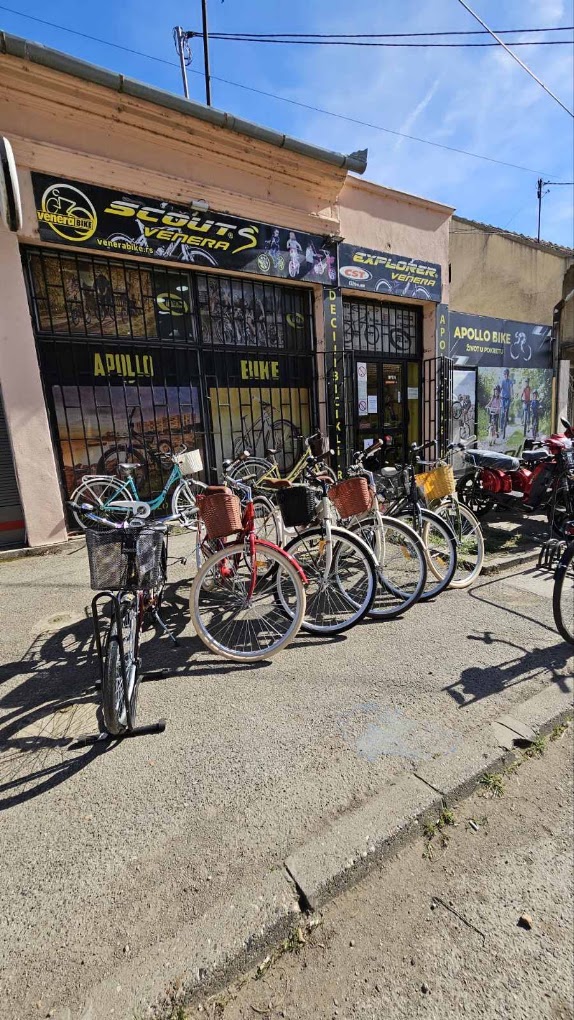
Apollo Bike is a specialized bicycle shop and authorized service center located in Kikinda, offering comprehensive support for all cycling enthusiasts. Focused on quality road, city, mountain, and electric bikes, the shop stocks an extensive range of spare parts, accessories, and riding gear. Beyond sales, Apollo Bike is renowned for its professional workshop and technical service—handling everything from quick roadside repairs and component replacements to full tune-ups. For cyclists touring through Kikinda, it serves as an essential pit stop for gear, repairs, or expert mechanical advice.

Contact and practical information

Address
Jovana Jovanovića Zmaja br. 1
Fish Restaurant "Dunavski cvet"

Restaurant

Fish Restaurant "Dunavski cvet"

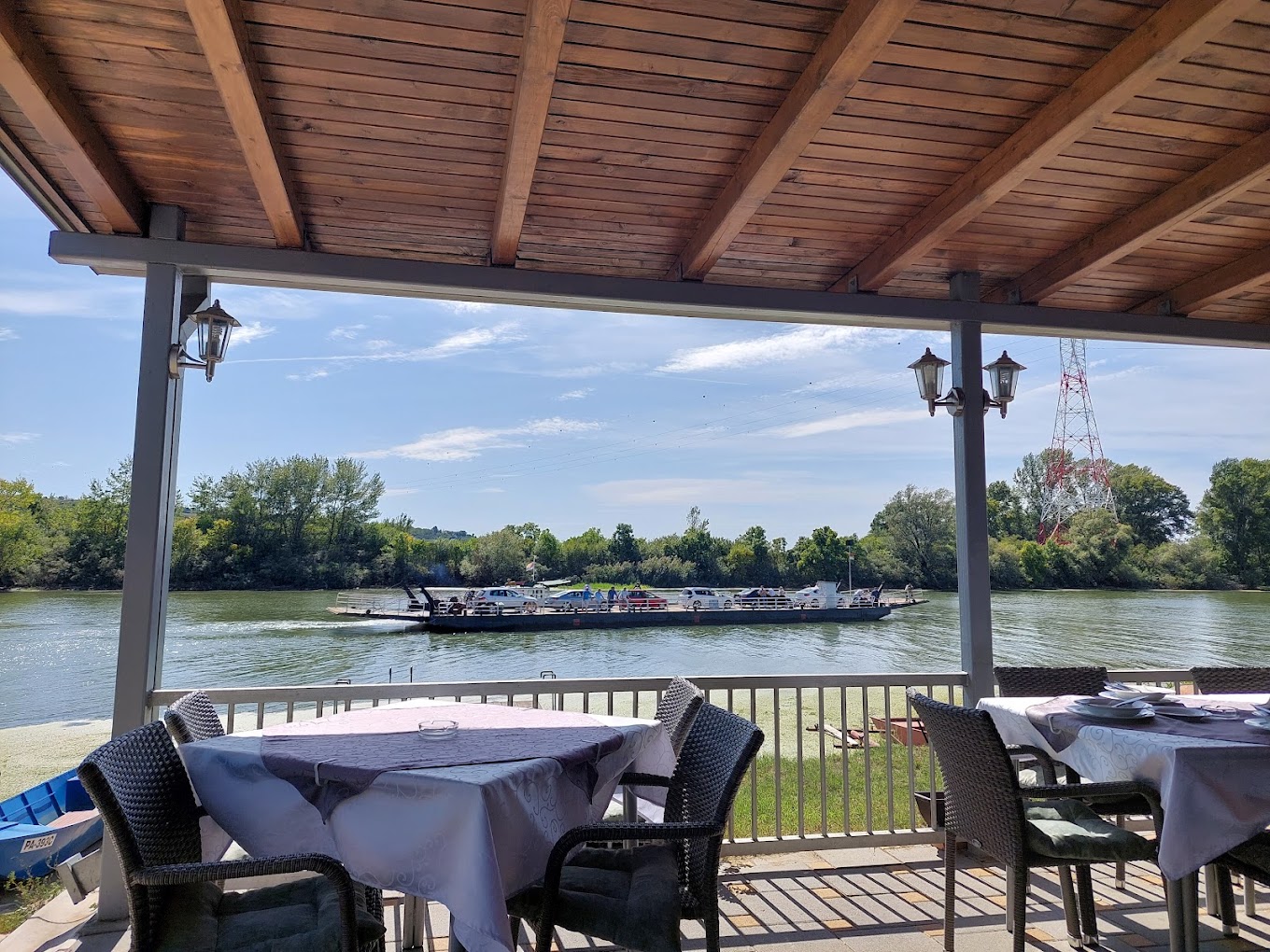
Located in Stara Palanka, right at the confluence of the DTD Canal, the Nera River, and the Danube, Fish Restaurant "Dunavski cvet" is a renowned culinary stop famous…

Restaurant

Fish Restaurant "Dunavski cvet"

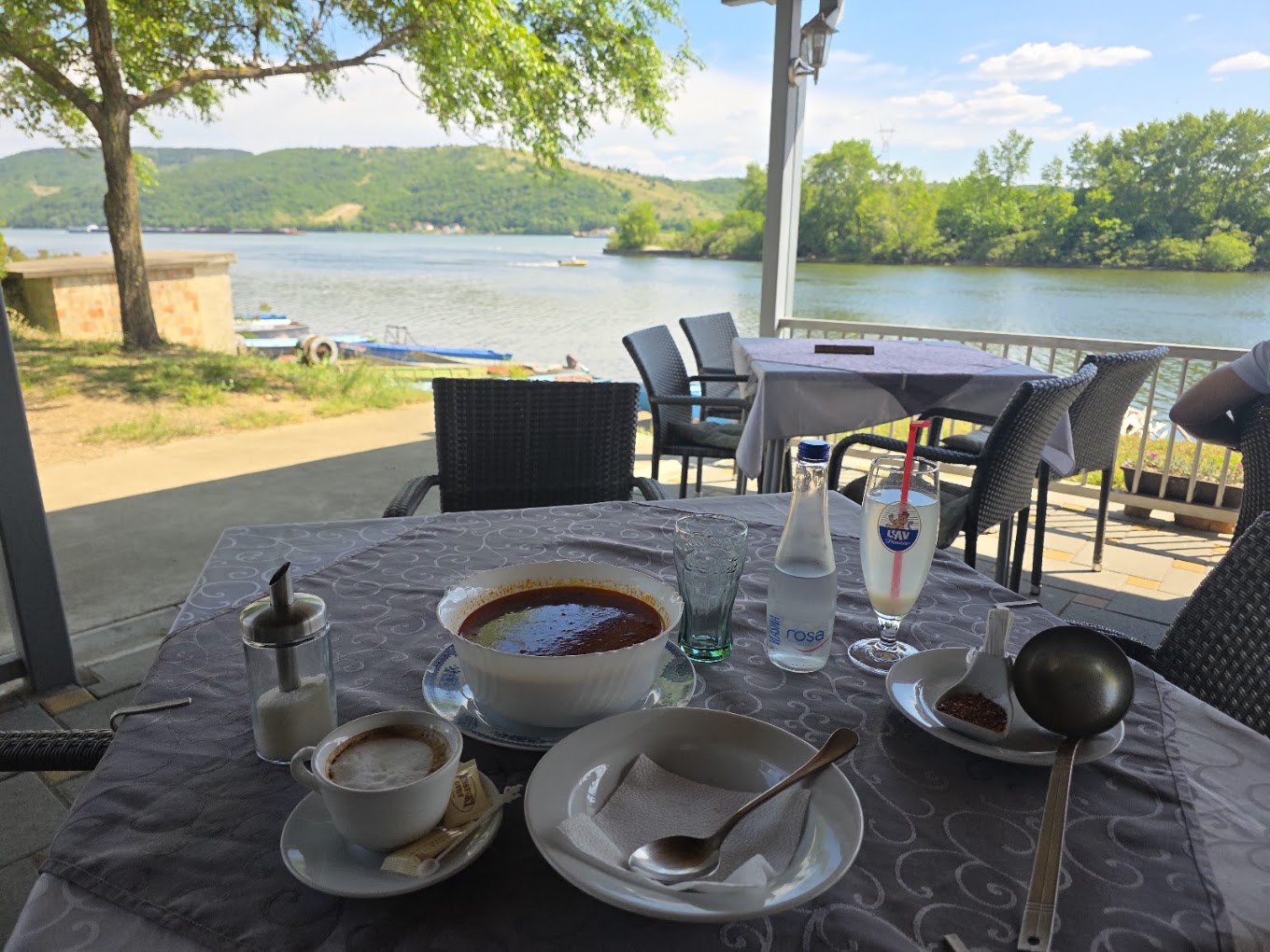
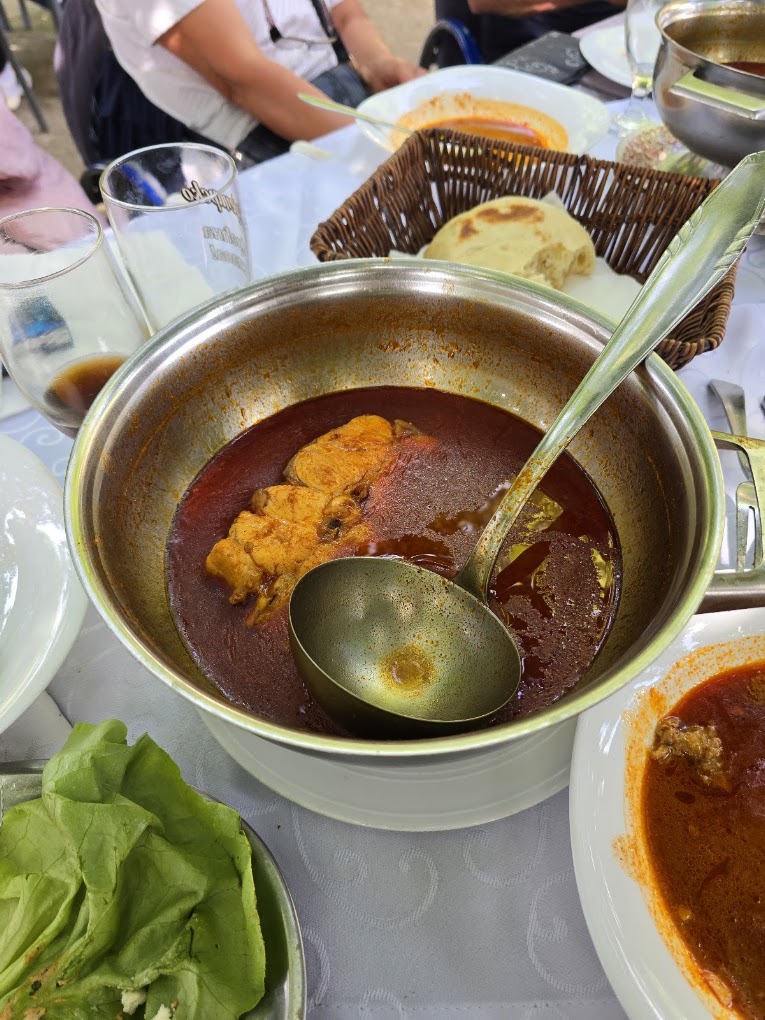
Located in Stara Palanka, right at the confluence of the DTD Canal, the Nera River, and the Danube, Fish Restaurant "Dunavski cvet" is a renowned culinary stop famous for its fresh freshwater fish specialties. The restaurant is celebrated for its traditional fish soup, zander, catfish, carp, and mixed fish platters, served in a warm, welcoming environment. Featuring a spacious outdoor terrace with direct views of the wide Danube and the ferry connecting Banat to Ram, it provides cyclists with a perfect riverside spot for a relaxing and hearty meal.

Contact and practical information

Address
Dunavska 5
BUM 016

Restaurant

BUM 016

Located close to the center of Vršac, Bum 016 is a popular local fast-food and grill joint bringing authentic southern Serbian charcoal-grilled flavors to southern…

Restaurant

BUM 016

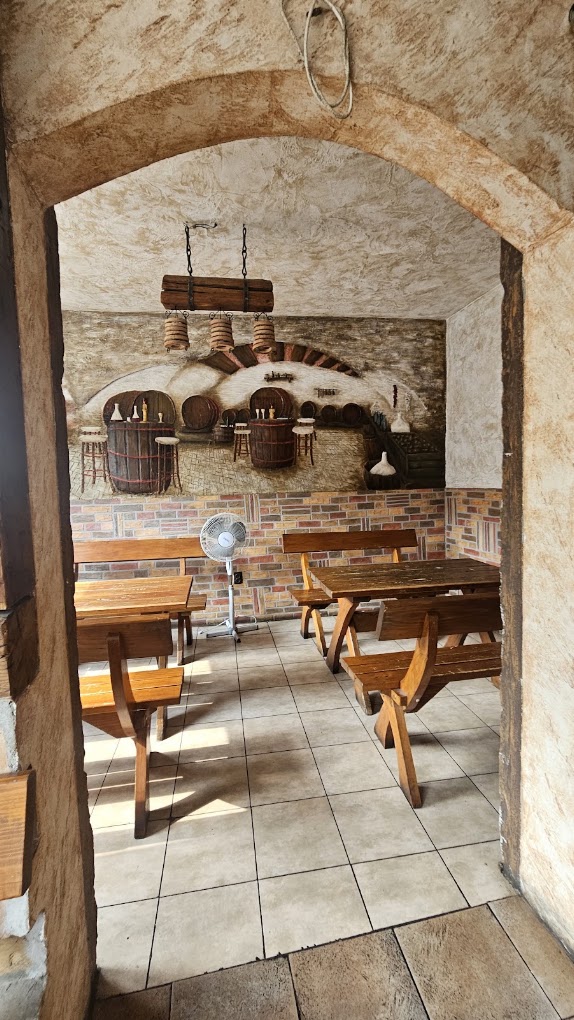
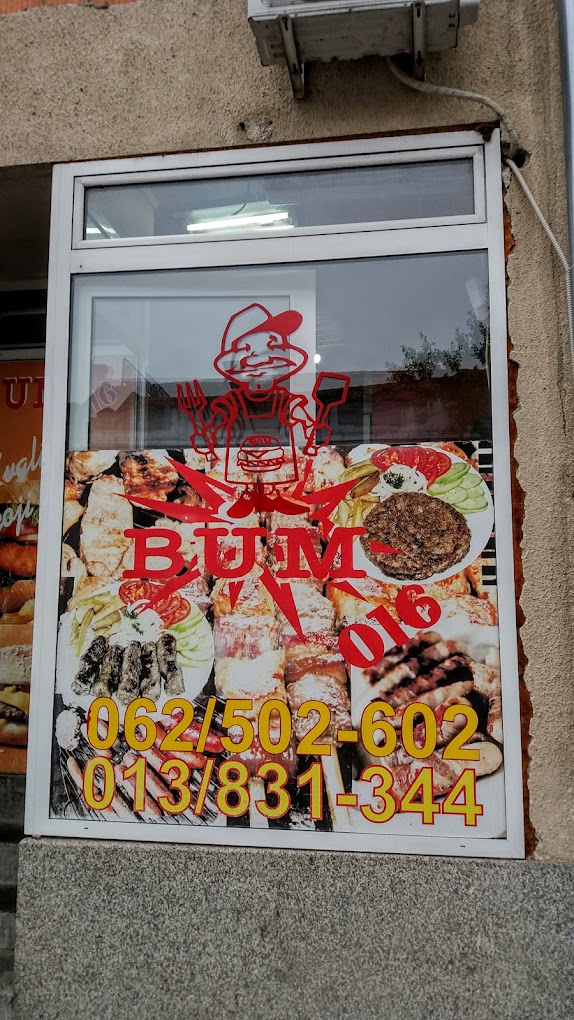
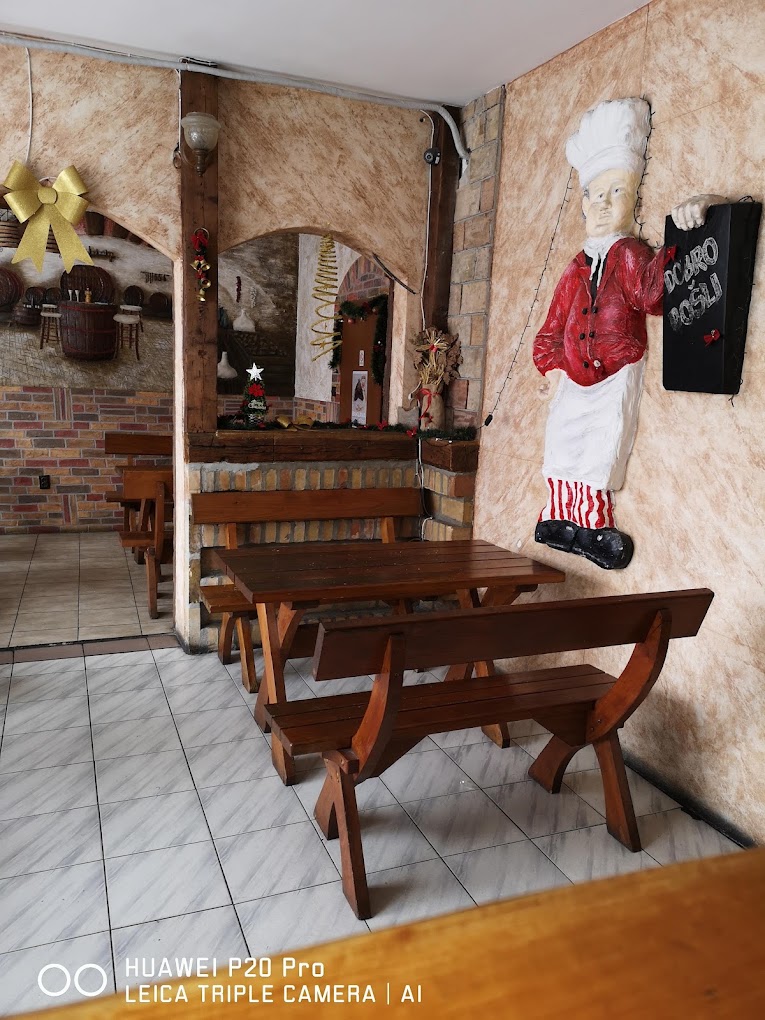
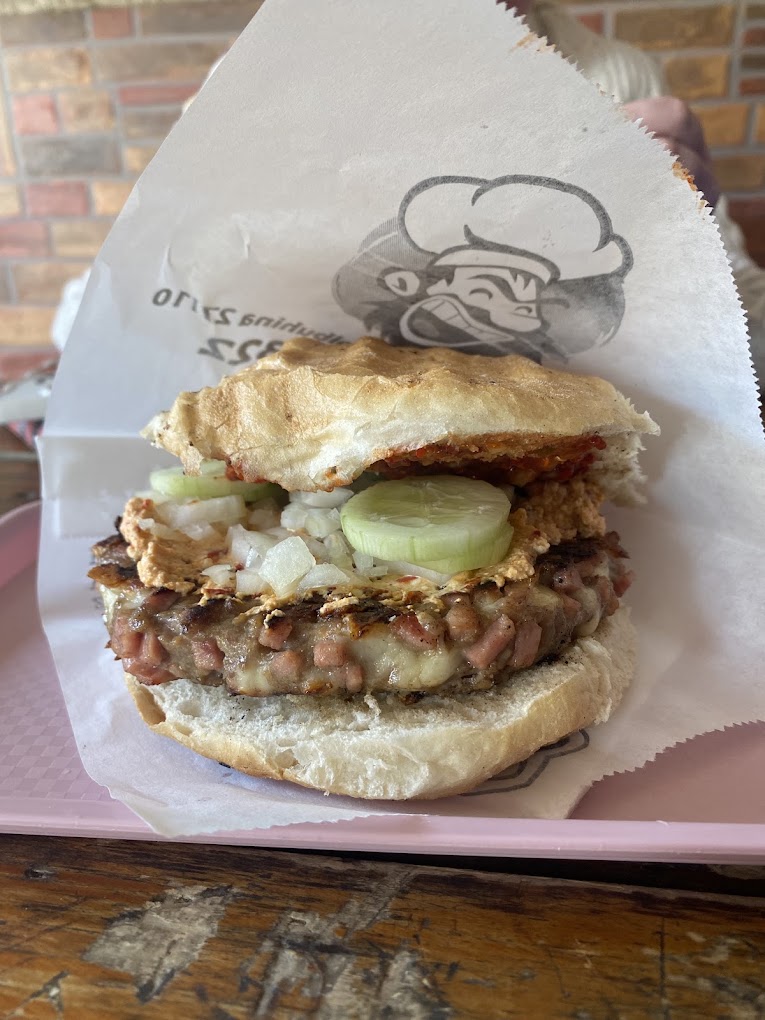
Located close to the center of Vršac, Bum 016 is a popular local fast-food and grill joint bringing authentic southern Serbian charcoal-grilled flavors to southern Banat. Their menu features a wide selection of freshly prepared grilled specialties, including stuffed burgers, gourmet ćevapi, pork tenderloin, grilled chicken rolls, and custom sandwiches. Known for generous portions, quick service, and budget-friendly prices, it serves as a highly convenient pit stop for cyclists looking to refuel efficiently during their ride.

Contact and practical information

Address
Žarka Zrenjanina 5
Etno kuća Dinar

Restaurant

Etno kuća Dinar

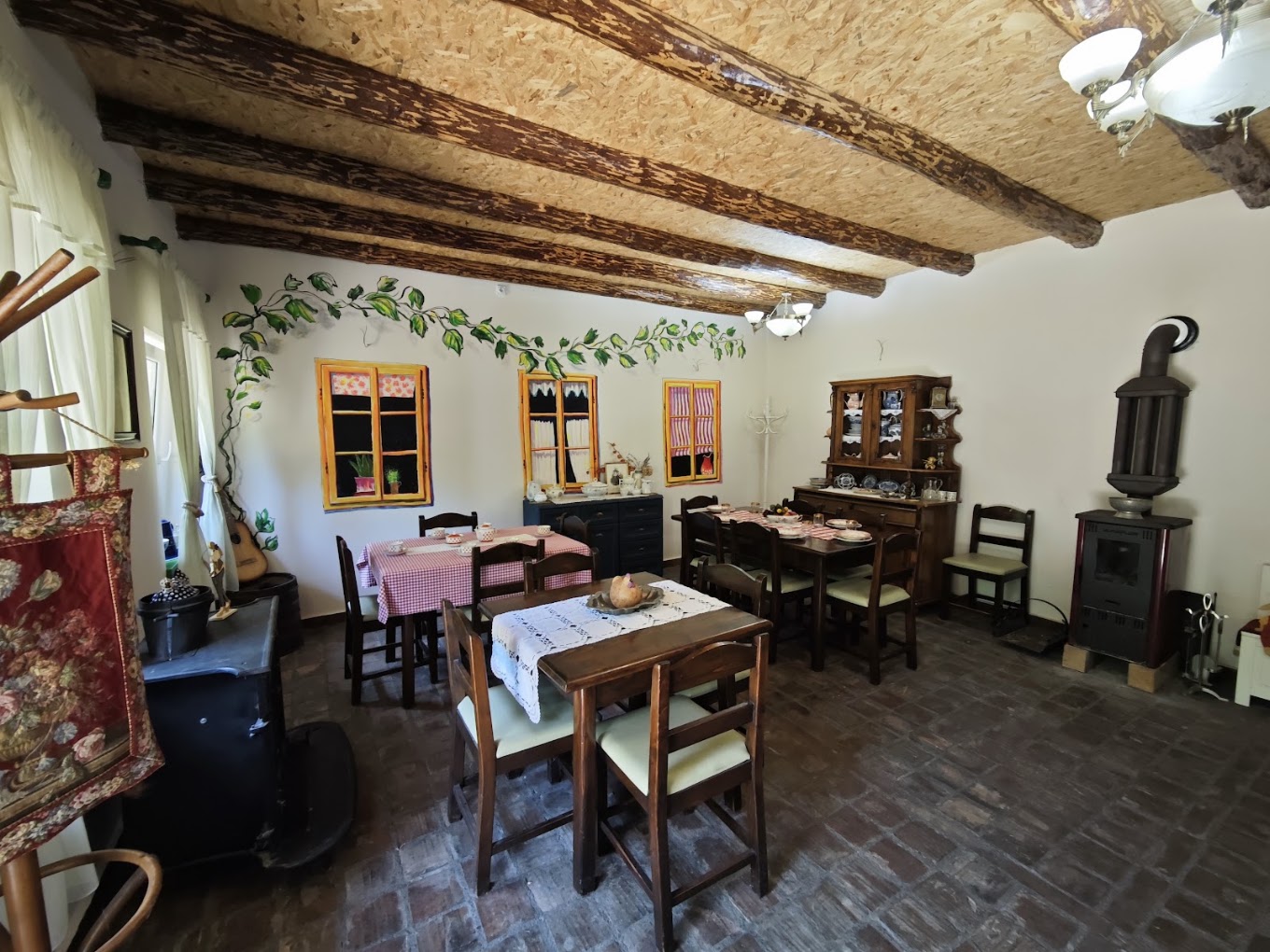
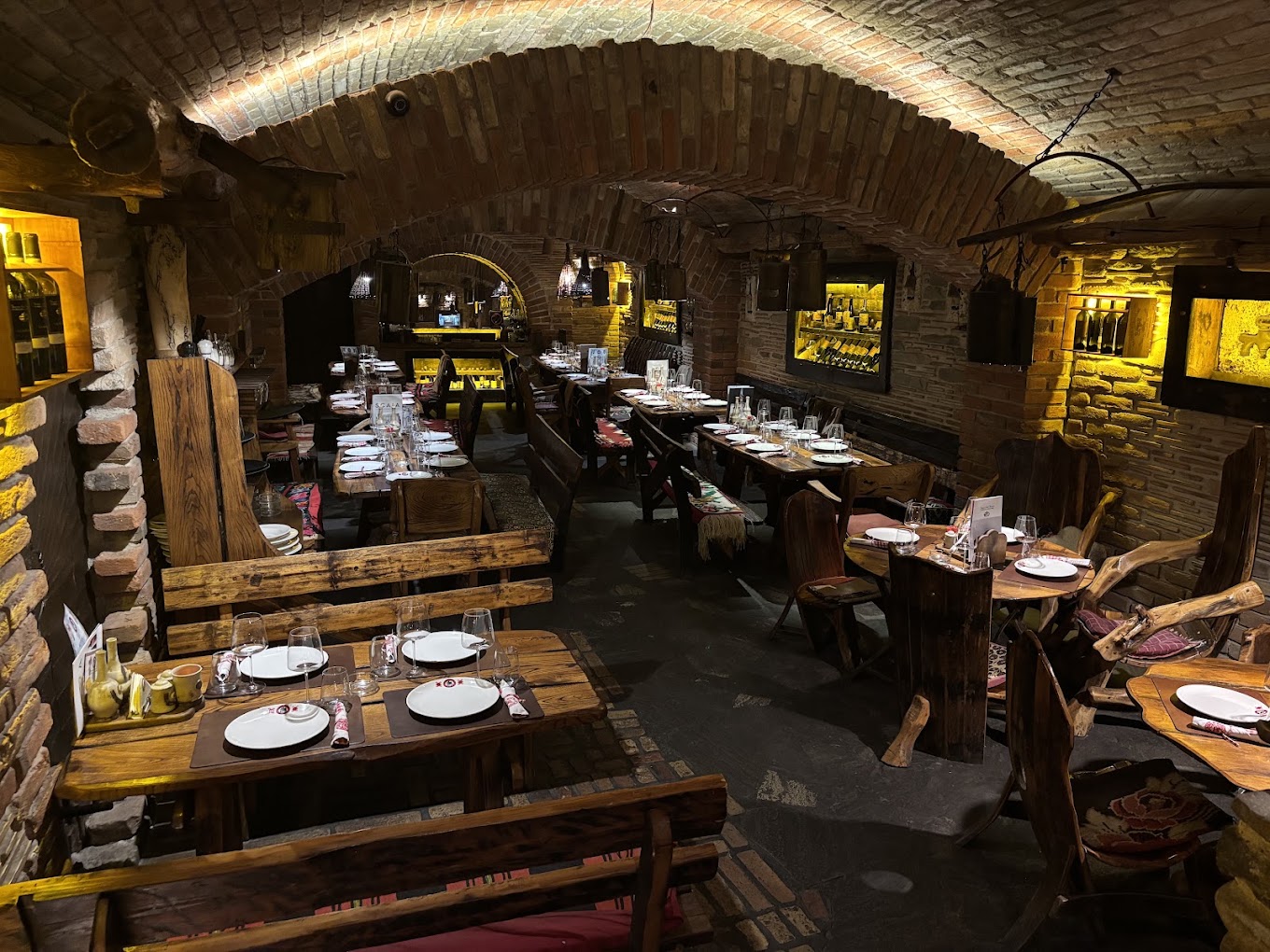
Nestled at the foot of Vršac Hill, Etno kuća Dinar is an iconic restaurant and authentic ethnographic haven preserving the traditional spirit of Banat. The interior is…

Restaurant

Etno kuća Dinar

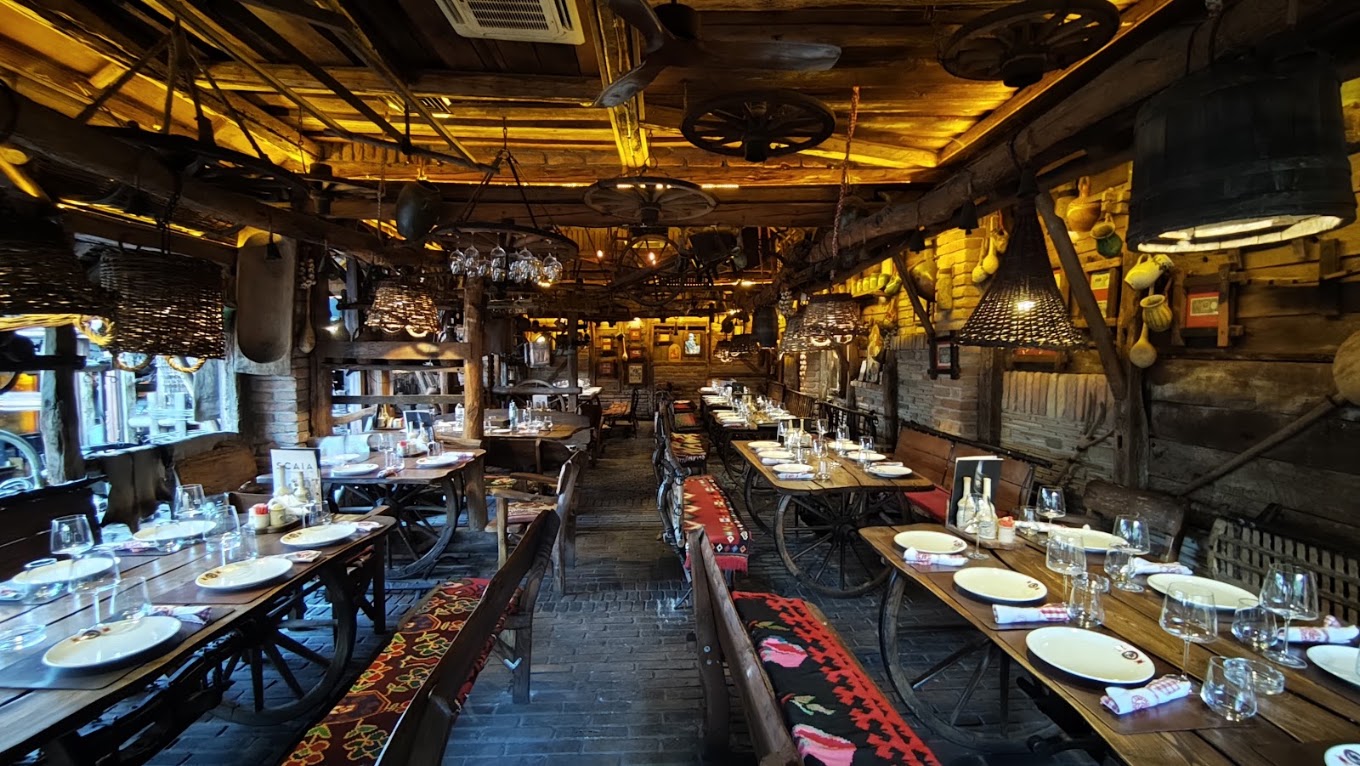
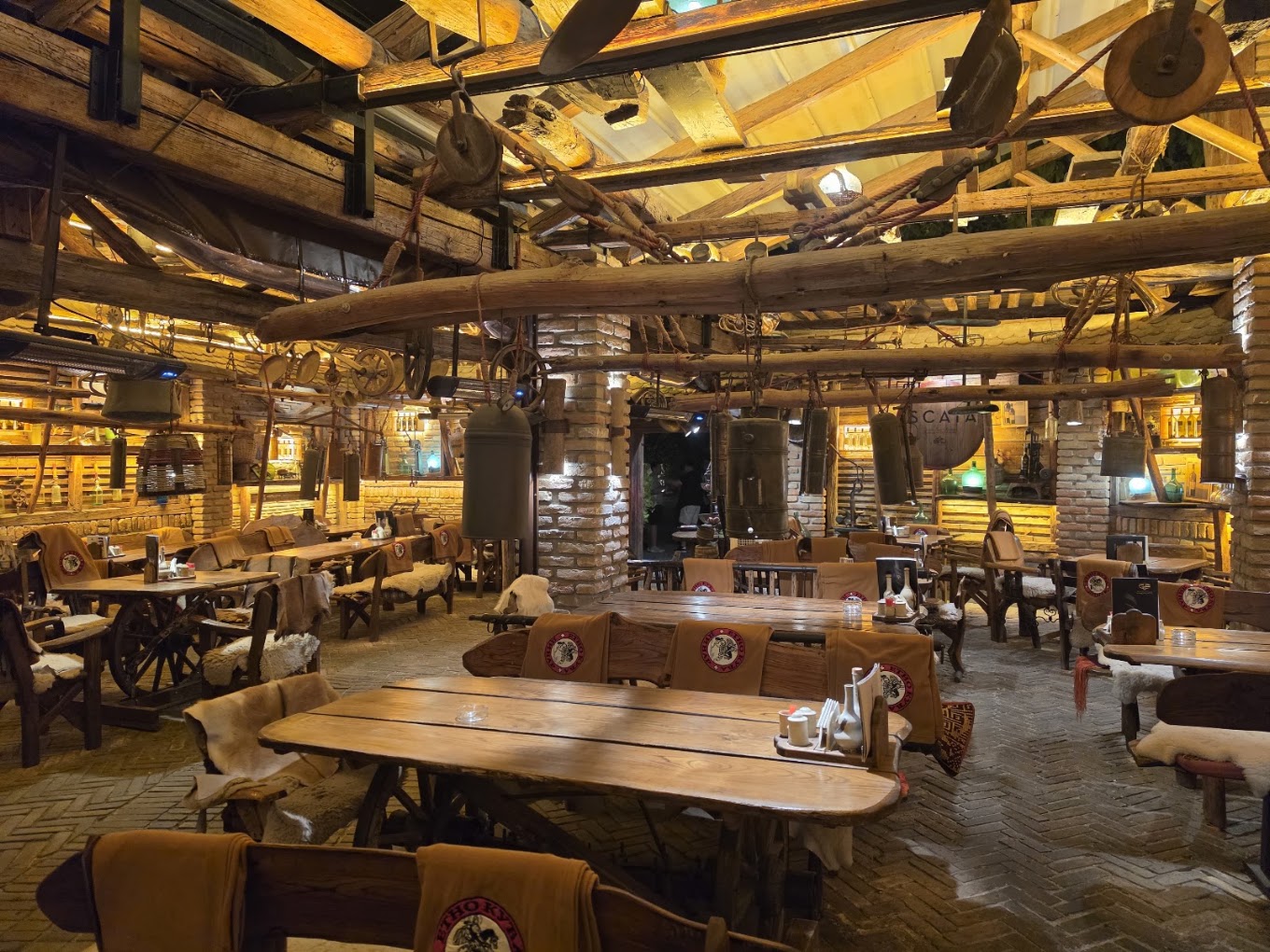
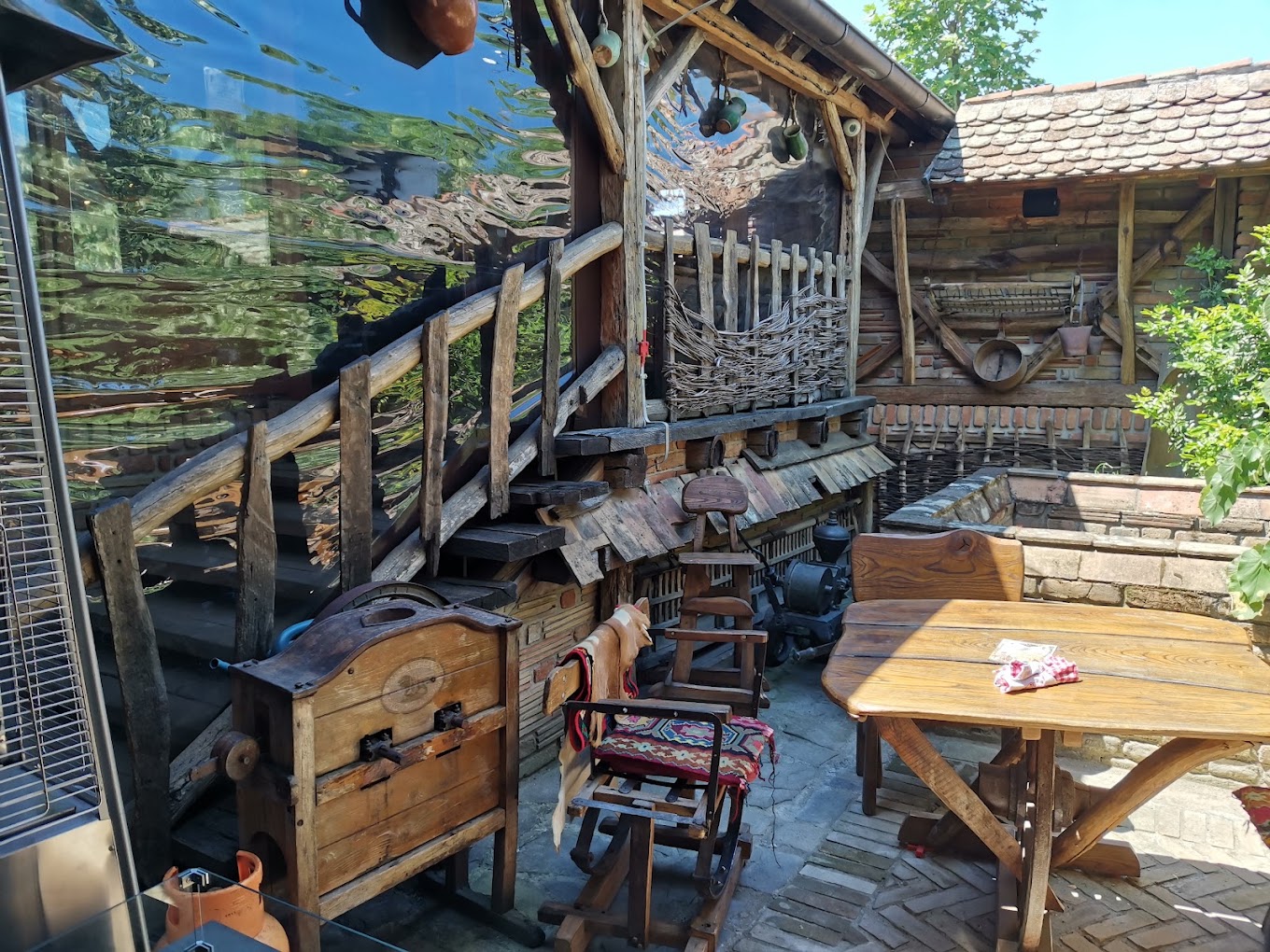
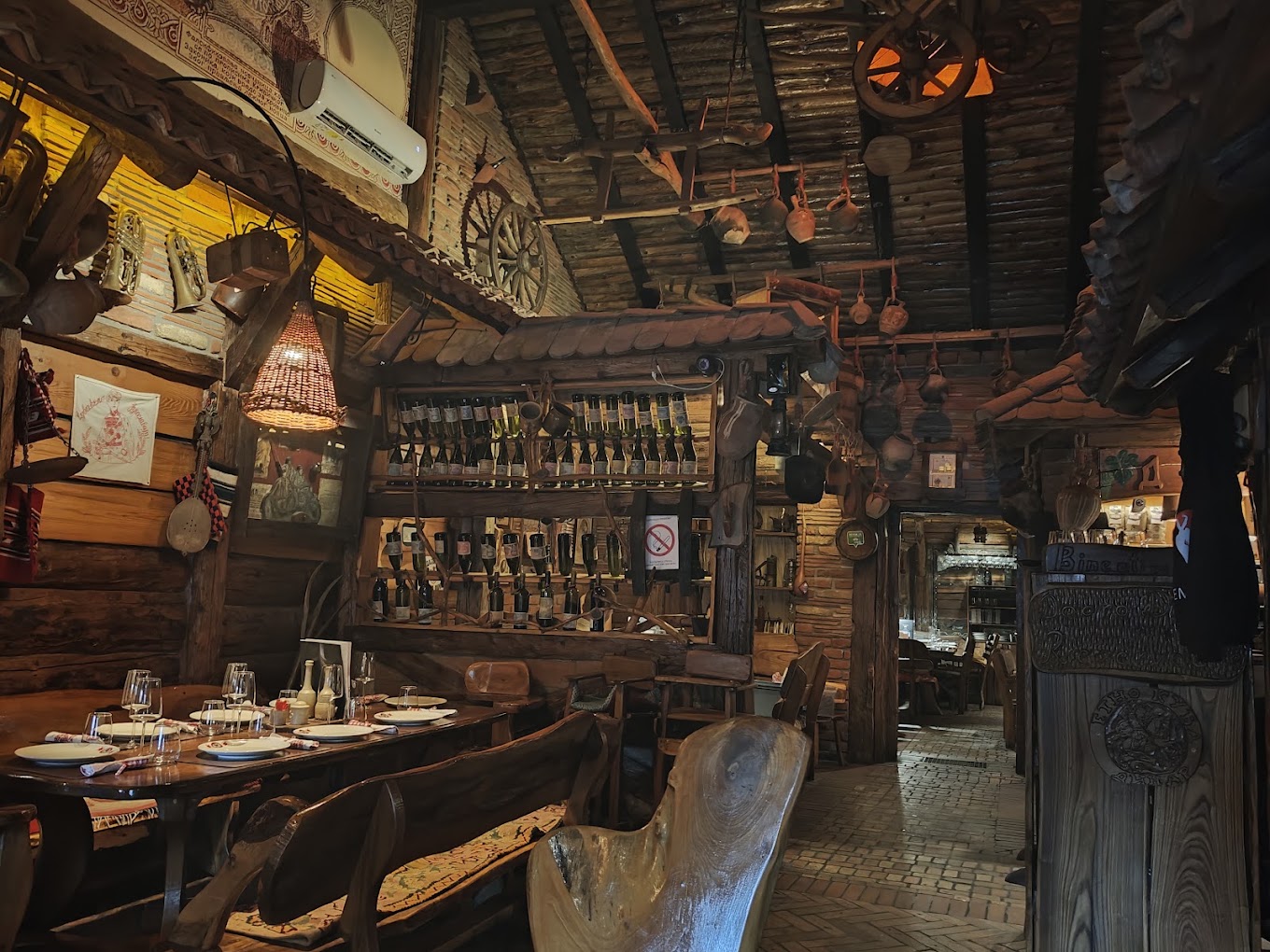
Nestled at the foot of Vršac Hill, Etno kuća Dinar is an iconic restaurant and authentic ethnographic haven preserving the traditional spirit of Banat. The interior is stylized like an old-world village estate, filled with rustic wooden furniture, antiques, and historic artifacts. Their menu focuses on traditional Serbian specialties, slow-cooked meats under a clay bell (sač), freshly baked breads, and an extensive selection of fine local Vršac wines. With its spacious, tree-shaded garden and warm hospitality, it serves as an ideal haven for cyclists looking for an authentic gourmet meal and a relaxing rest stop.

Contact and practical information

Address
Dimitrija Tucovića 82
City Museum in Vršac

Museum

City Museum in Vršac

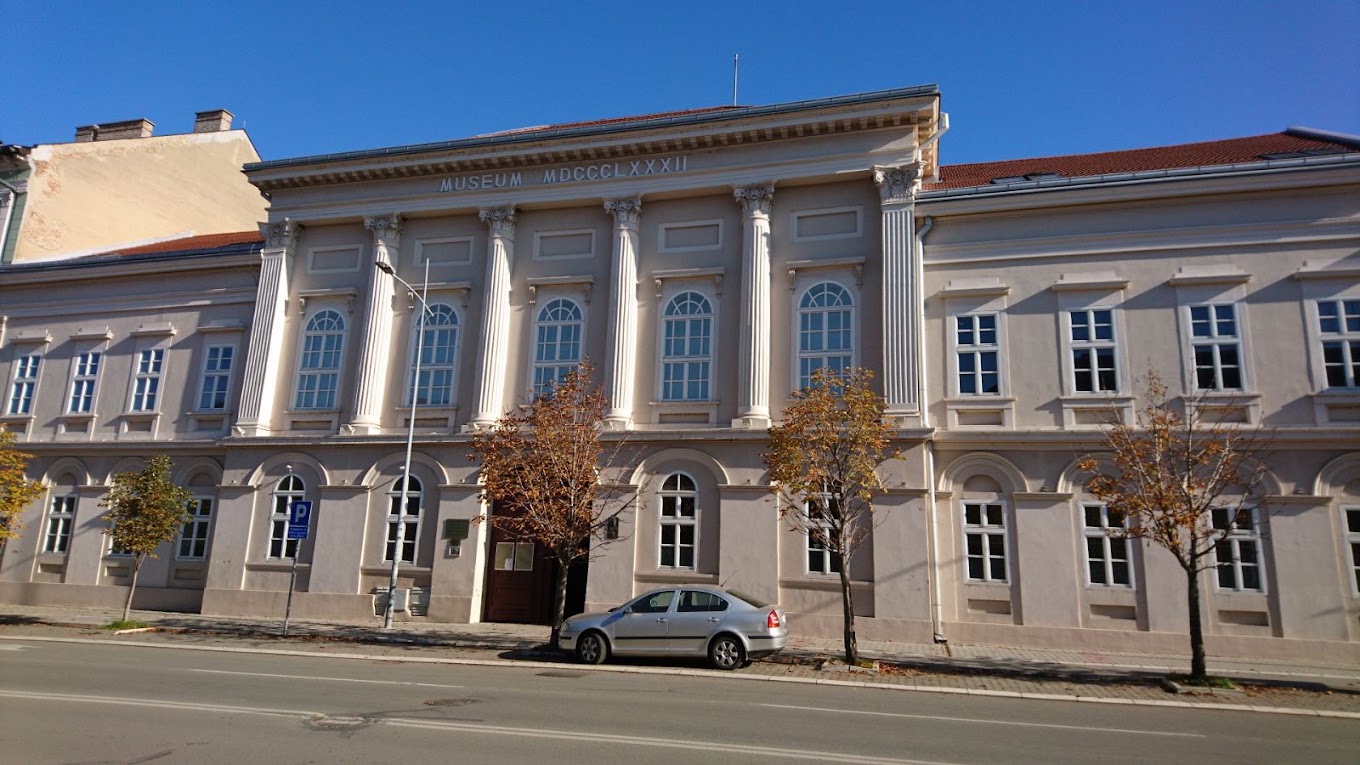
Housed in the magnificent "Konkordija" building in the city center, the City Museum in Vršac is one of the oldest and richest museums in Vojvodina, founded back in 1882.…

Museum

City Museum in Vršac

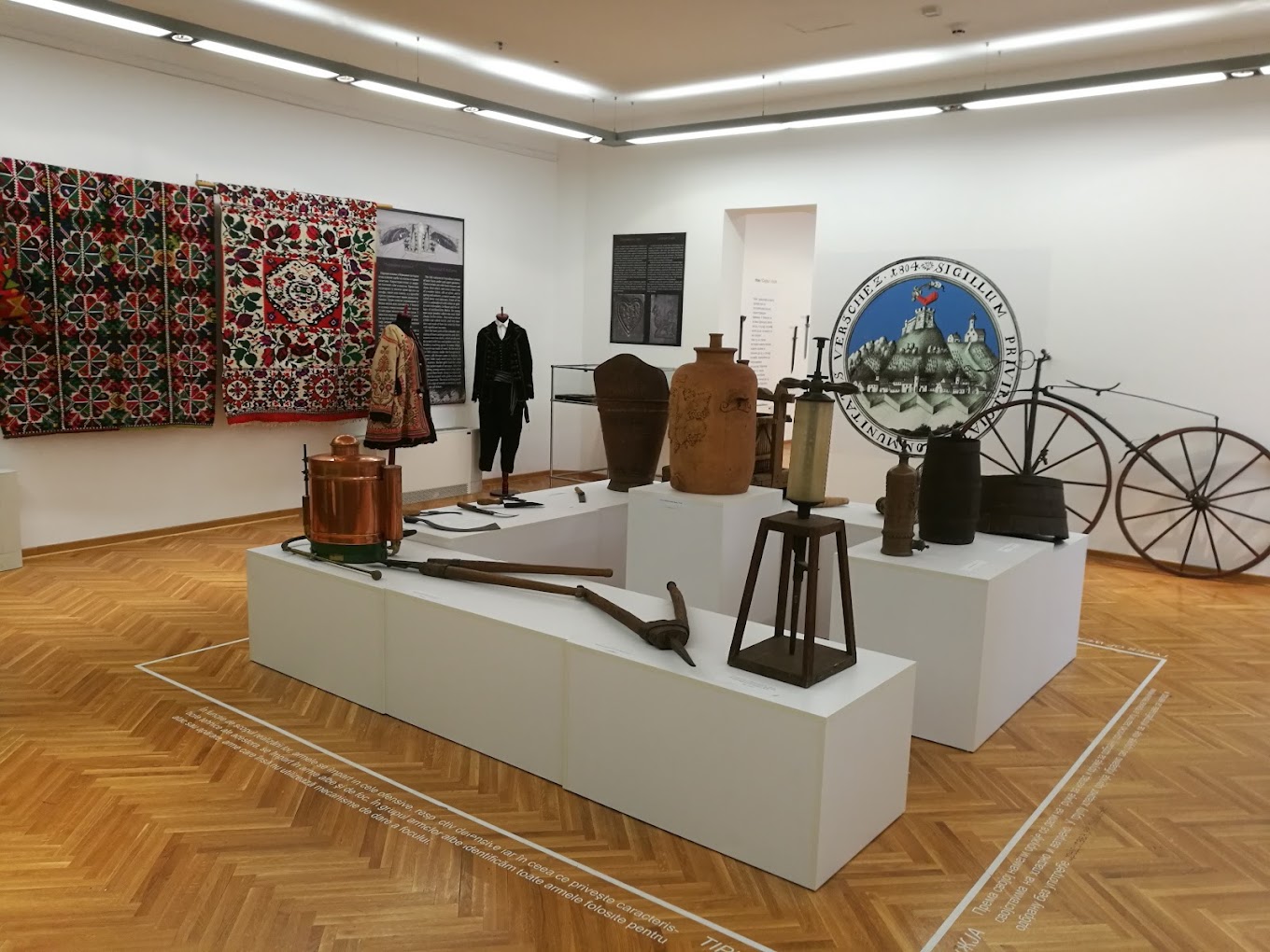
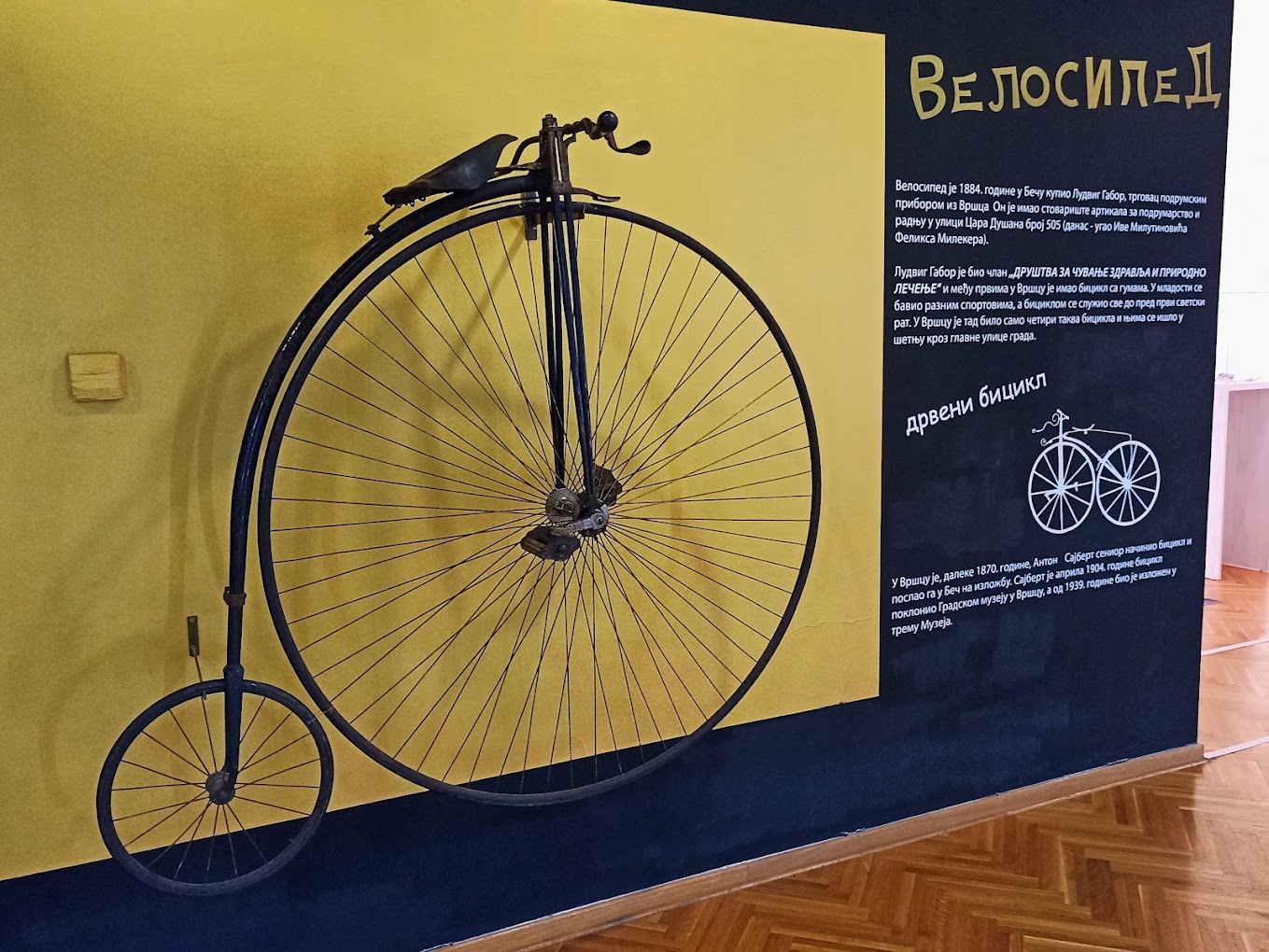
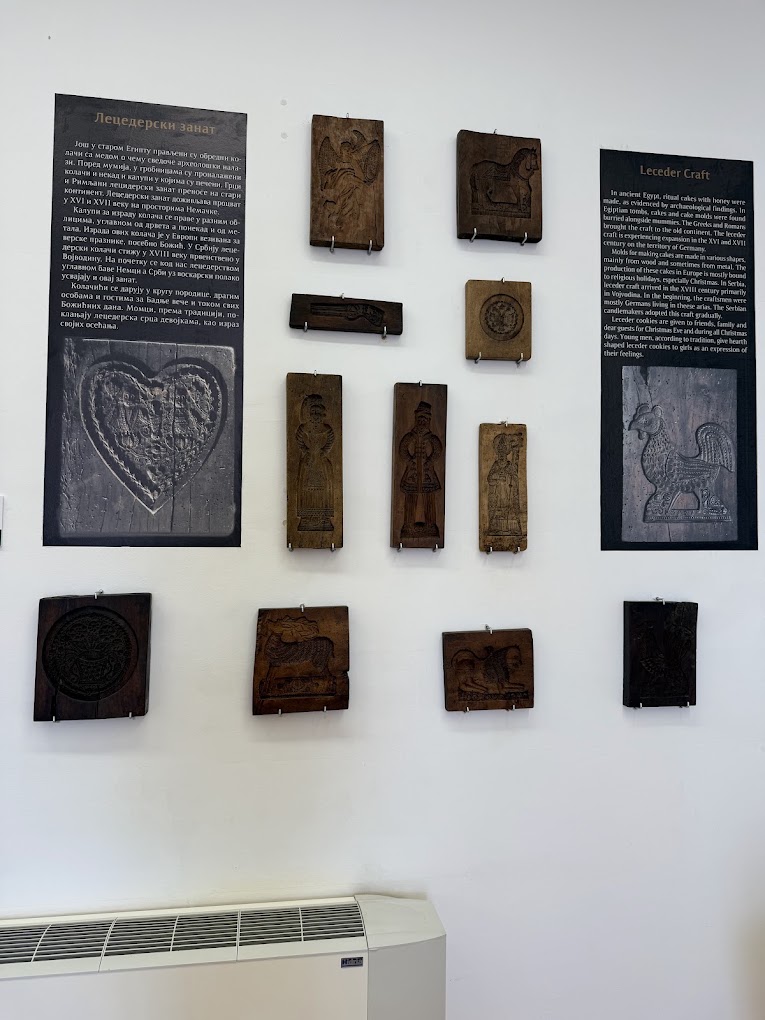
Housed in the magnificent "Konkordija" building in the city center, the City Museum in Vršac is one of the oldest and richest museums in Vojvodina, founded back in 1882. The museum preserves extraordinarily valuable archaeological, historical, artistic, and ethnological collections that chronicle life in southern Banat from prehistoric times to the modern era. Notable highlights include the famous Bronze Age "Vršac Chariot", an extensive numismatic collection, and works by renowned regional painters. With its impressive exhibition halls and deep narrative of local heritage, it offers cyclists an enriching cultural detour during their ride through Vršac.

Contact and practical information

Address
Bulevar Žarka Zrenjanina 20
Pizzeria Masters

Restaurant

Pizzeria Masters

Located close to the city center, Pizzeria Masters is a popular local spot well known for its delicious wood-fired pizzas, fresh ingredients, and a varied menu of pasta,…

Restaurant

Pizzeria Masters

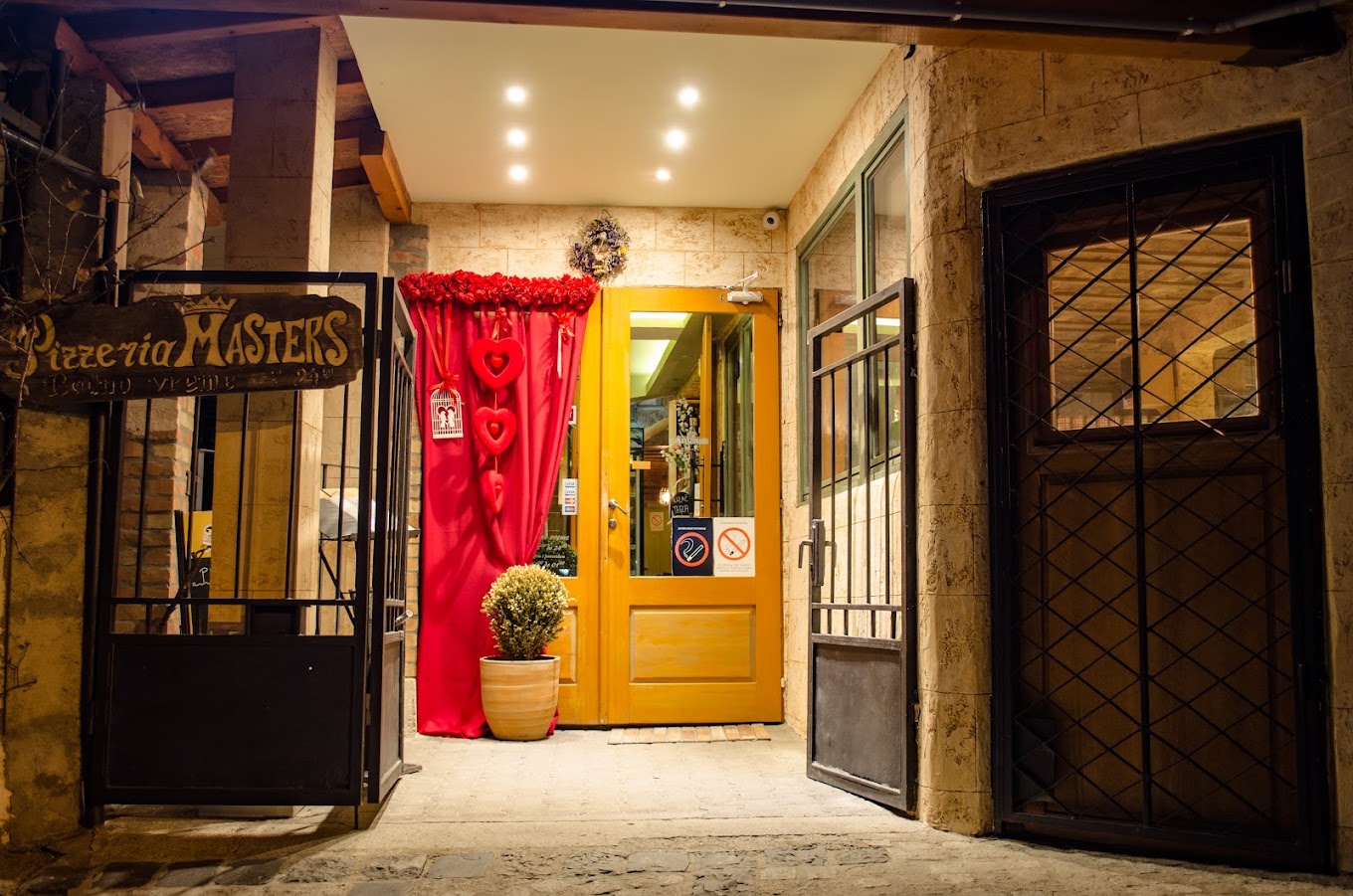
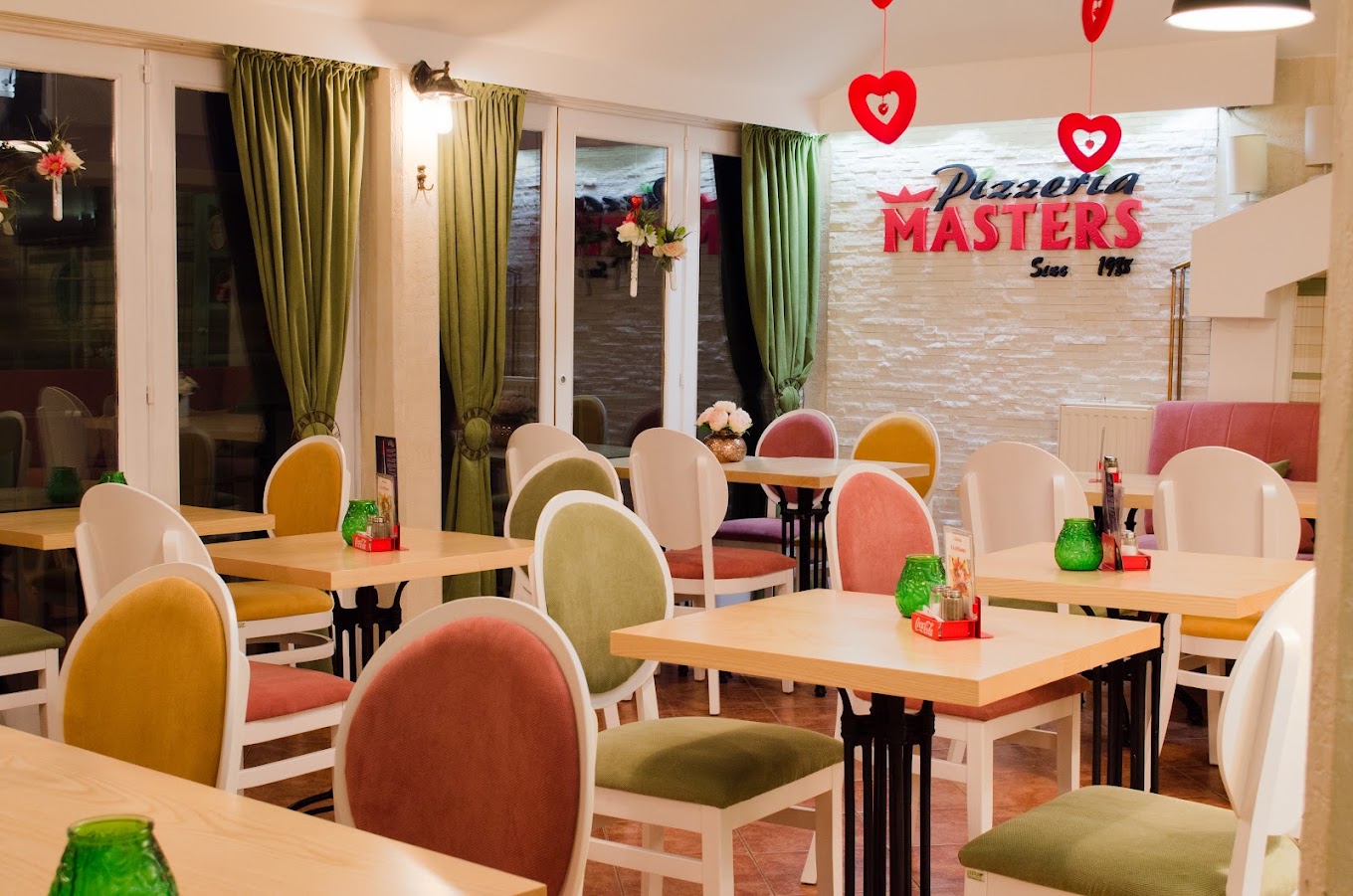
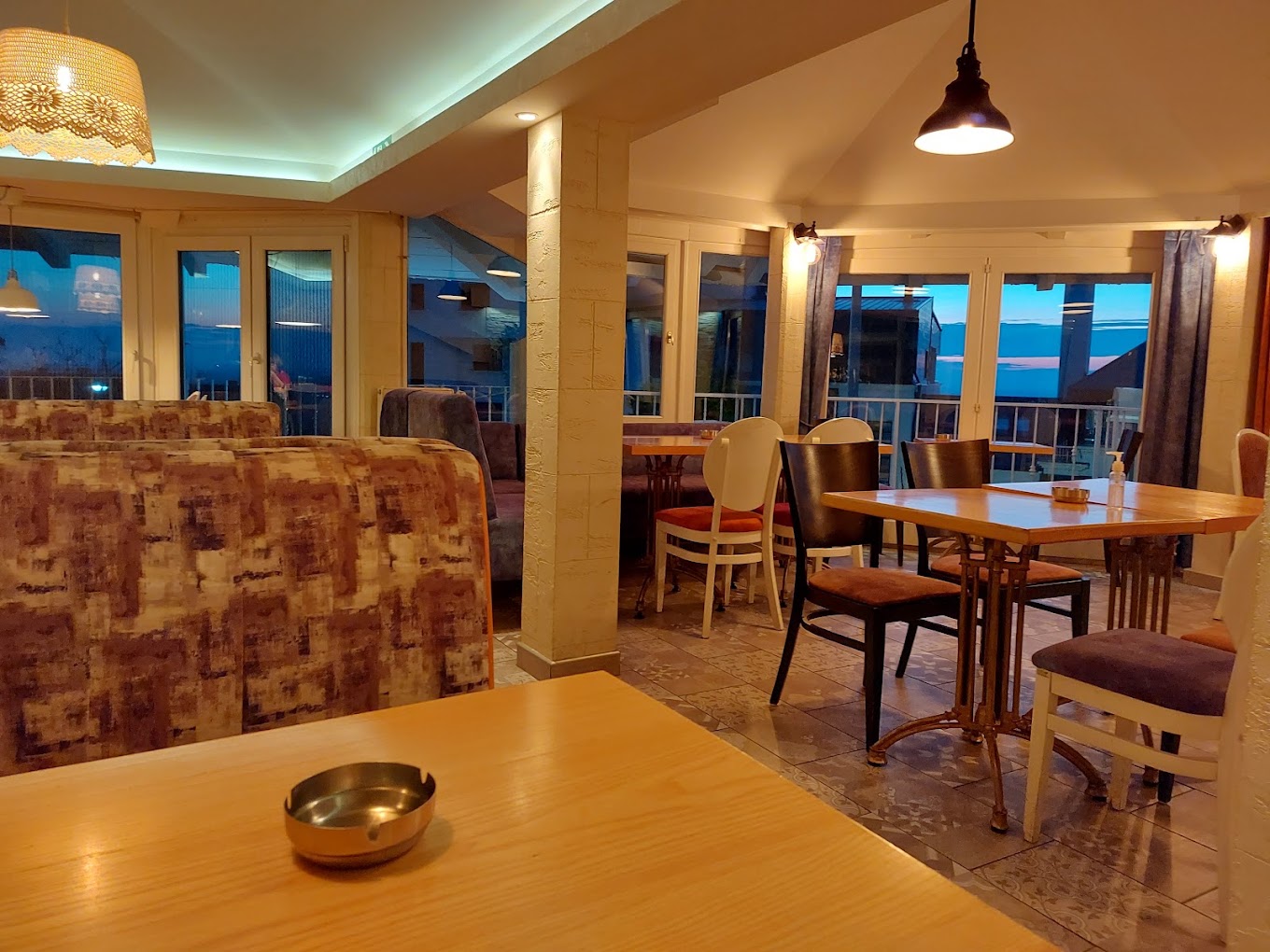
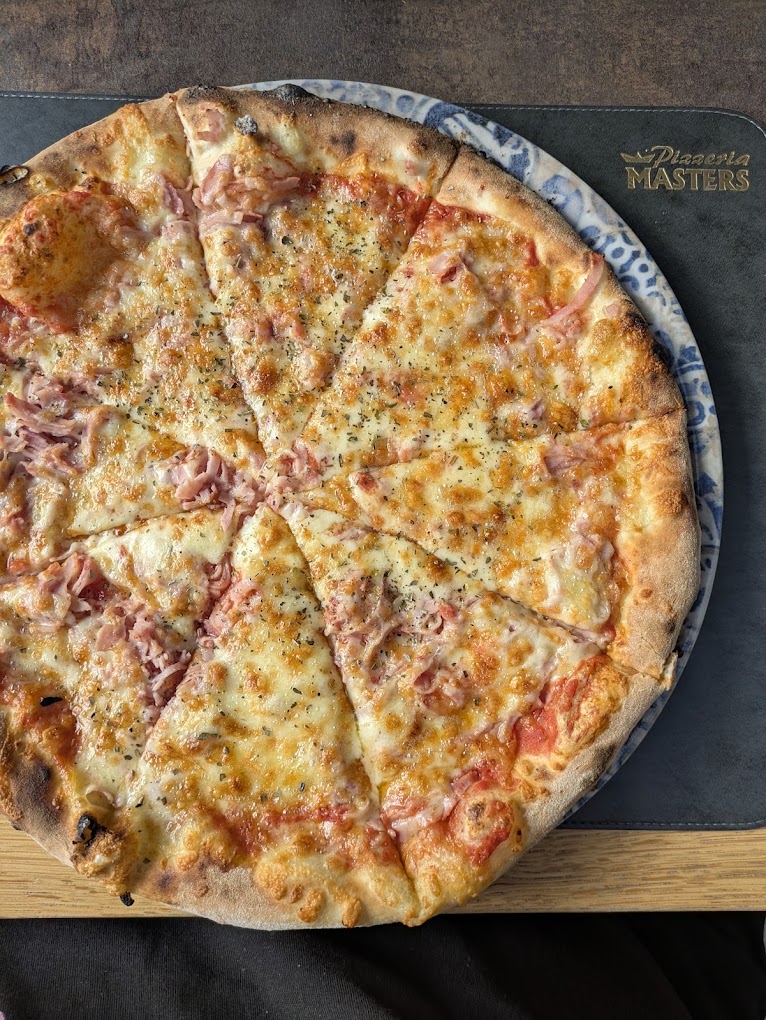
Located close to the city center, Pizzeria Masters is a popular local spot well known for its delicious wood-fired pizzas, fresh ingredients, and a varied menu of pasta, sandwiches, and fresh salads. Featuring a cozy, modern interior and a spacious outdoor terrace, it offers a relaxed setting for either a quick bite or a hearty meal with friends. With fast service and friendly staff, it serves as a convenient and satisfying pit stop for cyclists needing to refuel along their route.

Contact and practical information

Address
M.Matejic 6a
Cathedral Church of St. Nicholas in Vršac

Church

Cathedral Church of St. Nicholas in Vršac

Located in the heart of Vršac, the Cathedral Church of St. Nicholas is a monumental Orthodox cathedral and the seat of the Eparchy of Banat, constructed between 1783 and…

Church

Cathedral Church of St. Nicholas in Vršac

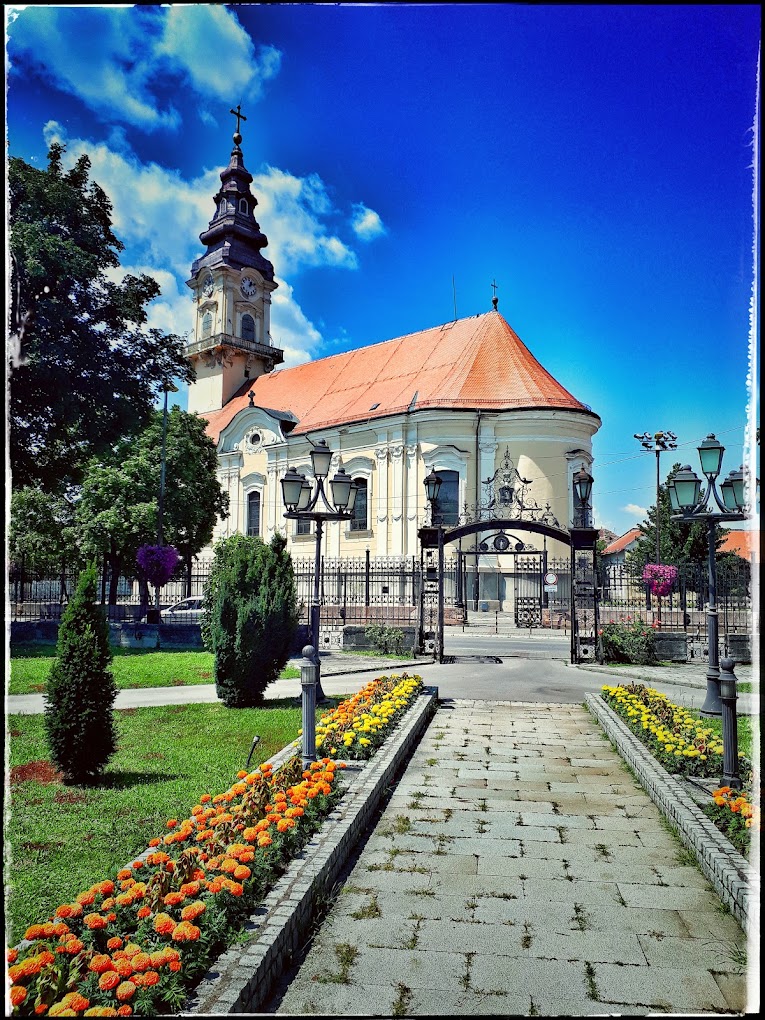
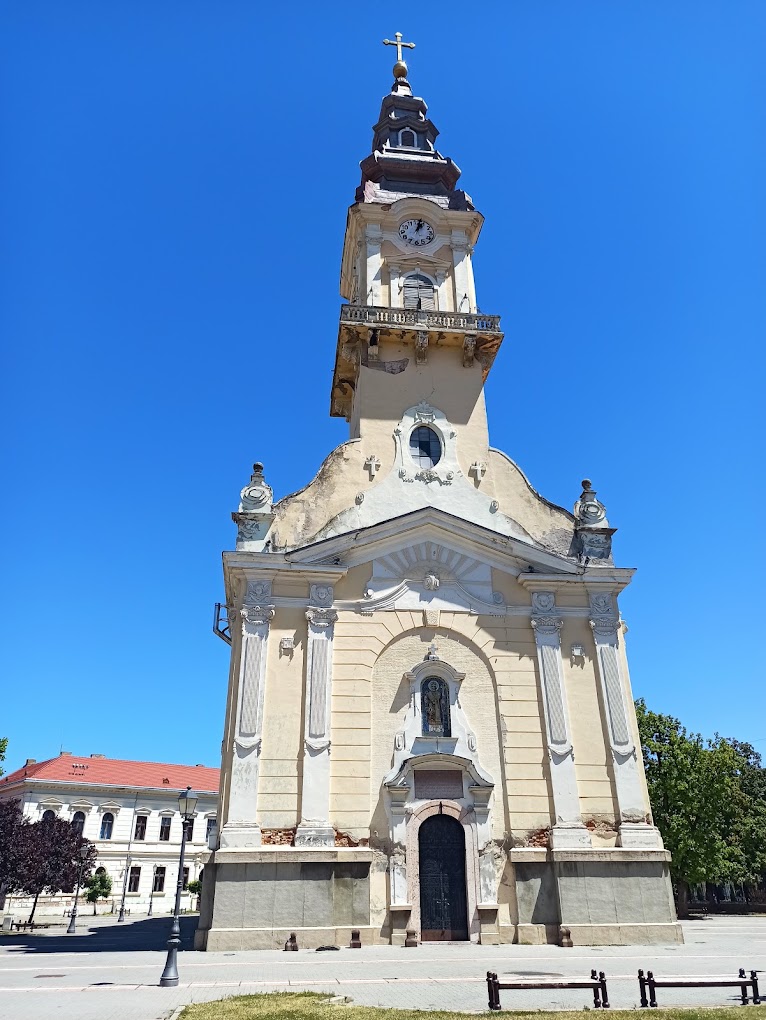
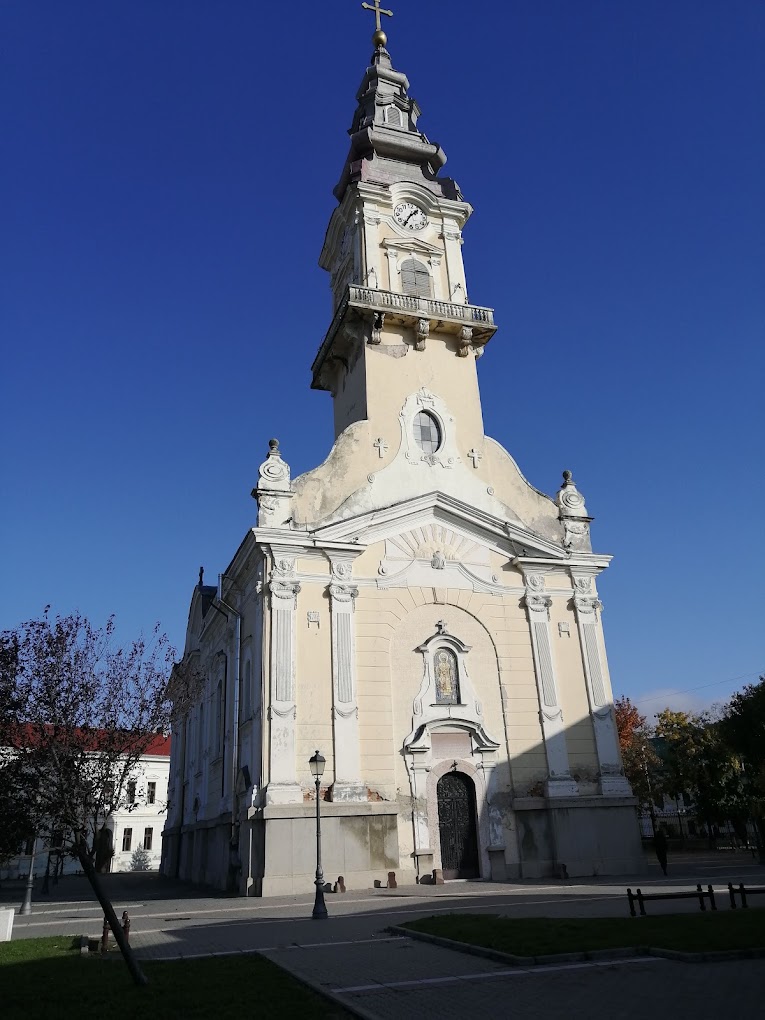
Located in the heart of Vršac, the Cathedral Church of St. Nicholas is a monumental Orthodox cathedral and the seat of the Eparchy of Banat, constructed between 1783 and 1785. This impressive structure is characterized by grand Baroque architecture featuring two tall bell towers that dominate the city's skyline. The interior is adorned with a remarkably valuable iconostasis painted by renowned artists Pavel Đurković and Nikola Aleksić, along with sacred wall paintings of great artistic significance. Situated right by the central town square, it provides cyclists with a serene and culturally rich stop along their route.

Contact and practical information

Address
Trg Svetog Teodora Vršačkog 11
Vršac Tower

Castle

Vršac Tower

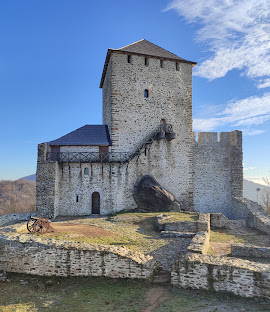
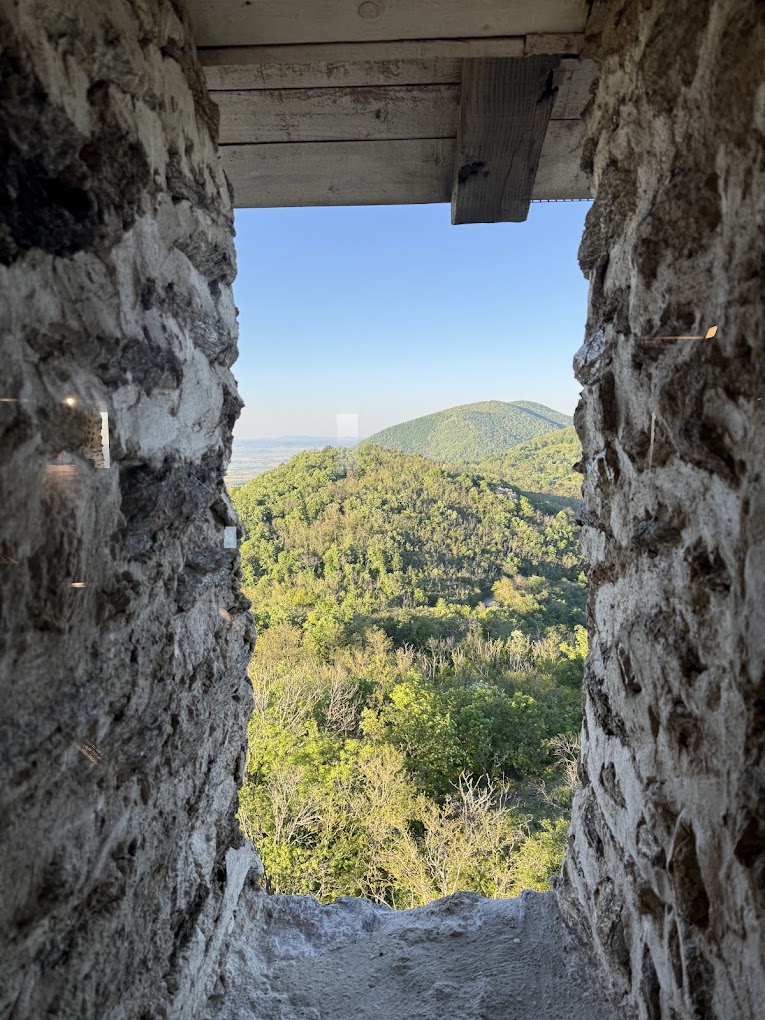
Perched atop Vršac Hill at an elevation of 399 meters, Vršac Tower (also known as Vršac Castle) is a medieval fortress constructed in the first half of the 15th century,…
Castle

Vršac Tower

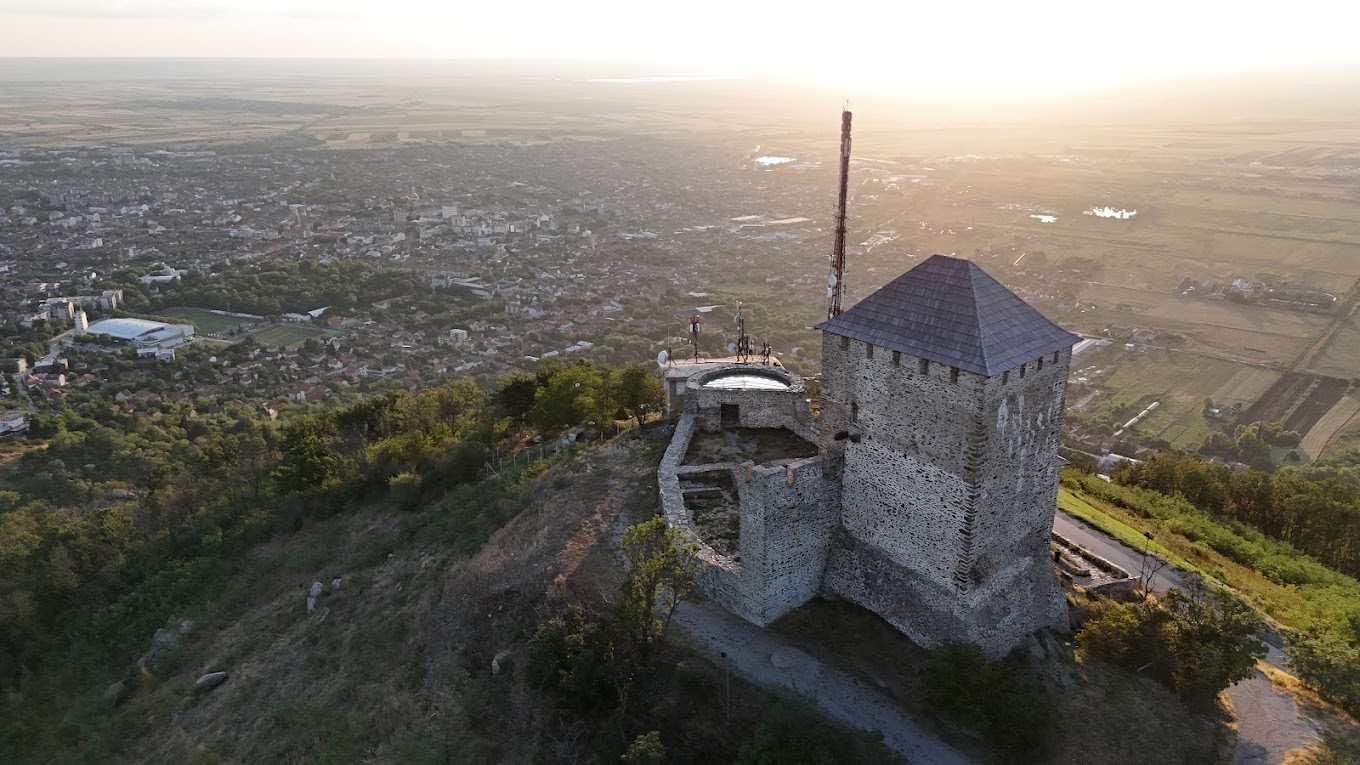
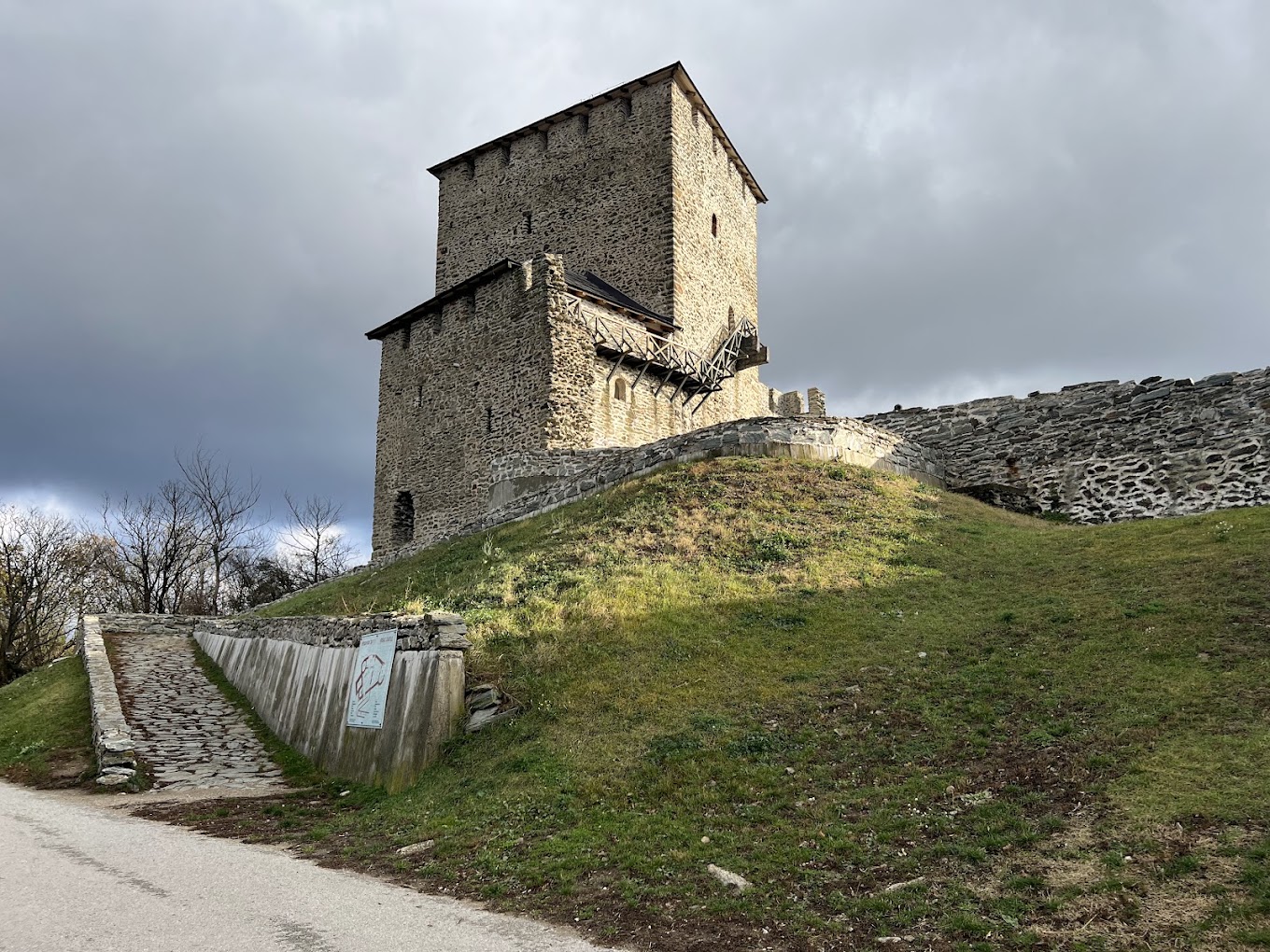
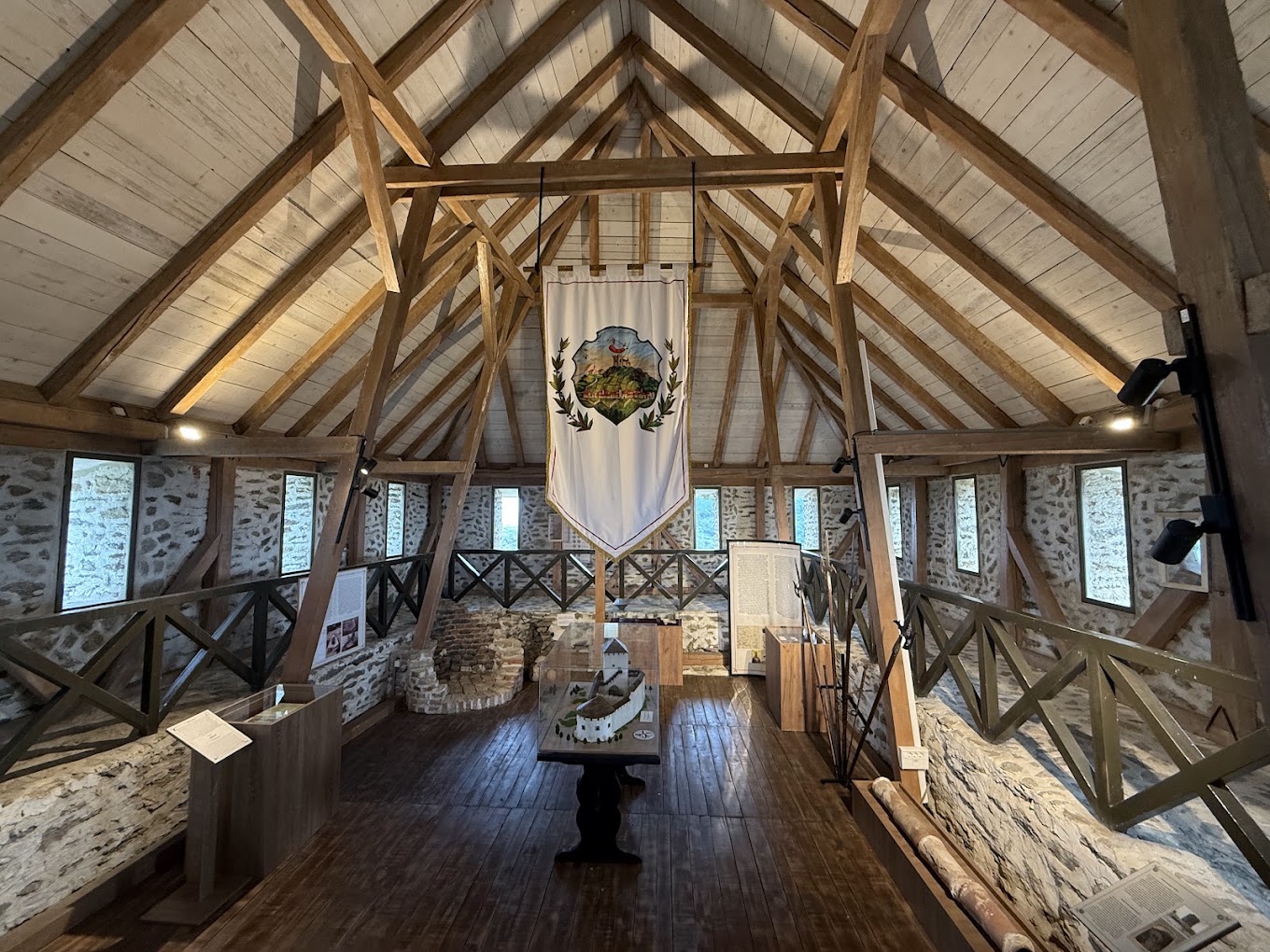
Perched atop Vršac Hill at an elevation of 399 meters, Vršac Tower (also known as Vršac Castle) is a medieval fortress constructed in the first half of the 15th century, traditionally attributed to the Serbian Despot Đurađ Branković following the fall of Smederevo. Its fully restored central keep offers breathtaking panoramic views across Vršac and the endless Banat plains reaching all the way into Romania. The climb up to the fortress serves as a rewarding challenge for cyclists, leading to a scenic hilltop spot where medieval heritage meets unmatched panoramic views.

Contact and practical information

Zlatni točak in Vršac

Bike Shop

Zlatni točak in Vršac

Located in Vršac, Zlatni točak is a well-established bicycle shop and repair service with a strong tradition of supporting local riders and touring cyclists. The shop…

Bike Shop

Zlatni točak in Vršac

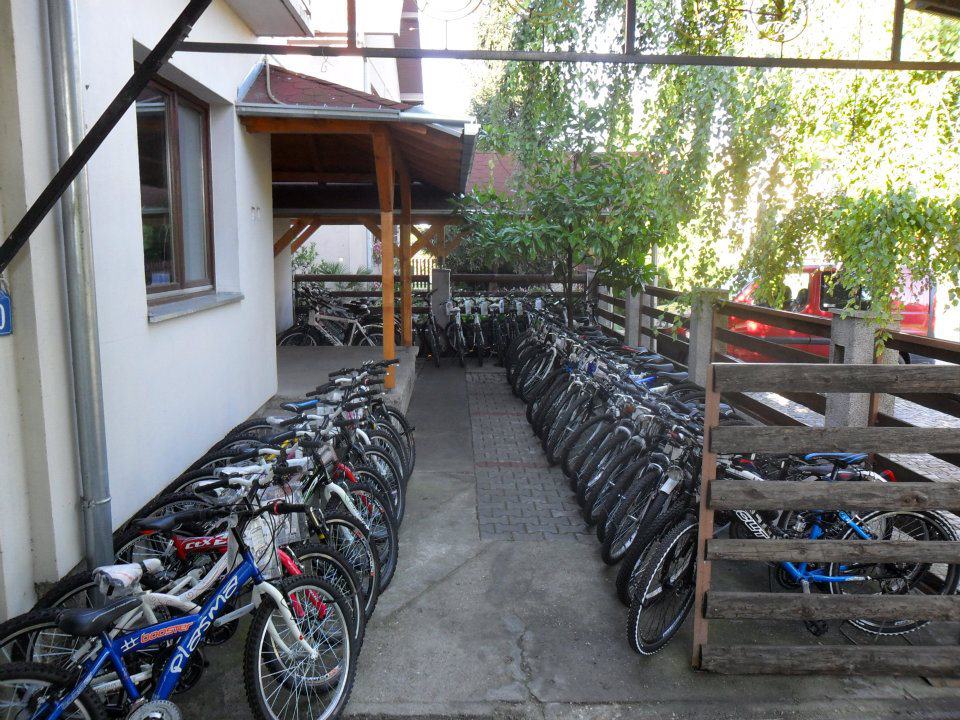
Located in Vršac, Zlatni točak is a well-established bicycle shop and repair service with a strong tradition of supporting local riders and touring cyclists. The shop stocks a broad selection of bicycles suited for various terrains, alongside reliable spare parts and essential accessories like helmets, lights, and bikepacking bags. A key highlight is their experienced service team, capable of quickly diagnosing and repairing mechanical issues, adjusting brakes and gears, and preparing bikes for the challenging climbs around the Vršac Mountains. It is an indispensable stop for technical support and gear checkups along the southern Banat cycling route.

Contact and practical information

Address
10 Josipa Debeljaka