Back to all routes

(Jimbolia - Foeni - Jaša Tomić - Nova Crnja)

TDB-1: The Big Banat Experience

The longest route in the TdB network (160 km) – we therefore recommend splitting it over two days. (The detour from Itebej to Međa is 20 km long – you can skip it if you wish to shorten the trip.) Here is first a shorter description: There is an unpaved section of about 5 km on the route between Hetin and Vojvoda Stepa. In case of heavy rain, it can be bypassed via Banatsko Karađorđevo and Nova Crnja (this detour is actually 11 km shorter, but less interesting). Keep in mind that Romanian time is one hour ahead of Serbian time. Attention: The Foeni - Jaša Tomić border crossing is open from 7 AM to 7 PM Serbian time (8 AM to 8 PM Romanian time). Recommended direction: Clockwise.

Distance
160 km
Estimated duration
720 min
Surface type
Asphalt
Points of interest
30

Route map

An interactive view of this cycling route's complete path.

The interactive map is currently unavailable. The remaining route information is available on this page.

About the route

We begin this interesting loop in Jimbolia (Žombolj), heading along an excellent and wide road toward Timișoara. After 15 km, we turn right in the village of Cărpiniș onto a quiet road to Cenei (Čenei). Cărpiniș offers a supermarket and a small tavern serving home-style cooked meals.

The asphalt to Cenei (10 km) is worse, with plenty of patches and cracks, but acceptable for riding. There is a larger shop in this village.

Right after Uivar (Ujvar), we hit the Bega canal embankment, where we will ride along the Timișoara – Zrenjanin cycle path (so far built only on the Romanian side up to the border line with Serbia). On the path, there is a resting spot with a shelter that comes in handy in case of rain.

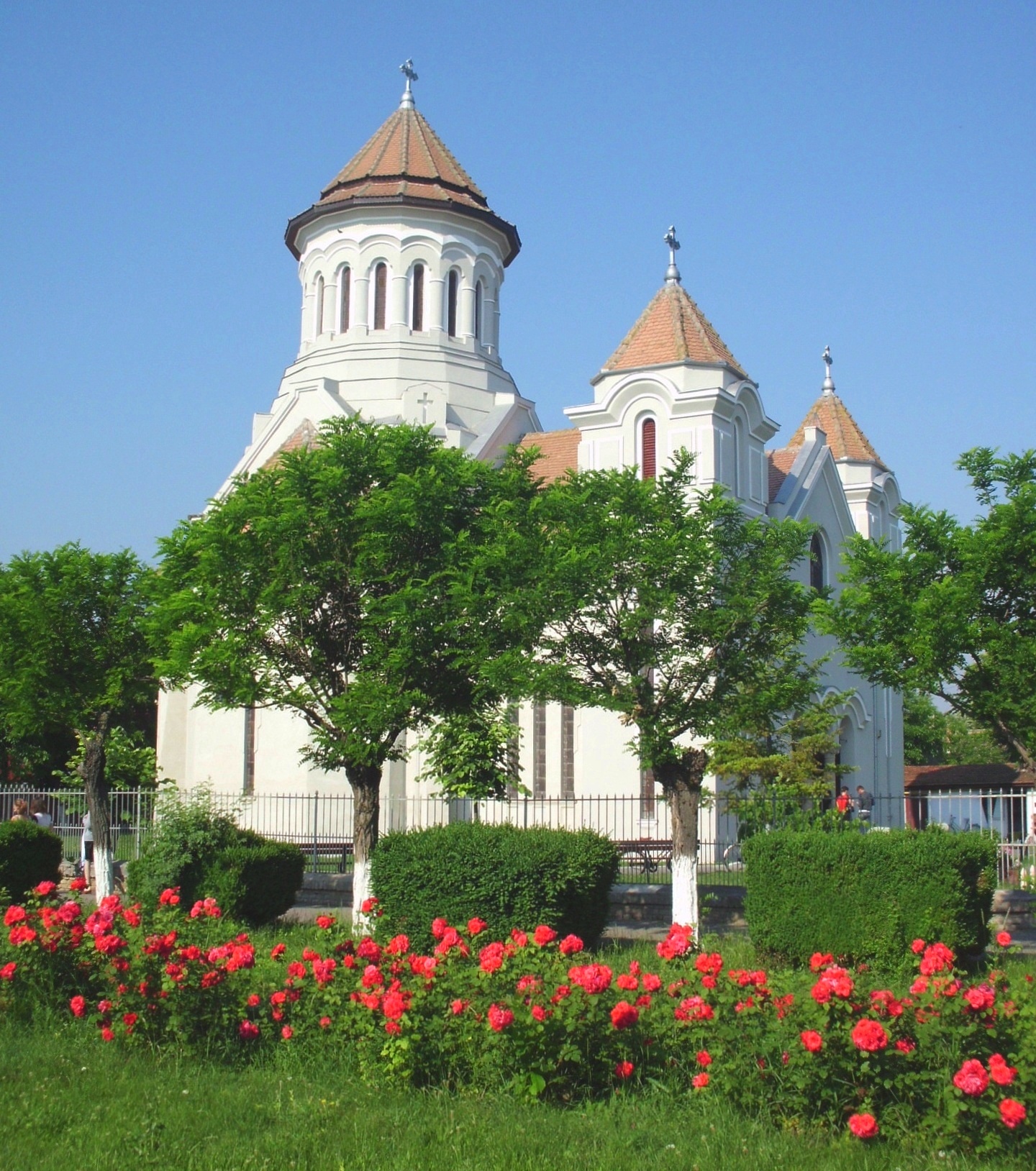
In Otelec (shop, intercity bus stop), we leave the Bega canal and the path, taking a quiet road with excellent asphalt toward Foeni (Fenj). Before reaching it, we first pass the village of Iohanisfeld (Johanisfeld), at the entrance of which sits a lovely old railway station building. Iohanisfeld also has a small shop and an intercity bus stop.

After Iohanisfeld, the asphalt remains excellent, though with a slightly rougher surface. In Foeni, there is a shop and a local pub.

All the way to the Serbian border, we enjoy excellent asphalt. The border crossing is quiet, with light traffic.

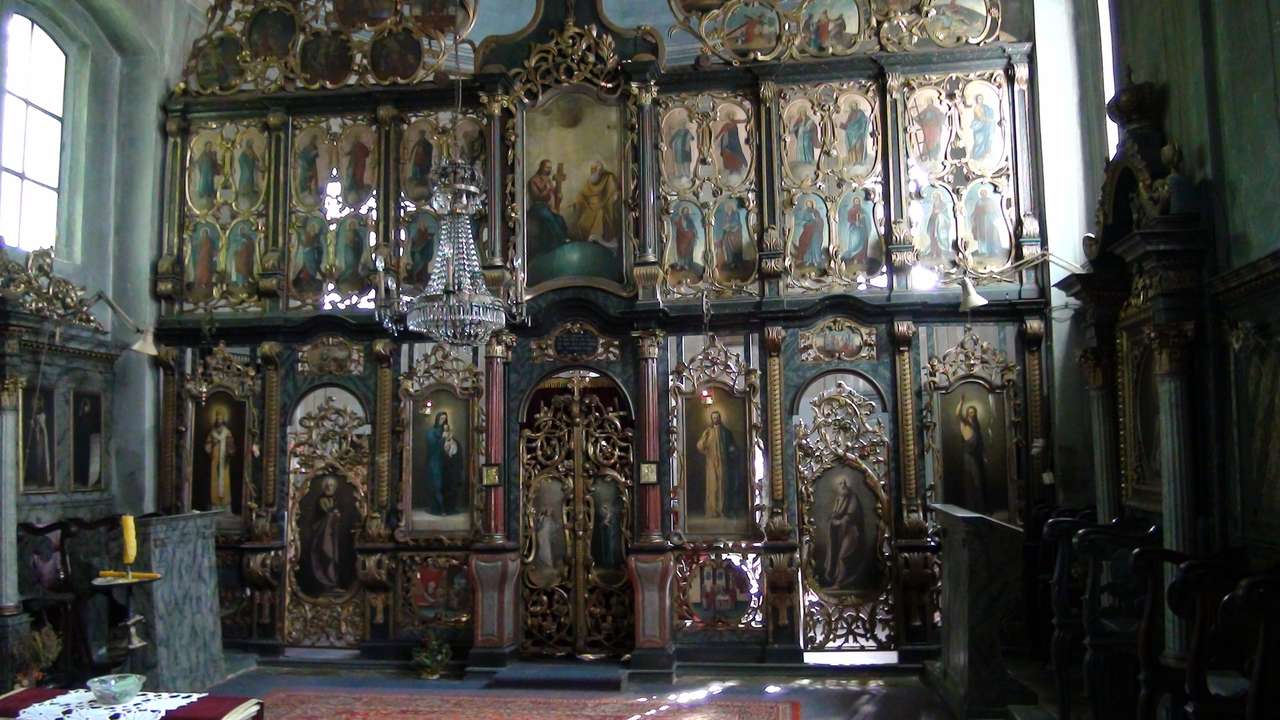
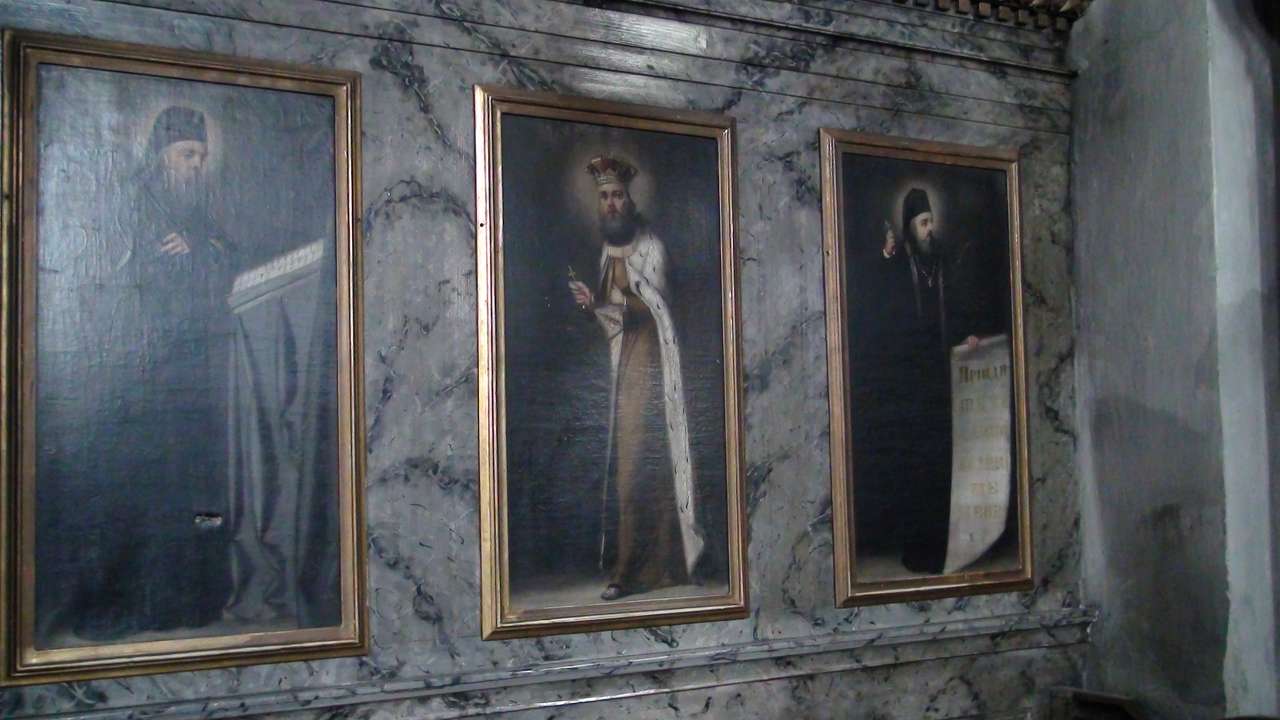
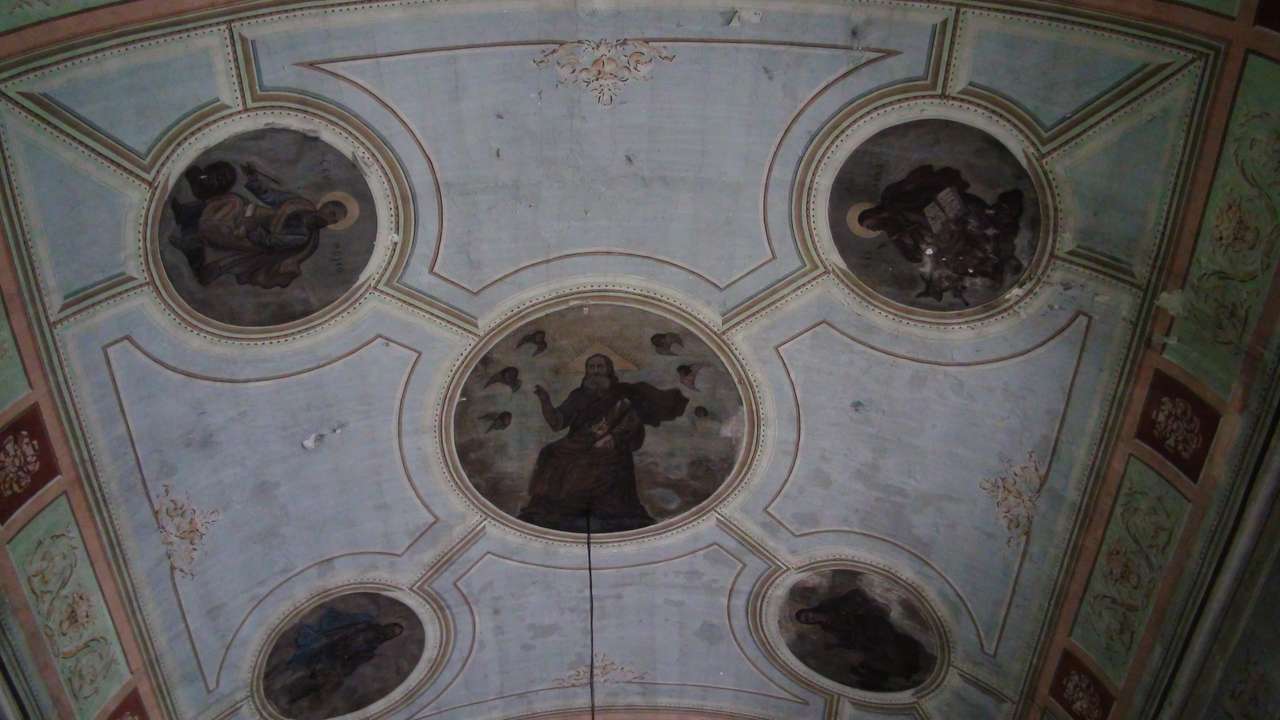
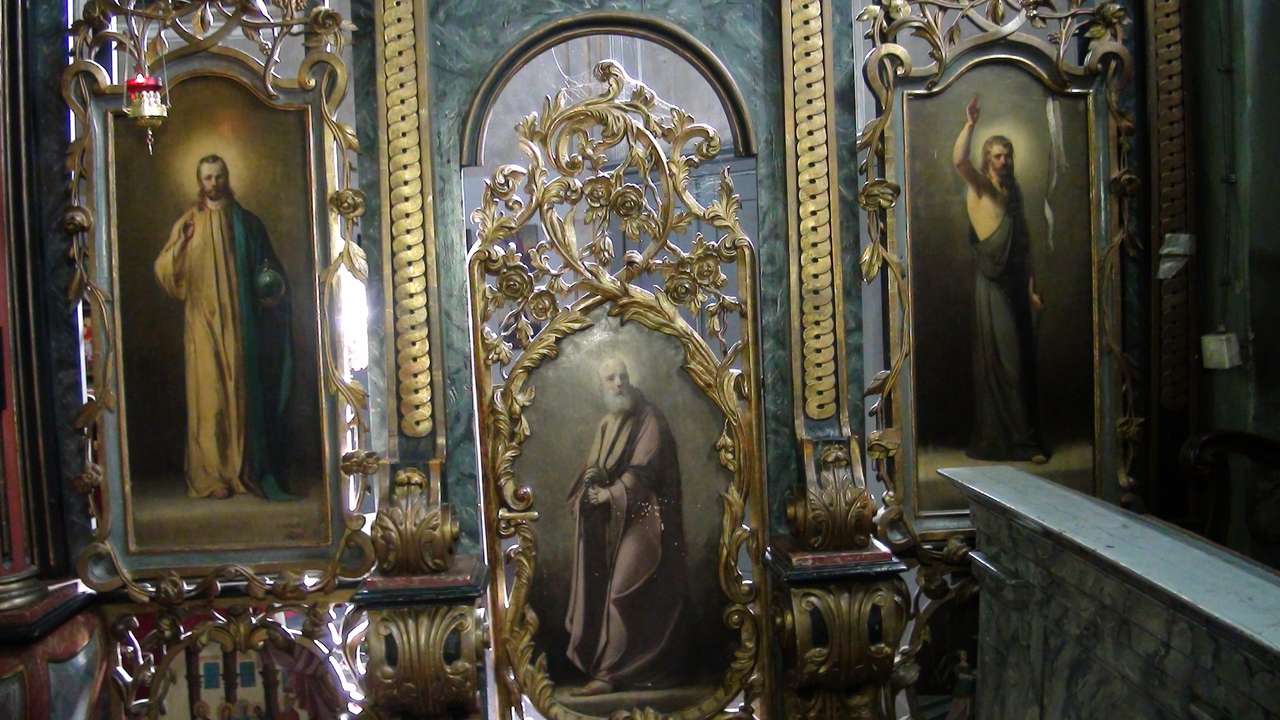
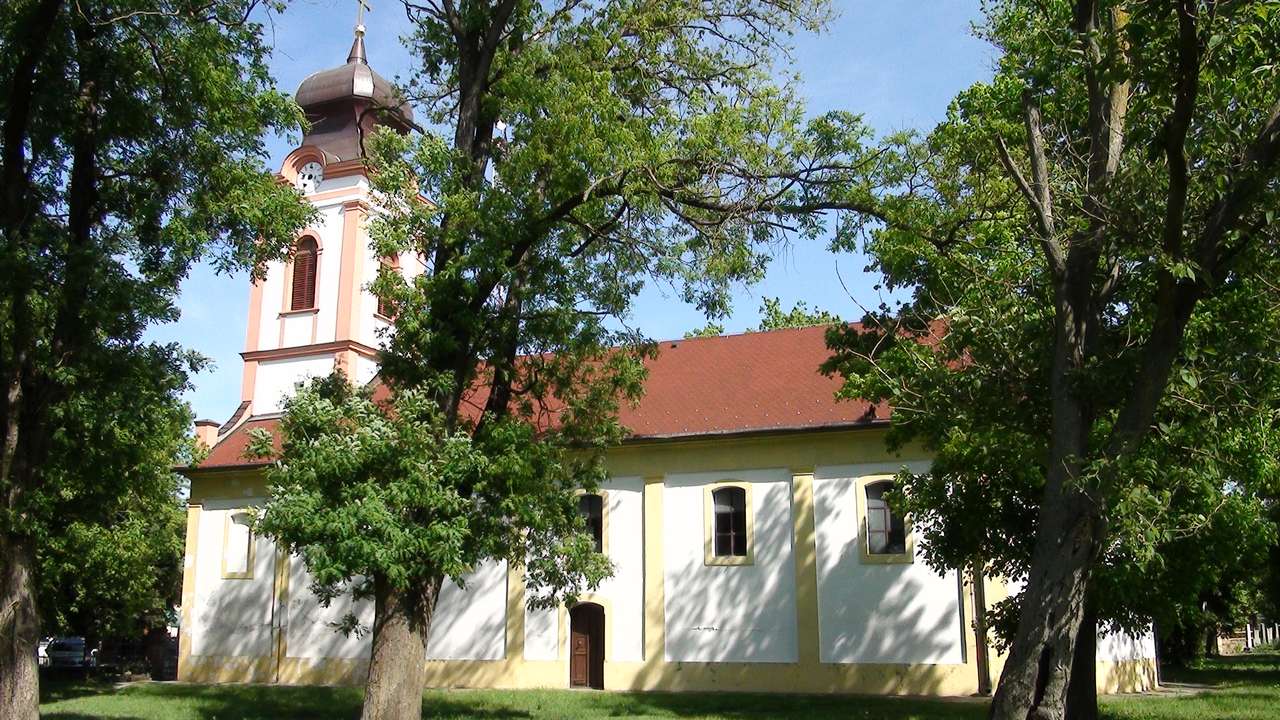
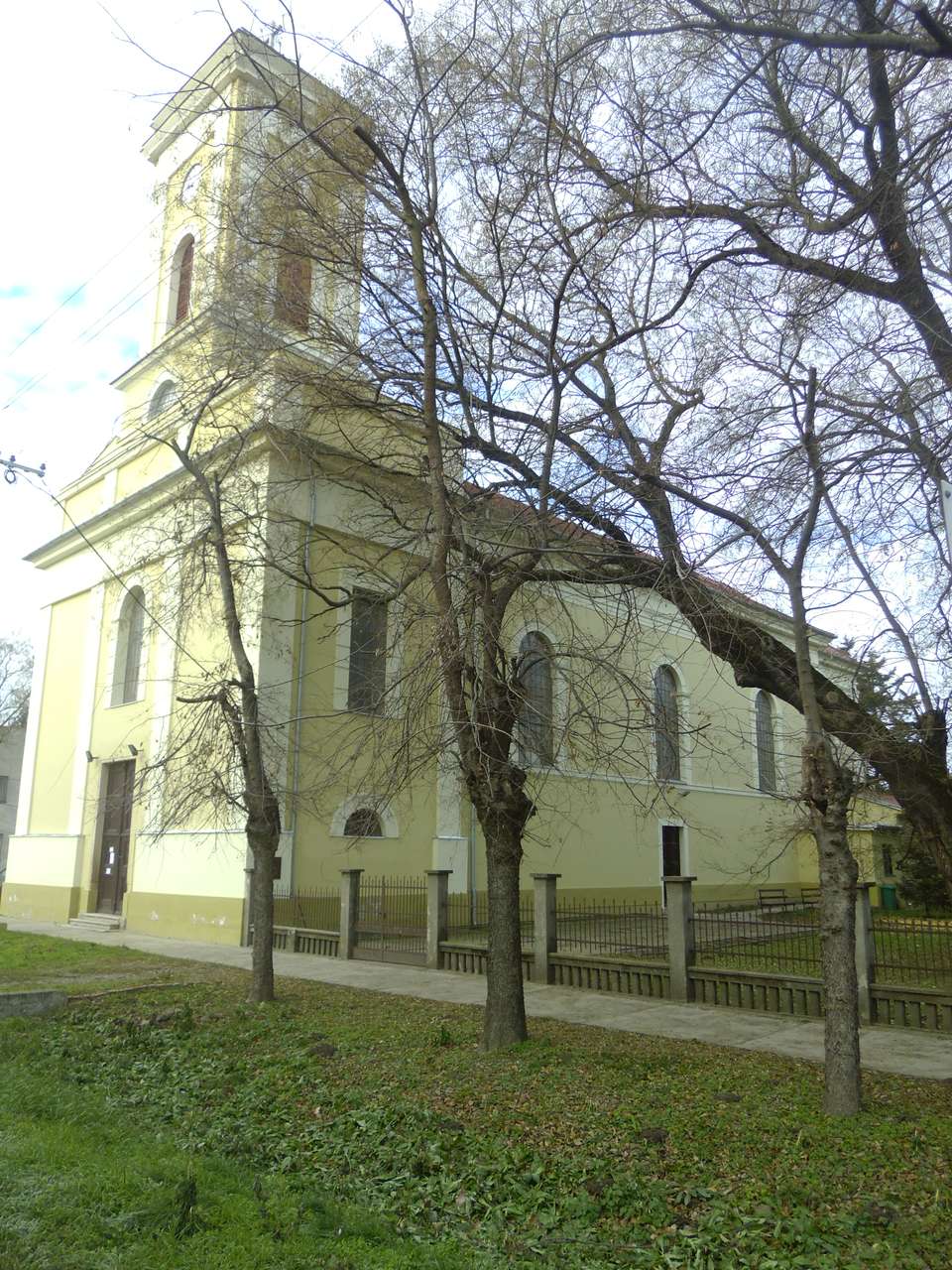
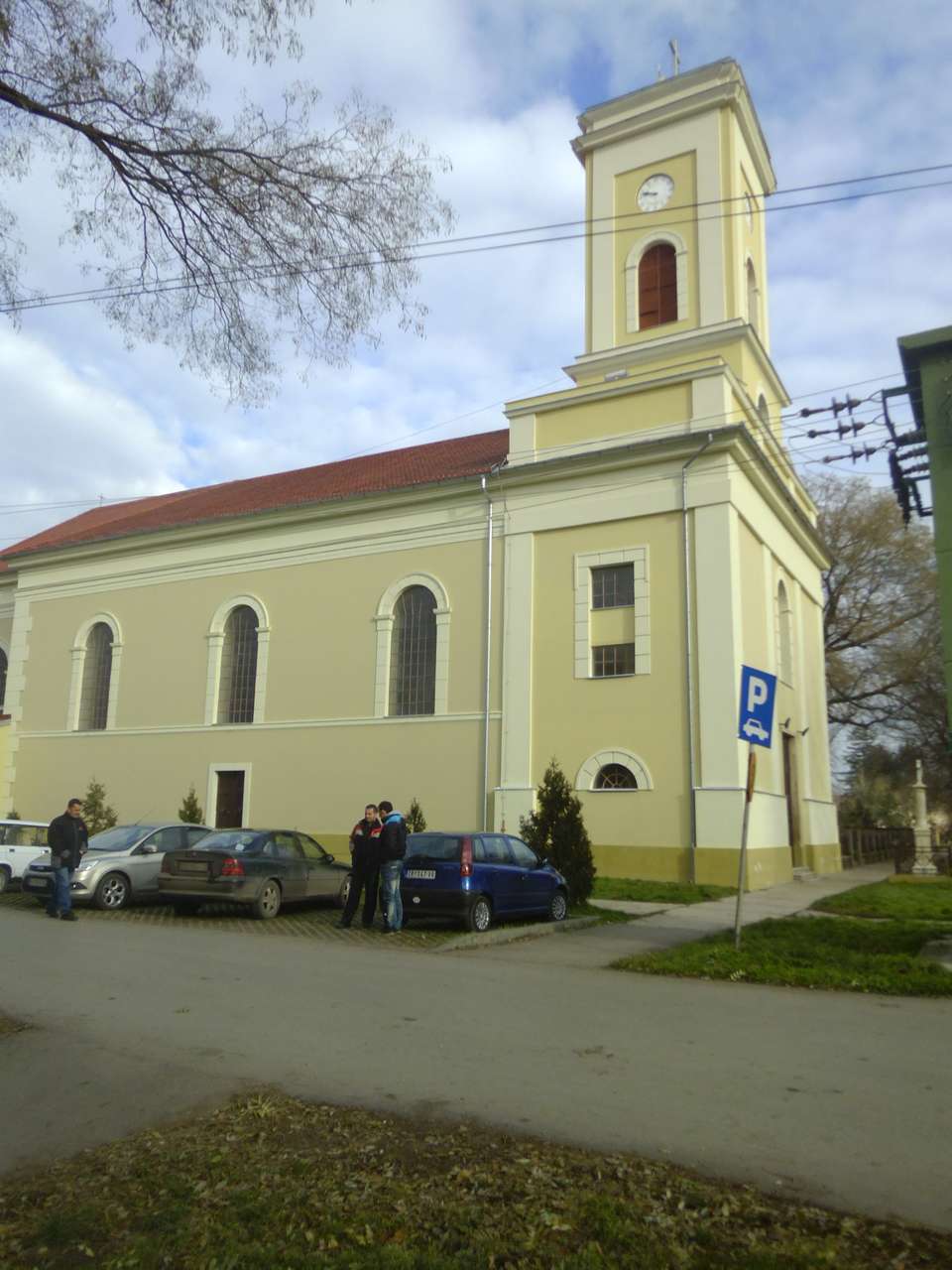
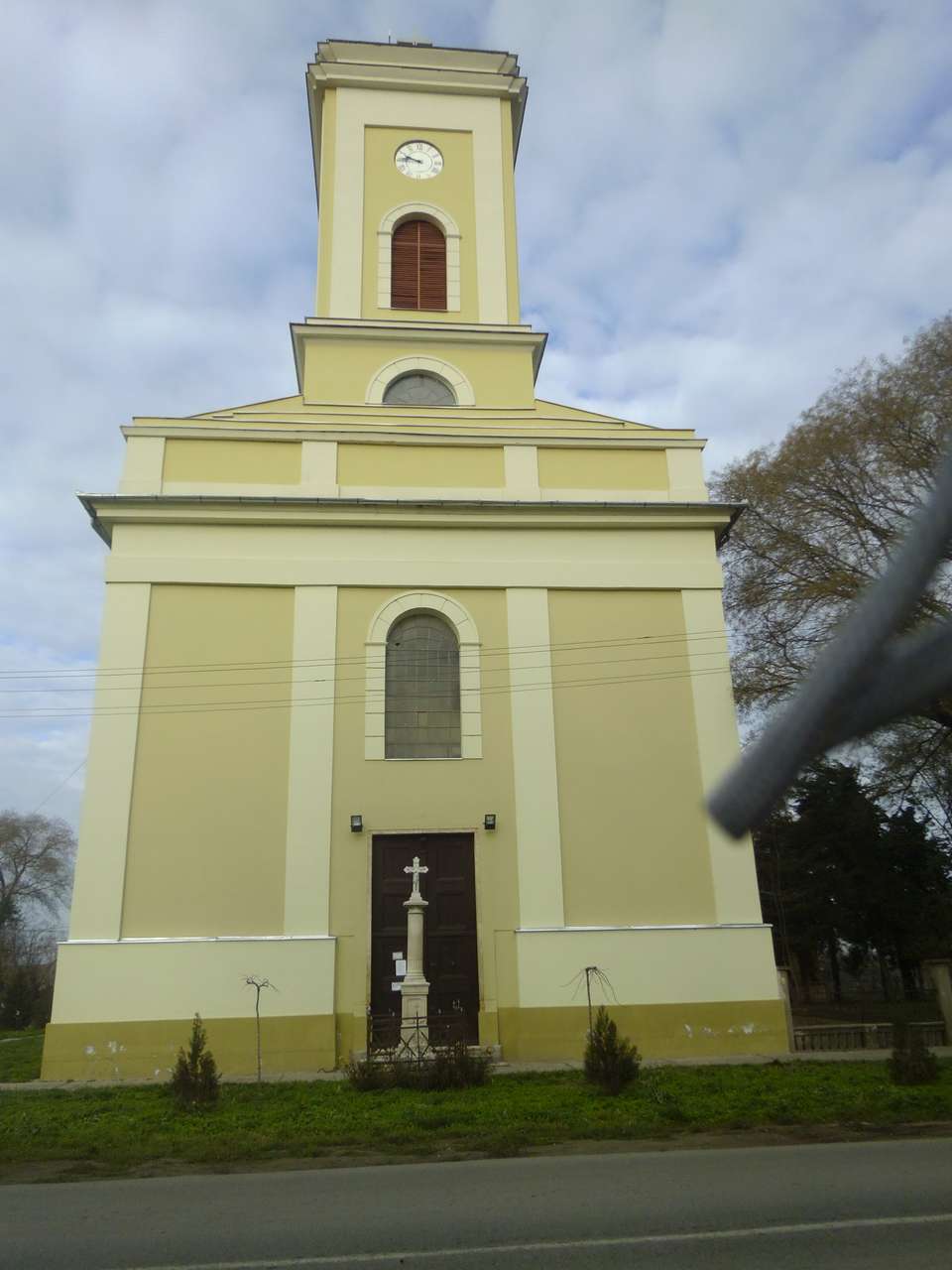
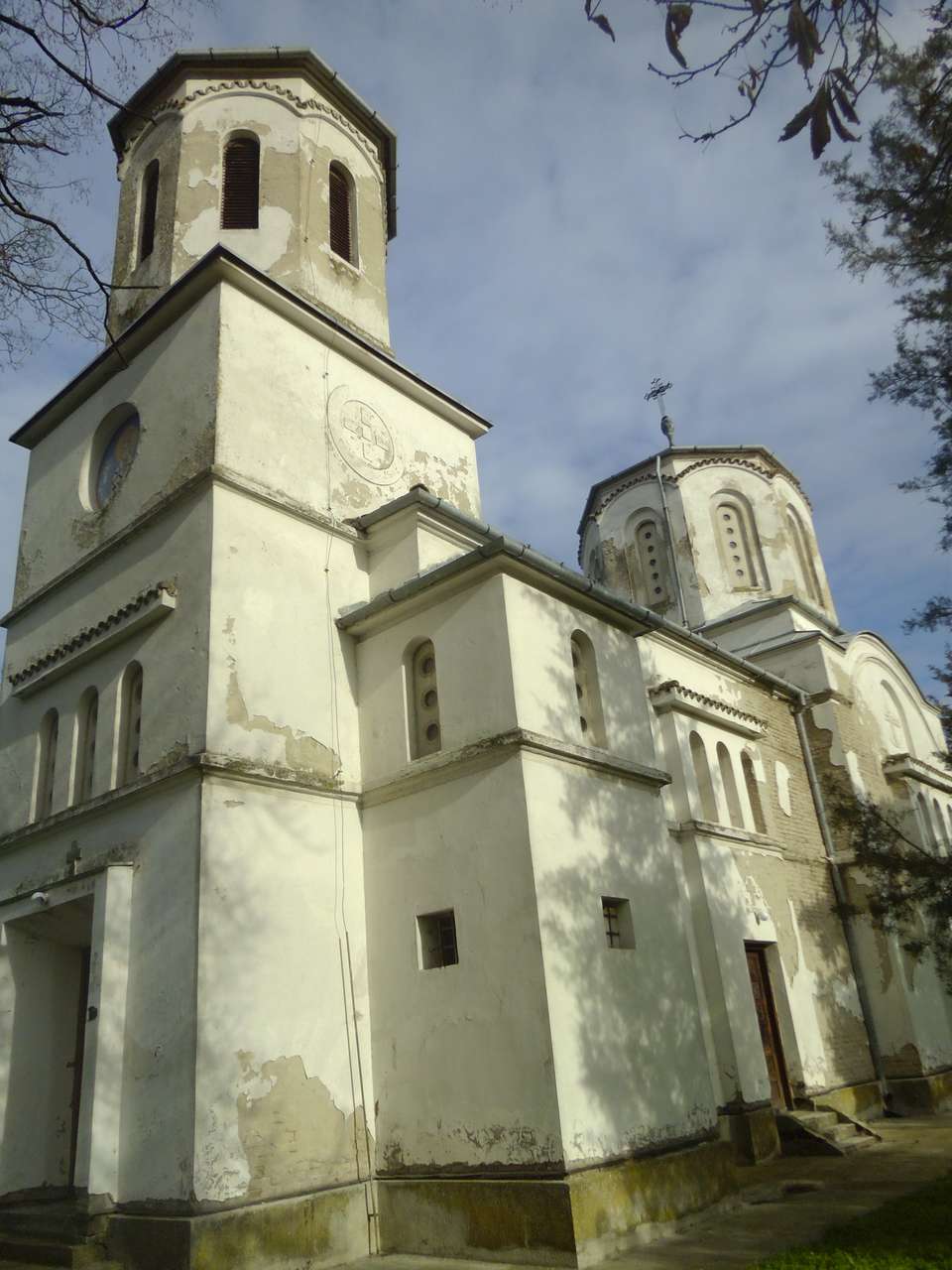
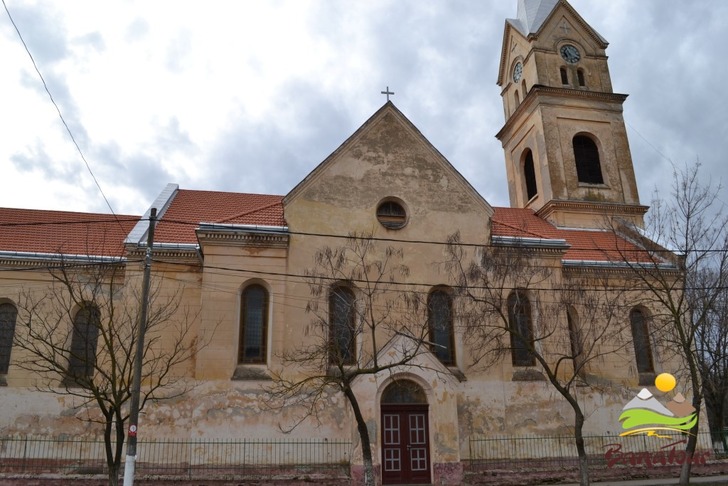
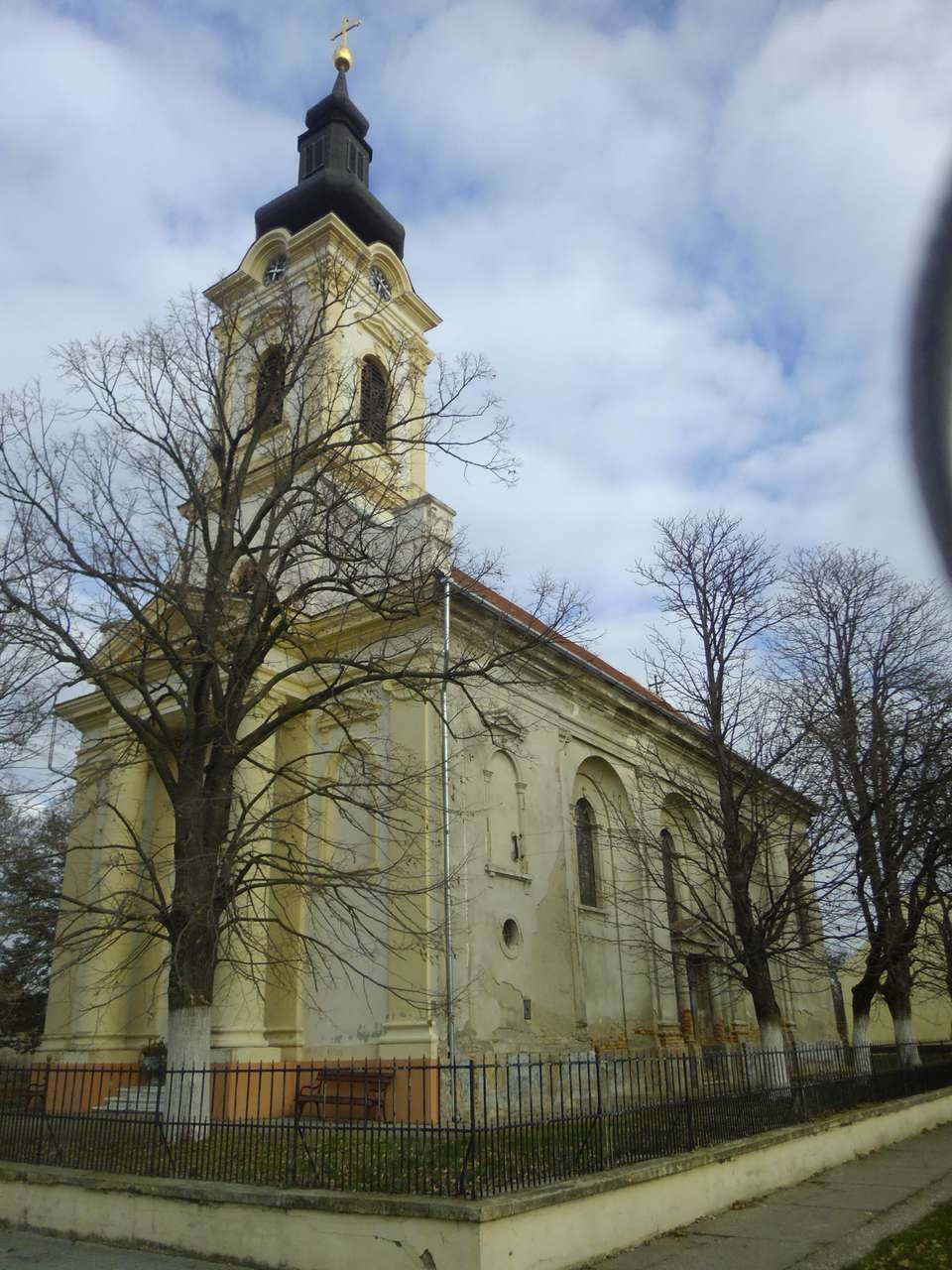
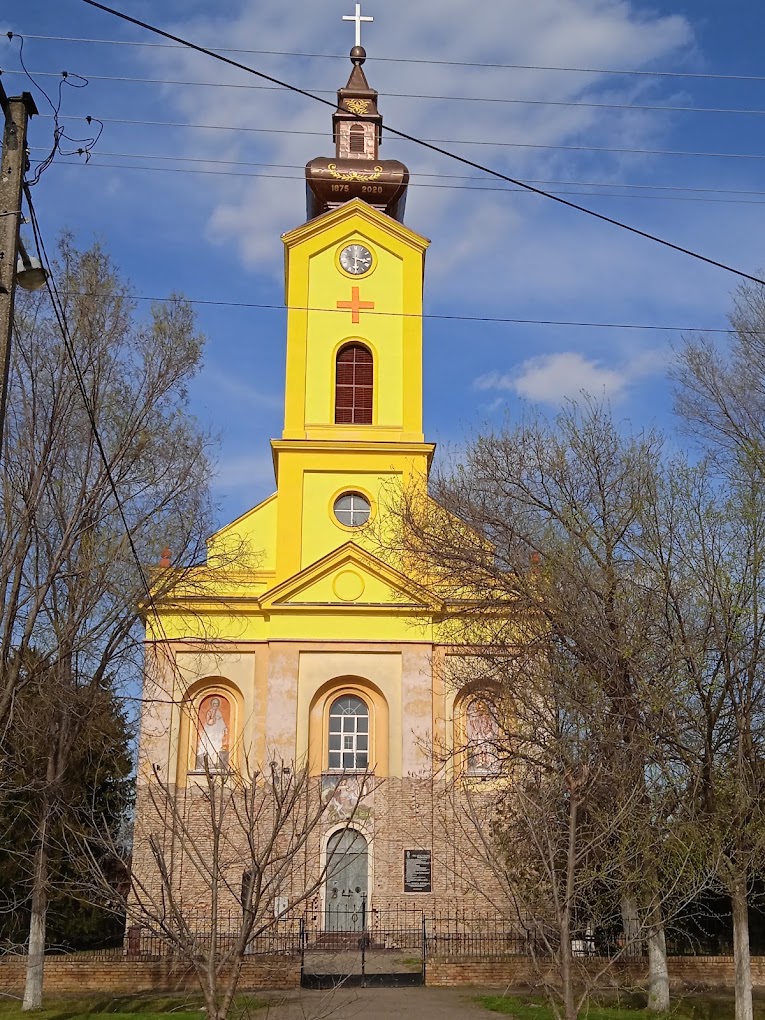
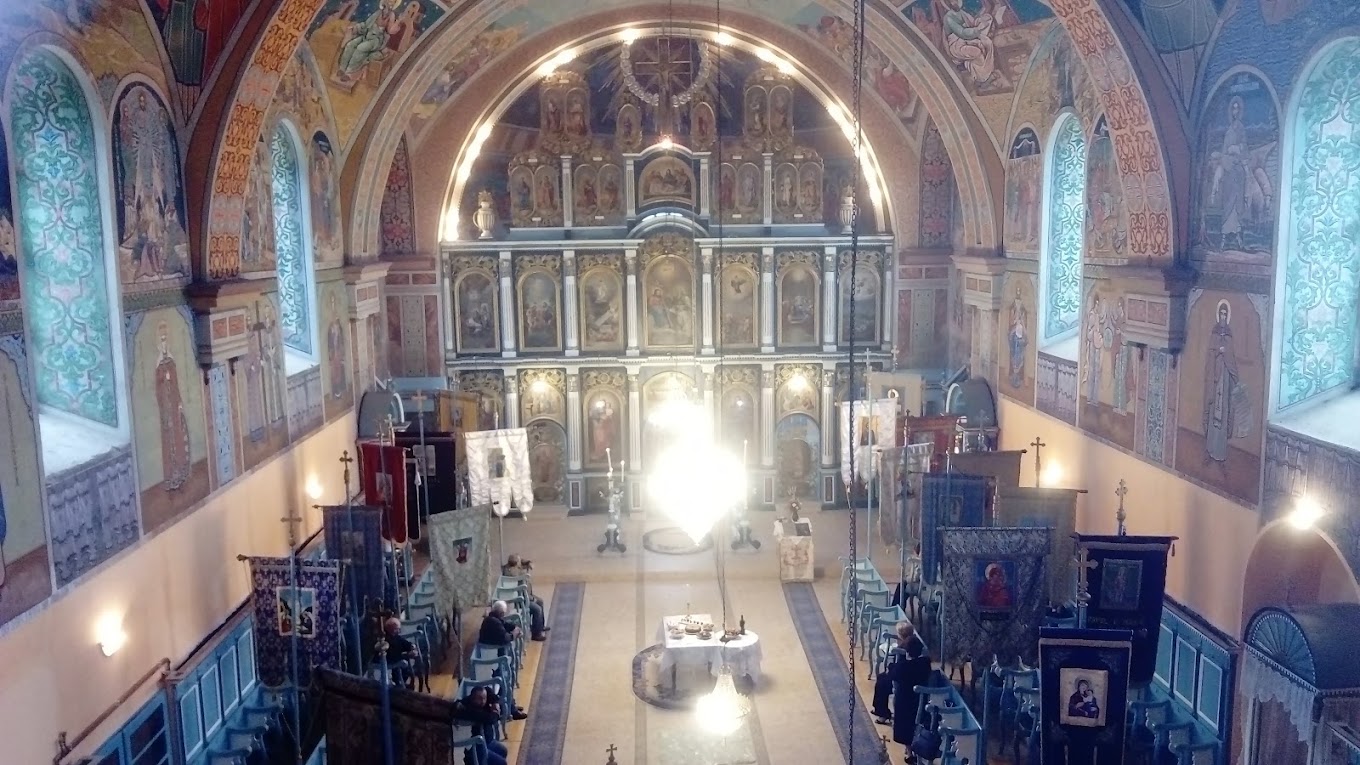
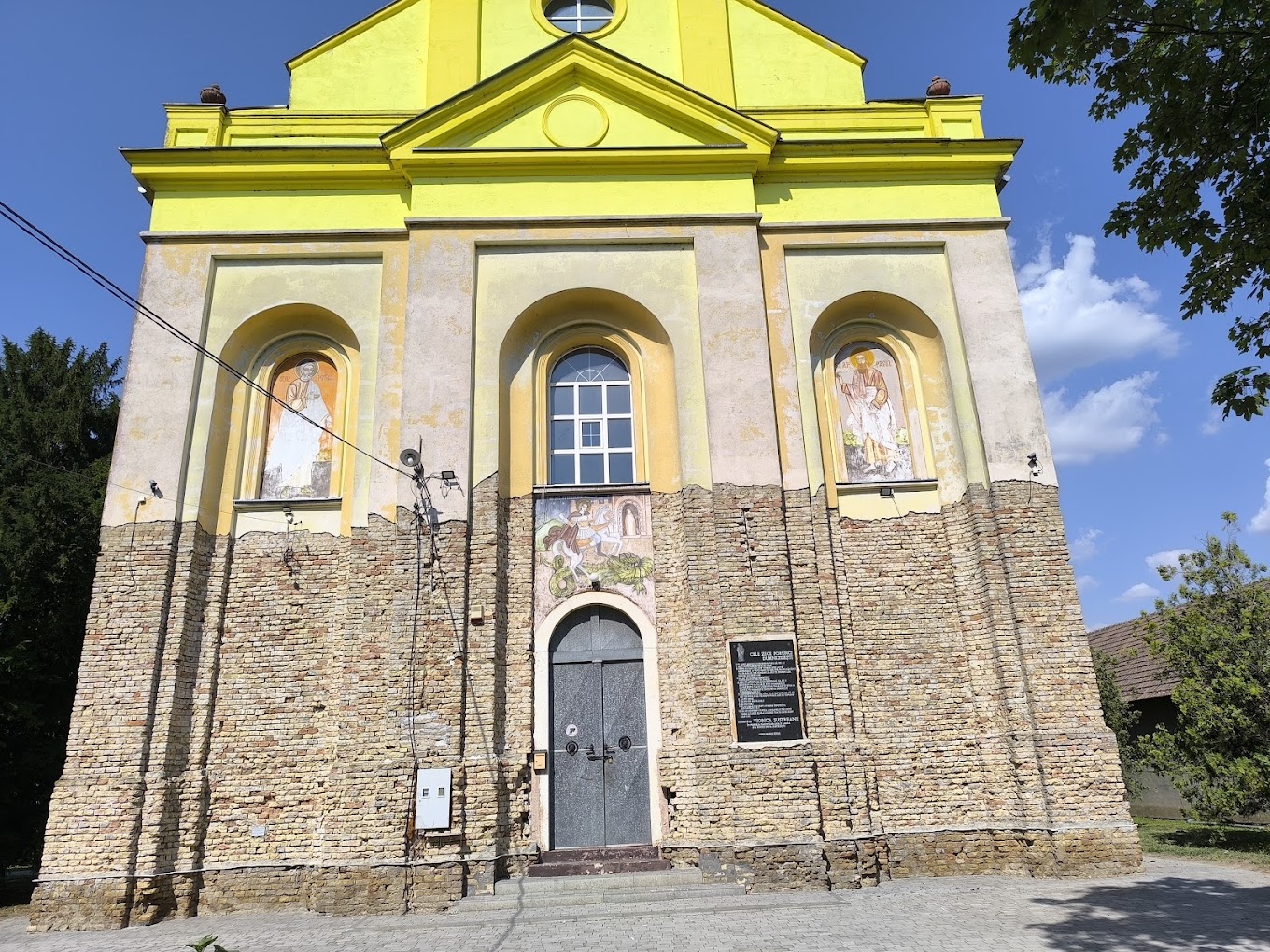
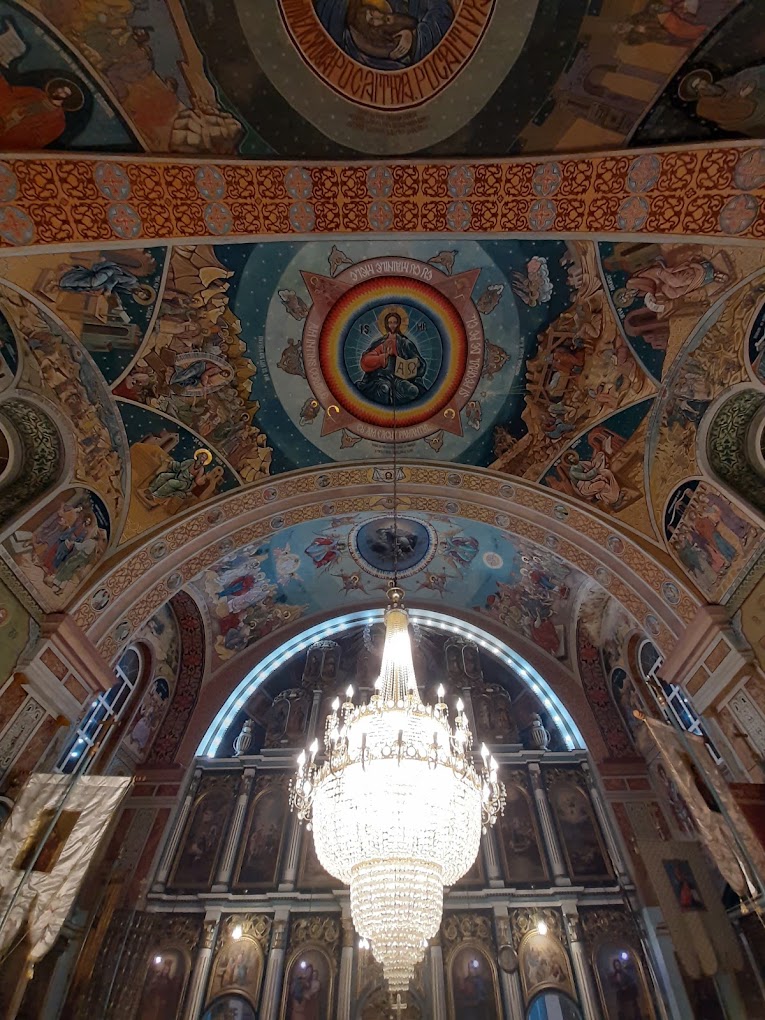
In Jaša Tomić, it is worth visiting the Catholic and Orthodox churches. The Catholic Church of the Assumption of the Blessed Virgin Mary, built at the beginning of the 20th century, stands an impressive 64 meters tall. It used to feature its own organ, underscoring its historical importance for the local Catholic community. The Orthodox church was built around 1750 and features specific, unusual architecture combining elements of Eastern and Western Christian temples. The courtyard and facade are very handsome, while the icons, frescoes, and iconostasis are authentic. Famous Serbian painters Stevan Aleksić and Vasa Pomorišac—who was born in Jaša Tomić—contributed to the church's artwork.

The town features a nice park and several shops, and the Tamiš River is close by.

Leaving Jaša Tomić, poor-quality asphalt begins (rough surface, cracks), though it soon gets slightly better. However, smooth pavement only resumes from Krajišnik, 8 km further. There you will find a park and a shop, while Torak has a supermarket.

Exiting Torak, the asphalt is rougher at first, but after a couple of kilometers, it becomes very good to excellent.

At the entrance to Novi Itebej, it is worth dropping by Lake Figura. Our route passes about a hundred meters from it, but the lake is a bit hidden from view—it cannot be seen from the main street, so keep an eye out for the small signpost leading to it. The lake site offers drinking water, a covered bench area, and the hosts (local anglers' association) do not mind visitors pitching tents.

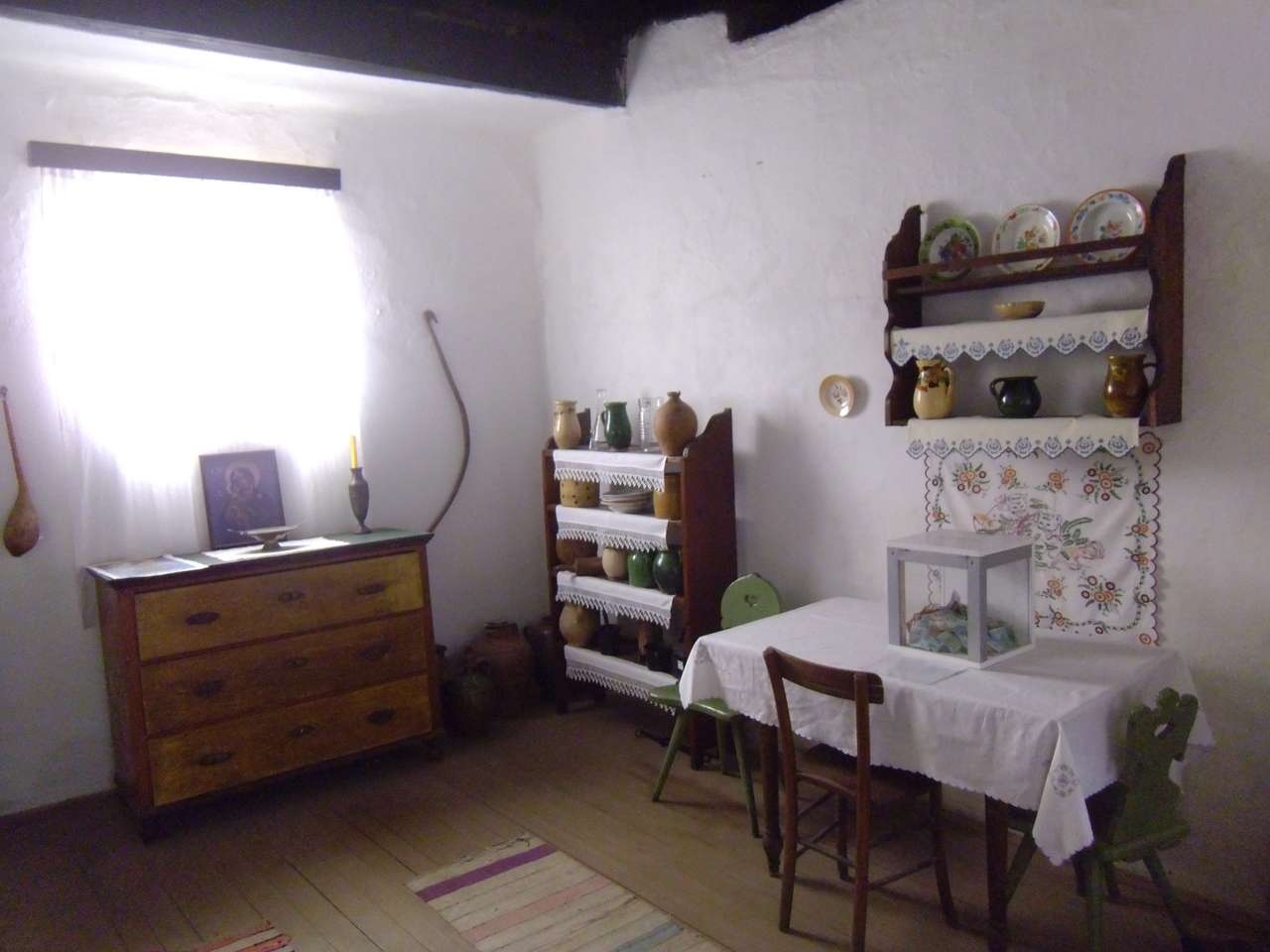
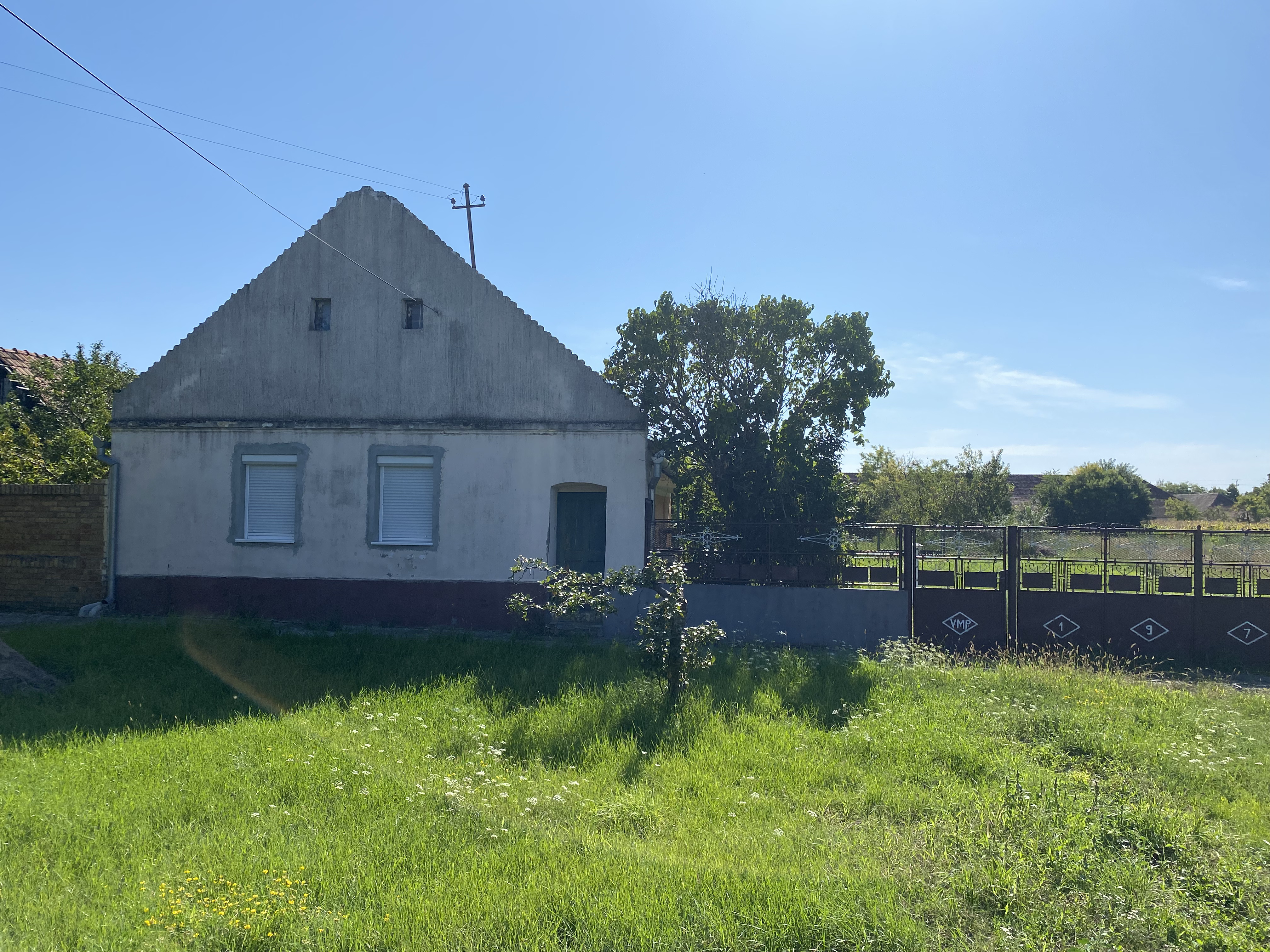
As we exit Novi Itebej toward Srpski Itebej, we begin an approximately 20 km detour to the village of Međa. The road there is quiet and excellent. In Međa, you will find a park, a small open-air market, and a shop. Our route leads to the birthplace of Johnny Weissmuller—the most famous movie Tarzan of all time. To visit the house preserving memories of the Weissmuller family and Johnny’s fascinating life, you should check in at the municipal office in the center.

After returning to Itebej, we continue along a quiet road with good to excellent asphalt toward Hetin. However, just before this village, we turn onto a dirt road toward Vojvoda Stepa. This is a sensitive section of our tour—it measures under 5 km in length, but will not be passable in case of heavy rain.

Just before Vojvoda Stepa, excellent asphalt resumes and stays that way all the way to the end of our trip in Jimbolia. The town has a park and a shop. About 1 km after the center, we join the main Zrenjanin – Jimbolia road, which sees very moderate traffic.

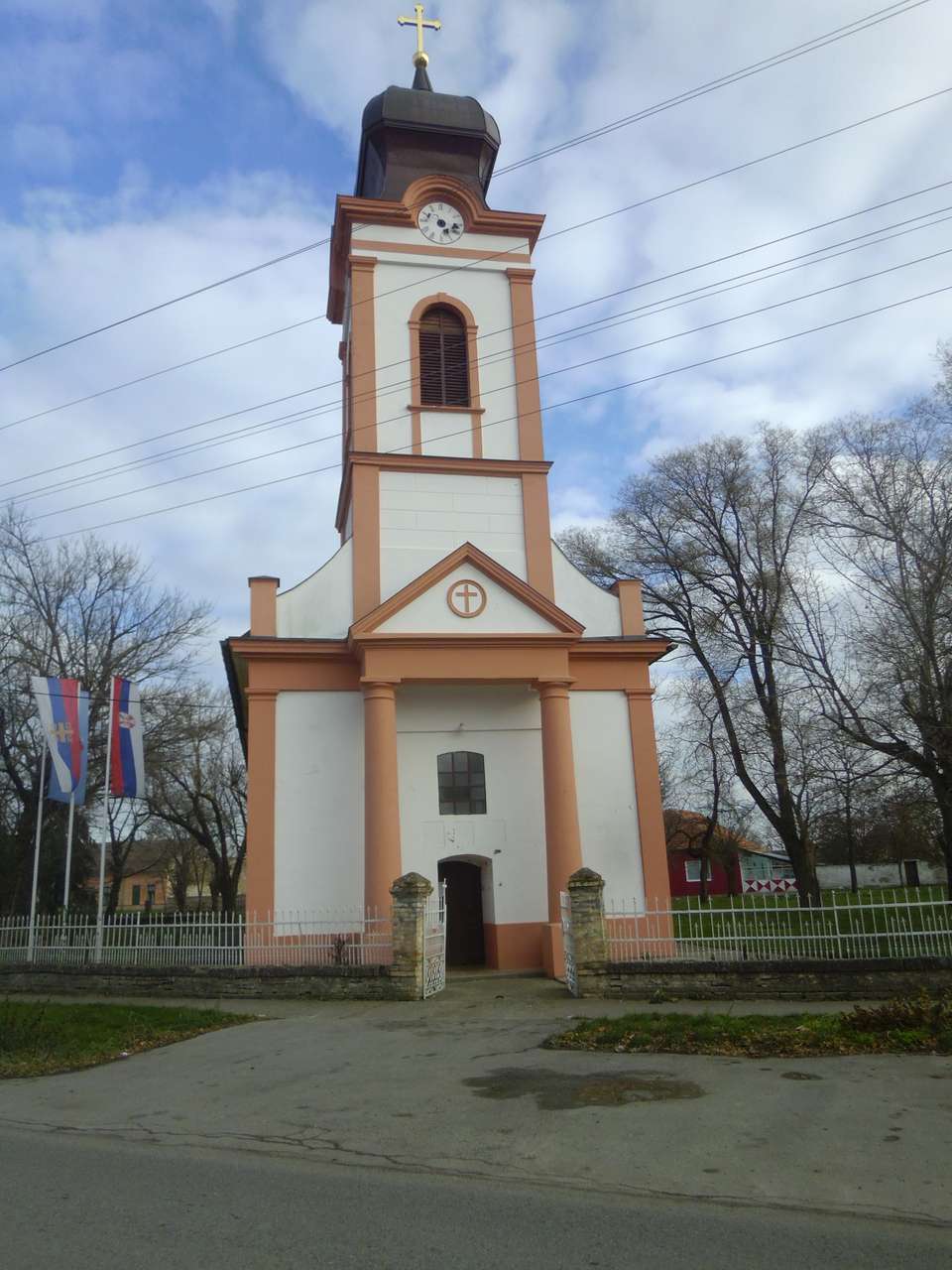
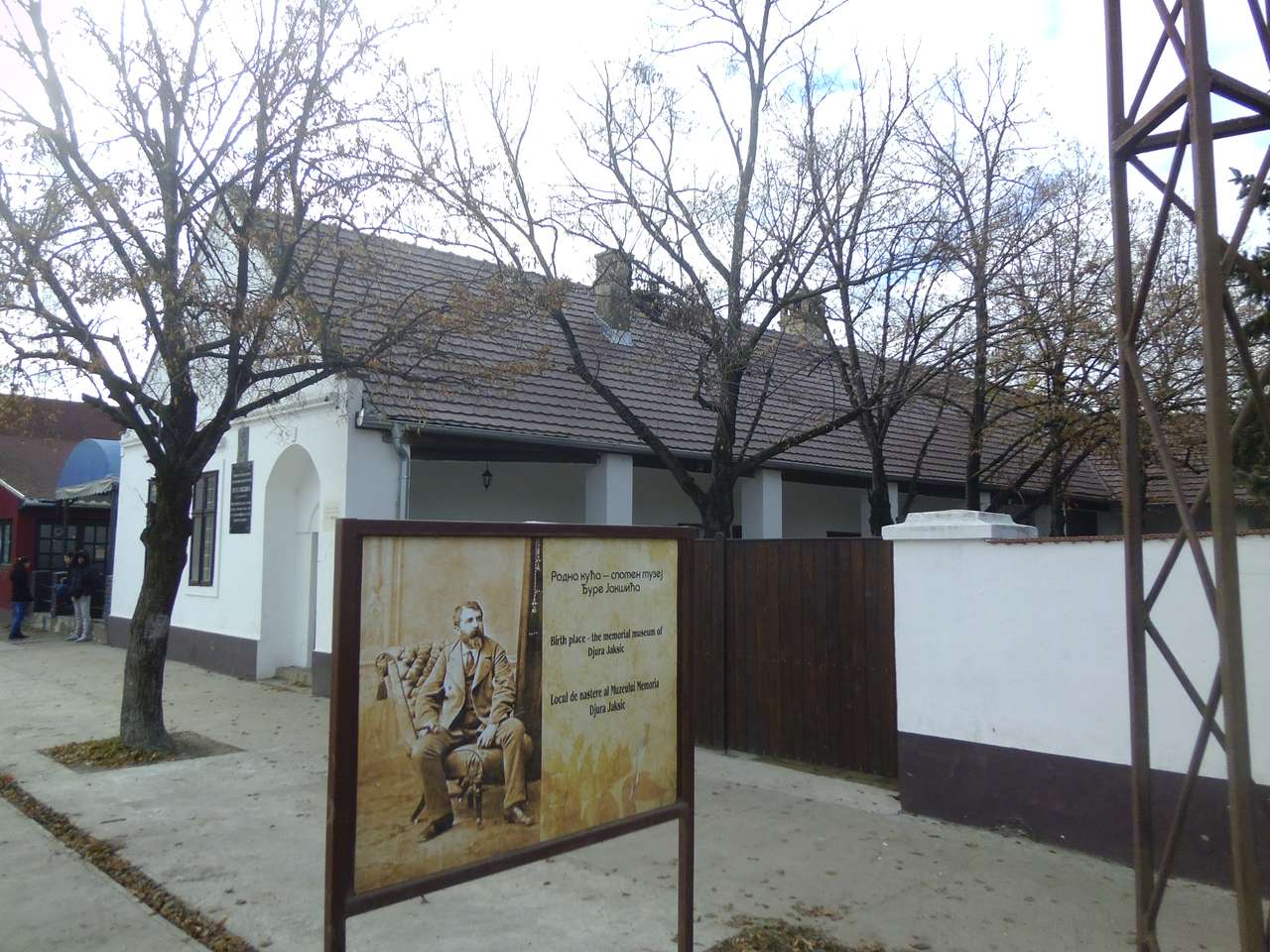
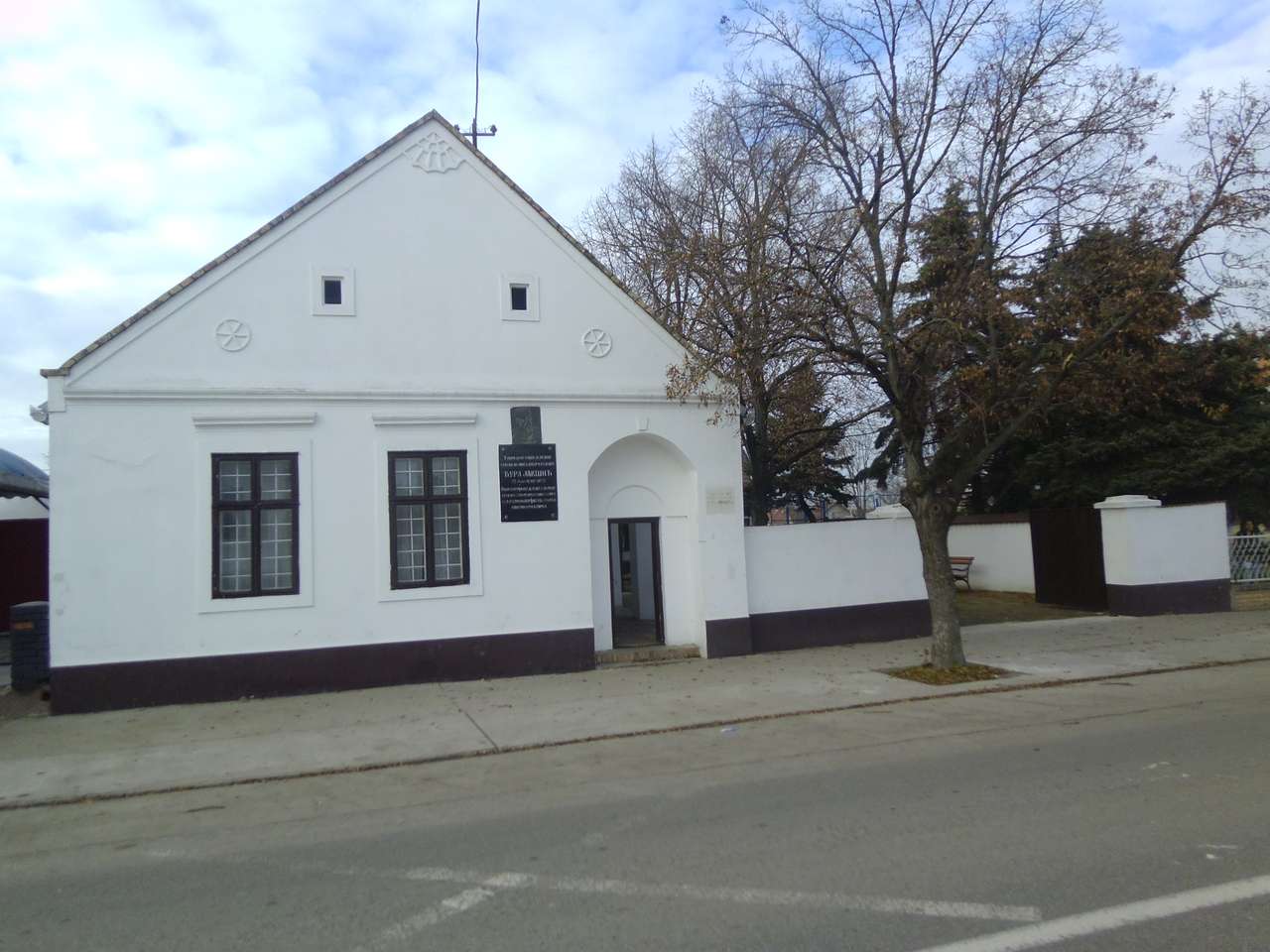
In Srpska Crnja, it is worth visiting the birthplace and memorial museum of the most prominent painter of Serbian Romanticism, Đura Jakšić. The icons on the iconostasis in the 18th-century Serbian Orthodox church are his work.

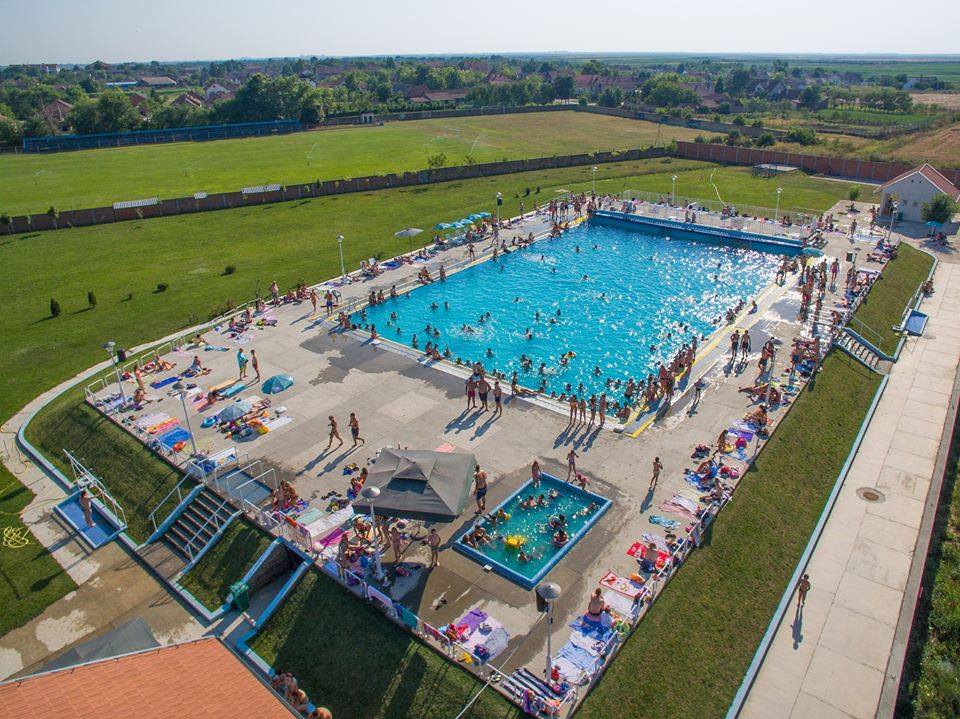
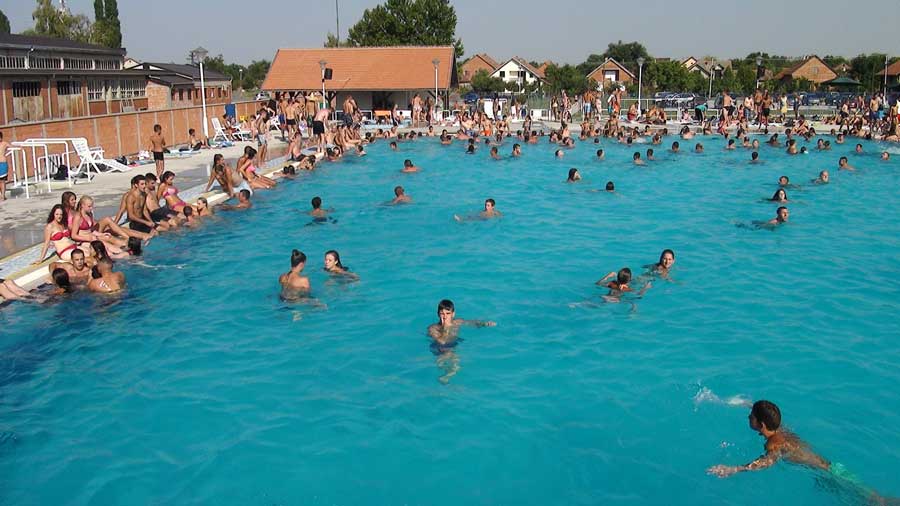
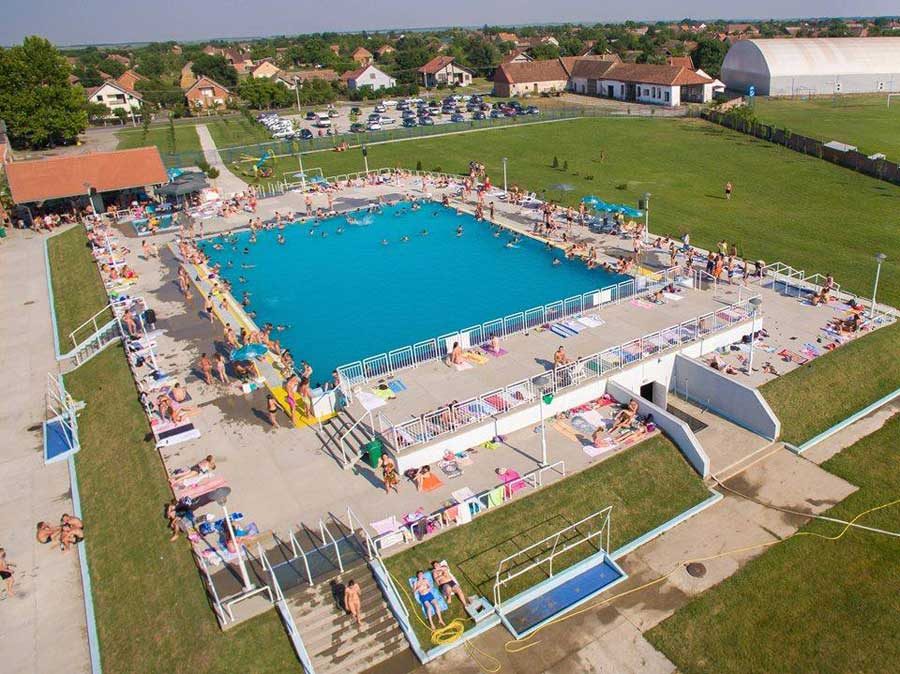
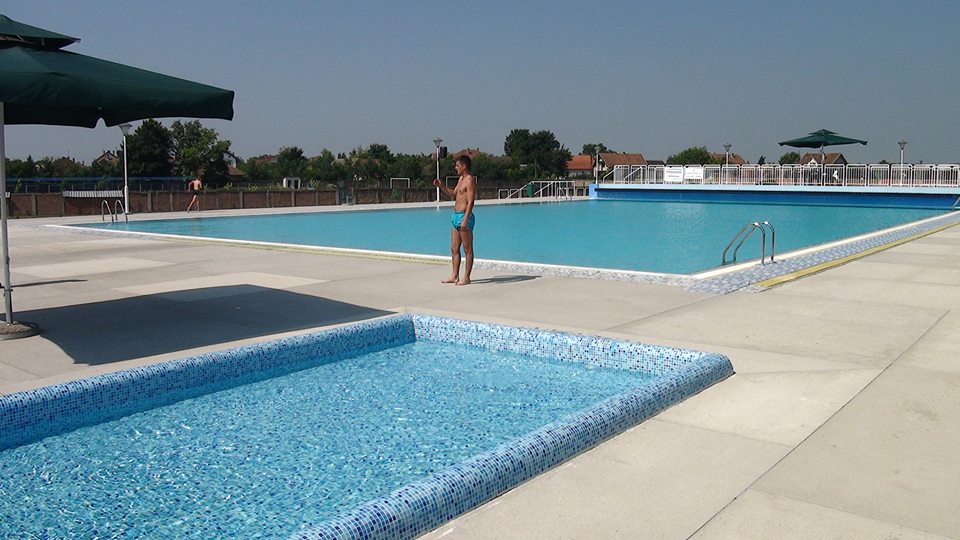
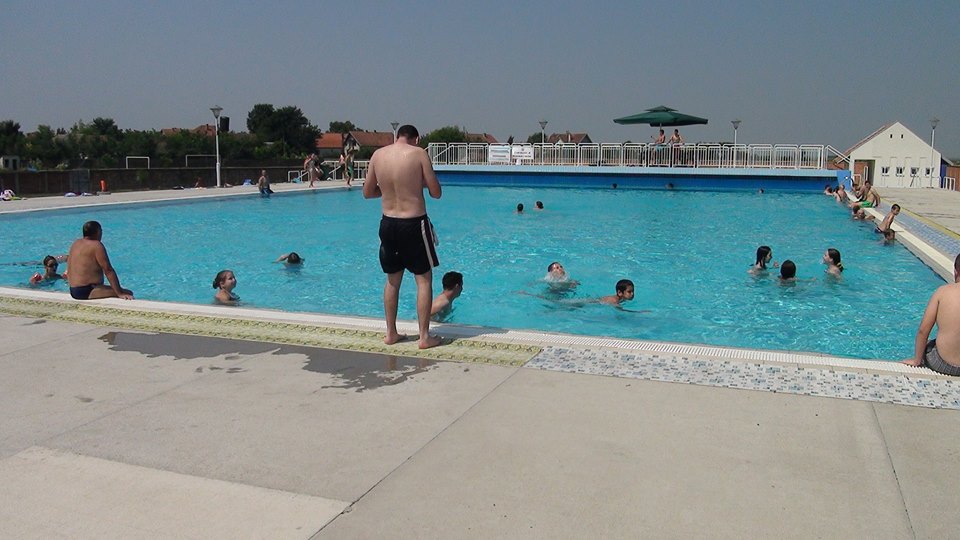
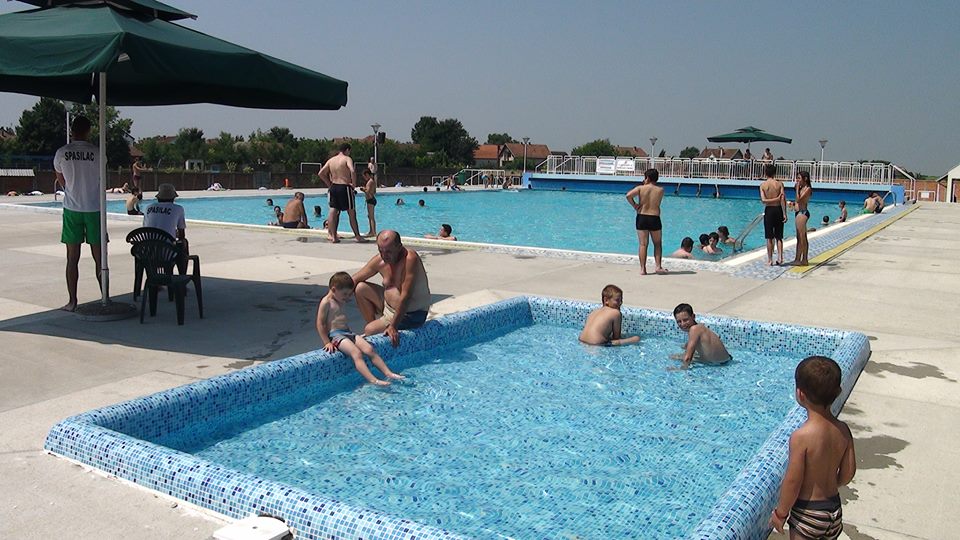
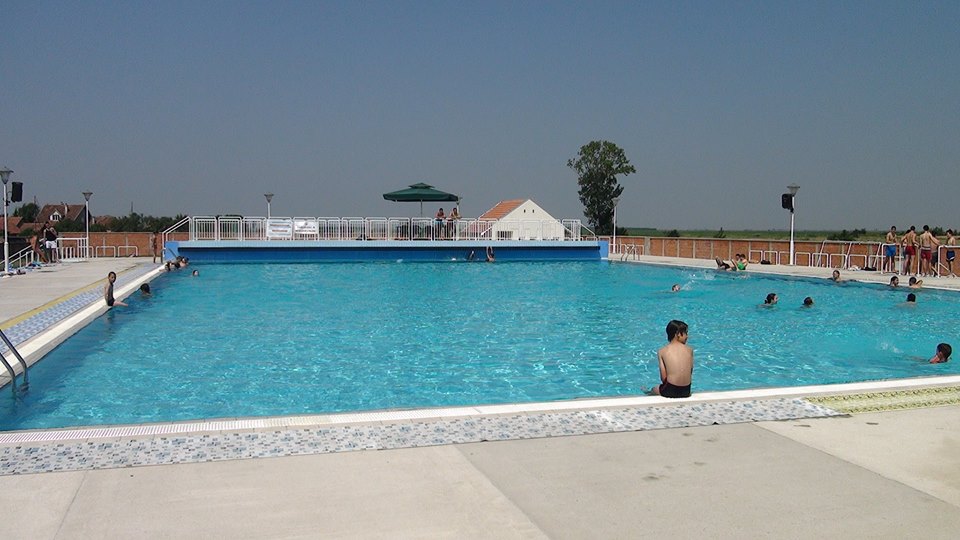
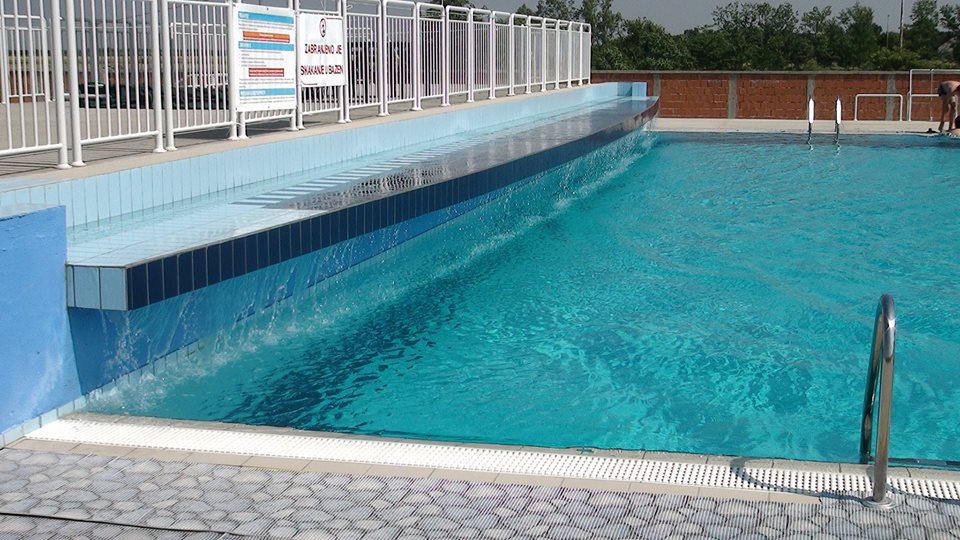
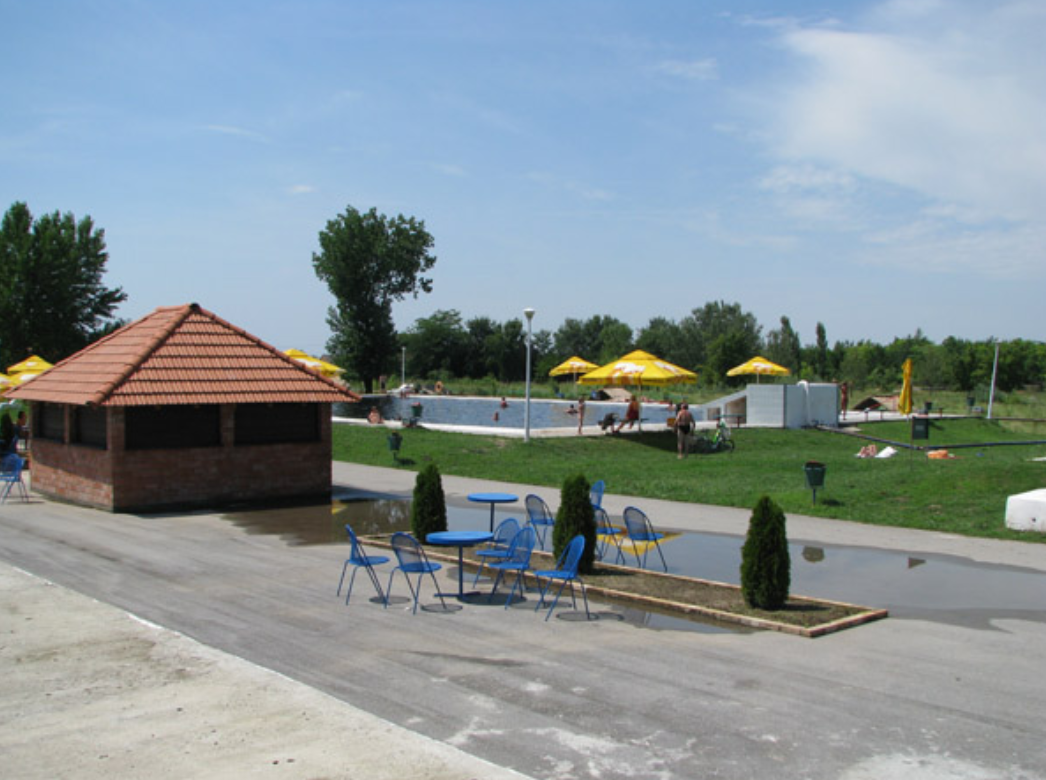
During summer months, you can cool off at the open-air swimming pools (turn left onto a side street near the town exit).

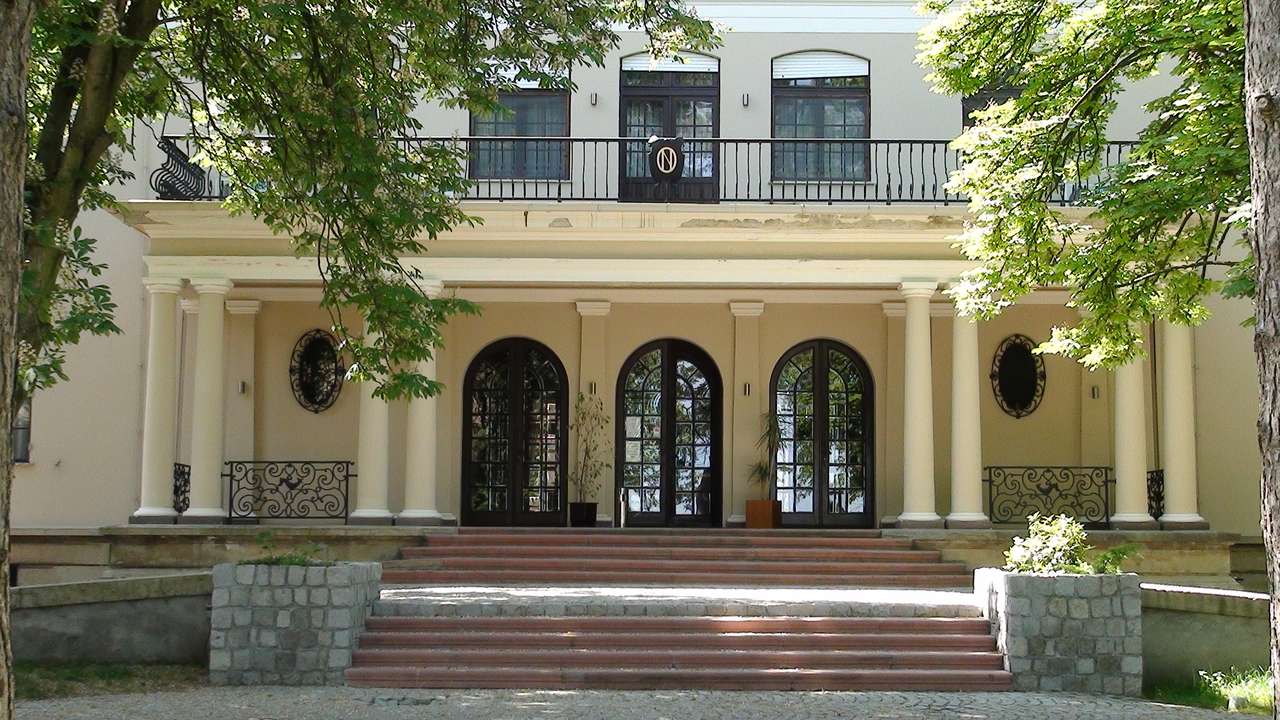
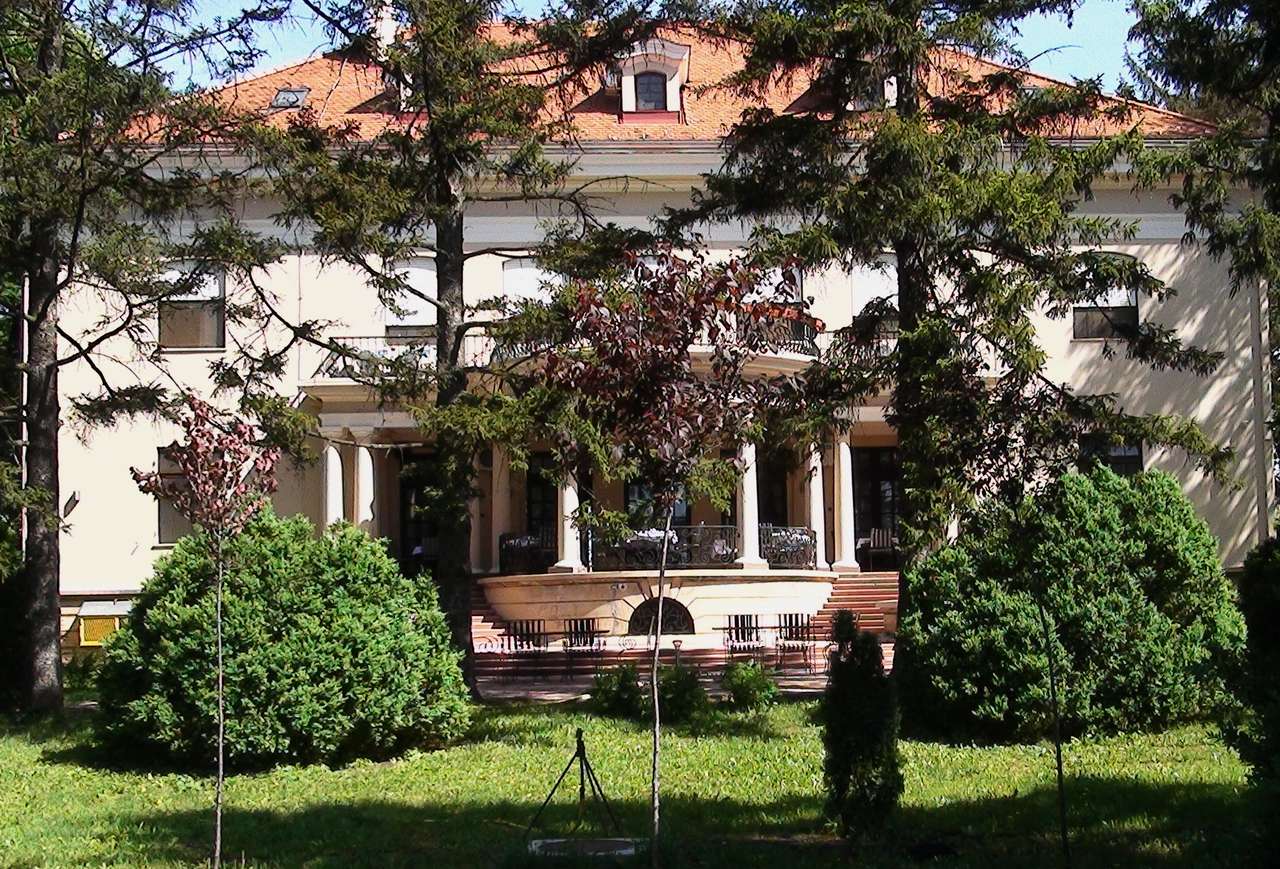
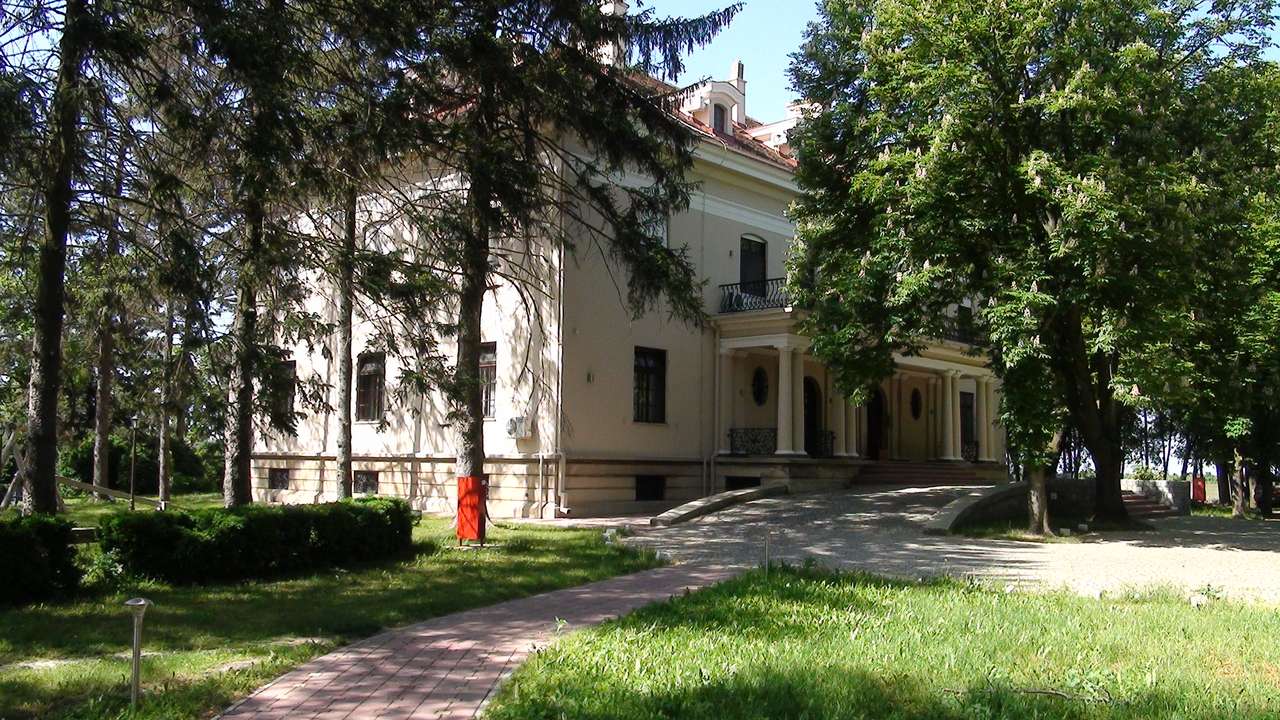
Castel "Banatera" sits at the exit of Srpska Crnja, a couple of hundred meters before the border crossing. Built during World War II by a Russian prisoner architect as the summer residence of German General Franz Neuhausen, it belongs to the youngest generation of castles in Vojvodina. Completely renovated about a decade ago, it lost none of its charm or aristocratic spirit.

Right in front of the castle sits the regional Tour de Banat Cycle Touring Center—a modern single-story facility where you can rest, gather information, and access all necessary tools for bicycle maintenance and repairs.

About 3 km after passing the quiet border crossing, on the left side of the road at the start of the cycle path to nearby Jimbolia, another well-equipped Tour de Banat rest stop awaits cyclists.

Points of interest
Dvorac Nojhauzen - Kaštel

Castle

Dvorac Nojhauzen - Kaštel

Dvorac je izgrađen 1943. godine za potrebe visokih oficira nemačke okupacione vojske na Balkanu, tačnije za generala Nojhauzena i njegovu porodicu, a po nekim tvrđenjima…

  • Kralja Aleksandra
  • +38123811360, +38123812636

Castle

Dvorac Nojhauzen - Kaštel

Dvorac je izgrađen 1943. godine za potrebe visokih oficira nemačke okupacione vojske na Balkanu, tačnije za generala Nojhauzena i njegovu porodicu, a po nekim tvrđenjima čak i za Hermana Geringa. Dvorac je anahron u odnosu na aktuelnu arhitekturu i stilove tog vremena, iako je u osnovi primenjen arhitektonski obrazac klasicističkog dvorca, sa svim njegovim odlikama.Tome u prilog idu i svi ostali elementi od ugrađenog luksuznog materijala, prvoklasne stolarije, hrastovine do ružičastog mermera itd. U sklopu dvorca se nalazi i nekoliko ekonomskih objekata, a ceo kompleks je ograđen. Kaštel se danas koristi kao restoran sa prenoćištem. Dvorac je evidentirano kulturno dobro.

Contact and practical information

Address
Kralja Aleksandra
Phone
+38123811360, +38123812636
Srpska Crnja – Public pool

Pool

Srpska Crnja – Public pool

Outdoor public swimming pool is under the control of Serbian Crnja JKP "August 8". Opening time is from early June to early September. Regular water quality control is…

Pool

Srpska Crnja – Public pool

Outdoor public swimming pool is under the control of Serbian Crnja JKP "August 8". Opening time is from early June to early September. Regular water quality control is carried out by the Public Health Institute.

Contact and practical information

Address
Partizanska
Pravoslavni Hram Svetog velikomučenika Prokopija u Srpskoj Crnji

Church

Pravoslavni Hram Svetog velikomučenika Prokopija u Srpskoj Crnji

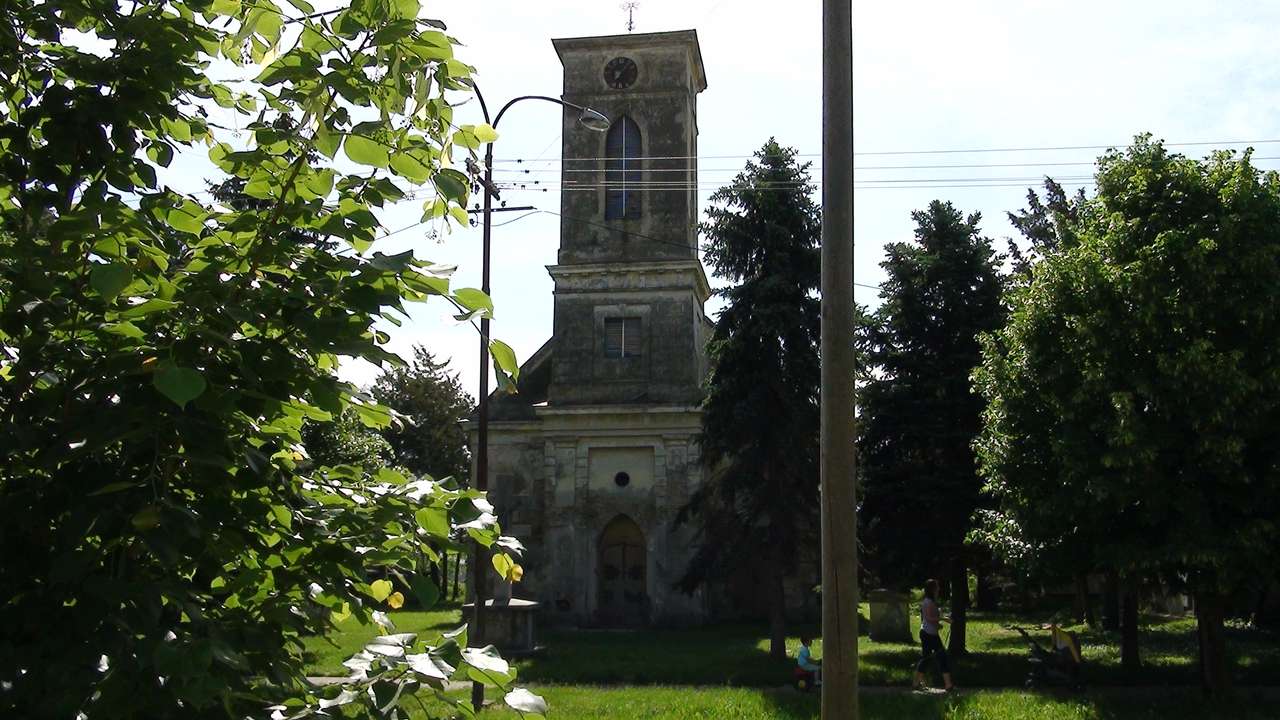
Hram je izgrađen 1775. godine i poznat je po tome što se u njemu nalazi ikonostas koji je slikao najznačajniji slikar Srpskog romantizma Đura Jakšić. Đura Jakšić je…

Church

Pravoslavni Hram Svetog velikomučenika Prokopija u Srpskoj Crnji

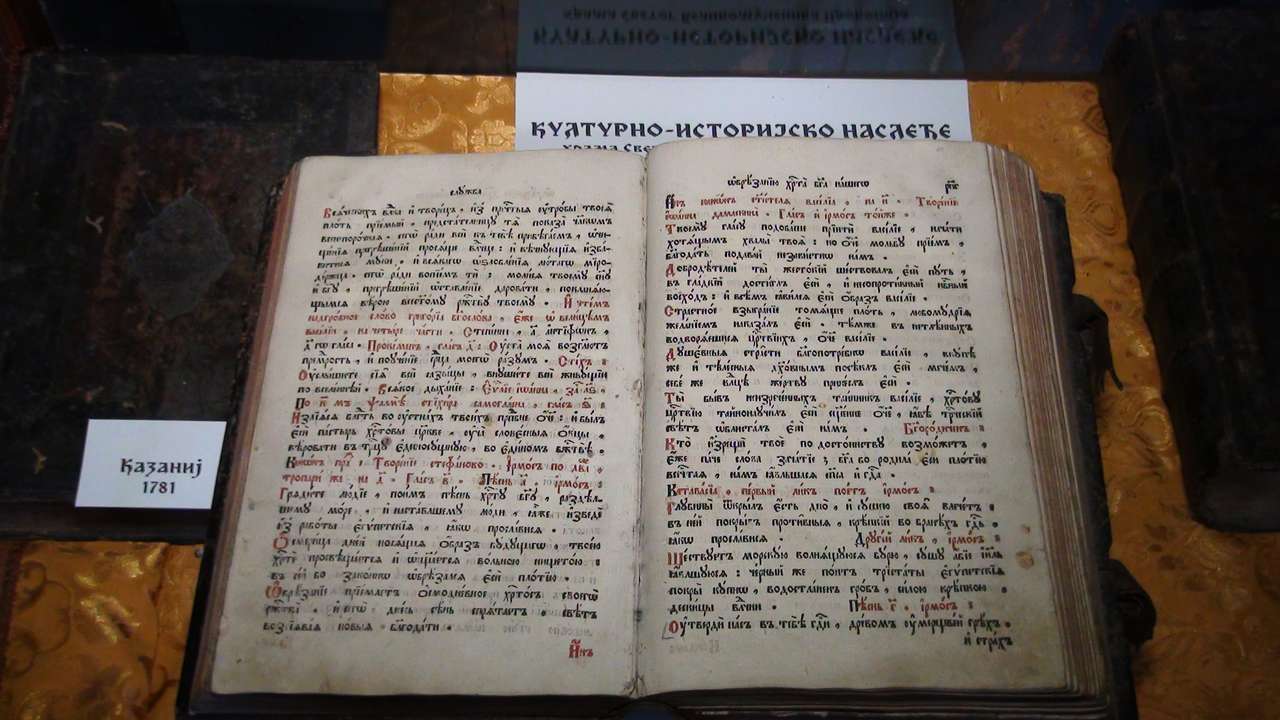
Hram je izgrađen 1775. godine i poznat je po tome što se u njemu nalazi ikonostas koji je slikao najznačajniji slikar Srpskog romantizma Đura Jakšić. Đura Jakšić je tokom 1852 i 1853. godine započeo zamenu ikona, ali nije zamisao izveo do kraja. Krajem XIX. veka, 1892. godine, obnovu odnosno delimično preslikavanje ikonostasa, izvršio je J. Riger iz Temišvara. Hram spada u jedan od najstarijih sakralnih građevina u Banatu. Iako pripadaju njegovim ranim radovima, u kojima je osetna tendencija da se postigne sličnost sa ikonama Konstantina Danila, crnjanske ikone značajne su među relativno malobrojnim Jakšićevim delima iz oblasti crkvenog slikarstva. Pored ikona, u hramu se čuvaju 4 stare štampane knjige: Antologion, Dugo Polje 1643, Đejanija cerkovnaja, Moskva, 1719 , Teatron ili pozor istoriceskij, Sanktpeterburg, 1720, Kazanij, Rimnik, 1781. Crkva je pod zaštitom države.

Contact and practical information

Address
Kralja Aleksandra
Catholic Church of St. Joseph in Srpska Crnja

Church

Catholic Church of St. Joseph in Srpska Crnja

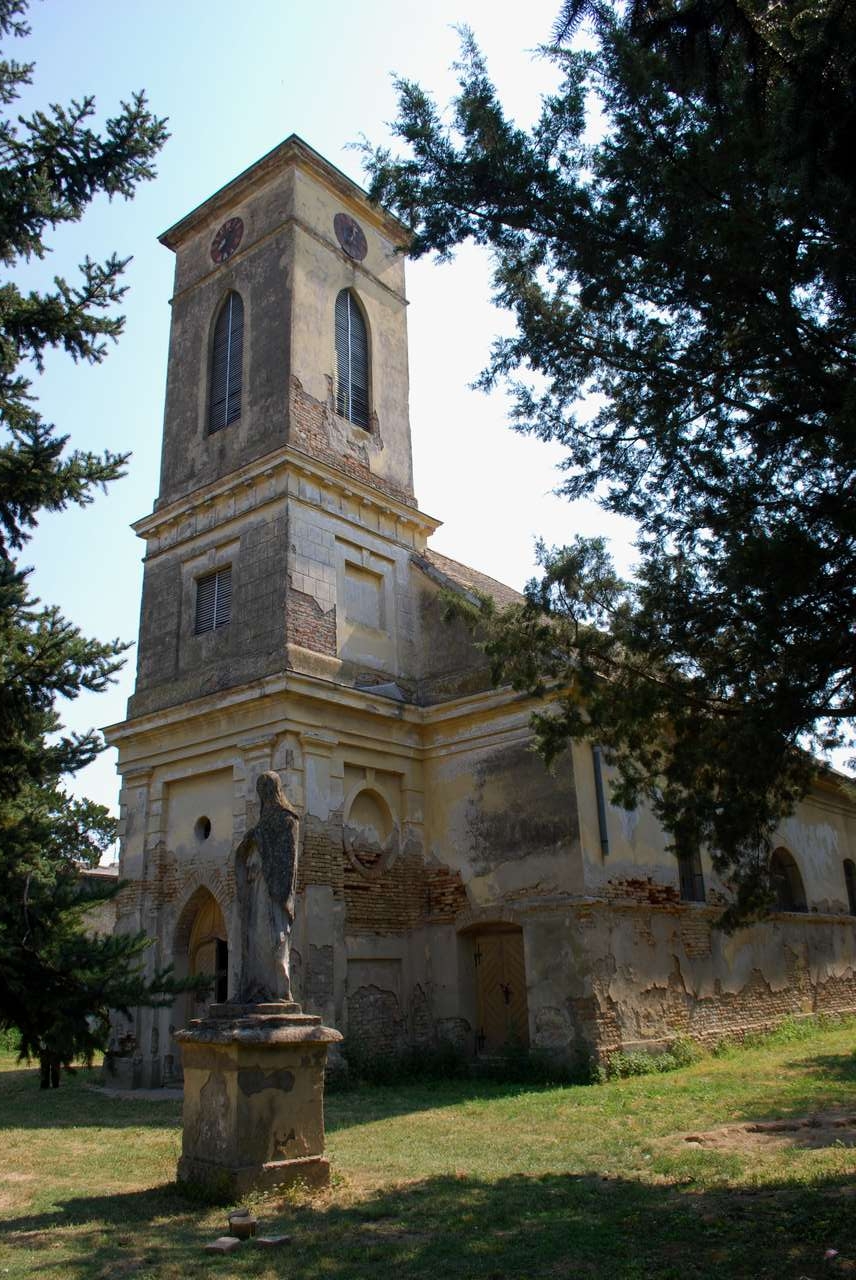
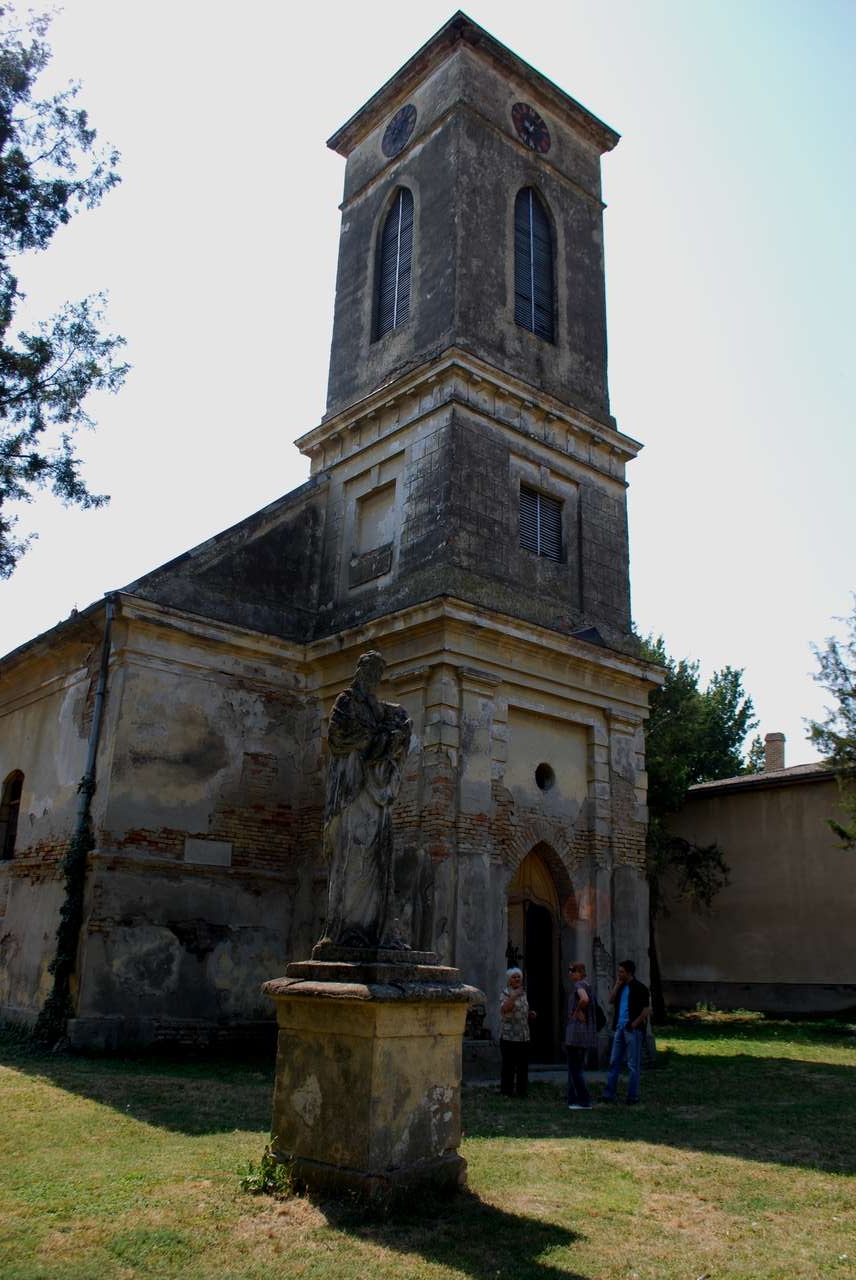
The church was constructed by Josef Čekonjić on 1 September 1808 at the time when Crnja was divided to Serbian and German Crnja. The church was actually constructed by…

Church

Catholic Church of St. Joseph in Srpska Crnja

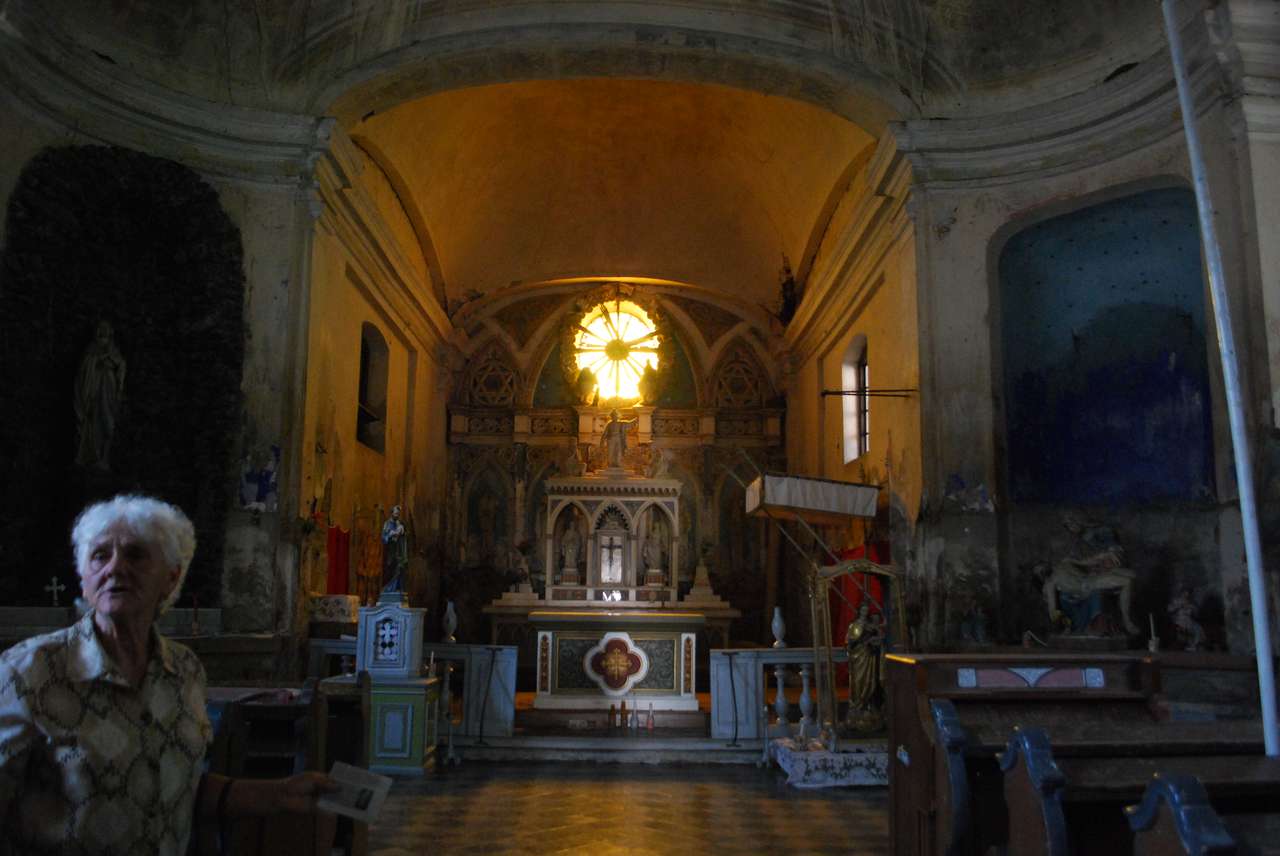
The church was constructed by Josef Čekonjić on 1 September 1808 at the time when Crnja was divided to Serbian and German Crnja. The church was actually constructed by German Crnja inhabitants with Count Čekonjić providing for the material. The stone cross and the statues in front were provided by people. On October 18 it was accepted by the priest of the parish, while the bishop Ladislaus Koszeghi von Remete blessed it in honour of St Joseph in 1811. In 1847 the church was robbed and the damage was significant. The interior used to be adorned by the magnificent Main Altar and Maria’s Altar. Around the church believers used to gather especially at Christmas and Easter. Nowadays St. Joseph church is in extremely poor condition due to lack of money for its maintenance. Initiative for its renovation has been taken and it is to be expected that it will be fully reconstructed and become again the centre of gathering of worshipers and visitors of the place who come to look for their roots. Because of great interest of foreign tourists, first of all Germans whose predecessors once lived in Crnja, renovation of the church is a must.

Contact and practical information

Address
Partizanska bb
the House of Djura Jakšić in Srpska Crnja – Memorial  Museum

Museum

the House of Djura Jakšić in Srpska Crnja – Memorial Museum

The house of Djura Jakšić turned to Museum has, frequently changed owners and functions. After the death of Dionisije Jakšić, it was inherited by the youngest son…

Museum

the House of Djura Jakšić in Srpska Crnja – Memorial Museum

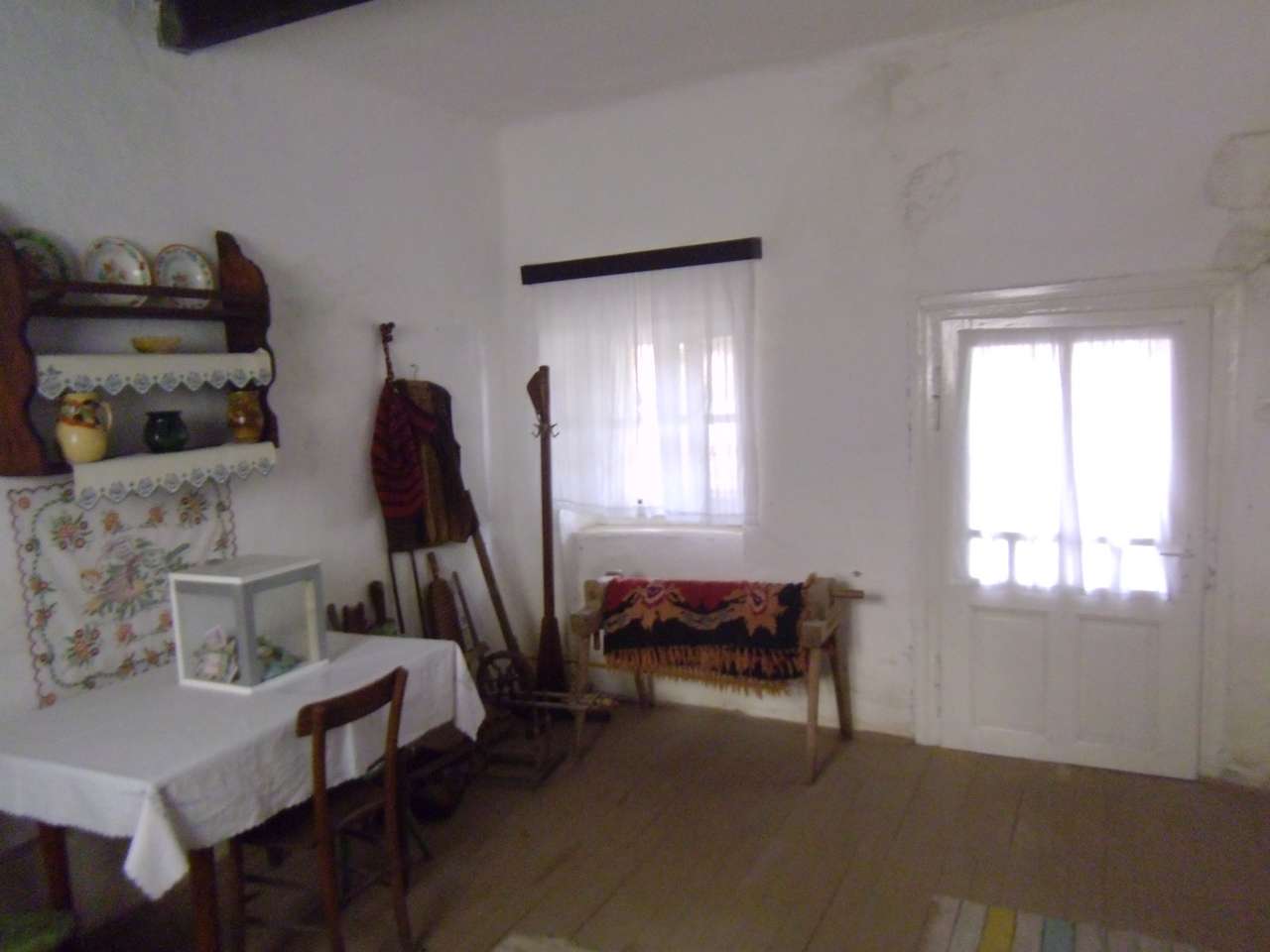
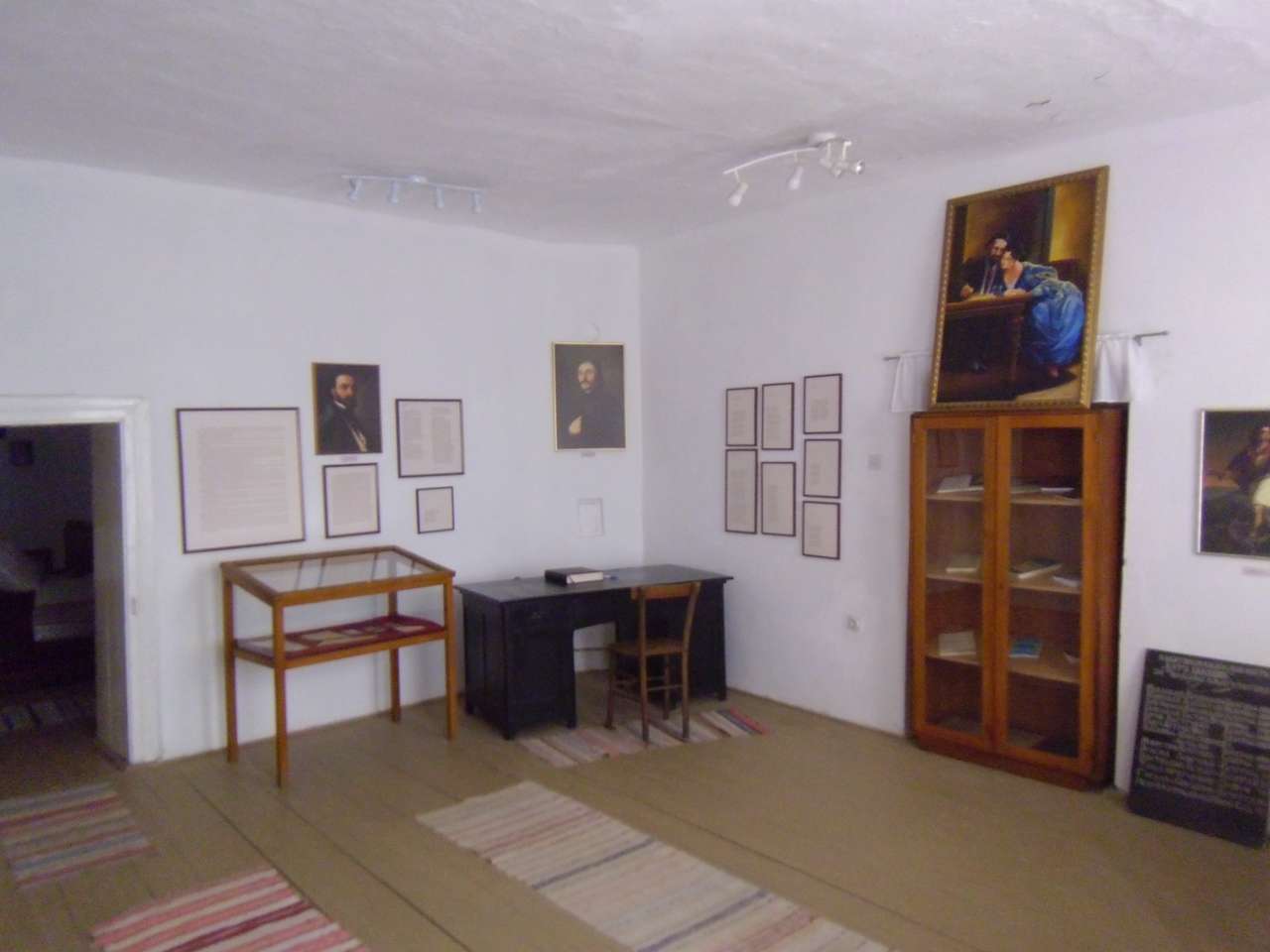
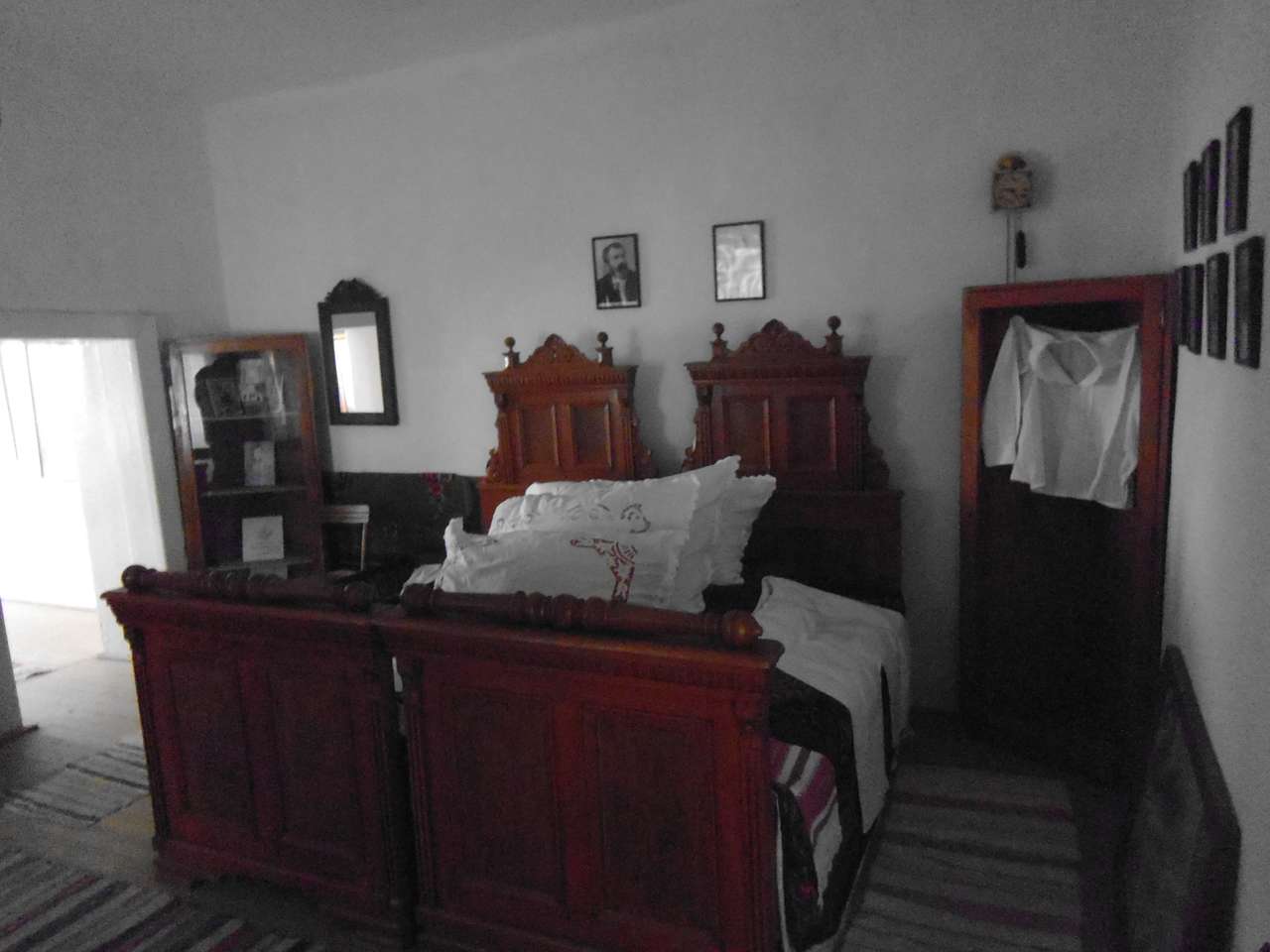
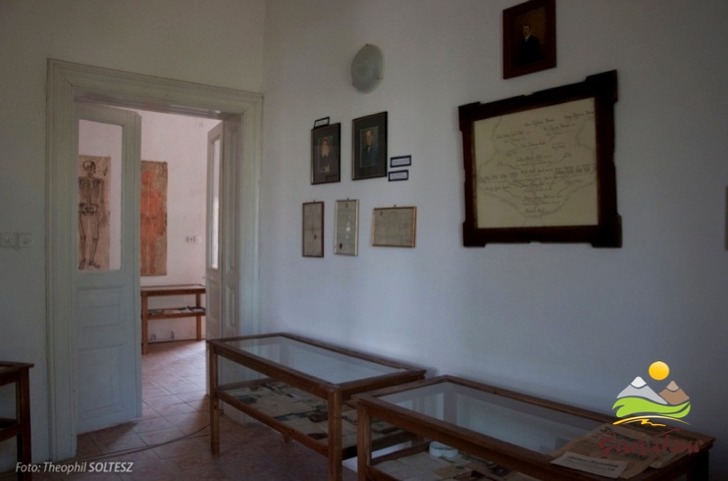
The house of Djura Jakšić turned to Museum has, frequently changed owners and functions. After the death of Dionisije Jakšić, it was inherited by the youngest son Venijamin, a priest in Crnja. After his death, the house became state-owned. The first Srpska Crnja library and reading-room were opened in it in 1919. The first decision on setting up of a museum in memory of Djura Jakšić was passed on 05/12/1944, but the decision was not enforced at that time though. The museum was opened on 5 October 1952. Birth house of Djura Jakšić has been protected at the national level since 1956.

Exhibition space of the museum consists of three rooms. The exhibits as they are now were arranged by Zrenjanin National Museum in 1981 in such a way to consistently reflect the complex personality of the greatest Serbian painter and poet of Romanticism. Approximately 400 various documentary items: photo-copies, xero-copies and colour reproductions interprete the life and work of Djura Jakšić by way of concise description on labels; the original documents are kept in the archives of Novi Sad, Kragujevac, Požarevac, Svetozarevo - Jagodina, City Museum of Belgrade, while the paintings are in the Gallery of "Matica Srpska" in Novi Sad, National Museum in Belgrade and Zrenjanin.

Contact and practical information

Address
Kralja Aleksandra 62
Djura Jakšić Monument

Monument

Djura Jakšić Monument

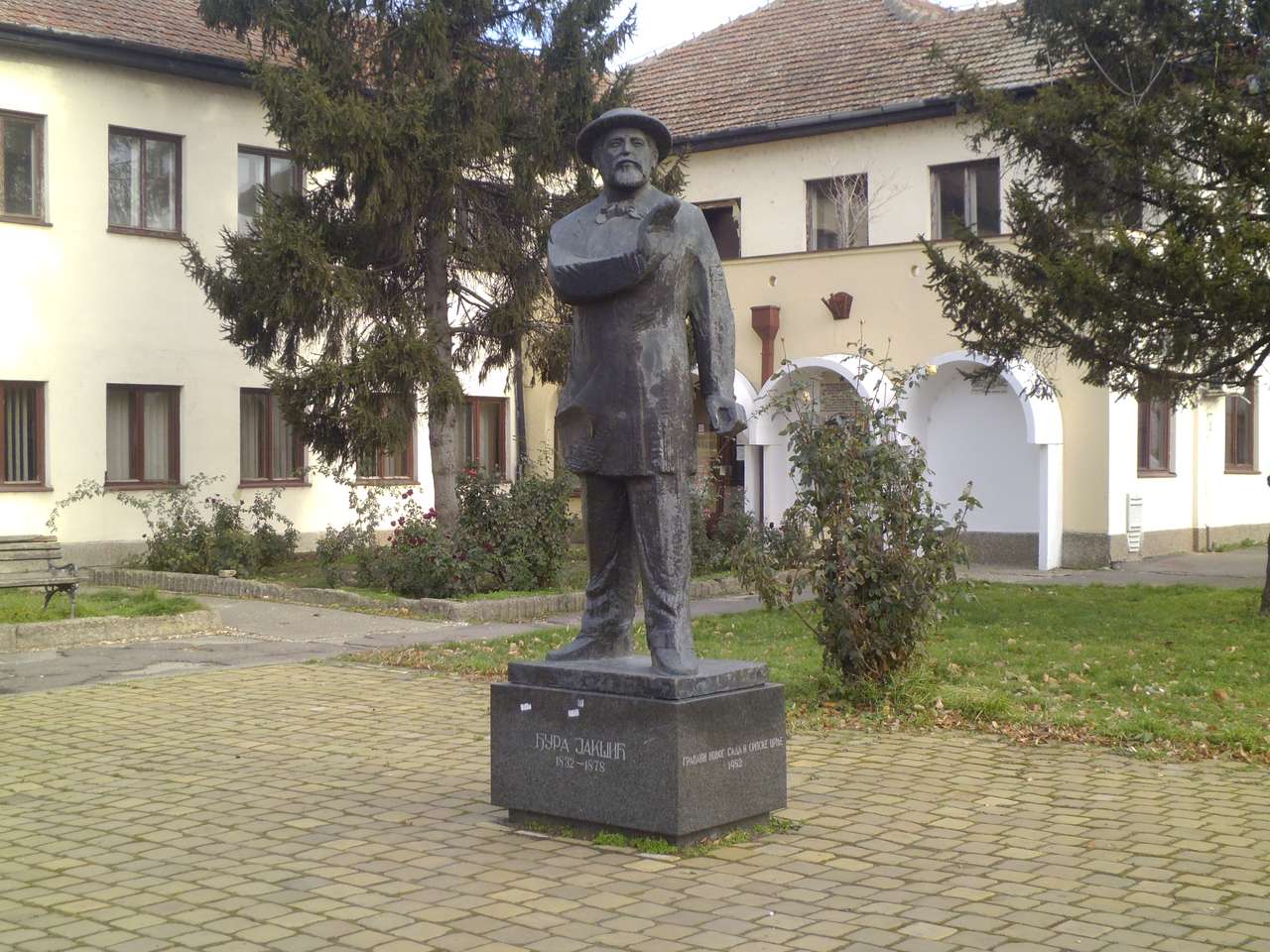
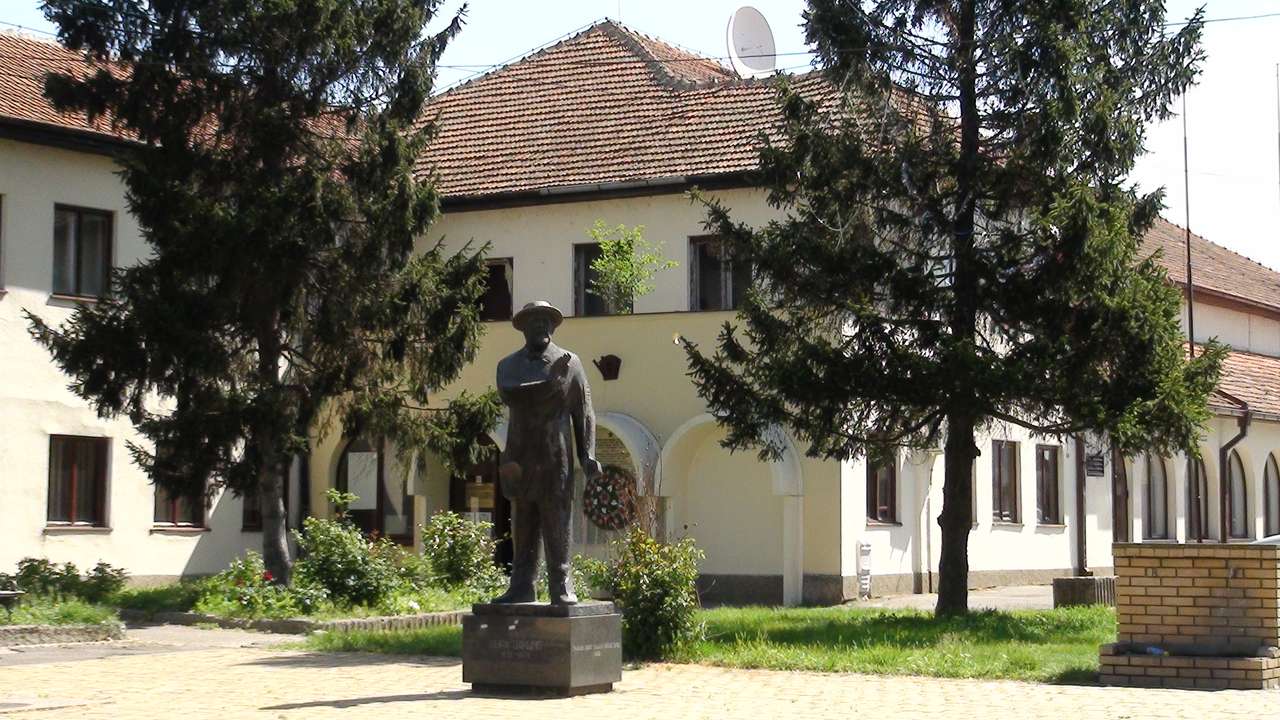
On the occasion of the 150th anniversary of the birth of Đura Jakšić (1832-1982), a large monument was set up in front of the Cultural Club and the Public Library.…

Monument

Djura Jakšić Monument

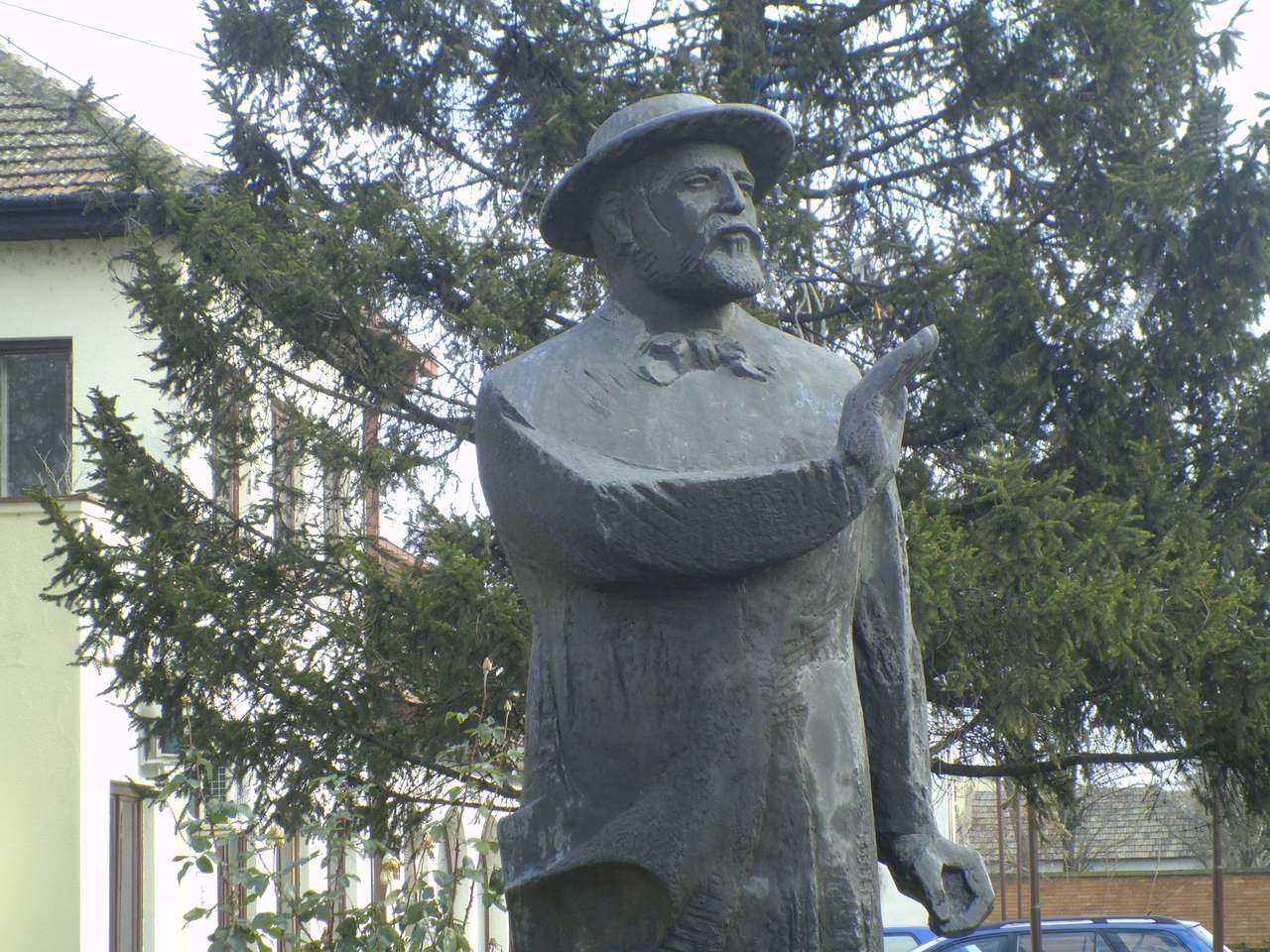
On the occasion of the 150th anniversary of the birth of Đura Jakšić (1832-1982), a large monument was set up in front of the Cultural Club and the Public Library. Created by Aleksandar Zarin, a sculptor born in Srpska Crnja in 1923. This year - the 1982 Djura's Dais Festival - Lipar Nights - lasted for 15 days.

Contact and practical information

Address
Kralja Aleksandra 65
Crkva Svete Agote u Novoj Crnji

Church

Crkva Svete Agote u Novoj Crnji

Kamen temeljac ove crkve je stavjen 3. oktobra 1842 godine na insistiranje Jožefa Čekonjića a već 1844.godine bila osveštena i prvi put se čulo u selu crkveno zvono i…

Church

Crkva Svete Agote u Novoj Crnji

Kamen temeljac ove crkve je stavjen 3. oktobra 1842 godine na insistiranje Jožefa Čekonjića a već 1844.godine bila osveštena i prvi put se čulo u selu crkveno zvono i zvuk orgulje. 2007 godine su počeli da renoviraju crkvu na insistiranje fonda Szent Agota. Naselje Nova Crnja ima jednu katoličku crkvu. U sklopu renoviranja promenjen je krov i pod a prošle godine su renovirani unutrašnji i špoljašnji zidovi. Glavni sponzori renoviranja su bili Pokrajinski Investicioni Fond, Zrenjaninska Biskupija, fond Kirche in Not iz Nemačke, i pojedini donatori.

Contact and practical information

Address
JNA bb
Johnny Weissmiller's birthplace

Landmark building

Johnny Weissmiller's birthplace

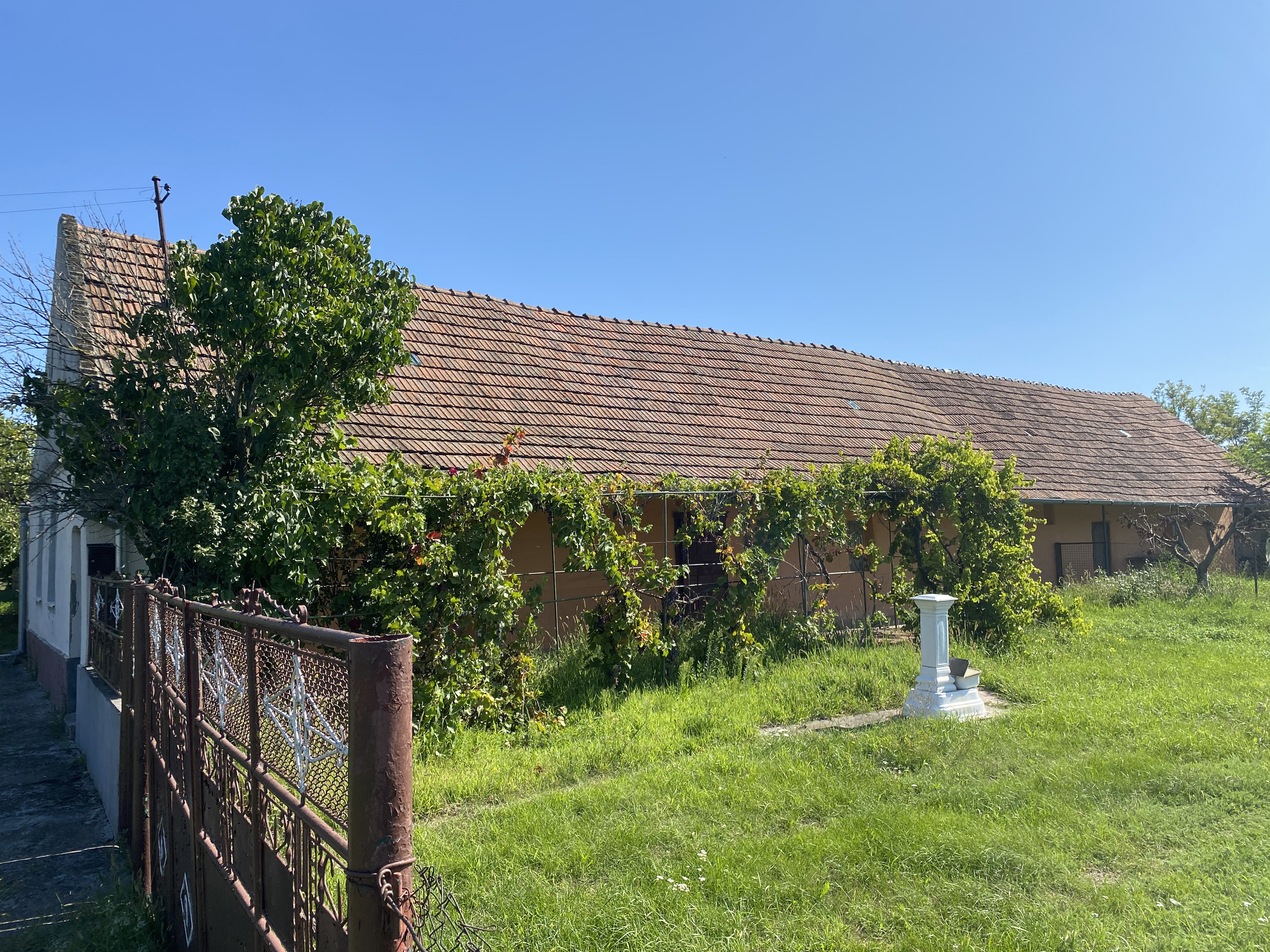
Johnny Weissmiller was born in 1904 in Medja, and with his parents he emigrated to America in his earliest childhood, where he first achieved sporting success as a top…
Landmark building

Johnny Weissmiller's birthplace

Johnny Weissmiller was born in 1904 in Medja, and with his parents he emigrated to America in his earliest childhood, where he first achieved sporting success as a top swimmer, and then as a film actor who gained a world reputation for his role as Tarzan. The Weissmiller house, where the famous interpreter Tarzan was born, still exists, and its current owner is a descendant of that family, Tereza Stojanović, whose last name was Weissmiller until her marriage. Several close relatives of Johnny Weissmiller are buried in the local cemetery. Teresa lives in Belgrade, and she comes to the Weissmiller house in Medja occasionally.

Restaurant Mrksicevi salasi

Restaurant

Restaurant Mrksicevi salasi

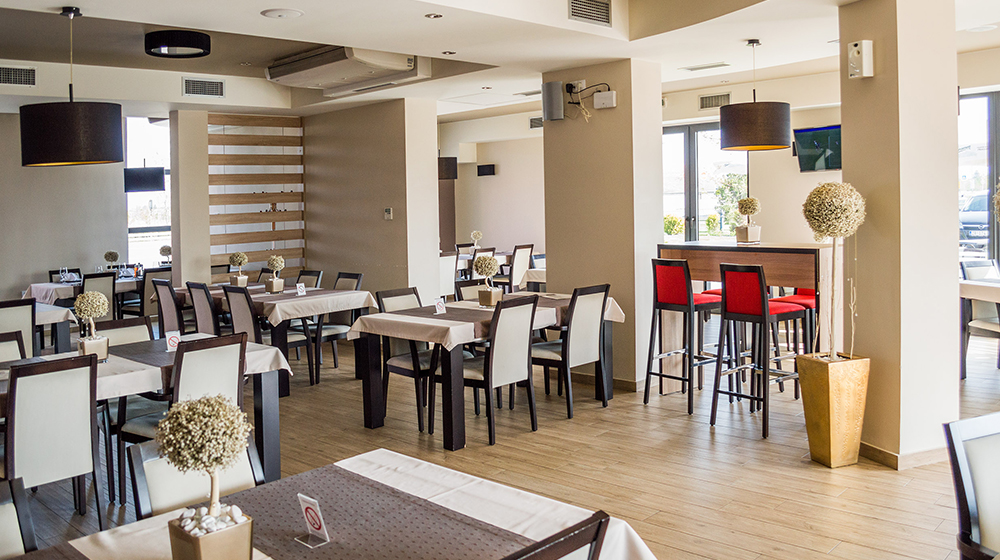
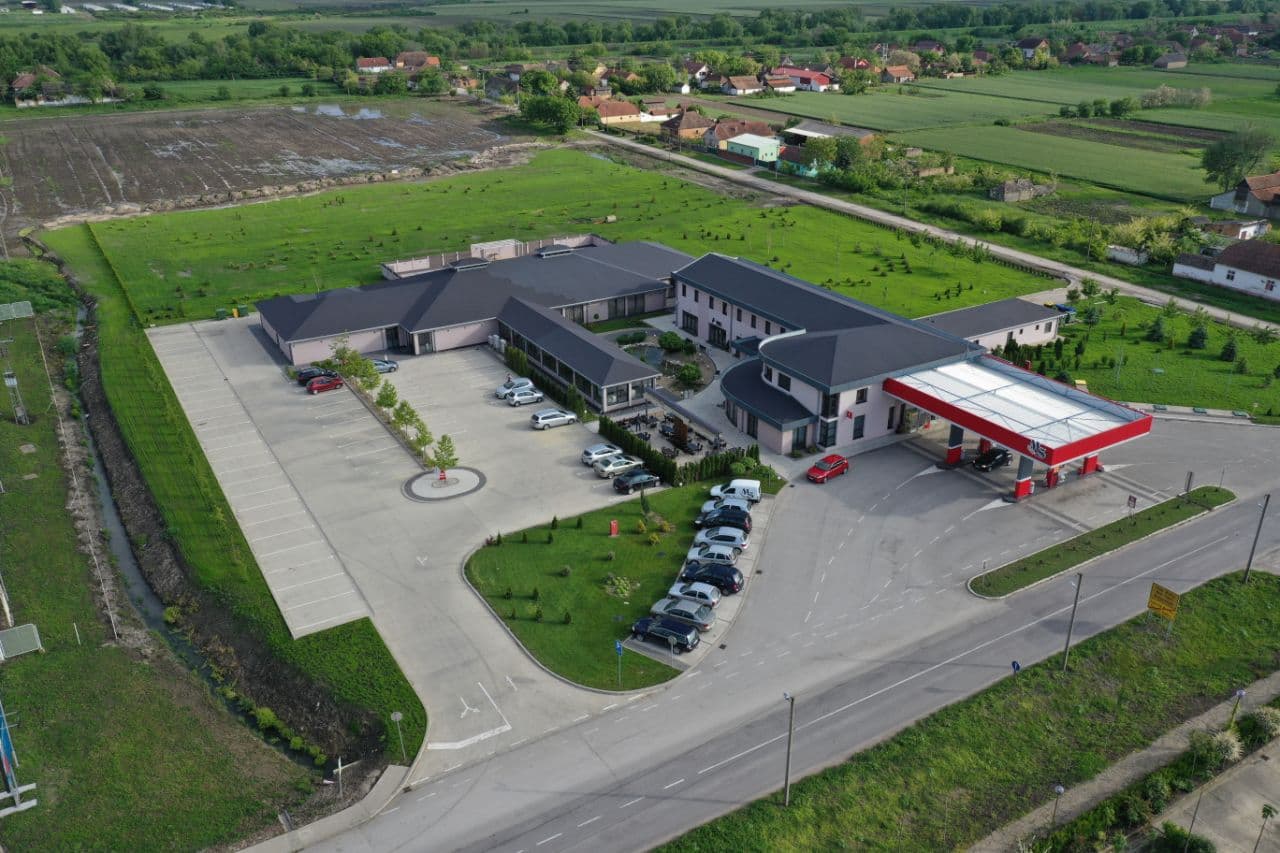
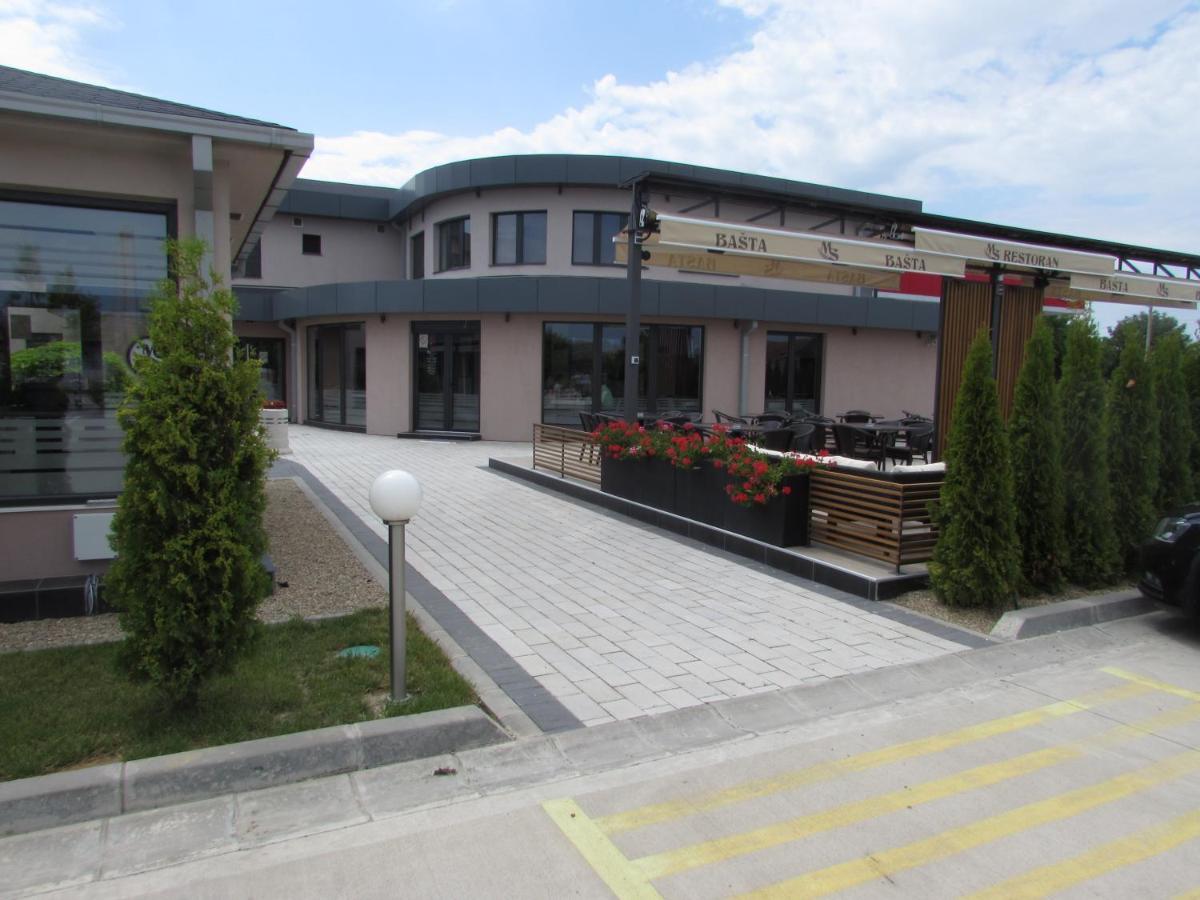
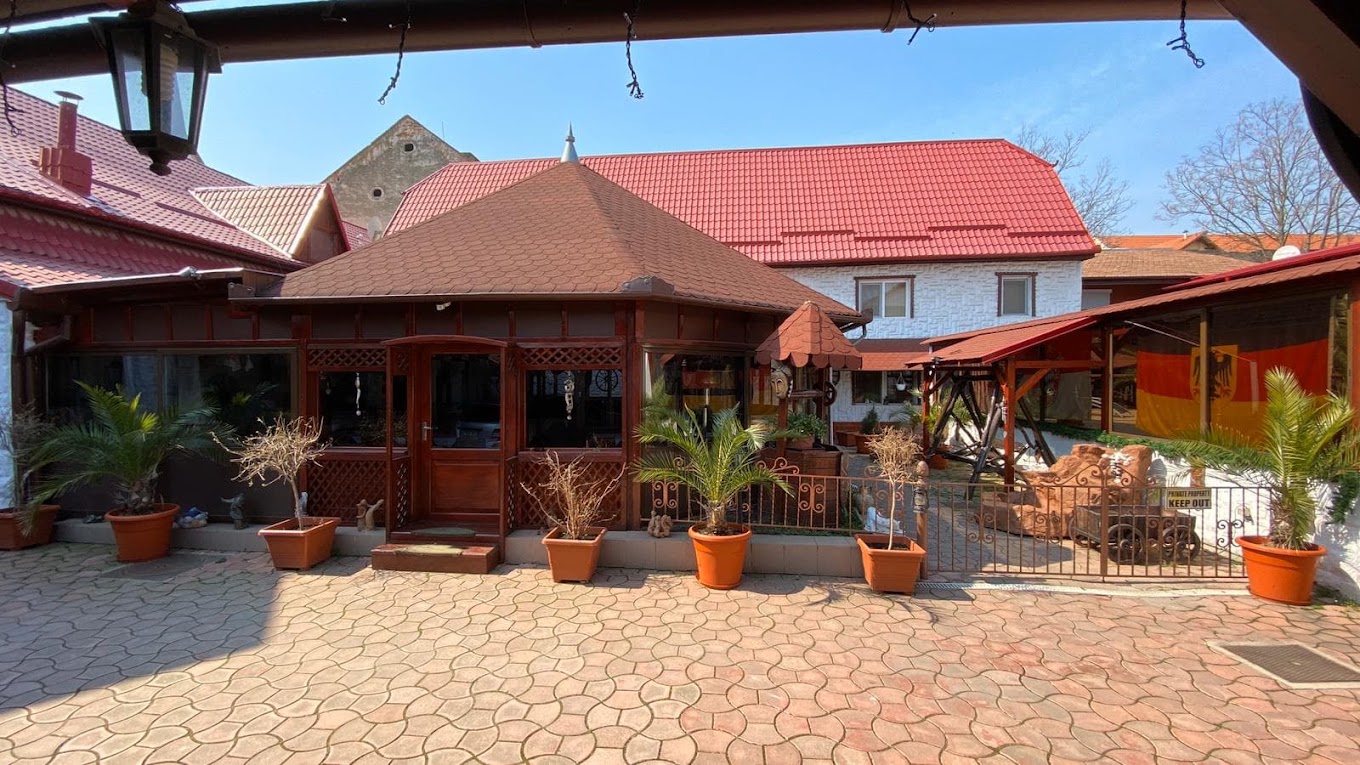
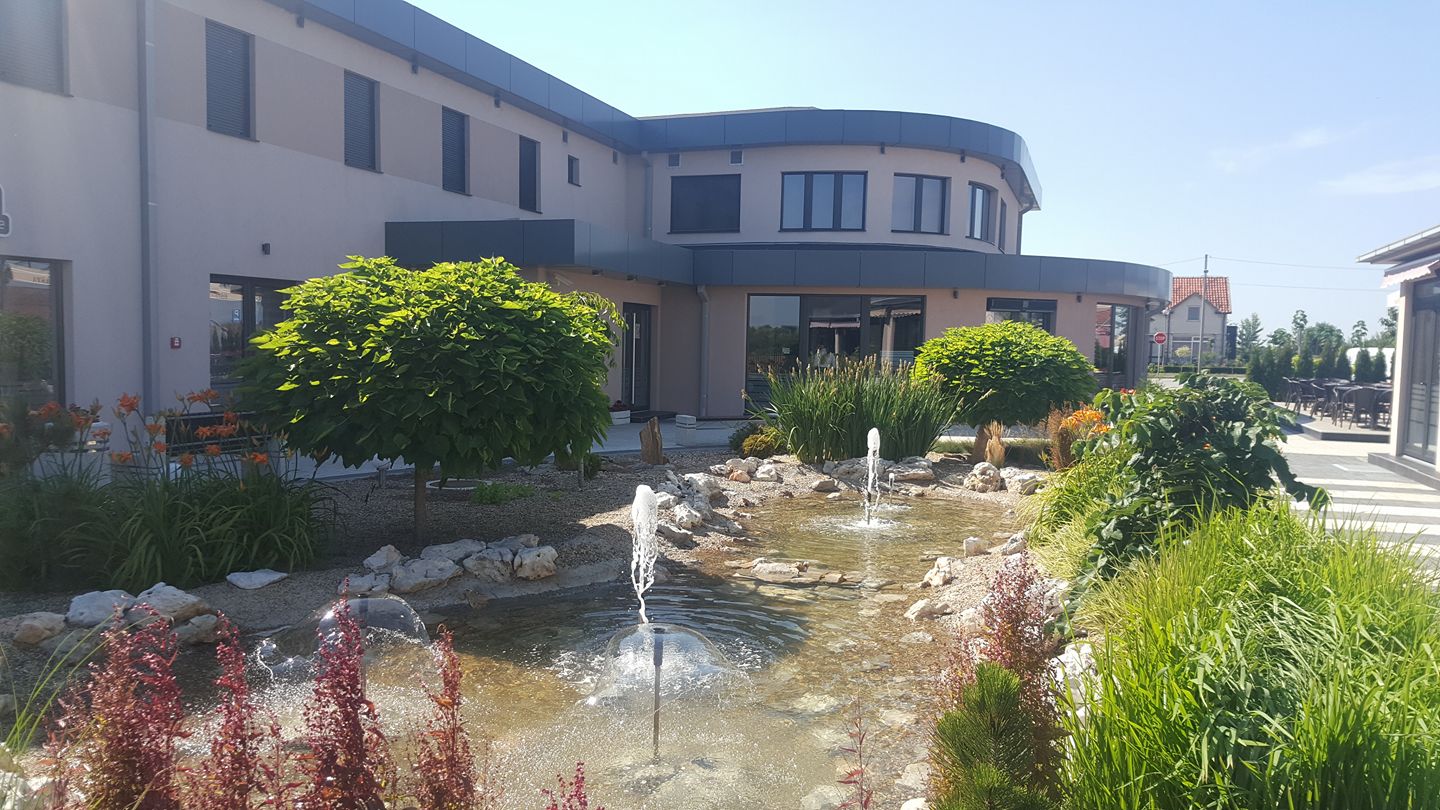
At a distance of 36 km from Zrenjanin, at the entrance to Srpski Itebej, there is a tourist complex "Mrkšićevi salaši" where you can find your quiet place for vacation…

  • Milosa Crnjanskog bb, Srpski Itebej
Restaurant

Restaurant Mrksicevi salasi

At a distance of 36 km from Zrenjanin, at the entrance to Srpski Itebej, there is a tourist complex "Mrkšićevi salaši" where you can find your quiet place for vacation and for organizing various family and business events and celebrations. Within the complex there are: a restaurant with a capacity of up to 100 seats, an exclusive ceremonial hall suitable for organizing celebrations with a capacity of up to 300 seats and business meetings for up to 200 people, a conference hall for organizing business meetings for up to 90 people with all necessary accompanying technology the same. Guests have at their disposal modern rooms with a total of 26 accommodation units as well as M Salon which offers professional make-up, massage, body treatments, beauty and hairdressing services.

Contact and practical information

Address
Milosa Crnjanskog bb, Srpski Itebej
Large forest in Vojvode Stepe

Forest

Large forest in Vojvode Stepe

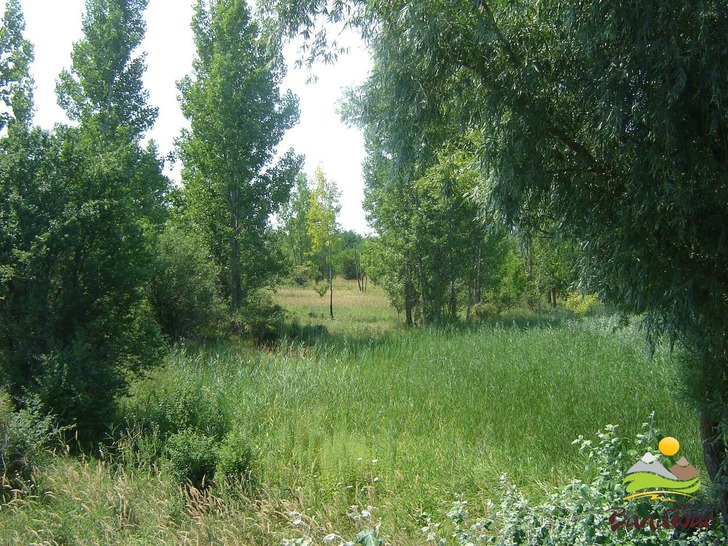
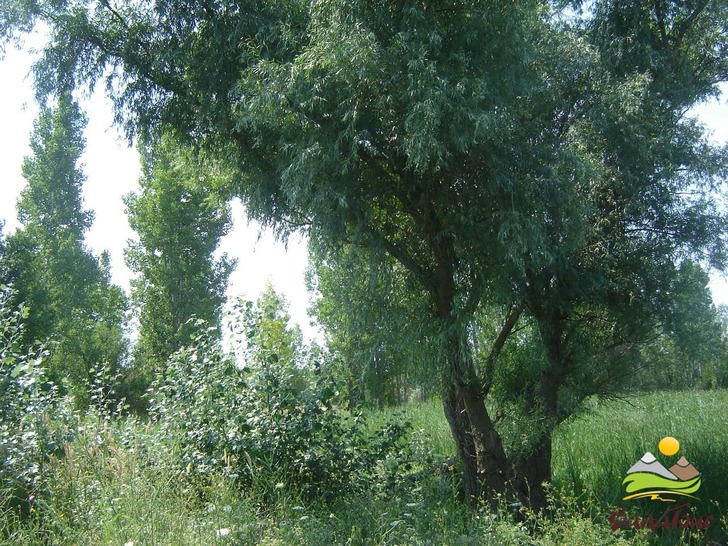
Large forest in Vojvode Stepe represents an ideal place for rest and recreation. Great forest spans at a total area of 186 ha. In abundant flora and fauna precede wood…
Forest

Large forest in Vojvode Stepe

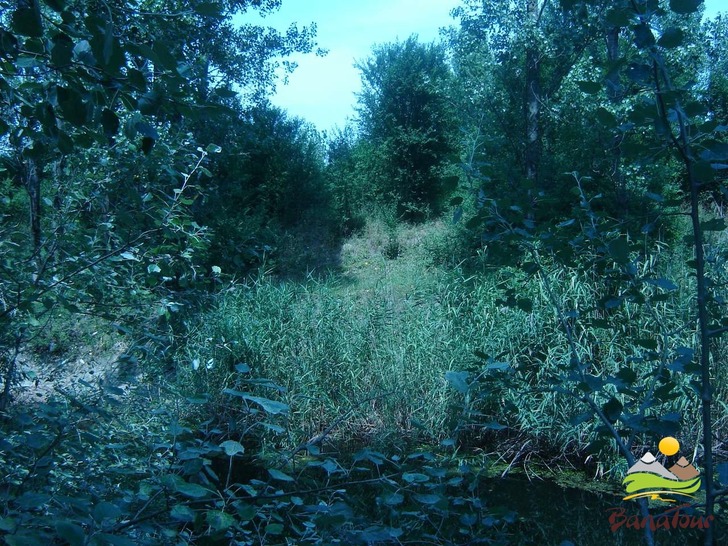
Large forest in Vojvode Stepe represents an ideal place for rest and recreation. Great forest spans at a total area of 186 ha. In abundant flora and fauna precede wood of acacia, black walnut, hackberry, Virginia juniper, American ash, sour wood, red oak and other hardwood.

St. Vasilije Ostroški Orthodox Church

Church

St. Vasilije Ostroški Orthodox Church

St. Vasilije Ostroški church was built in 1939 in Vojvoda Stepa village by newcomers (colonists) who actually were Serbian volunteers in first World war coming from the…

Church

St. Vasilije Ostroški Orthodox Church

St. Vasilije Ostroški church was built in 1939 in Vojvoda Stepa village by newcomers (colonists) who actually were Serbian volunteers in first World war coming from the Salonika Front. The church is the gathering place of believers and relevant spot of cultural and religious tourism.

Contact and practical information

Address
Karadjordjeva
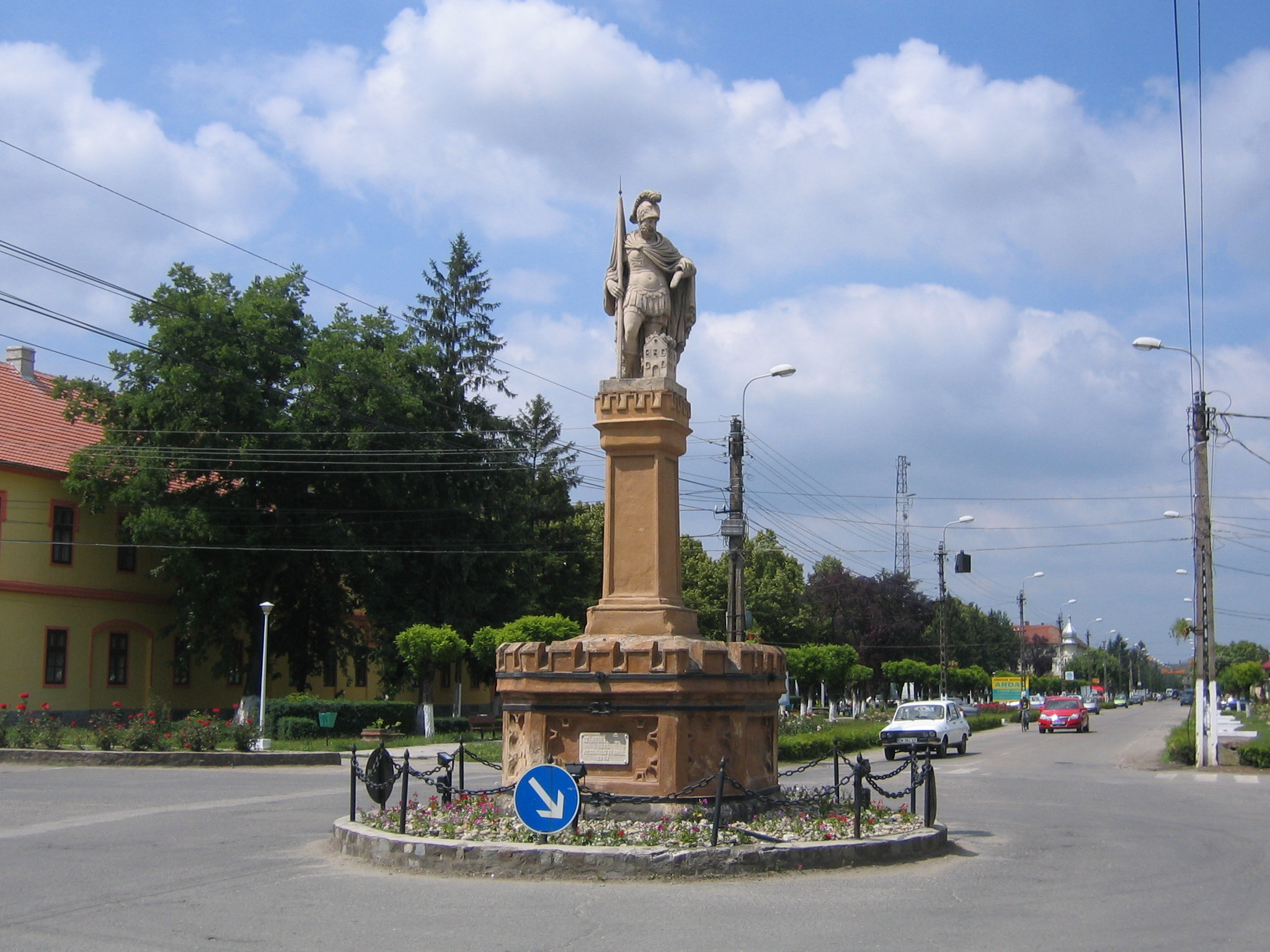
The statue of St. Florian

Monument

The statue of St. Florian

It was created before the year 1866, which is carved in the pedestal, in honor of St. Florian, patron of the town and saint of the Catholic Church, a guardian against…
Monument

The statue of St. Florian

It was created before the year 1866, which is carved in the pedestal, in honor of St. Florian, patron of the town and saint of the Catholic Church, a guardian against fires and floods – catastrophes that affected the town countless times, after the colonization of the Swabians.

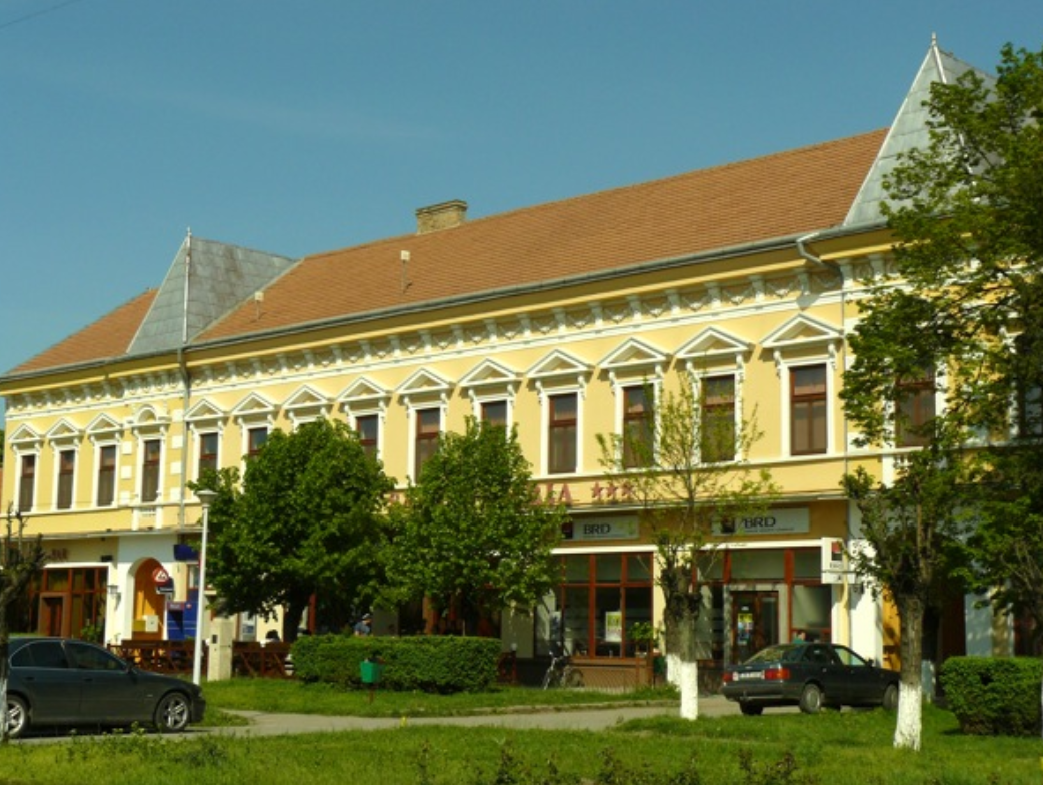
The Santa Maria Hotel

Hotel

The Santa Maria Hotel

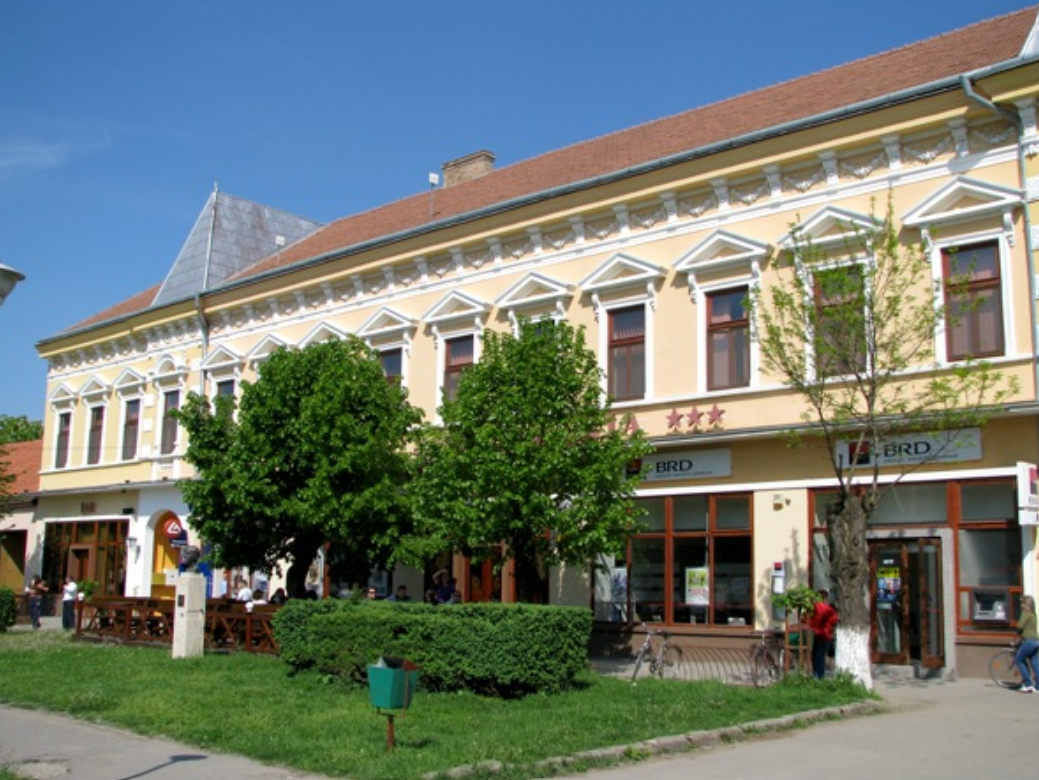
The “Santa Maria” Hotel (three stars) - It is located in the center of the town, in a historical building, built in a classical architectonic style, which has been…

  • Strada Republicii, Jimbolia 305400
  • Website

Hotel

The Santa Maria Hotel

The “Santa Maria” Hotel (three stars) - It is located in the center of the town, in a historical building, built in a classical architectonic style, which has been preserved to this day. It offers rooms with a modern ambiance and spaces especially equipped for offices.

Contact and practical information

Address
Strada Republicii, Jimbolia 305400
The Roman Catholic Church St. Vendelin

Church

The Roman Catholic Church St. Vendelin

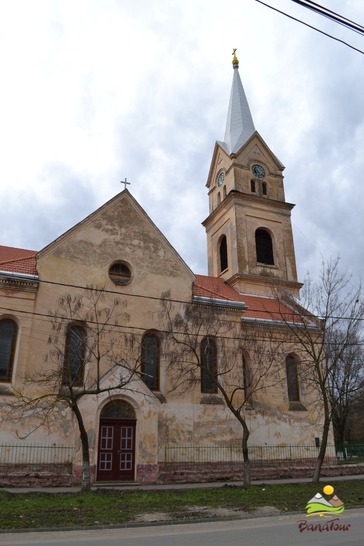
The Roman Catholic Church “St. Vendelin" - The first Roman Catholic establishment dates back to 1766 and it was built at the same time with the settlement of the Swabian…

  • Strada Vasile Lucaciu, Jimbolia 305400
Church

The Roman Catholic Church St. Vendelin

The Roman Catholic Church “St. Vendelin" - The first Roman Catholic establishment dates back to 1766 and it was built at the same time with the settlement of the Swabian colonists in the towns of Hatzfeld and Landestreu. In 1876, it was enhanced and fully redecorated. In 1911, church tower was raised from 39 m to 53.5 m, and it has has remained to this day the highest building of the town. Inside, the main altar is overshadowed by an oil painting created in 1877, on canvas (300x180), a reproduction of Rafael’s ”Sistine Madonna”, dedicated to St. Vendelin, the patron of the church. The original painting (belonging to the painter Pállik Béla, from Budapest) is located in Dresden, Germany.

Contact and practical information

Address
Strada Vasile Lucaciu, Jimbolia 305400
The Roman Catholic Church in Futok District

Church

The Roman Catholic Church in Futok District

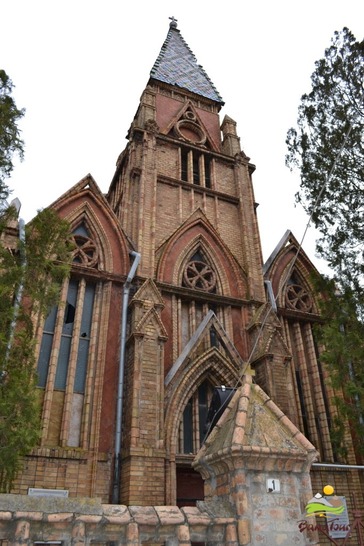
The impressive edifice was built between 1928 and 1929 with Bohn family funds for the commemoration of Michael and Jakob Bohn. The materials used for building the church…

  • Calea Mărășești str.

Church

The Roman Catholic Church in Futok District

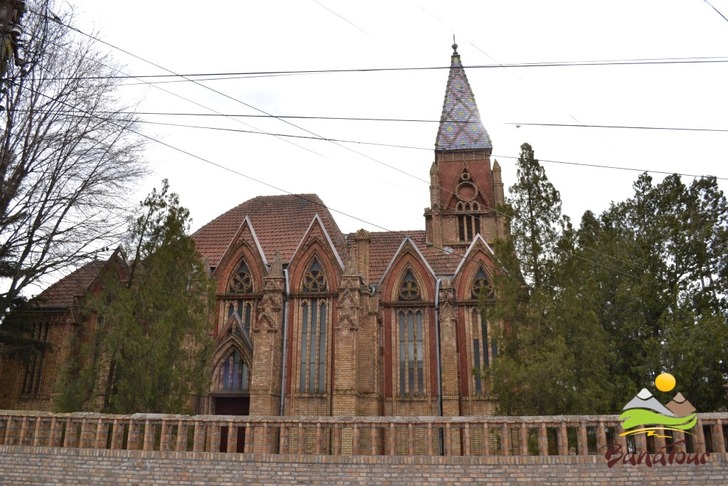
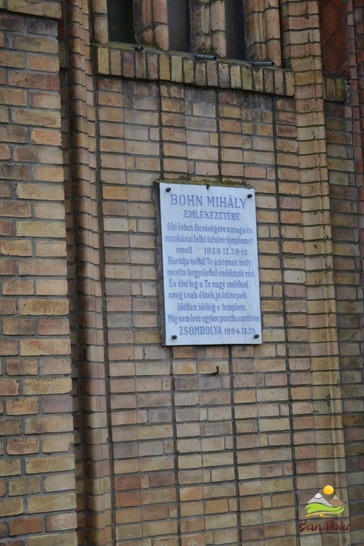
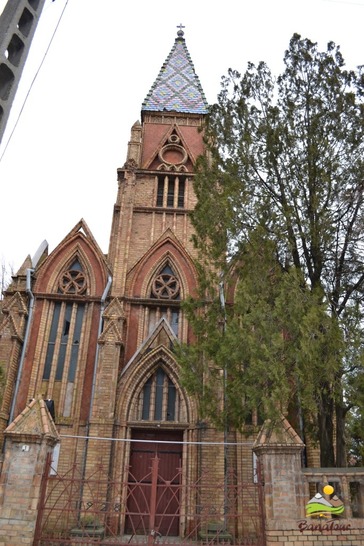
The impressive edifice was built between 1928 and 1929 with Bohn family funds for the commemoration of Michael and Jakob Bohn. The materials used for building the church were brought from the renwoned Bohn factory. The plans of the construction were drawn by the architect Hans Jänner, born in Jimbolia, who planned a Neo Gothic church. There are some paintings of great value inside the church: the painting in the altar depicting Saint Archangel Mihail, the patron of the church, and also the two paintings made by the renowned painter Stefan Jäger(1877-1962).

Contact and practical information

Address
Calea Mărășești str.
The Riviera Restaurant

Restaurant

The Riviera Restaurant

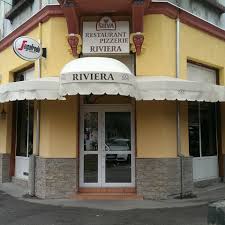
The “Riviera” Restaurant – It is an ideal place to meet friends, to have lunch or dinner with your family or to hold business meetings. The calm and friendly atmosphere,…
Restaurant

The Riviera Restaurant

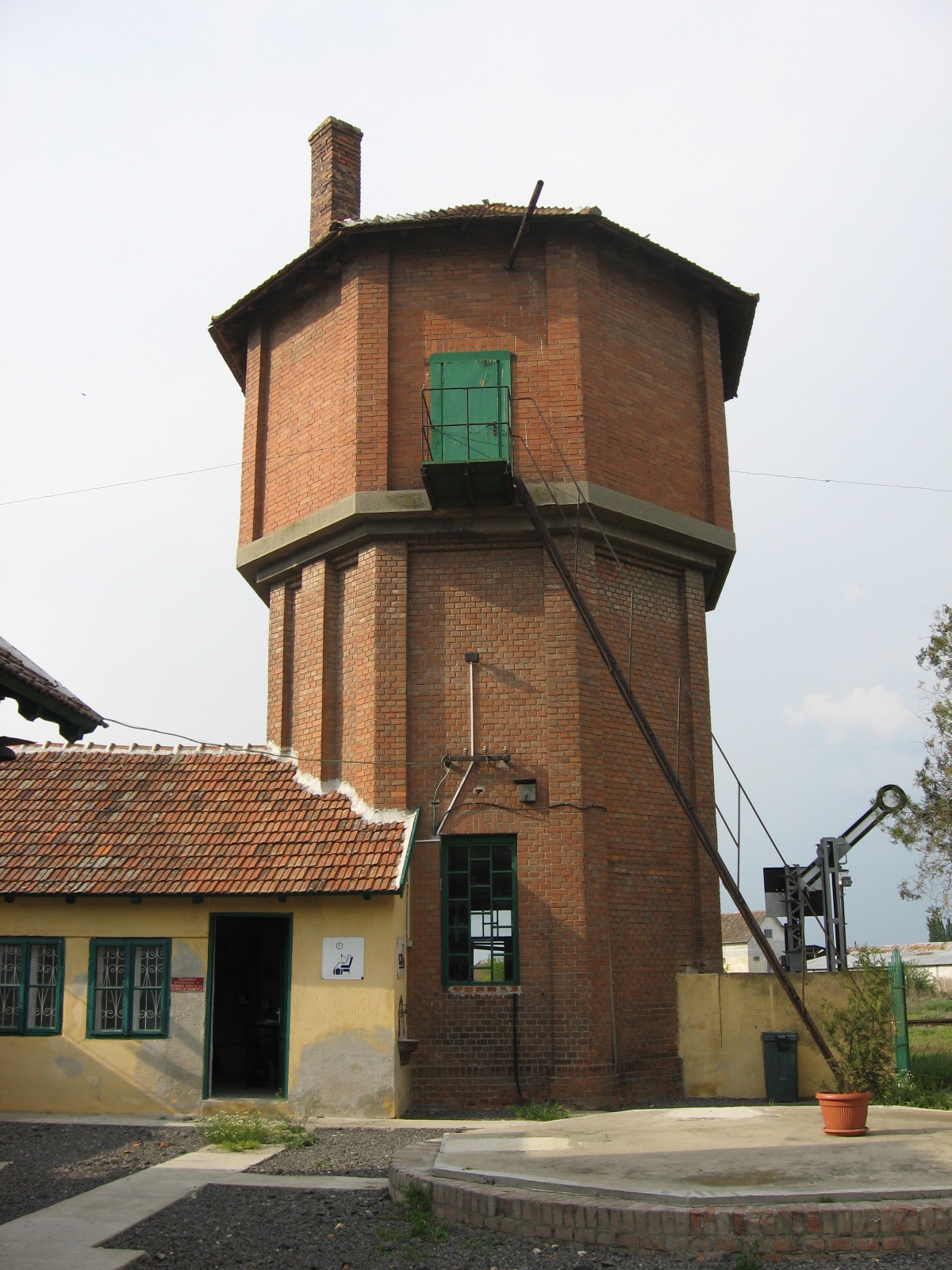
The “Riviera” Restaurant – It is an ideal place to meet friends, to have lunch or dinner with your family or to hold business meetings. The calm and friendly atmosphere, the elegant furniture, as well as the quality of the served dishes, creating an unforgettable ambiance.

The Railways Museum

Museum

The Railways Museum

located near the railway station, it was inaugurated on November 15th, 1997, on celebration of 150 years from the opening of the Jimbolia Timisoara railroad. The museum…
Museum

The Railways Museum

located near the railway station, it was inaugurated on November 15th, 1997, on celebration of 150 years from the opening of the Jimbolia Timisoara railroad. The museum offers an exhibition of postcards, illustrating the history of locomotives, from those working on steam to the modern ones, a numismatics series, comprising various types of coins, which circulated in this area, as well as a collection of ancient train tickets. Numerous old objects can also be seen here, which are specific to the railroad transport: sealing presses for the railcars, tail lamps, signaling devices, suitcases, a railway repair tricycle, more than 100 years old etc.

The Orthodox Church The Annunciation

Church

The Orthodox Church The Annunciation

The cornerstone of the present church was installed in 1933. The church was fineshed by 1942, when it was consecrated to the holy celebration of the Annunciation (March…
Church

The Orthodox Church The Annunciation

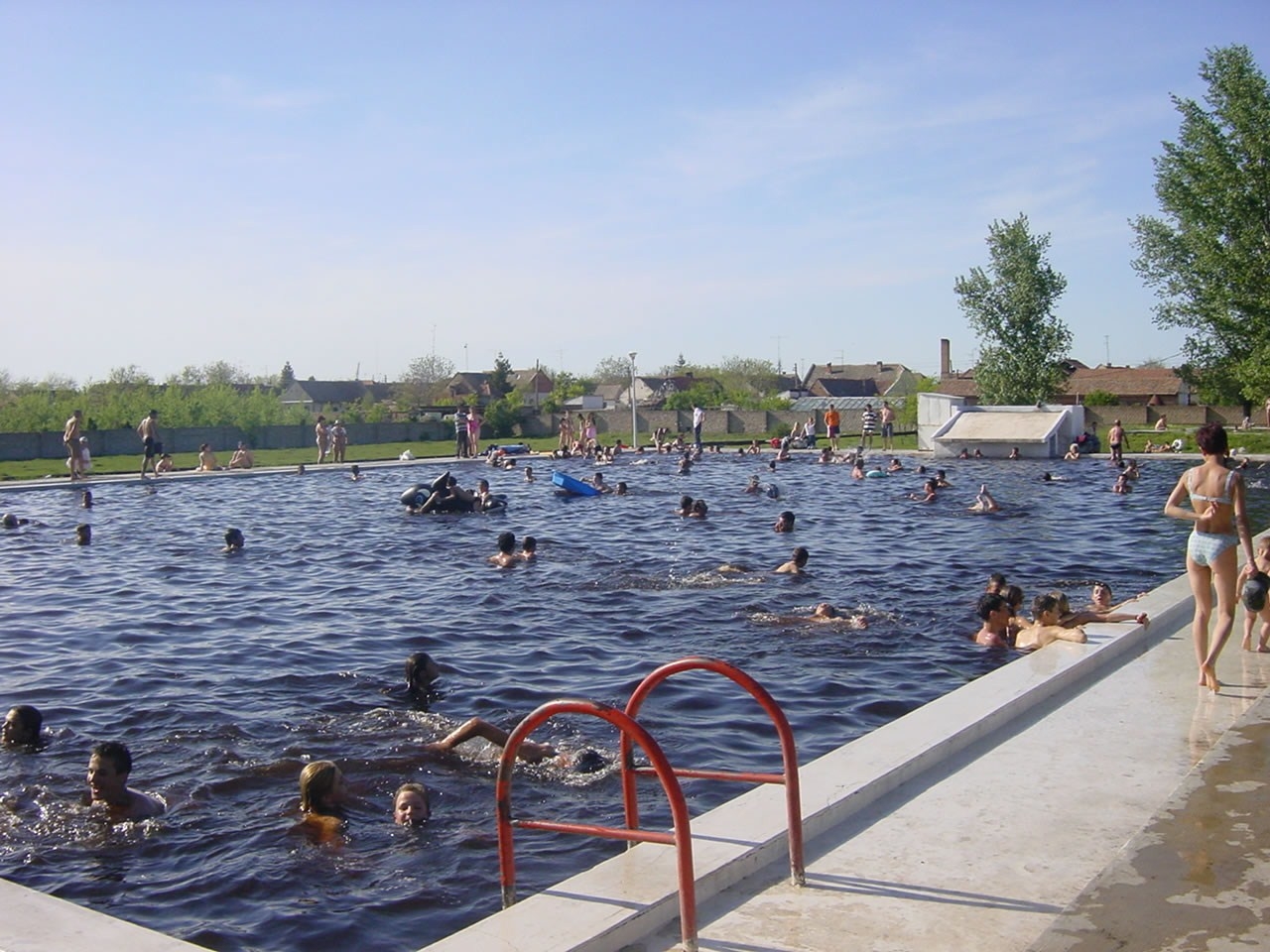
The cornerstone of the present church was installed in 1933. The church was fineshed by 1942, when it was consecrated to the holy celebration of the Annunciation (March 25th)

The Open Space Thermal Swimming Pool Compound

Pool

The Open Space Thermal Swimming Pool Compound

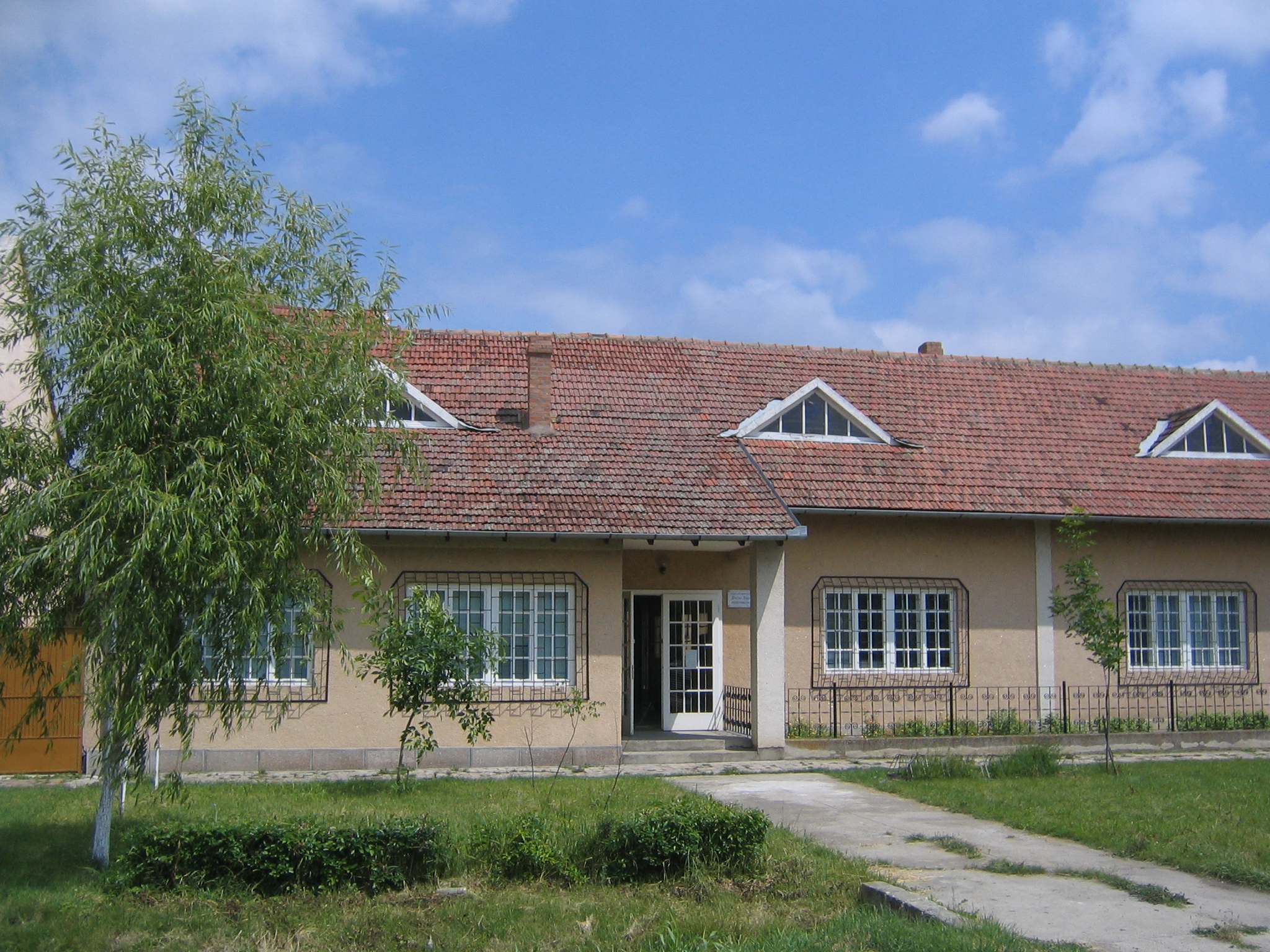
It represents an actual alternative to the heat during the summers. It consists of three swimming pools, one of them is Olympic game sizes and another one has thermal…
Pool

The Open Space Thermal Swimming Pool Compound

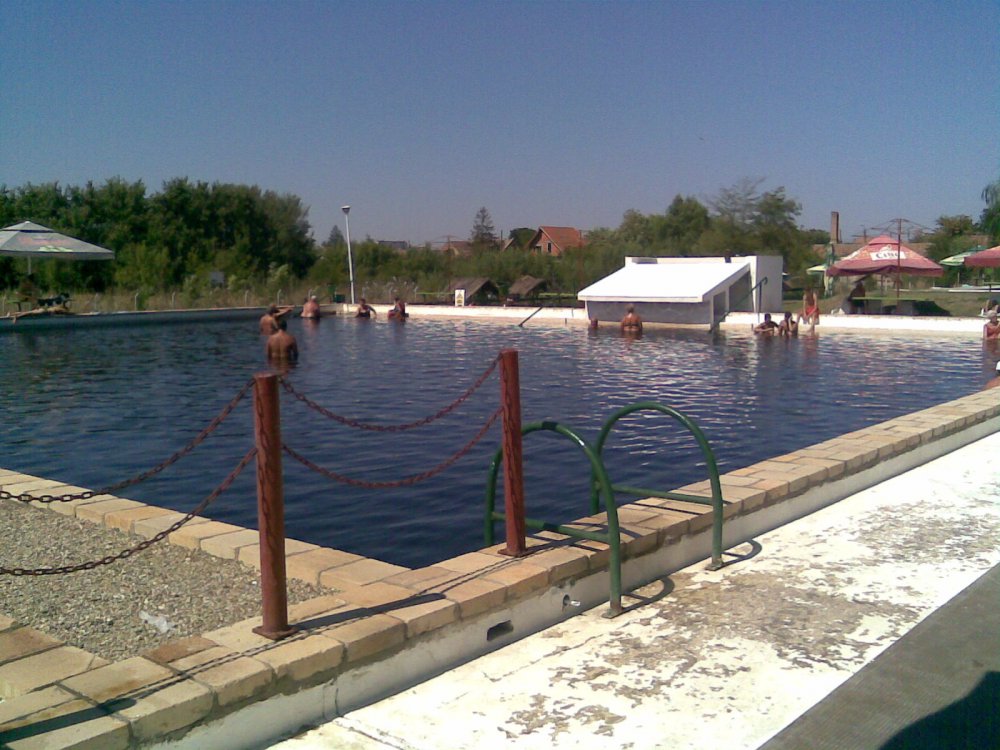
It represents an actual alternative to the heat during the summers. It consists of three swimming pools, one of them is Olympic game sizes and another one has thermal water; the pools are accompanied by volley-ball and basketball fields, food shops and a space predicted for picnics. As for the thermal waters, they are useful because of their beneficial effects on the following illnesses: spondylosis, osteoarthritis of the hip, gonarthrosis, chronic articular rheumatism, slipped discs, low back pains, sciatic nerve condition, polyarthritis, intercostal neuralgia, circulatory failure, osteoporosis, gynecological conditions.

The Museum of Stefan Jäger

Museum

The Museum of Stefan Jäger

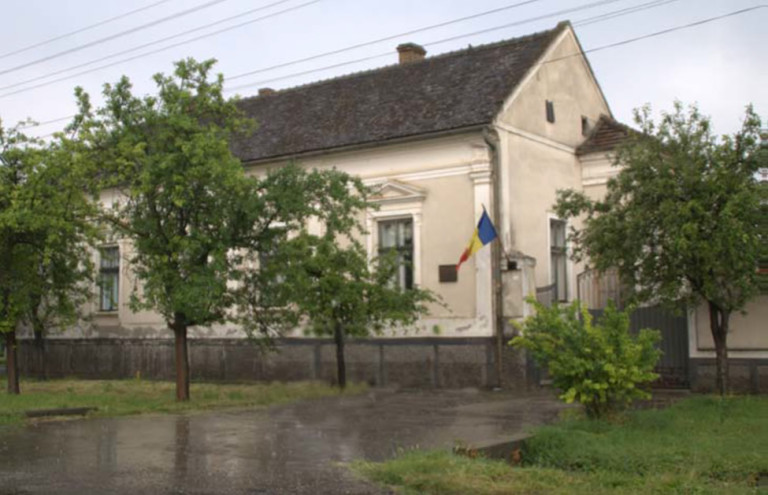
It is dedicated to the life and work of the painter Stefan Jäger (1877 - 1962). It was opened in 1996 and built with the support of the German land of Bavaria; it…

  • Str. Tudor Vladimirescu 90 Jimbolia 305400
Museum

The Museum of Stefan Jäger

It is dedicated to the life and work of the painter Stefan Jäger (1877 - 1962). It was opened in 1996 and built with the support of the German land of Bavaria; it comprises the former memorial house, devoted to the painter (opened in 1969) and also a new building. The construction includes: an ethnography section, an archeology section, a room destined for the personalities of Jimbolia, a meeting room, a traditional Swabian room and a space meant for exhibitions. The painter´s workshop has remained unchanged and it comprises, beside objects which belonged to the artist, eleven oil paintings, water color creations and sketches

Contact and practical information

Address
Str. Tudor Vladimirescu 90 Jimbolia 305400
The Memorial House Dr. Karl Diel

Landmark building

The Memorial House Dr. Karl Diel

It was inaugurated in 2000, through the mutual effort of Mrs. Pia Brânzeu, the great grand-daughter of the reputed surgeon, of the town hospital and of the Jimbolia…

  • Str. Dr. Diel nr. 1

Landmark building

The Memorial House Dr. Karl Diel

It was inaugurated in 2000, through the mutual effort of Mrs. Pia Brânzeu, the great grand-daughter of the reputed surgeon, of the town hospital and of the Jimbolia Town-Hall employees.

Contact and practical information

Address
Str. Dr. Diel nr. 1
The lakes of Jimbolia

Viewpoint

The lakes of Jimbolia

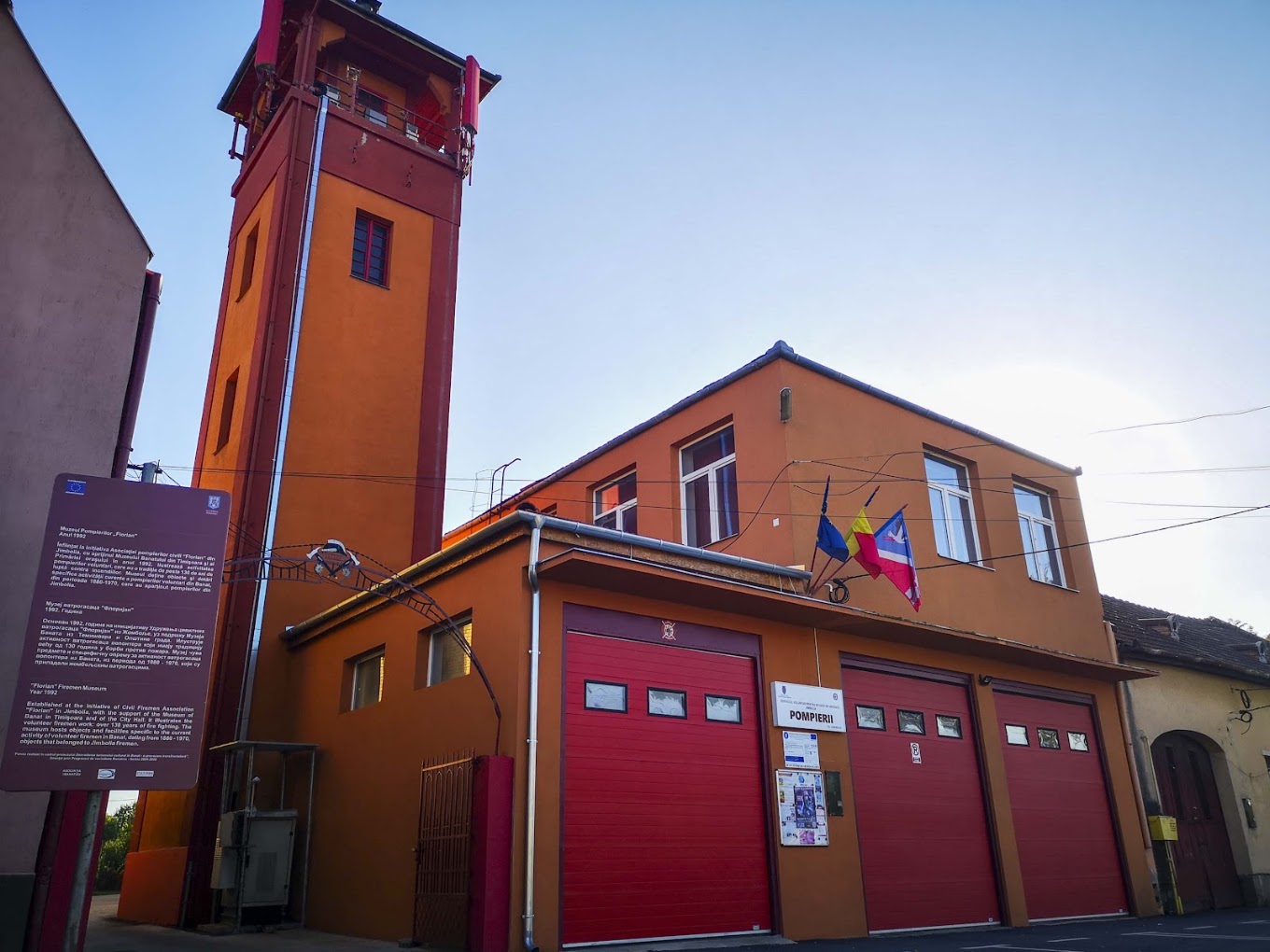
They are located at the exit from town, on the road leading to the locality of Comlosul Mare. They are actually anthropic origin lakes, resulted from the excavations…
Viewpoint

The lakes of Jimbolia

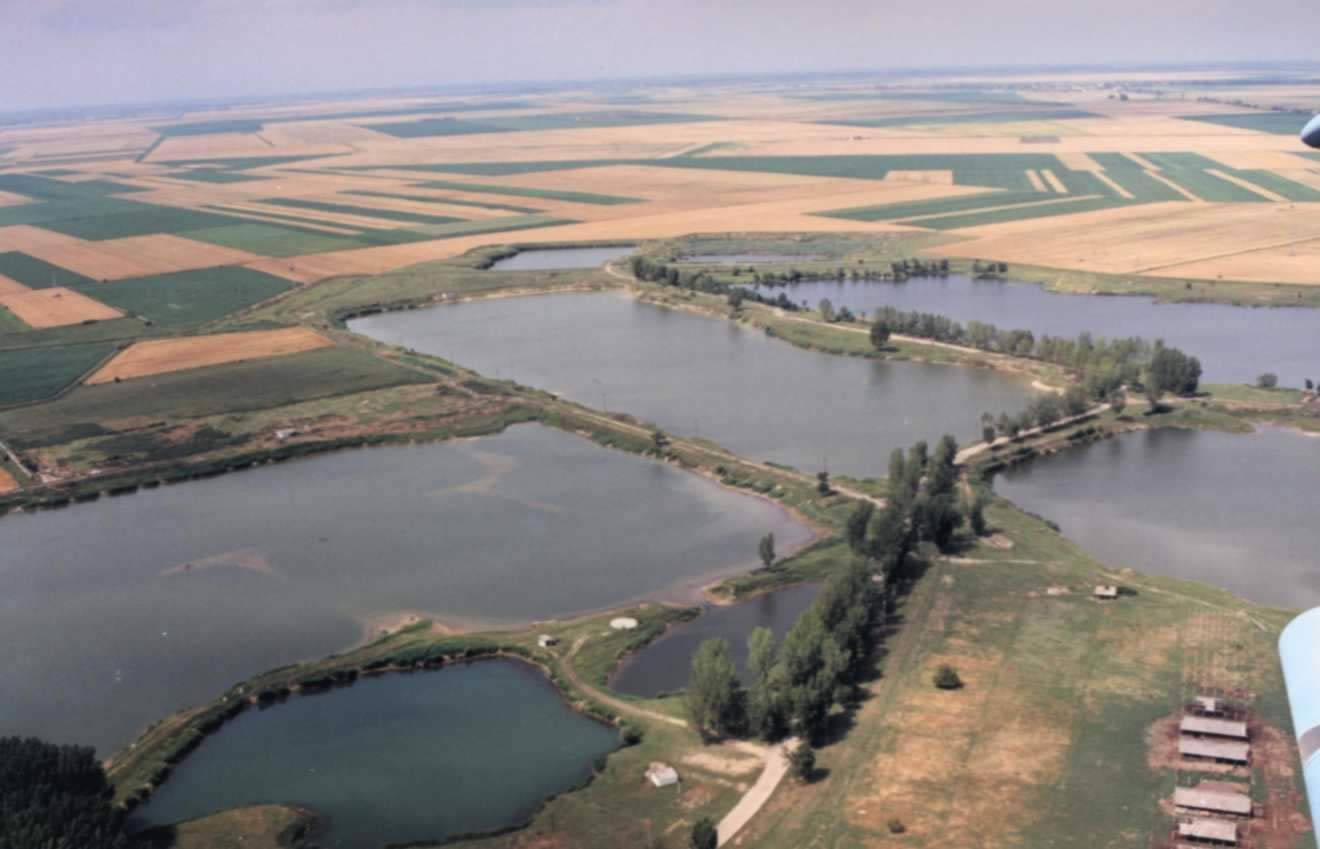
They are located at the exit from town, on the road leading to the locality of Comlosul Mare. They are actually anthropic origin lakes, resulted from the excavations performed by the former Ceramica (Pottery) factory in search of the clay necessary for the construction of bricks. They have areas of up to 7 hectares, and depths of up to 25-30 meters. They represent the favorite place of the fishing lovers (the ponds are populated by various species of carp, pickerel, and catfish) and an ideal recreation spot during the hot summer days.

The Florian Museum of Firefighters

Museum

The Florian Museum of Firefighters

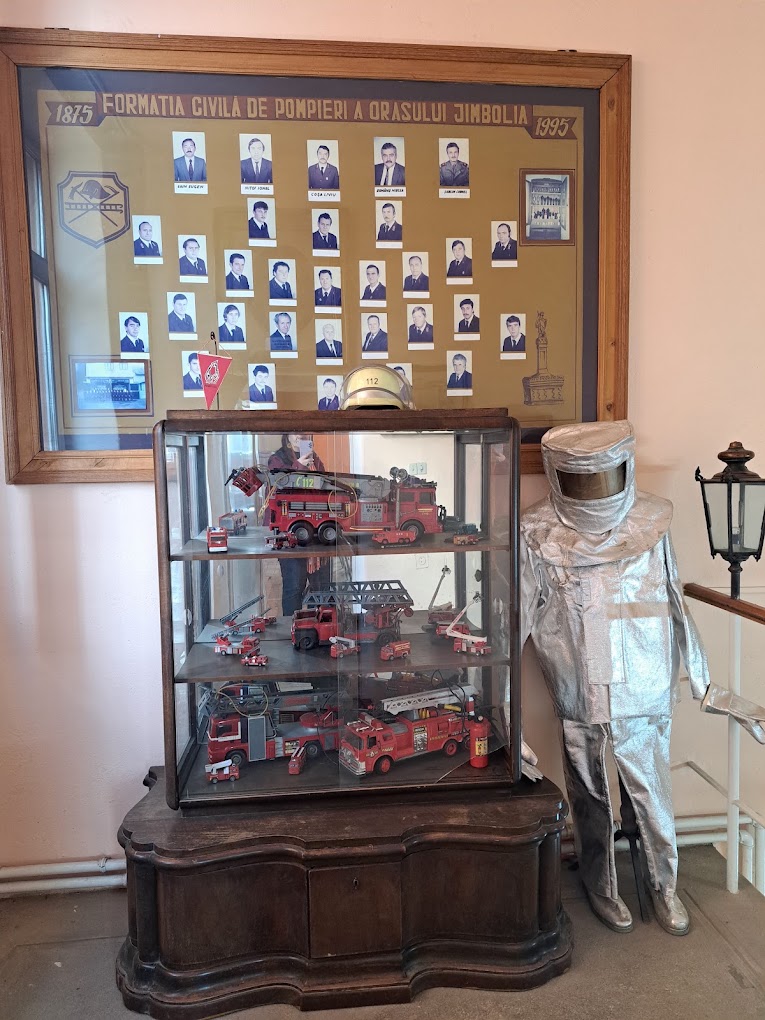
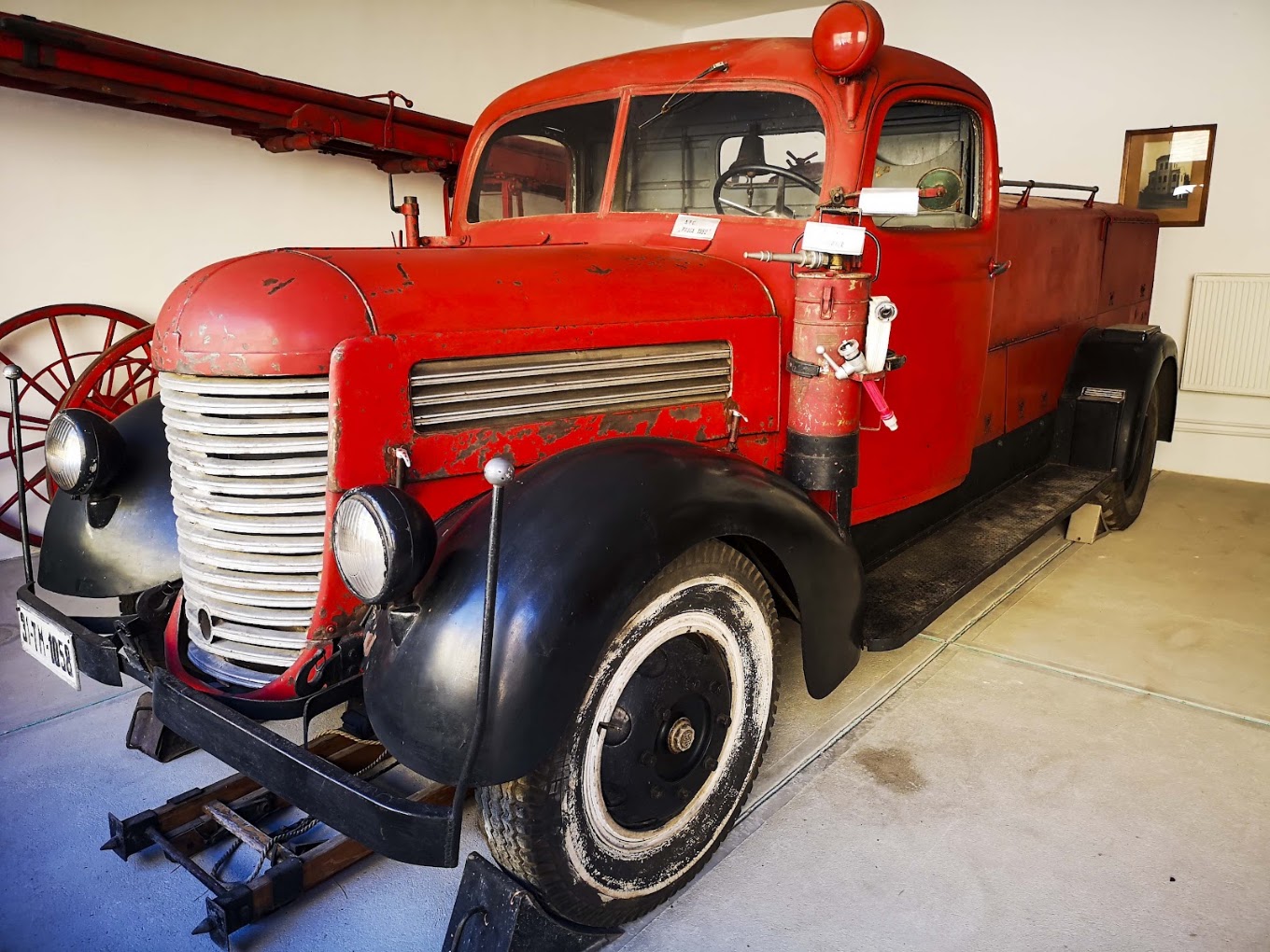
It was established in 1993, upon initiative of the ”Florian” Civilian Firefighters Association in Jimbolia, with the support of the Town Hall employees and of the…

  • 9 Strada Liviu Rebreanu, Jimbolia 305400
Museum

The Florian Museum of Firefighters

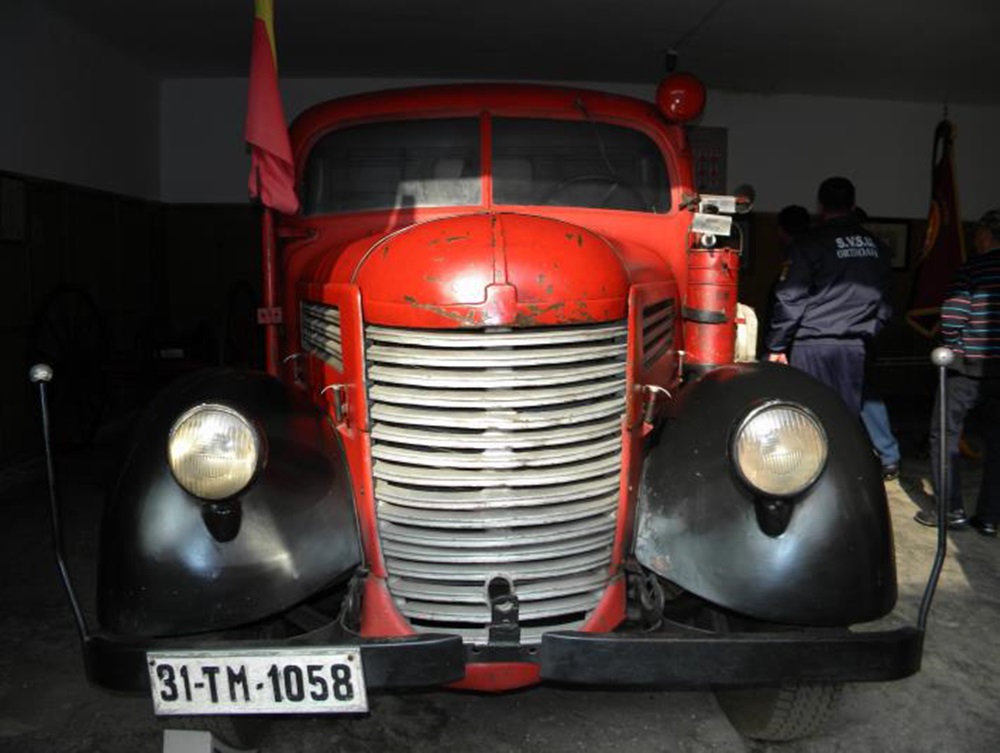
It was established in 1993, upon initiative of the ”Florian” Civilian Firefighters Association in Jimbolia, with the support of the Town Hall employees and of the ”Banatul” Museum in Timisoara, in order to honor the activity of firefighting of the volunteer firefighters. The museum exhibits objects and specific equipment for the volunteer firefighter teams in the Banat, dating back to the period 1880 – 1970, which belonged to the firefighters in Jimbolia, paintings, photographs, diplomas and trophies obtained by the volunteer firefighters in professional competitions.

Contact and practical information

Address
9 Strada Liviu Rebreanu, Jimbolia 305400
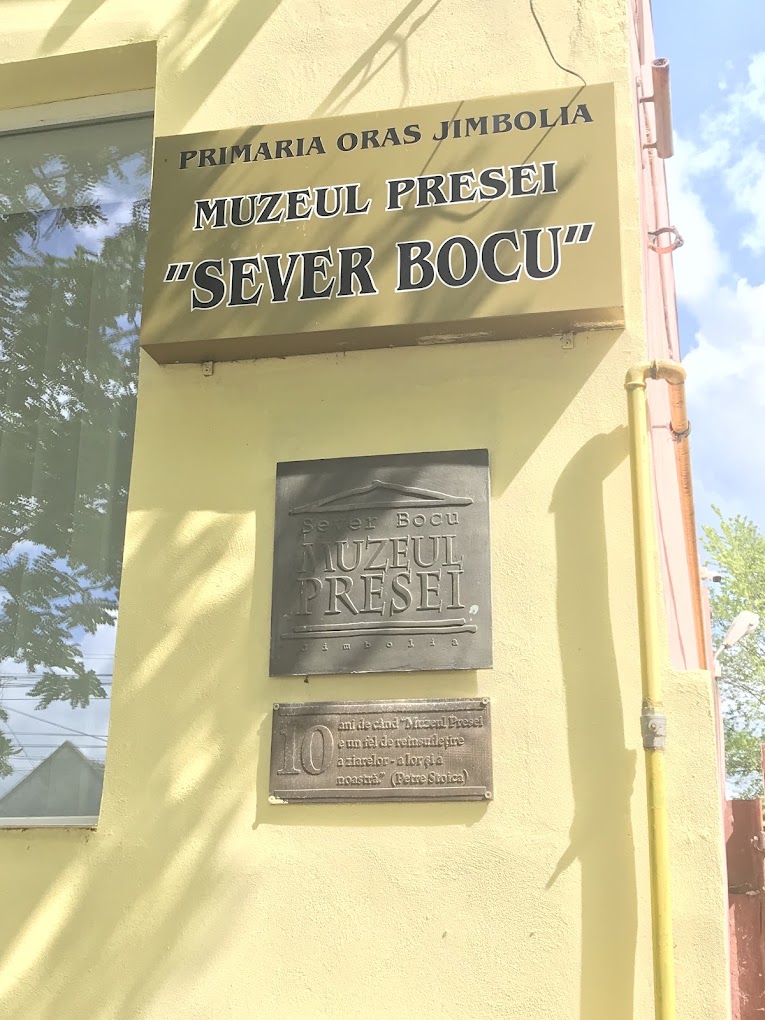
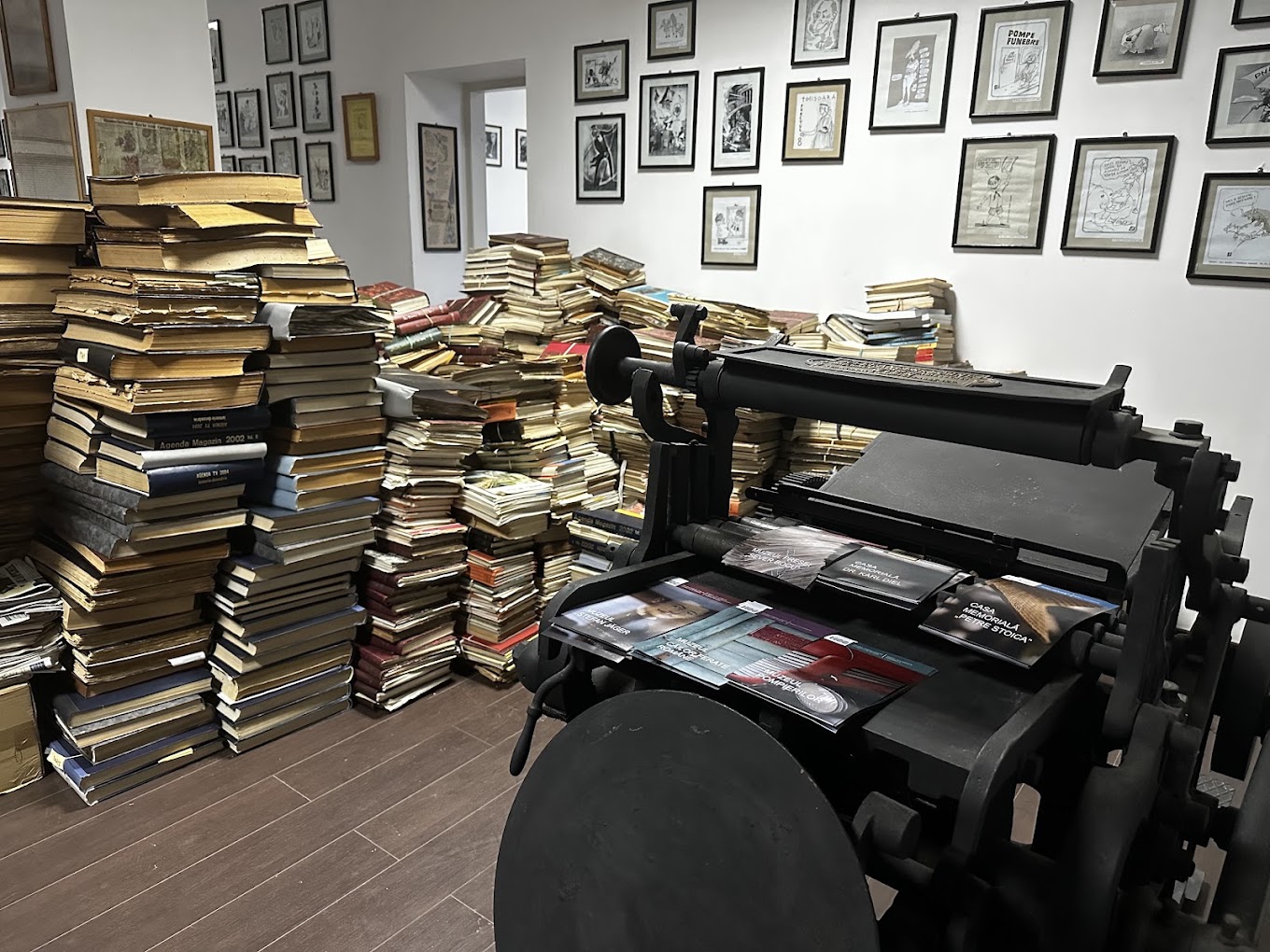
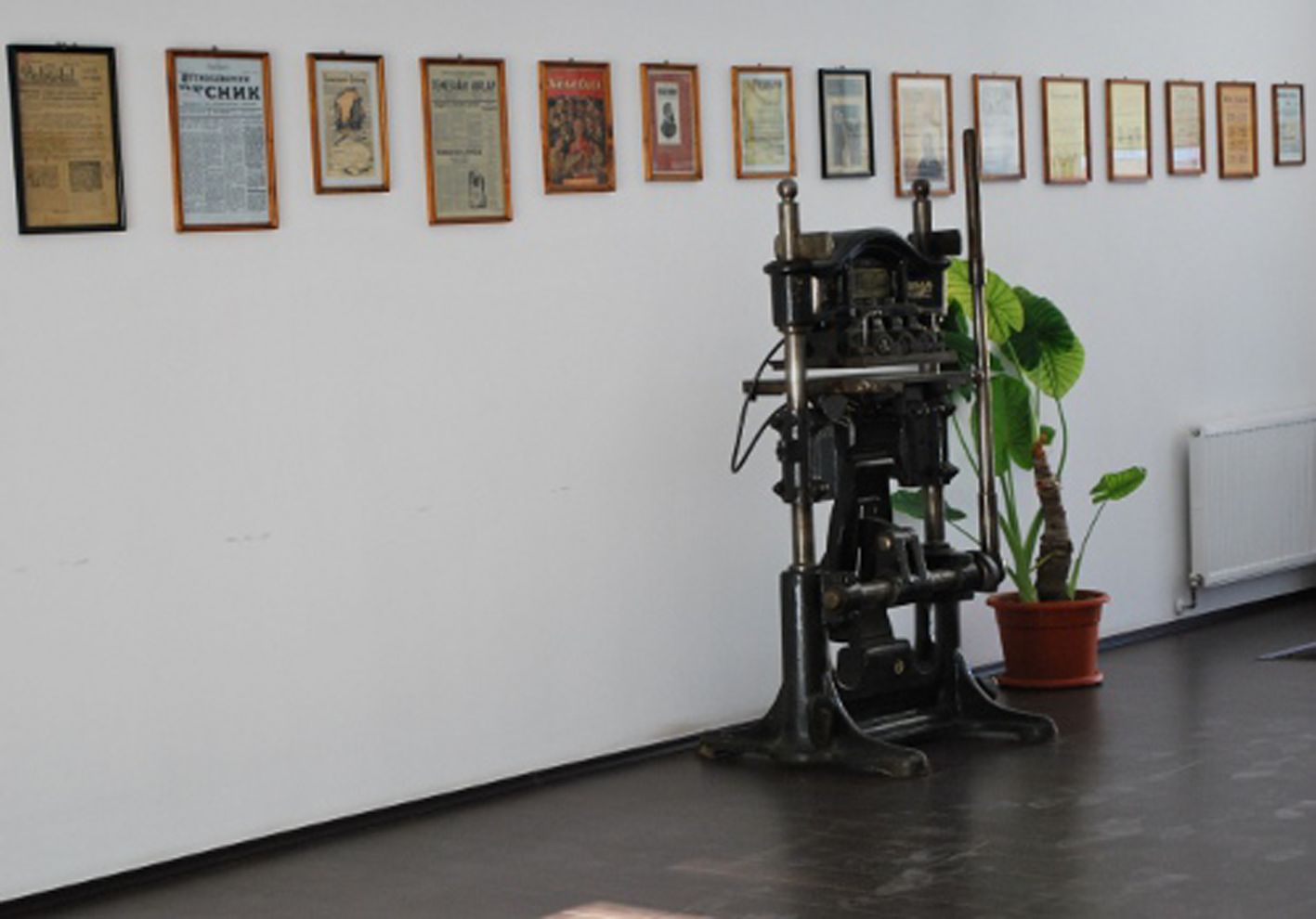
Sever Bocu Press Museum

Museum

Sever Bocu Press Museum

It was established on initiative and by contribution of the poet Petar Stojic, and its main purpose is to preserve, present and promote the cultural and historical…

  • Loc. Jimbolia,Lorena, 35

Museum

Sever Bocu Press Museum

It was established on initiative and by contribution of the poet Petar Stojic, and its main purpose is to preserve, present and promote the cultural and historical values of the social, political and economic events, as they were reflected in time by the written press. The museum has several rooms where various collections of old newspapers, almanacs and calendars from the 19th and the 20th centuries are presented.

Contact and practical information

Address
Loc. Jimbolia,Lorena, 35
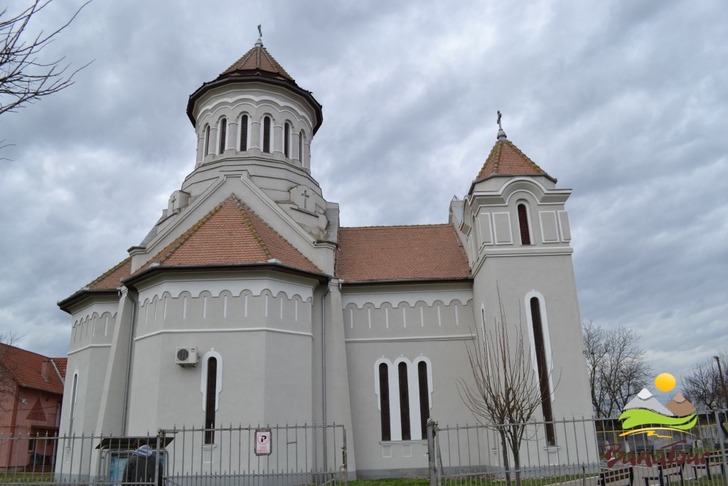
Buna Vestire Orthodox Church

Church

Buna Vestire Orthodox Church

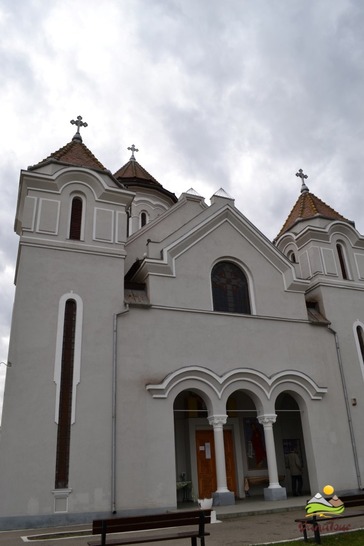
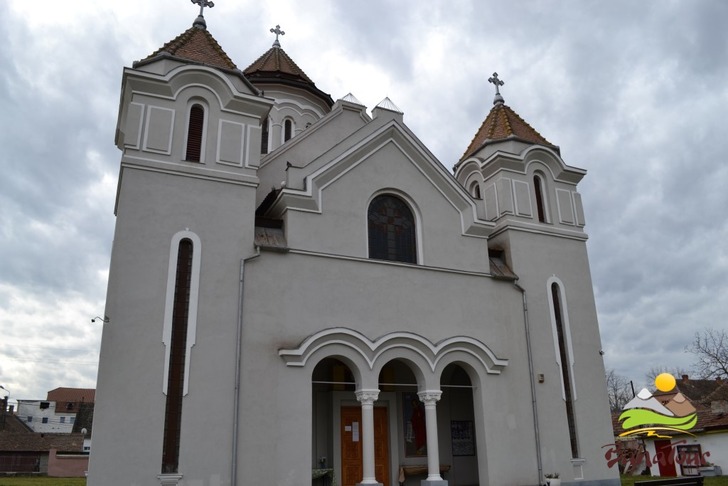
The "Buna Vestire" Orthodox Church was built in the Neo-Soviet style, between 1933-1942, according to the plans of the Romanian architect Victor Vlad. This was…

  • Str. Republicii

Church

Buna Vestire Orthodox Church

The "Buna Vestire" Orthodox Church was built in the Neo-Soviet style, between 1933-1942, according to the plans of the Romanian architect Victor Vlad. This was celebrated in 1942 under the patronage of the "Celebration" celebrations (March 25), and in 2004 with the patronage "The Assumption of the Virgin" (August 15). The worship place has three towers and a cylindrical vault, entirely covered with a tile. Between 1938 and 1941, painter Vasile Hudici performs the mural painting in an unusual style, and between the years 1938-1944 the iconostasis and the interior furniture by the Iasi artist Ioan Antonescu are carved in lime wood. The traditional Banana prayer is organized, featuring folk music bands, artisans and folk artists from all over the country under the patronage of the Orthodox Church.

Contact and practical information

Address
Str. Republicii
The Classic Restaurant Hotel

Hotel

The Classic Restaurant Hotel

The “Classic” Restaurant Hotel (Tudor Vladimirescu Street) – It provides a modern and relaxing atmosphere; the place contains an indoor terrace and offers meals of…

  • Tudor Vladimirescu Street, Jimbolia 305400,
  • +40 727 622 530

Hotel

The Classic Restaurant Hotel

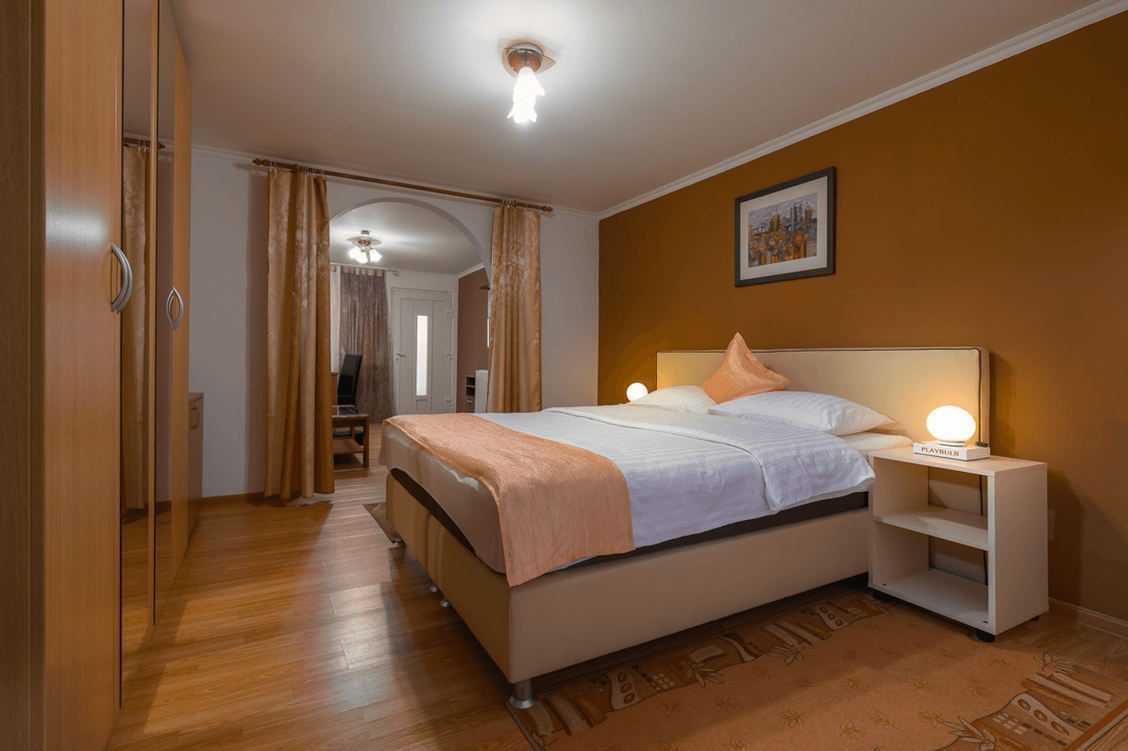
The “Classic” Restaurant Hotel (Tudor Vladimirescu Street) – It provides a modern and relaxing atmosphere; the place contains an indoor terrace and offers meals of Swabian cuisine. It represents a good occasion to remind on the German characteristics that Jimbolia has been preserving for centuries. The hotel can host 30 people and it has two types of apartments: doubles (living room, bedroom, bathroom with shower cabin) and singles (bedroom, corridor, bathroom with shower cabin). Each apartment is equipped with refrigerators and TV sets.

Contact and practical information

Address
Tudor Vladimirescu Street, Jimbolia 305400,
Church of St. Nicholas in Radojevo

Church

Church of St. Nicholas in Radojevo

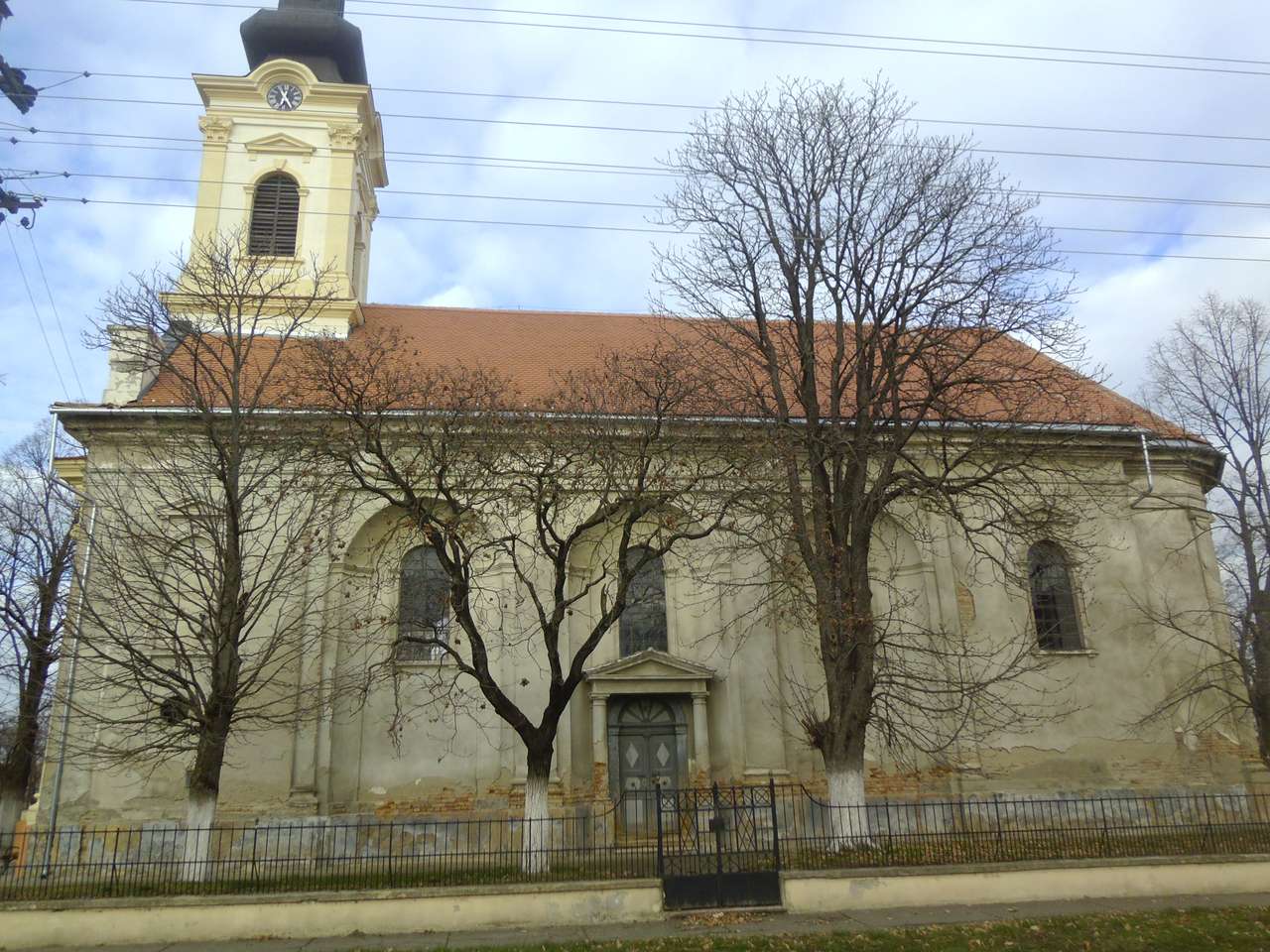
mmediately after the Serbs moved here from Jamtara, the St. Nicholas Church was built of rammed earth, but pulled down in 1838. It was on the same spot as it is today,…

  • Corner of Maršal Tito and Karadjordjeva St.
Church

Church of St. Nicholas in Radojevo

mmediately after the Serbs moved here from Jamtara, the St. Nicholas Church was built of rammed earth, but pulled down in 1838. It was on the same spot as it is today, also dedicated to the same saint. Today’s church was constructed in 1941 and consecrated by Timisoara priest Jovan Vasić. The church was built in classical style with one hand and with an altar apse in the semicircle.. The bell tower is at the same level as the cross 34.31m. Wood engraving, found in iconostasis, choir booth and thrones, was completed in 1858 by an unknown artist, while frescoes and icons are painted by the then famous painter Nikola Aleksic. In 2001, preservation and restoration was carried out on the front facade and the tower under the supervision of the Provincial Office for Protection of Cultural Monuments from Novi Sad. General adaptation of roof structure was done in 2008 funded by Provincial Secretariat for Administration, Regulations and National Minorities, the Municipality of Nova Crnja and Local Community Radojevo. Its architectural value makes this church a valuable artistic piece and the valuable spot for prayers and pilgrimage.

Contact and practical information

Address
Corner of Maršal Tito and Karadjordjeva St.
Romanian Orthodox Church of St. George

Church

Romanian Orthodox Church of St. George

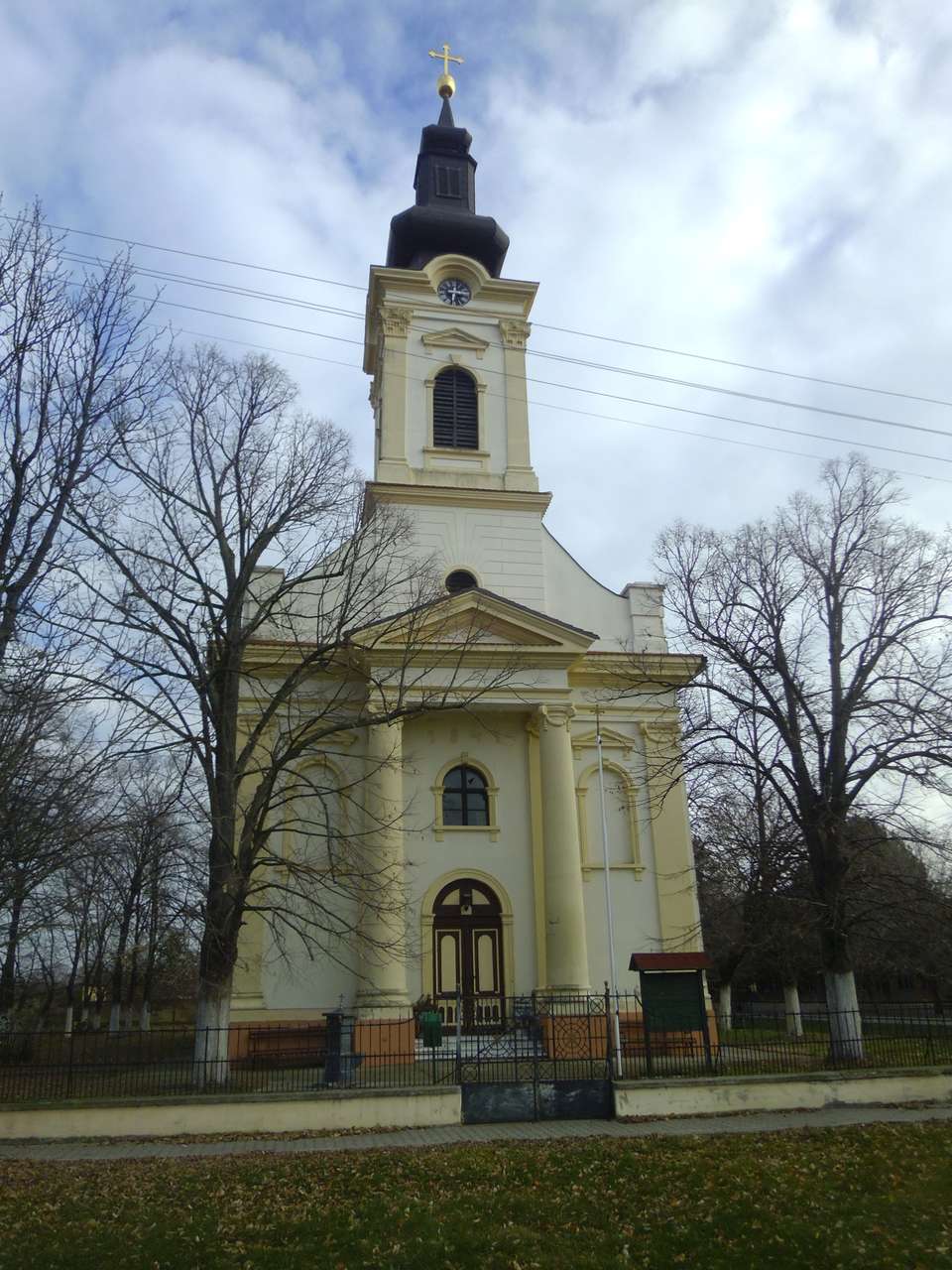
Located in Torak (formerly Veliki Torak), this impressive Orthodox church was built in the late 18th century (1782) and is dedicated to Saint George the Martyr. It…

Church

Romanian Orthodox Church of St. George

Located in Torak (formerly Veliki Torak), this impressive Orthodox church was built in the late 18th century (1782) and is dedicated to Saint George the Martyr. It stands as one of the most vital spiritual and cultural hubs for the local Romanian community in the Banat region. The church features a prominent bell tower, detailed interior decorations, and a rich historical heritage. Set in a quiet village atmosphere, it serves as a peaceful rest stop for cyclists interested in local history and sacred architecture.

Contact and practical information

Address
Bratstva I Jedinstva 49
Sports & Recreational Fishing Pond "Šaran"

Viewpoint

Sports & Recreational Fishing Pond "Šaran"

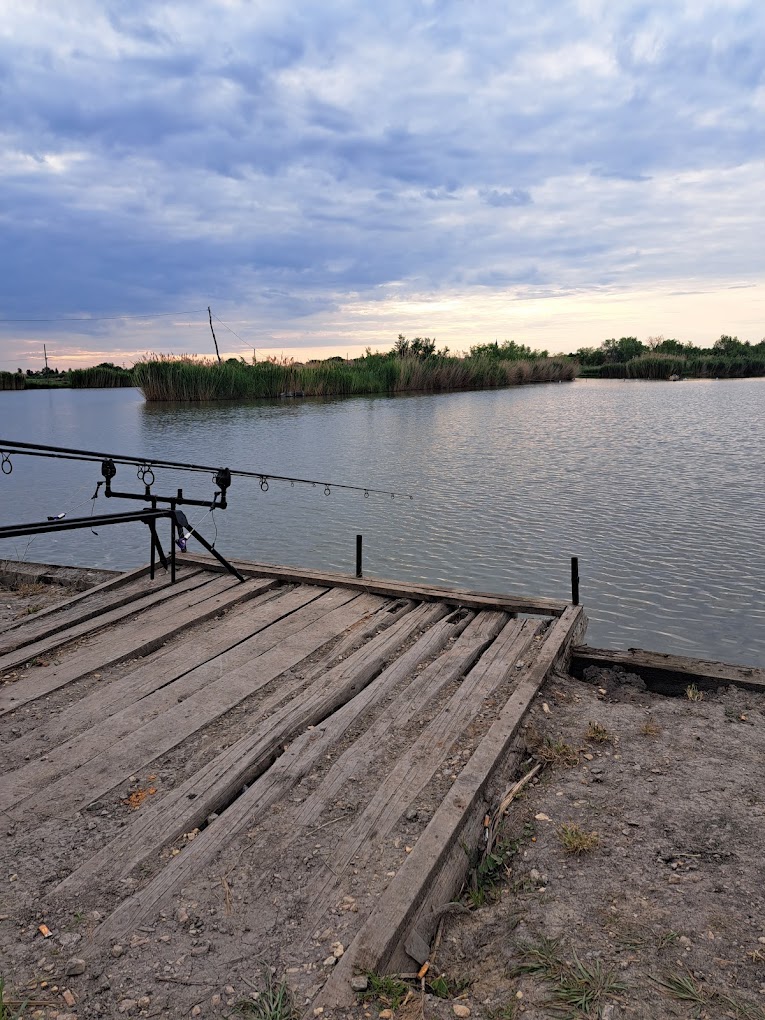
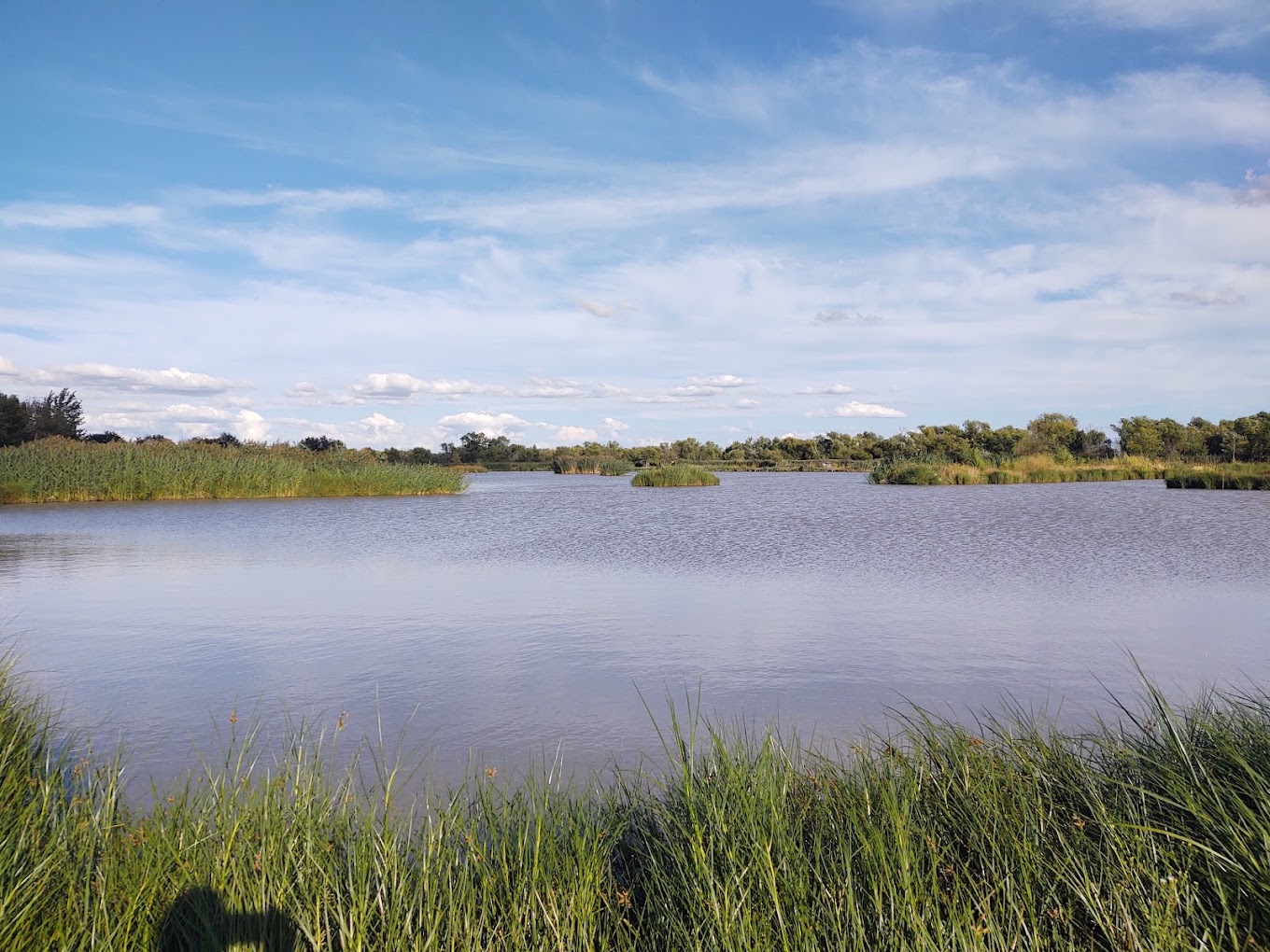
Located on the edge of the village near the Begej River, the "Šaran" sports and recreational fishing pond in Srpski Itebej is a peaceful oasis of nature and a favorite…
Viewpoint

Sports & Recreational Fishing Pond "Šaran"

Located on the edge of the village near the Begej River, the "Šaran" sports and recreational fishing pond in Srpski Itebej is a peaceful oasis of nature and a favorite local angling spot. Well-stocked with carp and other freshwater species, the lake frequently hosts local fishing competitions and draws recreational anglers from across the region. Surrounded by greenery, trees, and quiet footpaths, it offers cyclists a scenic and tranquil environment to unwind and take a refreshing break while riding through the Banat countryside.

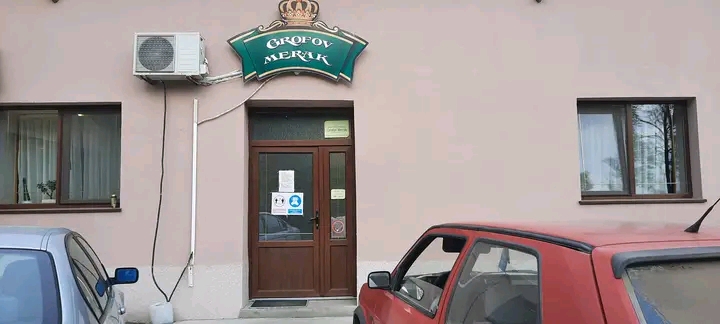
Restaurant Grofov Merak in Srpska Crnja

Restaurant

Restaurant Grofov Merak in Srpska Crnja

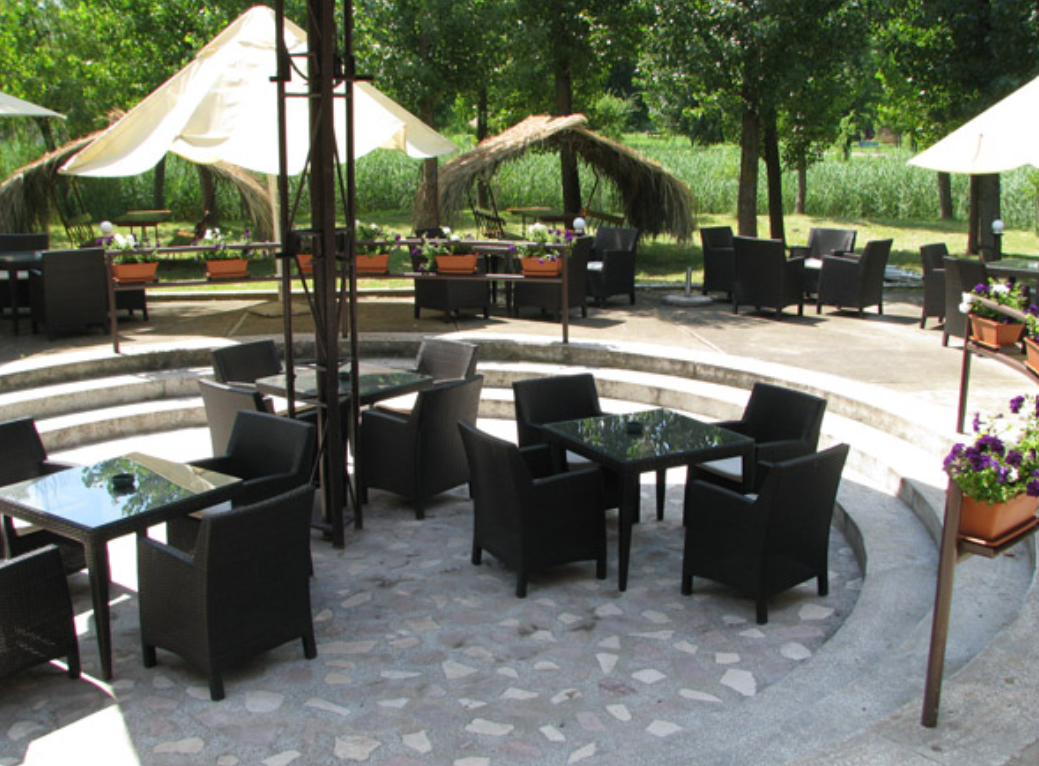
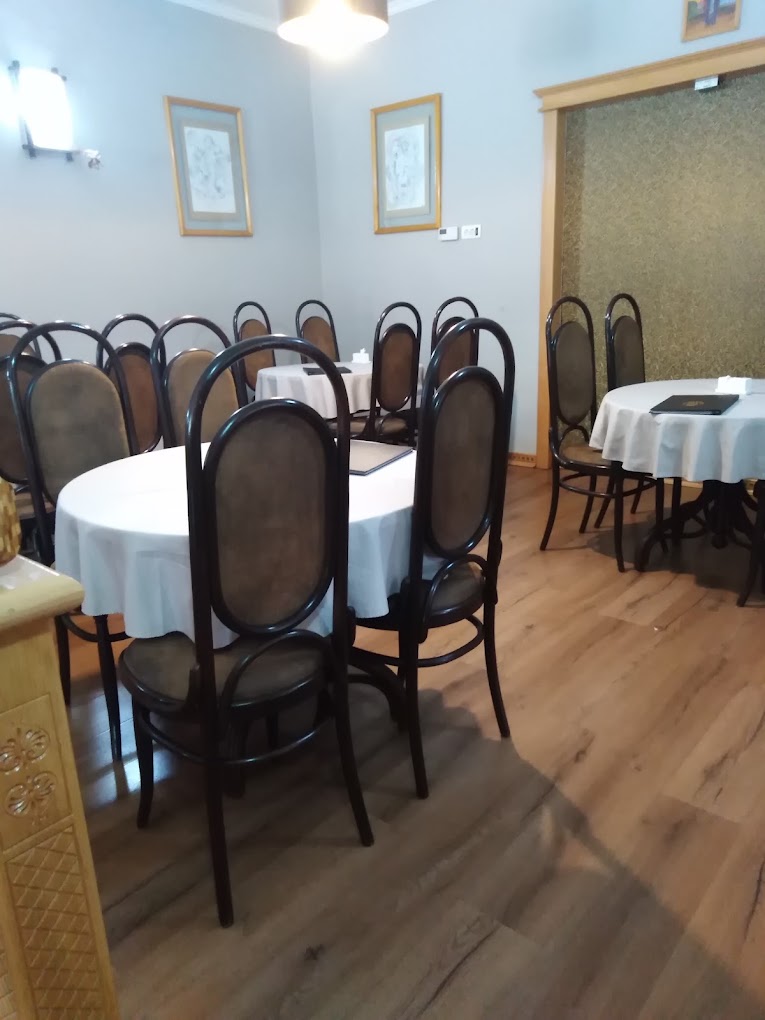
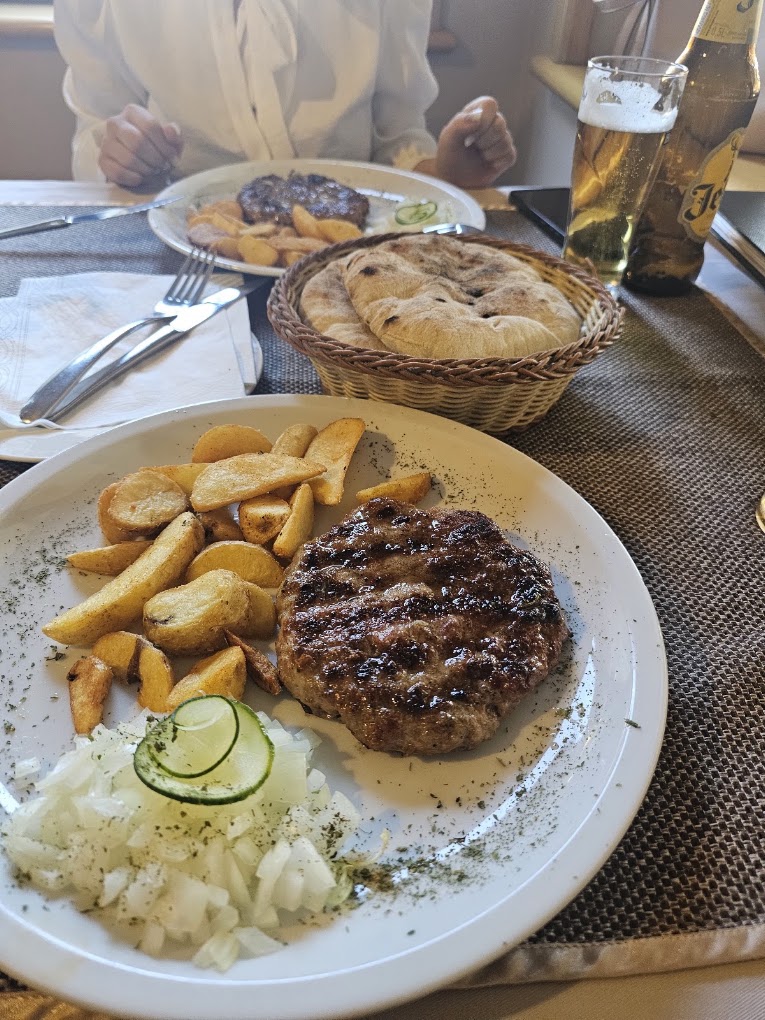
Situated in the heart of Srpska Crnja, right near the historic Nojhazen Castle, Restoran Grofov Merak blends authentic Banat character with a hearty regional menu.…
Restaurant

Restaurant Grofov Merak in Srpska Crnja

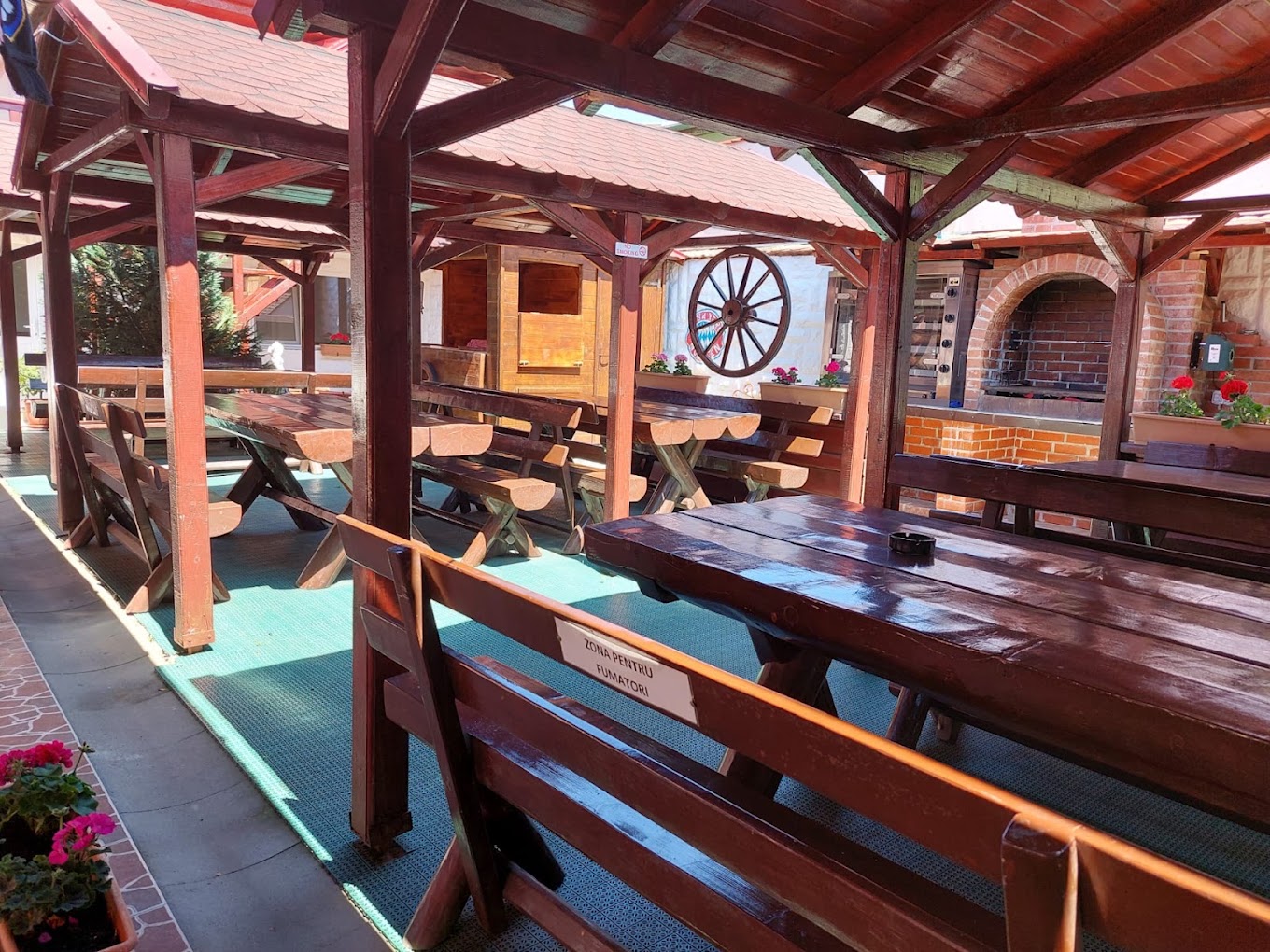
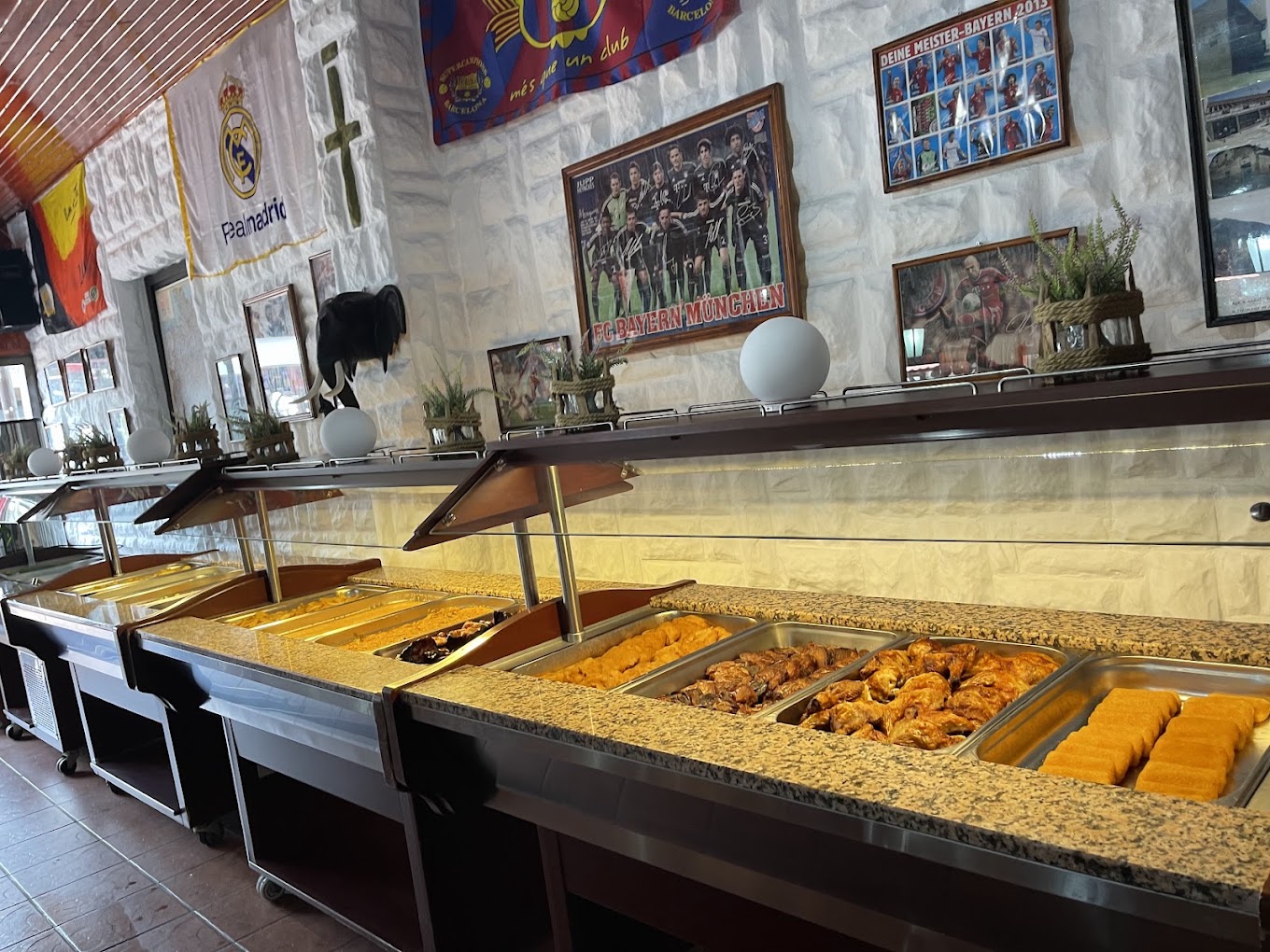
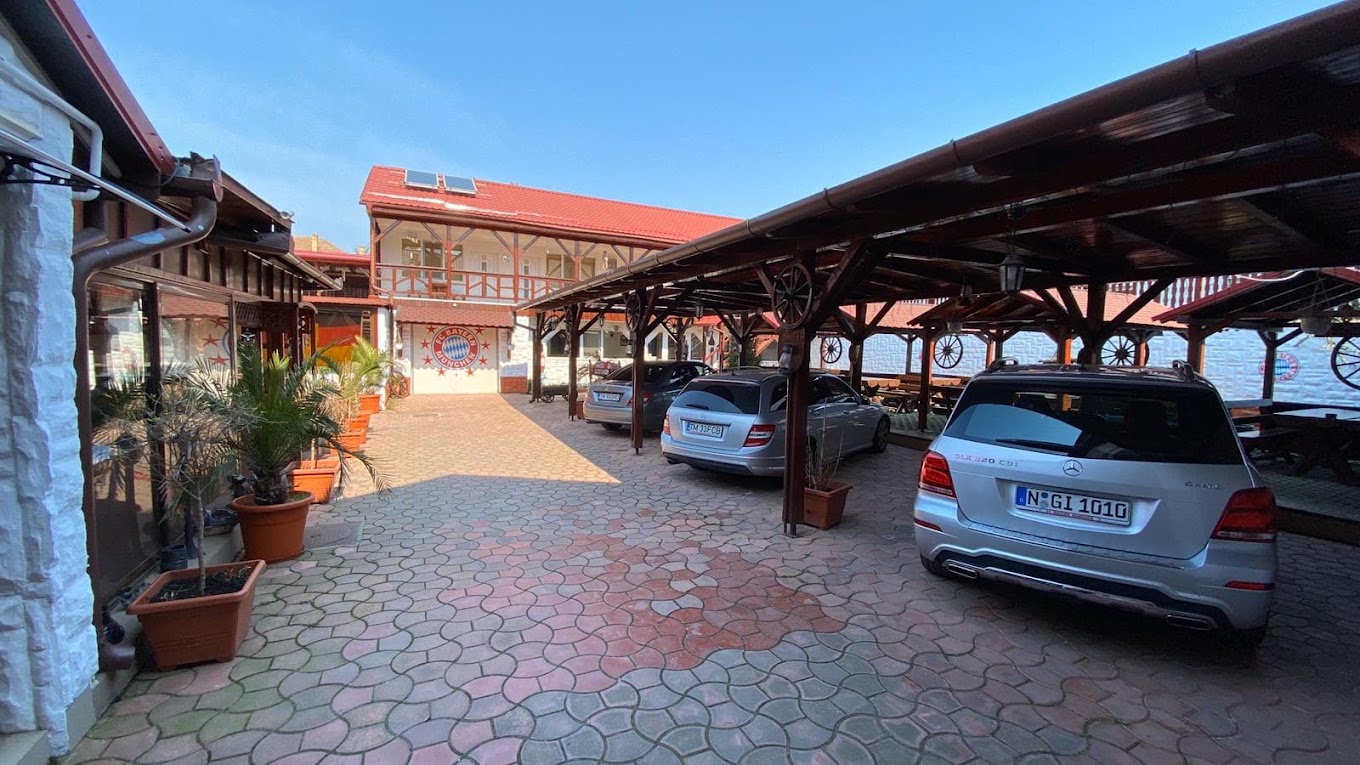
Situated in the heart of Srpska Crnja, right near the historic Nojhazen Castle, Restoran Grofov Merak blends authentic Banat character with a hearty regional menu. Renowned for its traditional grilled meats, home-cooked dishes, and warm rustic interior, it brings a welcoming touch to every visit. With its spacious shaded garden and hospitable staff, it serves as an ideal haven for cyclists looking to refuel with a full meal and a well-earned rest before continuing toward the border.

Contact and practical information