Back to all routes

(Nova Crnja - Kikinda - Jimbolia)

TDB-2: The small Banat experience

This route is 70 km long and will take us through the western side of the TdB region. The surface is asphalt along the entire length. Keep in mind that Romanian time is one hour ahead of Serbian time. Attention: The Nakovo – Lunga border crossing is open from 7 AM to 7 PM Serbian time (8 AM to 8 PM Romanian time). Recommended direction: Clockwise.

Distance
70 km
Estimated duration
260 min
Surface type
Asphalt
Points of interest
35

Route map

An interactive view of this cycling route's complete path.

The interactive map is currently unavailable. The remaining route information is available on this page.

About the route

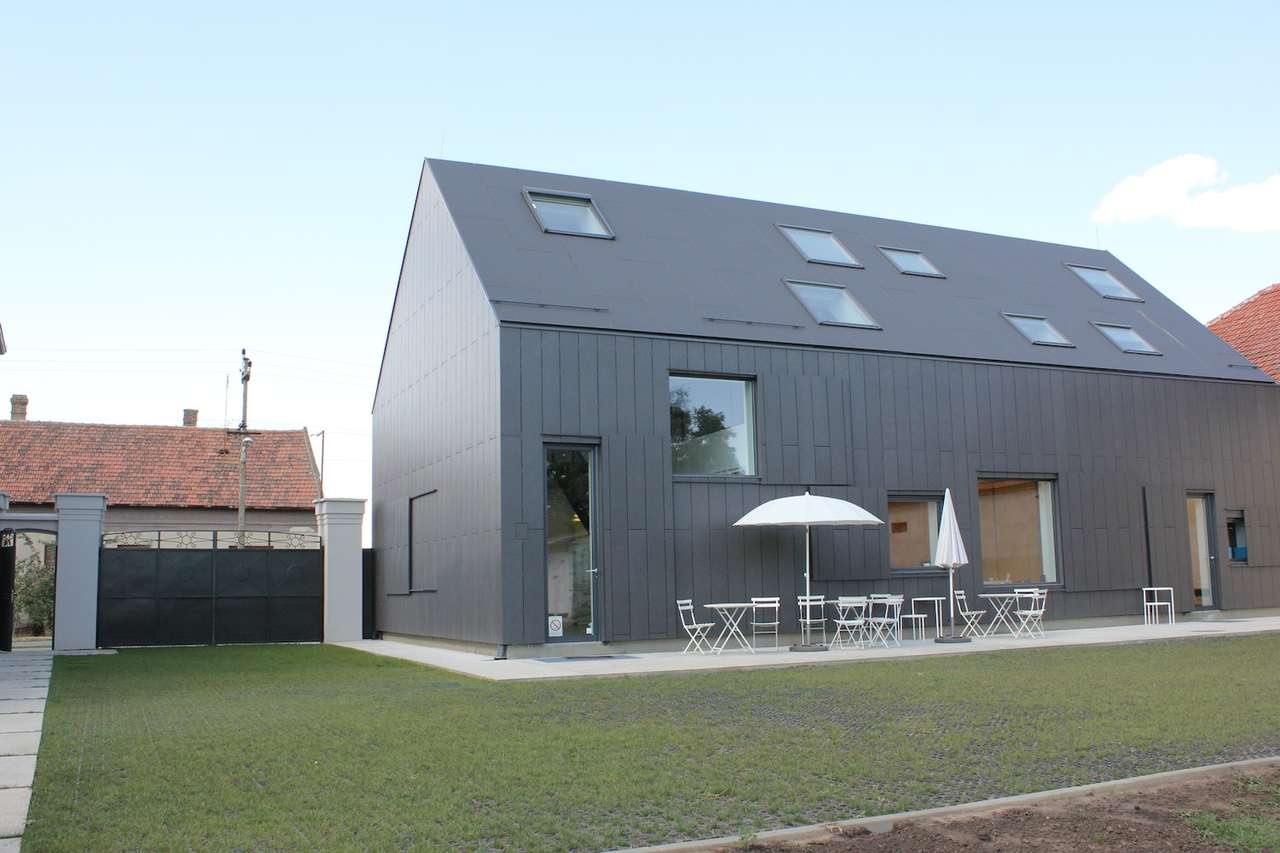
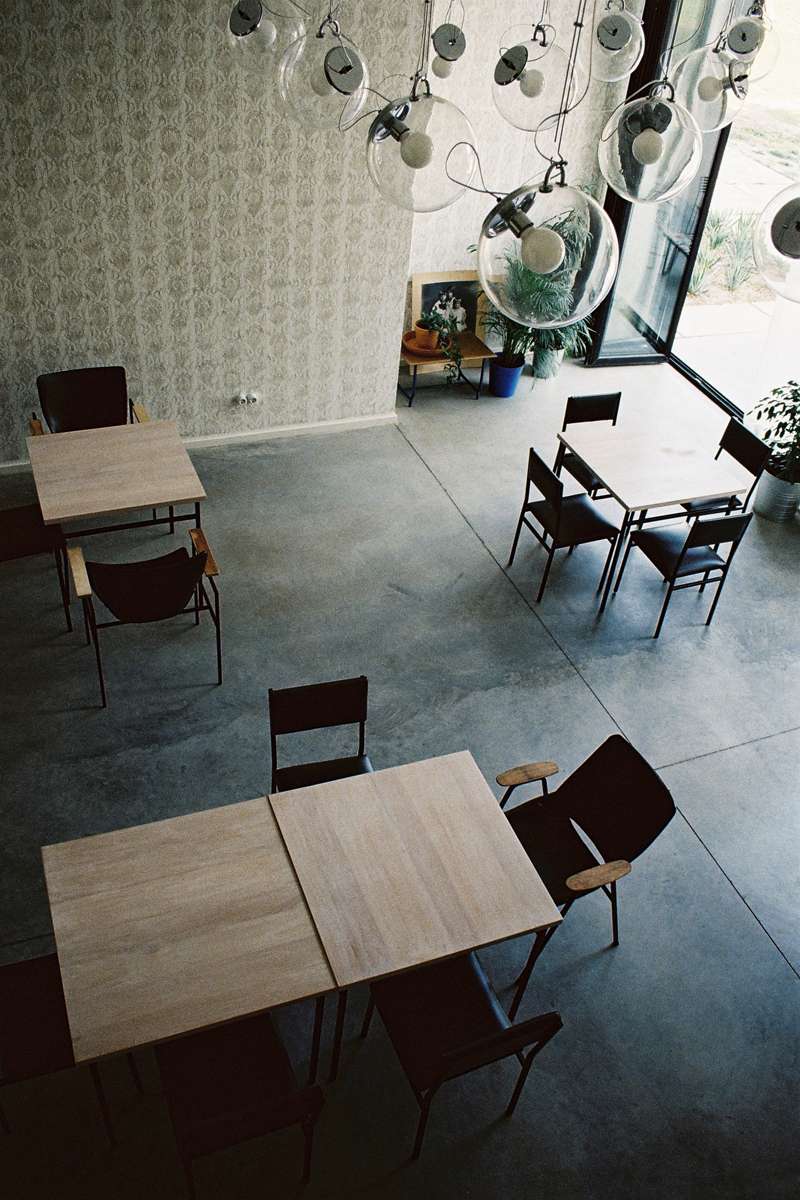
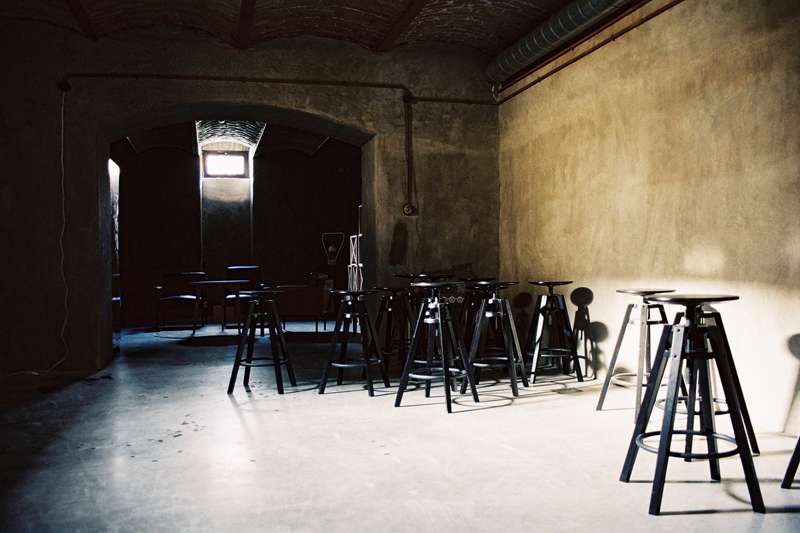
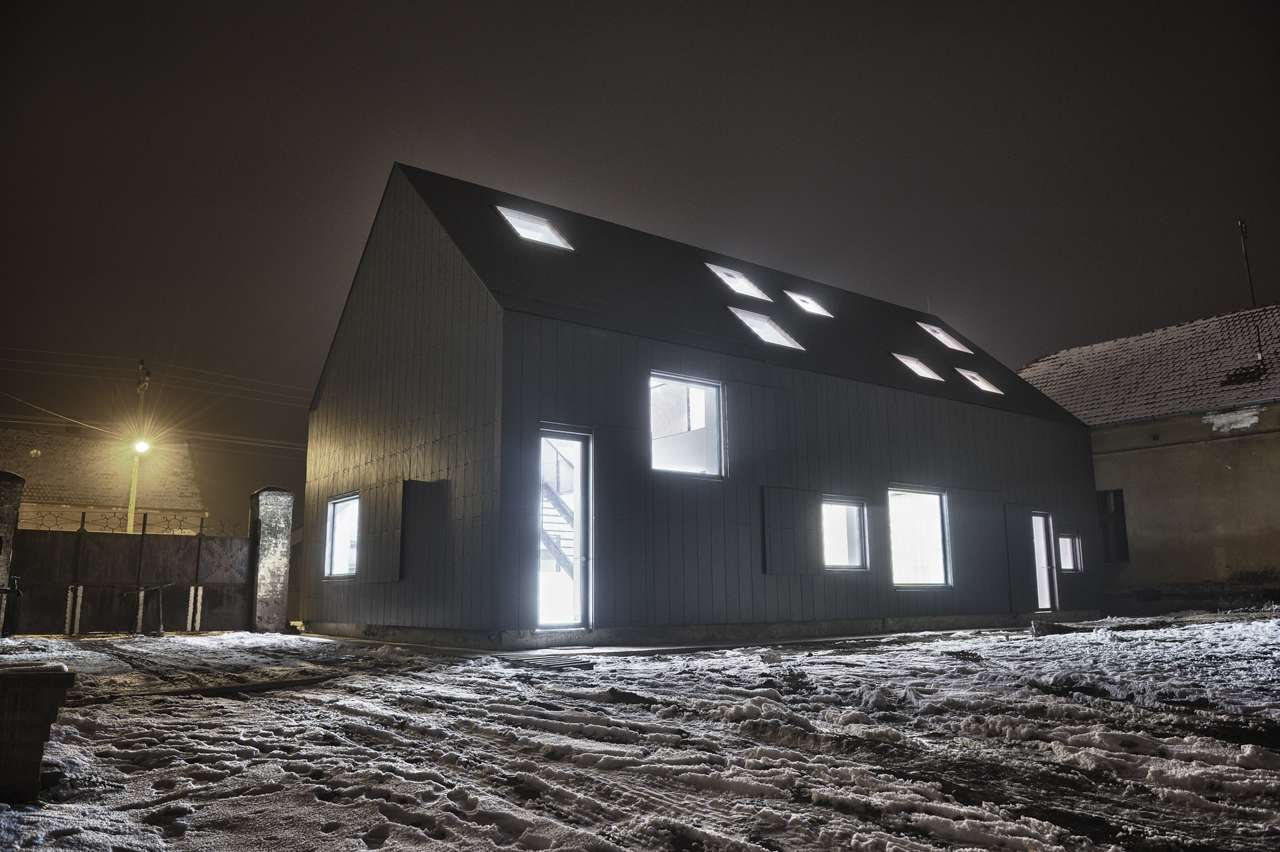
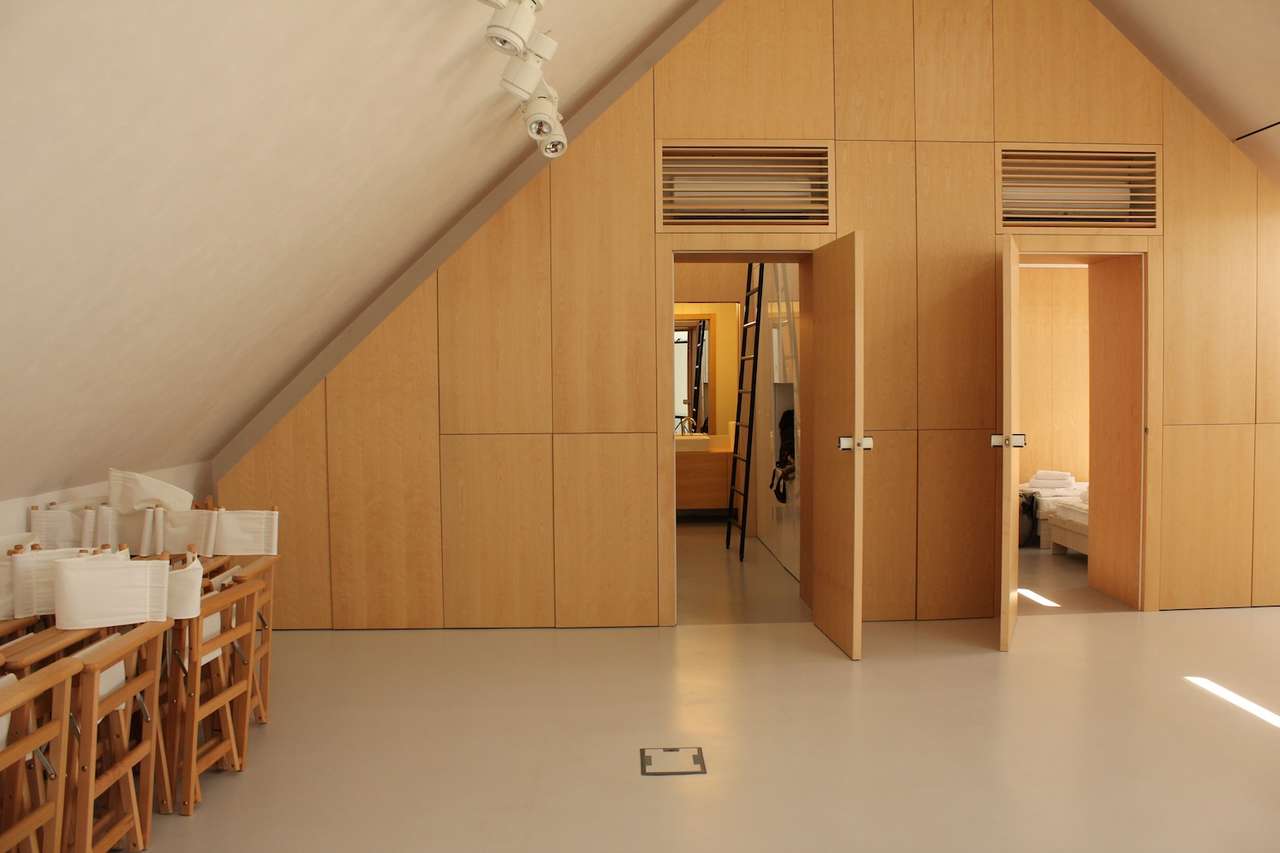
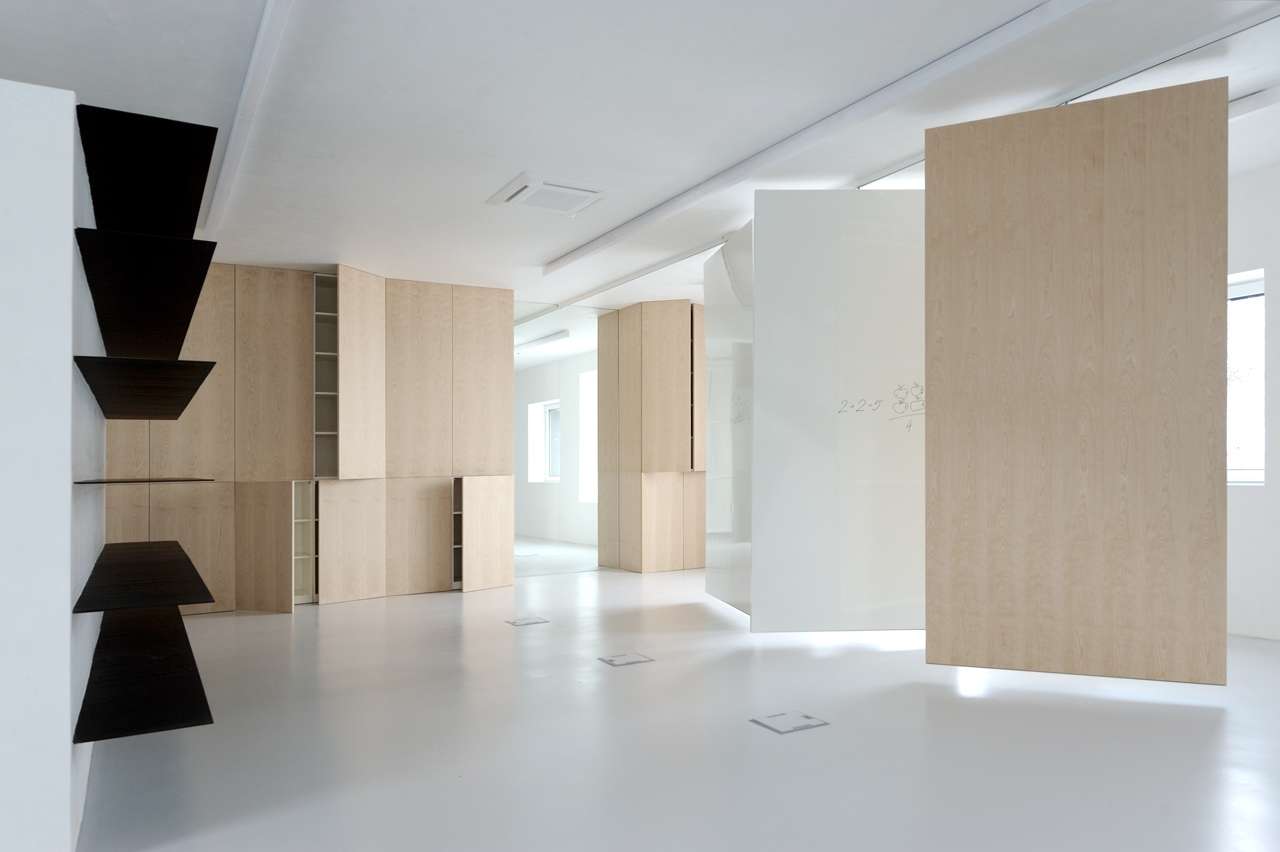
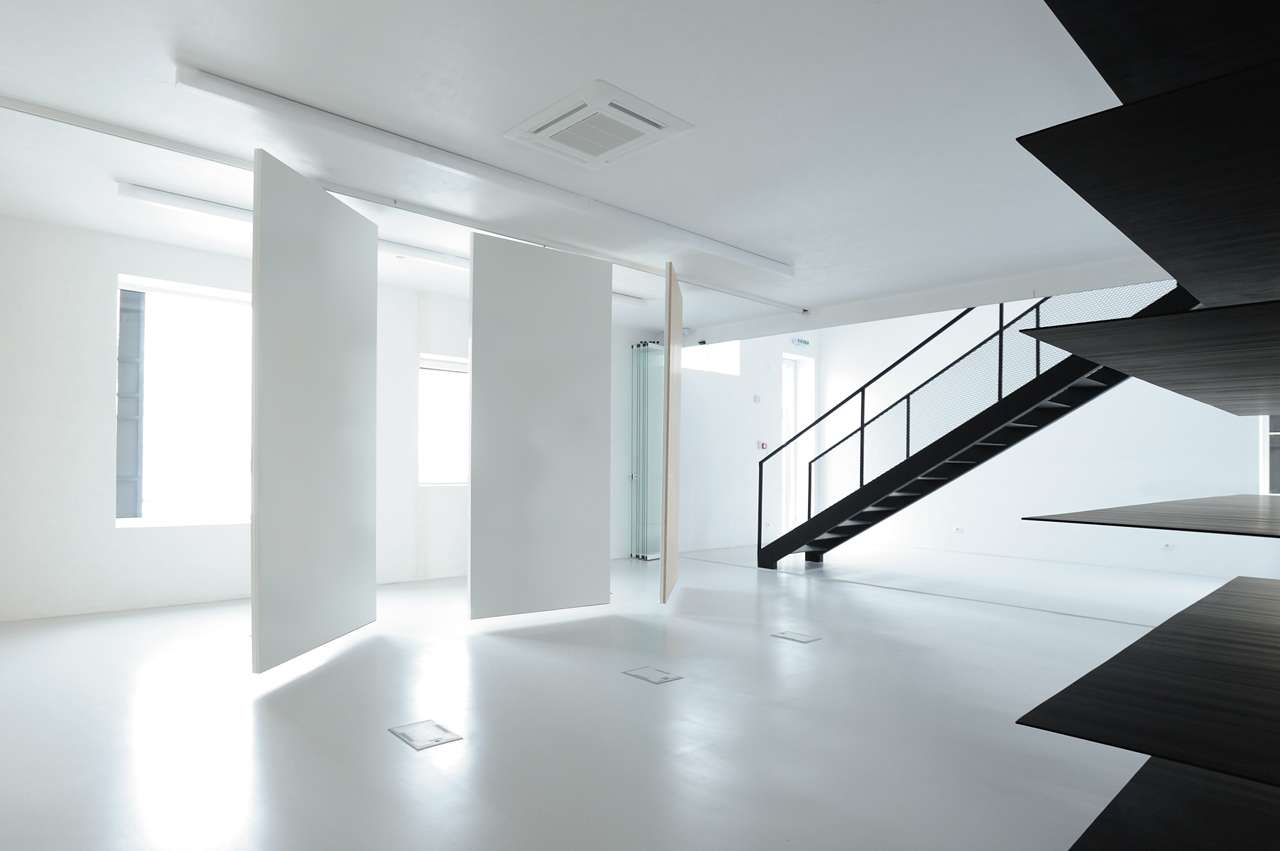
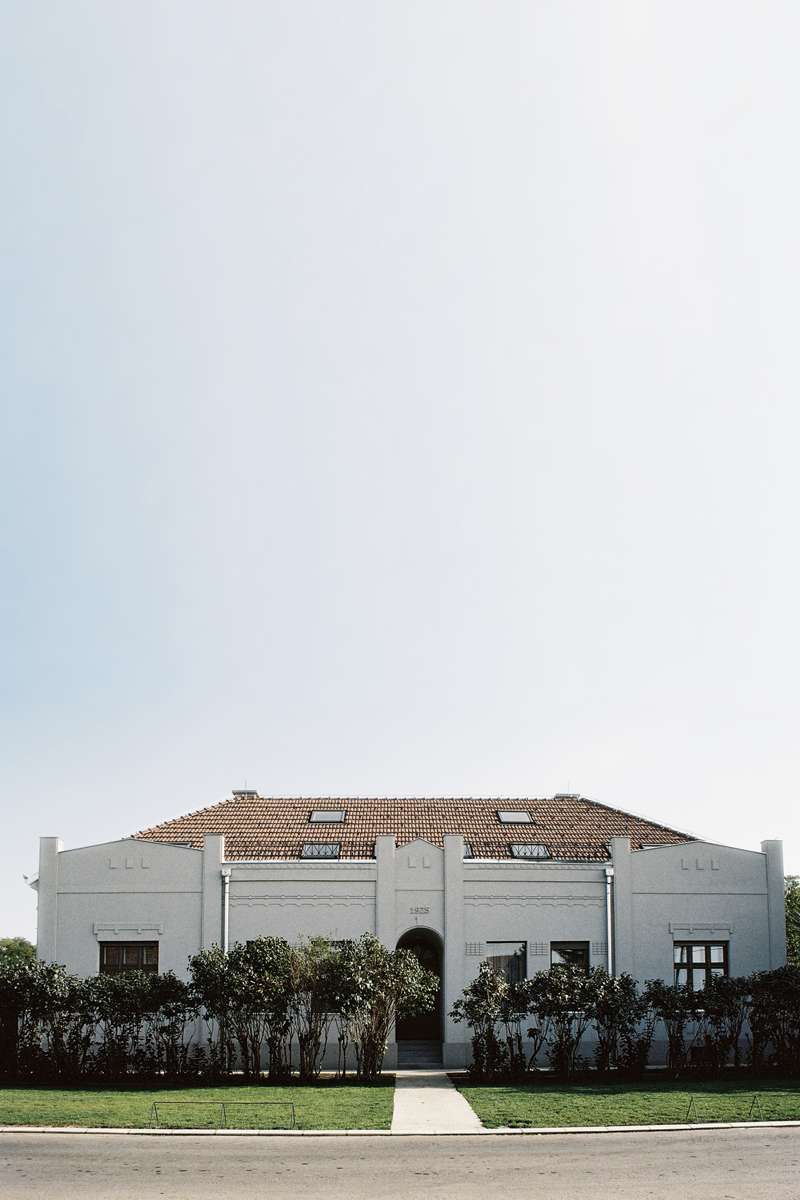
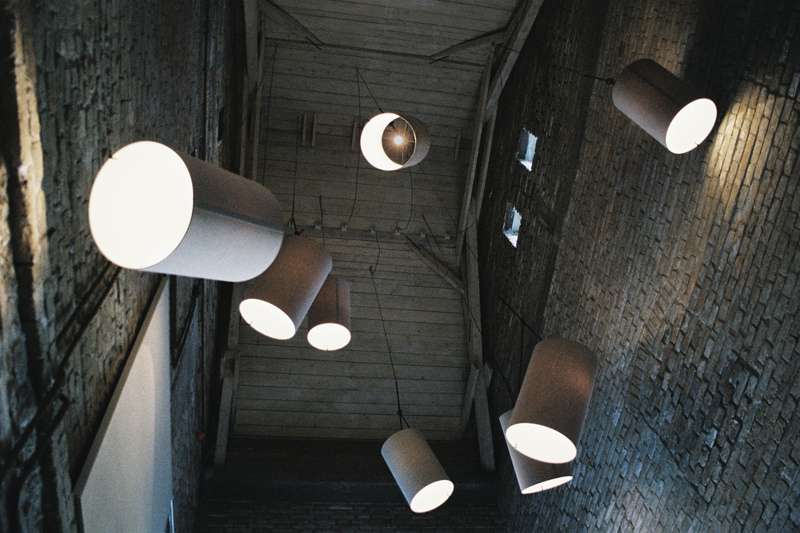
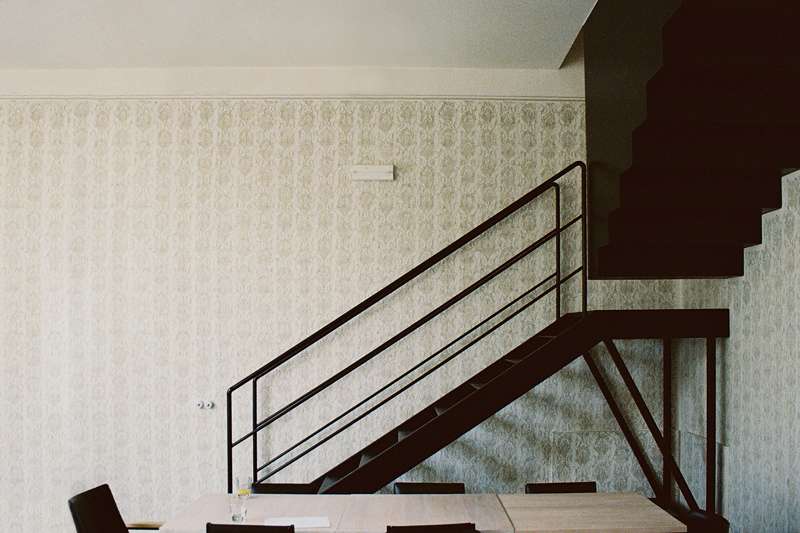
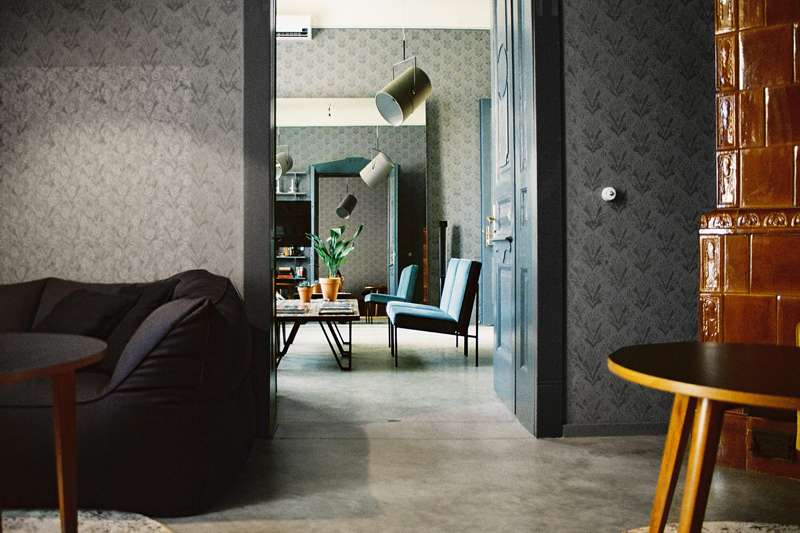
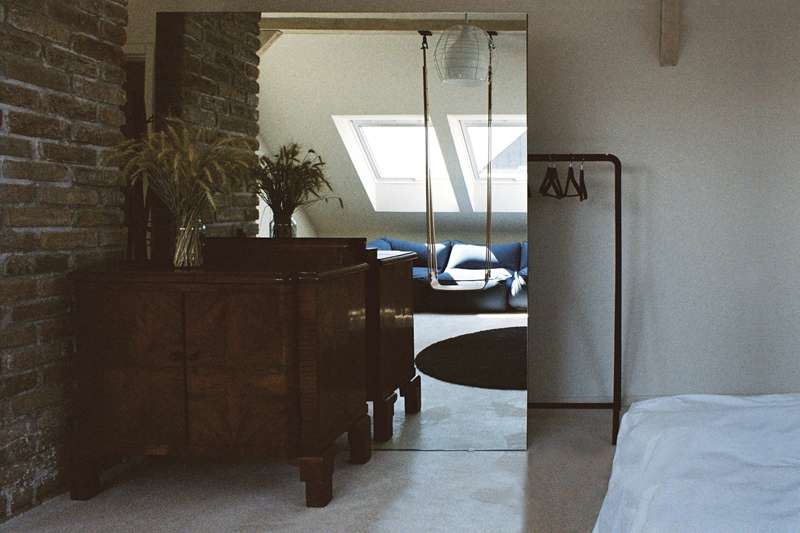
We depart from the regional Tour de Banat Cycle Touring Center . The center is located in a modern single-story building where you can rest and receive all necessary information, with a complete set of tools available for bicycle servicing and repairs.

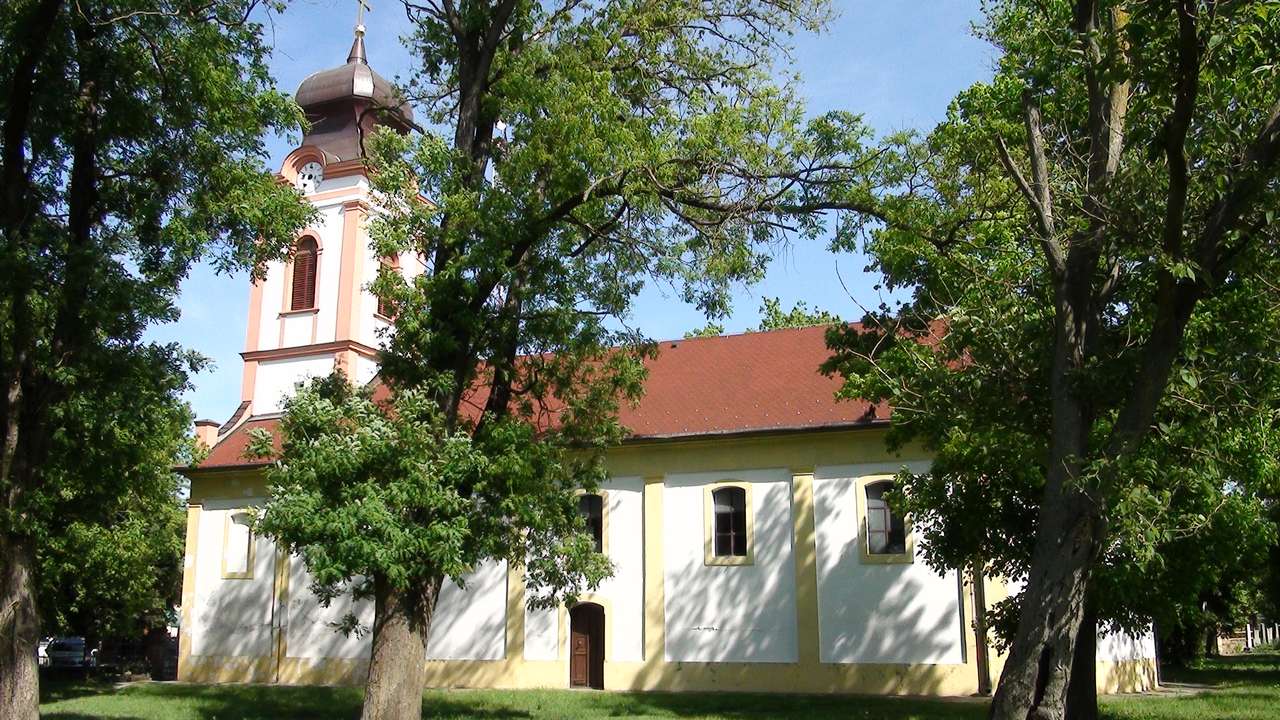
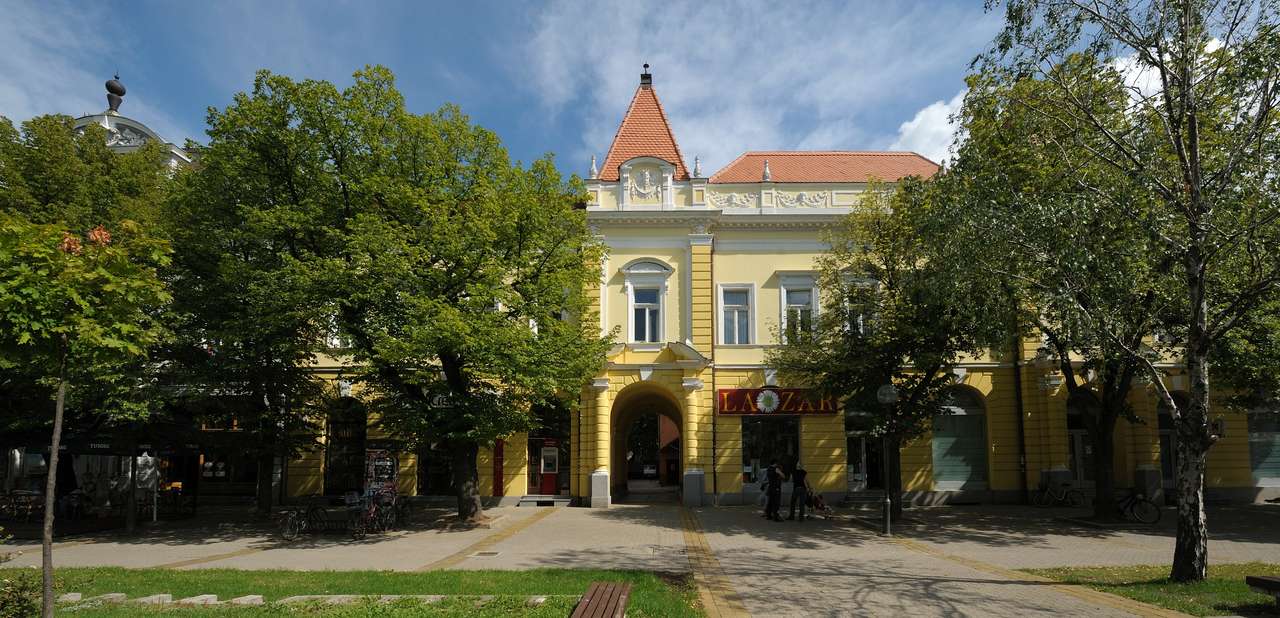
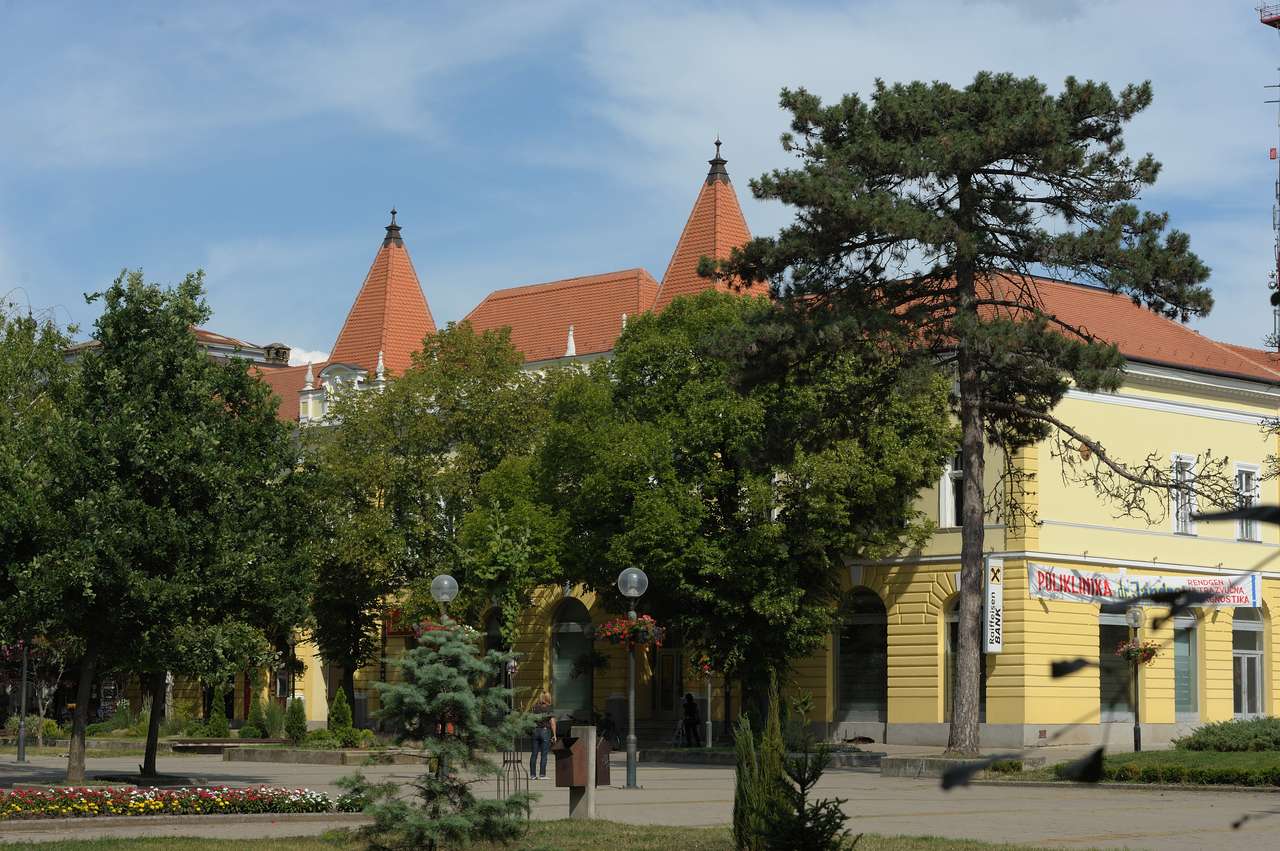
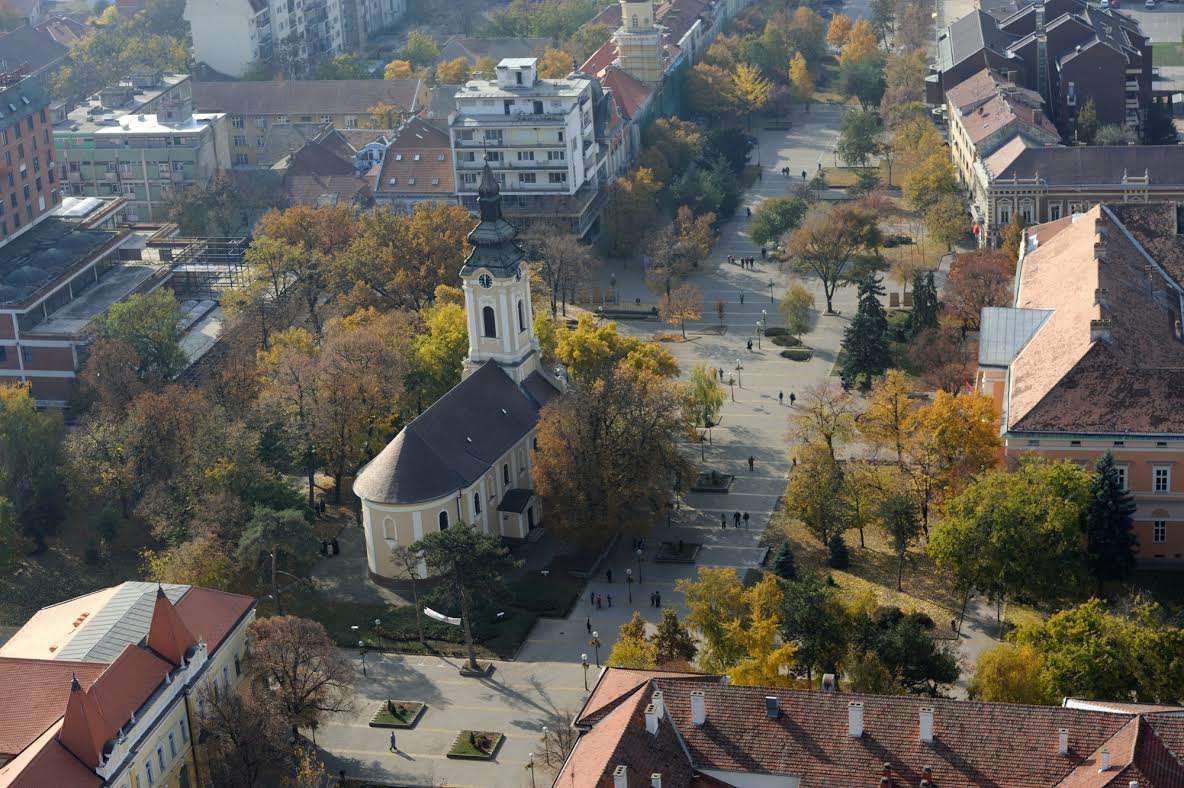
The road is excellent up to the intersection near Vojvoda Stepa (10 km), with very moderate traffic. After turning toward Kikinda at this intersection, an even quieter road awaits us, featuring good or excellent asphalt. Kikinda offers a wealth of attractions and sights (the route guides us through the pedestrian zone in the town center), and here we mention just a few of the lesser-known ones: Staro jezero (Old Lake) is a natural urban gem—a water complex covering an area of about 5 hectares. Located just around five hundred meters from the center, it offers great opportunities for relaxation, recreation, and enjoyment. In the park in front of the town swimming pool, there is a beautifully restored oil well pump jacket, which is still fully functional. At the exit from the town (right after crossing the main Kikinda – Kanjiža road), on the left side is the Speies mini Zoo—a parrot breeding facility where rare and exceptionally valuable specimens of these birds can be seen. Past Kikinda, along a quiet and very good road, we reach the Nakovo – Lunga border crossing. The first town in Romania is Comloșu Mare (Veliki Komloš), where it is worth seeing the Roman Catholic church from 1796, which is a historical monument, as well as the romantic Greek Catholic church (“the blue church”) situated in a lovely park. In Comloșu Mare there is a supermarket and an intercity bus stop. The remaining road is excellent with very moderate traffic. After passing Comloșu Mic (Mali Komloš), we quickly reach the lakes at the entrance to Jimbolia (Žombolj). A short asphalt road branching off to the left leads us to them, and the lakes feature a picnic area with benches and tables. To get to know Jimbolia and its local sights in greater detail, see DeTour 3. At the exit of the town, at the end of the cycle path, another well-equipped Tour de Banat rest stop awaits cyclists. Our tour ends right after the Srpska Crnja border crossing, right where we started—at the Cycle Touring Center.

Points of interest
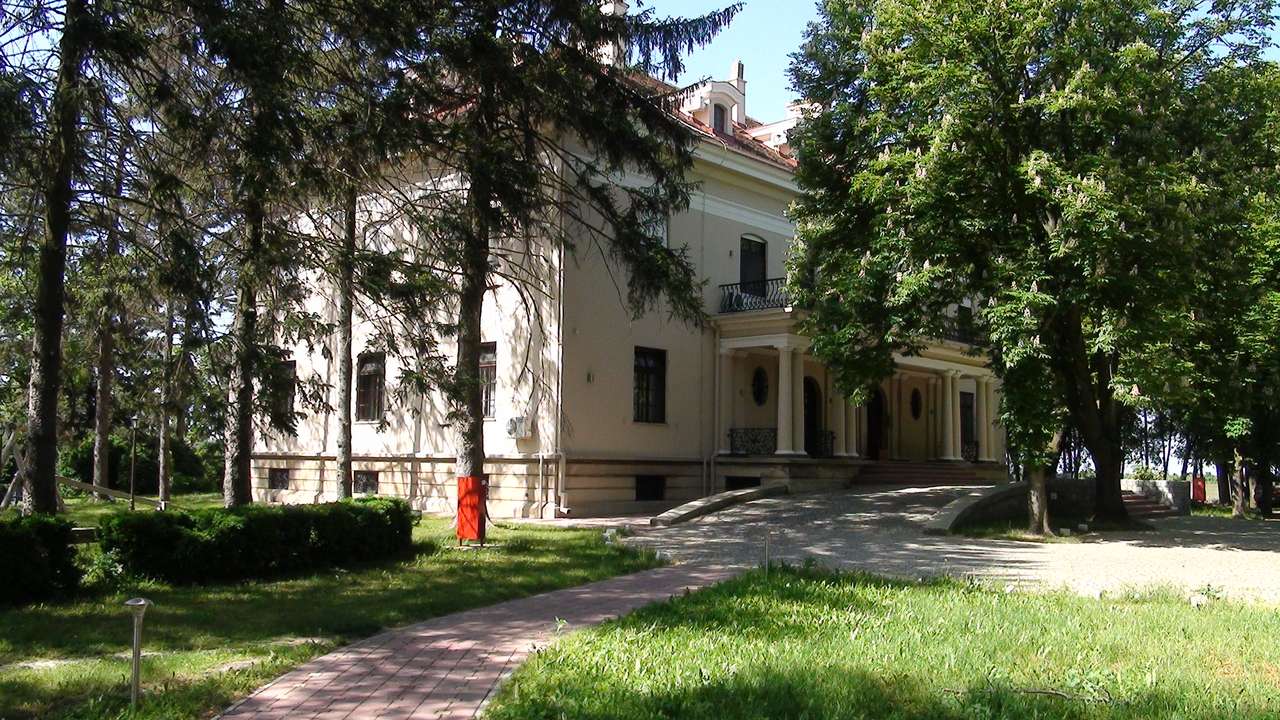
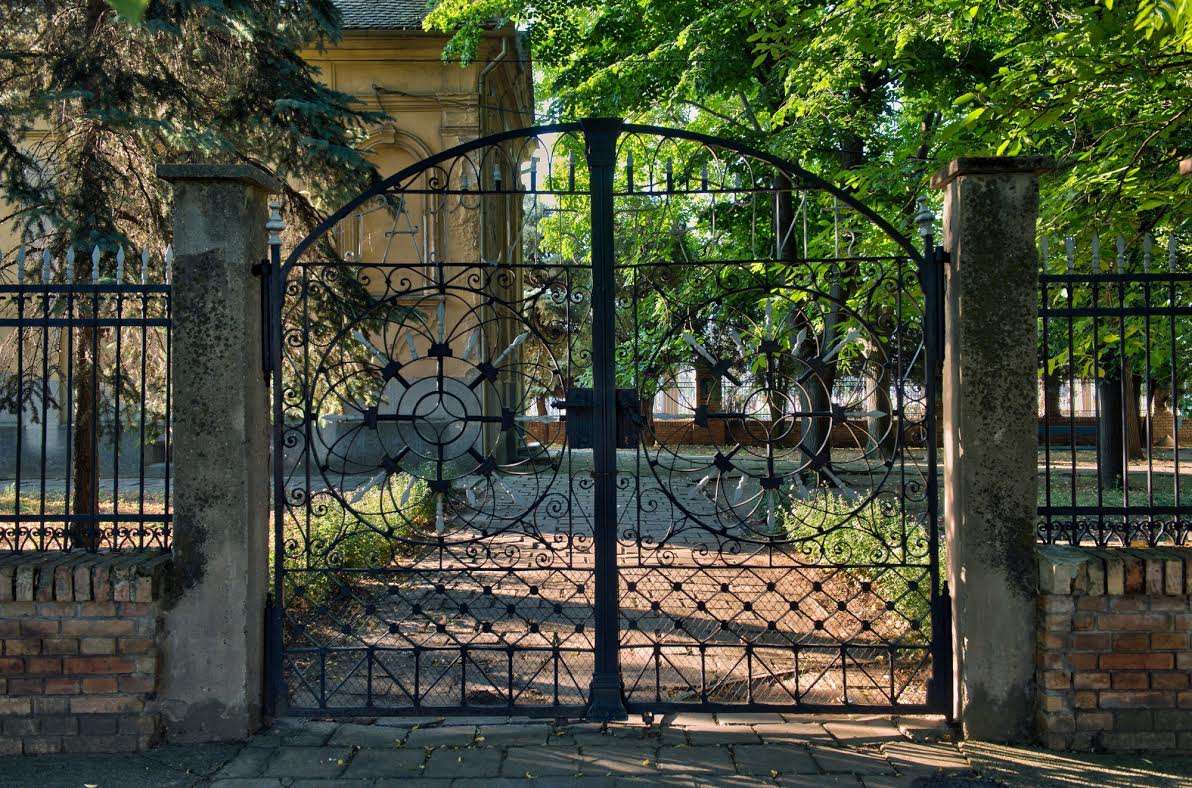
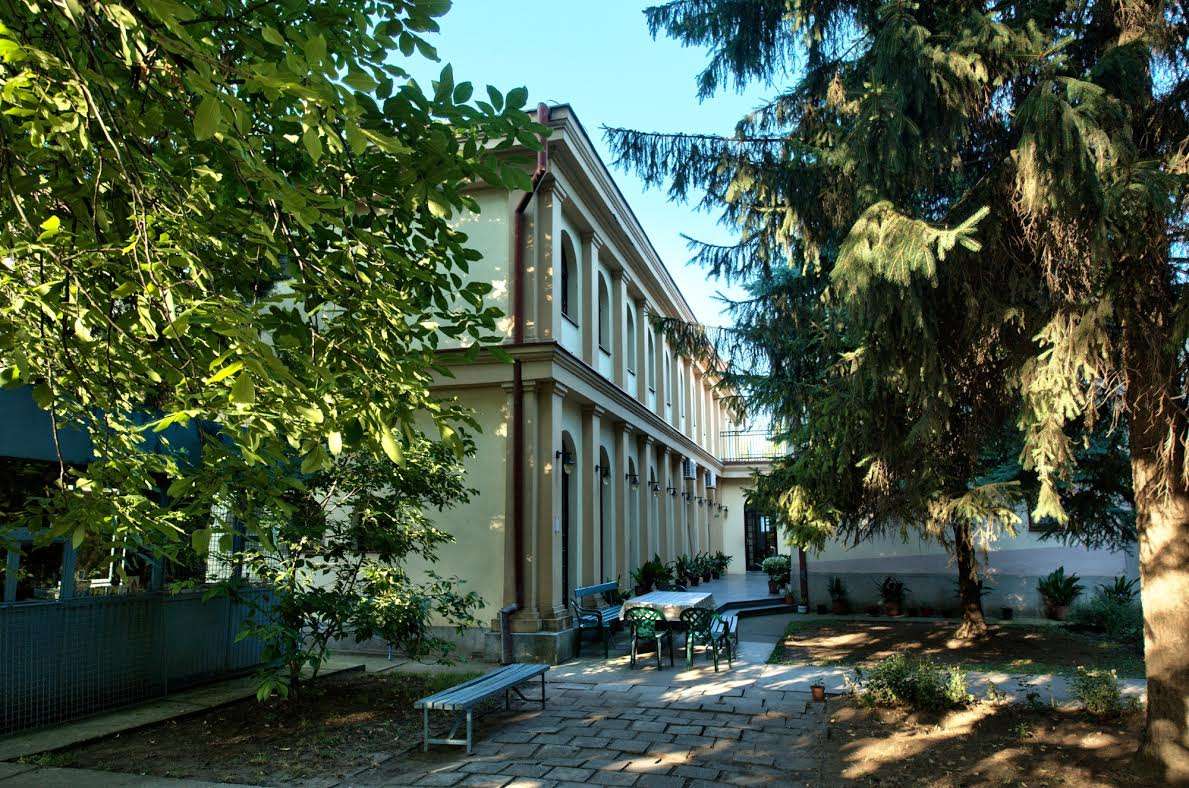
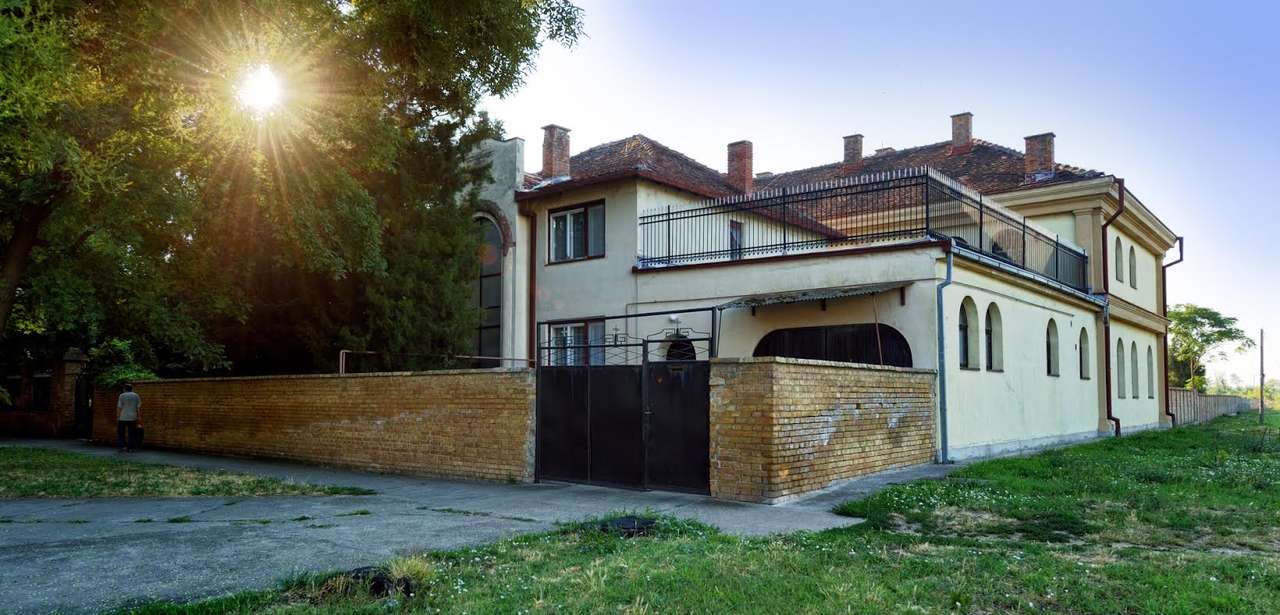
Dvorac Nojhauzen - Kaštel

Castle

Dvorac Nojhauzen - Kaštel

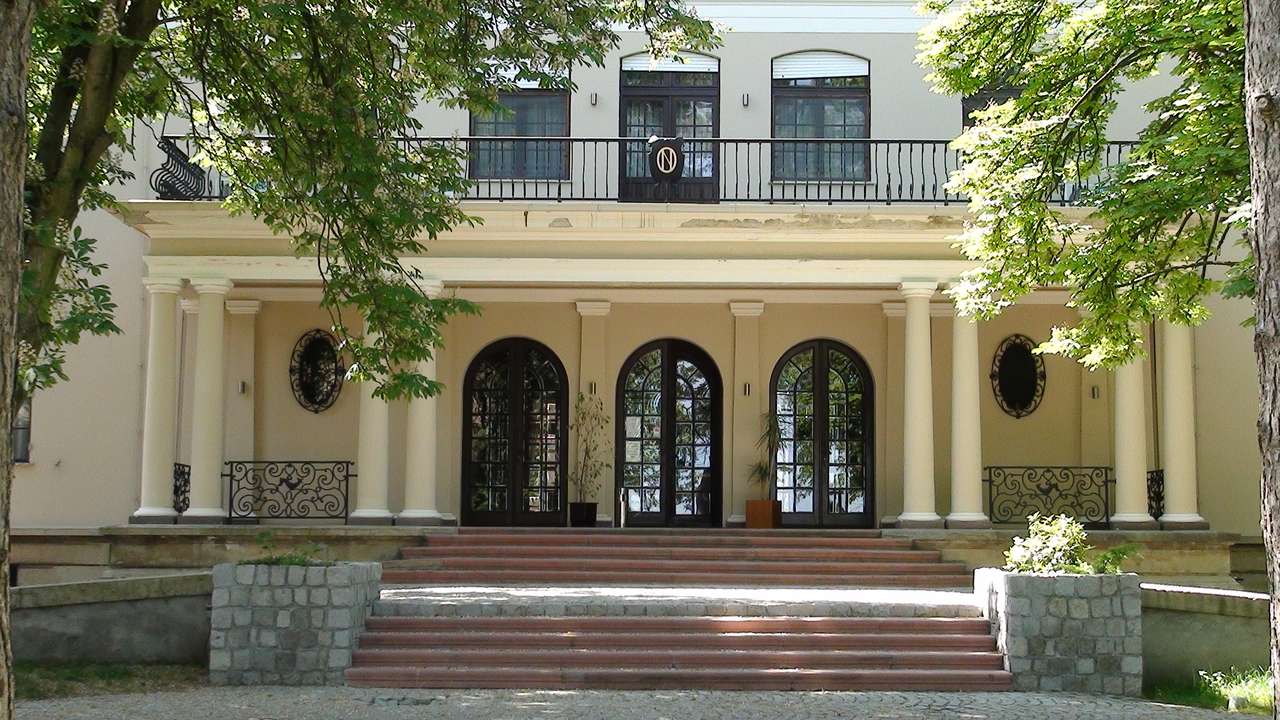
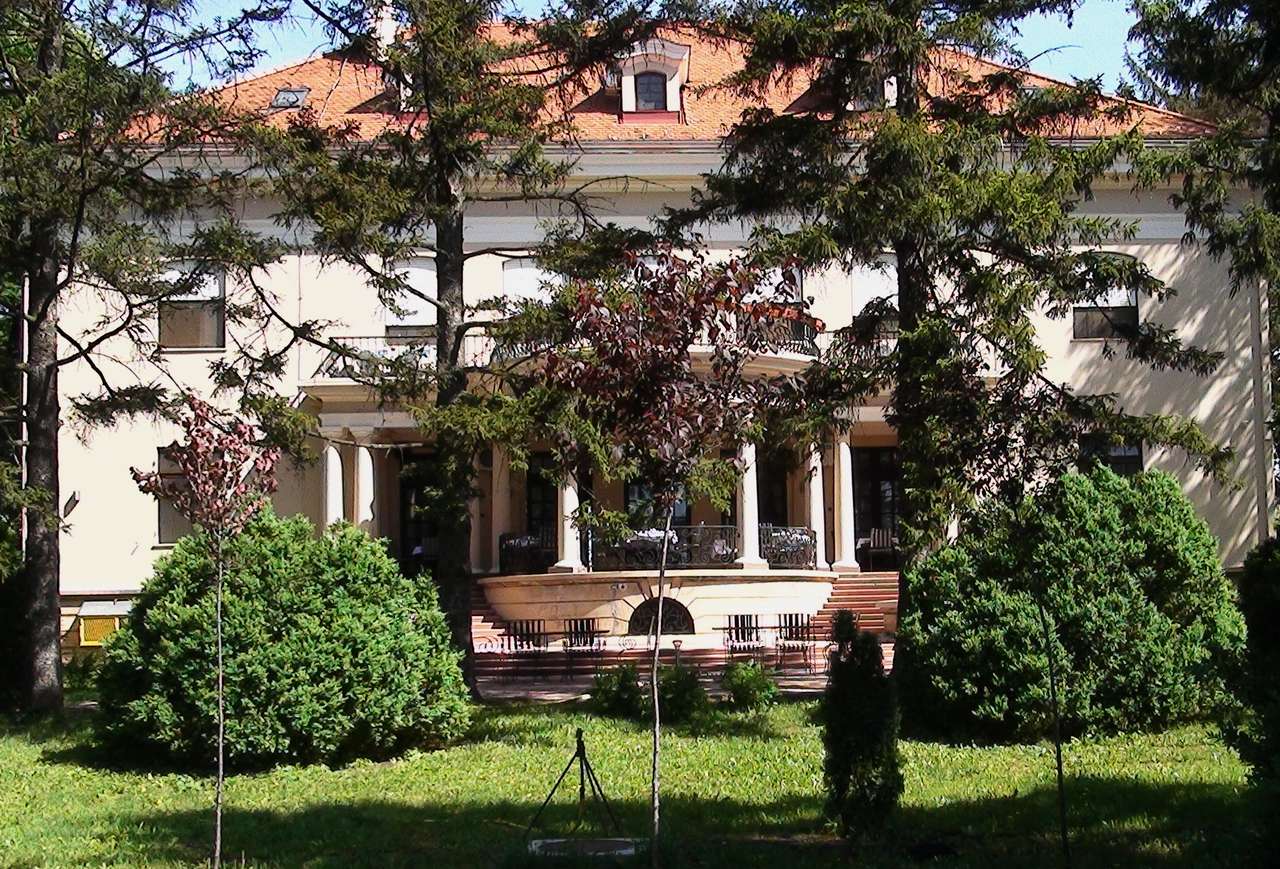
Dvorac je izgrađen 1943. godine za potrebe visokih oficira nemačke okupacione vojske na Balkanu, tačnije za generala Nojhauzena i njegovu porodicu, a po nekim tvrđenjima…

  • Kralja Aleksandra
  • +38123811360, +38123812636

Castle

Dvorac Nojhauzen - Kaštel

Dvorac je izgrađen 1943. godine za potrebe visokih oficira nemačke okupacione vojske na Balkanu, tačnije za generala Nojhauzena i njegovu porodicu, a po nekim tvrđenjima čak i za Hermana Geringa. Dvorac je anahron u odnosu na aktuelnu arhitekturu i stilove tog vremena, iako je u osnovi primenjen arhitektonski obrazac klasicističkog dvorca, sa svim njegovim odlikama.Tome u prilog idu i svi ostali elementi od ugrađenog luksuznog materijala, prvoklasne stolarije, hrastovine do ružičastog mermera itd. U sklopu dvorca se nalazi i nekoliko ekonomskih objekata, a ceo kompleks je ograđen. Kaštel se danas koristi kao restoran sa prenoćištem. Dvorac je evidentirano kulturno dobro.

Contact and practical information

Address
Kralja Aleksandra
Phone
+38123811360, +38123812636
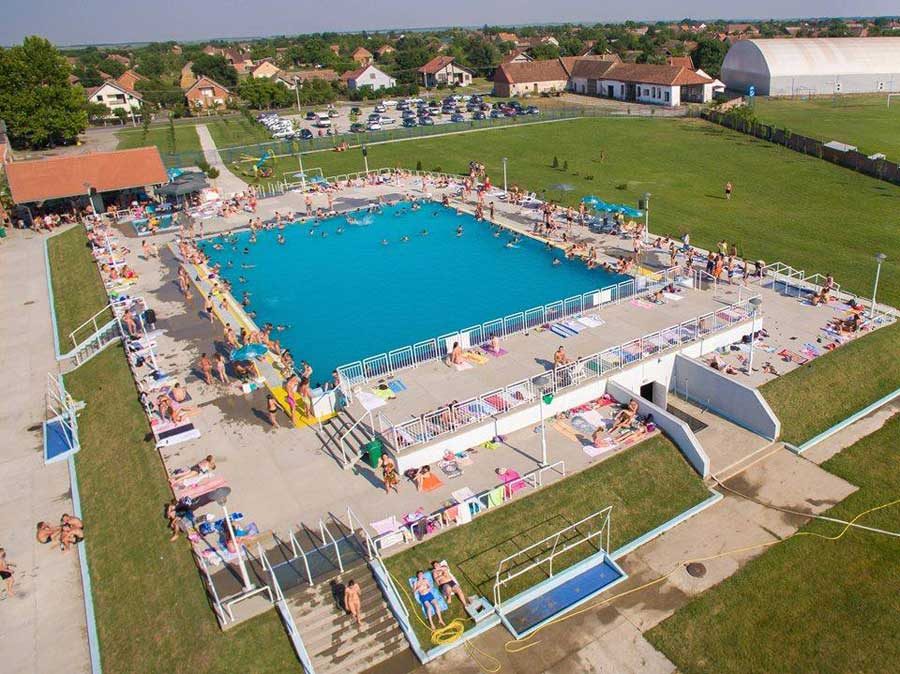
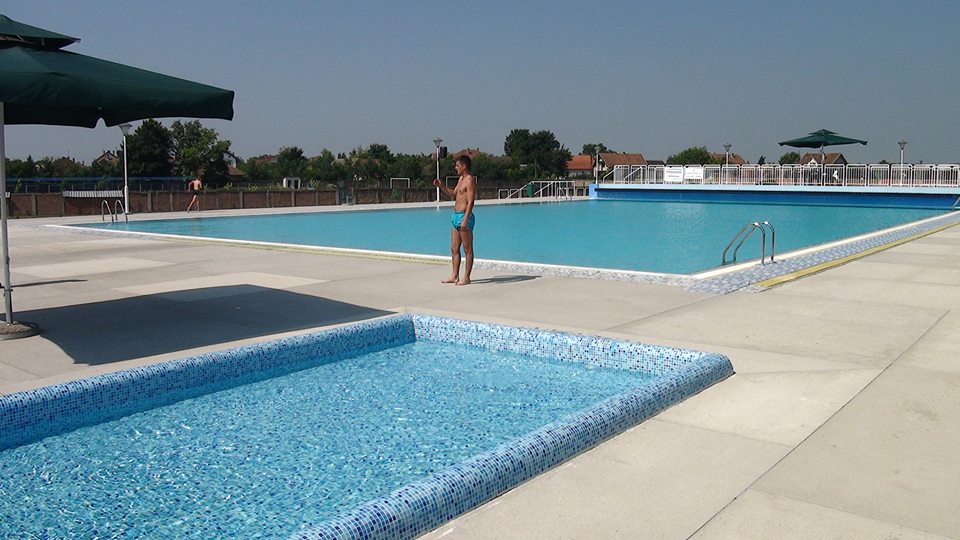
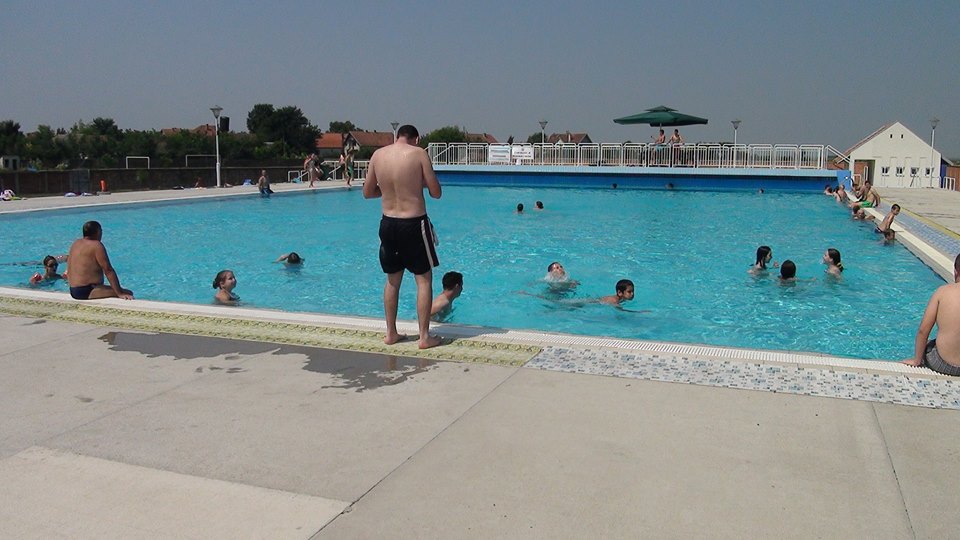
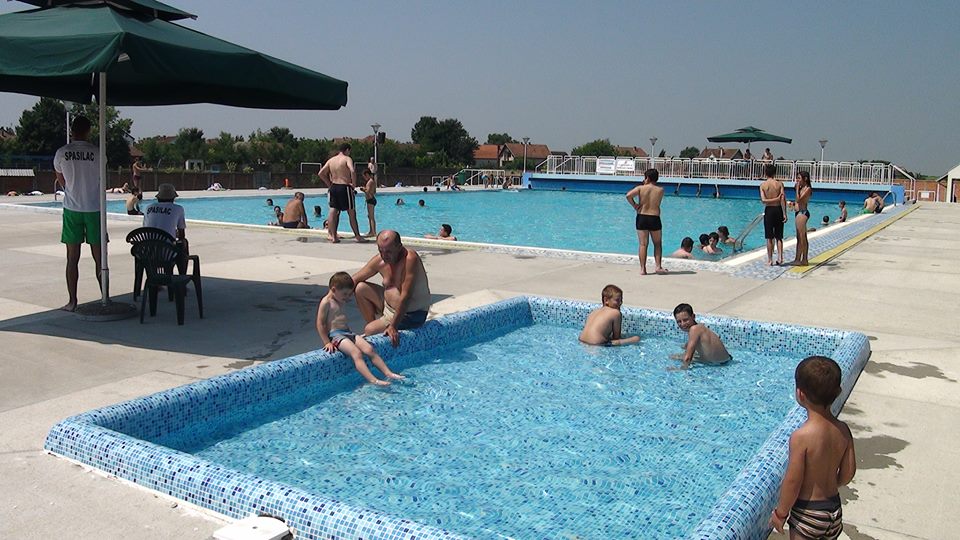
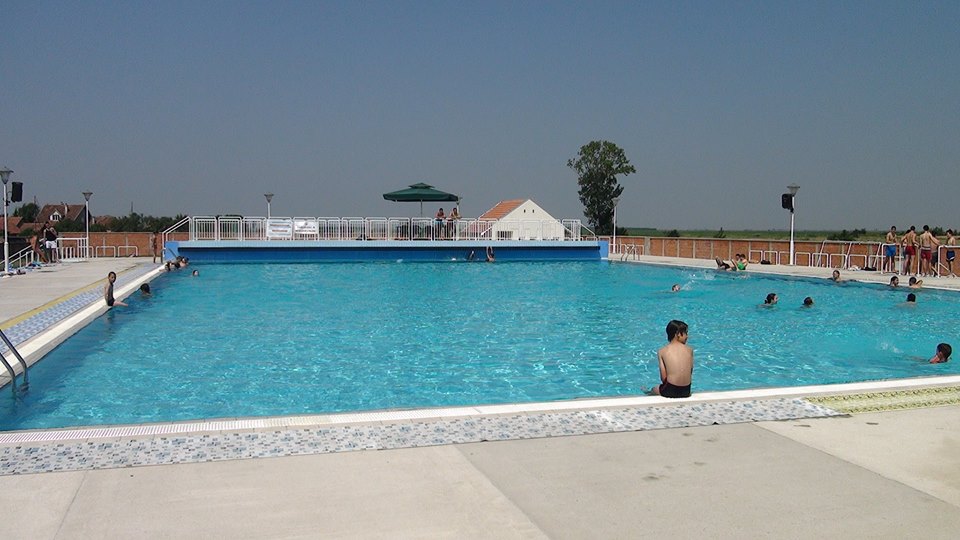
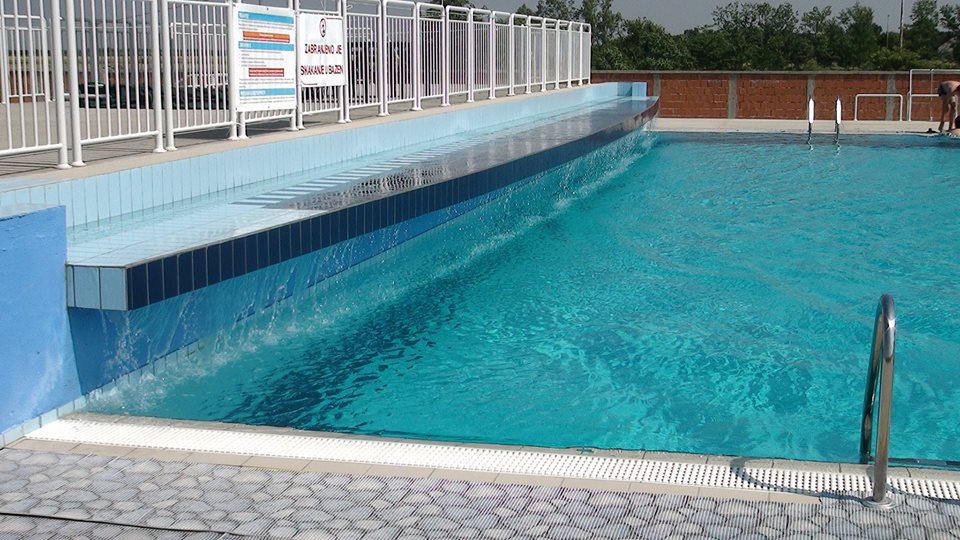
Srpska Crnja – Public pool

Pool

Srpska Crnja – Public pool

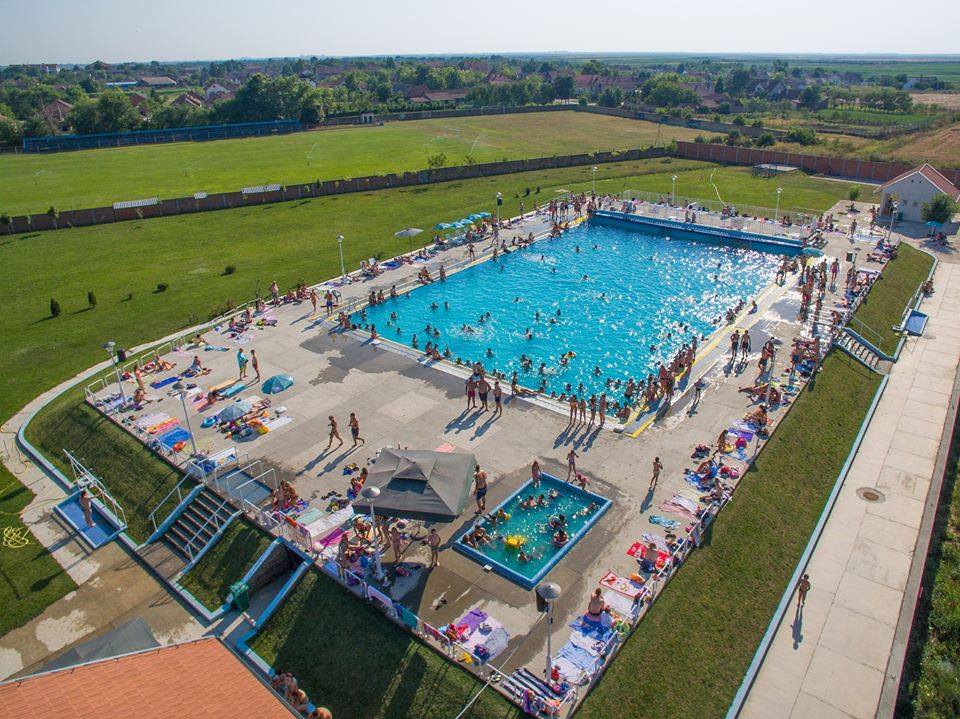
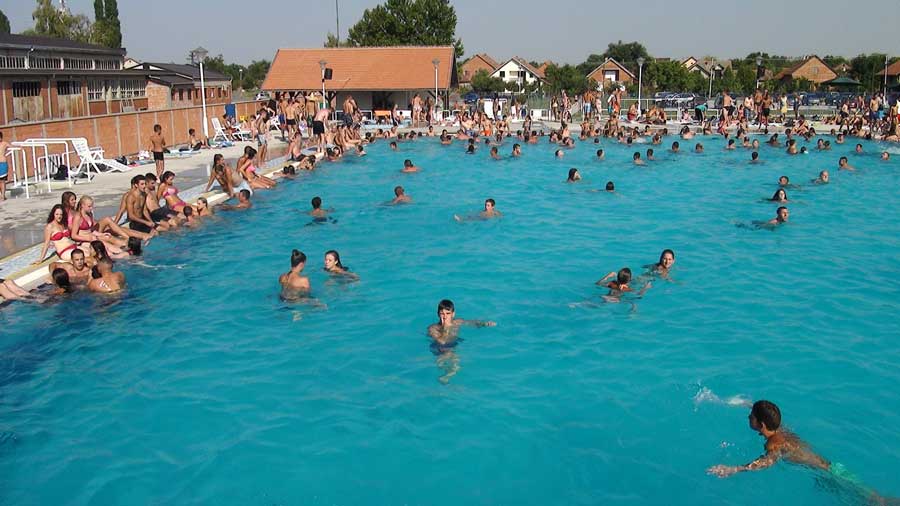
Outdoor public swimming pool is under the control of Serbian Crnja JKP "August 8". Opening time is from early June to early September. Regular water quality control is…

Pool

Srpska Crnja – Public pool

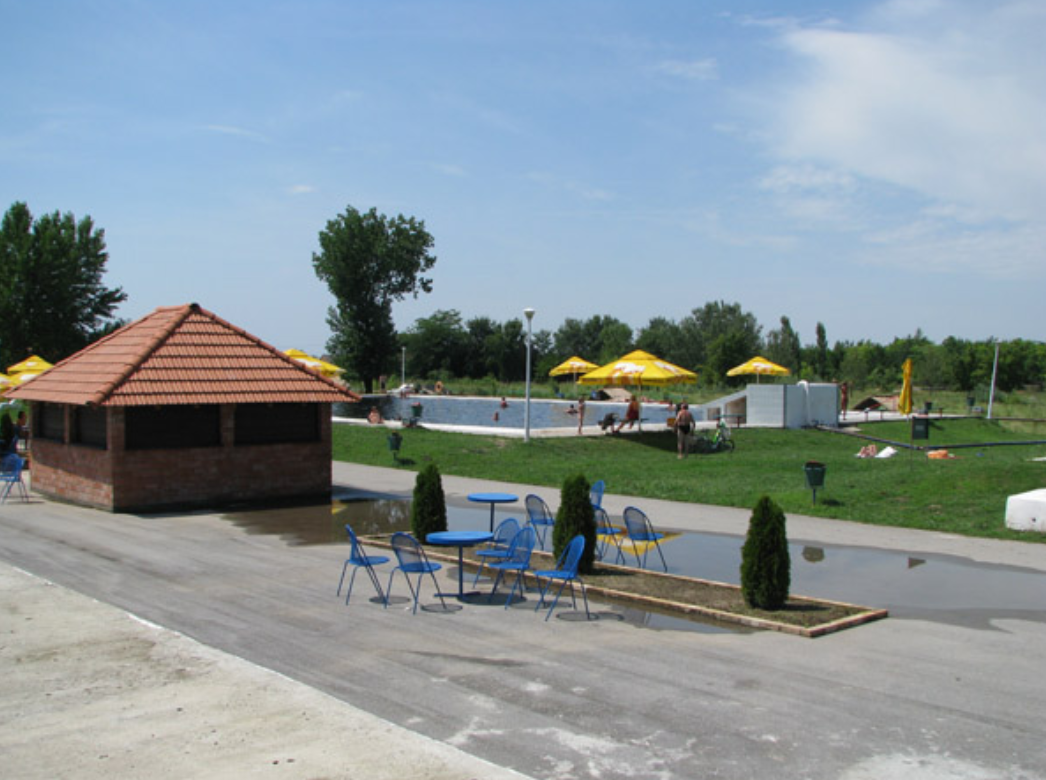
Outdoor public swimming pool is under the control of Serbian Crnja JKP "August 8". Opening time is from early June to early September. Regular water quality control is carried out by the Public Health Institute.

Contact and practical information

Address
Partizanska
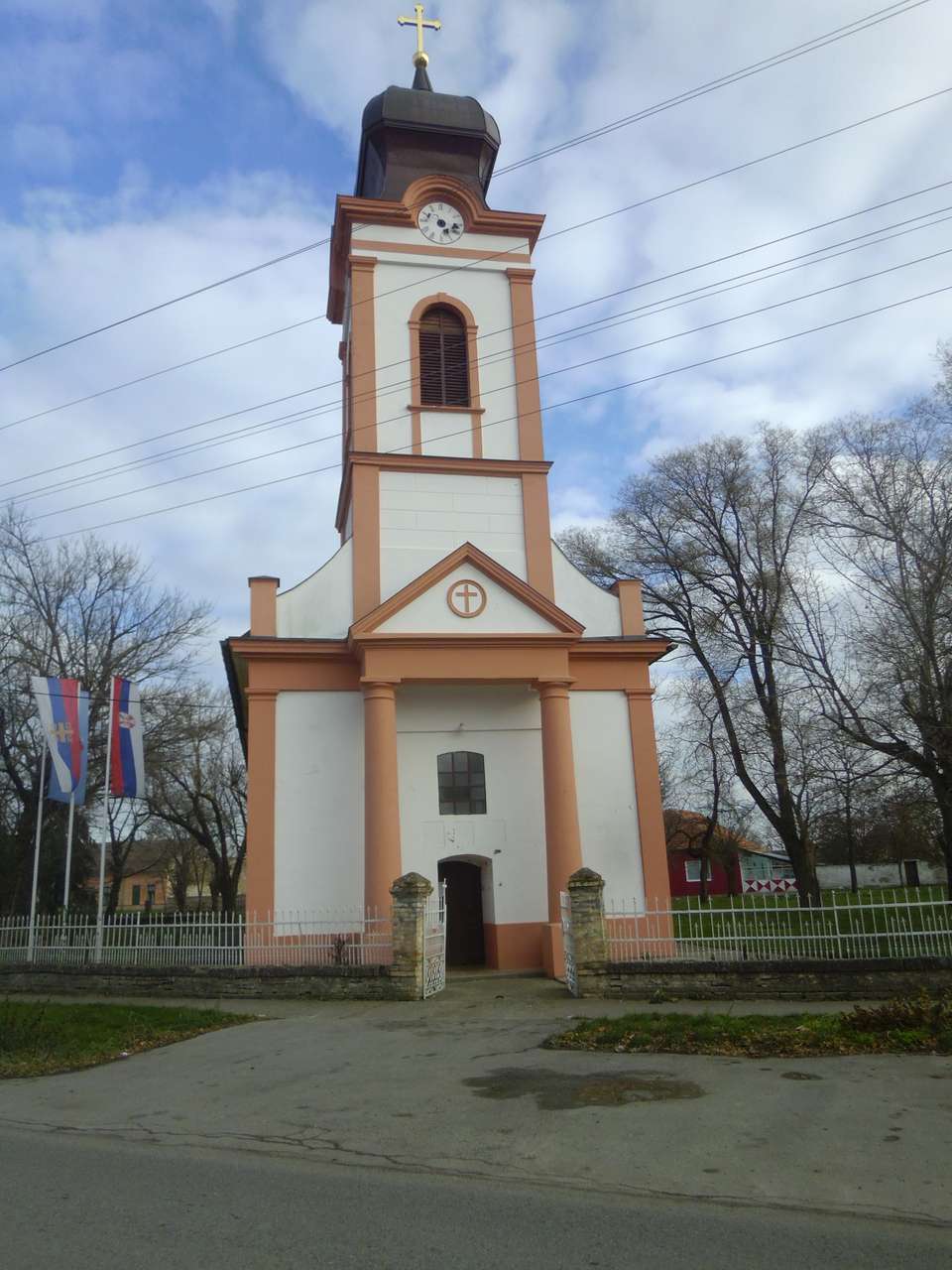
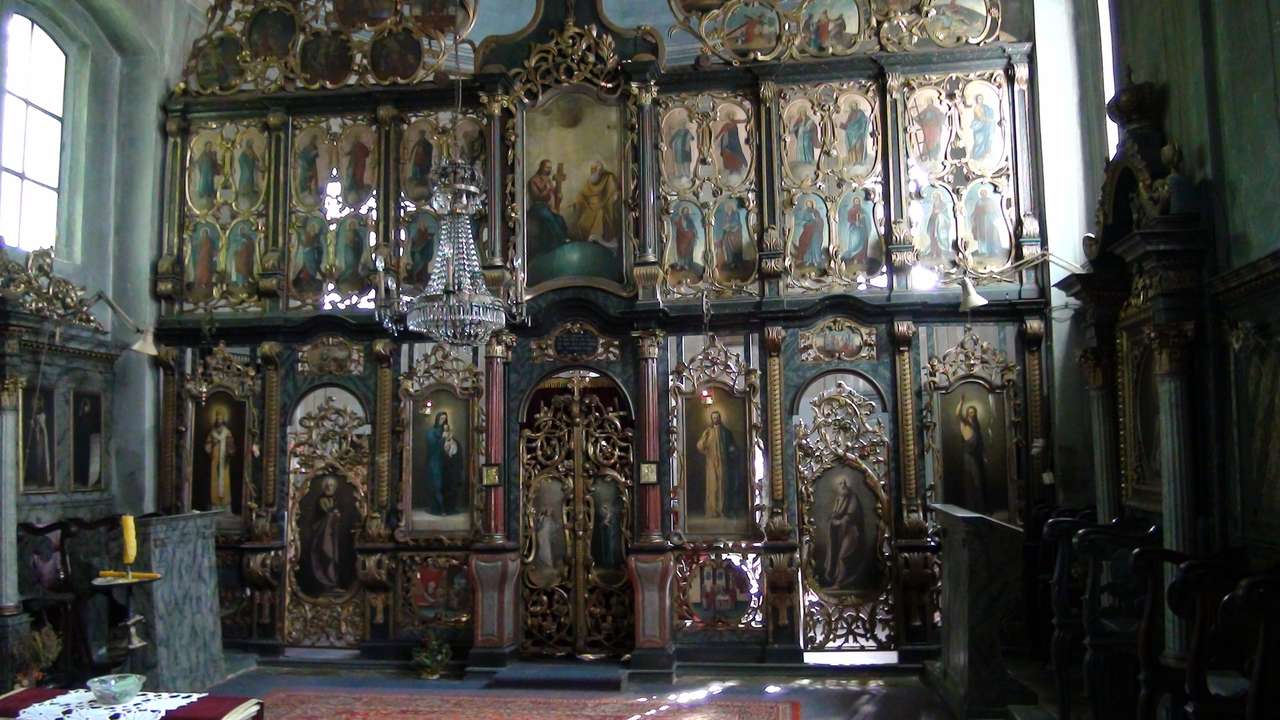
Pravoslavni Hram Svetog velikomučenika Prokopija u Srpskoj Crnji

Church

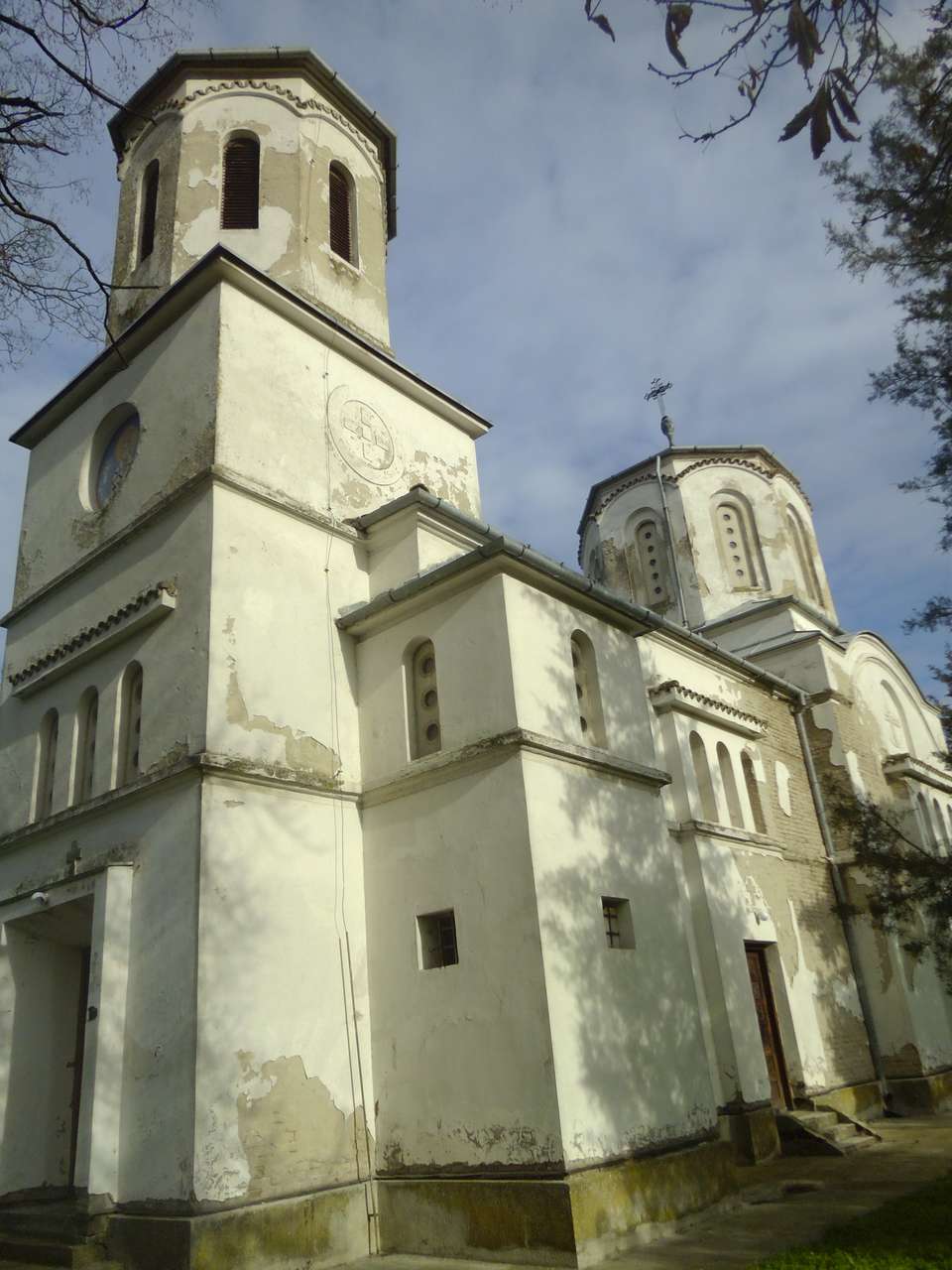
Pravoslavni Hram Svetog velikomučenika Prokopija u Srpskoj Crnji

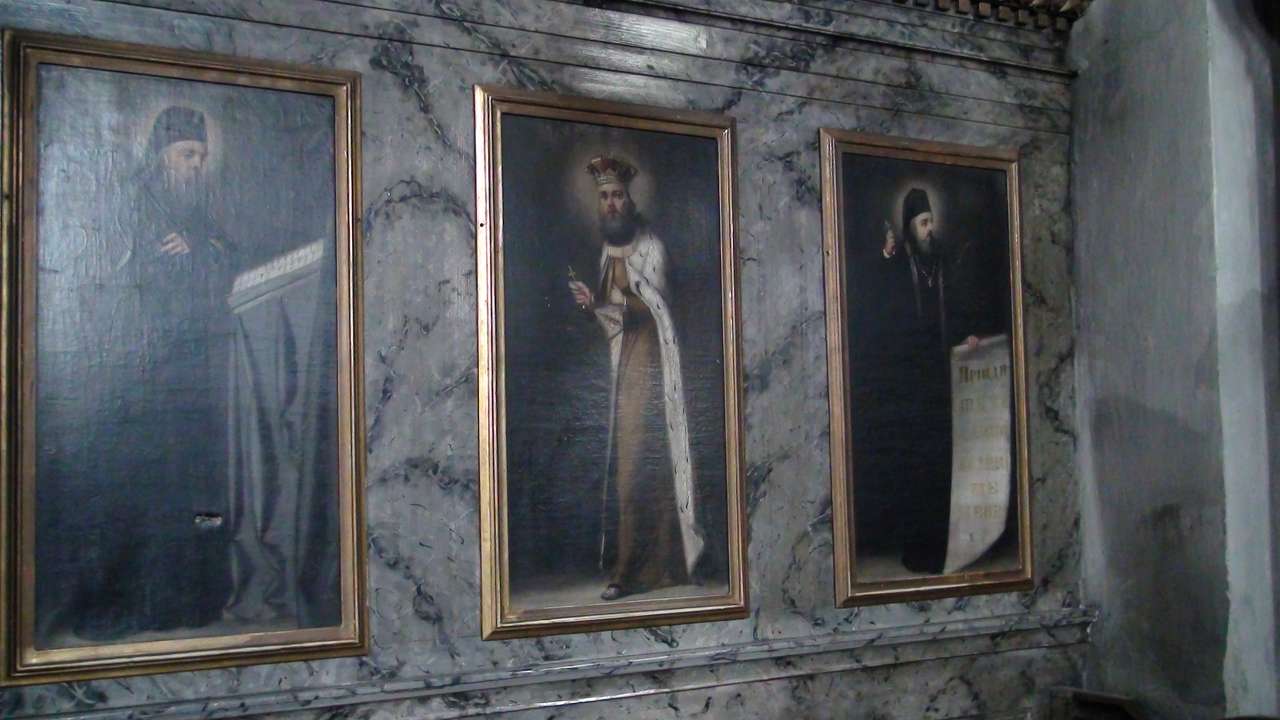
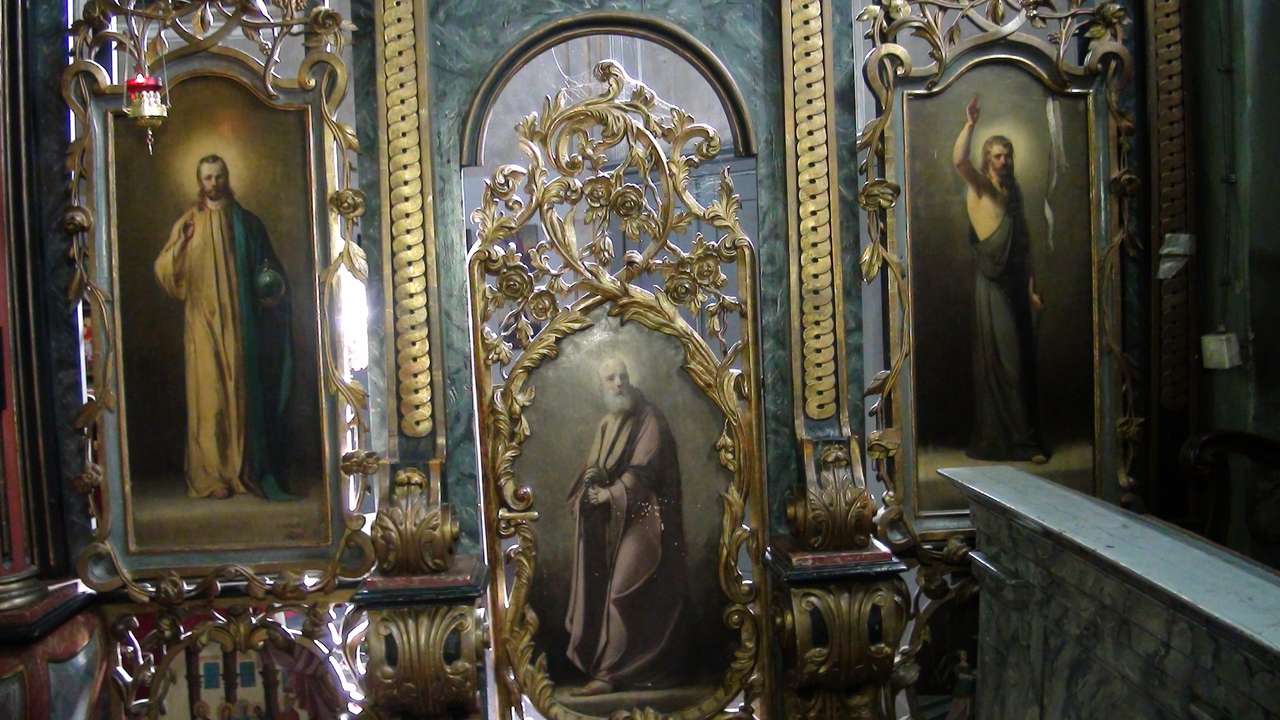
Hram je izgrađen 1775. godine i poznat je po tome što se u njemu nalazi ikonostas koji je slikao najznačajniji slikar Srpskog romantizma Đura Jakšić. Đura Jakšić je…

Church

Pravoslavni Hram Svetog velikomučenika Prokopija u Srpskoj Crnji

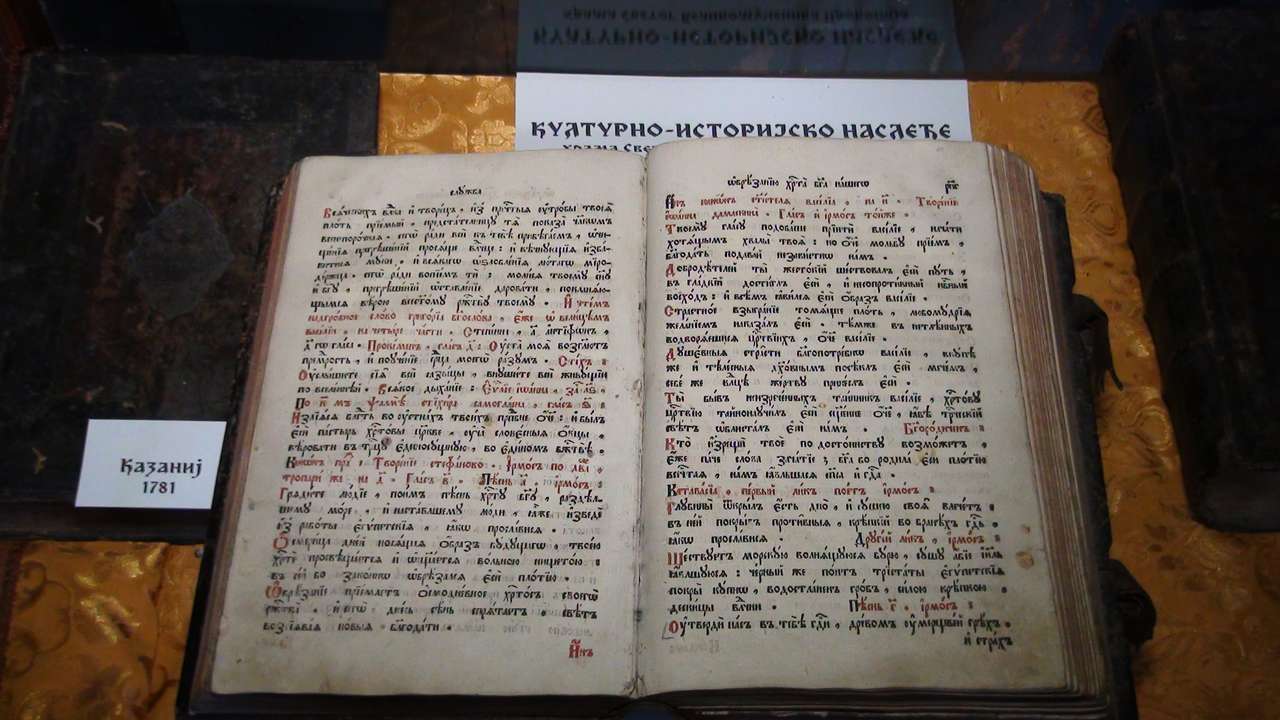
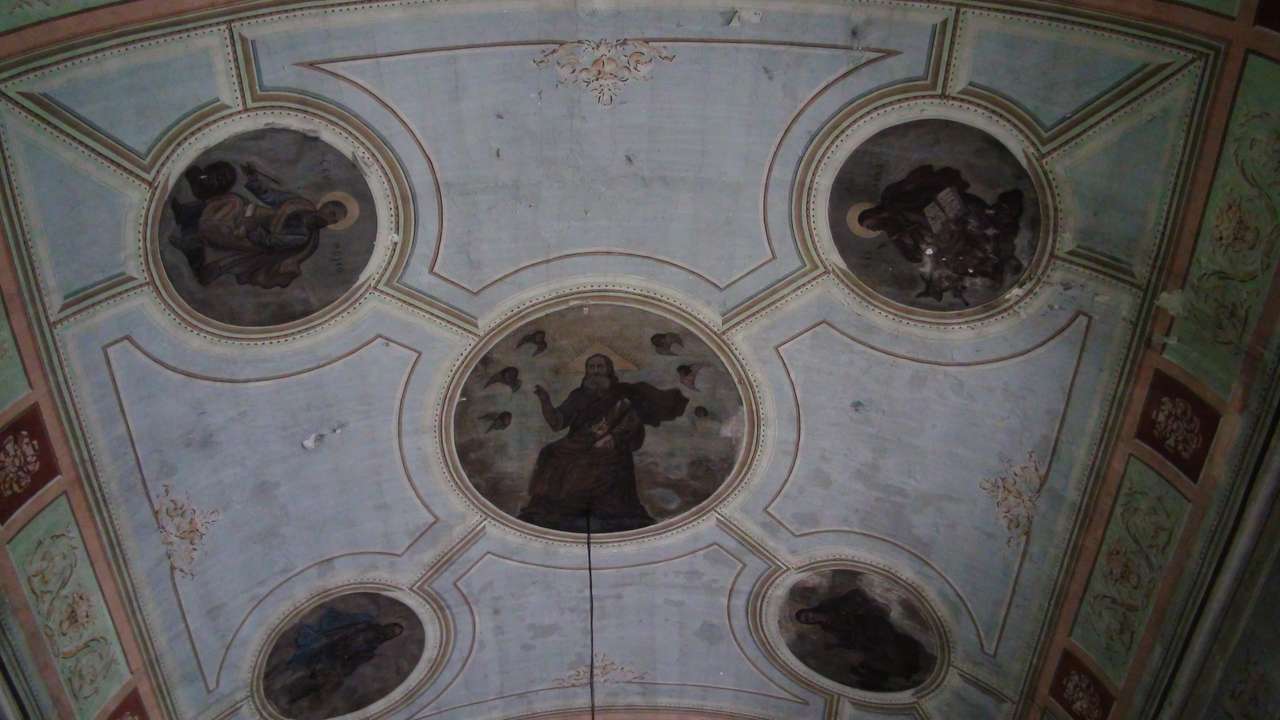
Hram je izgrađen 1775. godine i poznat je po tome što se u njemu nalazi ikonostas koji je slikao najznačajniji slikar Srpskog romantizma Đura Jakšić. Đura Jakšić je tokom 1852 i 1853. godine započeo zamenu ikona, ali nije zamisao izveo do kraja. Krajem XIX. veka, 1892. godine, obnovu odnosno delimično preslikavanje ikonostasa, izvršio je J. Riger iz Temišvara. Hram spada u jedan od najstarijih sakralnih građevina u Banatu. Iako pripadaju njegovim ranim radovima, u kojima je osetna tendencija da se postigne sličnost sa ikonama Konstantina Danila, crnjanske ikone značajne su među relativno malobrojnim Jakšićevim delima iz oblasti crkvenog slikarstva. Pored ikona, u hramu se čuvaju 4 stare štampane knjige: Antologion, Dugo Polje 1643, Đejanija cerkovnaja, Moskva, 1719 , Teatron ili pozor istoriceskij, Sanktpeterburg, 1720, Kazanij, Rimnik, 1781. Crkva je pod zaštitom države.

Contact and practical information

Address
Kralja Aleksandra
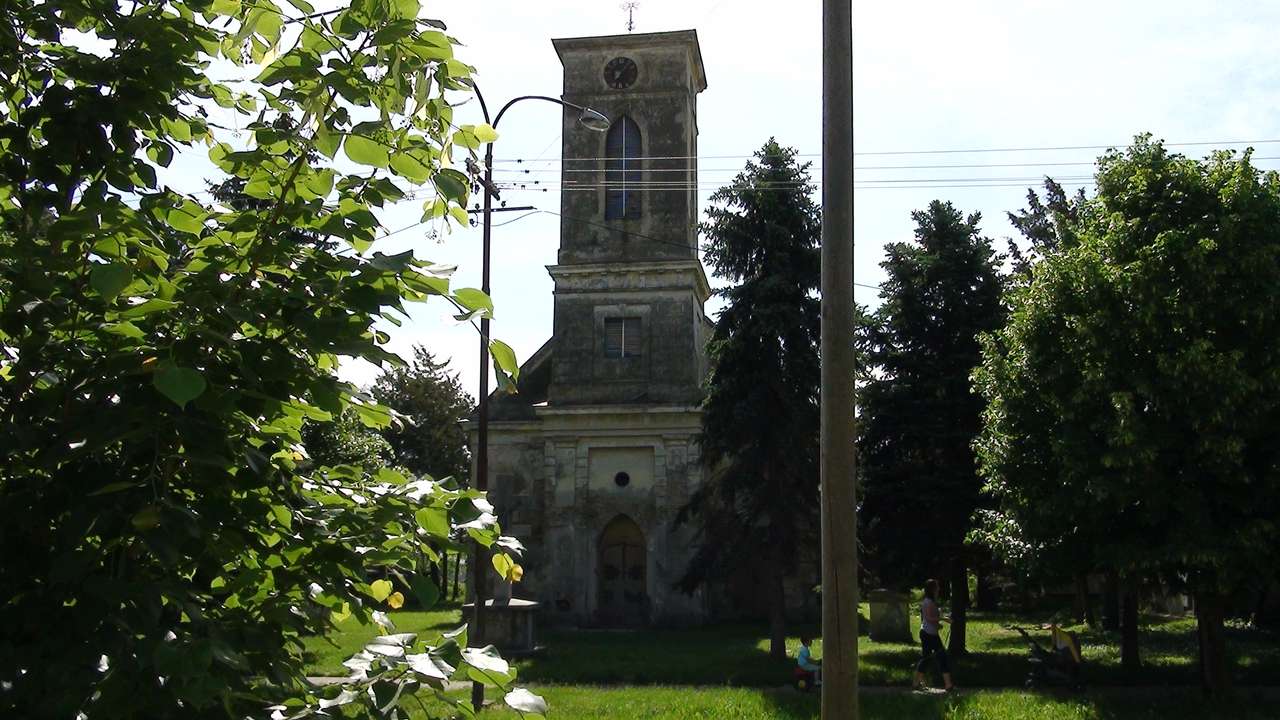
Catholic Church of St. Joseph in Srpska Crnja

Church

Catholic Church of St. Joseph in Srpska Crnja

The church was constructed by Josef Čekonjić on 1 September 1808 at the time when Crnja was divided to Serbian and German Crnja. The church was actually constructed by…

Church

Catholic Church of St. Joseph in Srpska Crnja

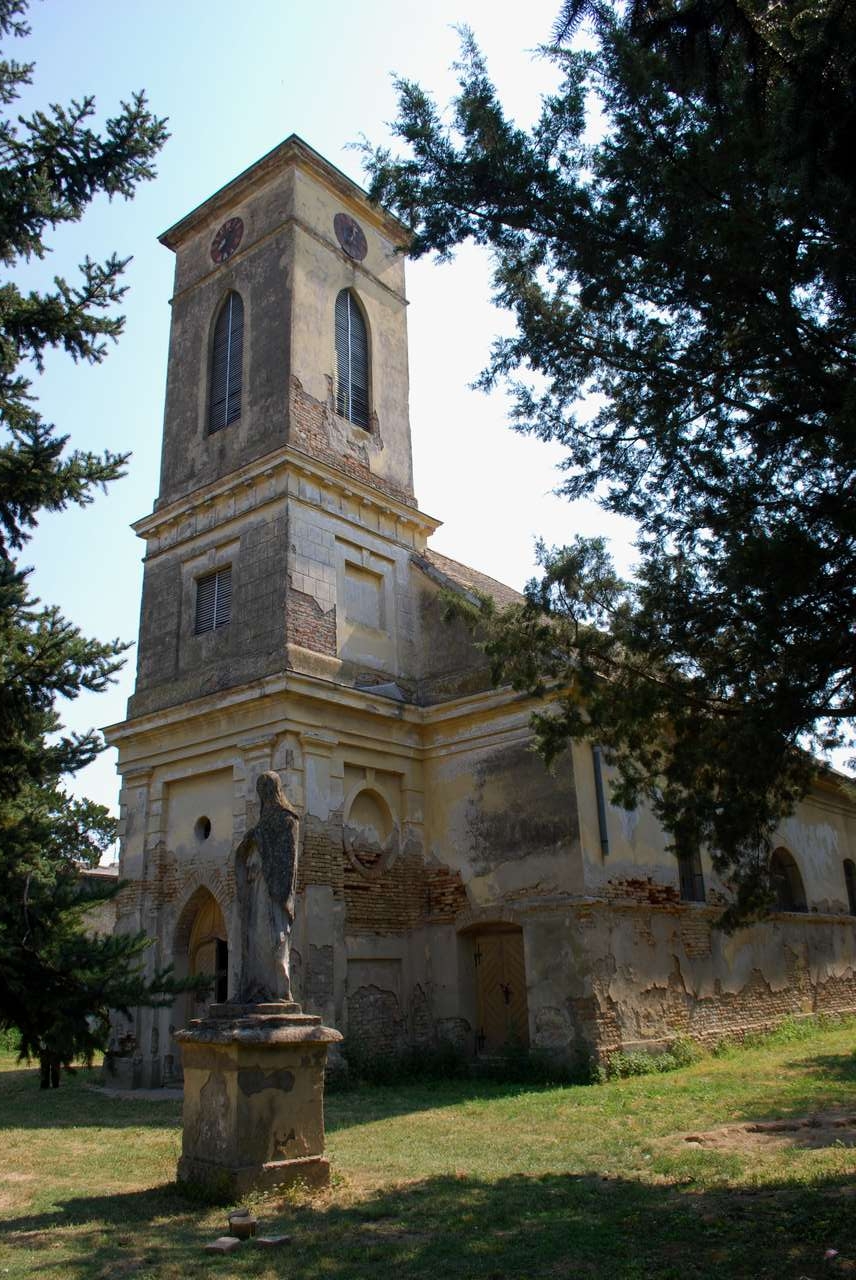
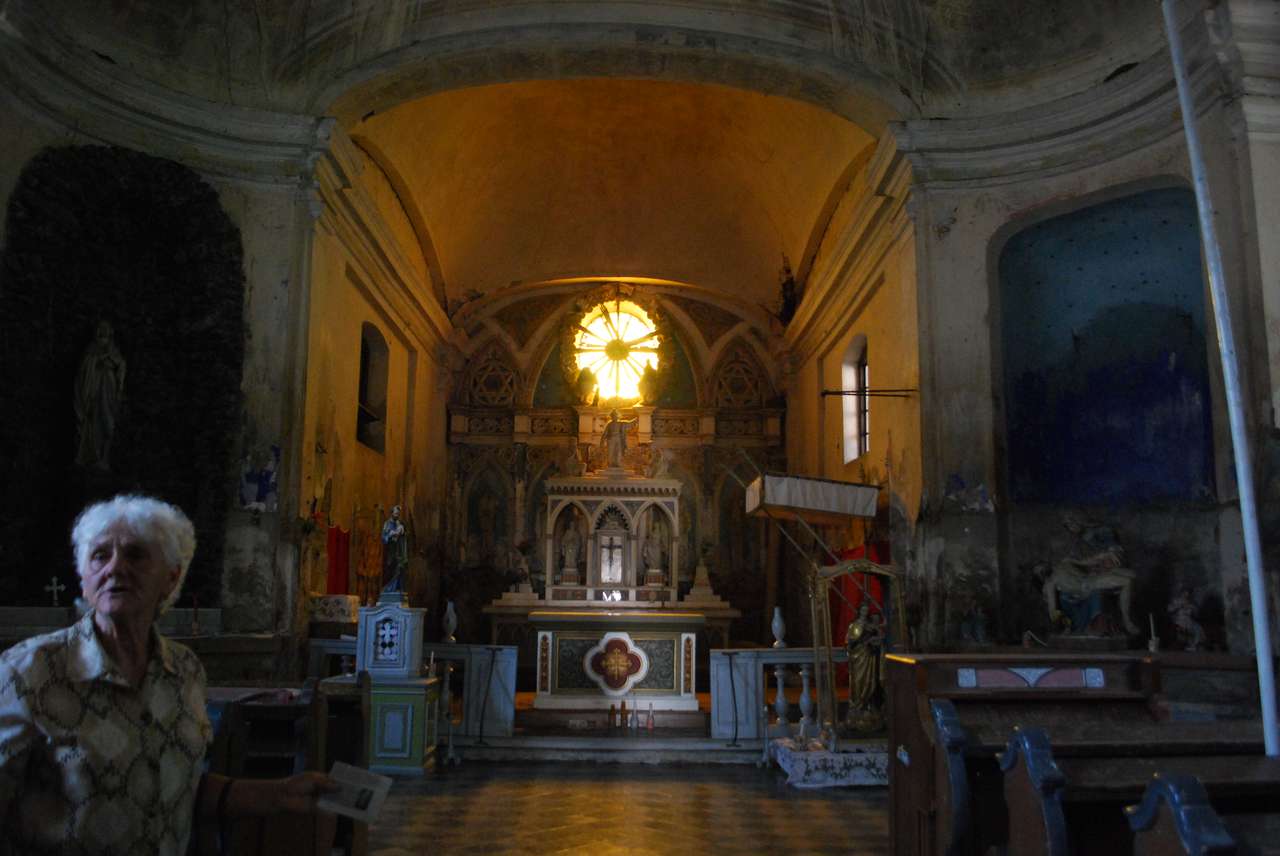
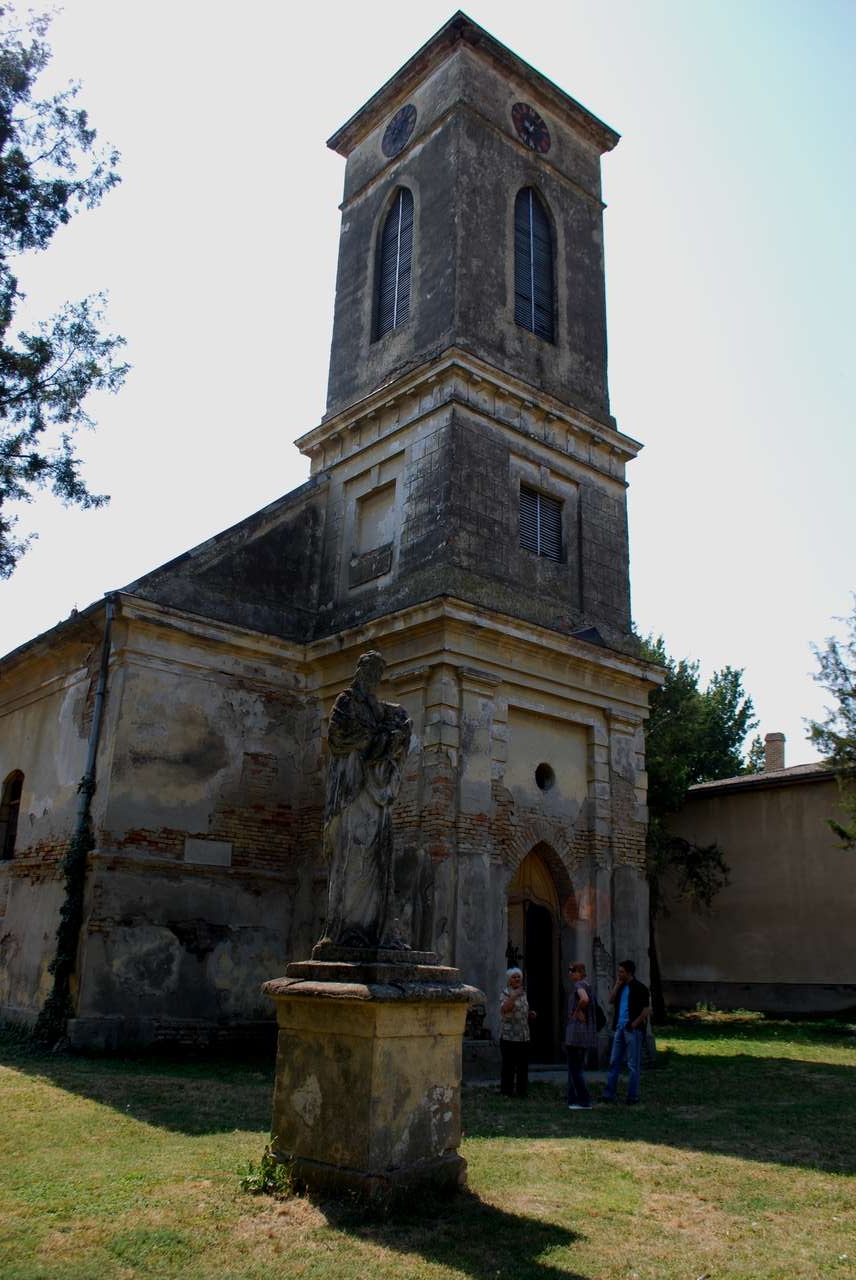
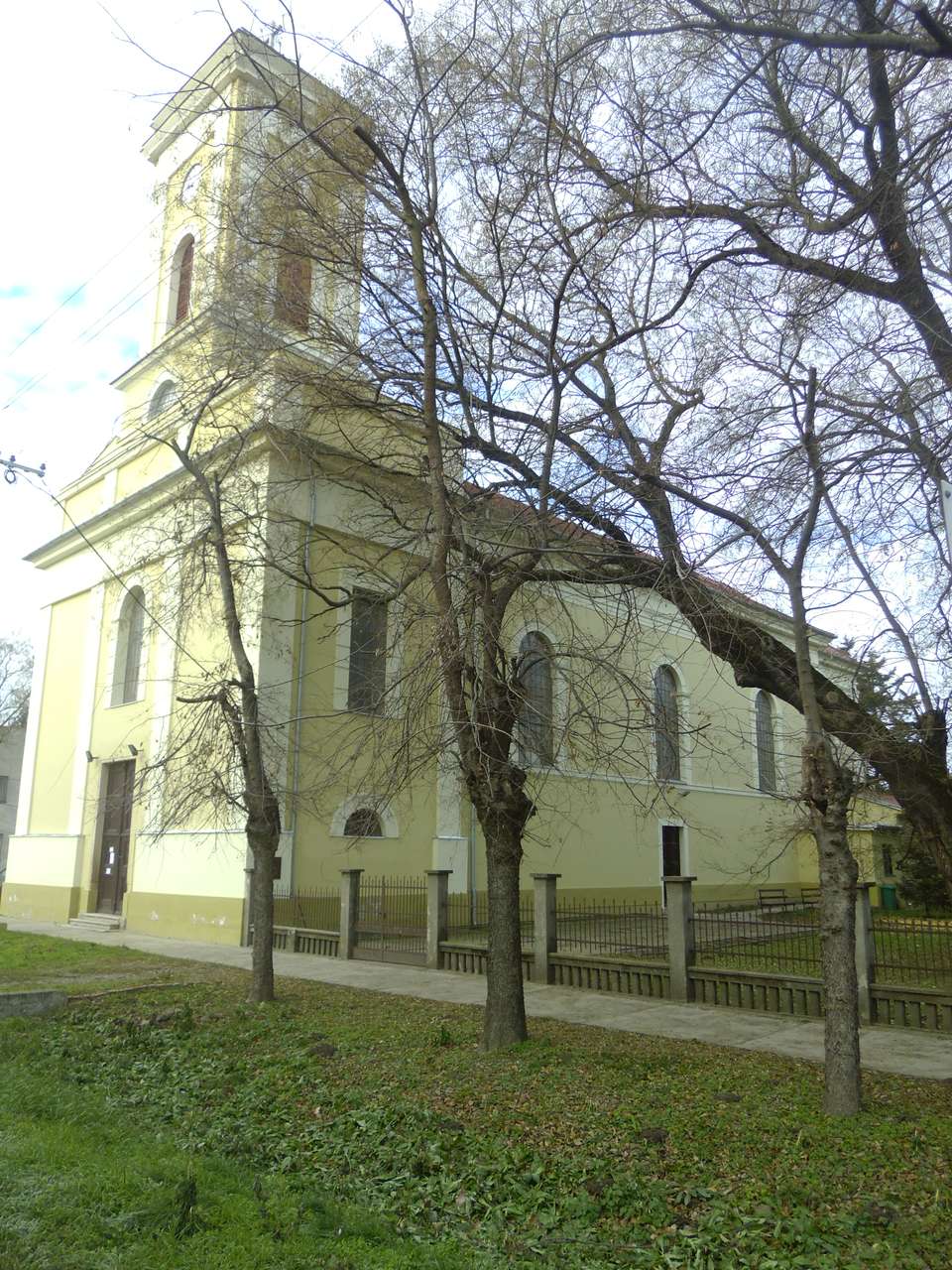
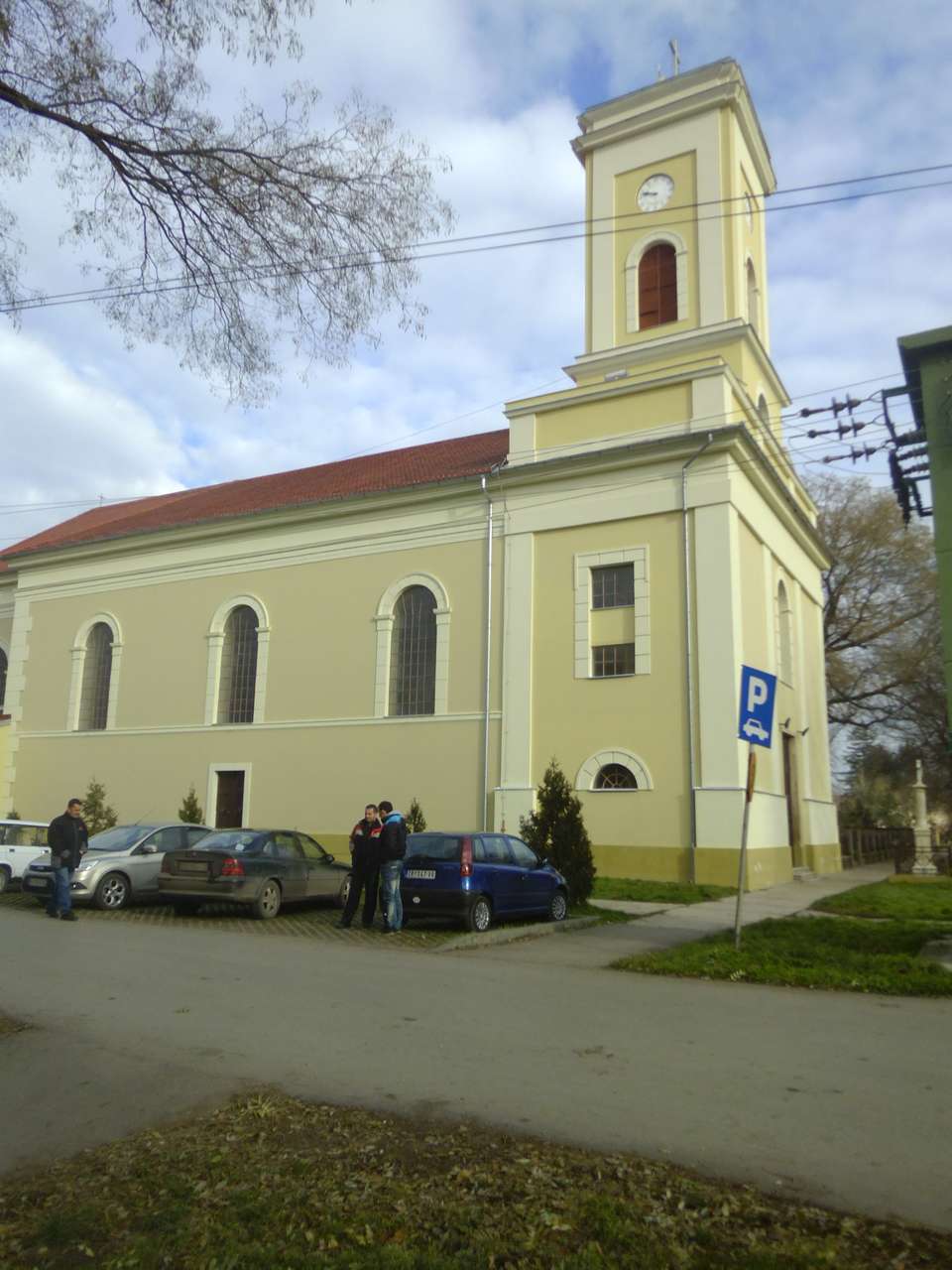
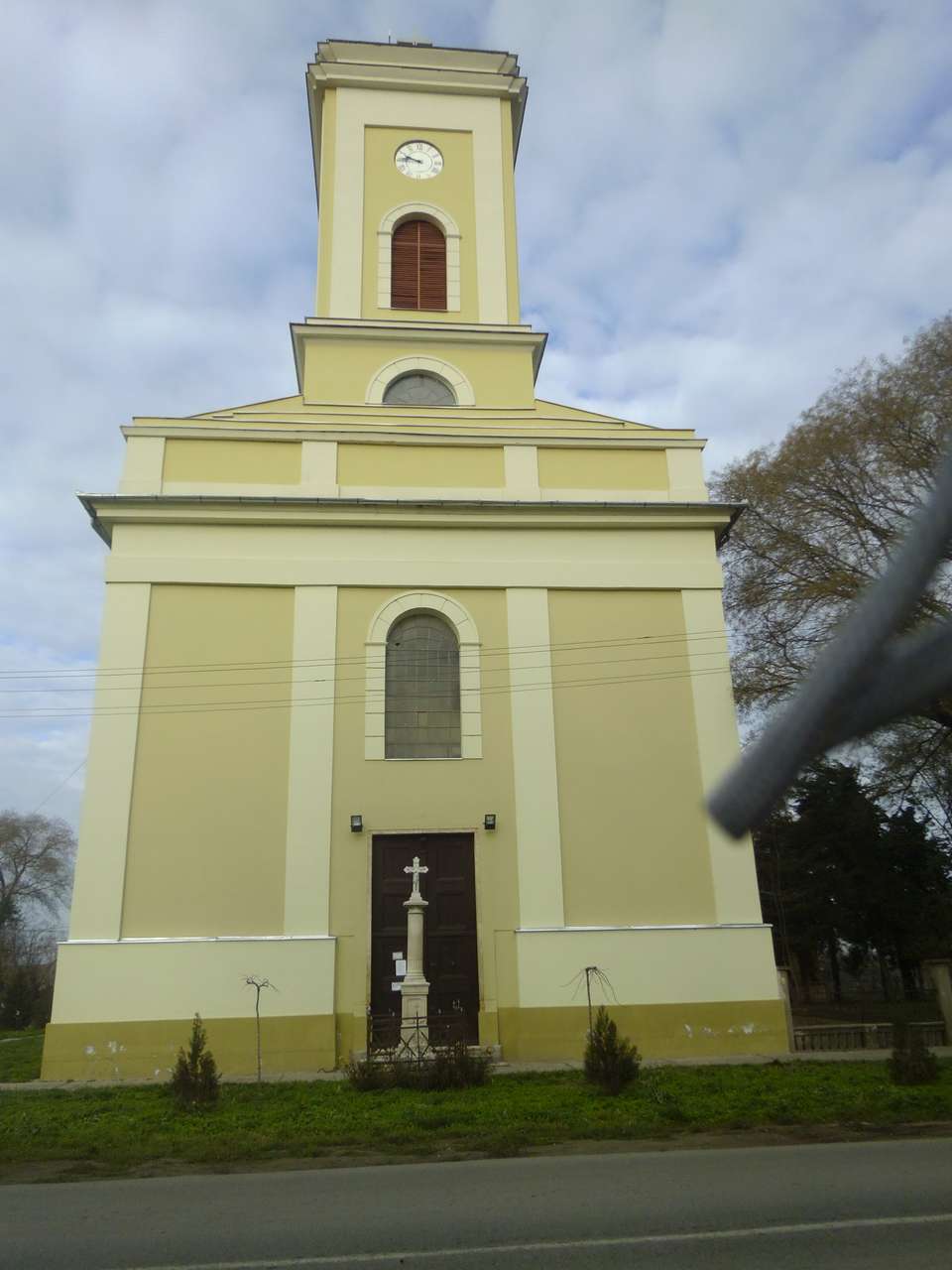
The church was constructed by Josef Čekonjić on 1 September 1808 at the time when Crnja was divided to Serbian and German Crnja. The church was actually constructed by German Crnja inhabitants with Count Čekonjić providing for the material. The stone cross and the statues in front were provided by people. On October 18 it was accepted by the priest of the parish, while the bishop Ladislaus Koszeghi von Remete blessed it in honour of St Joseph in 1811. In 1847 the church was robbed and the damage was significant. The interior used to be adorned by the magnificent Main Altar and Maria’s Altar. Around the church believers used to gather especially at Christmas and Easter. Nowadays St. Joseph church is in extremely poor condition due to lack of money for its maintenance. Initiative for its renovation has been taken and it is to be expected that it will be fully reconstructed and become again the centre of gathering of worshipers and visitors of the place who come to look for their roots. Because of great interest of foreign tourists, first of all Germans whose predecessors once lived in Crnja, renovation of the church is a must.

Contact and practical information

Address
Partizanska bb
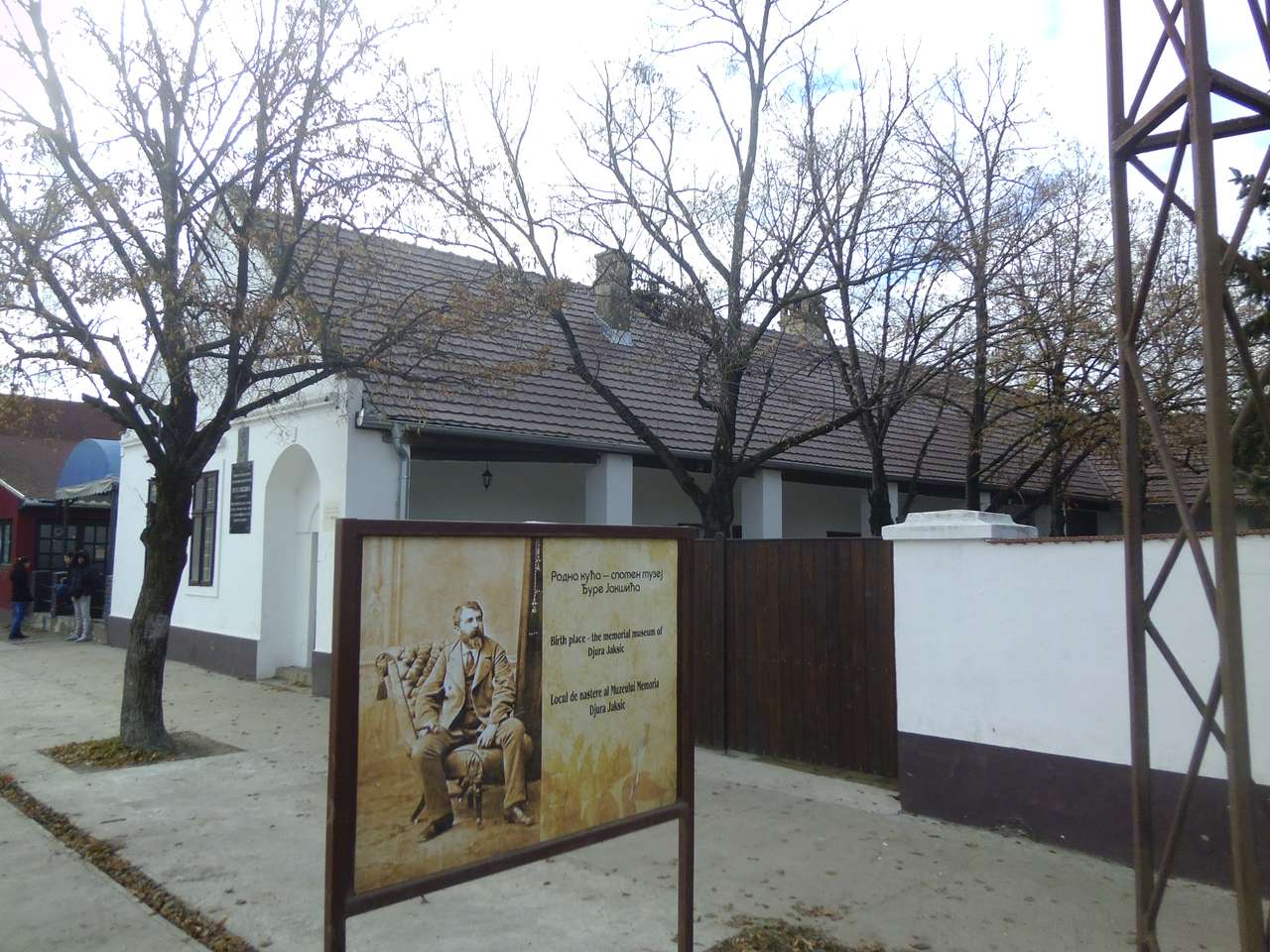
the House of Djura Jakšić in Srpska Crnja – Memorial  Museum

Museum

the House of Djura Jakšić in Srpska Crnja – Memorial Museum

The house of Djura Jakšić turned to Museum has, frequently changed owners and functions. After the death of Dionisije Jakšić, it was inherited by the youngest son…

Museum

the House of Djura Jakšić in Srpska Crnja – Memorial Museum

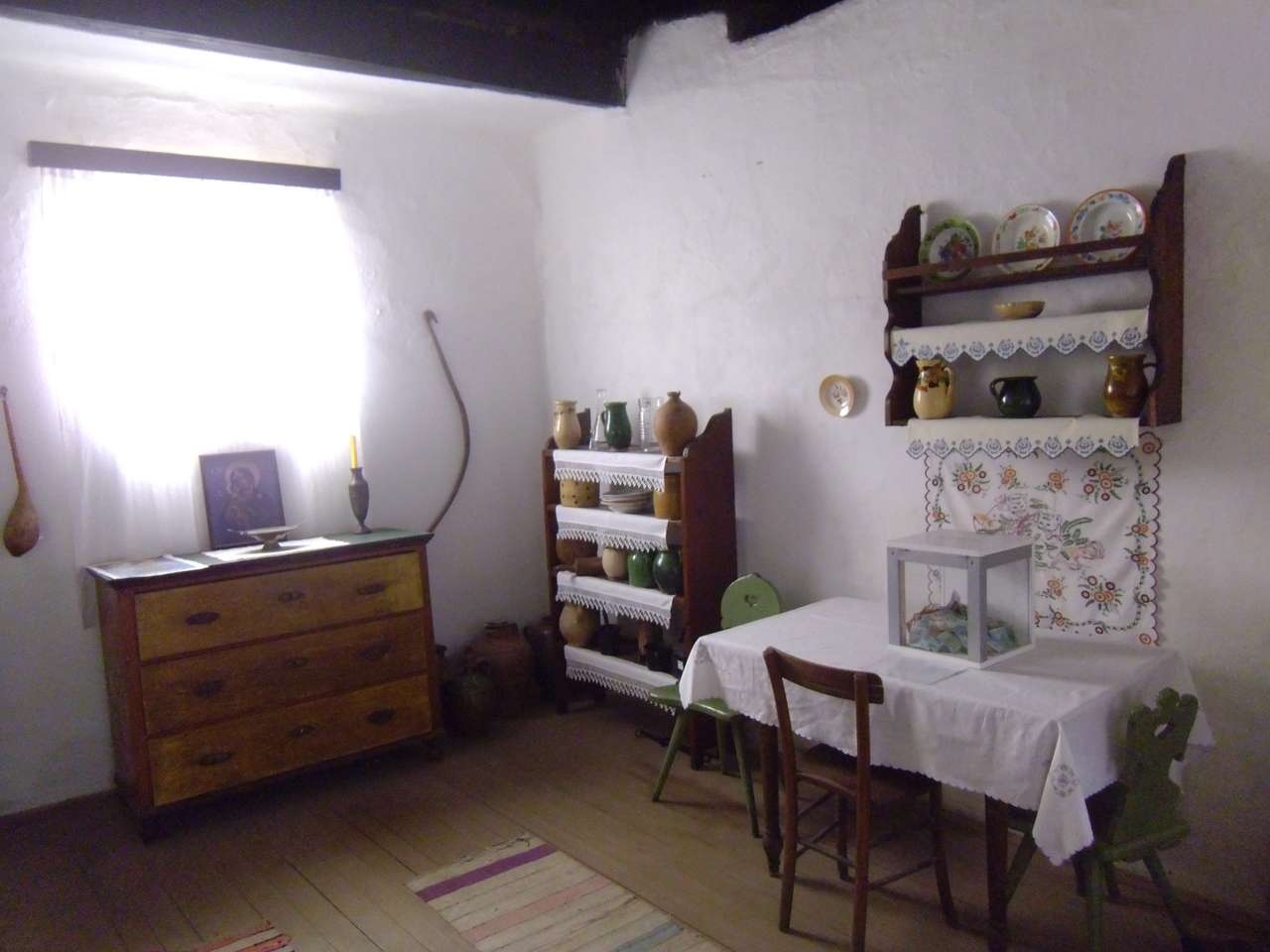
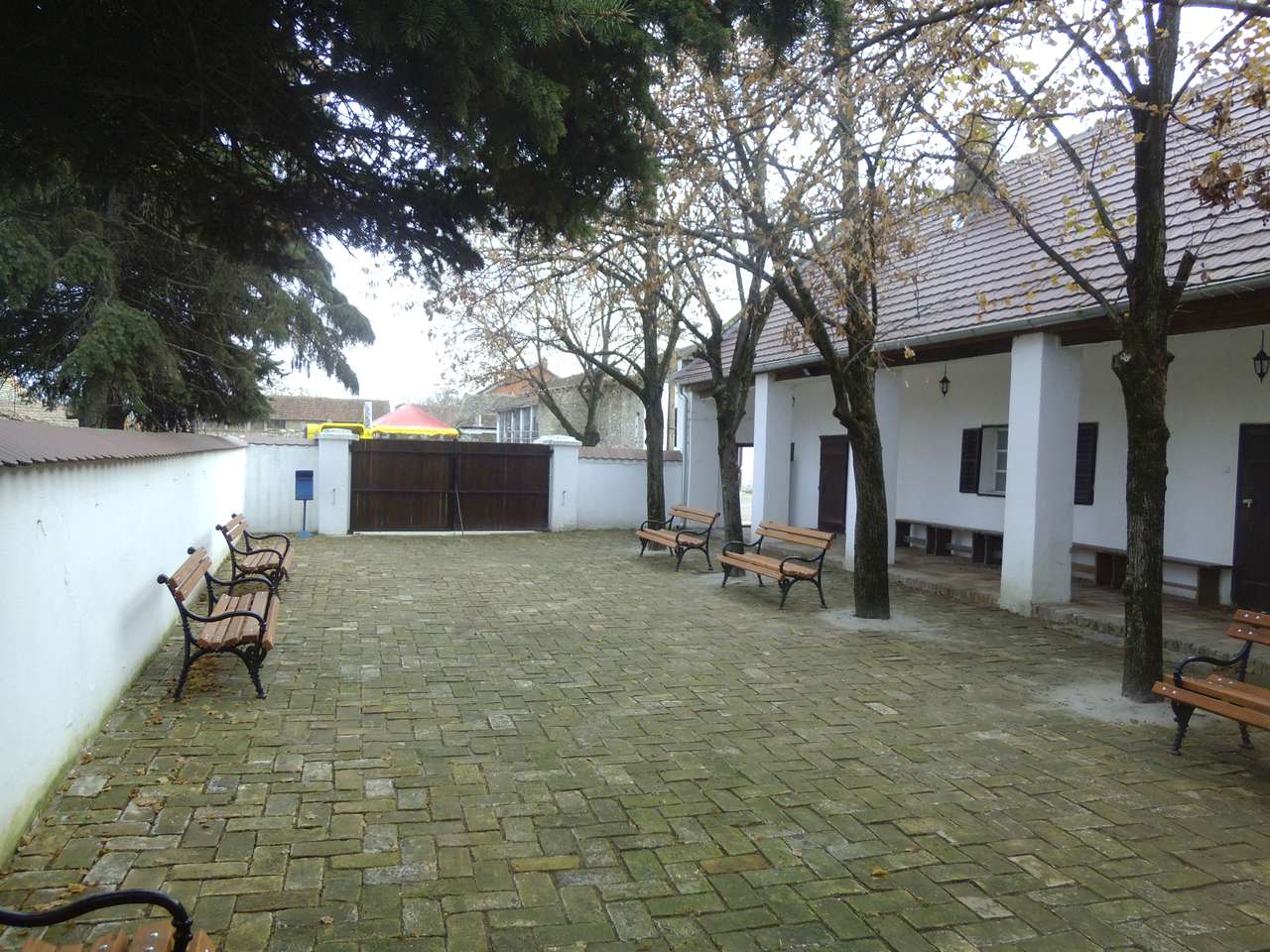
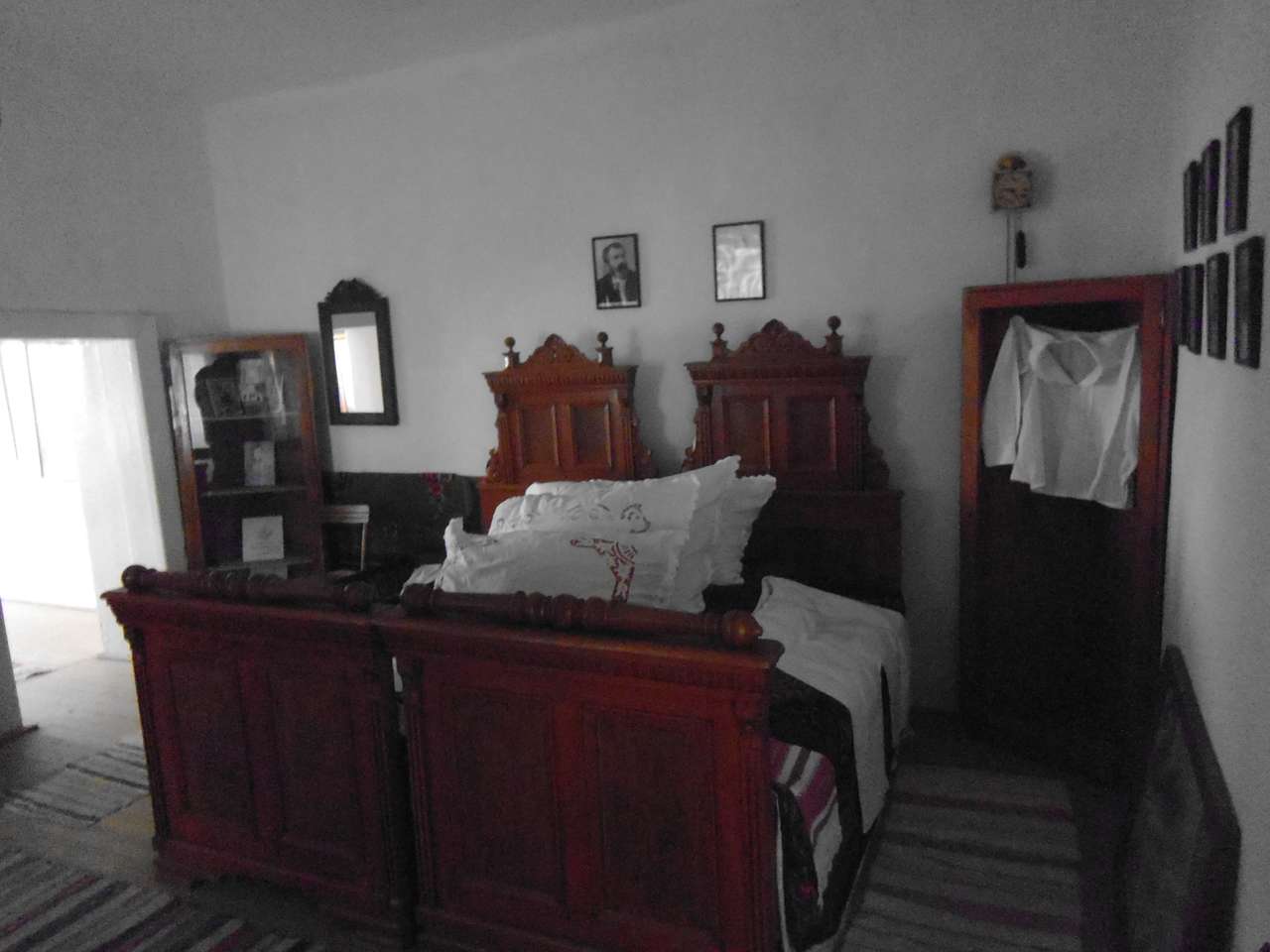
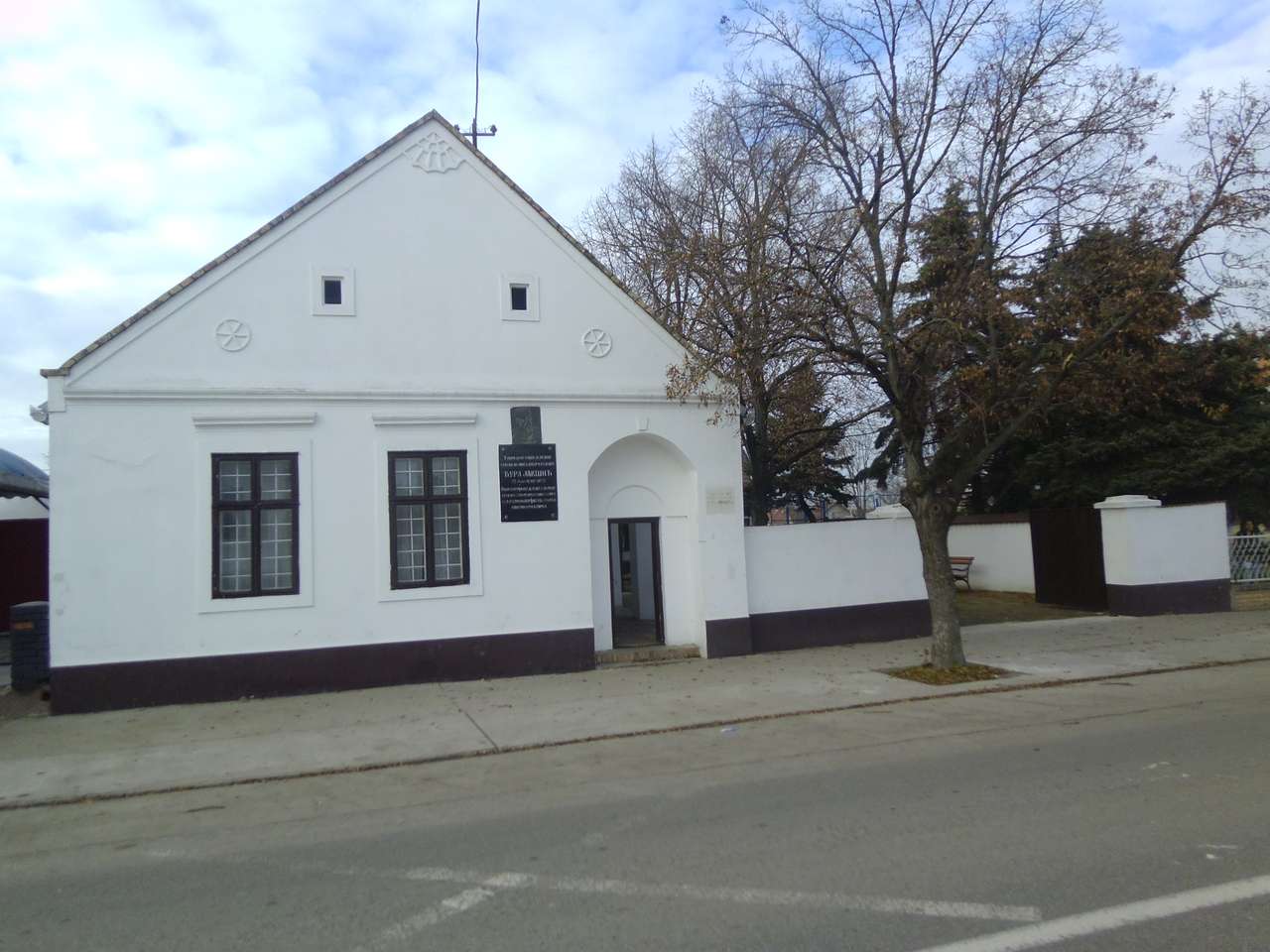
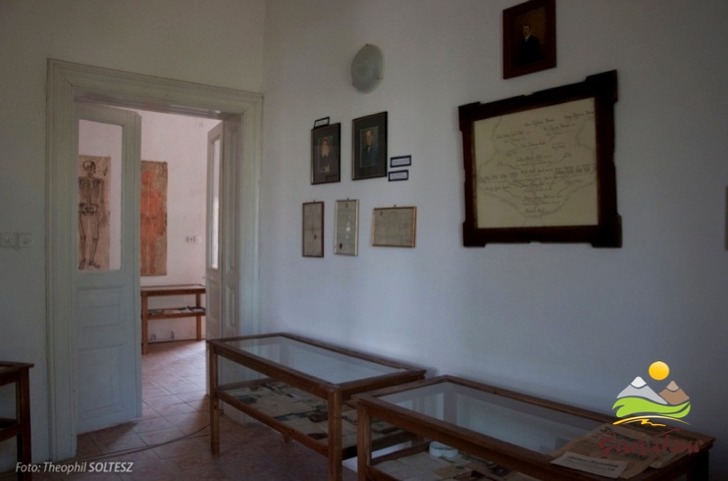
The house of Djura Jakšić turned to Museum has, frequently changed owners and functions. After the death of Dionisije Jakšić, it was inherited by the youngest son Venijamin, a priest in Crnja. After his death, the house became state-owned. The first Srpska Crnja library and reading-room were opened in it in 1919. The first decision on setting up of a museum in memory of Djura Jakšić was passed on 05/12/1944, but the decision was not enforced at that time though. The museum was opened on 5 October 1952. Birth house of Djura Jakšić has been protected at the national level since 1956.

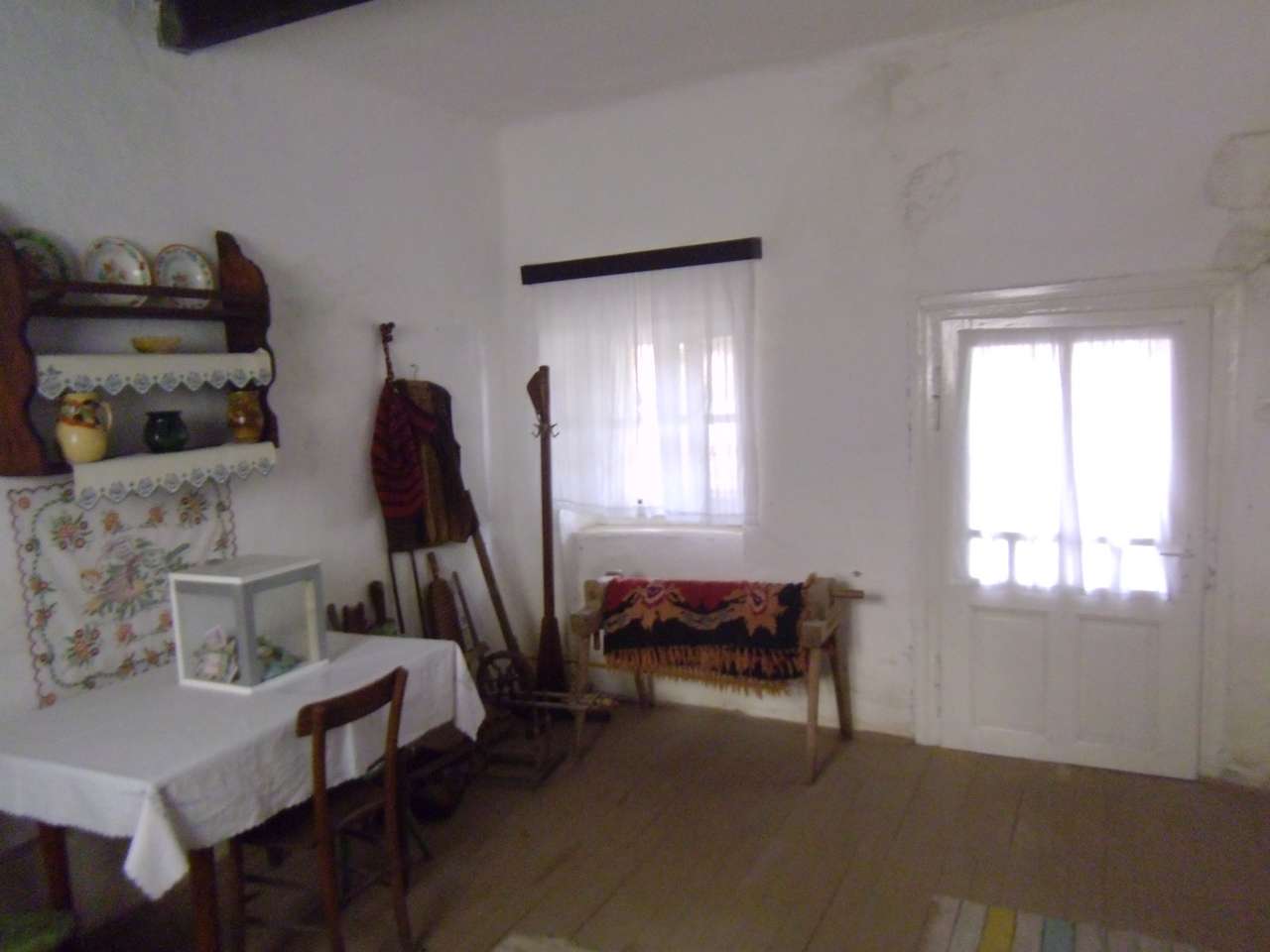
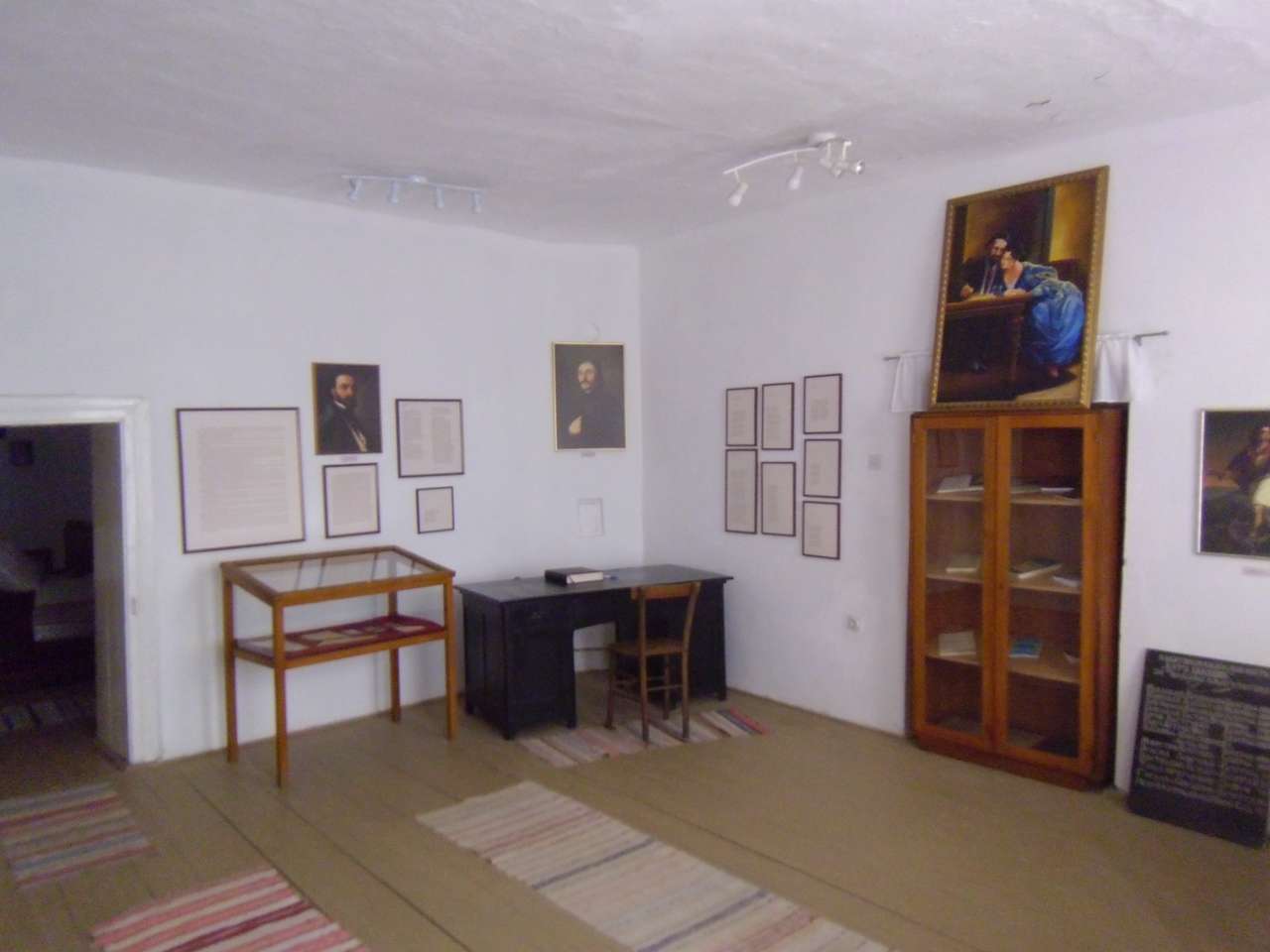
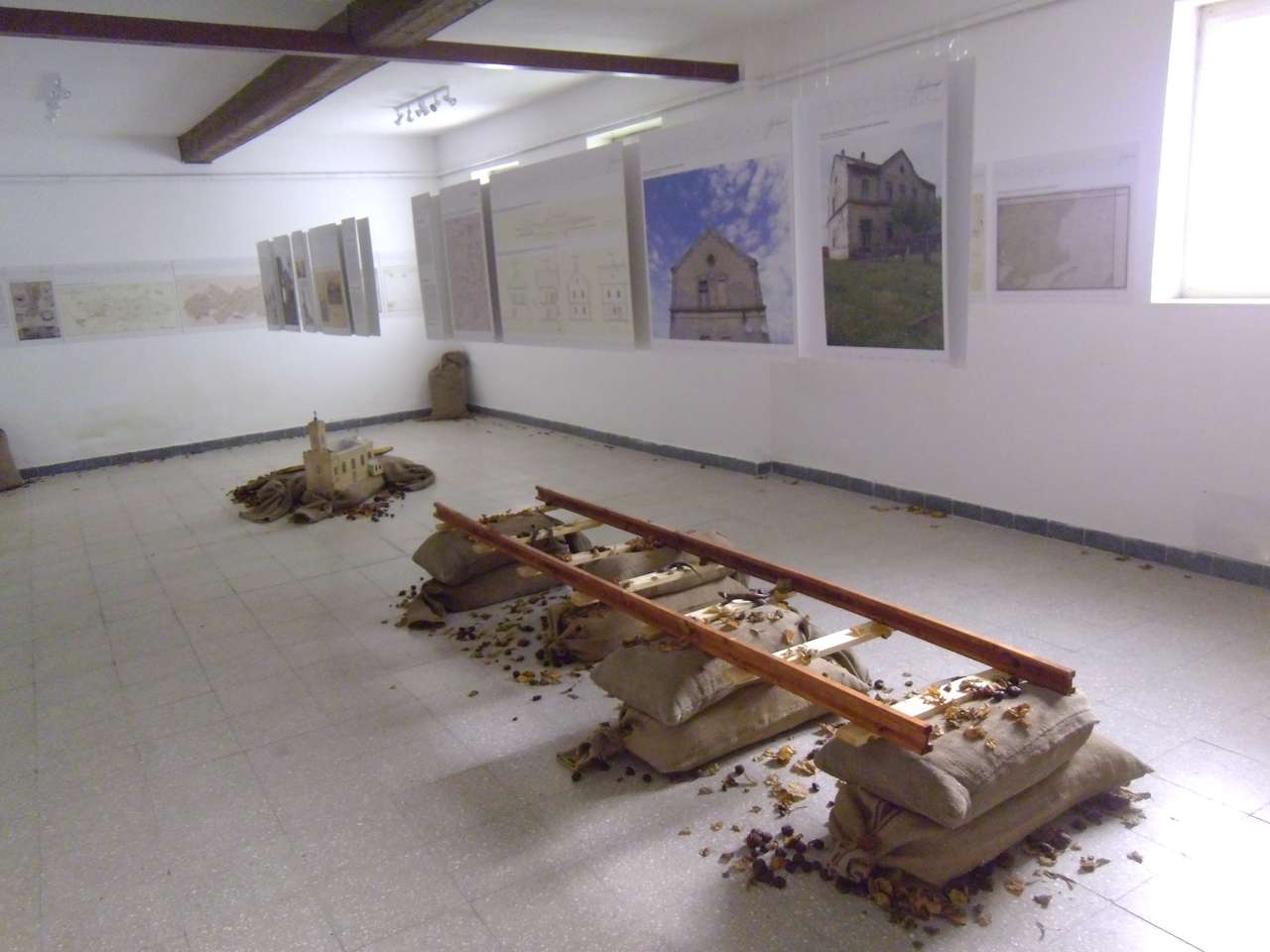
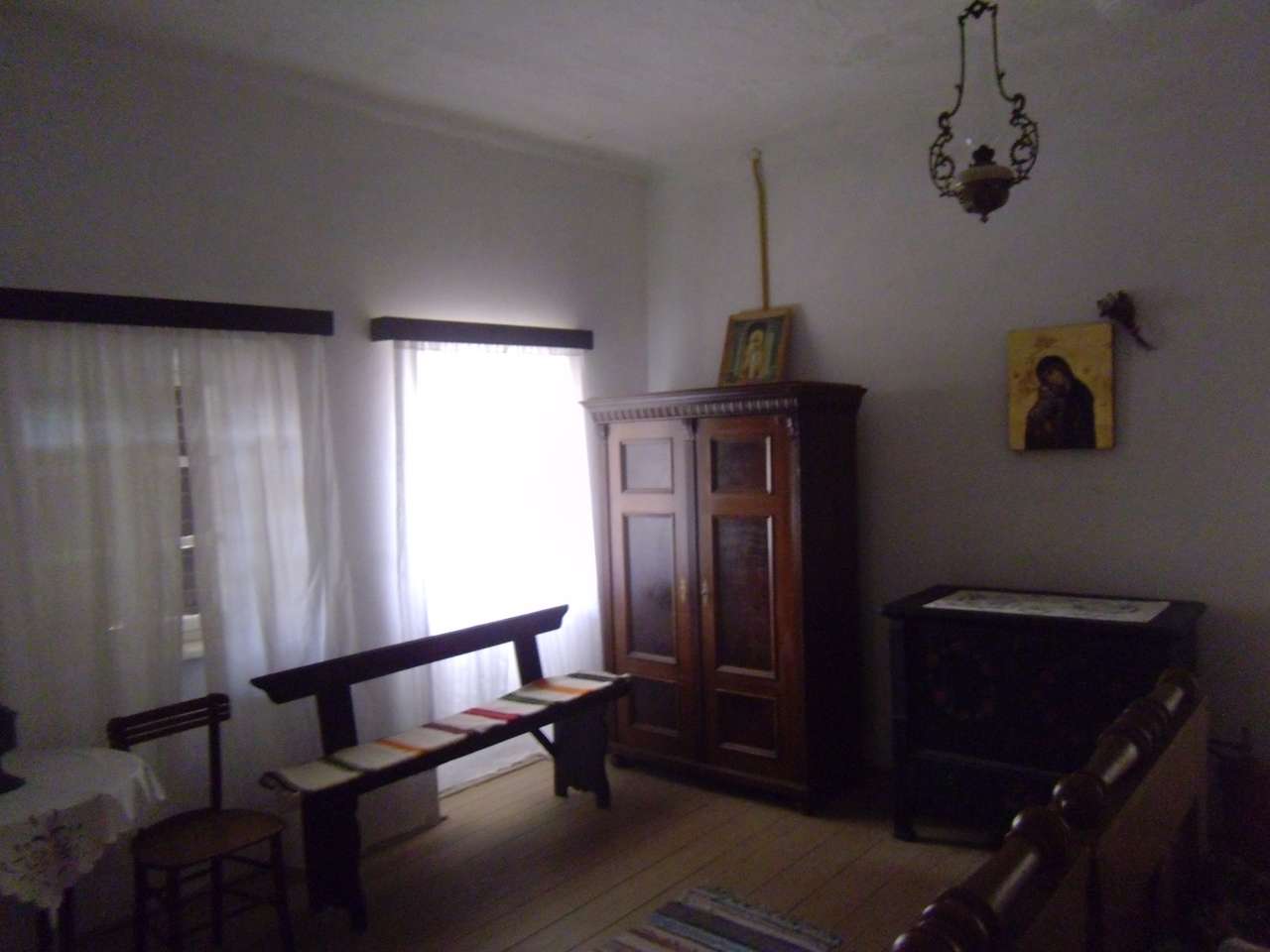
Exhibition space of the museum consists of three rooms. The exhibits as they are now were arranged by Zrenjanin National Museum in 1981 in such a way to consistently reflect the complex personality of the greatest Serbian painter and poet of Romanticism. Approximately 400 various documentary items: photo-copies, xero-copies and colour reproductions interprete the life and work of Djura Jakšić by way of concise description on labels; the original documents are kept in the archives of Novi Sad, Kragujevac, Požarevac, Svetozarevo - Jagodina, City Museum of Belgrade, while the paintings are in the Gallery of "Matica Srpska" in Novi Sad, National Museum in Belgrade and Zrenjanin.

Contact and practical information

Address
Kralja Aleksandra 62
Djura Jakšić Monument

Monument

Djura Jakšić Monument

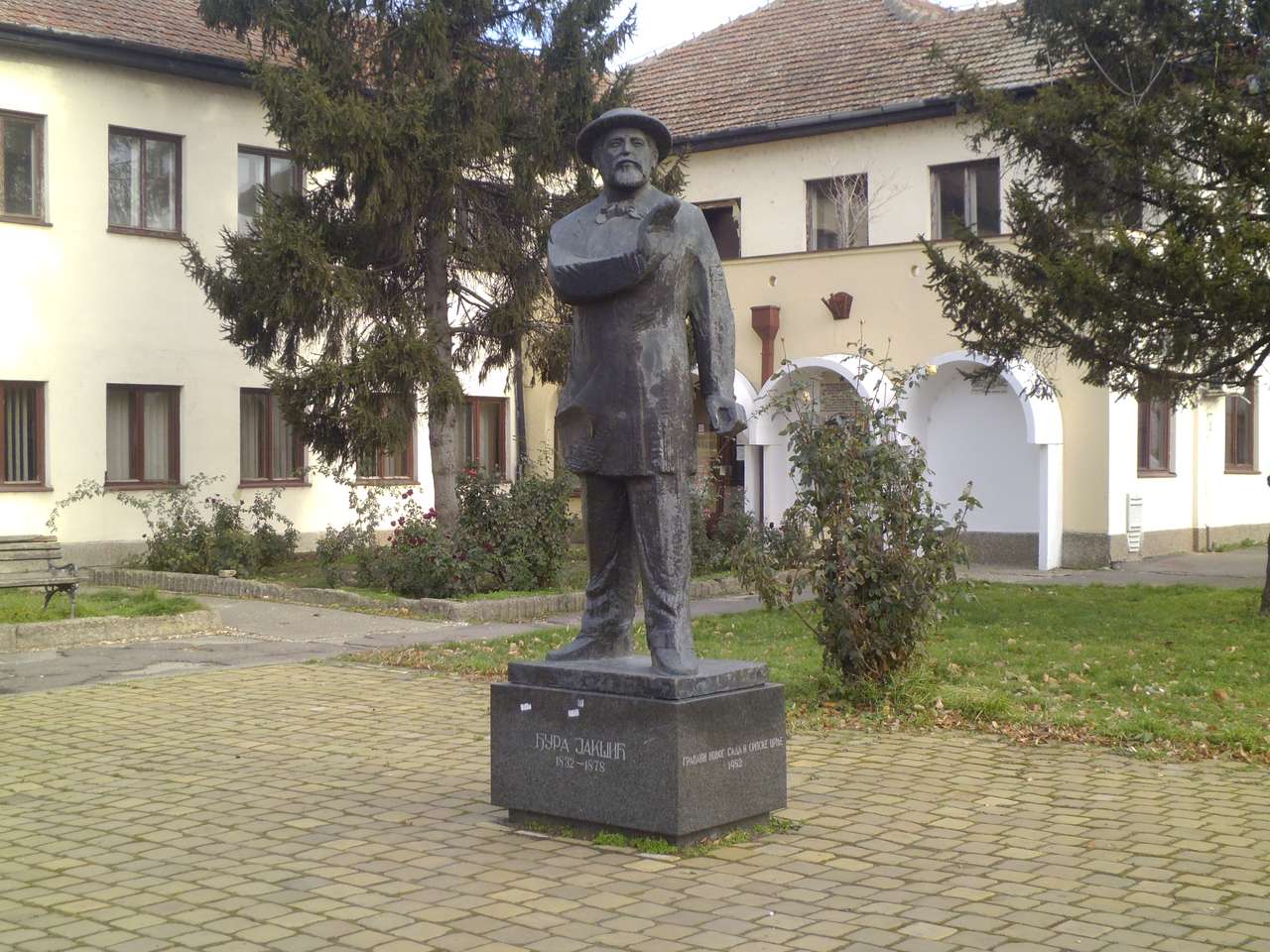
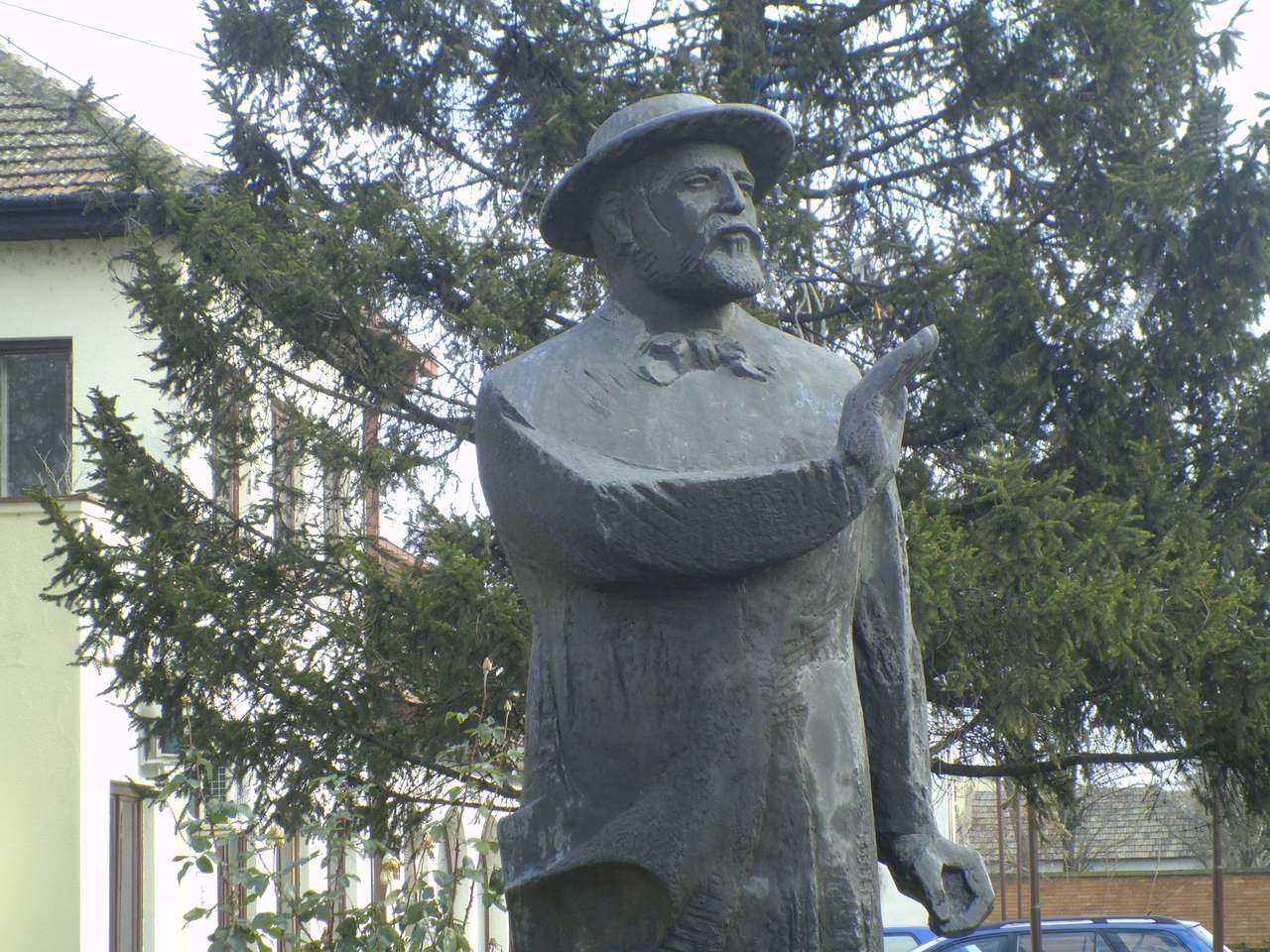
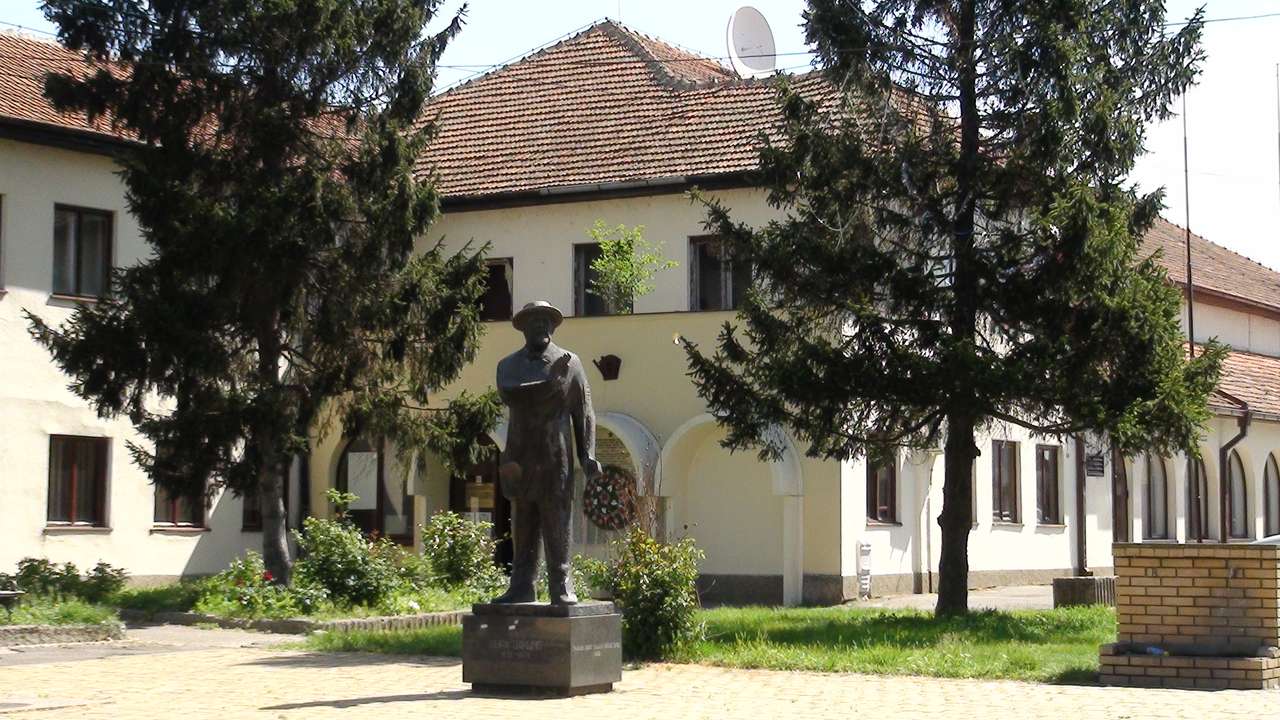
On the occasion of the 150th anniversary of the birth of Đura Jakšić (1832-1982), a large monument was set up in front of the Cultural Club and the Public Library.…

Monument

Djura Jakšić Monument

On the occasion of the 150th anniversary of the birth of Đura Jakšić (1832-1982), a large monument was set up in front of the Cultural Club and the Public Library. Created by Aleksandar Zarin, a sculptor born in Srpska Crnja in 1923. This year - the 1982 Djura's Dais Festival - Lipar Nights - lasted for 15 days.

Contact and practical information

Address
Kralja Aleksandra 65
Crkva Svete Agote u Novoj Crnji

Church

Crkva Svete Agote u Novoj Crnji

Kamen temeljac ove crkve je stavjen 3. oktobra 1842 godine na insistiranje Jožefa Čekonjića a već 1844.godine bila osveštena i prvi put se čulo u selu crkveno zvono i…

Church

Crkva Svete Agote u Novoj Crnji

Kamen temeljac ove crkve je stavjen 3. oktobra 1842 godine na insistiranje Jožefa Čekonjića a već 1844.godine bila osveštena i prvi put se čulo u selu crkveno zvono i zvuk orgulje. 2007 godine su počeli da renoviraju crkvu na insistiranje fonda Szent Agota. Naselje Nova Crnja ima jednu katoličku crkvu. U sklopu renoviranja promenjen je krov i pod a prošle godine su renovirani unutrašnji i špoljašnji zidovi. Glavni sponzori renoviranja su bili Pokrajinski Investicioni Fond, Zrenjaninska Biskupija, fond Kirche in Not iz Nemačke, i pojedini donatori.

Contact and practical information

Address
JNA bb
St. Vasilije Ostroški Orthodox Church

Church

St. Vasilije Ostroški Orthodox Church

St. Vasilije Ostroški church was built in 1939 in Vojvoda Stepa village by newcomers (colonists) who actually were Serbian volunteers in first World war coming from the…

Church

St. Vasilije Ostroški Orthodox Church

St. Vasilije Ostroški church was built in 1939 in Vojvoda Stepa village by newcomers (colonists) who actually were Serbian volunteers in first World war coming from the Salonika Front. The church is the gathering place of believers and relevant spot of cultural and religious tourism.

Contact and practical information

Address
Karadjordjeva
The statue of St. Florian

Monument

The statue of St. Florian

It was created before the year 1866, which is carved in the pedestal, in honor of St. Florian, patron of the town and saint of the Catholic Church, a guardian against…
Monument

The statue of St. Florian

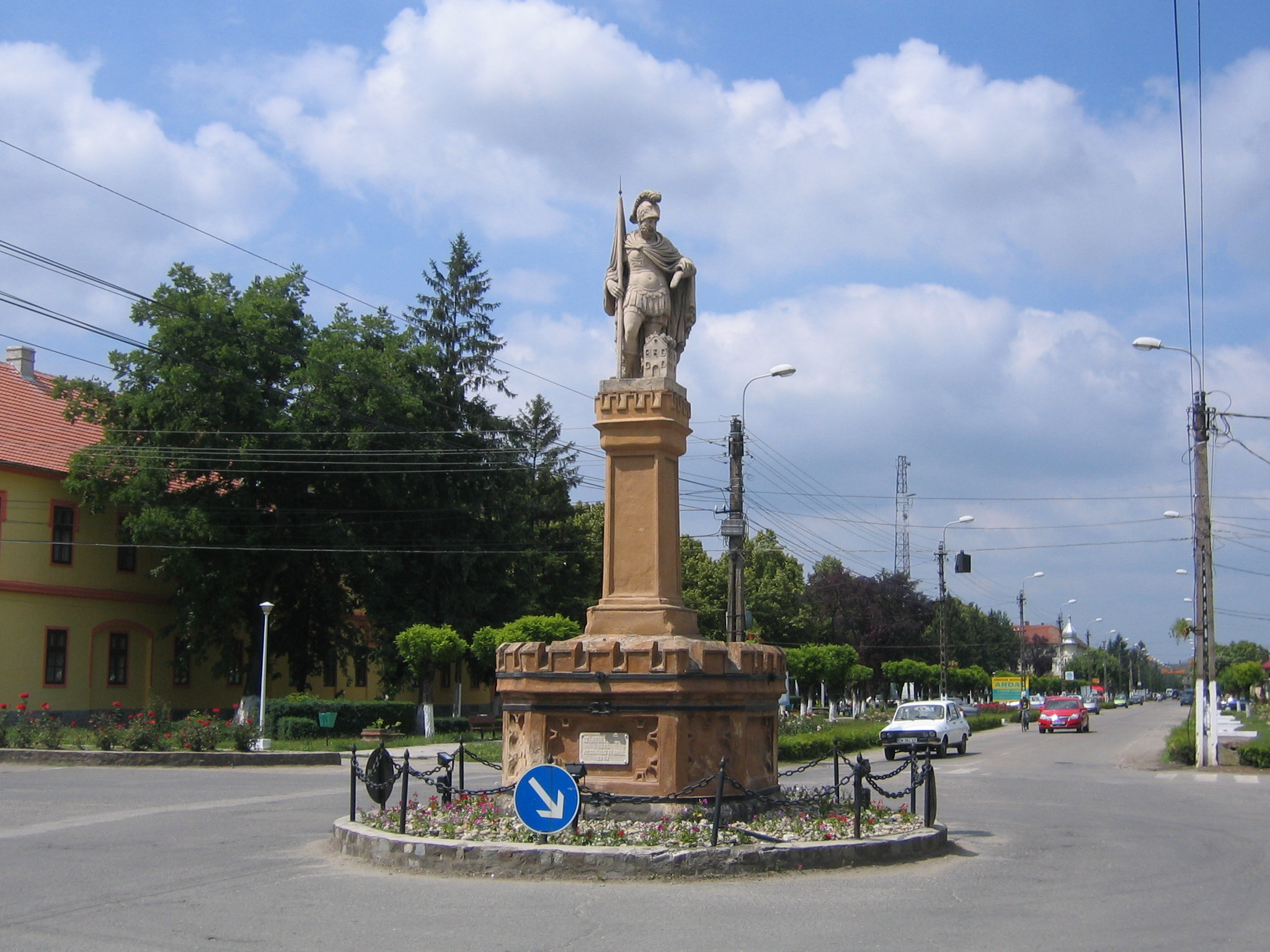
It was created before the year 1866, which is carved in the pedestal, in honor of St. Florian, patron of the town and saint of the Catholic Church, a guardian against fires and floods – catastrophes that affected the town countless times, after the colonization of the Swabians.

The Santa Maria Hotel

Hotel

The Santa Maria Hotel

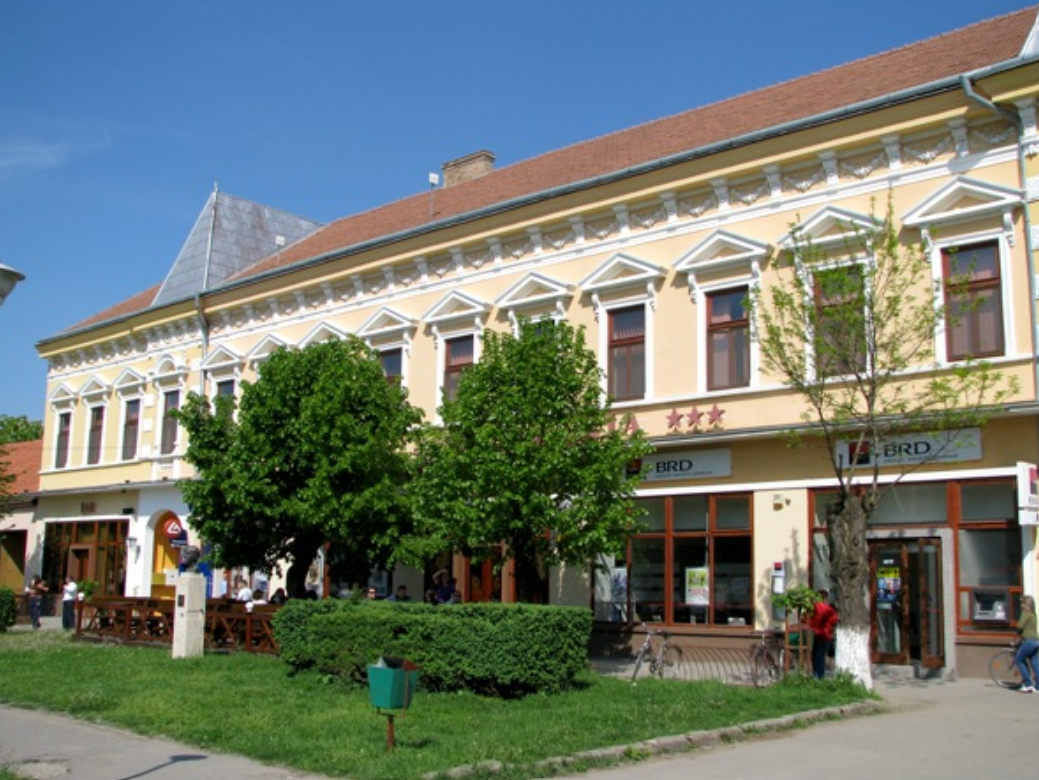
The “Santa Maria” Hotel (three stars) - It is located in the center of the town, in a historical building, built in a classical architectonic style, which has been…

  • Strada Republicii, Jimbolia 305400
  • Website

Hotel

The Santa Maria Hotel

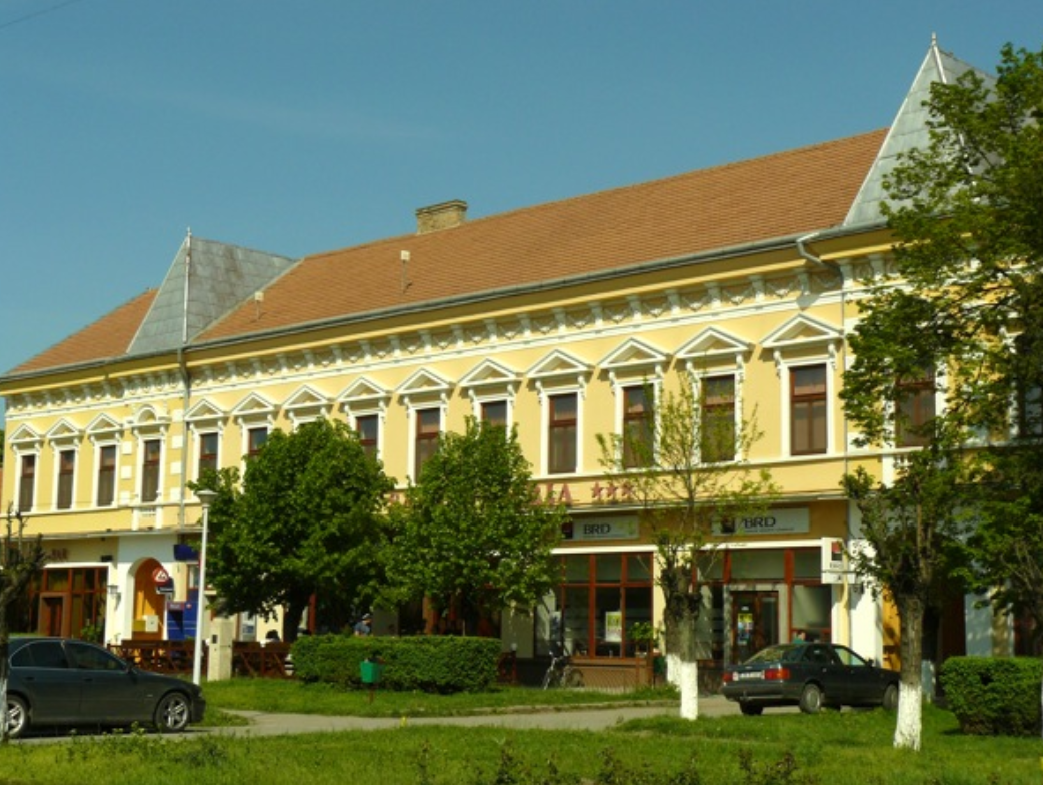
The “Santa Maria” Hotel (three stars) - It is located in the center of the town, in a historical building, built in a classical architectonic style, which has been preserved to this day. It offers rooms with a modern ambiance and spaces especially equipped for offices.

Contact and practical information

Address
Strada Republicii, Jimbolia 305400
The Roman Catholic Church St. Vendelin

Church

The Roman Catholic Church St. Vendelin

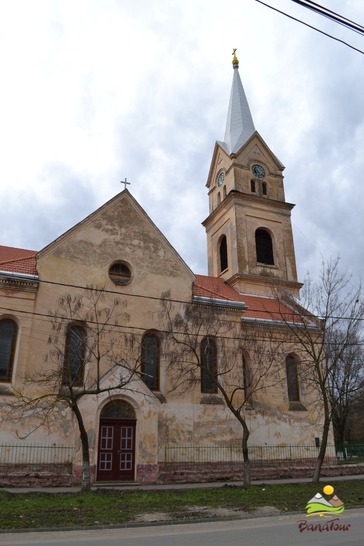
The Roman Catholic Church “St. Vendelin" - The first Roman Catholic establishment dates back to 1766 and it was built at the same time with the settlement of the Swabian…

  • Strada Vasile Lucaciu, Jimbolia 305400
Church

The Roman Catholic Church St. Vendelin

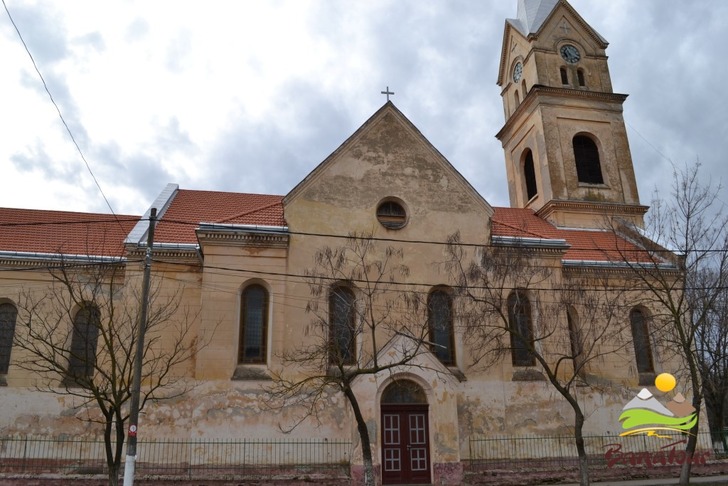
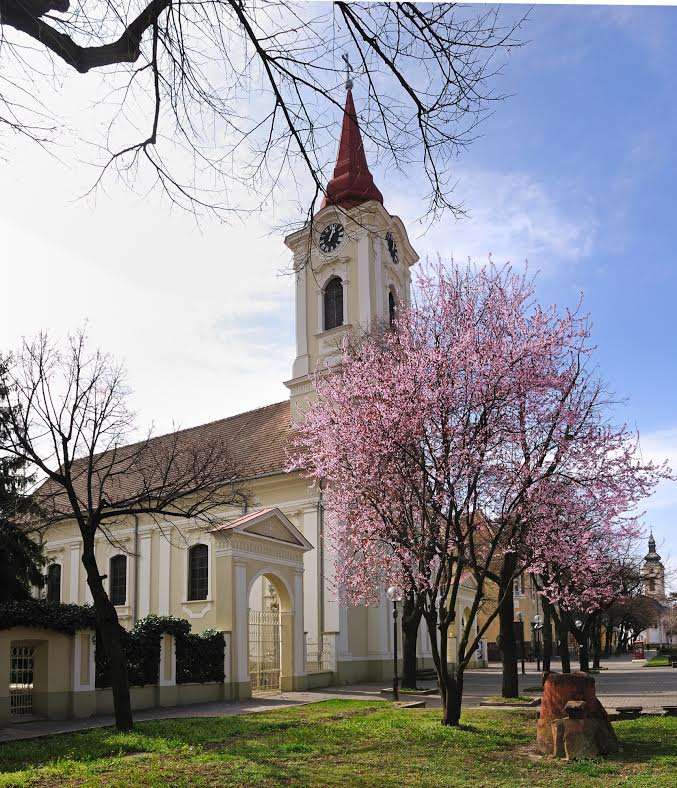
The Roman Catholic Church “St. Vendelin" - The first Roman Catholic establishment dates back to 1766 and it was built at the same time with the settlement of the Swabian colonists in the towns of Hatzfeld and Landestreu. In 1876, it was enhanced and fully redecorated. In 1911, church tower was raised from 39 m to 53.5 m, and it has has remained to this day the highest building of the town. Inside, the main altar is overshadowed by an oil painting created in 1877, on canvas (300x180), a reproduction of Rafael’s ”Sistine Madonna”, dedicated to St. Vendelin, the patron of the church. The original painting (belonging to the painter Pállik Béla, from Budapest) is located in Dresden, Germany.

Contact and practical information

Address
Strada Vasile Lucaciu, Jimbolia 305400
The Roman Catholic Church in Futok District

Church

The Roman Catholic Church in Futok District

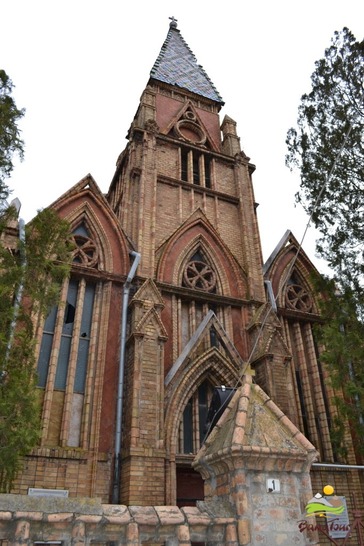
The impressive edifice was built between 1928 and 1929 with Bohn family funds for the commemoration of Michael and Jakob Bohn. The materials used for building the church…

  • Calea Mărășești str.

Church

The Roman Catholic Church in Futok District

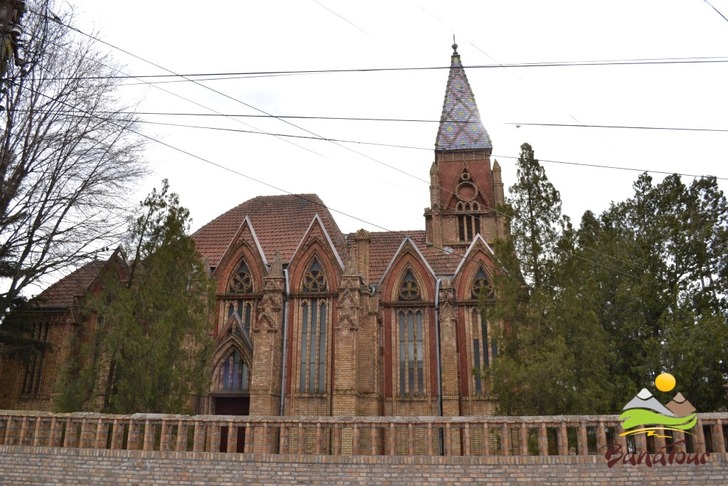
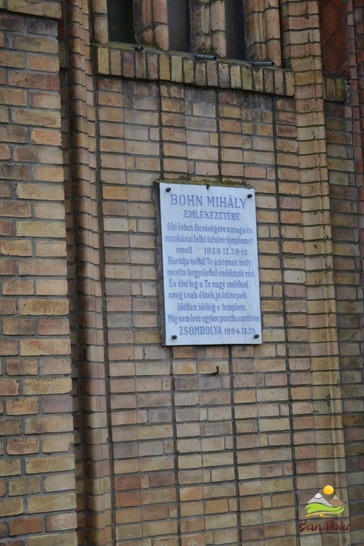
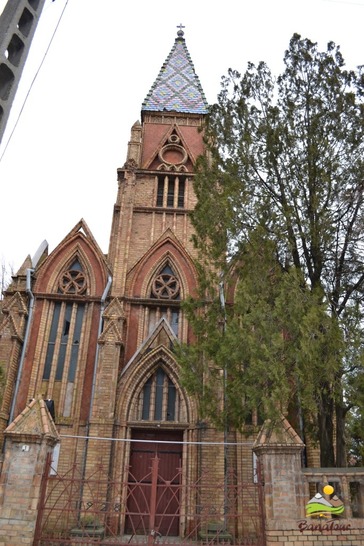
The impressive edifice was built between 1928 and 1929 with Bohn family funds for the commemoration of Michael and Jakob Bohn. The materials used for building the church were brought from the renwoned Bohn factory. The plans of the construction were drawn by the architect Hans Jänner, born in Jimbolia, who planned a Neo Gothic church. There are some paintings of great value inside the church: the painting in the altar depicting Saint Archangel Mihail, the patron of the church, and also the two paintings made by the renowned painter Stefan Jäger(1877-1962).

Contact and practical information

Address
Calea Mărășești str.
The Railways Museum

Museum

The Railways Museum

located near the railway station, it was inaugurated on November 15th, 1997, on celebration of 150 years from the opening of the Jimbolia Timisoara railroad. The museum…
Museum

The Railways Museum

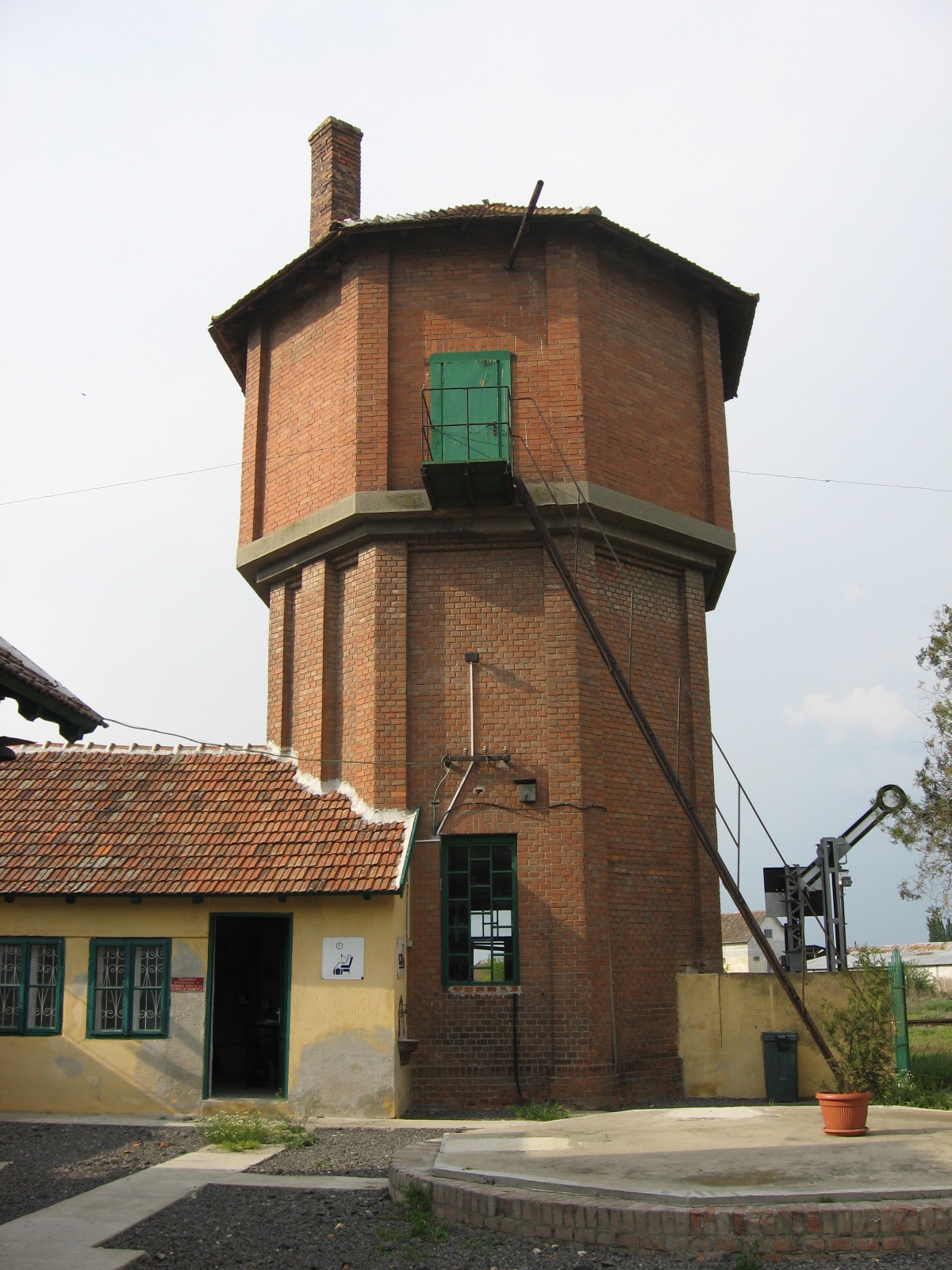
located near the railway station, it was inaugurated on November 15th, 1997, on celebration of 150 years from the opening of the Jimbolia Timisoara railroad. The museum offers an exhibition of postcards, illustrating the history of locomotives, from those working on steam to the modern ones, a numismatics series, comprising various types of coins, which circulated in this area, as well as a collection of ancient train tickets. Numerous old objects can also be seen here, which are specific to the railroad transport: sealing presses for the railcars, tail lamps, signaling devices, suitcases, a railway repair tricycle, more than 100 years old etc.

The Orthodox Church The Annunciation

Church

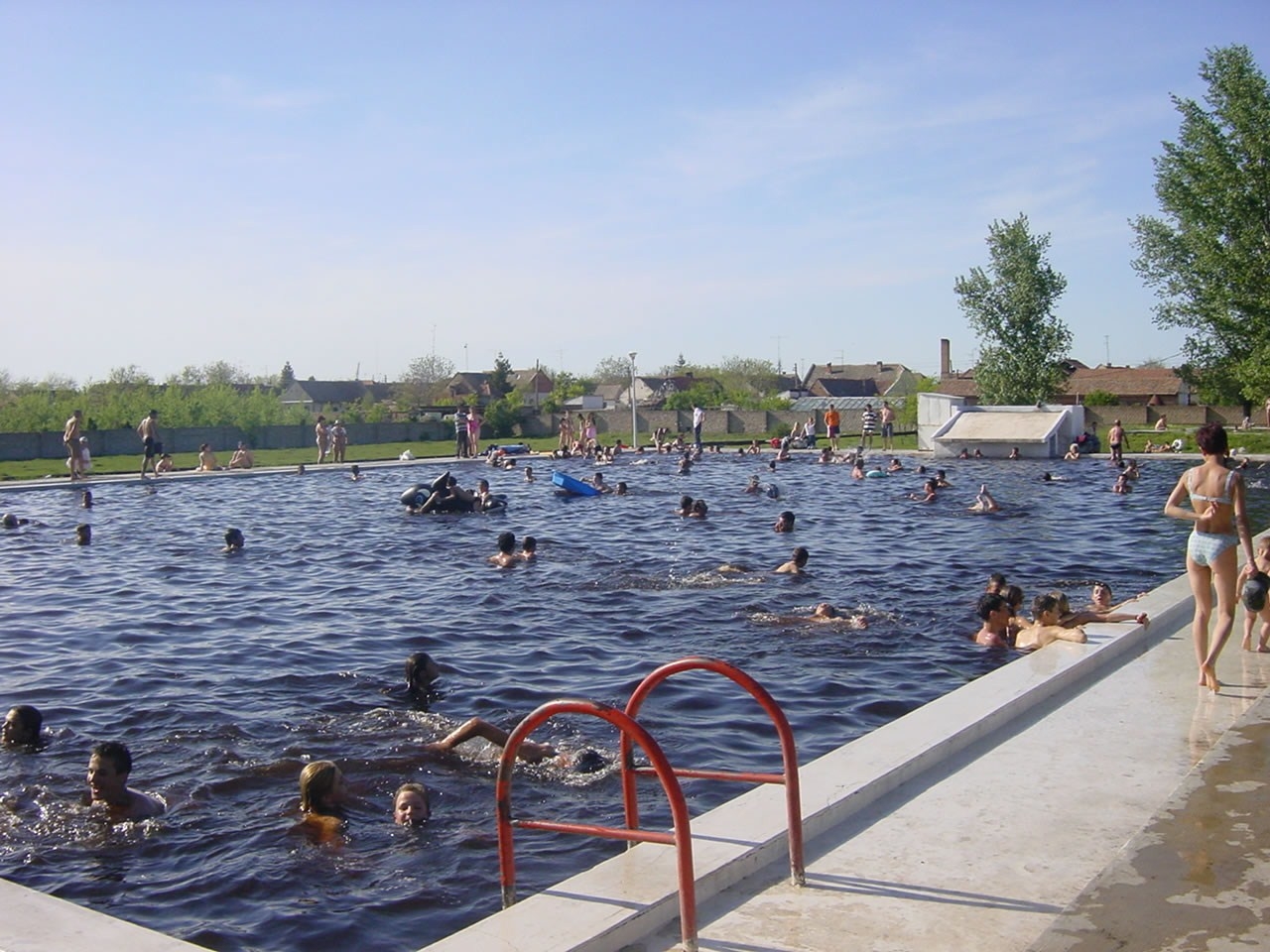
The Orthodox Church The Annunciation

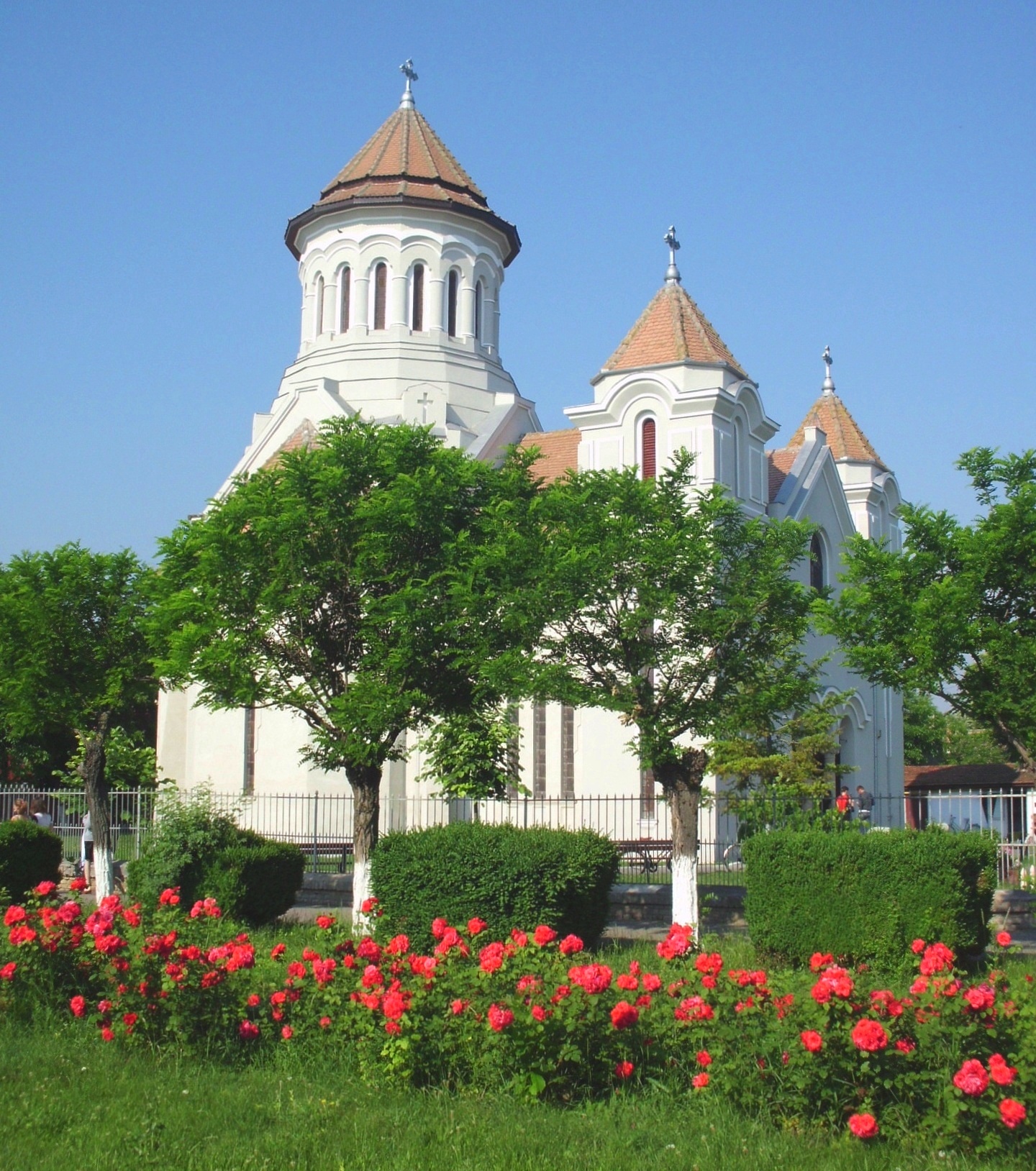
The cornerstone of the present church was installed in 1933. The church was fineshed by 1942, when it was consecrated to the holy celebration of the Annunciation (March…
Church

The Orthodox Church The Annunciation

The cornerstone of the present church was installed in 1933. The church was fineshed by 1942, when it was consecrated to the holy celebration of the Annunciation (March 25th)

The Open Space Thermal Swimming Pool Compound

Pool

The Open Space Thermal Swimming Pool Compound

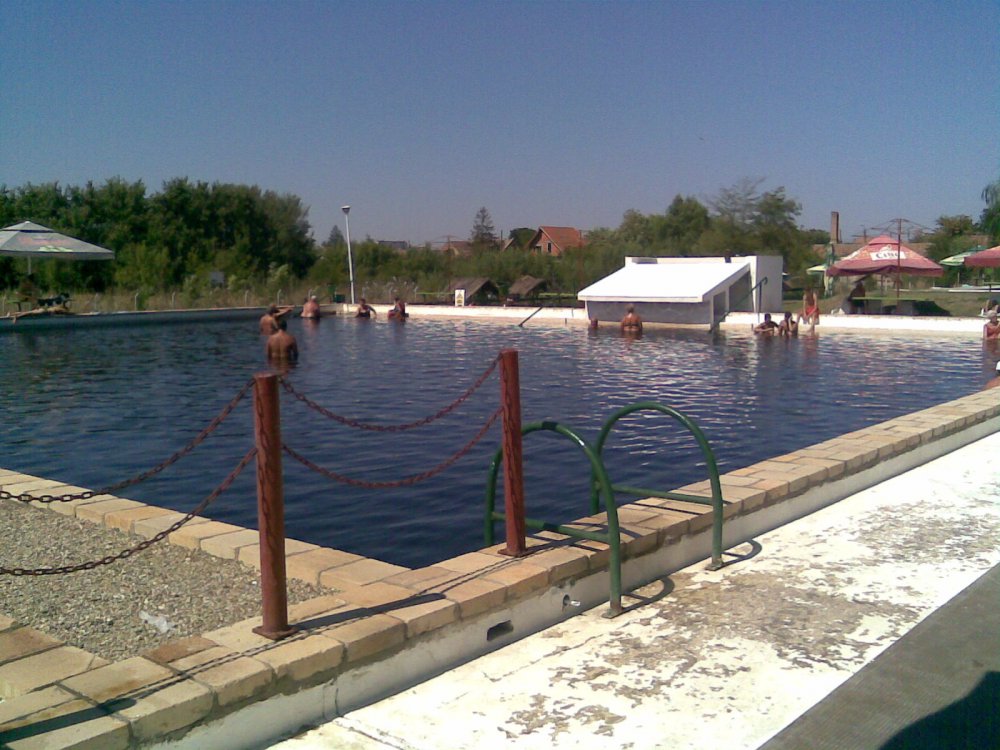
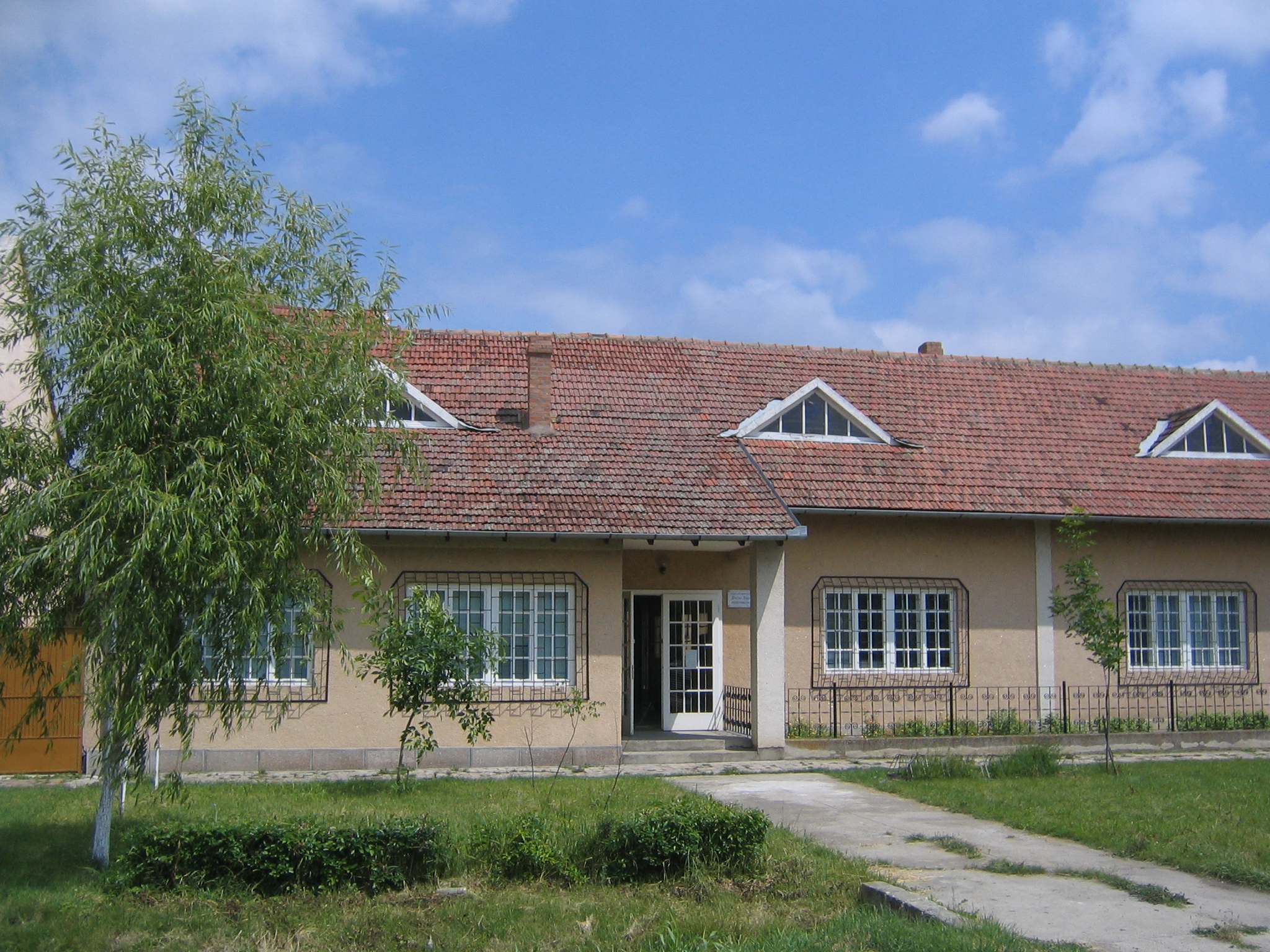
It represents an actual alternative to the heat during the summers. It consists of three swimming pools, one of them is Olympic game sizes and another one has thermal…
Pool

The Open Space Thermal Swimming Pool Compound

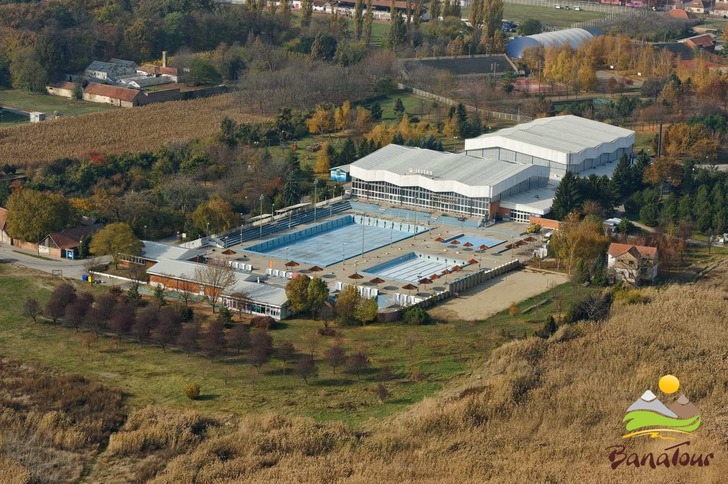
It represents an actual alternative to the heat during the summers. It consists of three swimming pools, one of them is Olympic game sizes and another one has thermal water; the pools are accompanied by volley-ball and basketball fields, food shops and a space predicted for picnics. As for the thermal waters, they are useful because of their beneficial effects on the following illnesses: spondylosis, osteoarthritis of the hip, gonarthrosis, chronic articular rheumatism, slipped discs, low back pains, sciatic nerve condition, polyarthritis, intercostal neuralgia, circulatory failure, osteoporosis, gynecological conditions.

The Museum of Stefan Jäger

Museum

The Museum of Stefan Jäger

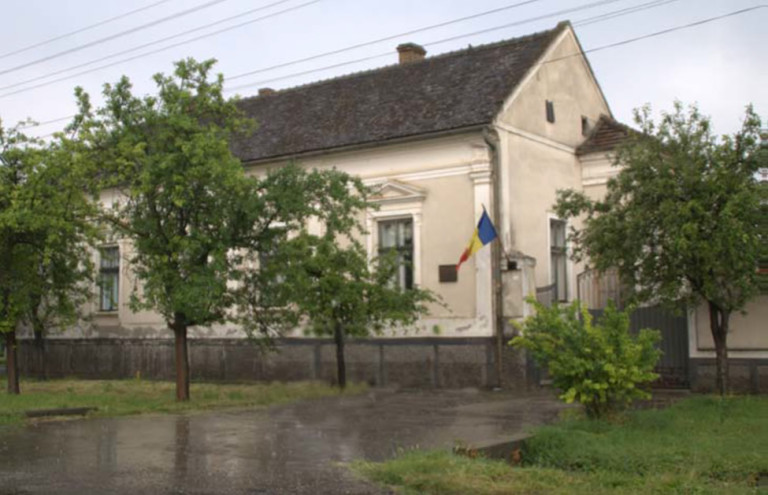
It is dedicated to the life and work of the painter Stefan Jäger (1877 - 1962). It was opened in 1996 and built with the support of the German land of Bavaria; it…

  • Str. Tudor Vladimirescu 90 Jimbolia 305400
Museum

The Museum of Stefan Jäger

It is dedicated to the life and work of the painter Stefan Jäger (1877 - 1962). It was opened in 1996 and built with the support of the German land of Bavaria; it comprises the former memorial house, devoted to the painter (opened in 1969) and also a new building. The construction includes: an ethnography section, an archeology section, a room destined for the personalities of Jimbolia, a meeting room, a traditional Swabian room and a space meant for exhibitions. The painter´s workshop has remained unchanged and it comprises, beside objects which belonged to the artist, eleven oil paintings, water color creations and sketches

Contact and practical information

Address
Str. Tudor Vladimirescu 90 Jimbolia 305400
The Memorial House Dr. Karl Diel

Landmark building

The Memorial House Dr. Karl Diel

It was inaugurated in 2000, through the mutual effort of Mrs. Pia Brânzeu, the great grand-daughter of the reputed surgeon, of the town hospital and of the Jimbolia…

  • Str. Dr. Diel nr. 1

Landmark building

The Memorial House Dr. Karl Diel

It was inaugurated in 2000, through the mutual effort of Mrs. Pia Brânzeu, the great grand-daughter of the reputed surgeon, of the town hospital and of the Jimbolia Town-Hall employees.

Contact and practical information

Address
Str. Dr. Diel nr. 1
The lakes of Jimbolia

Viewpoint

The lakes of Jimbolia

They are located at the exit from town, on the road leading to the locality of Comlosul Mare. They are actually anthropic origin lakes, resulted from the excavations…
Viewpoint

The lakes of Jimbolia

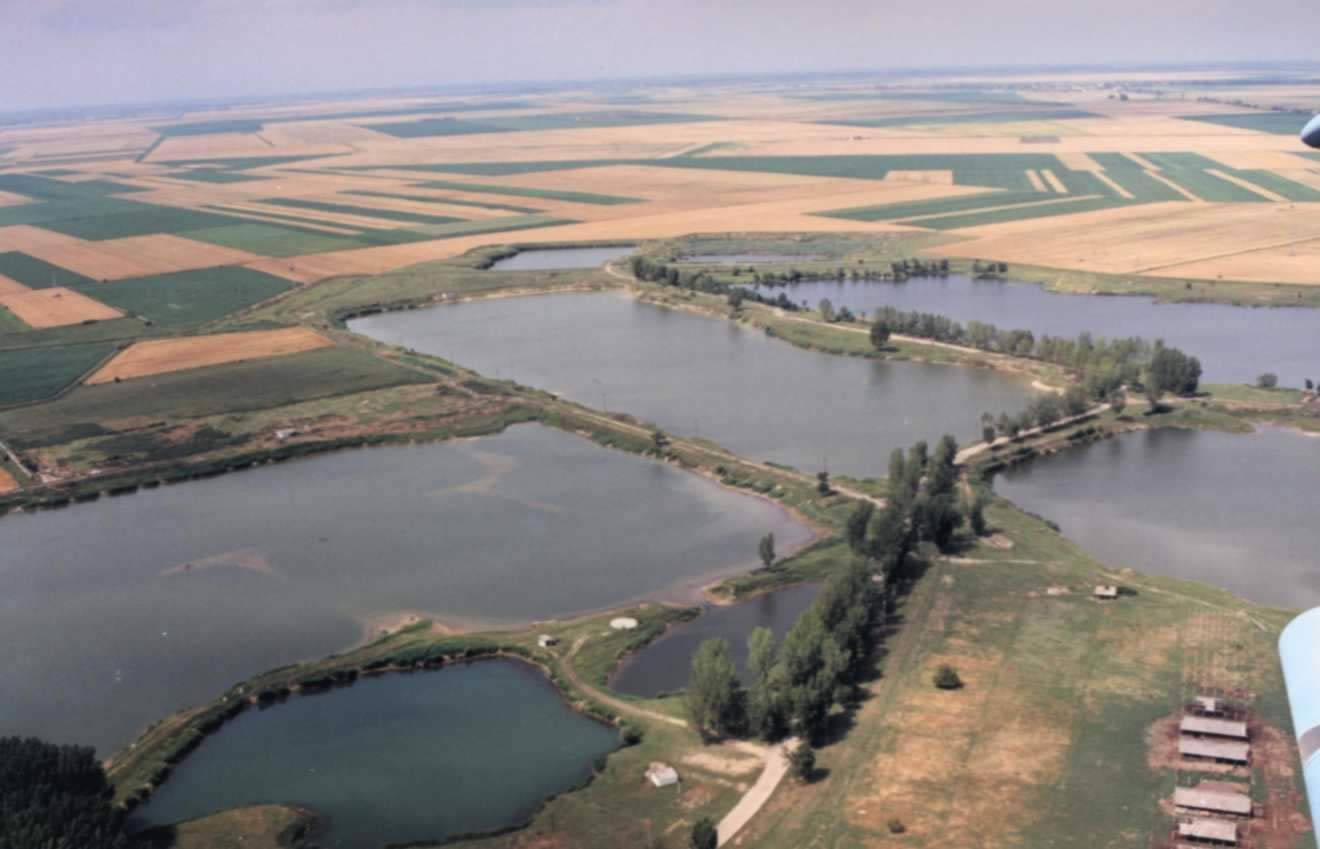
They are located at the exit from town, on the road leading to the locality of Comlosul Mare. They are actually anthropic origin lakes, resulted from the excavations performed by the former Ceramica (Pottery) factory in search of the clay necessary for the construction of bricks. They have areas of up to 7 hectares, and depths of up to 25-30 meters. They represent the favorite place of the fishing lovers (the ponds are populated by various species of carp, pickerel, and catfish) and an ideal recreation spot during the hot summer days.

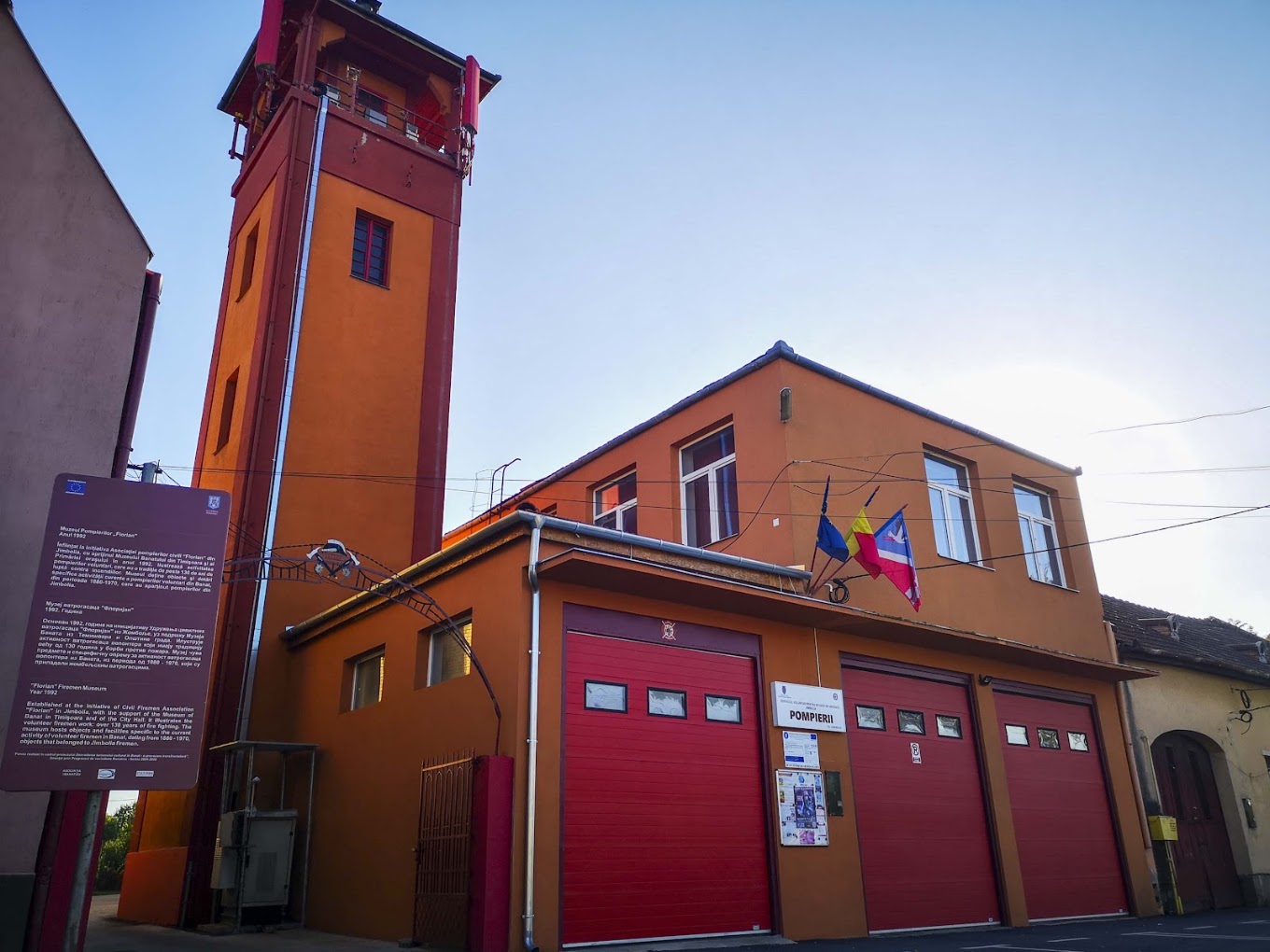
The Florian Museum of Firefighters

Museum

The Florian Museum of Firefighters

It was established in 1993, upon initiative of the ”Florian” Civilian Firefighters Association in Jimbolia, with the support of the Town Hall employees and of the…

  • 9 Strada Liviu Rebreanu, Jimbolia 305400
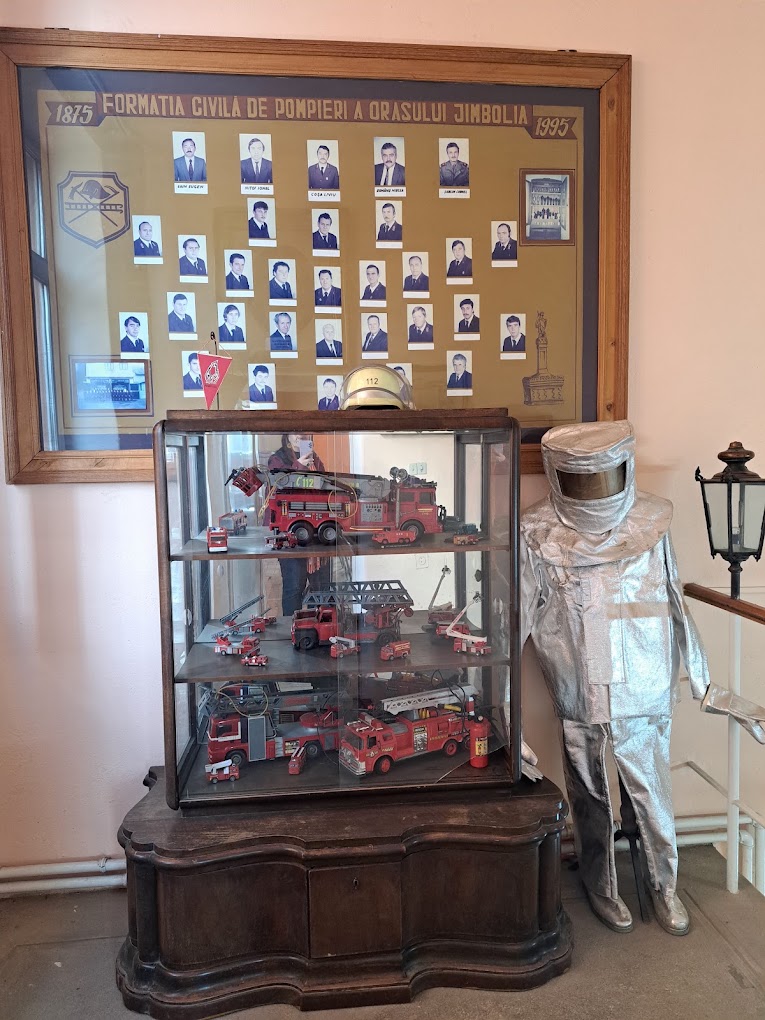
Museum

The Florian Museum of Firefighters

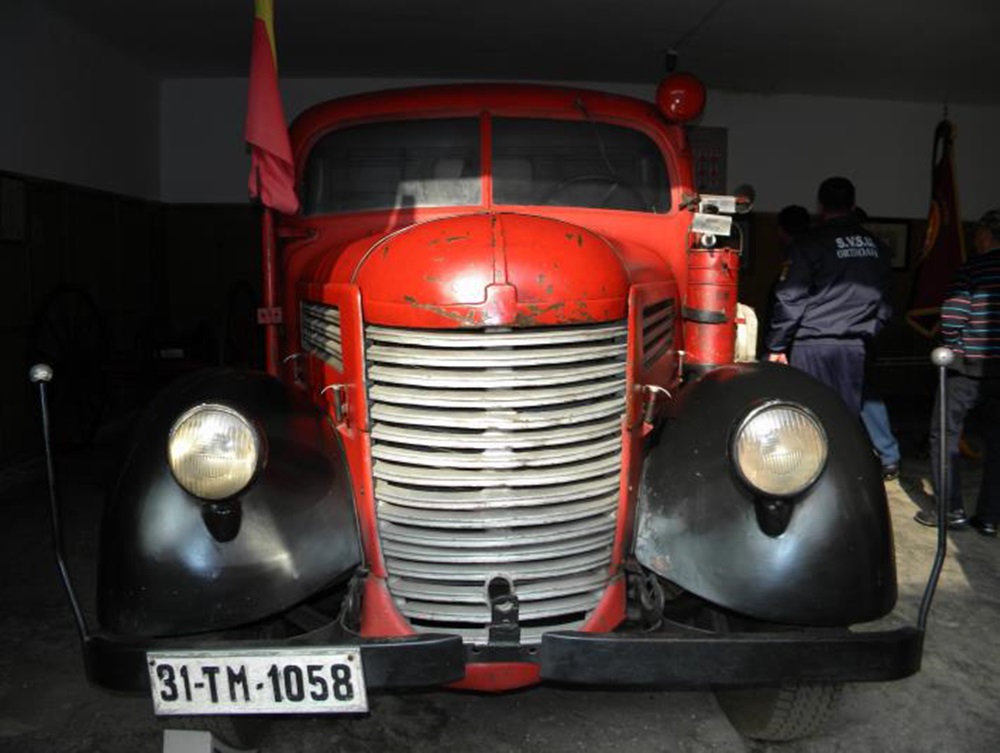
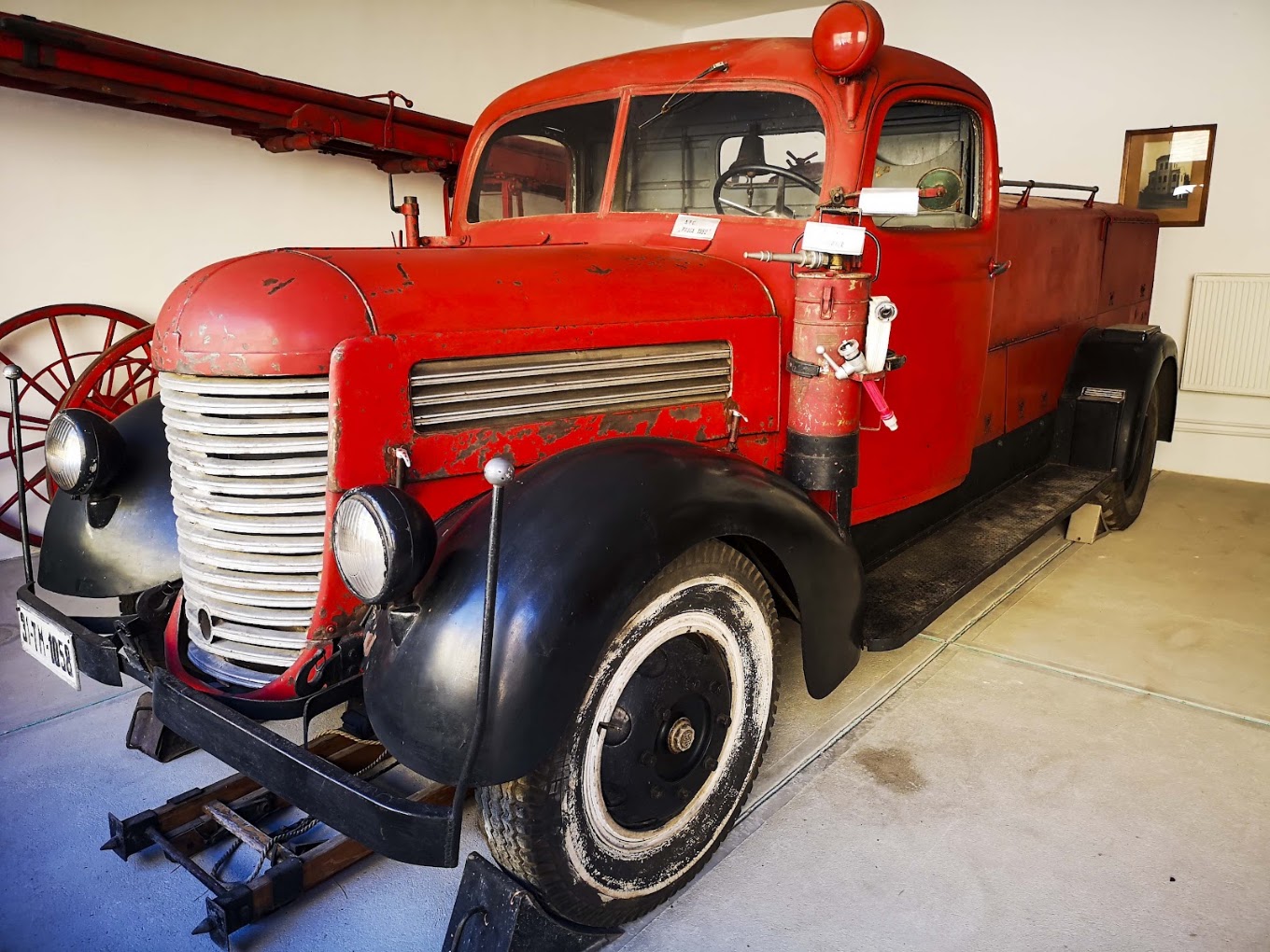
It was established in 1993, upon initiative of the ”Florian” Civilian Firefighters Association in Jimbolia, with the support of the Town Hall employees and of the ”Banatul” Museum in Timisoara, in order to honor the activity of firefighting of the volunteer firefighters. The museum exhibits objects and specific equipment for the volunteer firefighter teams in the Banat, dating back to the period 1880 – 1970, which belonged to the firefighters in Jimbolia, paintings, photographs, diplomas and trophies obtained by the volunteer firefighters in professional competitions.

Contact and practical information

Address
9 Strada Liviu Rebreanu, Jimbolia 305400
Sever Bocu Press Museum

Museum

Sever Bocu Press Museum

It was established on initiative and by contribution of the poet Petar Stojic, and its main purpose is to preserve, present and promote the cultural and historical…

  • Loc. Jimbolia,Lorena, 35

Museum

Sever Bocu Press Museum

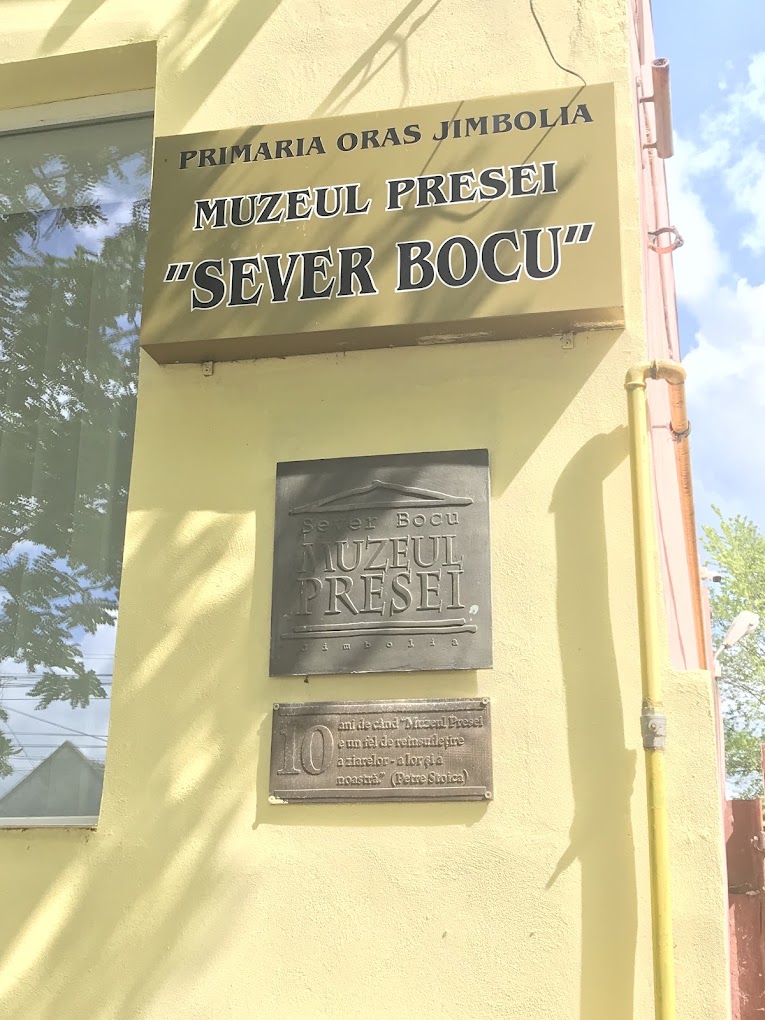
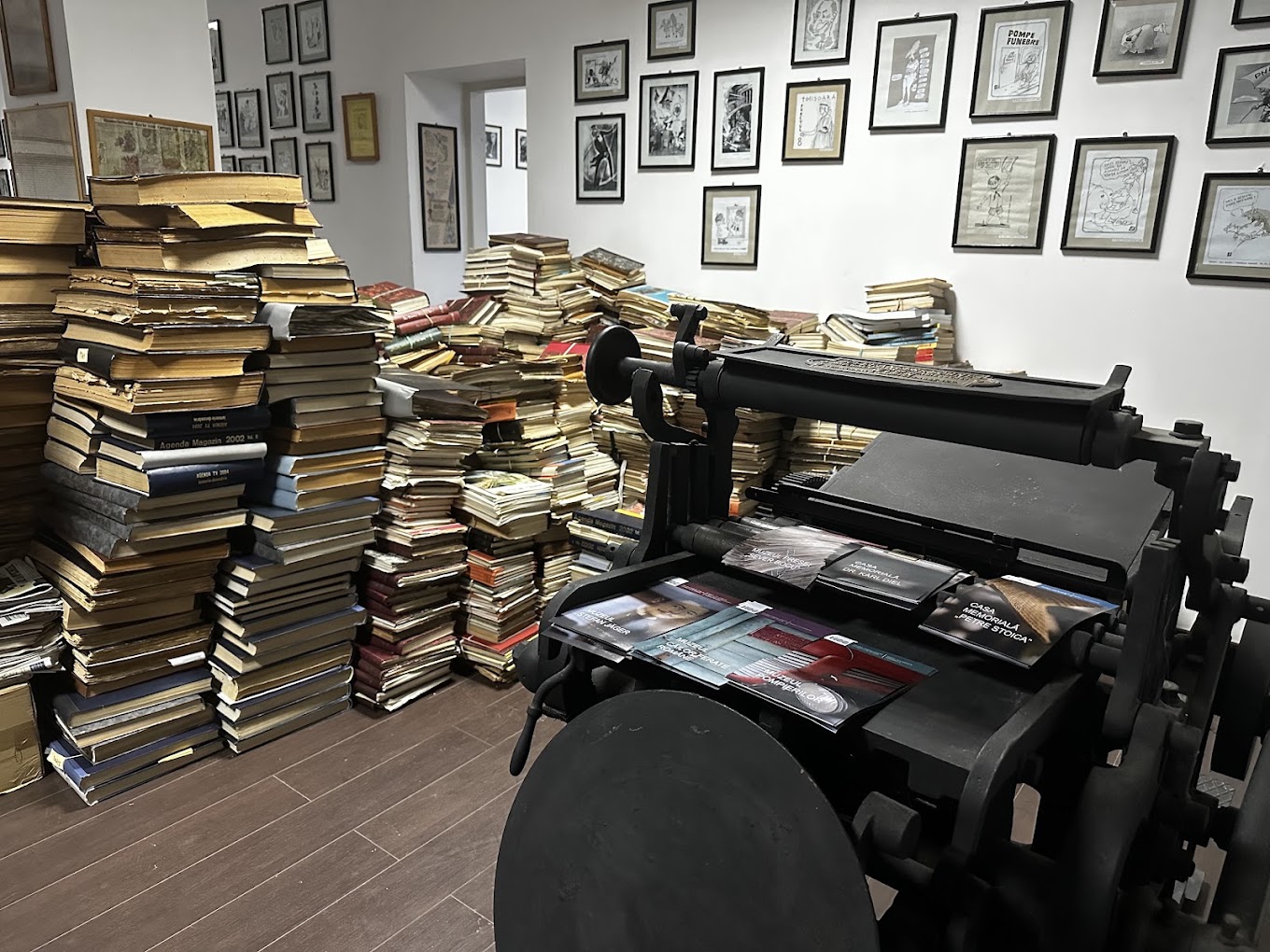
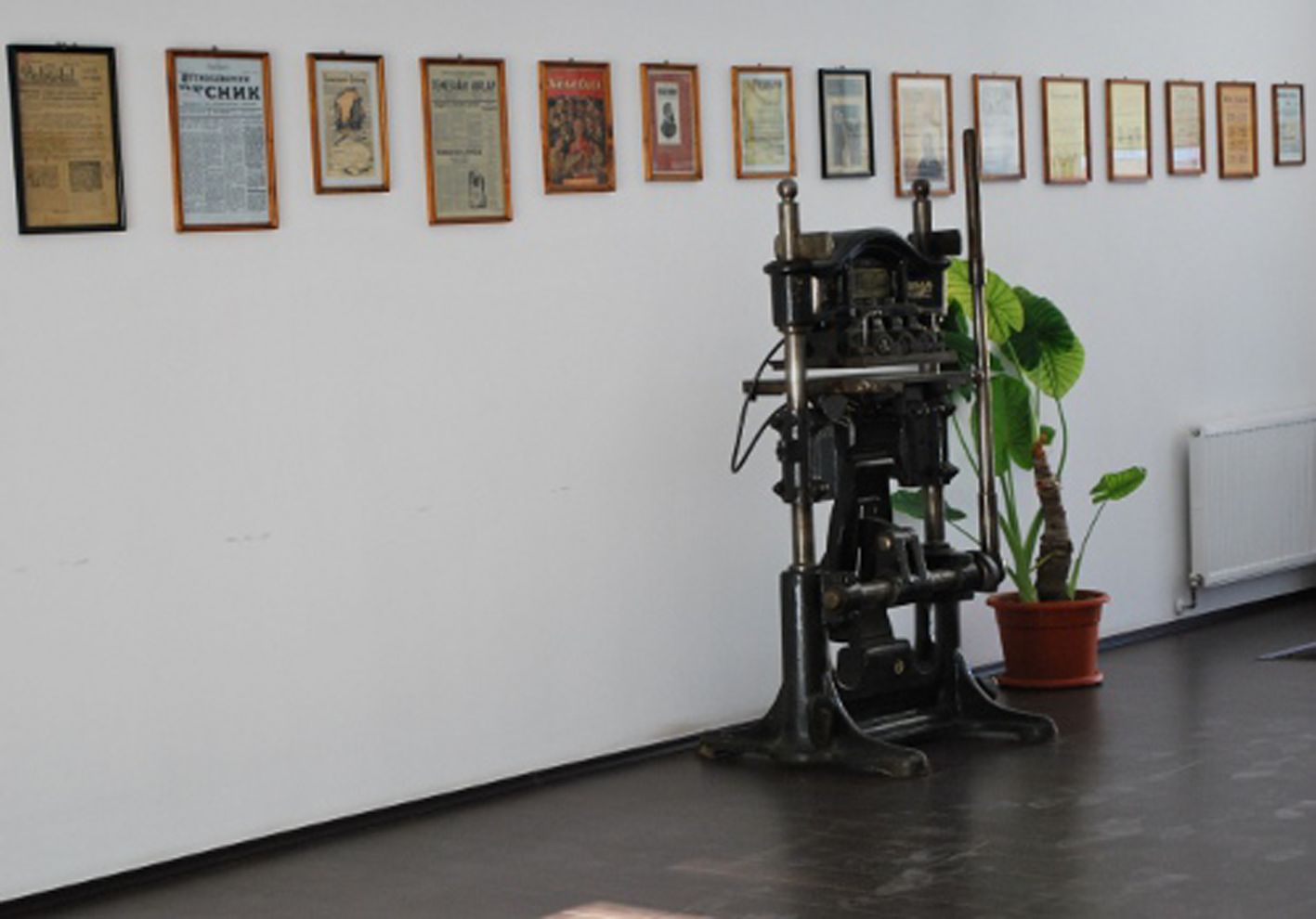
It was established on initiative and by contribution of the poet Petar Stojic, and its main purpose is to preserve, present and promote the cultural and historical values of the social, political and economic events, as they were reflected in time by the written press. The museum has several rooms where various collections of old newspapers, almanacs and calendars from the 19th and the 20th centuries are presented.

Contact and practical information

Address
Loc. Jimbolia,Lorena, 35
Buna Vestire Orthodox Church

Church

Buna Vestire Orthodox Church

The "Buna Vestire" Orthodox Church was built in the Neo-Soviet style, between 1933-1942, according to the plans of the Romanian architect Victor Vlad. This was…

  • Str. Republicii

Church

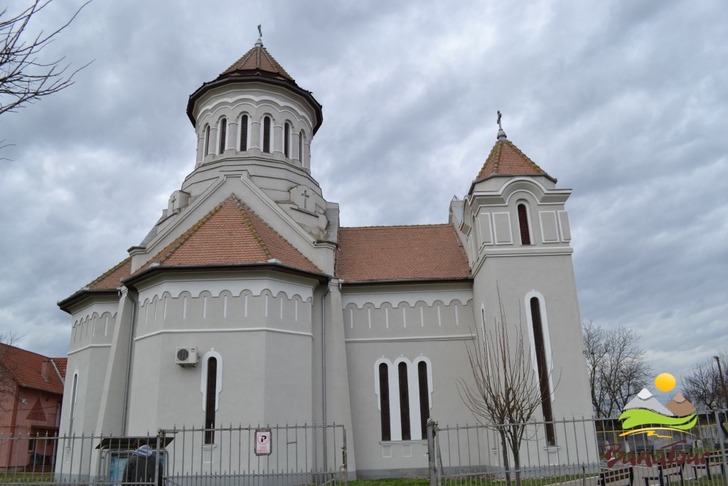
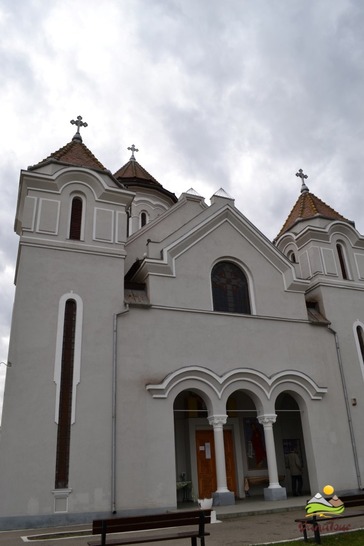
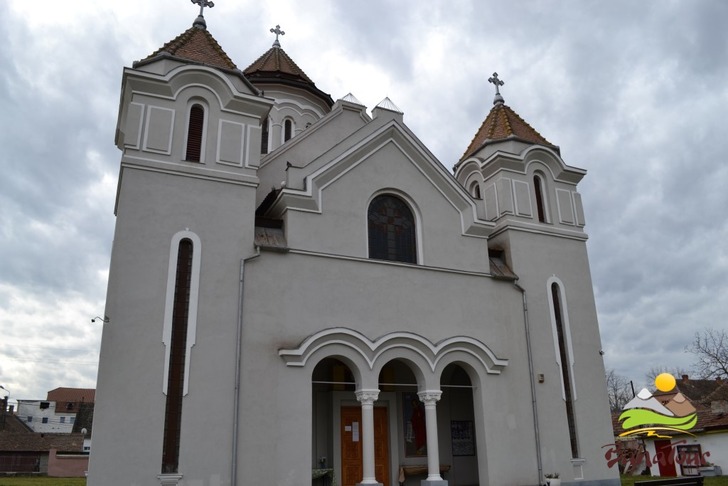
Buna Vestire Orthodox Church

The "Buna Vestire" Orthodox Church was built in the Neo-Soviet style, between 1933-1942, according to the plans of the Romanian architect Victor Vlad. This was celebrated in 1942 under the patronage of the "Celebration" celebrations (March 25), and in 2004 with the patronage "The Assumption of the Virgin" (August 15). The worship place has three towers and a cylindrical vault, entirely covered with a tile. Between 1938 and 1941, painter Vasile Hudici performs the mural painting in an unusual style, and between the years 1938-1944 the iconostasis and the interior furniture by the Iasi artist Ioan Antonescu are carved in lime wood. The traditional Banana prayer is organized, featuring folk music bands, artisans and folk artists from all over the country under the patronage of the Orthodox Church.

Contact and practical information

Address
Str. Republicii
Church of St. Nicholas in Radojevo

Church

Church of St. Nicholas in Radojevo

mmediately after the Serbs moved here from Jamtara, the St. Nicholas Church was built of rammed earth, but pulled down in 1838. It was on the same spot as it is today,…

  • Corner of Maršal Tito and Karadjordjeva St.
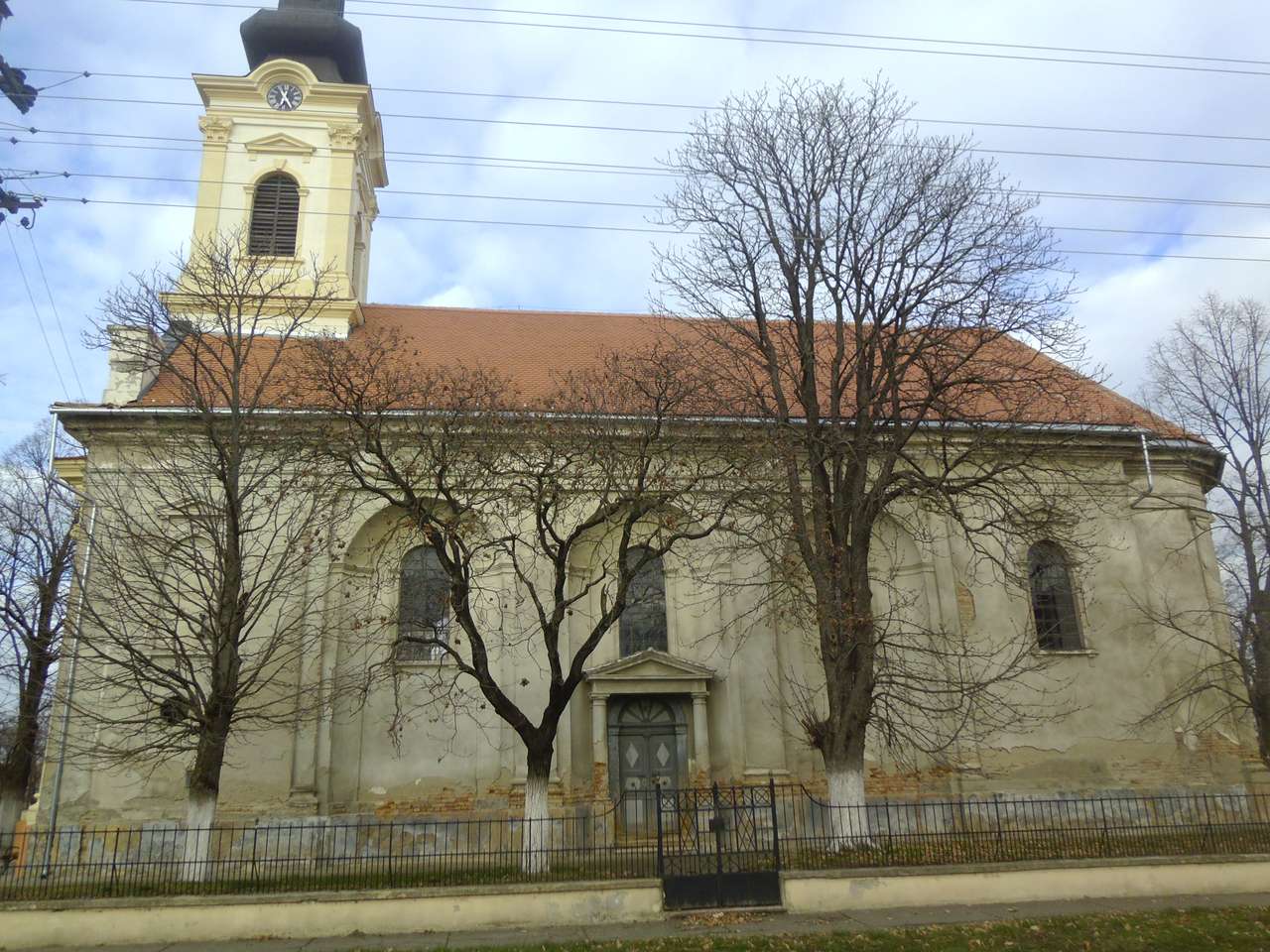
Church

Church of St. Nicholas in Radojevo

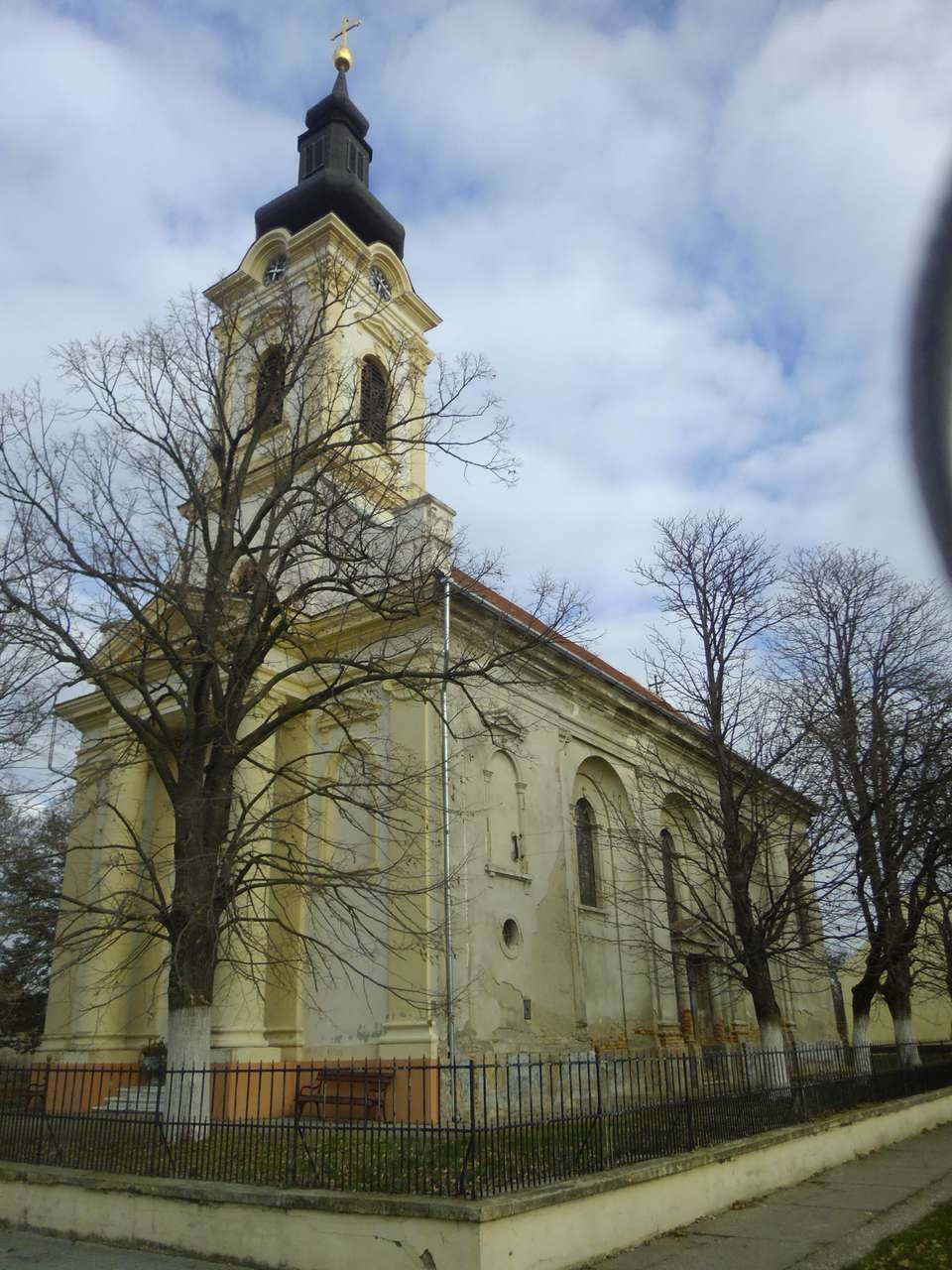
mmediately after the Serbs moved here from Jamtara, the St. Nicholas Church was built of rammed earth, but pulled down in 1838. It was on the same spot as it is today, also dedicated to the same saint. Today’s church was constructed in 1941 and consecrated by Timisoara priest Jovan Vasić. The church was built in classical style with one hand and with an altar apse in the semicircle.. The bell tower is at the same level as the cross 34.31m. Wood engraving, found in iconostasis, choir booth and thrones, was completed in 1858 by an unknown artist, while frescoes and icons are painted by the then famous painter Nikola Aleksic. In 2001, preservation and restoration was carried out on the front facade and the tower under the supervision of the Provincial Office for Protection of Cultural Monuments from Novi Sad. General adaptation of roof structure was done in 2008 funded by Provincial Secretariat for Administration, Regulations and National Minorities, the Municipality of Nova Crnja and Local Community Radojevo. Its architectural value makes this church a valuable artistic piece and the valuable spot for prayers and pilgrimage.

Contact and practical information

Address
Corner of Maršal Tito and Karadjordjeva St.
Trinity Monastery

Church

Trinity Monastery

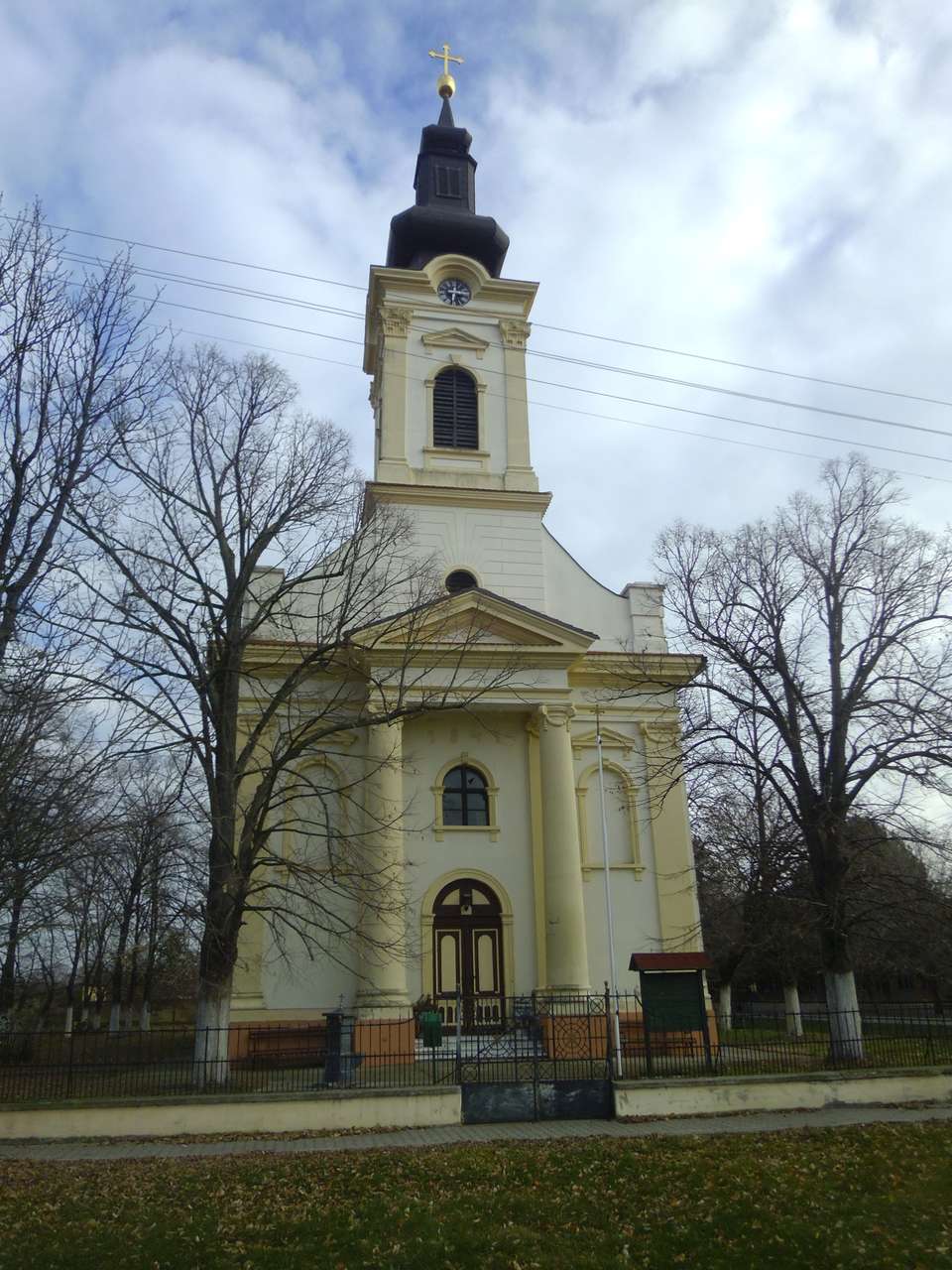
The monastery and the residential annex dedicated to Trinity was erected in 1887, in Baroque style, as endowment of Melanija Nikolić born Gajčić (1829-1912), who was…

Church

Trinity Monastery

The monastery and the residential annex dedicated to Trinity was erected in 1887, in Baroque style, as endowment of Melanija Nikolić born Gajčić (1829-1912), who was also buried in the monastery. She was a rich heiress who had the temple, a chapel and a monastery with residence built after her grandson had died. It was on the spot of today’s primary school Djura Jakšić. The monastery was activated in 1887 as men’s sanctuary, and by a decree of the Bishop, Trinity was turned to women’s monastery.

Contact and practical information

Address
Stevana Sinđelića 37
Terra Panonica

Tourist Attraction

Terra Panonica

The property on the flat hill Terra Panonika in Mokrin is a unique example of a combination of traditional and modern functional concept in the field of architecture and…

Tourist Attraction

Terra Panonica

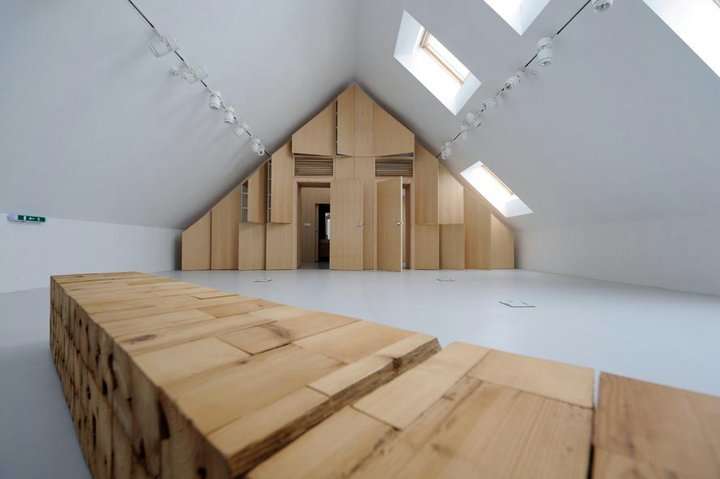
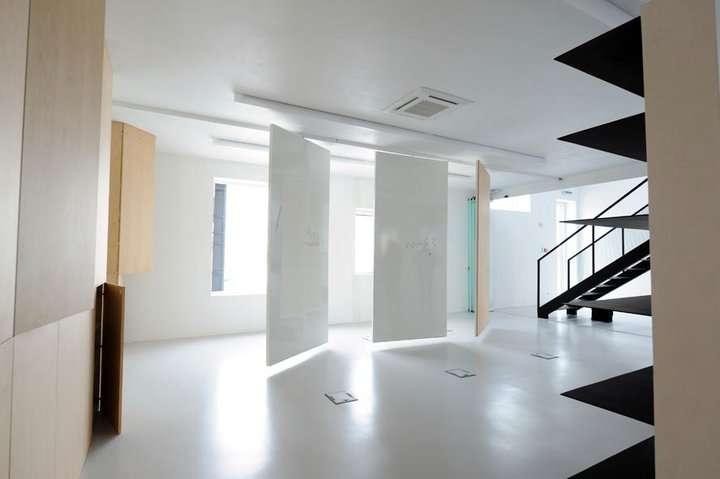
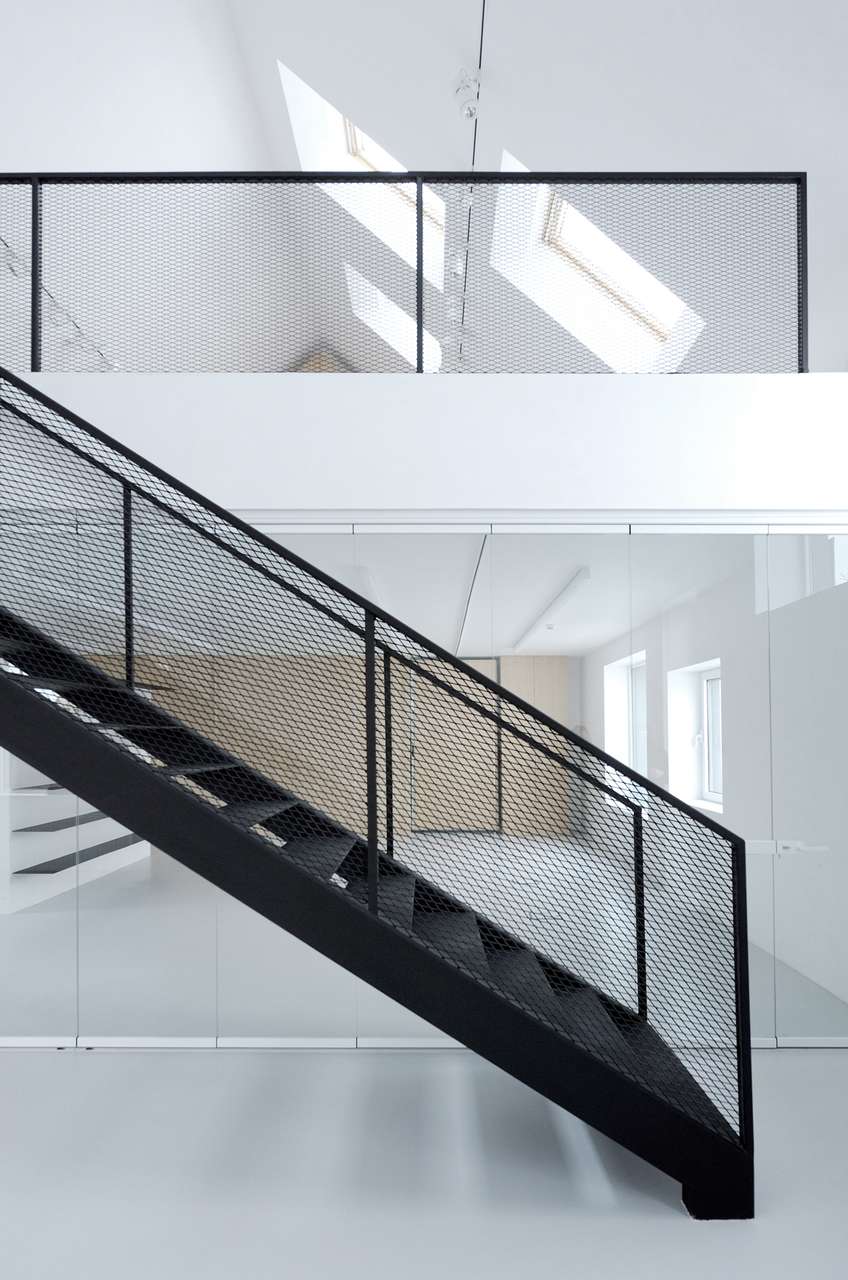
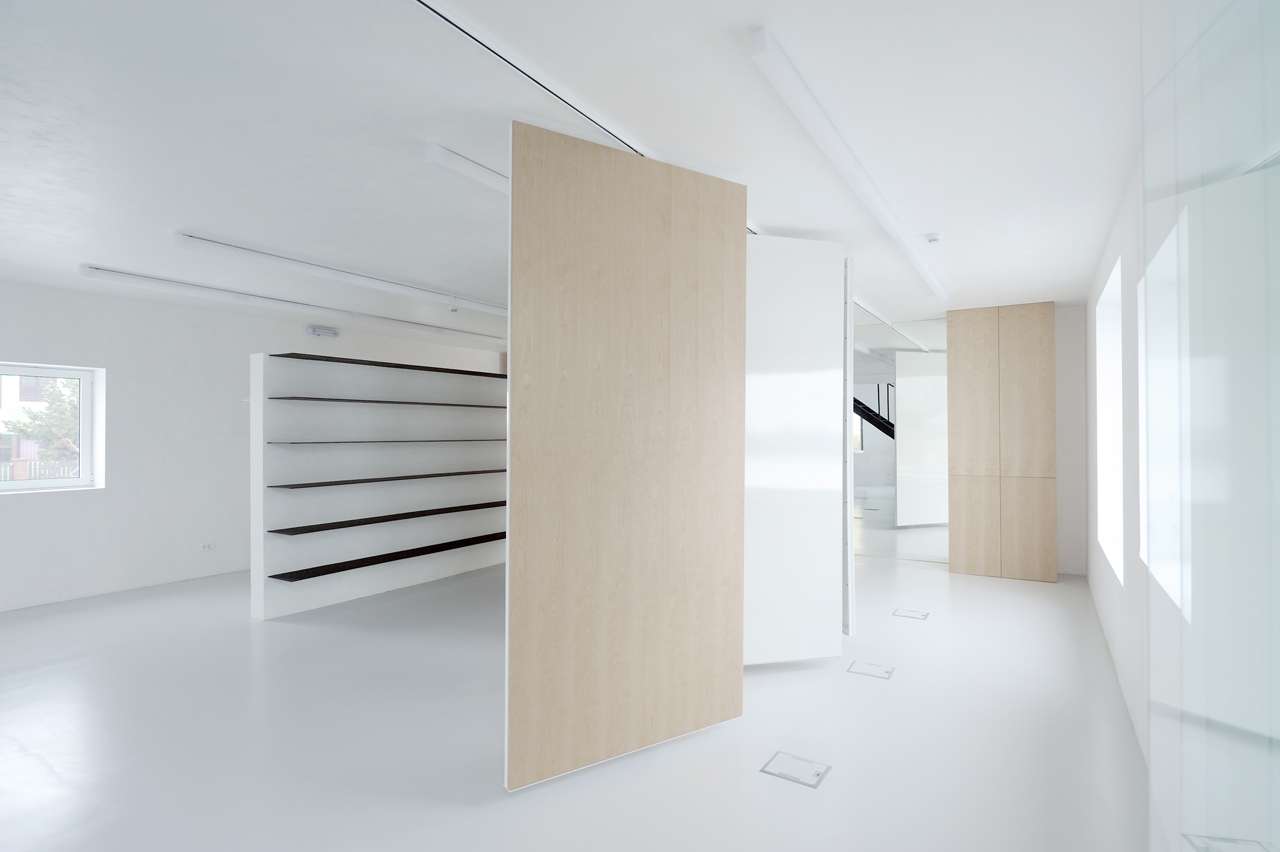
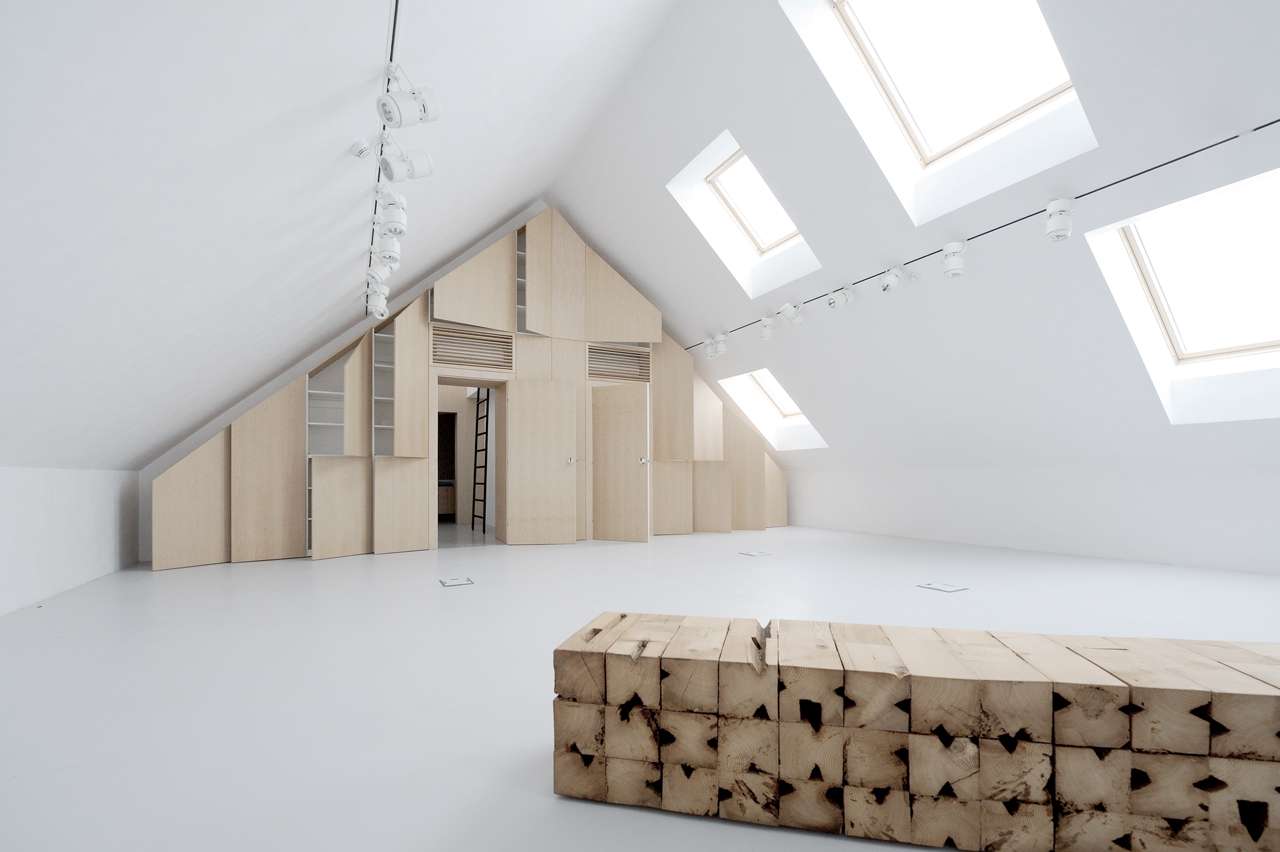
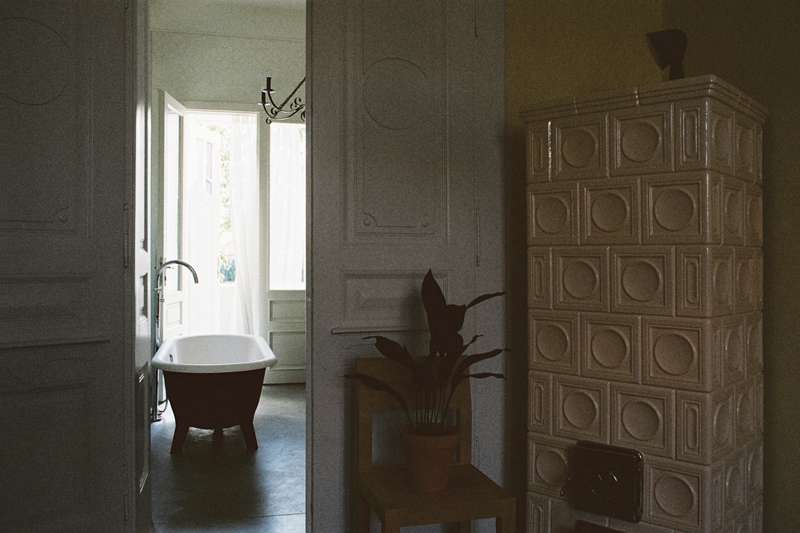
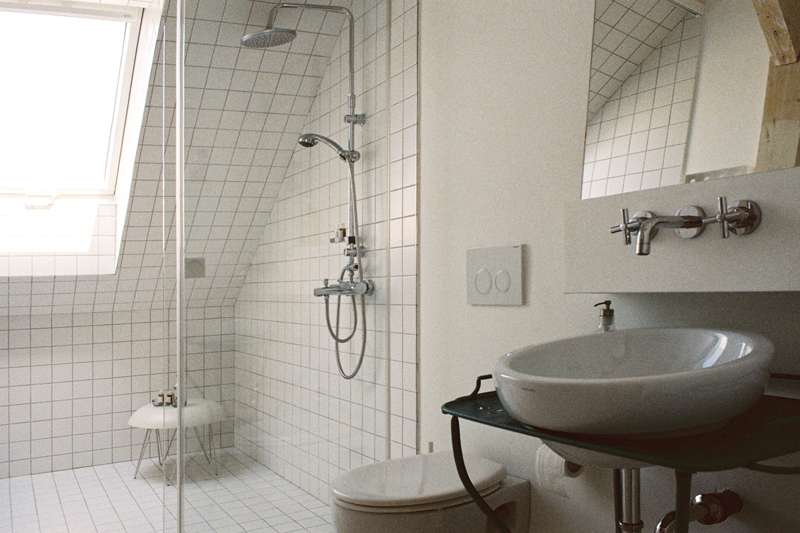
The property on the flat hill Terra Panonika in Mokrin is a unique example of a combination of traditional and modern functional concept in the field of architecture and design. Tis complex consist of five unified objects of vojvodinas yards and represents materialized version of socia engaged investor Branimir Brkljača and a group of young architects gathered in a group called Authors. The property on the flat hill is a specific creative and inspiring oasis for meeting of artists, scholars, innovators, educators, sharing ideas, knowledge and the development of a new view of the possible constructs village and town meetings through local and global communities. Terra Panonica is a transdisciplinary platform, a natural meeting place and a specific process that needs to re-investigate, challenge, initiated the revival of the typical, vulnerable rural communities. Building a completely new relationship within the community, Terra Panonica through its programs, focus on meeting points of art, education, design, agriculture, innovation, social development, communication and production. It’s here to revitalize, initiate, inspire and regenerate. A Trans-disciplinary approach is to combine the fields of science, visual arts, music, sound, performance, new media, social science, industrial design and architecture.

Contact and practical information

Address
Svetog Save 25
TERRA

Tourist Attraction

TERRA

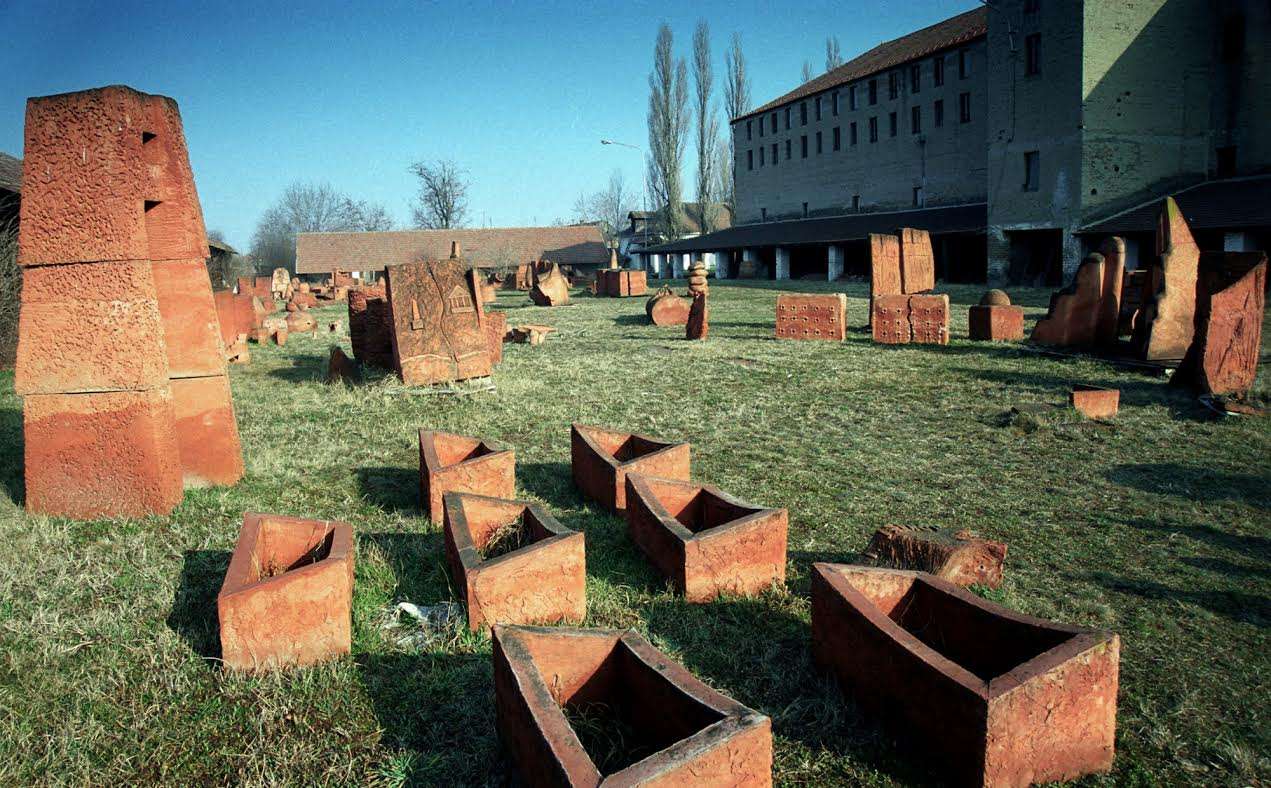
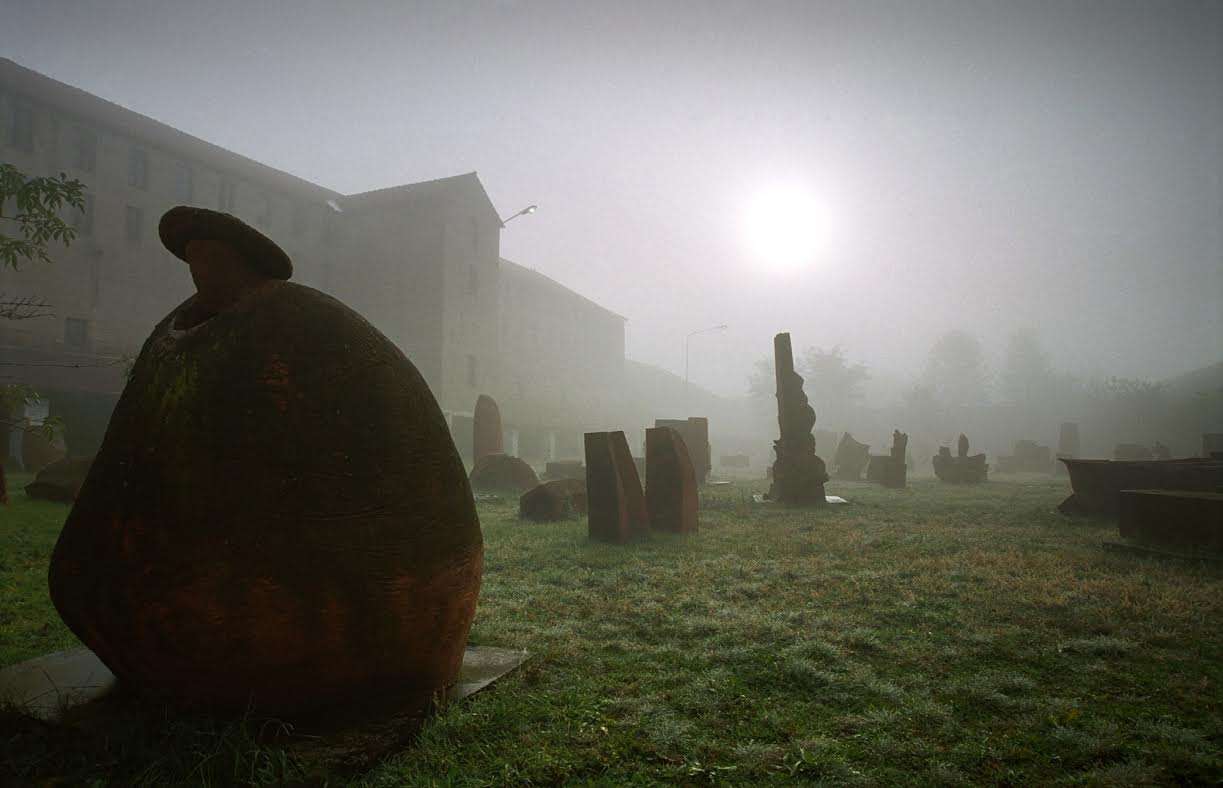
Since 1982 every year there is a grand International Sculpture (in clay) Symposium – TERRA. A few hundred sculptors from all over the world have created a TERRA fundus…

Tourist Attraction

TERRA

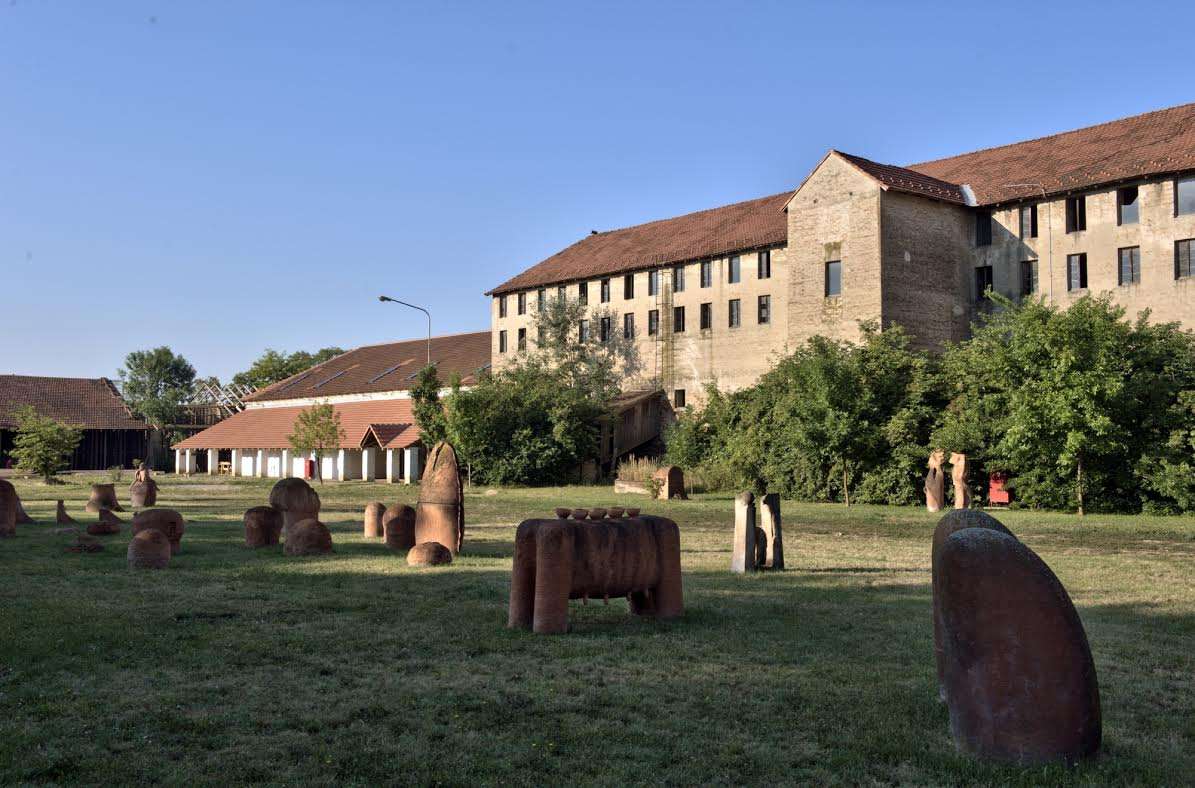
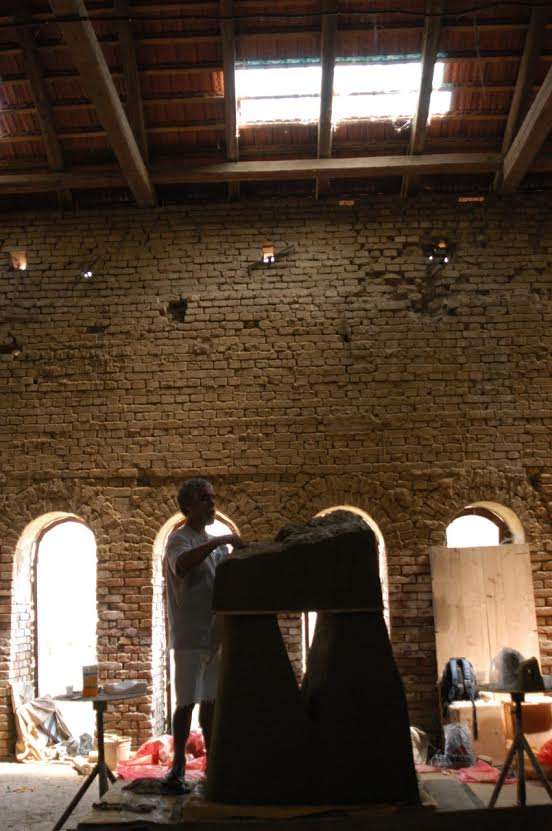
Since 1982 every year there is a grand International Sculpture (in clay) Symposium – TERRA. A few hundred sculptors from all over the world have created a TERRA fundus with over 1.000 sculptures so far. This extraordinary space with huge exhibits in terracotta is in the former Bon brick yard built in 1895. In the gallery TERRA on the square there are all kinds of manifestations taking place all year round. The International Terracotta Sculpture Symposium – TERRA, a unique event, was established in 1982 taking place every year from 1st to 31st July with five to eight artists taking part from Serbia and other countries.

Contact and practical information

Address
Danila Kosića bb
Suvača Mill

Landmark building

Suvača Mill

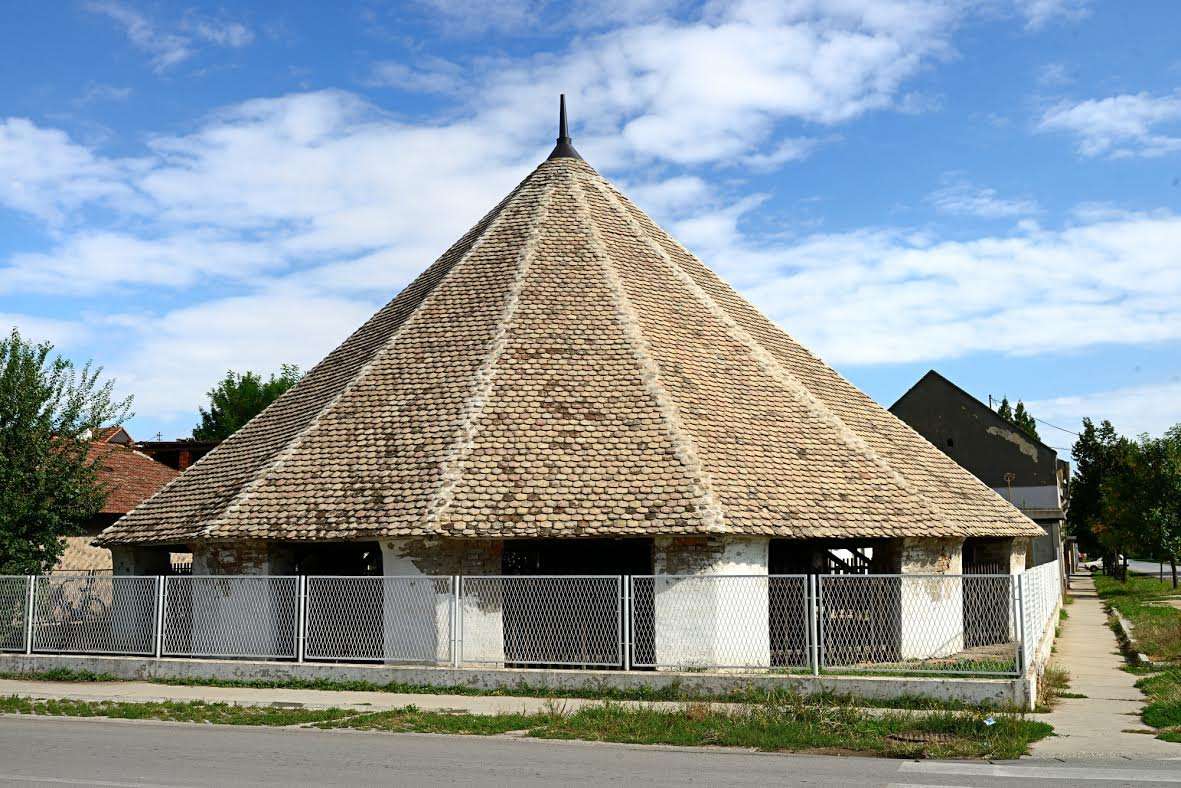
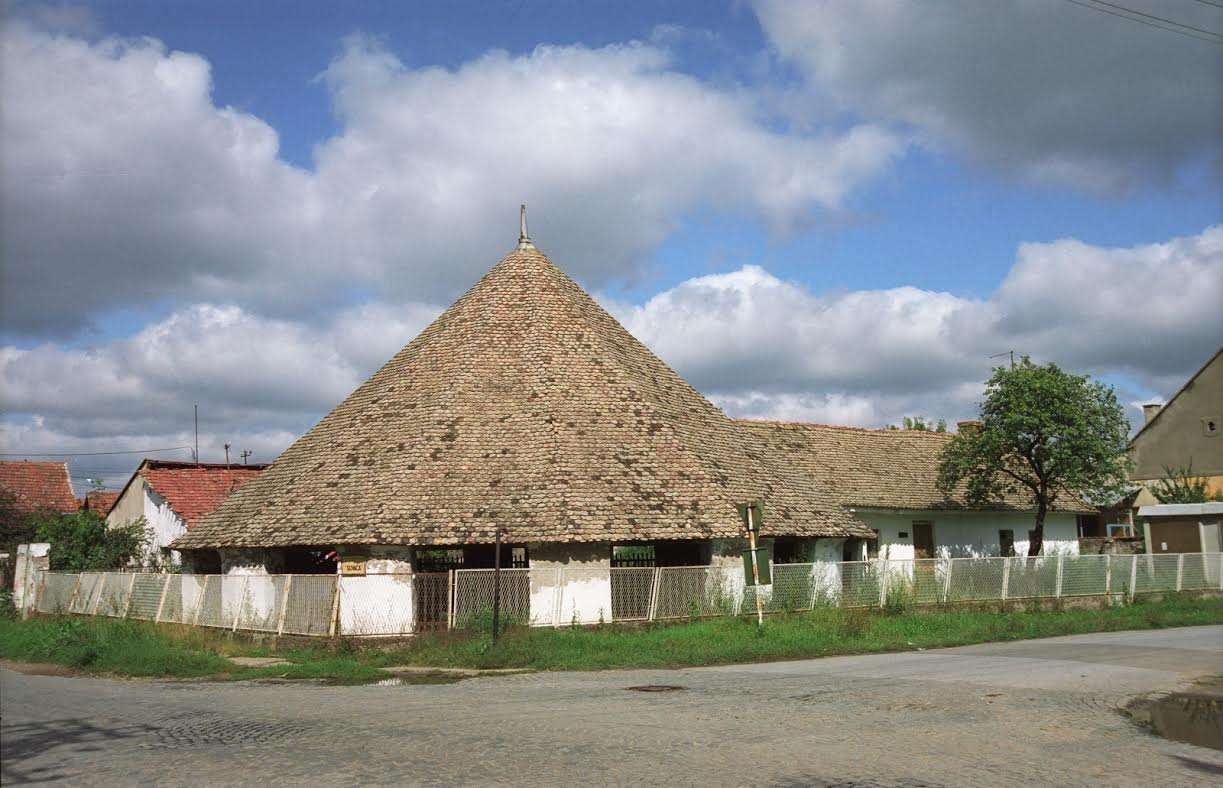
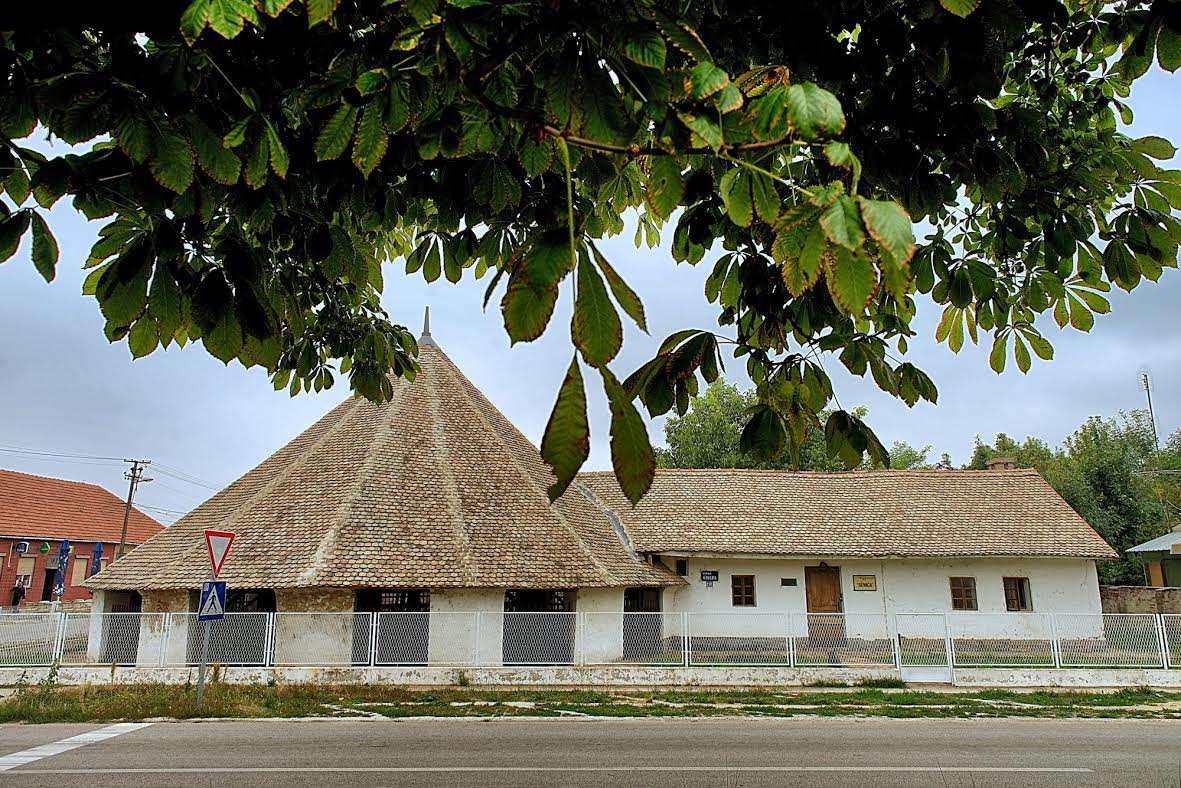
This unique master piece of Serbian architecture, a mill run by horses, draws attention of Kikinda inhabitants and visitors to 1899 when it was built. In the round…

  • The corner of Nemanjina and Moravska St.
Landmark building

Suvača Mill

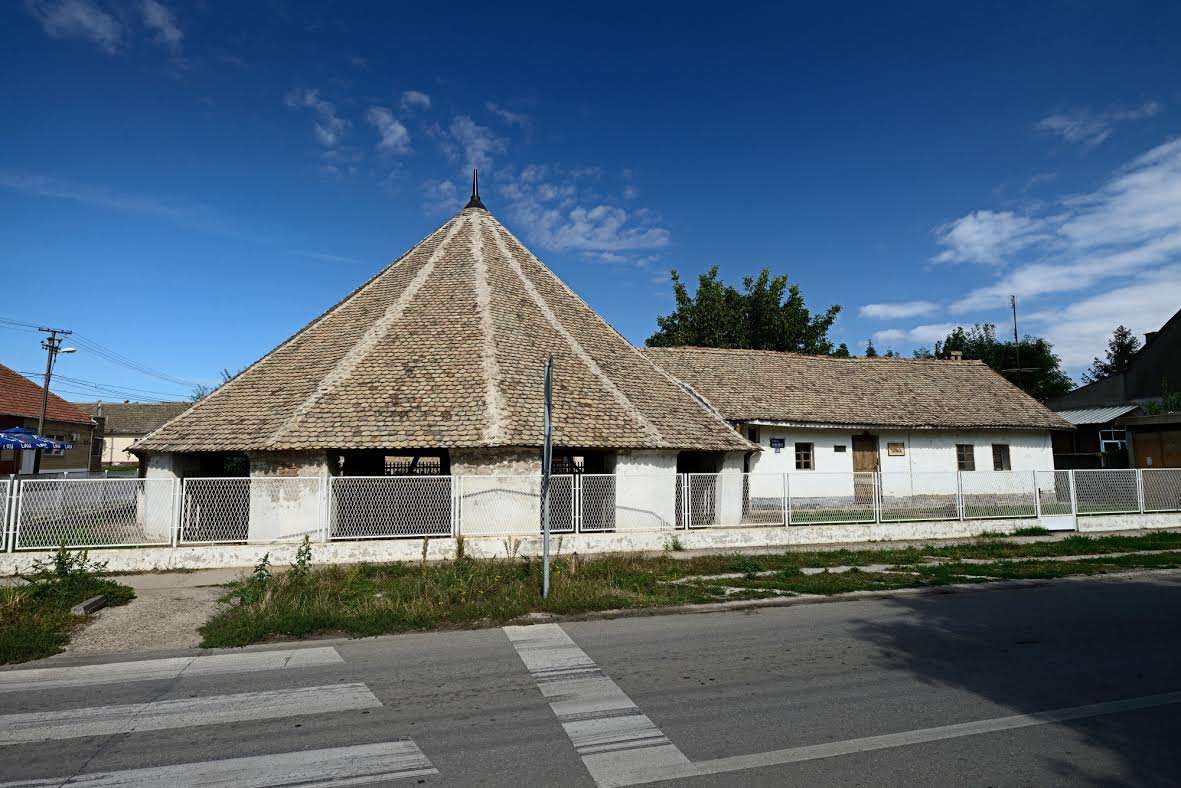
This unique master piece of Serbian architecture, a mill run by horses, draws attention of Kikinda inhabitants and visitors to 1899 when it was built. In the round facility of Suvača mill in radius of 20 m under the cone shaped roof covered with crown tiles is a milling device. The rotating part was a huge horizontal wheel which by rotation moves the mill stones. Wheat, paprika and pepper were ground here. In an hour’s time average 100 of cereals could be ground. The ground grains were of so fine a quality that they were reputed to have reached Vienna court.

Out of thousands similar mills in Europe, only two are preserved – this one and the one in Szarvas, Hungary. In the late 18th century seventeen suvaca mills reportedly existed in Kikinda and twenty years later already thirty two. In 1847 fifty one Suvača mills were recorded in Kikinda. A century after being built, in 1990, Suvača mill was declared a national treasure of extraordinary importance.

Contact and practical information

Address
The corner of Nemanjina and Moravska St.
Terra Gallery

Culture

Terra Gallery

The Centre for Fine and Applied Arts – Terra also has, at its disposal, an exhibition space in the centre of Kikinda. For four decades, the Terra Gallery has been an…

Culture

Terra Gallery

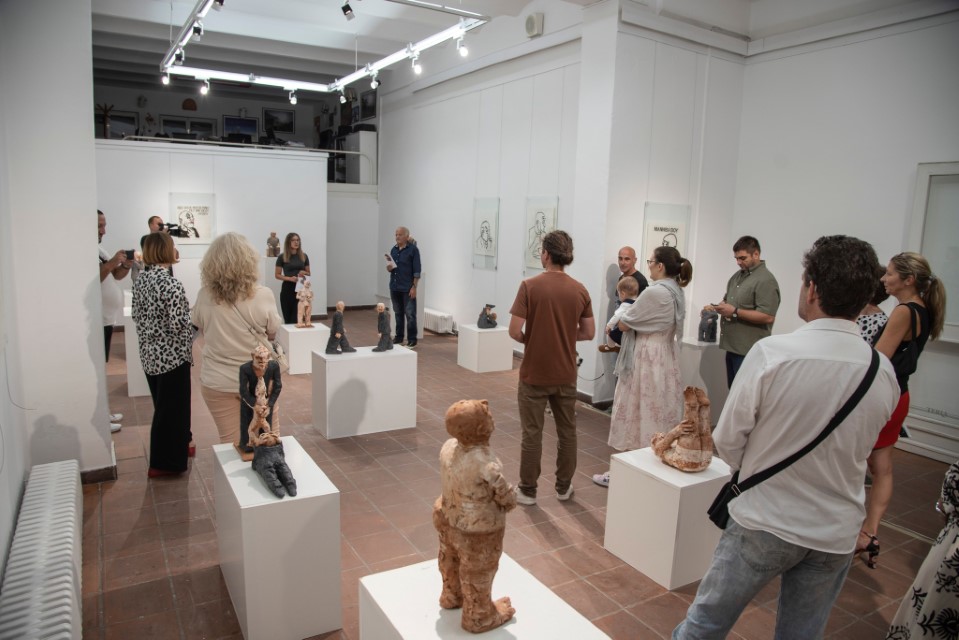
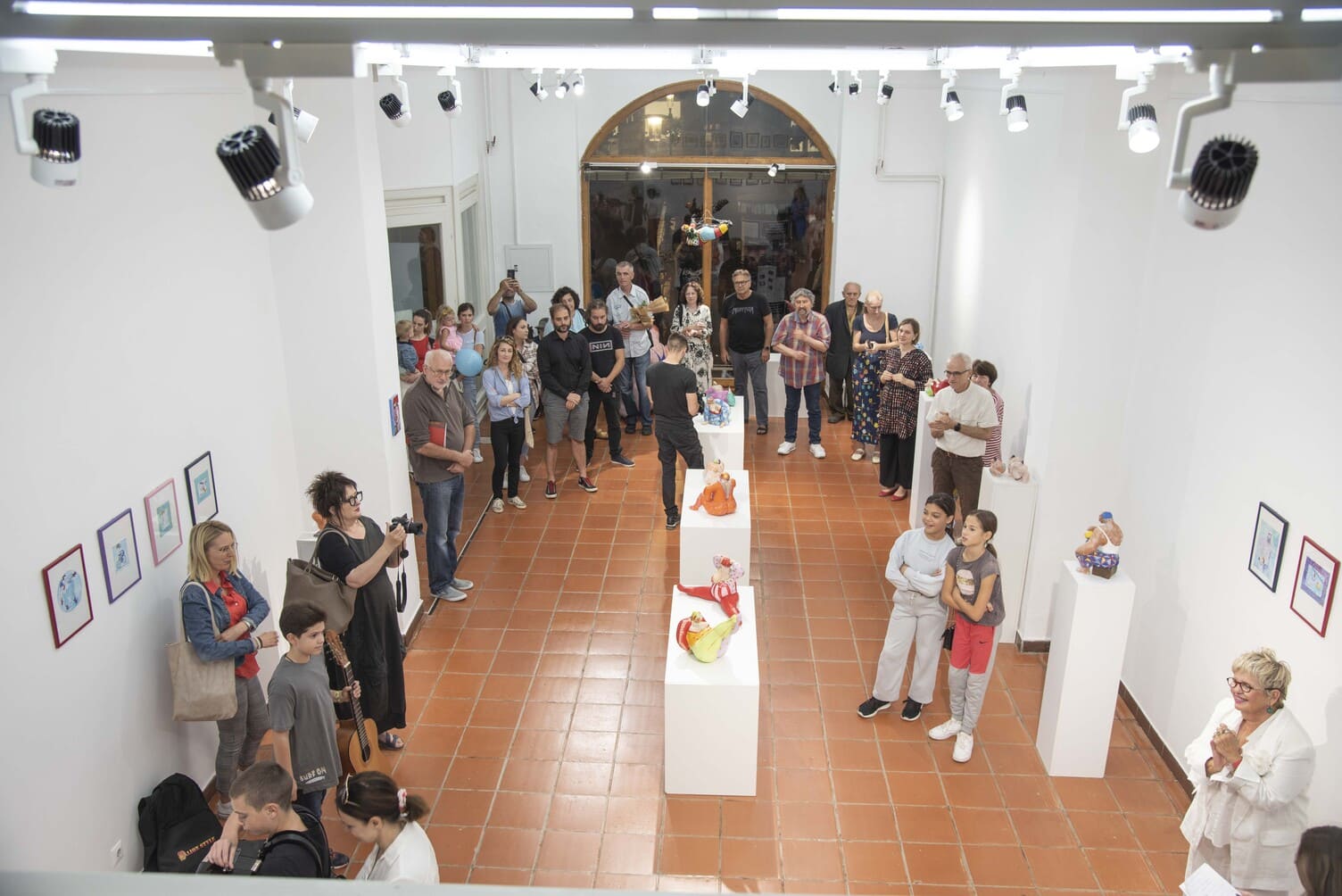
The Centre for Fine and Applied Arts – Terra also has, at its disposal, an exhibition space in the centre of Kikinda.

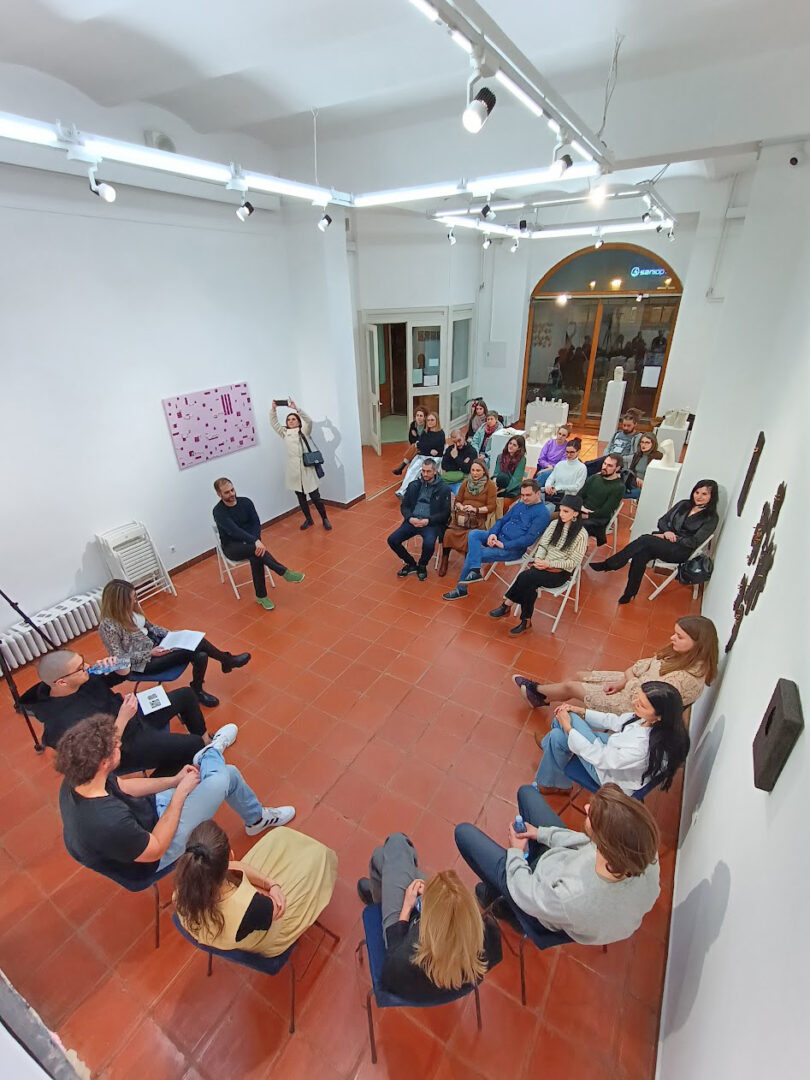
For four decades, the Terra Gallery has been an important cultural hub and the venue of many exhibitions of famous artists from the country and abroad.

This exhibition space also makes displays outside the chamber milieu possible, opening up the opportunity to exhibit sculptures in a public space, in part of the town square surrounding the Gallery. Visitors are thus given an opportunity to observe the displayed works in the best possible way.

The Terra Gallery hosts about fifteen exhibitions of eminent artists from Serbia and abroad annually, and during its forty years of existence, it hosted several hundred exhibitions. In addition to its exhibition activity, the Terra Gallery hosts a large number of forums, concerts and poetry readings.

The exhibition space of the Terra Gallery is 70 square meters.

Contact and practical information

Address
Trg Srpskih Dobrovoljaca 25
Terra Museum

Museum

Terra Museum

Ovo je prevod celokupnog teksta na engleski i rumunski jezik, sa sačuvanim formatiranjem i razmacima između odlomaka: Engleski prevod (English) By opening the "Terra"…

Museum

Terra Museum

Ovo je prevod celokupnog teksta na engleski i rumunski jezik, sa sačuvanim formatiranjem i razmacima između odlomaka: Engleski prevod (English)

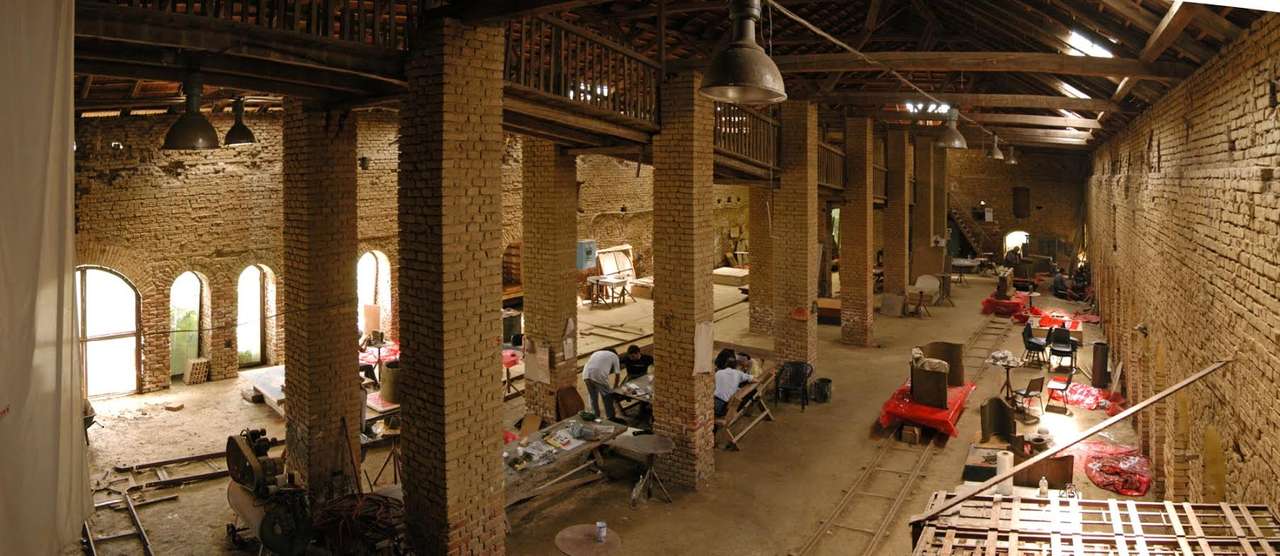
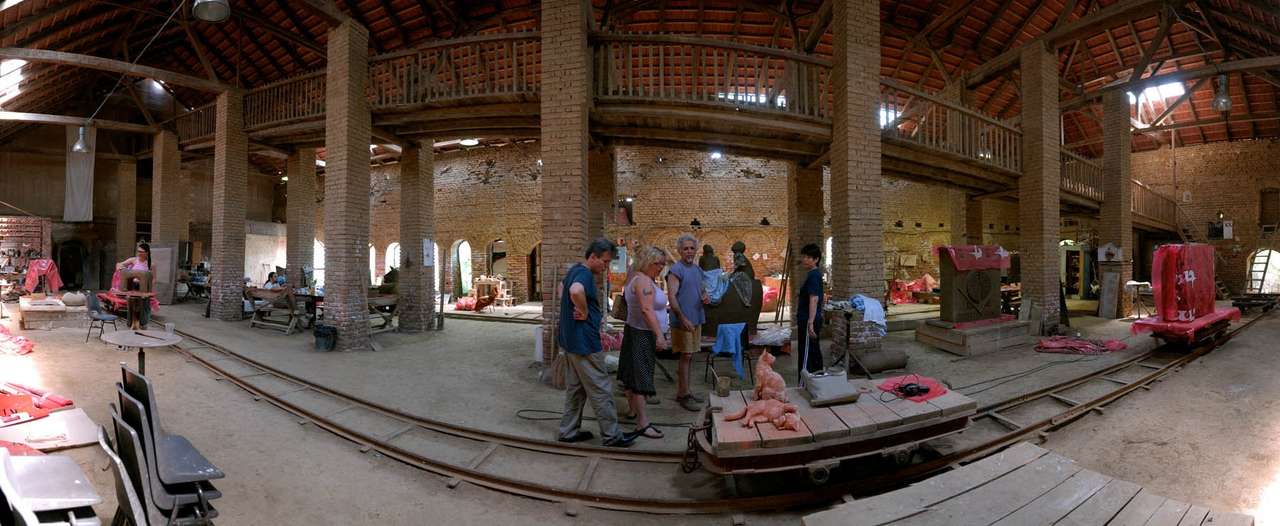
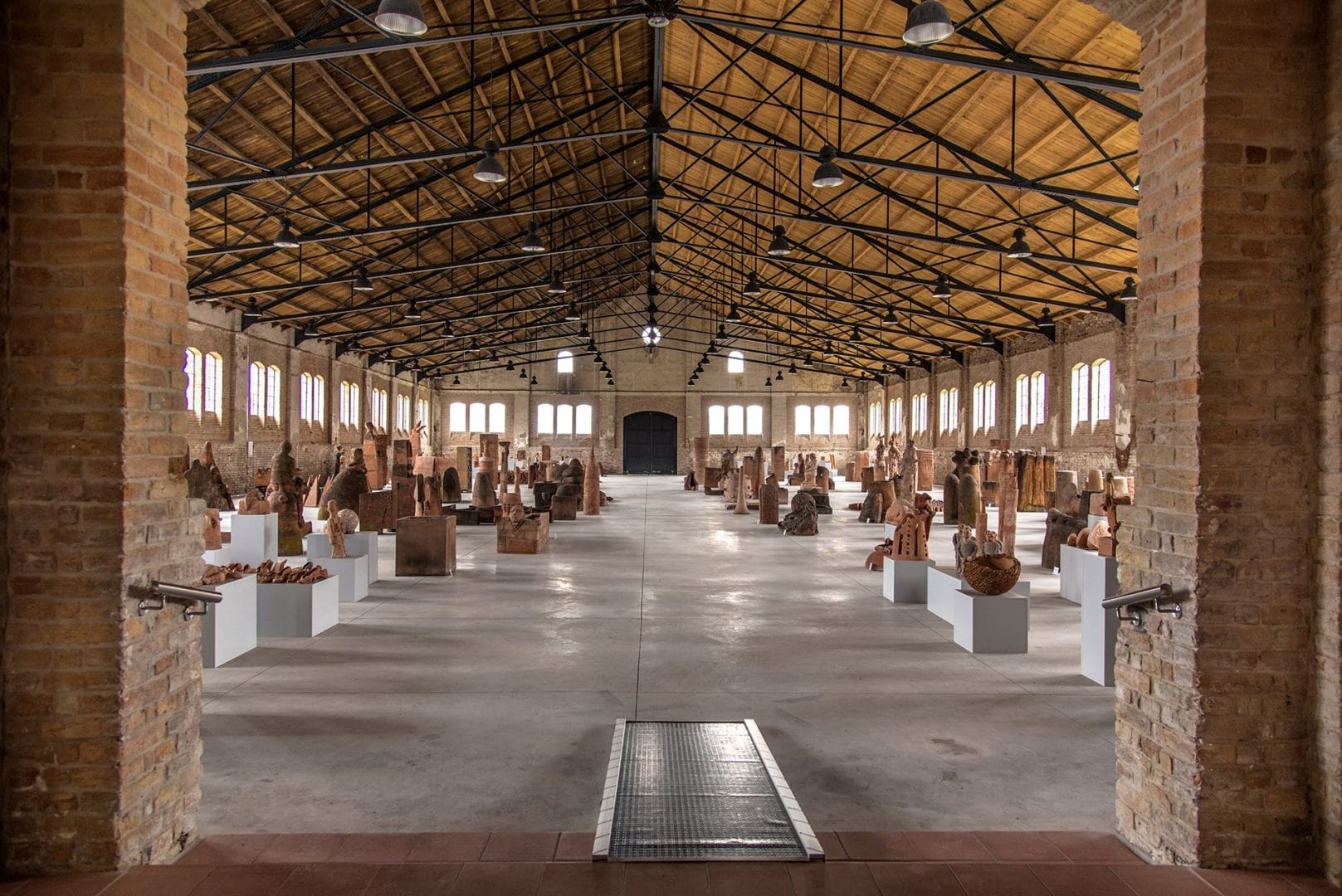
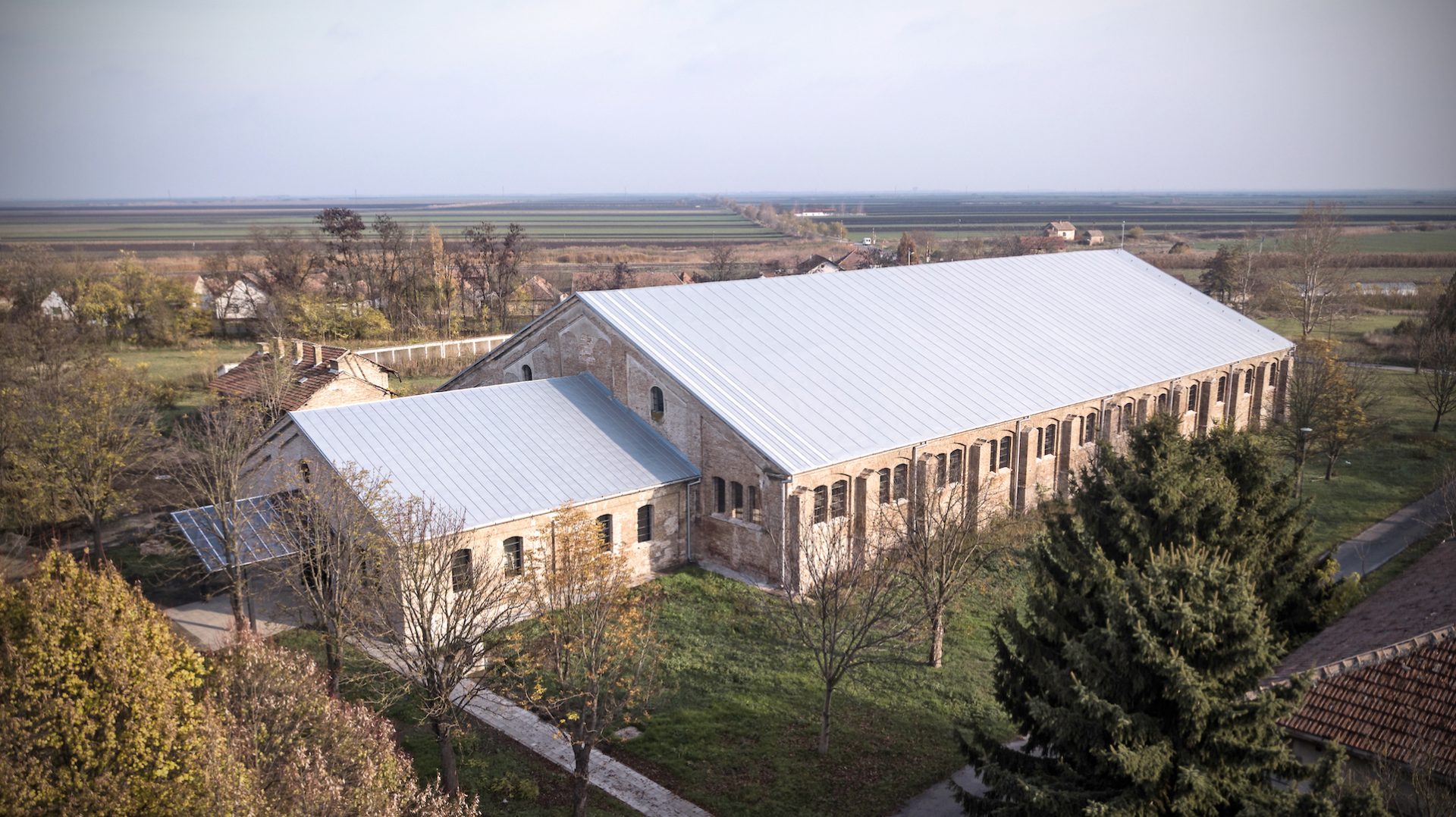
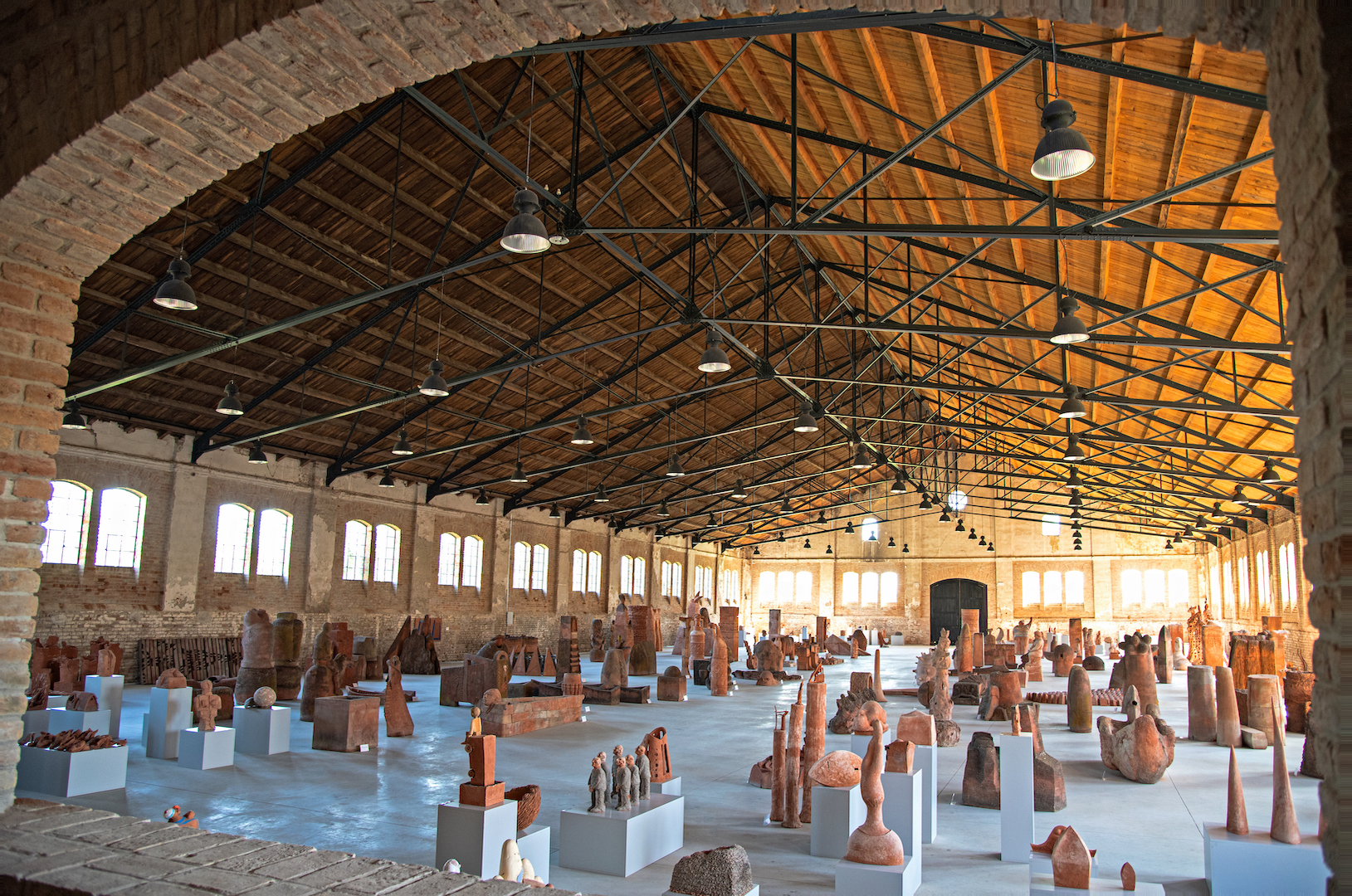
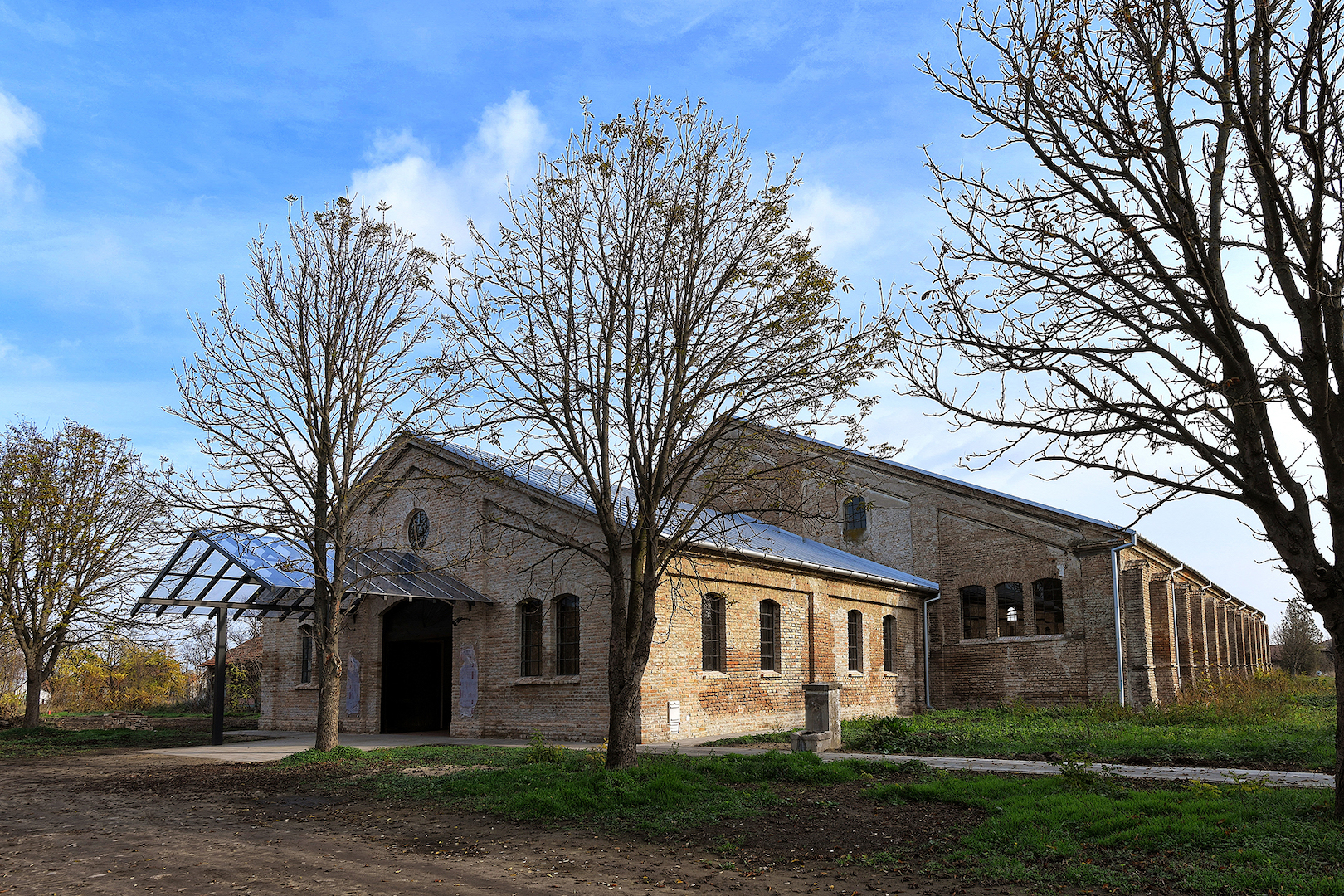
By opening the "Terra" Museum in Kikinda in December 2017 in the former riding school (manège) building of the Kikinda barracks, a decades-long wish and plan of the founders of the International Symposium of Large-scale Terracotta Sculpture "Terra" was realized—to permanently present the sculptors' works in the city where they were created. The idea of the Museum is as old as the Symposium itself, and it developed alongside the constant increase in the number of sculptures created during the traditional symposium gatherings.

In the newly opened "Terra" Museum in Kikinda, visitors to this unique institution are provided with an opportunity to gain insight into the state of sculpture at the turn of the centuries and millennia.

On the initiative of the founder of the International Symposium of Large-scale Terracotta Sculpture "Terra", professor and academic sculptor Slobodan Kojić, the Municipality of Kikinda purchased the old barracks from the Serbian Armed Forces, repurposed it, and handed it over to the "Terra" Center for the Museum. Architect Aranka Blat, specialized in the reconstruction and revitalization of old architecture, designed the project for the adaptation of the riding school building into a museum-gallery space, faithfully and consistently preserving the authentic appearance of this building. She is the recipient of the "House – Keeper of the Past" Award, granted to her by the Hungarian National Committee of the International Council on Monuments and Sites (ICOMOS) – Section for Vernacular Architecture.

Due to its significance, the riding school in Kikinda deserves protection status as an object of technical culture, as evidenced by the official opinion and recommendation of the Inter-Municipal Institute for the Protection of Cultural Monuments from Subotica.

Reconstruction works on the building began in 2012 and were financed by the Ministry of Culture and Information of the Republic of Serbia, the City of Kikinda, the Provincial Secretariat for Culture, Public Information and Relations with Religious Communities, as well as the "Communities Together" fund of the Petroleum Industry of Serbia (NIS). The complete reconstruction of the exhibition and annex space of the "Terra" Museum was completed in 2017.

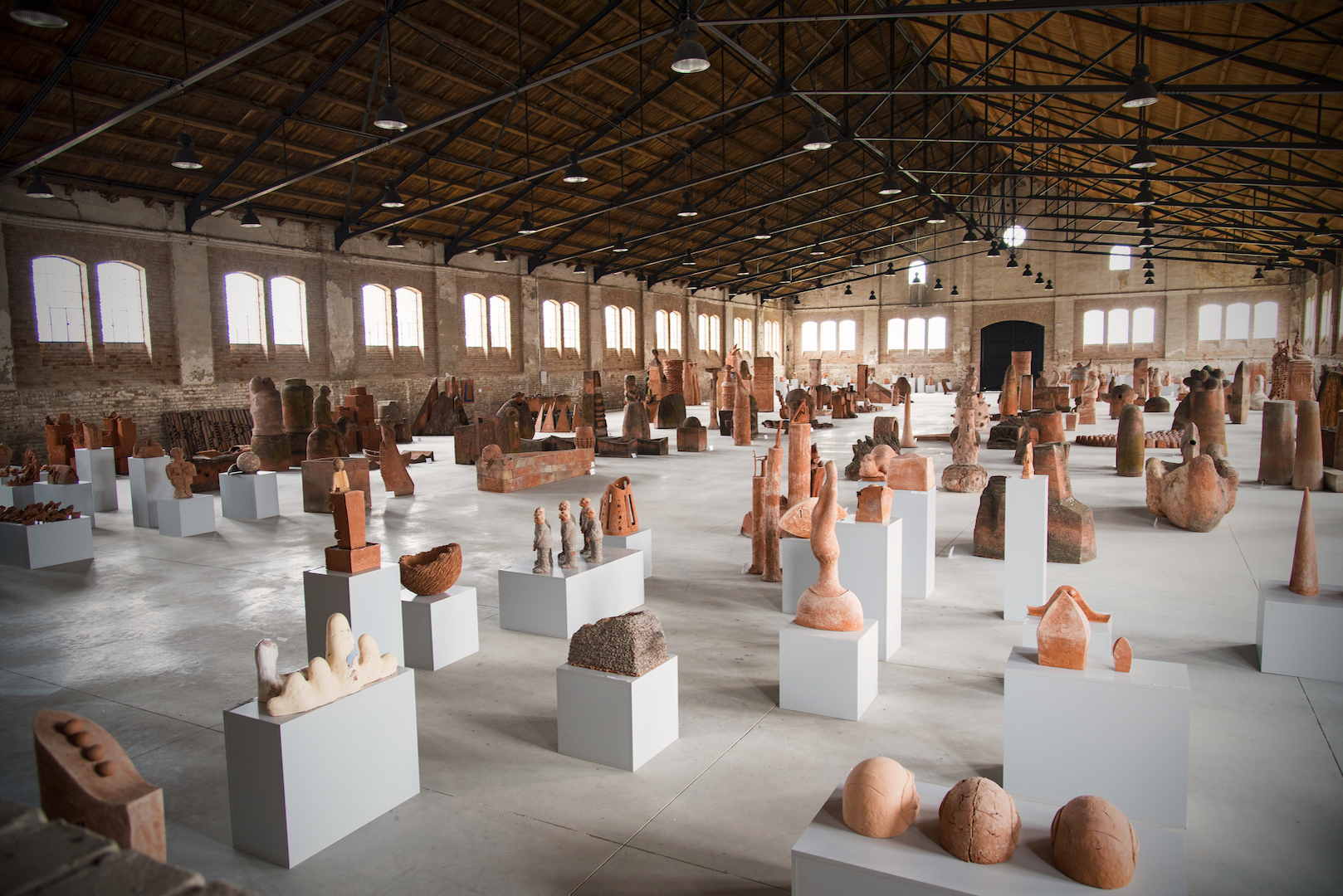
The riding school building consists of two interconnected units—the main part of the building is taller and spatially dominant compared to the annex part, which is significantly lower, conditioning the functional division of space. The complete, well-organized, architecturally attractive, and compact riding school space of about 2,100 square meters, with good natural light and adequate artificial lighting, was converted into an ideal museum space that fully corresponds to the specific characteristics of terracotta sculptures, especially given the fact that monumental-format sculptures dominate the exhibition layout of the "Terra" Museum.

The museum display of the rich collection of terracotta sculptures directly reflects its history by utilizing the extraordinary space of the riding school, where a unique and comprehensive view of the whole is possible. The display does not emphasize a chronological sequence, but provides an opportunity to observe certain changes in work and technique that occurred during the four decades of the International Sculpture Symposium "Terra". Thus, gallery-format works—grouped in the four corner spaces of the Museum—alternate with monumental and more intimate sculptures placed on pedestals or directly on the floor, without division by generations or nationalities of the sculptors, and without grouping by themes or styles. This allows for a spontaneous experience of each exhibited sculpture, creating an impression of an active space and a vibrant, working atmosphere similar to that at the "Terra" Symposium. Almost every participant in the Symposium is represented by at least one work, making it possible to showcase the very diverse poetics of Serbian, Yugoslav, and international artists dedicated to working in this noble material.

The permanent exhibition will not be frozen in time: it will occasionally be supplemented and changed, but the uniqueness of the former riding school will always be respected, as well as the diversity of ideas and realizations of the creators. (Text: Irina Subotić)

The "Terra" holding currently includes around 1,000 sculptures in terracotta technique.

By converting the barracks facility into the "Terra" Museum, a situation from the history of Vojvodina art during the 1950s and 1960s was repeated, when fortification structures and barracks rooms on the Petrovaradin Fortress were handed over to artists and adapted into painting and sculpture studios.

Contact and practical information

Address
Stevana Sremca BB
Sports Center The lake

Pool

Sports Center The lake

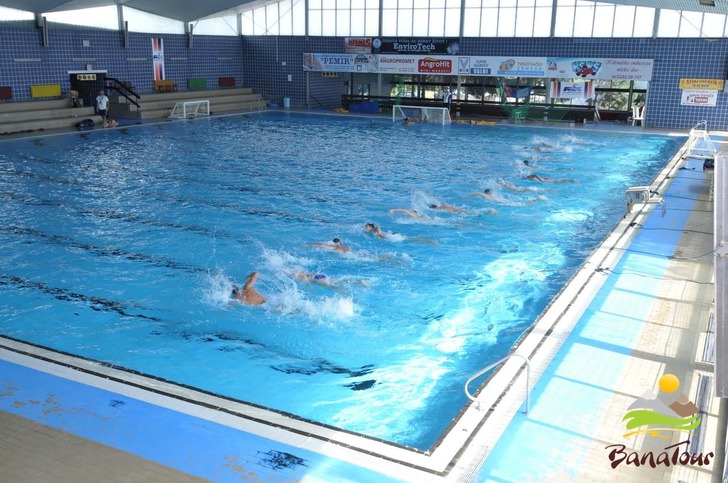
Sports Center „The lake“ is located in the north-eastern part of the city and offers great opportunities for those who need recreation and relaxation, it is ideal for…
Pool

Sports Center The lake

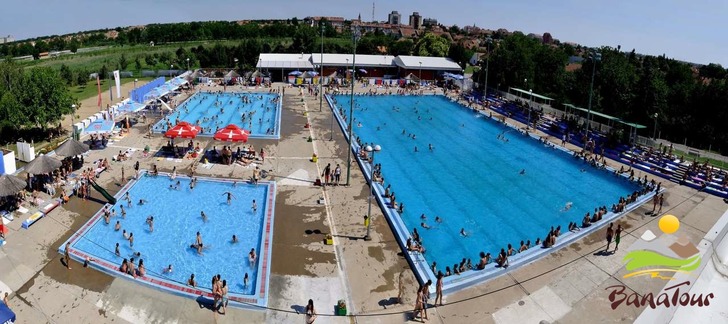
Sports Center „The lake“ is located in the north-eastern part of the city and offers great opportunities for those who need recreation and relaxation, it is ideal for the preparation and training of sports teams, young people or those who feel and like sports, recreation, walking and relaxation.Within the sports center there is a youth settlement where guests can use an indoor swimming pool and a hall with one thousand seats, a trim cabinet, a sauna, a sandbox, volleyball basketball handball courts and a complex of 6 tennis courts. Within the center there is a grassy football field. Accommodation in a youth settlement is in double triple or quadruple rooms and bungalow type. The capacity of the youth settlement is 70 beds with air-conditioned space, kitchenette with cable TV, free "wireless" internet.

Roman Catholic Church

Church

Roman Catholic Church

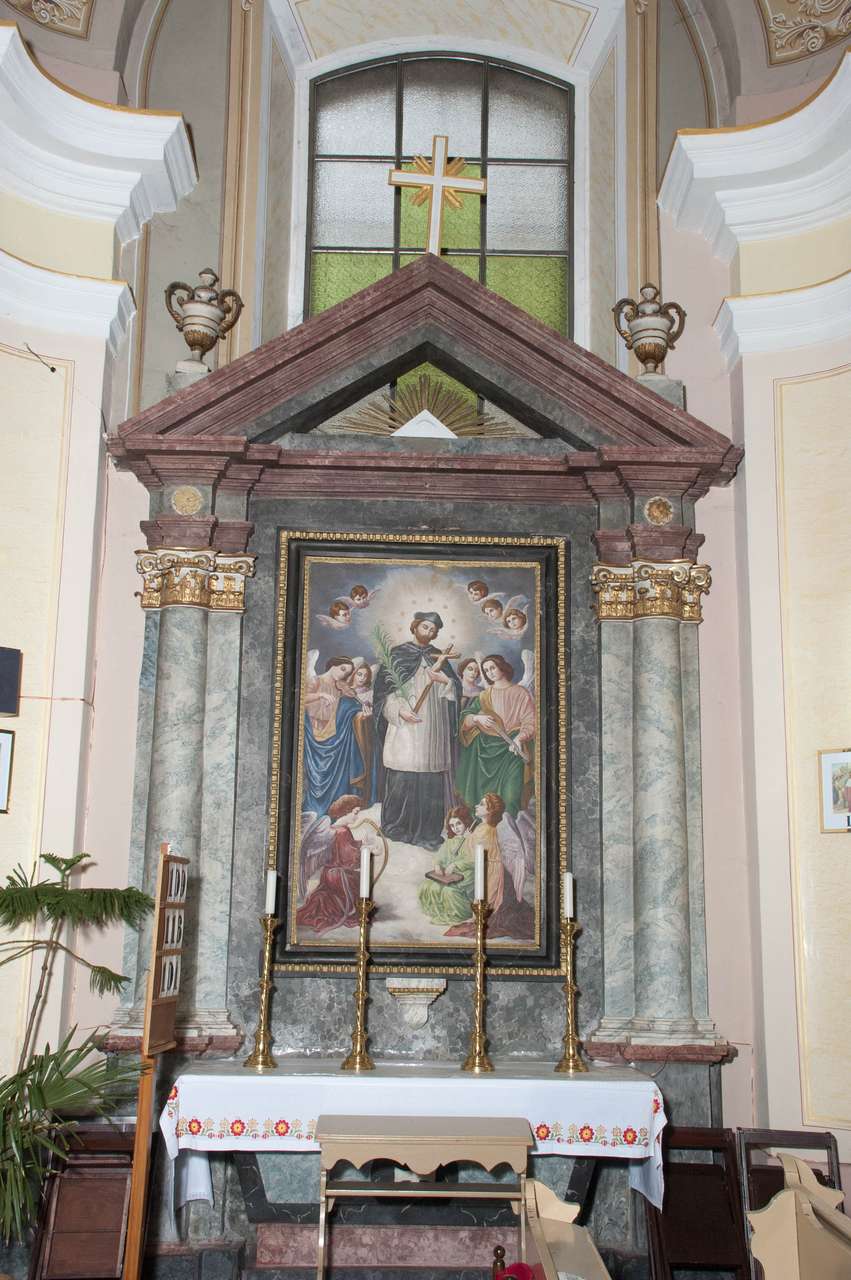
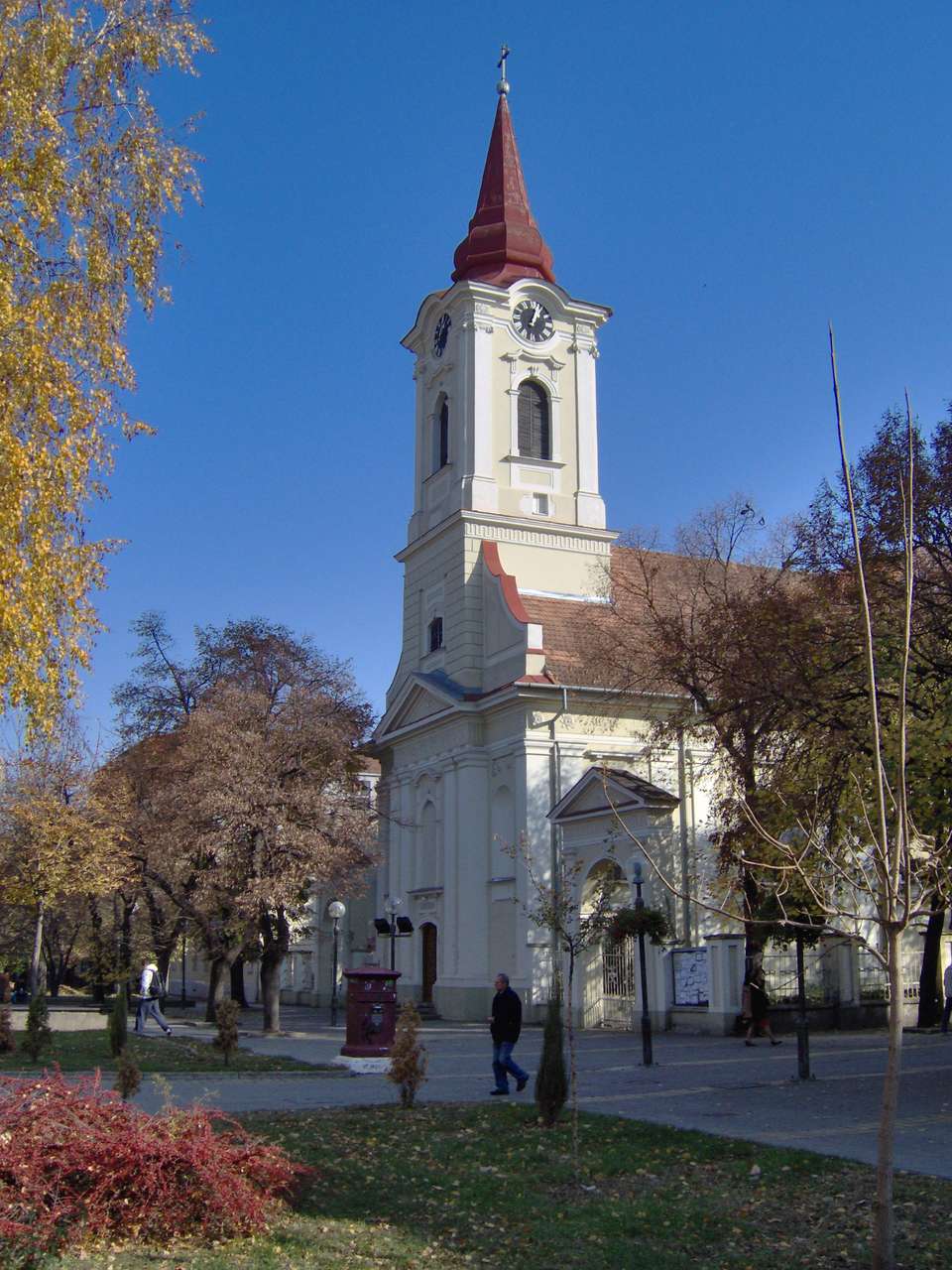
Roman Catholic Church was built in the period 1808-1811 with support of Austrian Tsar Franz I, whereas the construction of the chapel with walls made of clay in the…
Church

Roman Catholic Church

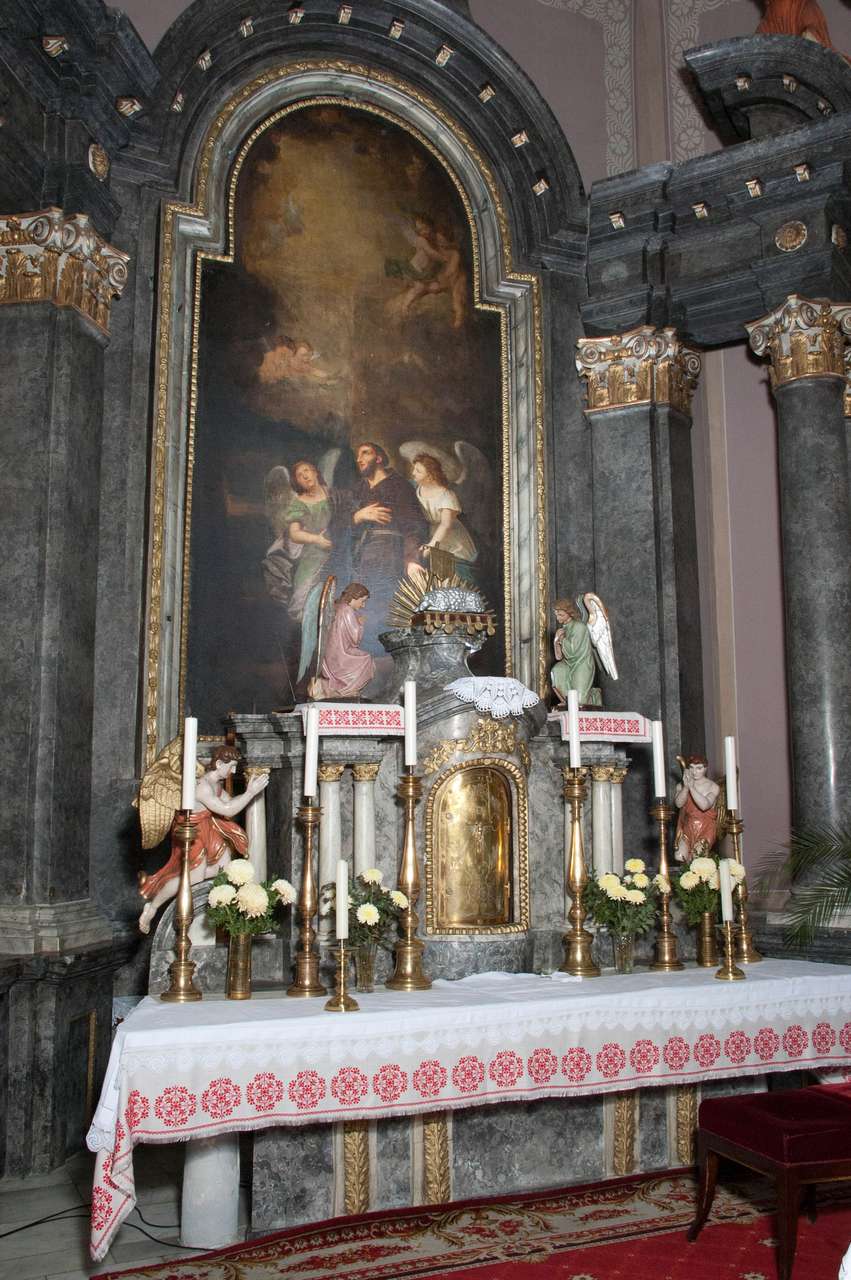
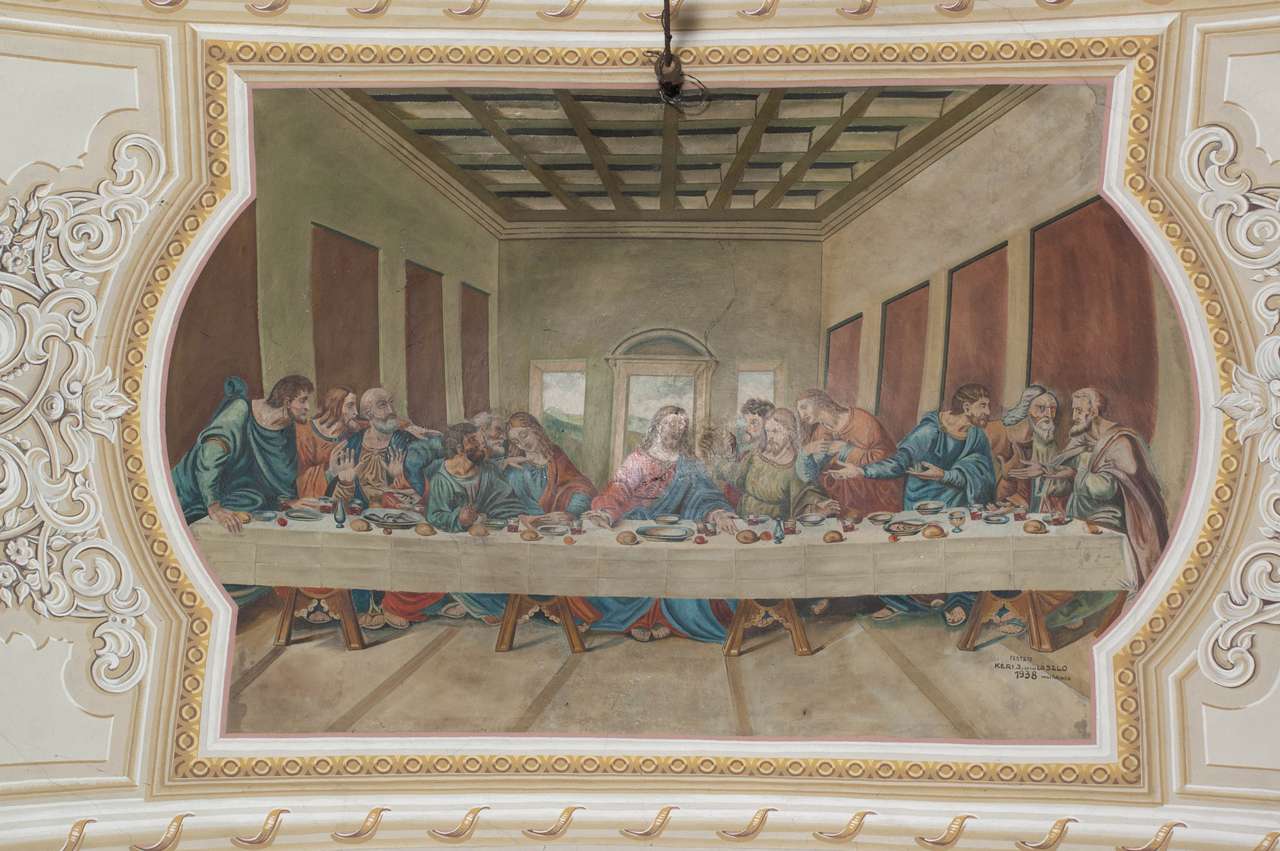
Roman Catholic Church was built in the period 1808-1811 with support of Austrian Tsar Franz I, whereas the construction of the chapel with walls made of clay in the church yard started already in 1760. The chapel was dedicated to St. Anthony. Since the first spiritual people in the church were Franciscans, next to the church a Franciscan monastery was constructed. The church was consecrated on 7th June 1812. Four church bells (in Es major) were set in 1925. White altar was made of marble from Arandjelovac, and specific charm that the church has is attributed to its organ. Four paintings depicting the events from the Gospel are the work of Keri Laszlo and sons.

Contact and practical information

Public Theatre

Culture

Public Theatre

Established as a National Amateur Theatre in 1950 and since 1992 professionally called the National Theatre - Kikinda  Activity is preparation and execution performance.…

Culture

Public Theatre

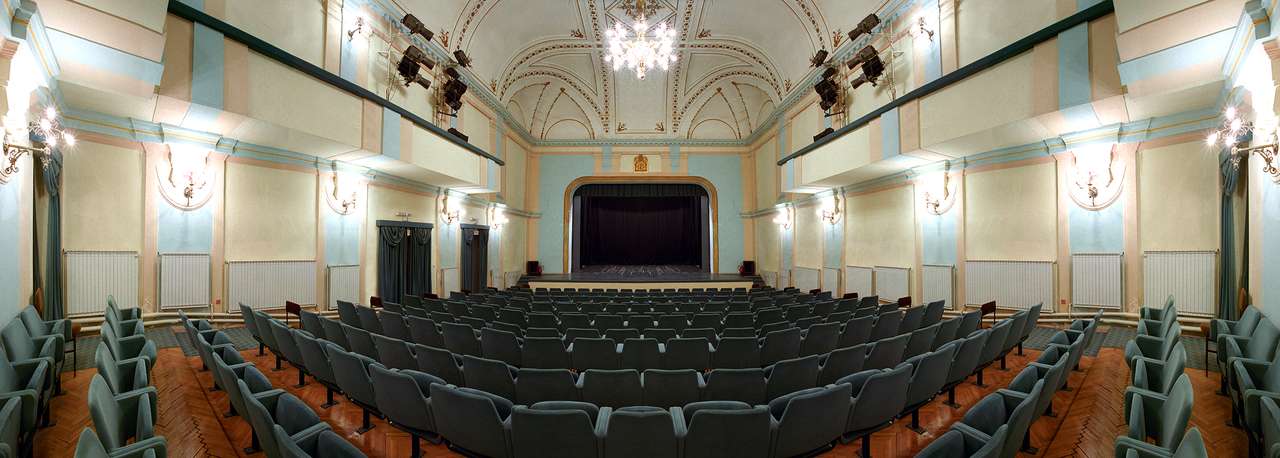
Established as a National Amateur Theatre in 1950 and since 1992 professionally called the National Theatre - Kikinda Activity is preparation and execution performance. National Theatre prepares 4-5 premieres out of about 100 performances per a season. Regular terms are Tuesday and Saturday, but we schedule shows and as needed, especially for children and youth. By the genre we are diverse Theater and we "cover" all variants of theatrical expression except experimental theater

Contact and practical information

Address
Trg srpskih dobrovoljaca 28
Orthodox Church of Holy Father Nicholas

Church

Orthodox Church of Holy Father Nicholas

According to the legend, at the spot of an old church a Serbian Orthodox Church of St. Nicholas was constructed in 1774 at the time when Kikinda was given the privileged…

Church

Orthodox Church of Holy Father Nicholas

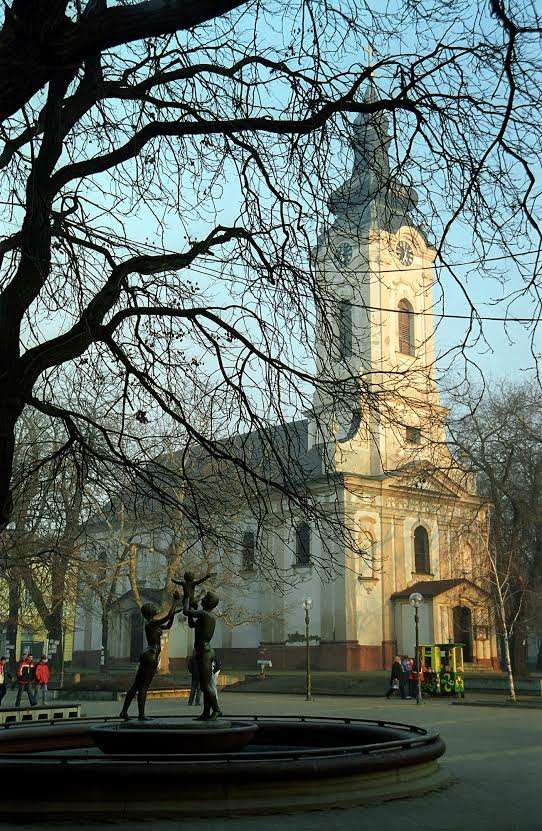
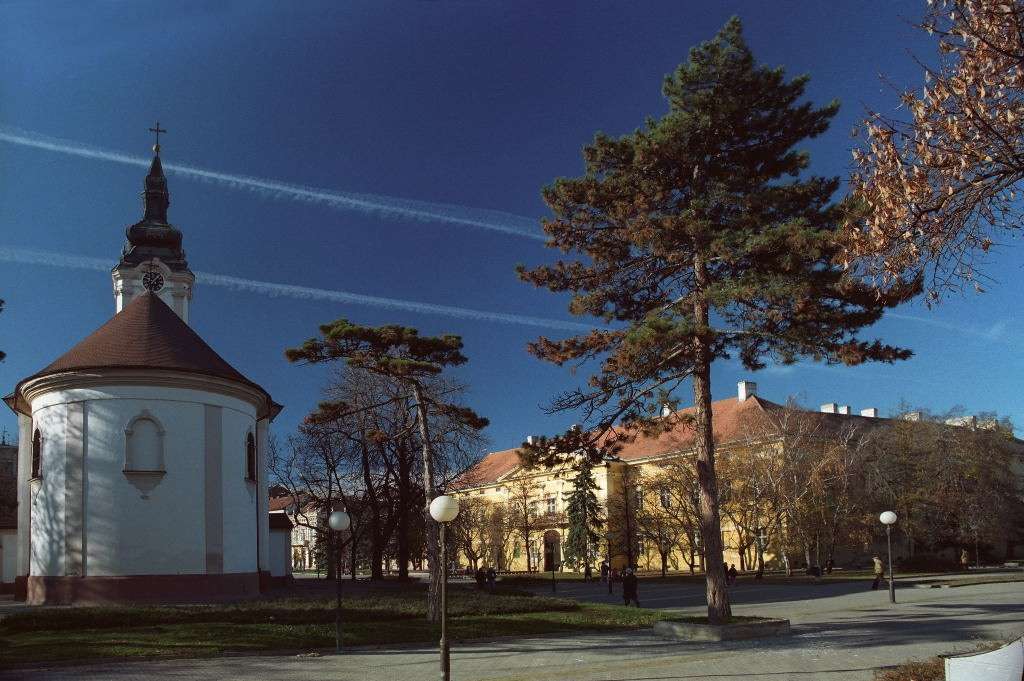
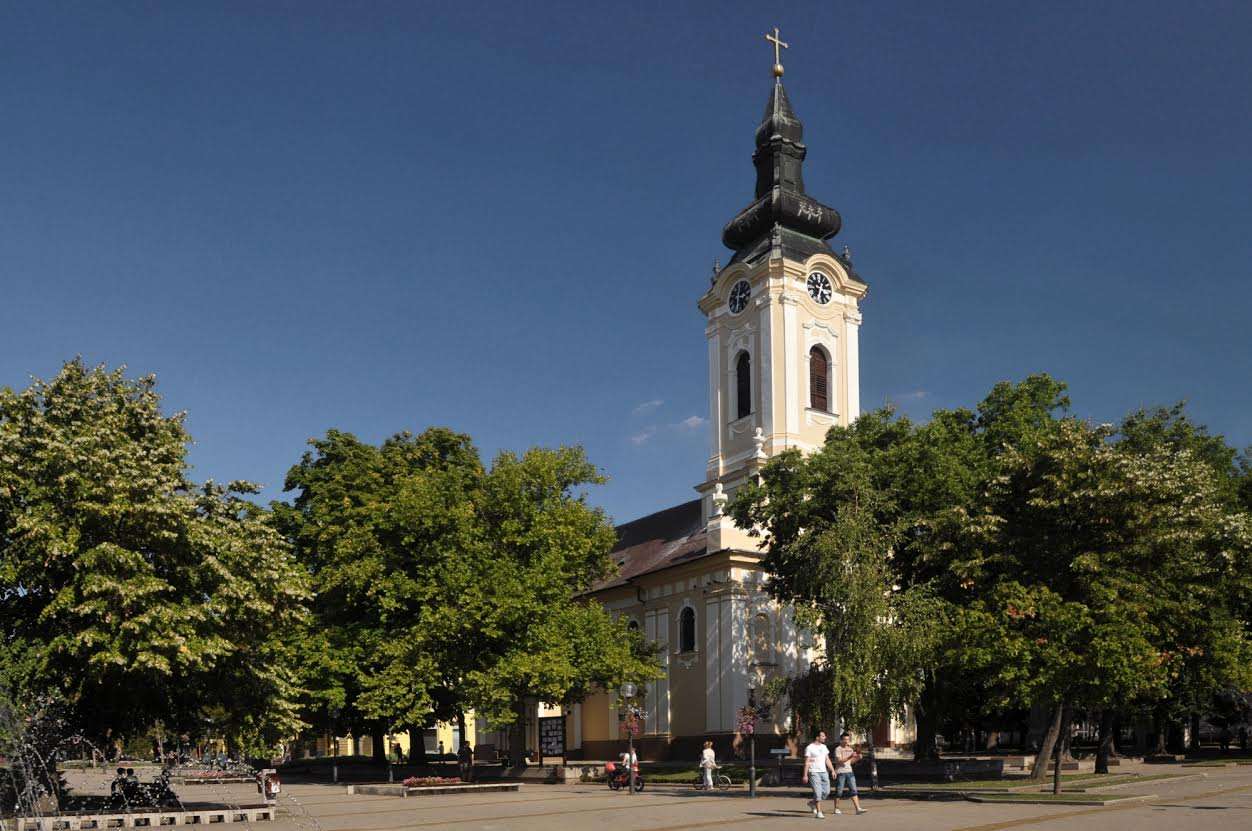
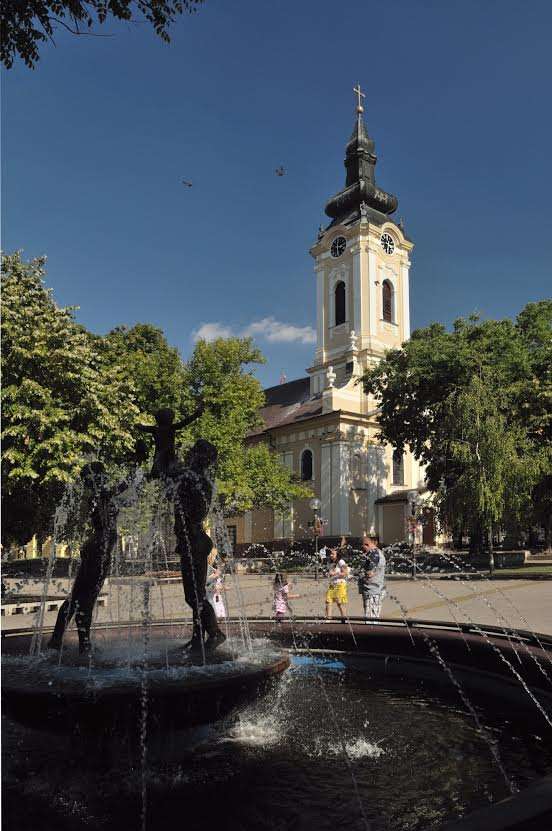
According to the legend, at the spot of an old church a Serbian Orthodox Church of St. Nicholas was constructed in 1774 at the time when Kikinda was given the privileged status of the Great Kikinda District seat. Icons The Last Supper on the north side and Ascension of God at the south were painted by Teodor Ilić Češljar in 1790. Compositions in the naos Resurrection and Transfiguration as well as Jesus and Samaritan at the Well and the Wedding at Cana Galilee were painted by Ljubomir Aleksandrovic in 1879. Iconostasis of 1773 is the work of the then young Teodor Ilić Češljar or Jakov Orfelin.

Contact and practical information

Address
Trg srpskih dobrovoljaca
Kikinda National Museum Kurija

Museum

Kikinda National Museum Kurija

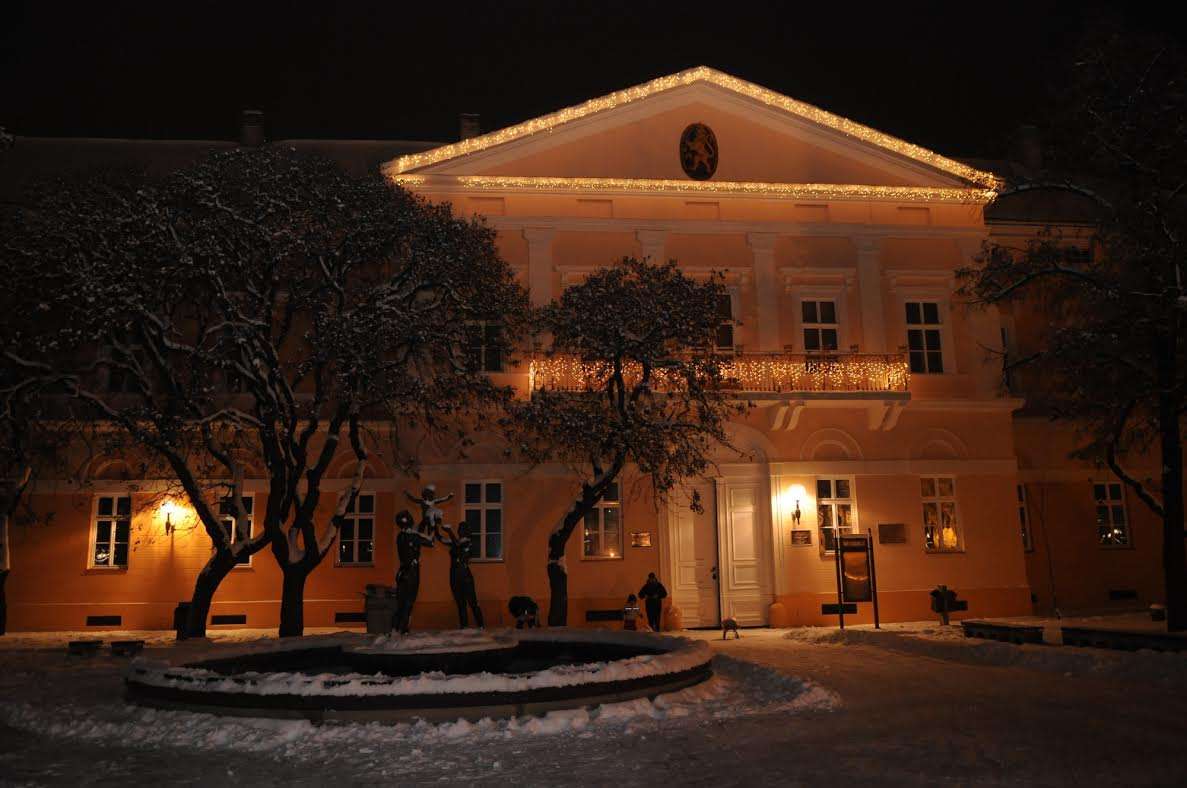
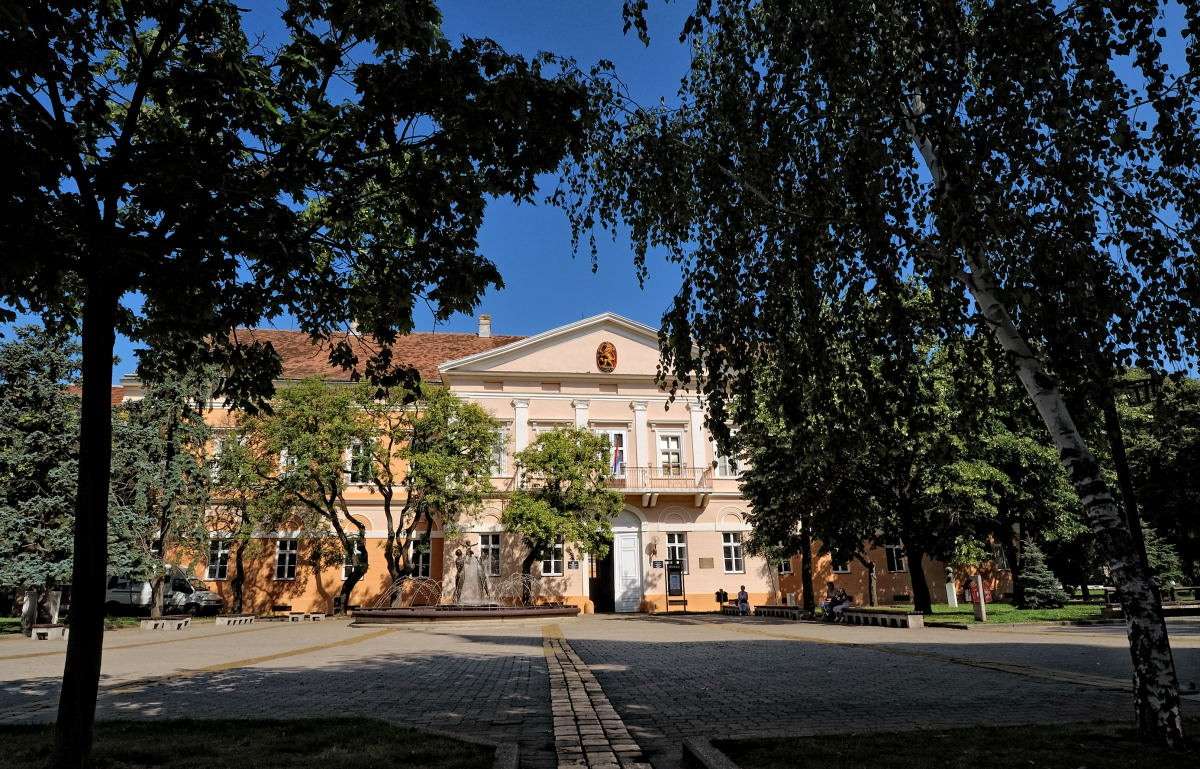
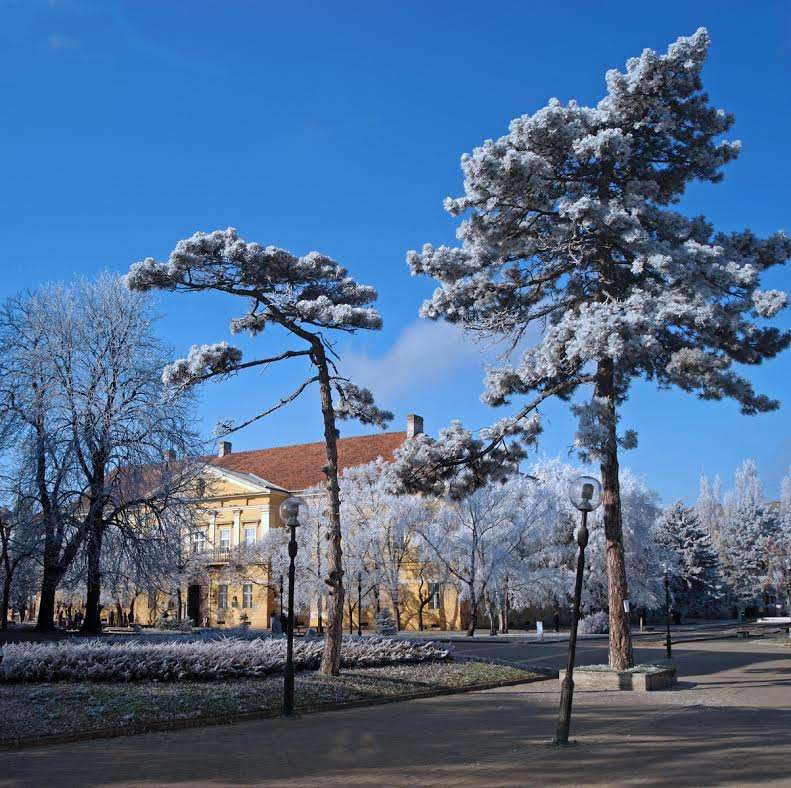
Kikinda National Museum was founded on 7th November 1946 as a museum of a complex type. It is situated in the building of former Greater-Kikinda District’s Magistrat,on…

Museum

Kikinda National Museum Kurija

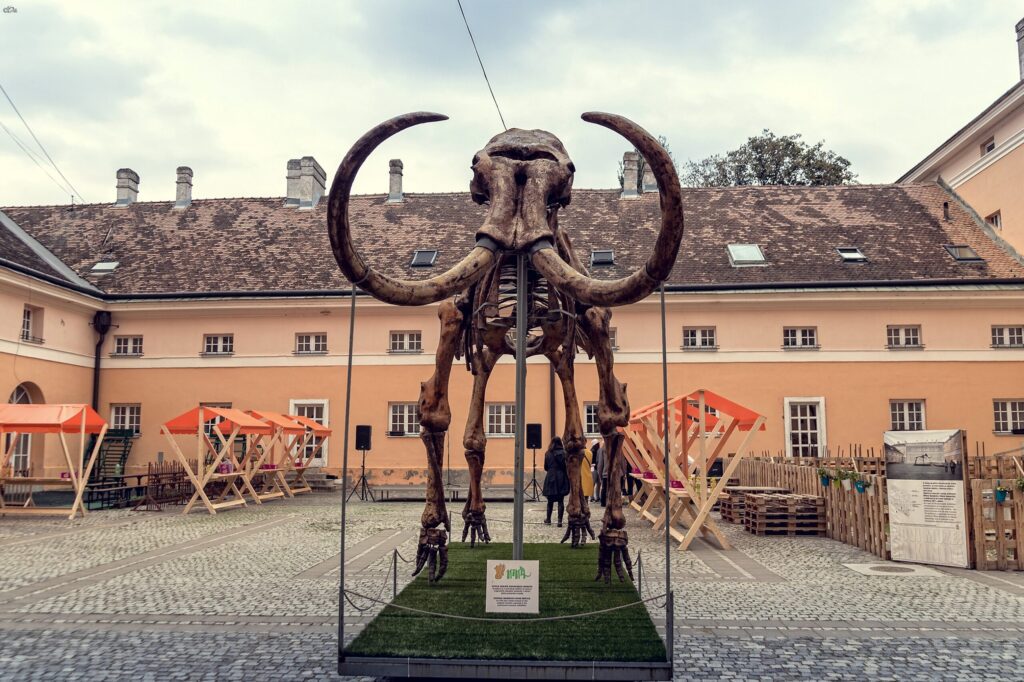
Kikinda National Museum was founded on 7th November 1946 as a museum of a complex type. It is situated in the building of former Greater-Kikinda District’s Magistrat,on 2080m². The museum has six departments: archaeological, ethnological, historical, natural and arts department with a gallery and has in total 25.000 exhibits. The activity of the Museum is restricted to the territory of the municipalities of Kikinda, Čoka and Ada. One of the best preserved original skeletons of a mammoth in Europe has been kept here since 2006. There is the first ever Serbian 3D cinema within the museum, the Club of Museum friends, a concert hall and a souvenir shop. Kurija (lat. Court room) is a monumental structure dominating the central square, once the seat of Great Kikinda District, Royal Court Table, constructed in the period 1835 – 1839 and has ever since witnessed historical, political and cultural activities in Kikinda, among which the national uprising of 1848, court process against Jovan Popović and a group of young poets in 1930, fascist shooting of hostages in 1942, imprisonment of famous public figures of the region, but also the reception for Austro-Hungarian Emperor Franz Josef and Serbian king-regent Aleksandar. An oval stone of 2 tonnes with engraved coat of arms of the District is a specific detail of this building. The Coat of arms presents a golden lion holding a sword in his right hand, and a cut off head of an Ottoman in the left one. The Curia building today hosts the Museum containing extremely rich collection of archaeological artefacts demonstrating that there was life around Kikinda area even in the period of Later Stone Age. Special attraction to visitors is the collection of portraits of the painter Nikola Aleksić. The original remains of the best preserved mammoth skeletons in Europe are kept in the Museum. It is assessed that it is the skeleton of a female, aged 64, 7 m long, 3.5 m wide, 4.5 m tall and weighing around 7 tonnes. The skeleton is 500 000 years old. Historical archives of Kikinda keeps in its treasury original charter on establishment of Great Kikinda privileged District of 12th November 1774. Academic musical society “GUSLE” set up in 1876 by Milan Petrović the editor of the first musical magazine in the Balkans ”Gudalo”. Conductors of the choirs were famous composers Josif Marinković, Robert Tolinger, Hranislav Hartl and conductors Matijas Melihar, Franta Vah i Radivoj Terzić. Important role in the society was also played by Dr. Jovan Paču, Vilhelma Fris, Toša Knežević... GUSLE arranged the first radio broadcast in Serbia in 1931. Today there are about 500 active members of the society, enthusiasts, in several ensembles – folk dance, choir etc. Their programme implies organisation of concerts, performances in other towns, festivals, studio work, ethno-musicology research, publishing, sawing of national costumes, international cooperation, and shooting ethno – movies.

Contact and practical information

Address
Trg srpskih dobrovoljaca 21
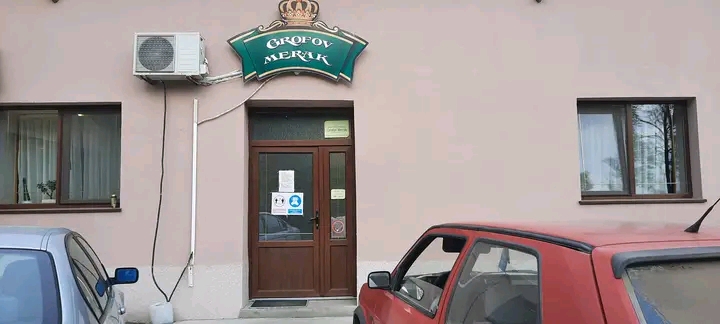
Restaurant Grofov Merak in Srpska Crnja

Restaurant

Restaurant Grofov Merak in Srpska Crnja

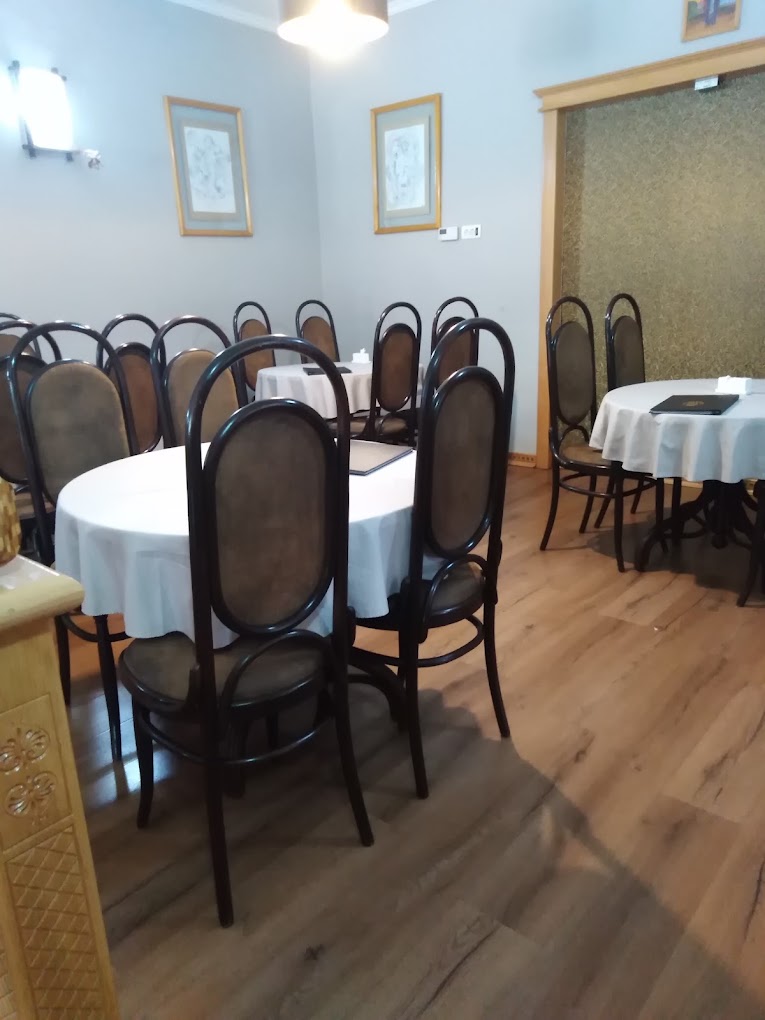
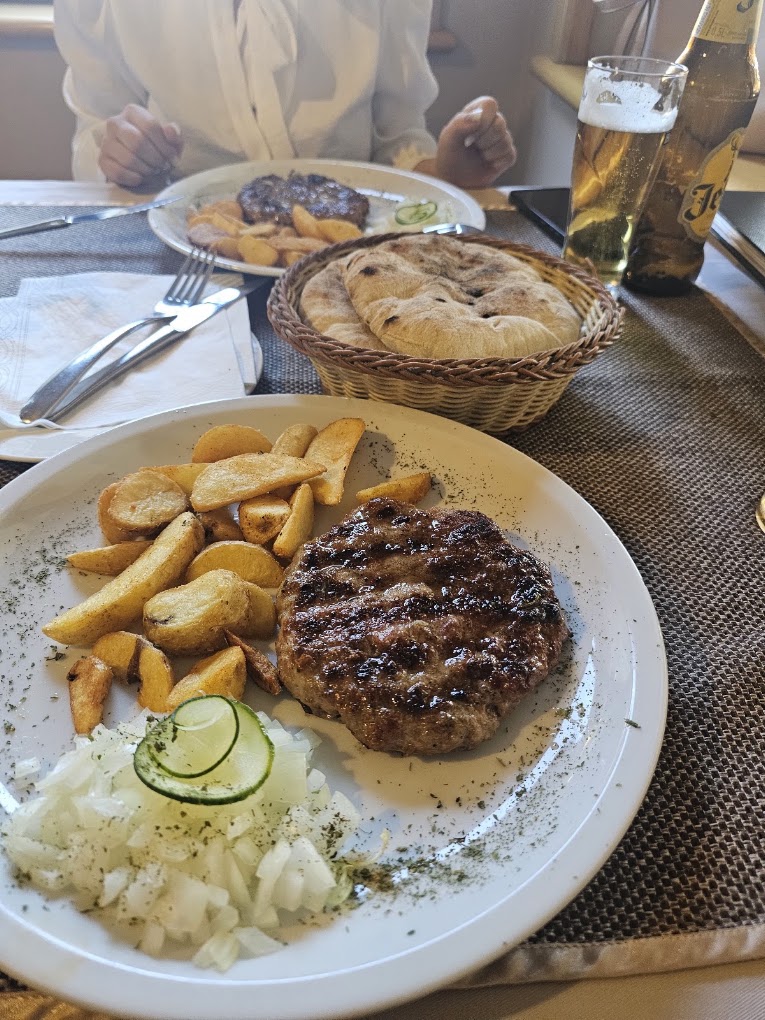
Situated in the heart of Srpska Crnja, right near the historic Nojhazen Castle, Restoran Grofov Merak blends authentic Banat character with a hearty regional menu.…
Restaurant

Restaurant Grofov Merak in Srpska Crnja

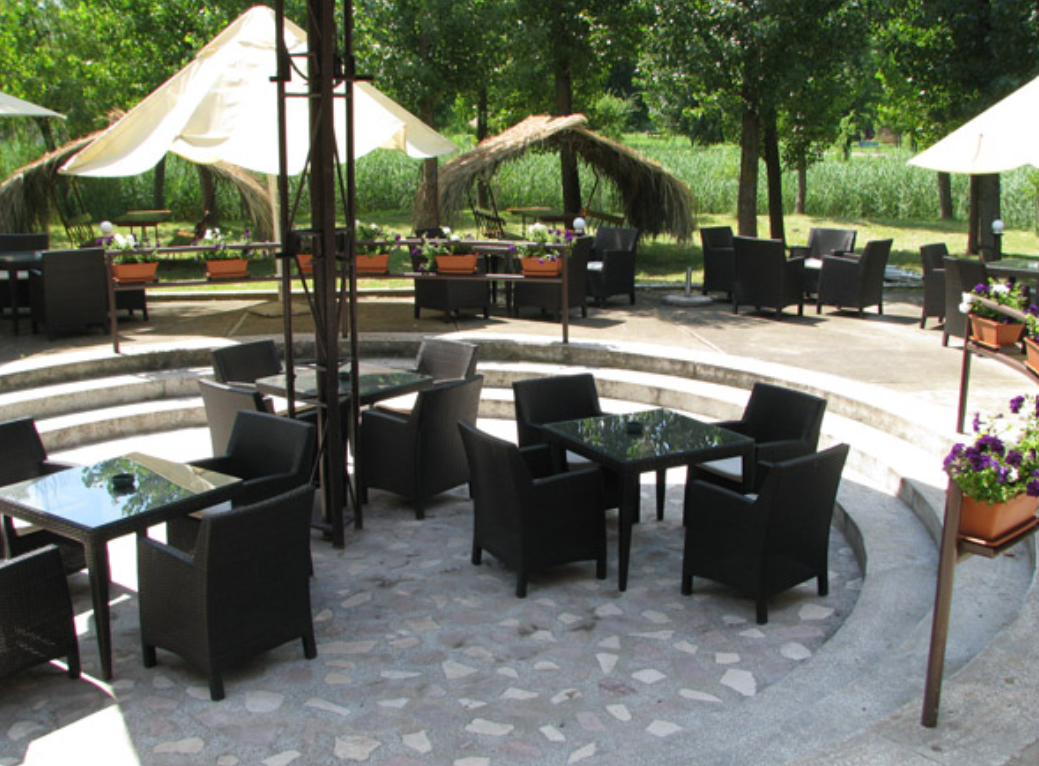
Situated in the heart of Srpska Crnja, right near the historic Nojhazen Castle, Restoran Grofov Merak blends authentic Banat character with a hearty regional menu. Renowned for its traditional grilled meats, home-cooked dishes, and warm rustic interior, it brings a welcoming touch to every visit. With its spacious shaded garden and hospitable staff, it serves as an ideal haven for cyclists looking to refuel with a full meal and a well-earned rest before continuing toward the border.

Contact and practical information

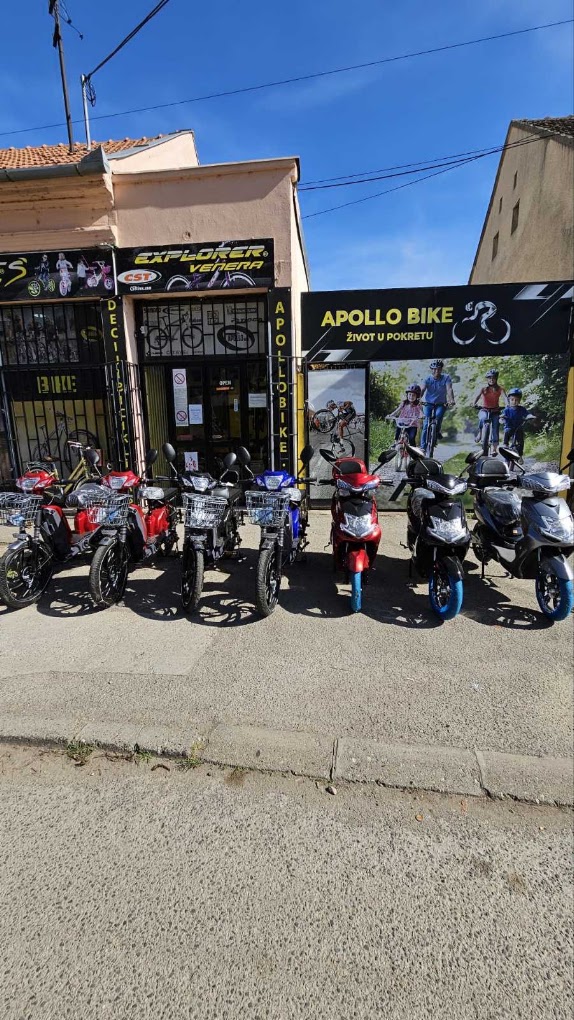
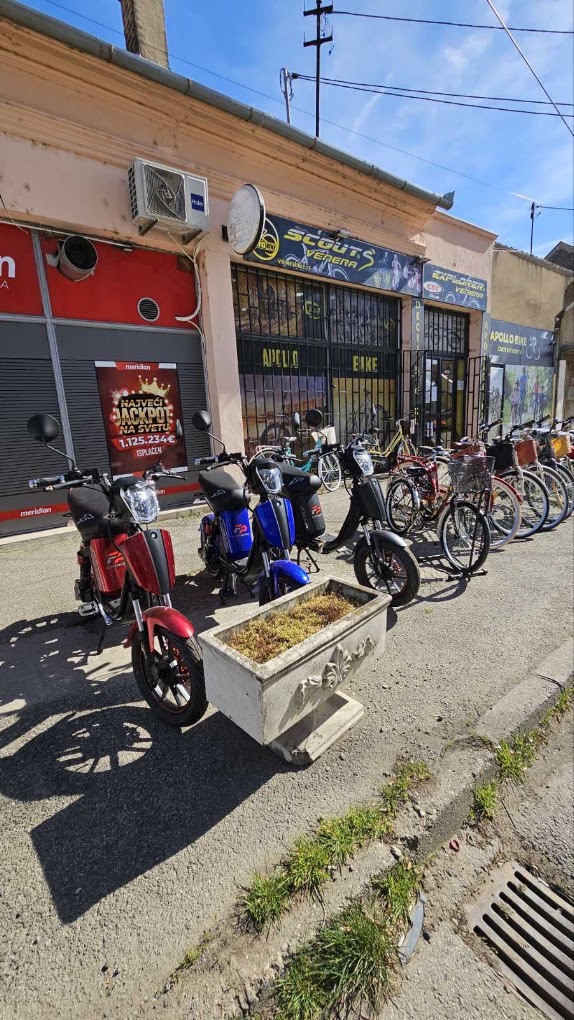
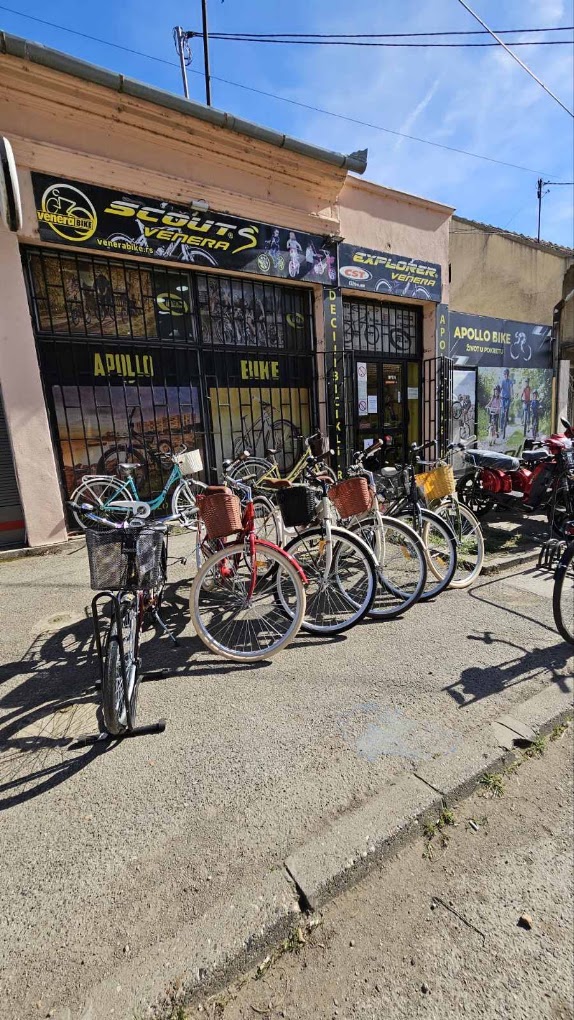
Apollo Bike

Bike Shop

Apollo Bike

Apollo Bike is a specialized bicycle shop and authorized service center located in Kikinda, offering comprehensive support for all cycling enthusiasts. Focused on…

Bike Shop

Apollo Bike

Apollo Bike is a specialized bicycle shop and authorized service center located in Kikinda, offering comprehensive support for all cycling enthusiasts. Focused on quality road, city, mountain, and electric bikes, the shop stocks an extensive range of spare parts, accessories, and riding gear. Beyond sales, Apollo Bike is renowned for its professional workshop and technical service—handling everything from quick roadside repairs and component replacements to full tune-ups. For cyclists touring through Kikinda, it serves as an essential pit stop for gear, repairs, or expert mechanical advice.

Contact and practical information

Address
Jovana Jovanovića Zmaja br. 1