Back to all routes

(Jimbolia - Timisoara)

TDB-4: Timishoara hop

This 43 km route connects Jimbolia (Žombolj) to the heart of Timișoara, leading through quiet village roads with good asphalt before joining the scenic cycle path along the Bega Canal from Sânmihaiu Român. Along the path, cyclists can enjoy pleasant rest stops, orchards, and lively local spots. Keep in mind that Romanian time is one hour ahead of Serbian time. Attention: Pay attention to the rougher 10 km asphalt section between Cărpiniș and Cenei.

Distance
51 km
Estimated duration
190 min
Surface type
Asphalt
Points of interest
27

Route map

An interactive view of this cycling route's complete path.

The interactive map is currently unavailable. The remaining route information is available on this page.

About the route

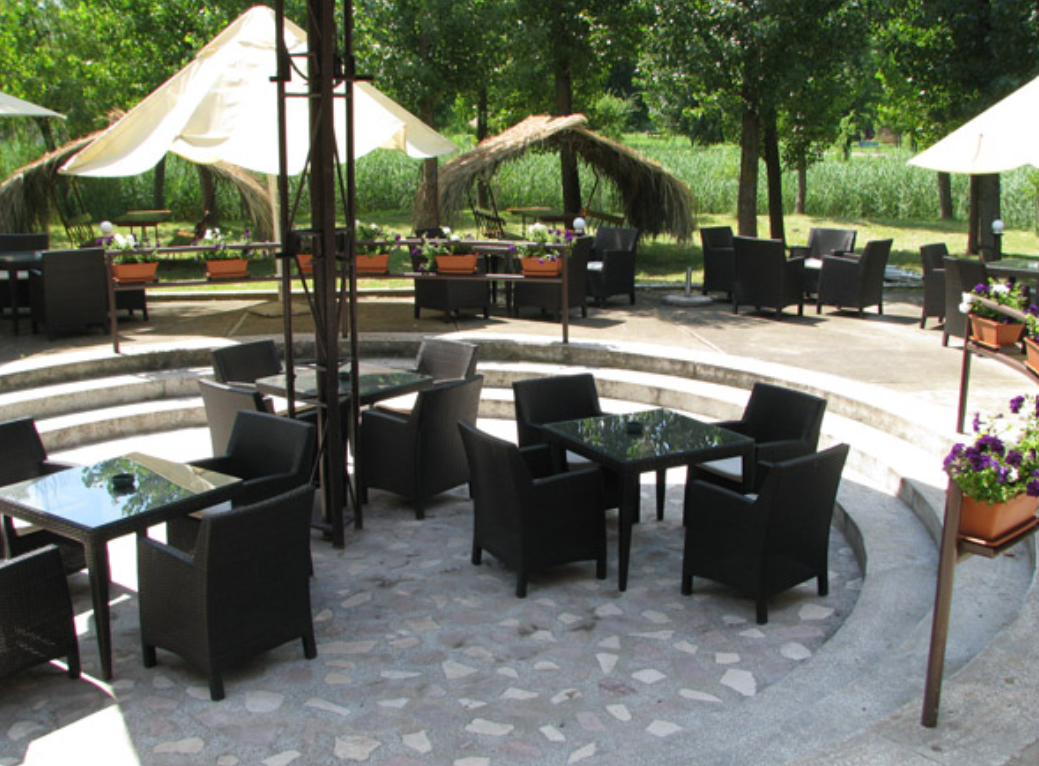
We depart from the main square in Jimbolia (Žombolj), heading along an excellent and wide road toward Timișoara. After 15 km, we turn right in the village of Cărpiniș onto a quiet road to Cenei (Čenei). Cărpiniș offers a supermarket and a small tavern serving home-style cooked meals. The asphalt to Cenei (10 km) is worse, with plenty of patches and cracks, but acceptable for riding. There is a larger shop in this village. When we turn east in Cenei toward Bobda, we will once again hit a quiet road with excellent asphalt, and it will stay that way all the way to the small town of Sânmihaiu Român, where we join the cycle path that leads us along the Bega River toward Timișoara, 11 km away. Riding along this path is certainly one of the finest experiences in the TdB network. The surroundings are lovely, the many cyclists you meet contribute to a festive atmosphere, and there are very pleasant places along the path for rest and refreshment. (We recommend turning right upon joining the path—instead of left toward Timișoara—and going to a restaurant located 1 km away in an orchard below the embankment; you will recognize it by the crowd of bikes parked outside. Another nice spot is about 3 km down the path toward Timișoara, in front of the bridge crossing to the right bank of the Bega: a tavern-restaurant where seating is on straw bales.) The path will take us to the heart of Timișoara. Our route ends at Trajan Bridge (Podul Traian), but exploring this wonderful city on two wheels is just beginning. To start, we recommend simply continuing along the cycle path along the Bega to the old hydroelectric plant 4 km away. Afterward, you can return via the cycle path on the other (northern) side of the canal, passing through several beautiful parks.

Points of interest
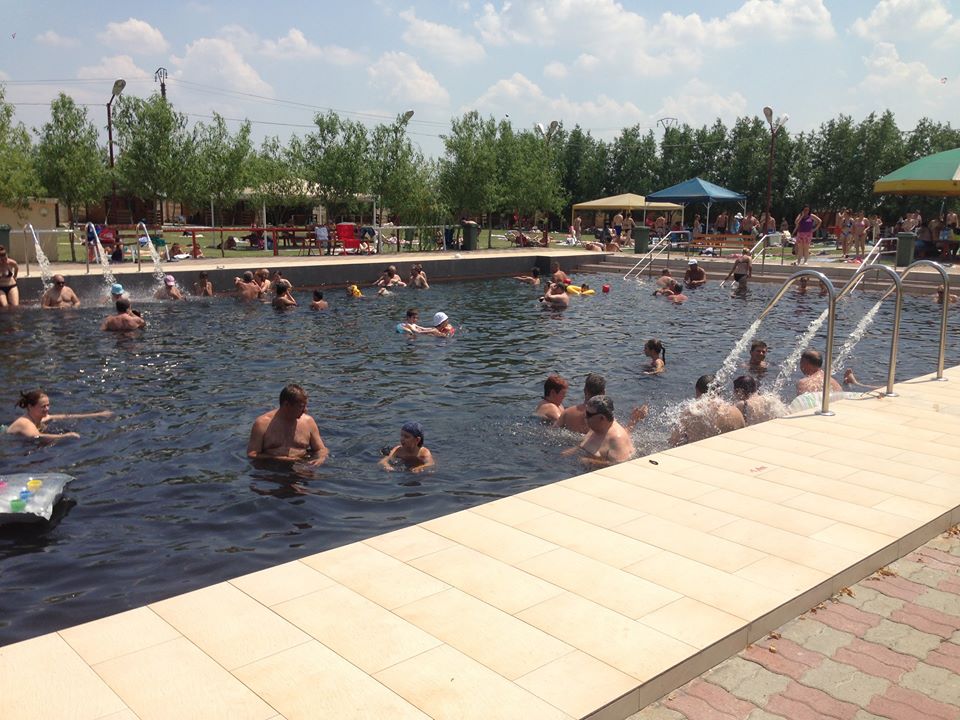
The Thermal Swimming Pool Compound Sânmihaiu Roman

Pool

The Thermal Swimming Pool Compound Sânmihaiu Roman

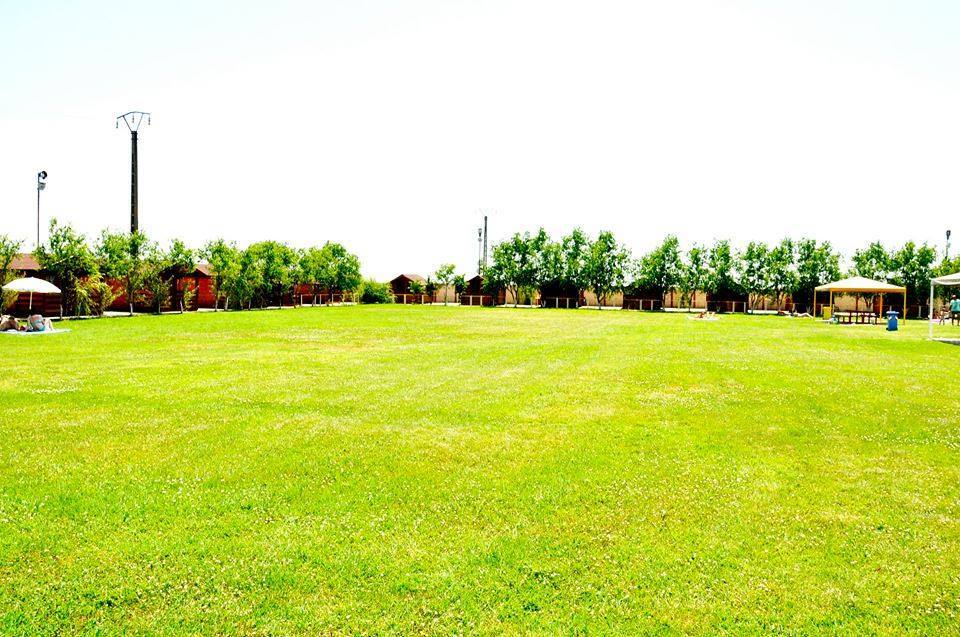
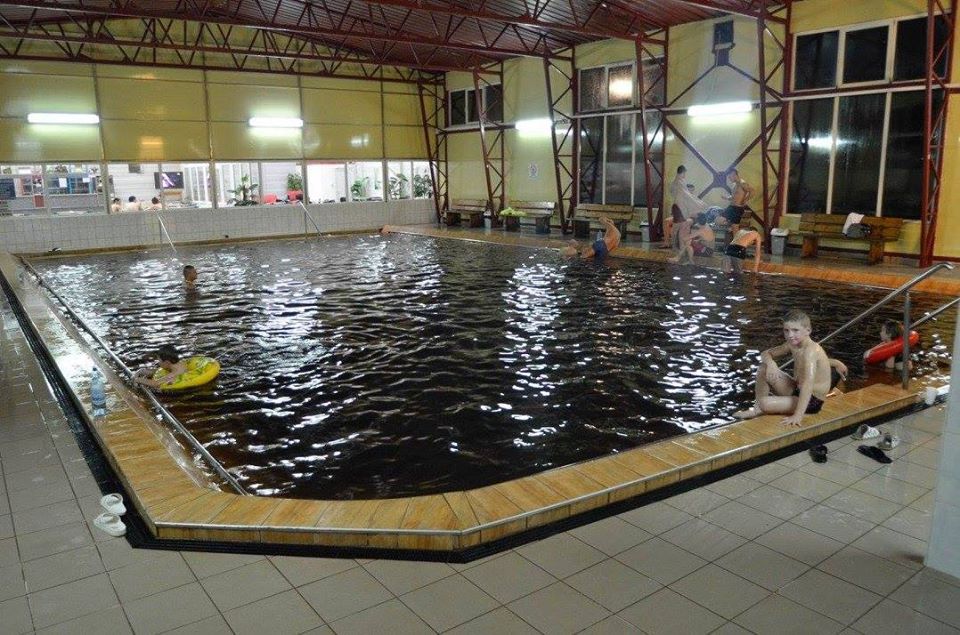
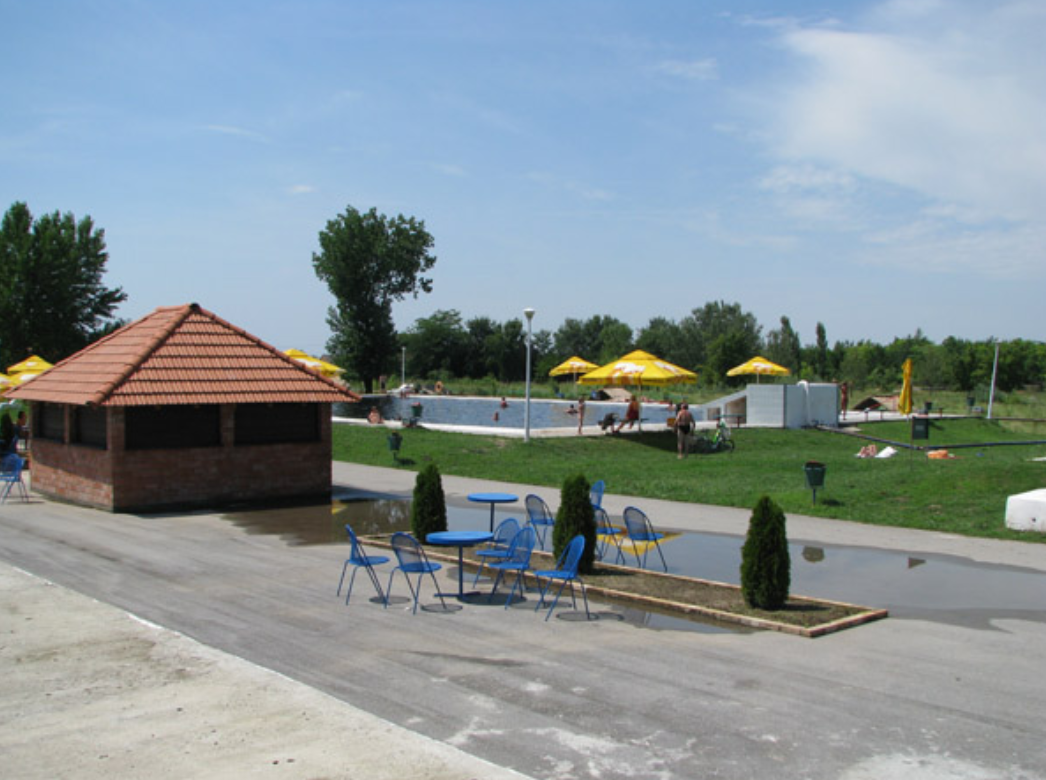
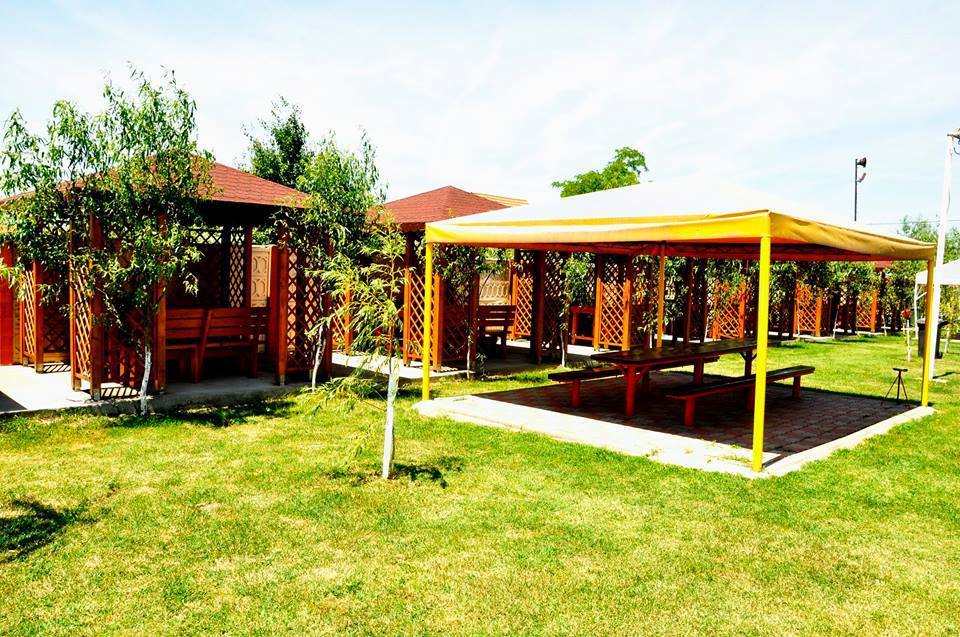
It offers services of accommodations, restaurant, massage, camping place, thermal water swimming pools, with water at 36 degrees, which can be visited in any season.

  • Sanmihaiu German, Jud. Timis, Romania
Pool

The Thermal Swimming Pool Compound Sânmihaiu Roman

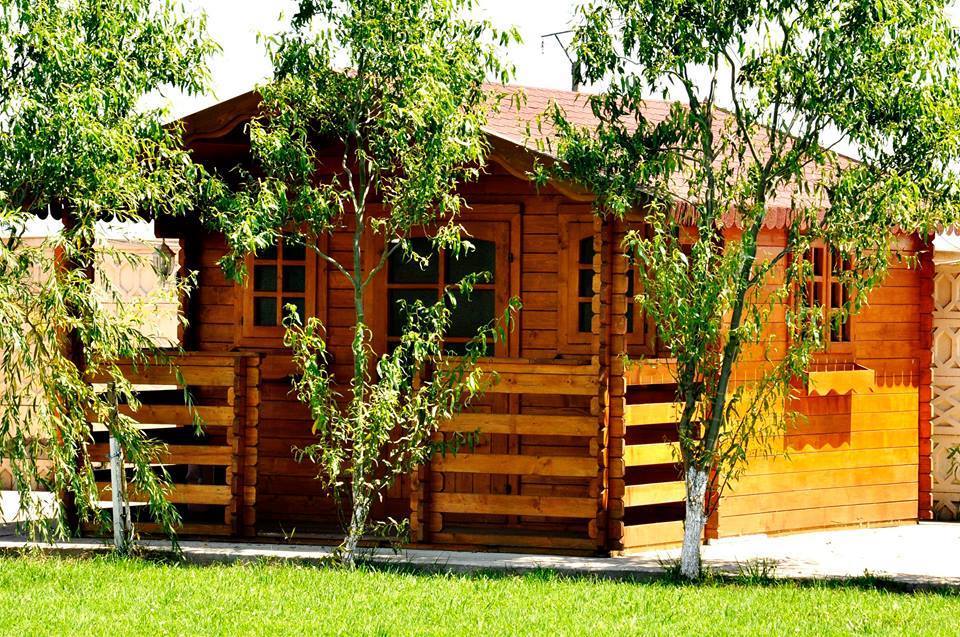
It offers services of accommodations, restaurant, massage, camping place, thermal water swimming pools, with water at 36 degrees, which can be visited in any season.

Contact and practical information

Address
Sanmihaiu German, Jud. Timis, Romania
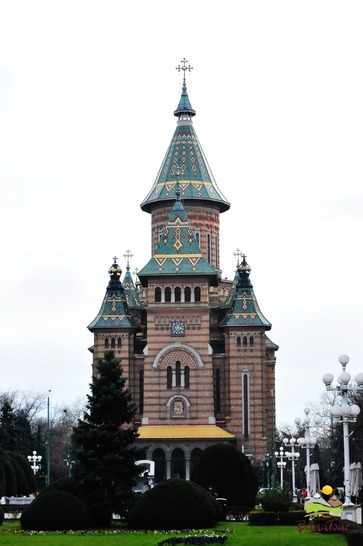
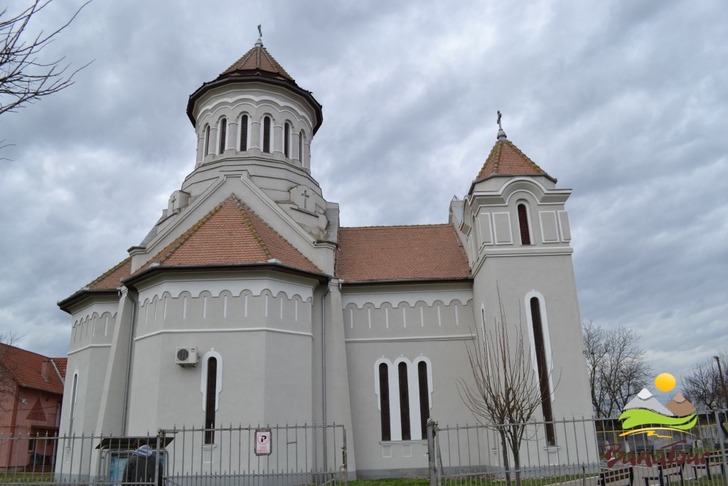
Timișoara Metropolitan Cathedral

Church

Timișoara Metropolitan Cathedral

Also known under the name „Saints Three Hierarchs” Orthodox Cathedral, the church was built during 1936-1946, according to the plans of architect Ion Traianescu. Because…

  • No.1, Regele Ferdinand I Blv.

Church

Timișoara Metropolitan Cathedral

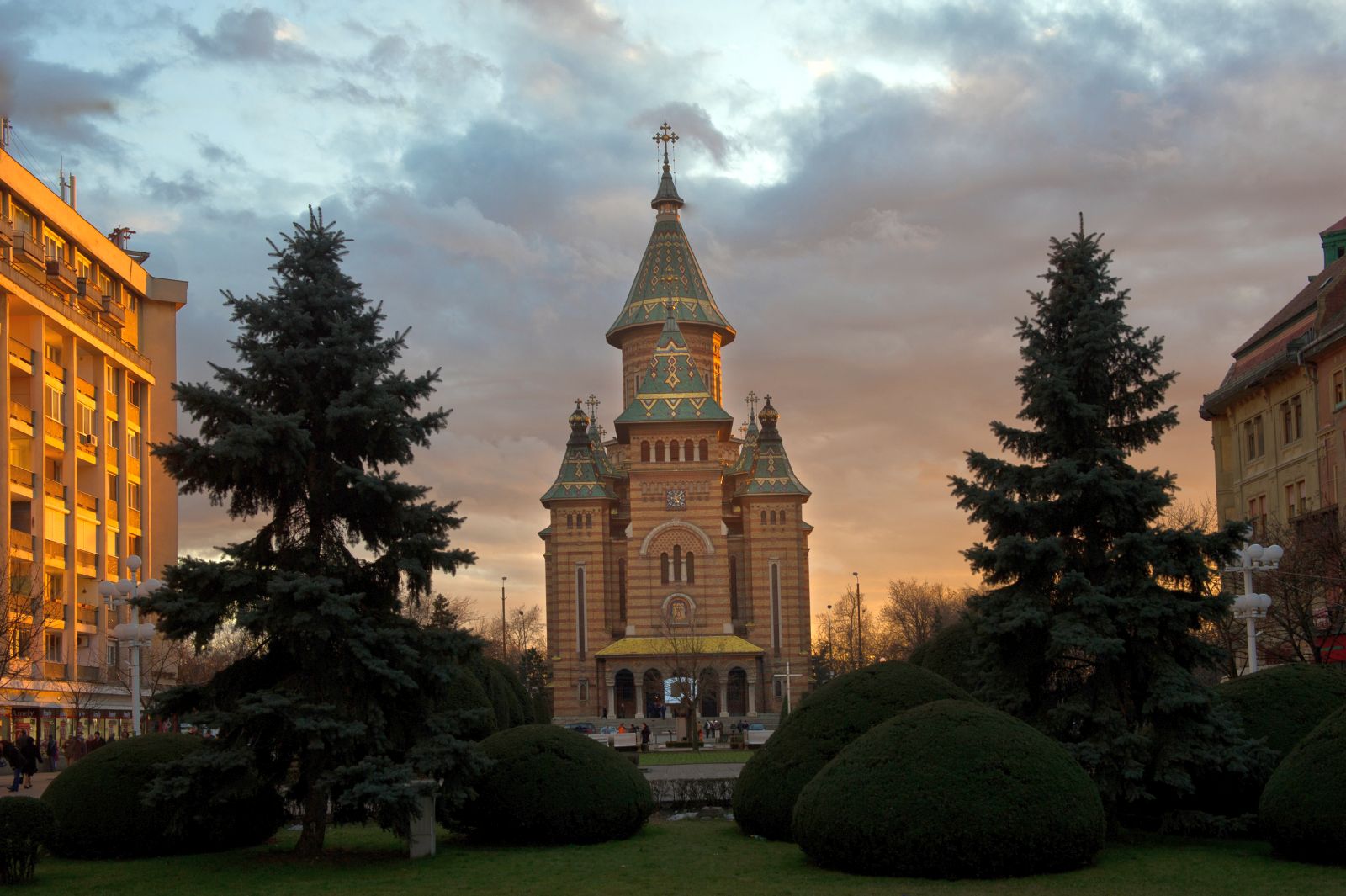
Also known under the name „Saints Three Hierarchs” Orthodox Cathedral, the church was built during 1936-1946, according to the plans of architect Ion Traianescu. Because of the swampy soil, the foundation is supported by 1000 pillars made of reinforced concrete and stuck at a depth of 20 meters. Even though the church was inaugurated in 1946, with the presence of King Mihai I, the finishing work of the interior and exterior paintings by painter Atanasie Demian were done only in 1956 – a delay caused by the second world war. The construction is a combination of two architectural styles, the Romanian style with Moldavian influences and the Byzantine style. Due to its dimensions of 63 meters long and 32 meters wide ( 11 towers – the highest of 83,7 meters), the church is one of the highest churches in Romania. The seven bells of the cathedral are very impressive. They are made of an alloy of metals brought from Indonesia and they weigh over 7 tones. The acoustic harmonization of the bells was made by the well known composer, Sabin Dragoi. Their unique sound can be heard in the whole town. On the basement of the cathedral, there is The Museum Collection of Old Ecclesiastical Art of The Metropolitan of Banat. The impressive collection has 3000 ecclesiastical books, over 800 icons on glass and wood and over 130 ecclesiastical objects. The part of the basement oriented towards the altar hosts the necropolis of the Metropolitans of Banat.

Contact and practical information

Address
No.1, Regele Ferdinand I Blv.
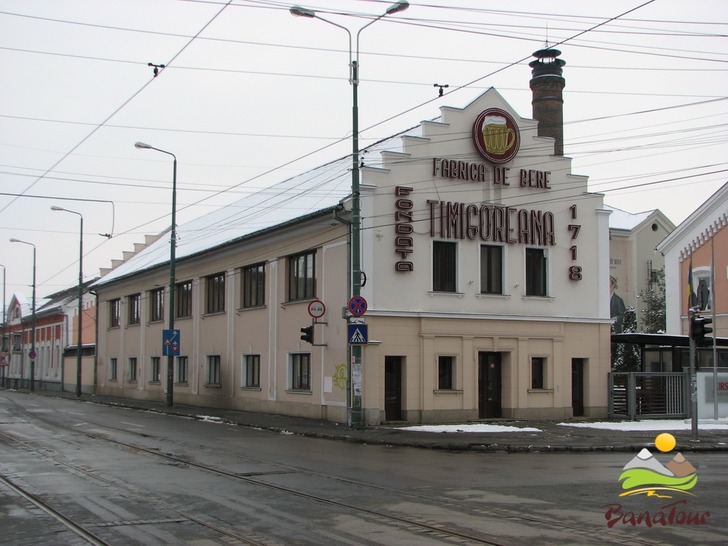
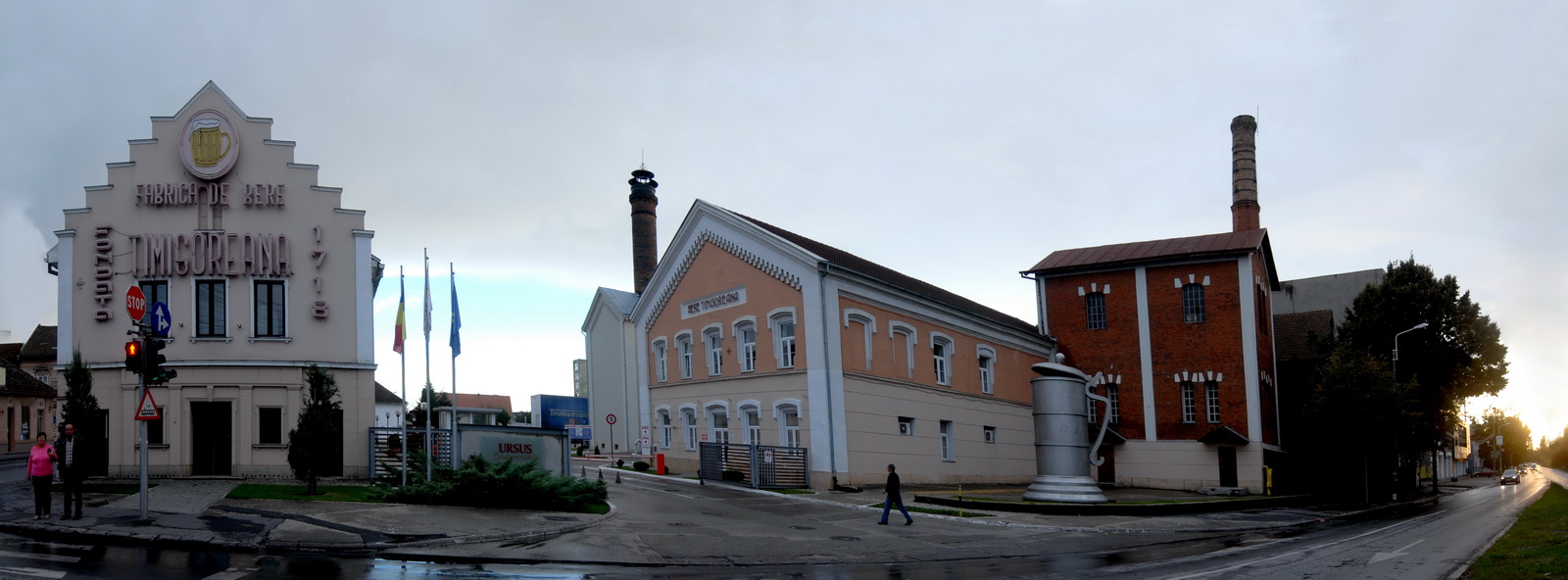
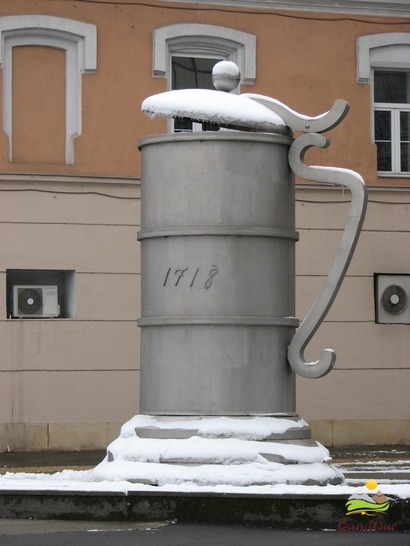
Timișoara Beer Factory

Landmark building

Timișoara Beer Factory

Considered the first beer factory in Romania, the factory in Timisoara was built in 1718 at the direct order of Prince Eugene of Savoy. The reasons behind his idea were…

  • 28 Ştefan cel Mare str.

Landmark building

Timișoara Beer Factory

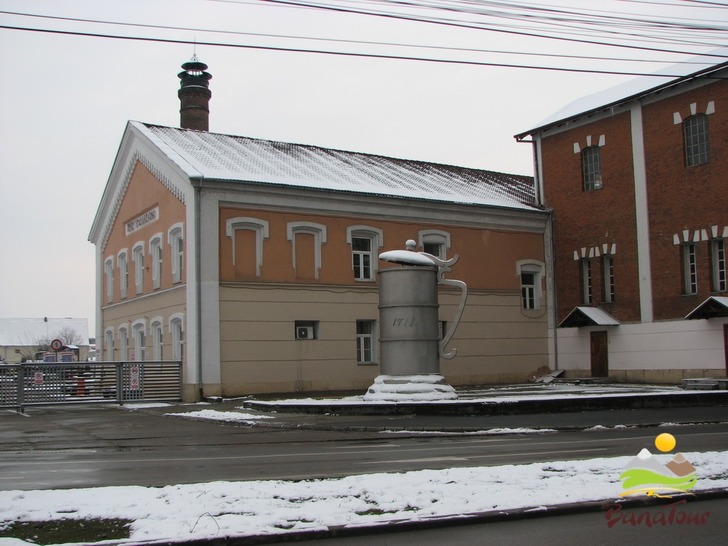
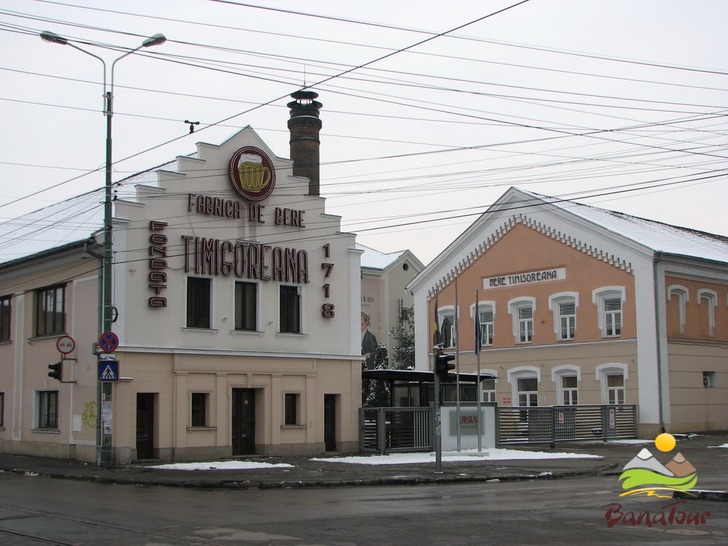
Considered the first beer factory in Romania, the factory in Timisoara was built in 1718 at the direct order of Prince Eugene of Savoy. The reasons behind his idea were connected to the needs of the Austrian troups and to supplying the city with beer as there was little drinking water. After the fire in 1890, most part of the building was destroyed, but it was reconstructed at the highest standards of those times and it became one of the most modern beer factories in Europe. Between 1900 and 1920 the investment in the factory brought about two projects: the increase of the beer production to reach 100.000hl/year and the improvement of its quality. The beer produced there became more and more popular, and after 1981, the Beer Factory was declared the official supplier of The Royal Romanian House. Even though the factory has been functioning for almost 300 years in the same building and it has been modernized several times, The Beer Factory remains a traditional building combined with modern technology; its XVIIIth century architecture is still preserved.

Contact and practical information

Address
28 Ştefan cel Mare str.
Cetate Synagogue

Church

Cetate Synagogue

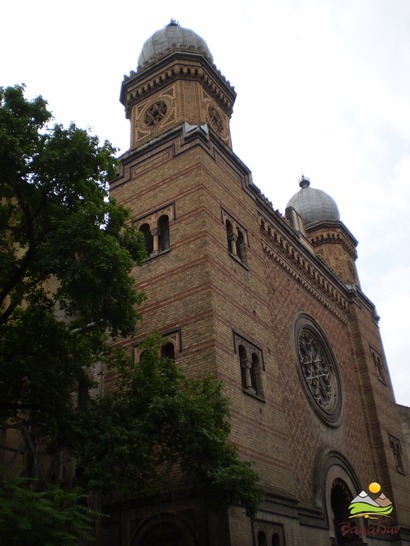
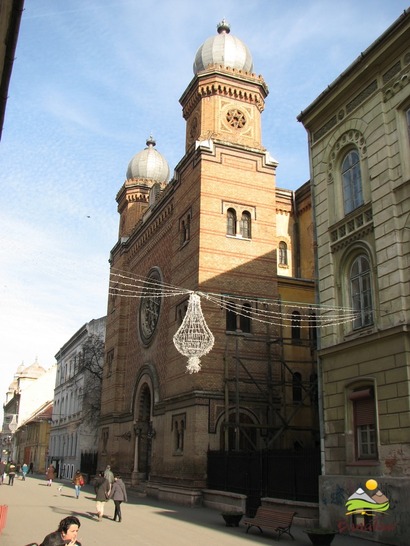
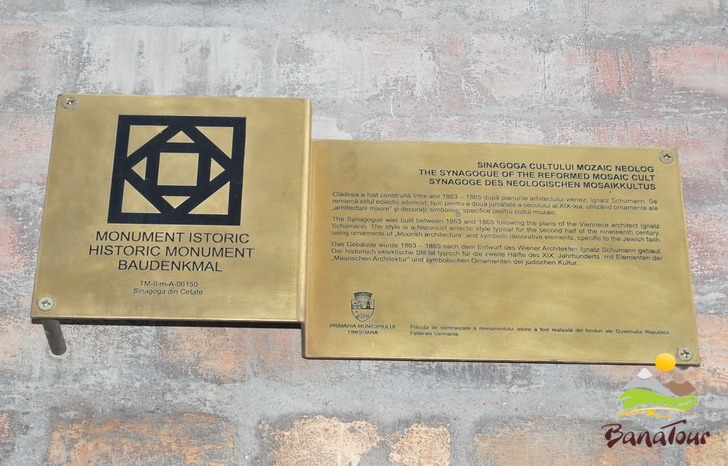
The synagogue was built on the built on the initiative by Rabbi Maurice Hirschfeld I designed by the Viennese architect Igatz Schuhmann. It was built between 1863-1865…

  • Str. Mărăşeşeti nr. 6

Church

Cetate Synagogue

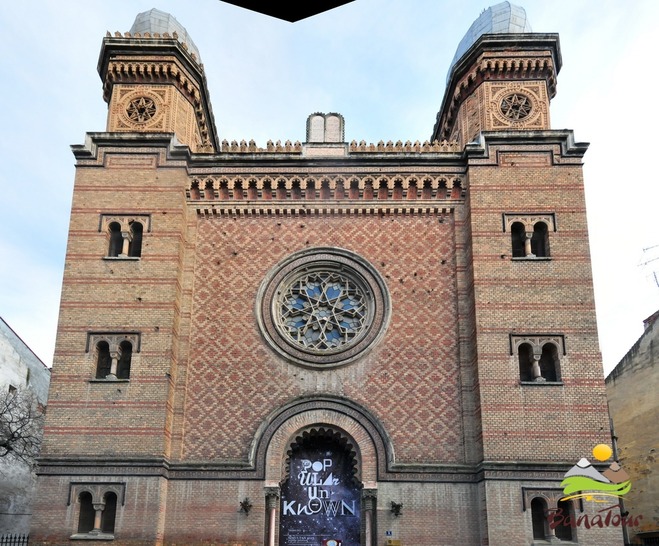
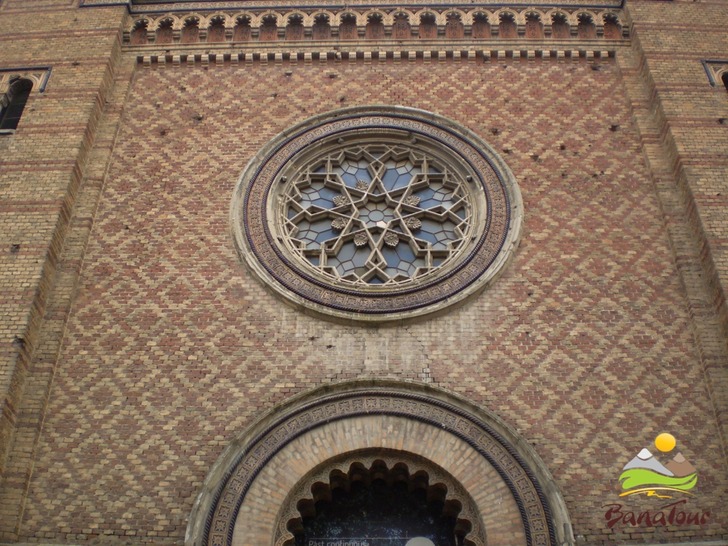
The synagogue was built on the built on the initiative by Rabbi Maurice Hirschfeld I designed by the Viennese architect Igatz Schuhmann. It was built between 1863-1865 for the Spanish Jewish community in the city.The place of worship is also known for the fact that Rabbi David Opelheim is buried here.Construction in the historicist eclectic style typical in the second half of the 19th century, with ornaments inspired by the Moorish architecture of the Byzantine and Roman influences. The facade of the building is covered with ceramic tiles and ceramic tiles. At the same time, there are two towers and an outer dome. Since 2001, the Synagogue was entrusted to the Banat Philharmonic Orchestra from Timisoara.

Contact and practical information

Address
Str. Mărăşeşeti nr. 6
Roman Catholic Cathedral of St. George

Church

Roman Catholic Cathedral of St. George

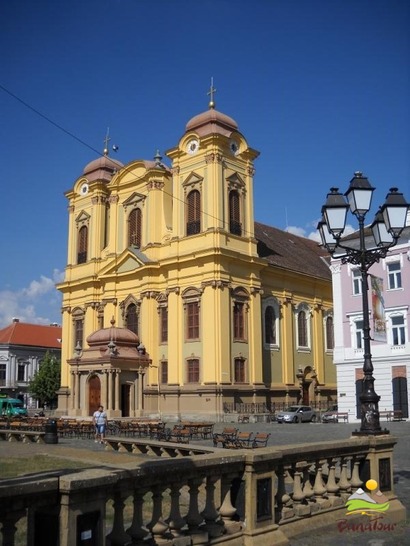
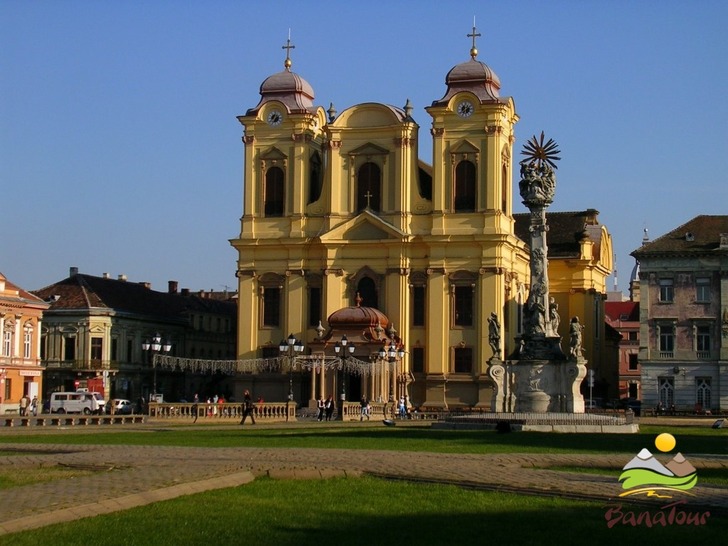
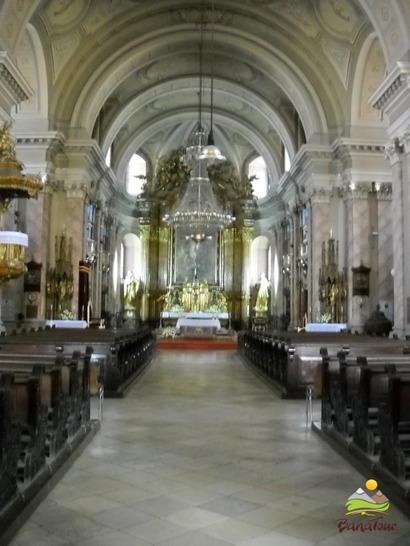
The construction lasted over 20 years, respectively between 1736 and 1774. The architectural specific style is baroque. Inside there are nine altars decorated baroque…

  • N. 12 Union Square

Church

Roman Catholic Cathedral of St. George

The construction lasted over 20 years, respectively between 1736 and 1774. The architectural specific style is baroque. Inside there are nine altars decorated baroque and rococo style, and the organ is in Louis the XVIth style. The abode has a main entrance and two on both sides.

Contact and practical information

Address
N. 12 Union Square
The Baroque Palace

Landmark building

The Baroque Palace

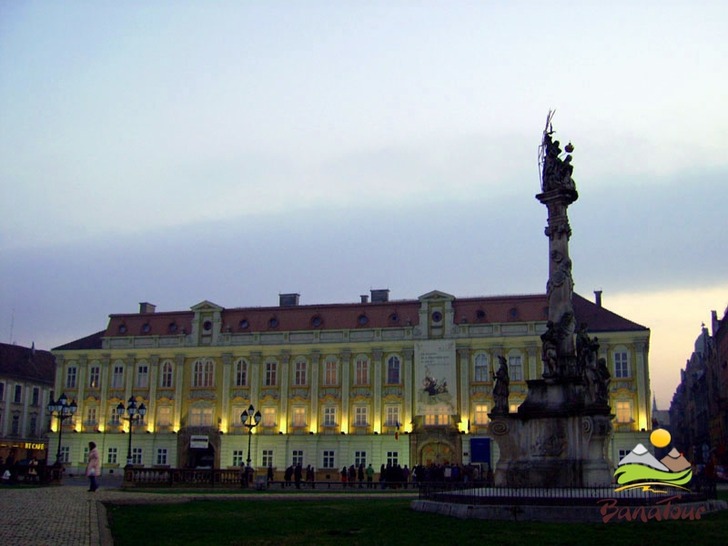
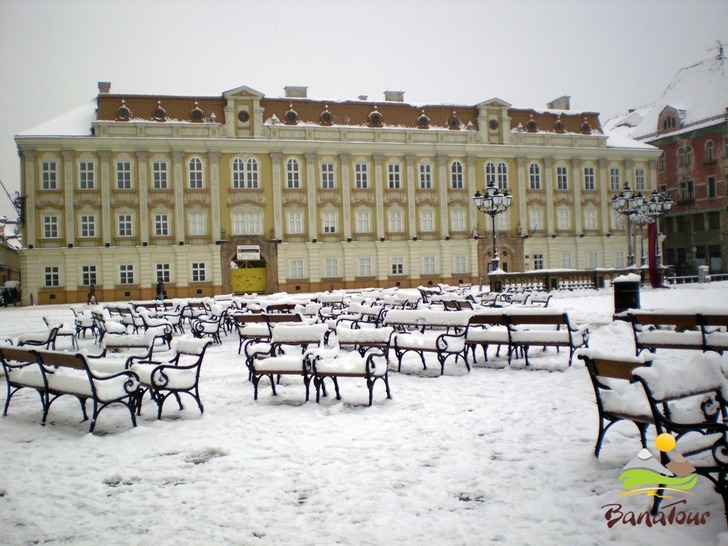
Also known as the Old Prefect's Palace, the building was built between 1752-1754, when it became the residence of the governor of the Banat region of the…

  • Str. Piaţa Unirii nr. 1

Landmark building

The Baroque Palace

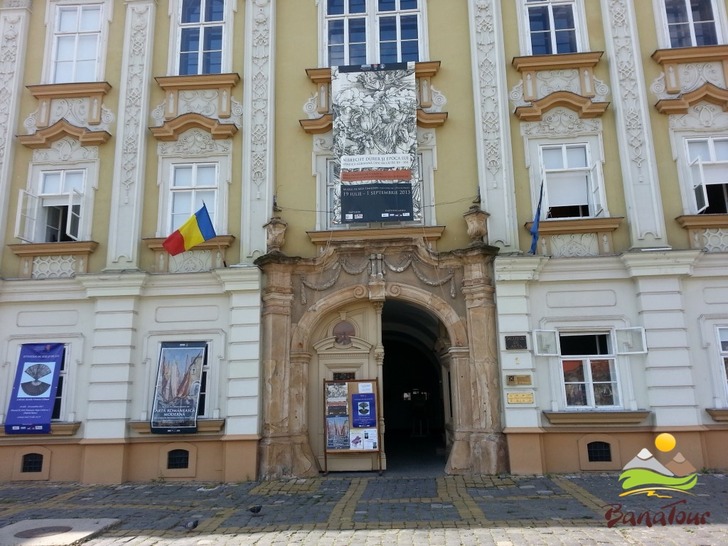
Also known as the Old Prefect's Palace, the building was built between 1752-1754, when it became the residence of the governor of the Banat region of the Austro-Hungarian Empire. In 1779, it became the House of the County, and between 1848-1860 it was the seat of the. From 1861 to 1918, the Timiş County headquarters is re-established, and after World War I, the Prefecture of Timiş-Torontal County is housed. Nowadays, the Art Museum is inaugurated in 2006, after a long restoration process started in 1979 by architects Şerban and Doina Sturdza. From an architectural point of view, the palace is one of the most representative monuments in the Austrian Baroque style, and features some Rococo details. The exterior decorative elements and construction look similar to the Kinsky Palace in Vienna.

Contact and practical information

Address
Str. Piaţa Unirii nr. 1
Hydroelectric Power Plant Museum

Museum

Hydroelectric Power Plant Museum

The Timişoara administration began the construction of a new Begej canal, at the beginning of 1907, between the entrance to the city and Neptun Palace in Fabric. Due to…

  • Canalul Bega – cartierul Fabric, str. Câmpului nr. 1
Museum

Hydroelectric Power Plant Museum

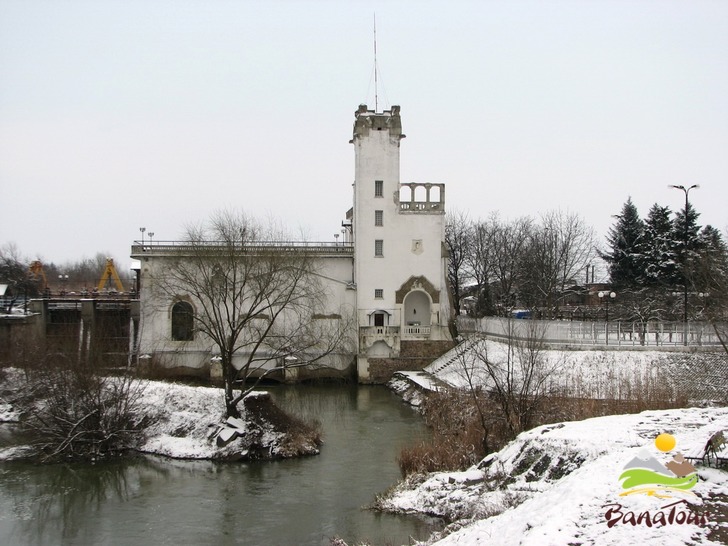
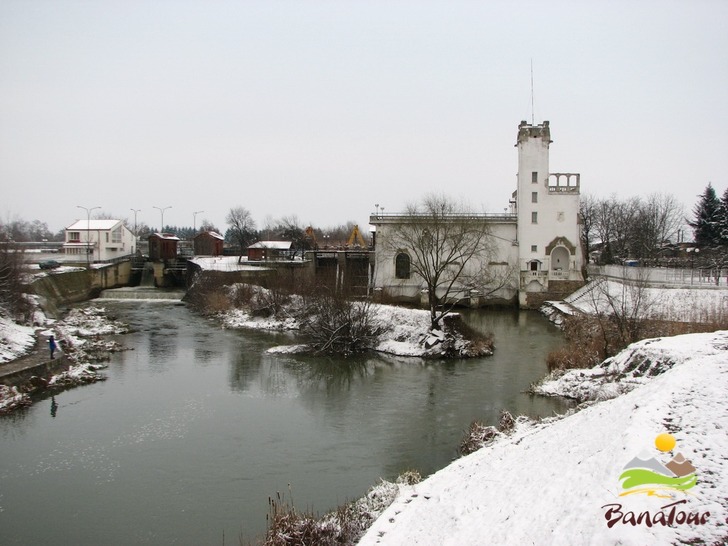
The Timişoara administration began the construction of a new Begej canal, at the beginning of 1907, between the entrance to the city and Neptun Palace in Fabric. Due to the fact that the water level difference between the mentioned points is more than 4 meters, in 1909, the City Hall decided to build a hydroelectric power plant on the Begej Canal, according to the plans of the architect Székely László. In 1910, the hydroelectric plant was put into operation and is still being used.The central building of the hydropower plant is made up of a rectangular body. Stavails form the second largest component of the lens, above which a wooden walkway is built.The electricity produced here was used for tram and public lighting.

Contact and practical information

Address
Canalul Bega – cartierul Fabric, str. Câmpului nr. 1
Church of the Nativity of the Theotokos - Iosefin

Church

Church of the Nativity of the Theotokos - Iosefin

The church was built between 1932 and 1936, on an area of 1,320 square meters, which was donated in 1925, the City Administration in Timisoara. The foundation stone was…

  • Piața Alexandru Mocioni, nr. 9

Church

Church of the Nativity of the Theotokos - Iosefin

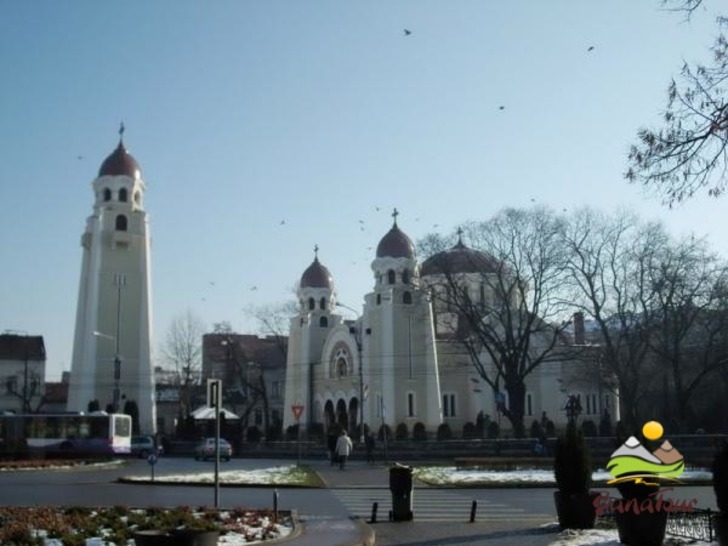
The church was built between 1932 and 1936, on an area of 1,320 square meters, which was donated in 1925, the City Administration in Timisoara. The foundation stone was laid on September 8, 1931. After the construction of the temple, on September 8, 1936, it was dedicated to the "Virgin Mary". Between 1939 and 1946 it served as an Orthodox cathedral, also known as the "Old Orthodox Cathedral".The church was built in an unusual style, inspired by the cathedral of "St. Sofia" in Istanbul (Istanbul). The bell tower is separated from the church itself, with its own cupola in the form of a building. Mural painting was performed by Professor Katul Bogdan and dr. Ioachim Miloia, between 1935 and 1936. After that, two restorations were carried out, in 1958, and between 1983 and 1985, when about 88 biblical scenes were added.In the courtyard to the five founders (Iacob Marian, Ing. Victor Vlad, professor Ioan Imbroane, Av. Emanuil Ungurianu, Dr. Ioachim Miloia), all made by the sculptor Aurel Gheorghe Ardeleanu.

Contact and practical information

Address
Piața Alexandru Mocioni, nr. 9
Maria Theresa Bastion

Landmark building

Maria Theresa Bastion

It was built between 1730 and 1735, being part of the defensive wall of the old city of Timisoara. It is the only bastion of the nine that has not been destroyed over…

  • Str. Hector

Landmark building

Maria Theresa Bastion

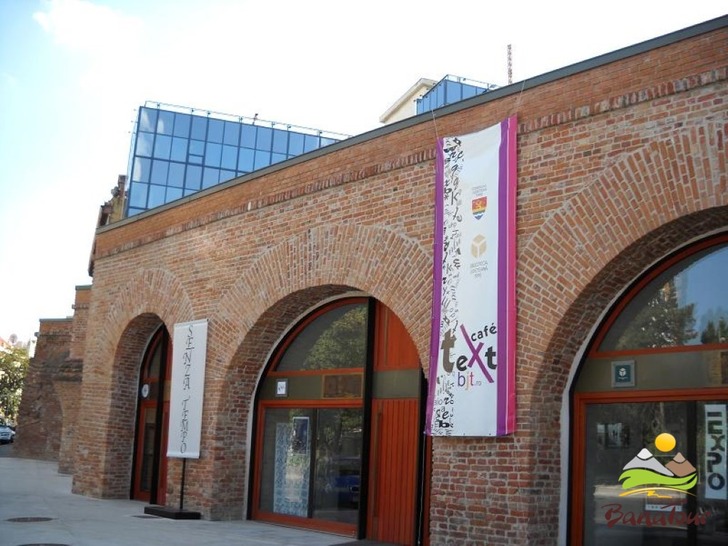
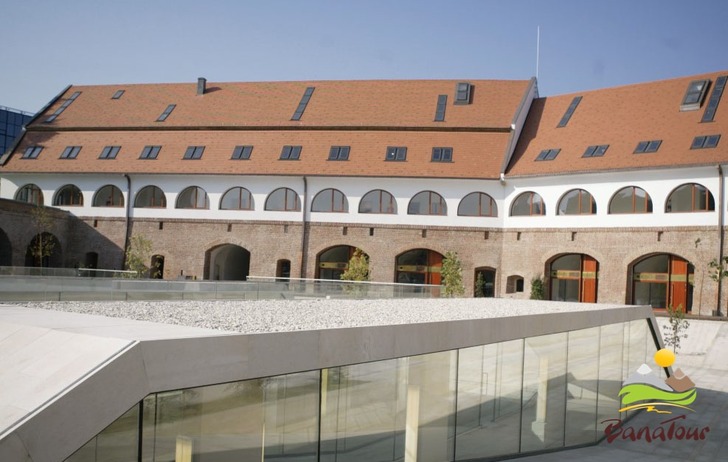
It was built between 1730 and 1735, being part of the defensive wall of the old city of Timisoara. It is the only bastion of the nine that has not been destroyed over time. It has the appearance of a fortified bastion that has a protective ditch and high walls on the outside. The interior of the bastion is used as a cultural space.

Contact and practical information

Address
Str. Hector
The Banat Village Museum

Museum

The Banat Village Museum

Designed as a traditional Banat village, the Reserve of Ethnographic Outdoor Architecture in Green Forest includes household of various national minorities from Banat…

  • No. 1, Avram Imbroane Street

Museum

The Banat Village Museum

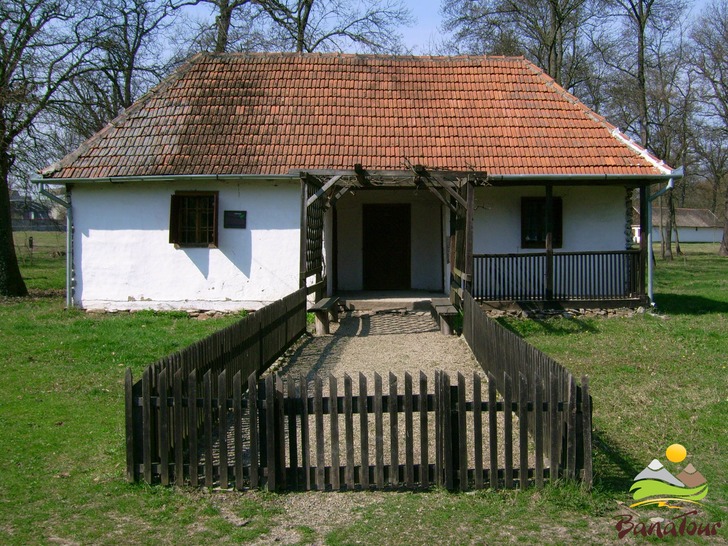
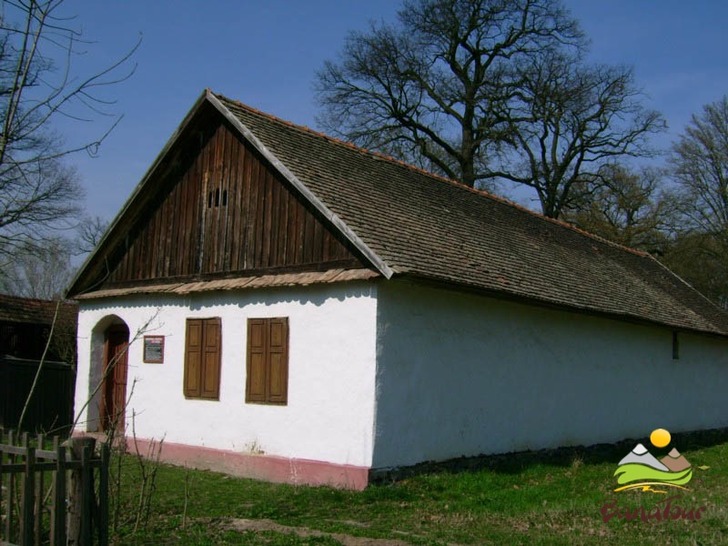
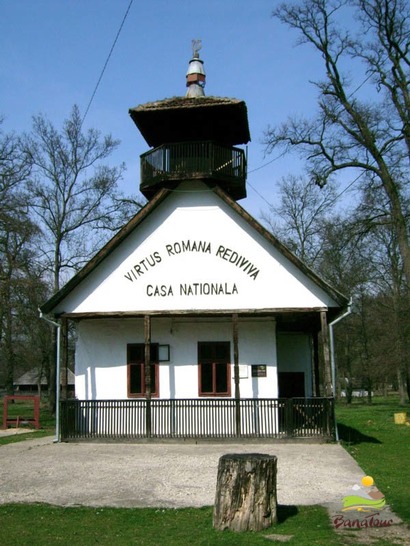
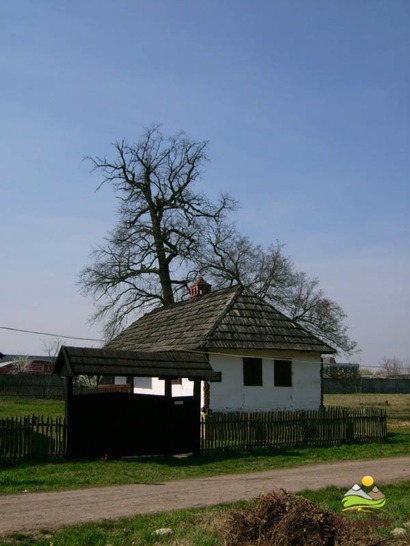
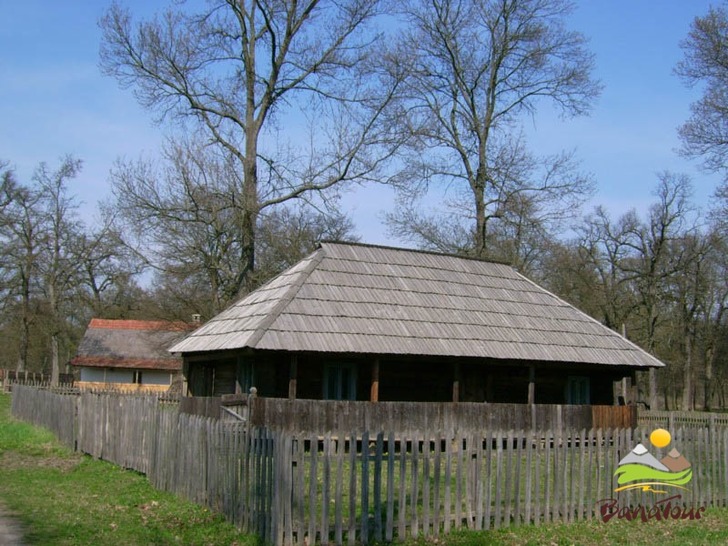
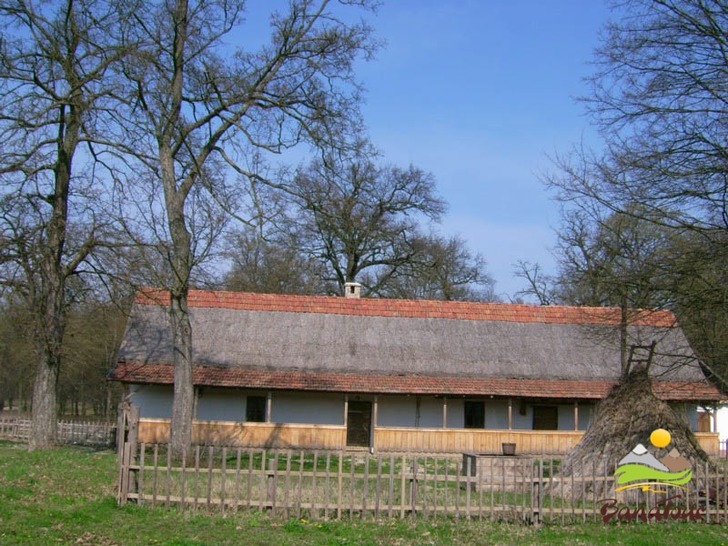
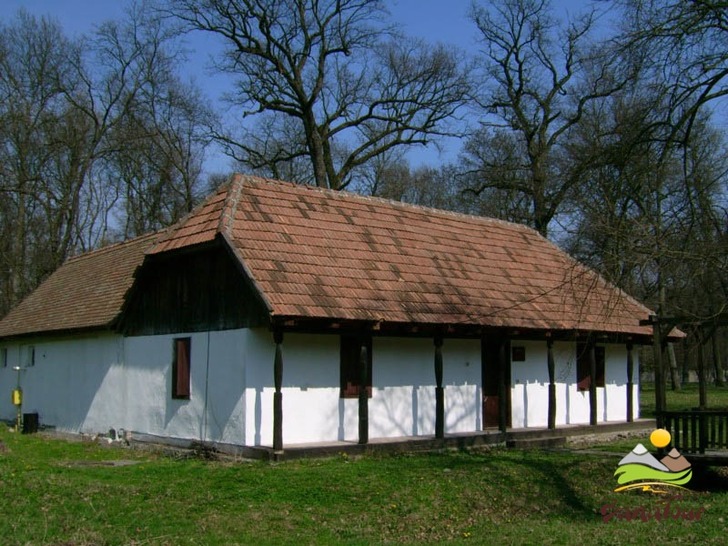
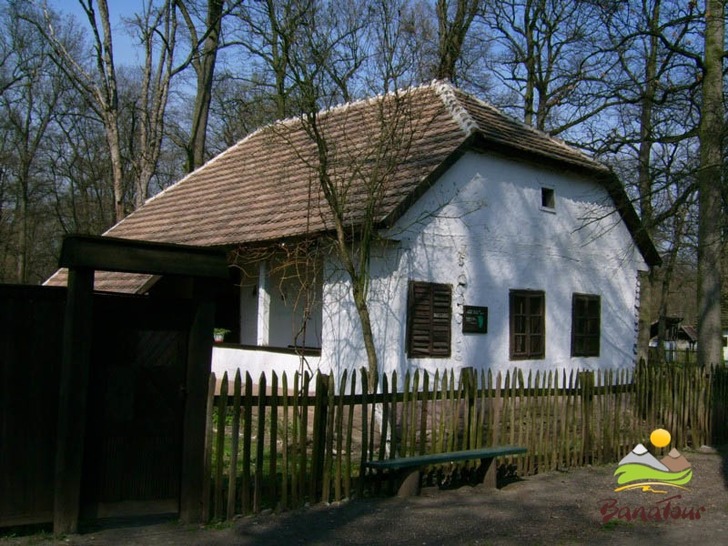
Designed as a traditional Banat village, the Reserve of Ethnographic Outdoor Architecture in Green Forest includes household of various national minorities from Banat (Romanians, Slovaks, Swabians, Ukrainians, Hungarians, Serbs, etc.), buildings with a social function in a traditional village (municipality, church), technical installations and workshops. One example is the traditional house of Căpâlnaș (the 19th century), the potter's house and workshop of Bata, oil making appliances, the mill bucket of Topleţ, water mills, the wooden church of Topala (the 18th century). The museum has received a wealthy collection of traditional art (12,000 objects) previously belonging the permanent exhibition of the Banat Museum in the Bastion building, which closed in 2007. In the near future a permanent exhibition will be opened in a new building to be set within the open air museum.

Contact and practical information

Address
No. 1, Avram Imbroane Street
The Huniade Castle (Banat Museum)

Castle

The Huniade Castle (Banat Museum)

The Huniade Castle (Banat Museum) is the oldest building in Timisoara, as it was built between 1443 and 1447 by Ioan of Hunedoara, on the ruins of an ancient castle,…
Castle

The Huniade Castle (Banat Museum)

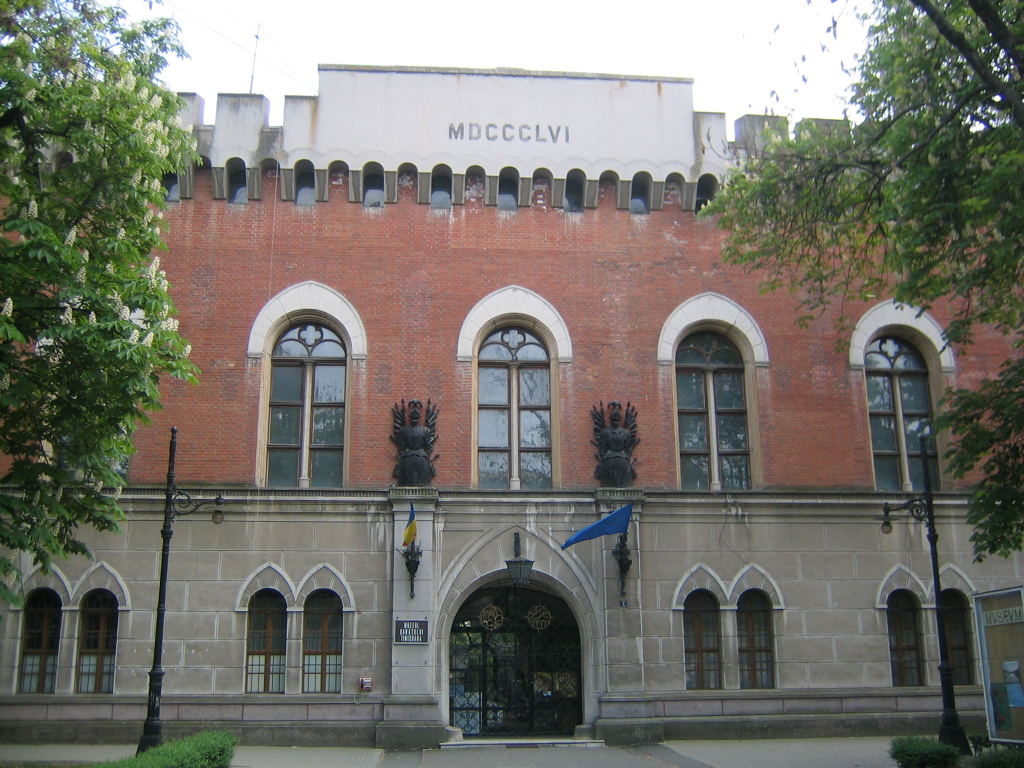
The Huniade Castle (Banat Museum) is the oldest building in Timisoara, as it was built between 1443 and 1447 by Ioan of Hunedoara, on the ruins of an ancient castle, from the 14th century. In the inside courtyard, the foundations of the stonework and of the walled tower were discovered, which are assumed to date back to 1307-1314...

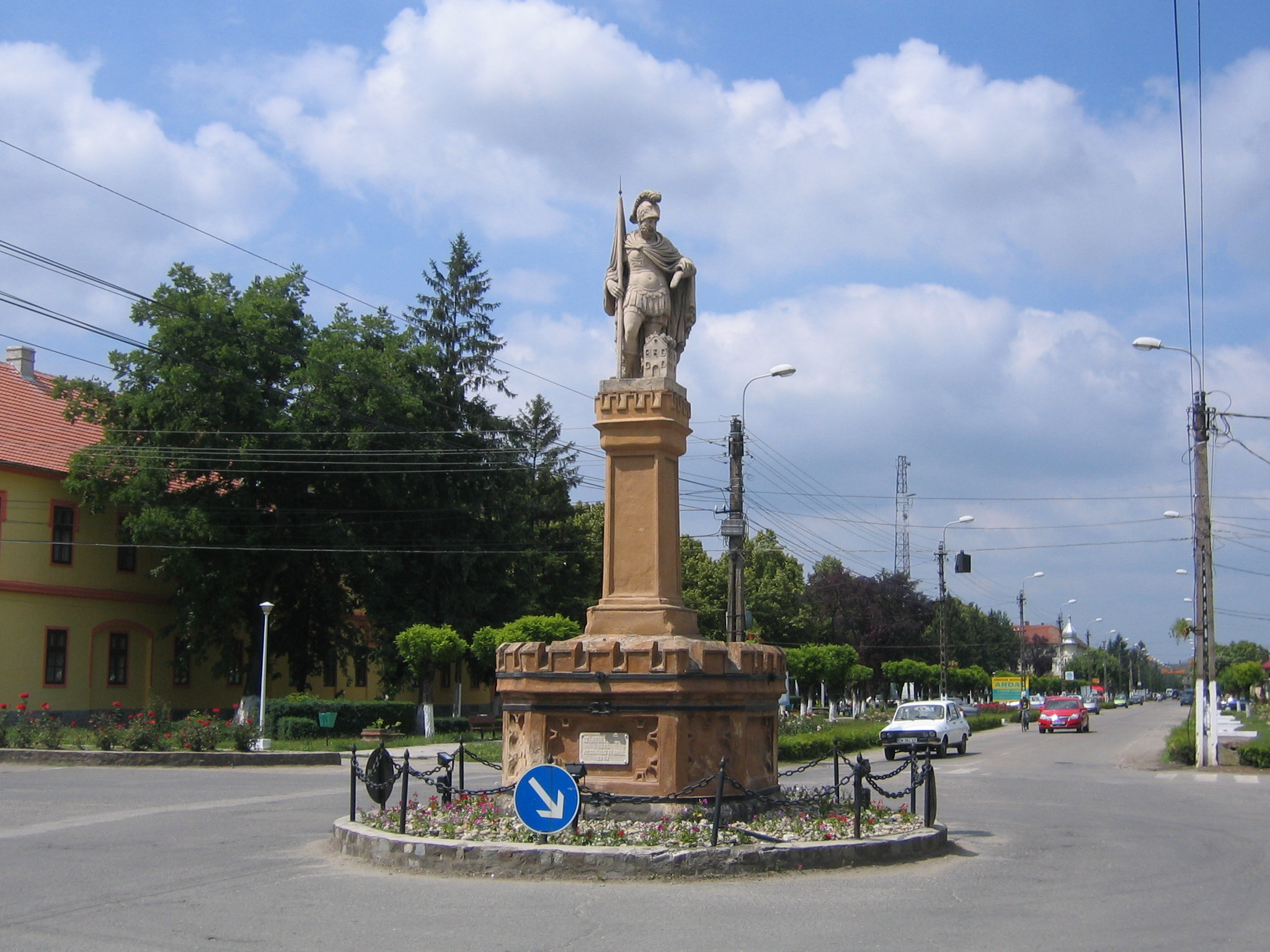
The statue of St. Florian

Monument

The statue of St. Florian

It was created before the year 1866, which is carved in the pedestal, in honor of St. Florian, patron of the town and saint of the Catholic Church, a guardian against…
Monument

The statue of St. Florian

It was created before the year 1866, which is carved in the pedestal, in honor of St. Florian, patron of the town and saint of the Catholic Church, a guardian against fires and floods – catastrophes that affected the town countless times, after the colonization of the Swabians.

The Santa Maria Hotel

Hotel

The Santa Maria Hotel

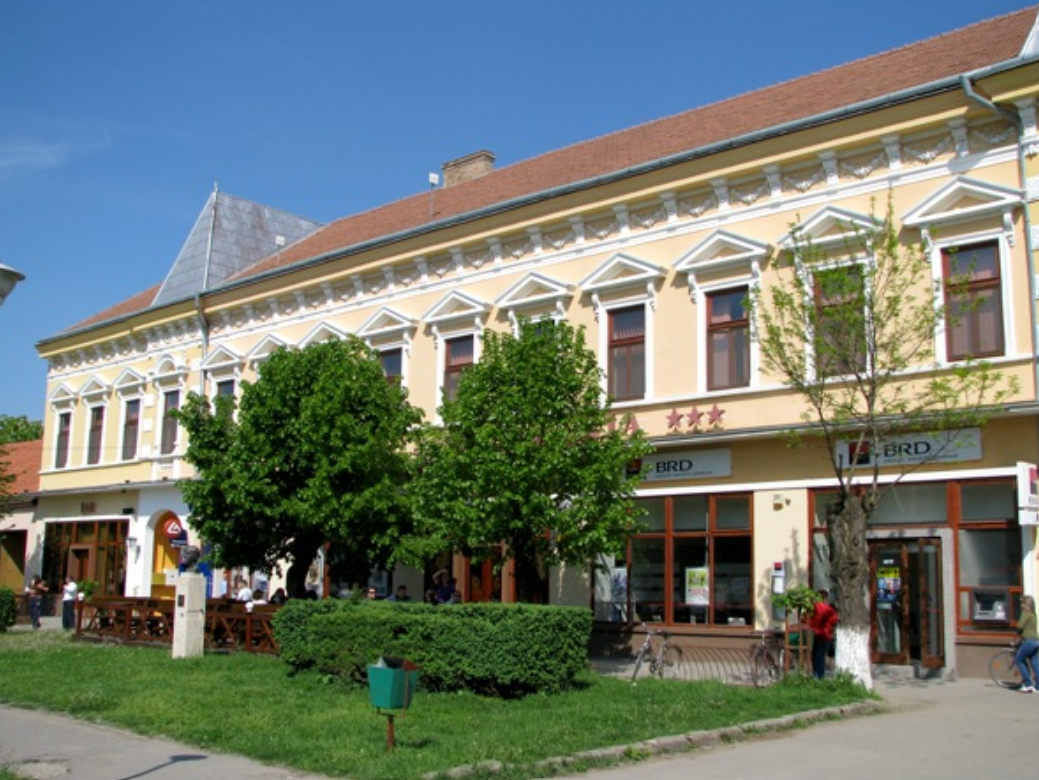
The “Santa Maria” Hotel (three stars) - It is located in the center of the town, in a historical building, built in a classical architectonic style, which has been…

  • Strada Republicii, Jimbolia 305400
  • Website

Hotel

The Santa Maria Hotel

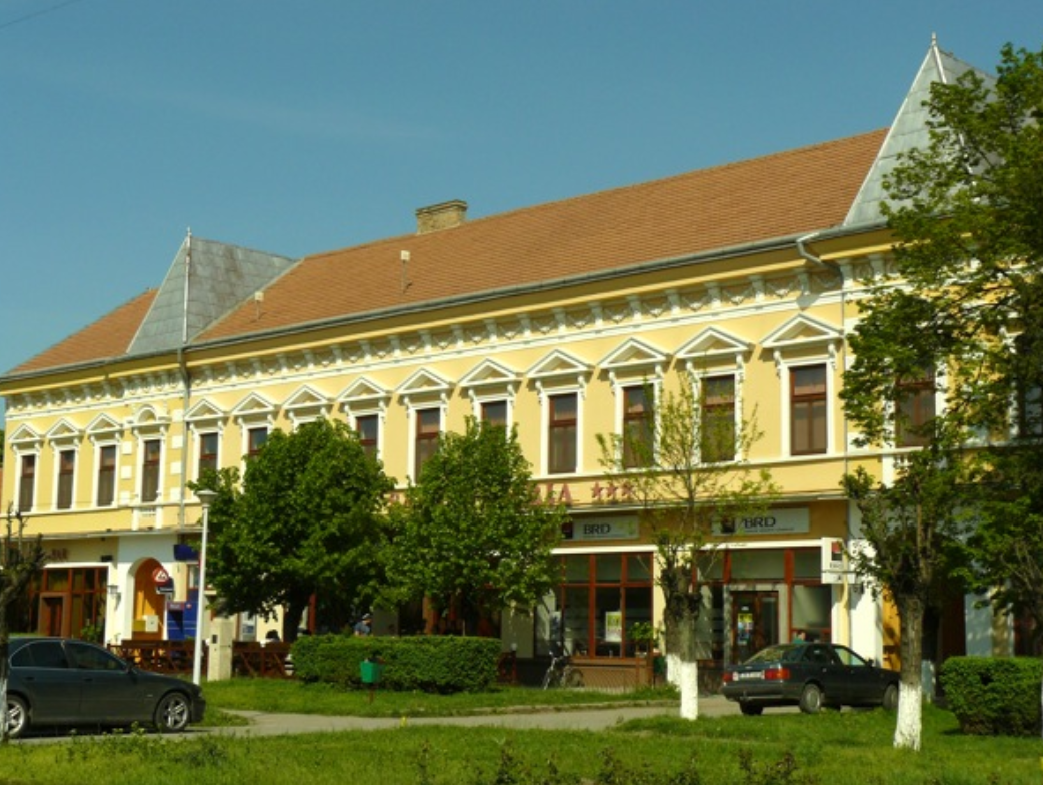
The “Santa Maria” Hotel (three stars) - It is located in the center of the town, in a historical building, built in a classical architectonic style, which has been preserved to this day. It offers rooms with a modern ambiance and spaces especially equipped for offices.

Contact and practical information

Address
Strada Republicii, Jimbolia 305400
The Roman Catholic Church St. Vendelin

Church

The Roman Catholic Church St. Vendelin

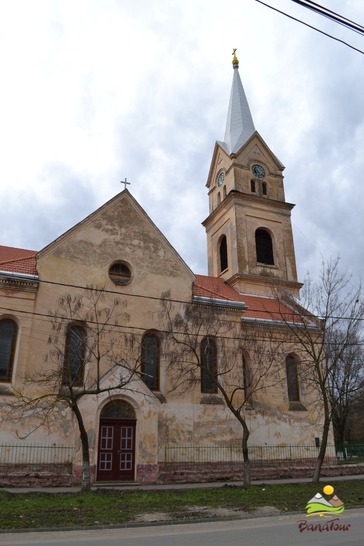
The Roman Catholic Church “St. Vendelin" - The first Roman Catholic establishment dates back to 1766 and it was built at the same time with the settlement of the Swabian…

  • Strada Vasile Lucaciu, Jimbolia 305400
Church

The Roman Catholic Church St. Vendelin

The Roman Catholic Church “St. Vendelin" - The first Roman Catholic establishment dates back to 1766 and it was built at the same time with the settlement of the Swabian colonists in the towns of Hatzfeld and Landestreu. In 1876, it was enhanced and fully redecorated. In 1911, church tower was raised from 39 m to 53.5 m, and it has has remained to this day the highest building of the town. Inside, the main altar is overshadowed by an oil painting created in 1877, on canvas (300x180), a reproduction of Rafael’s ”Sistine Madonna”, dedicated to St. Vendelin, the patron of the church. The original painting (belonging to the painter Pállik Béla, from Budapest) is located in Dresden, Germany.

Contact and practical information

Address
Strada Vasile Lucaciu, Jimbolia 305400
The Roman Catholic Church in Futok District

Church

The Roman Catholic Church in Futok District

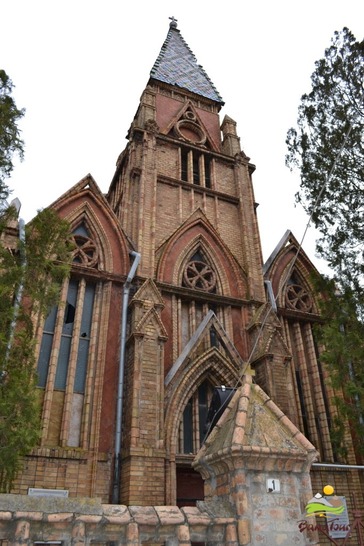
The impressive edifice was built between 1928 and 1929 with Bohn family funds for the commemoration of Michael and Jakob Bohn. The materials used for building the church…

  • Calea Mărășești str.

Church

The Roman Catholic Church in Futok District

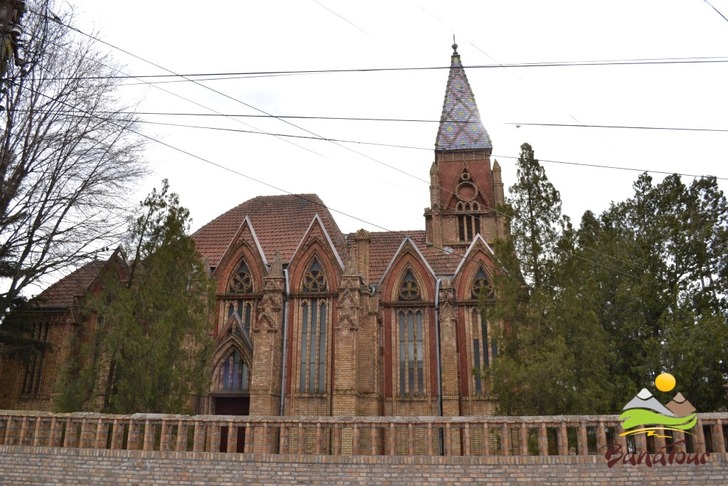
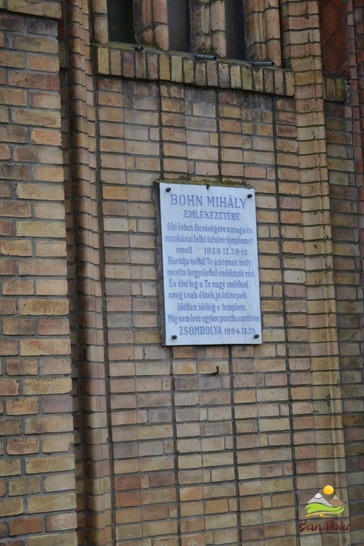
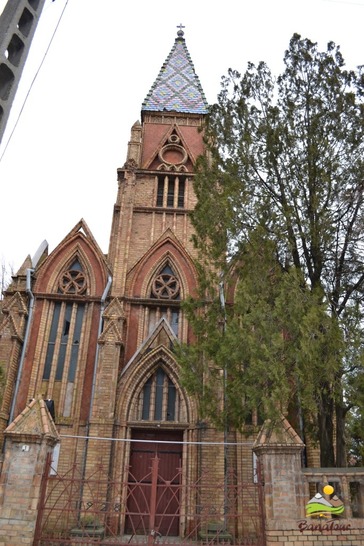
The impressive edifice was built between 1928 and 1929 with Bohn family funds for the commemoration of Michael and Jakob Bohn. The materials used for building the church were brought from the renwoned Bohn factory. The plans of the construction were drawn by the architect Hans Jänner, born in Jimbolia, who planned a Neo Gothic church. There are some paintings of great value inside the church: the painting in the altar depicting Saint Archangel Mihail, the patron of the church, and also the two paintings made by the renowned painter Stefan Jäger(1877-1962).

Contact and practical information

Address
Calea Mărășești str.
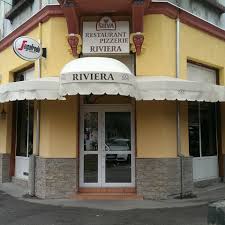
The Riviera Restaurant

Restaurant

The Riviera Restaurant

The “Riviera” Restaurant – It is an ideal place to meet friends, to have lunch or dinner with your family or to hold business meetings. The calm and friendly atmosphere,…
Restaurant

The Riviera Restaurant

The “Riviera” Restaurant – It is an ideal place to meet friends, to have lunch or dinner with your family or to hold business meetings. The calm and friendly atmosphere, the elegant furniture, as well as the quality of the served dishes, creating an unforgettable ambiance.

The Railways Museum

Museum

The Railways Museum

located near the railway station, it was inaugurated on November 15th, 1997, on celebration of 150 years from the opening of the Jimbolia Timisoara railroad. The museum…
Museum

The Railways Museum

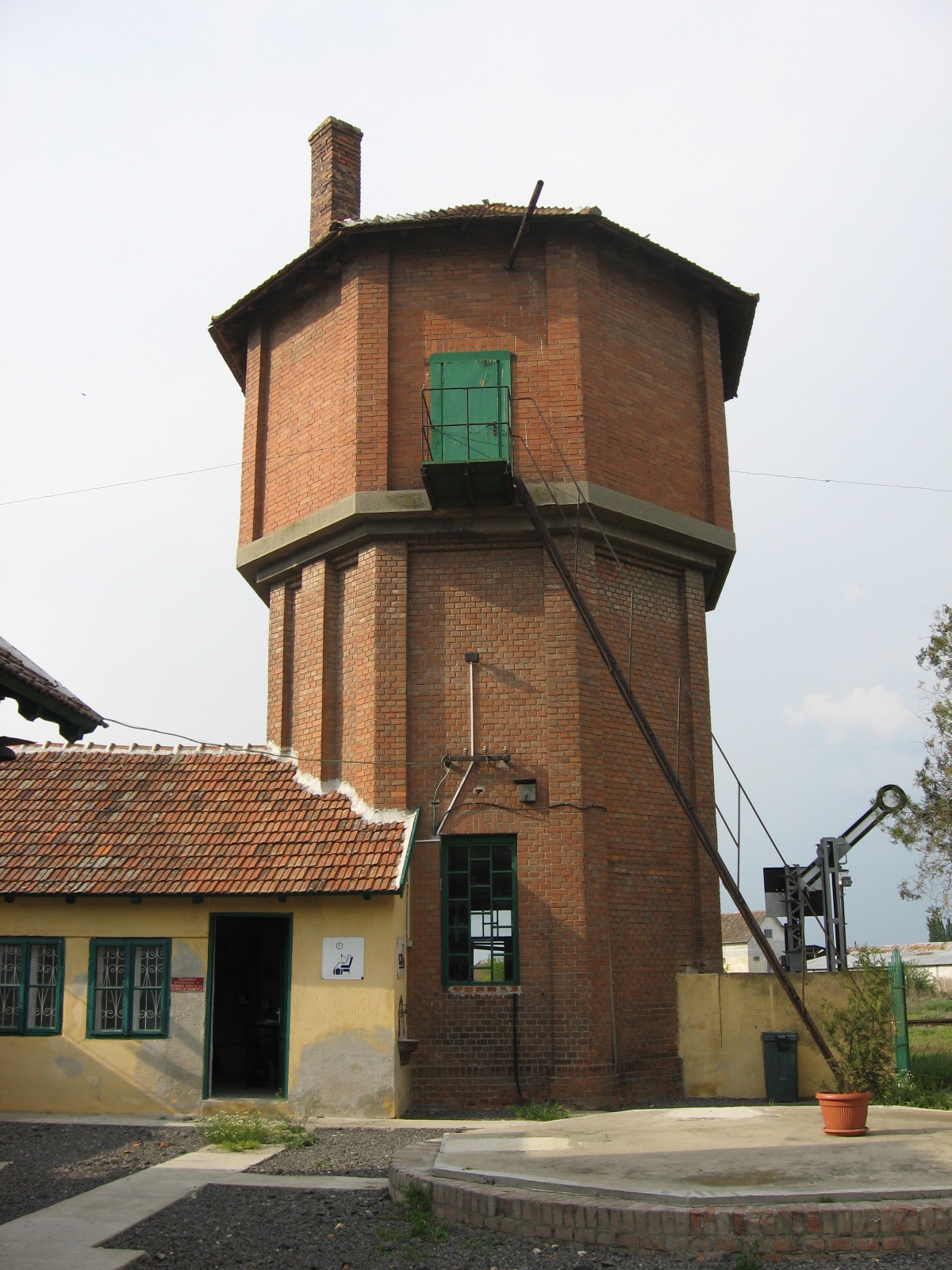
located near the railway station, it was inaugurated on November 15th, 1997, on celebration of 150 years from the opening of the Jimbolia Timisoara railroad. The museum offers an exhibition of postcards, illustrating the history of locomotives, from those working on steam to the modern ones, a numismatics series, comprising various types of coins, which circulated in this area, as well as a collection of ancient train tickets. Numerous old objects can also be seen here, which are specific to the railroad transport: sealing presses for the railcars, tail lamps, signaling devices, suitcases, a railway repair tricycle, more than 100 years old etc.

The Orthodox Church The Annunciation

Church

The Orthodox Church The Annunciation

The cornerstone of the present church was installed in 1933. The church was fineshed by 1942, when it was consecrated to the holy celebration of the Annunciation (March…
Church

The Orthodox Church The Annunciation

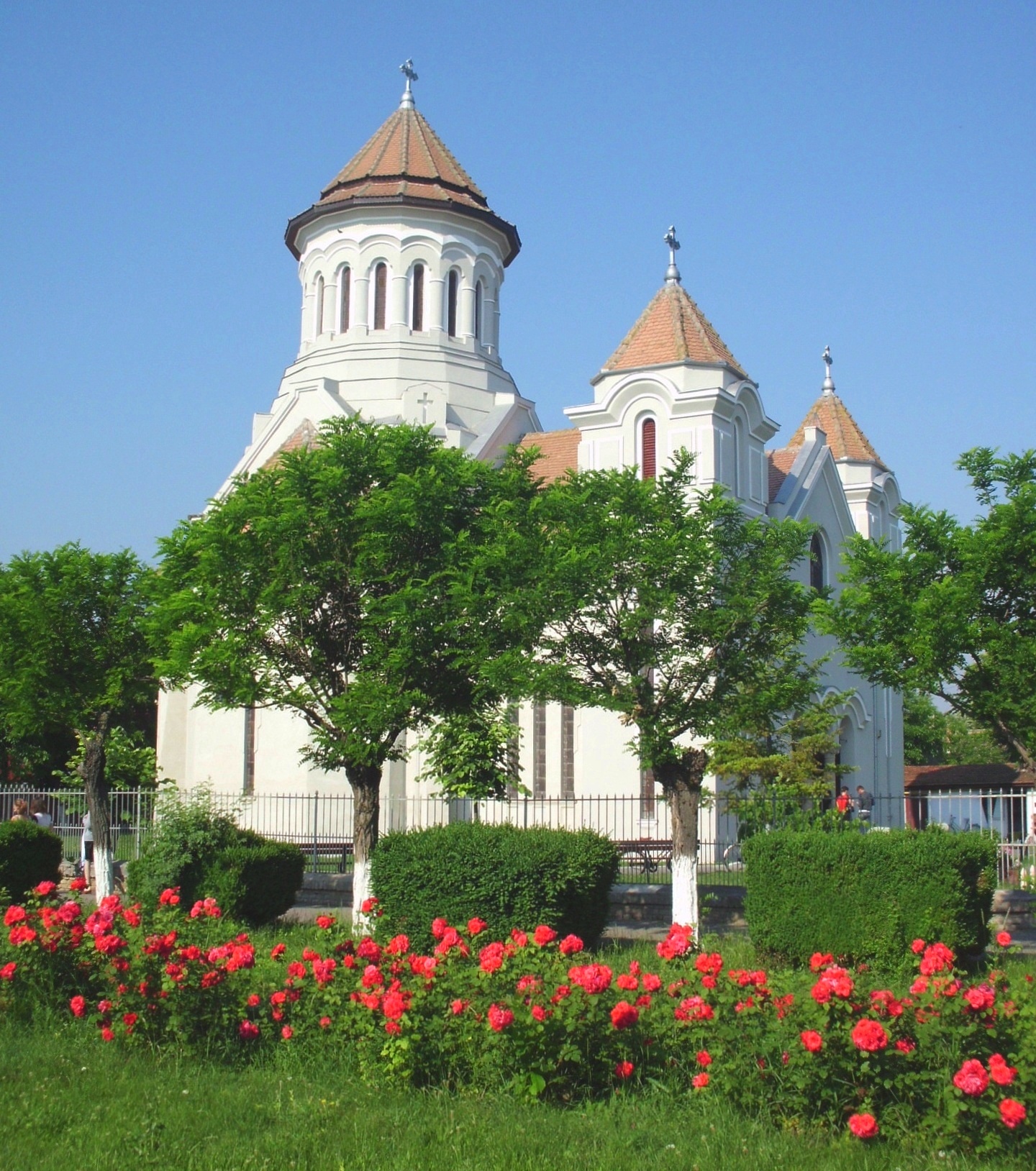
The cornerstone of the present church was installed in 1933. The church was fineshed by 1942, when it was consecrated to the holy celebration of the Annunciation (March 25th)

The Open Space Thermal Swimming Pool Compound

Pool

The Open Space Thermal Swimming Pool Compound

It represents an actual alternative to the heat during the summers. It consists of three swimming pools, one of them is Olympic game sizes and another one has thermal…
Pool

The Open Space Thermal Swimming Pool Compound

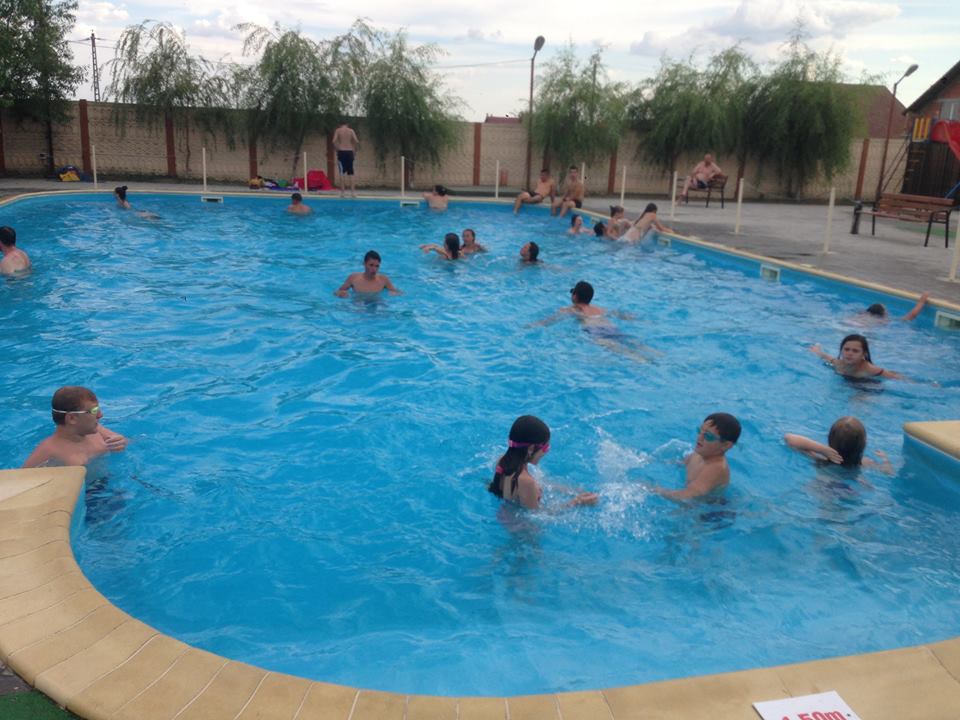
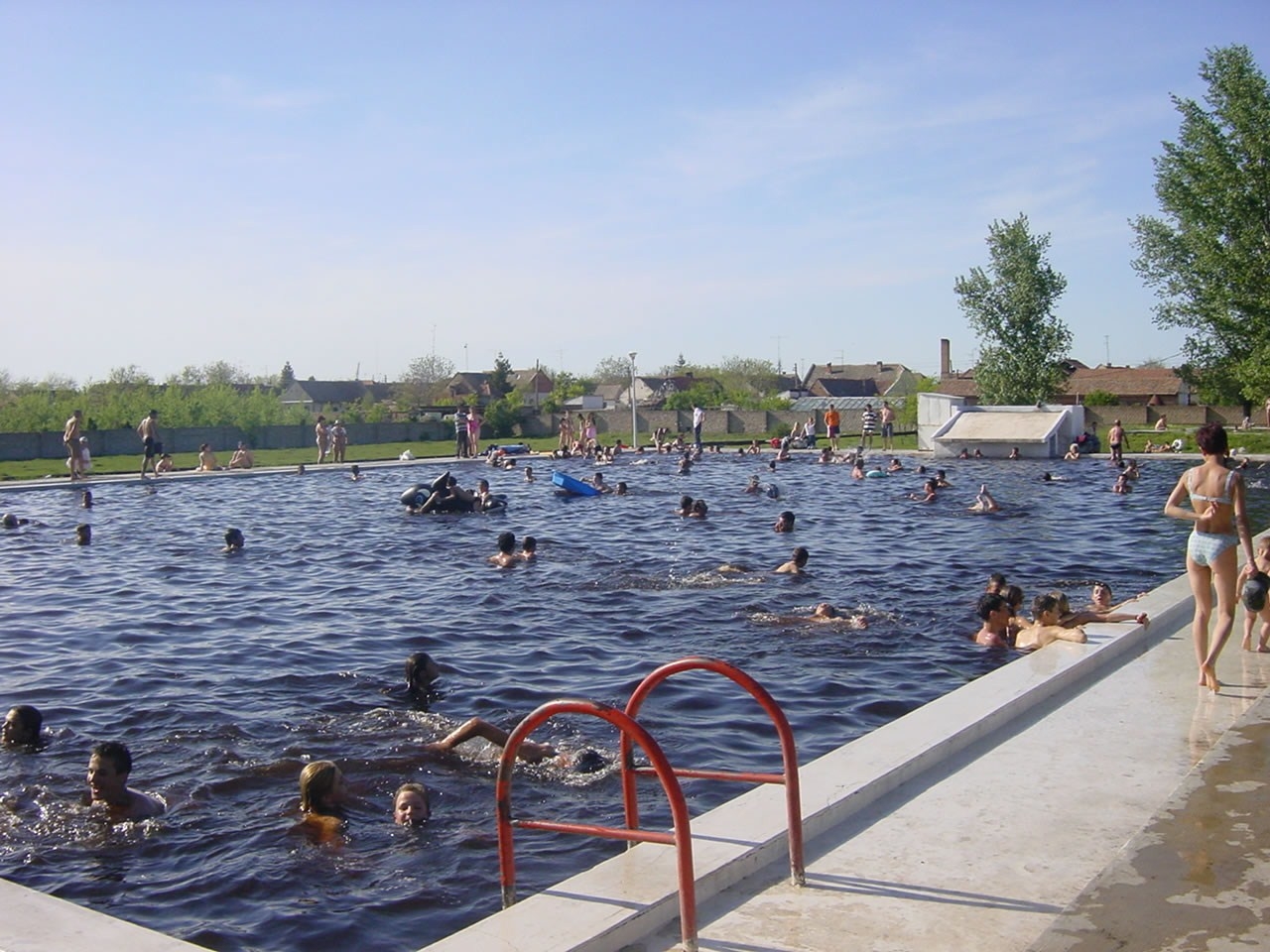
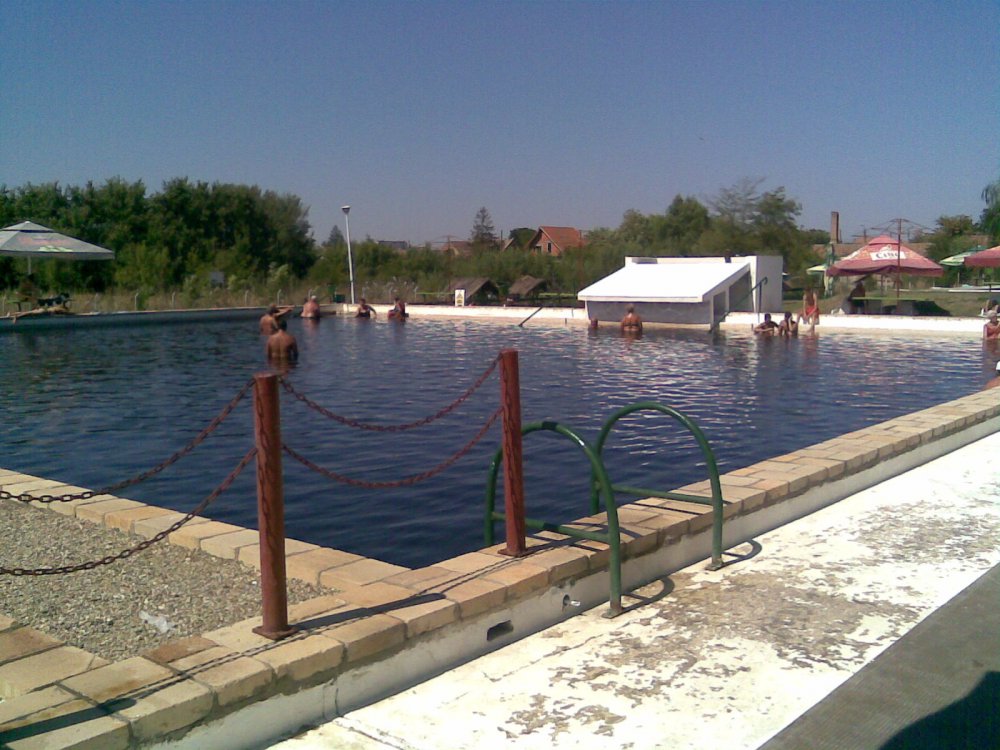
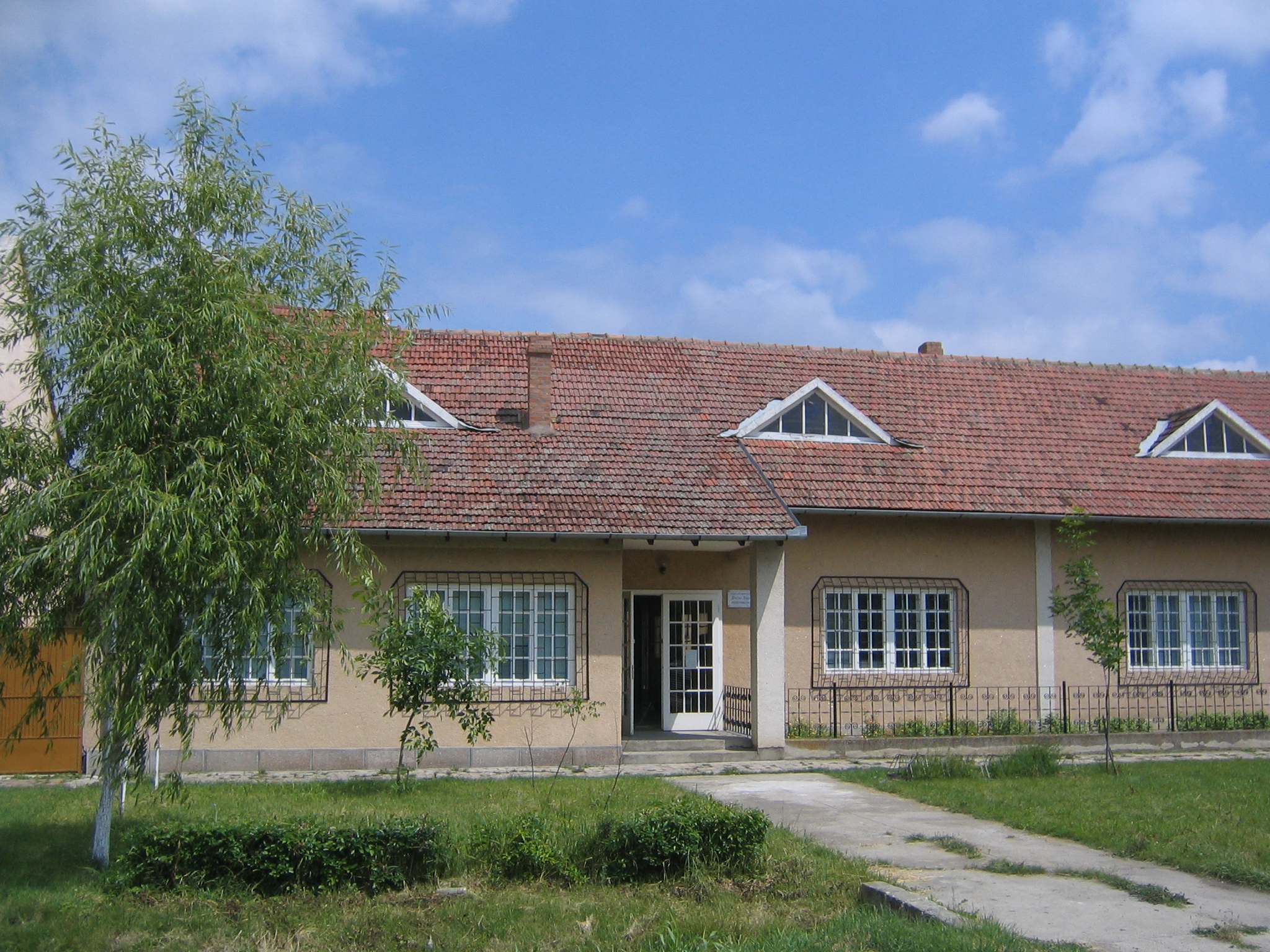
It represents an actual alternative to the heat during the summers. It consists of three swimming pools, one of them is Olympic game sizes and another one has thermal water; the pools are accompanied by volley-ball and basketball fields, food shops and a space predicted for picnics. As for the thermal waters, they are useful because of their beneficial effects on the following illnesses: spondylosis, osteoarthritis of the hip, gonarthrosis, chronic articular rheumatism, slipped discs, low back pains, sciatic nerve condition, polyarthritis, intercostal neuralgia, circulatory failure, osteoporosis, gynecological conditions.

The Museum of Stefan Jäger

Museum

The Museum of Stefan Jäger

It is dedicated to the life and work of the painter Stefan Jäger (1877 - 1962). It was opened in 1996 and built with the support of the German land of Bavaria; it…

  • Str. Tudor Vladimirescu 90 Jimbolia 305400
Museum

The Museum of Stefan Jäger

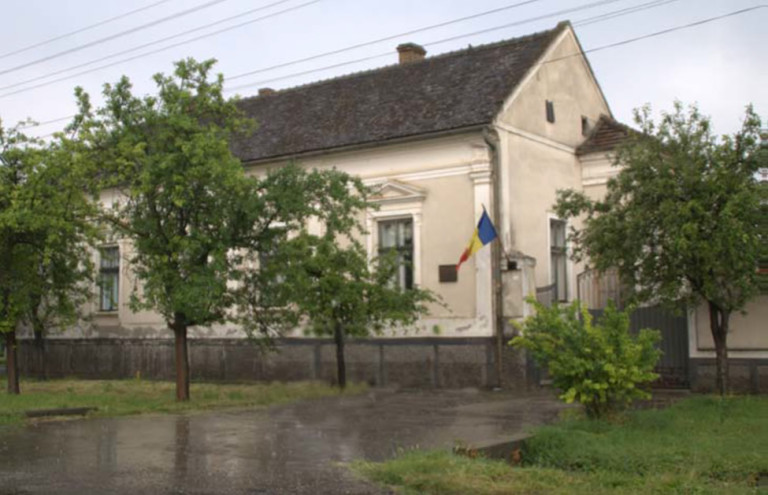
It is dedicated to the life and work of the painter Stefan Jäger (1877 - 1962). It was opened in 1996 and built with the support of the German land of Bavaria; it comprises the former memorial house, devoted to the painter (opened in 1969) and also a new building. The construction includes: an ethnography section, an archeology section, a room destined for the personalities of Jimbolia, a meeting room, a traditional Swabian room and a space meant for exhibitions. The painter´s workshop has remained unchanged and it comprises, beside objects which belonged to the artist, eleven oil paintings, water color creations and sketches

Contact and practical information

Address
Str. Tudor Vladimirescu 90 Jimbolia 305400
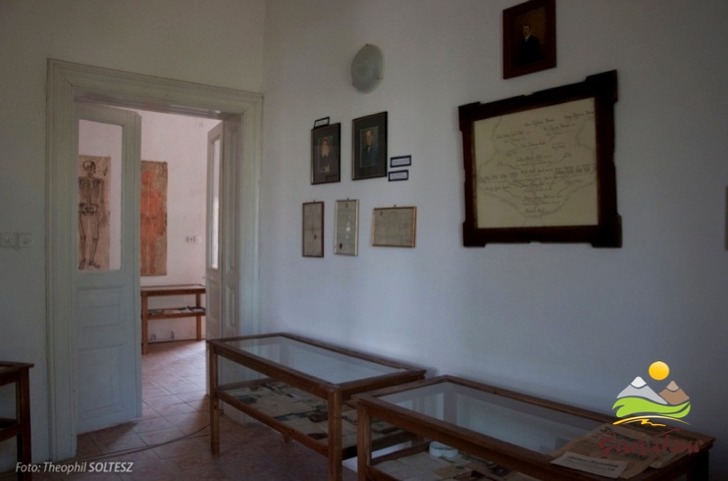
The Memorial House Dr. Karl Diel

Landmark building

The Memorial House Dr. Karl Diel

It was inaugurated in 2000, through the mutual effort of Mrs. Pia Brânzeu, the great grand-daughter of the reputed surgeon, of the town hospital and of the Jimbolia…

  • Str. Dr. Diel nr. 1

Landmark building

The Memorial House Dr. Karl Diel

It was inaugurated in 2000, through the mutual effort of Mrs. Pia Brânzeu, the great grand-daughter of the reputed surgeon, of the town hospital and of the Jimbolia Town-Hall employees.

Contact and practical information

Address
Str. Dr. Diel nr. 1
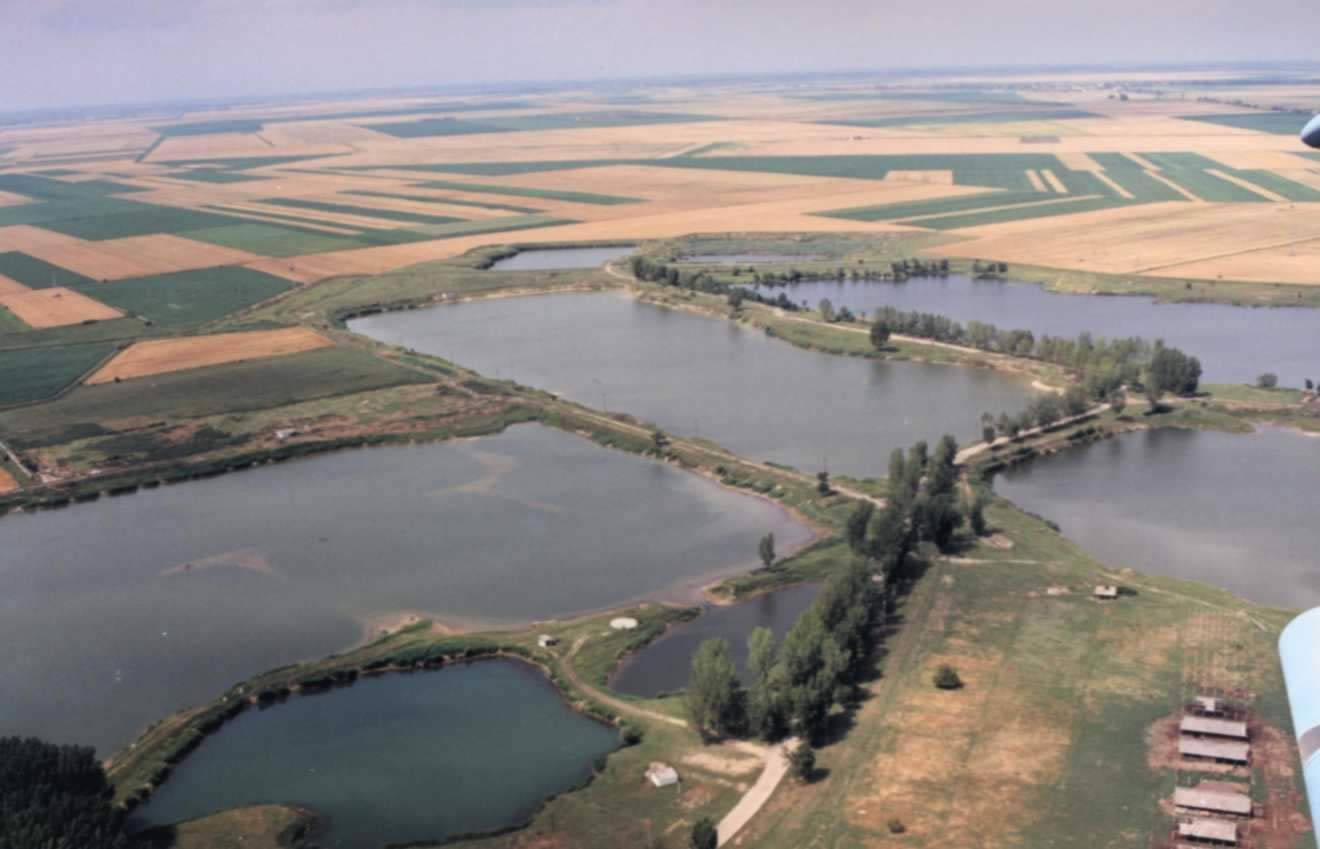
The lakes of Jimbolia

Viewpoint

The lakes of Jimbolia

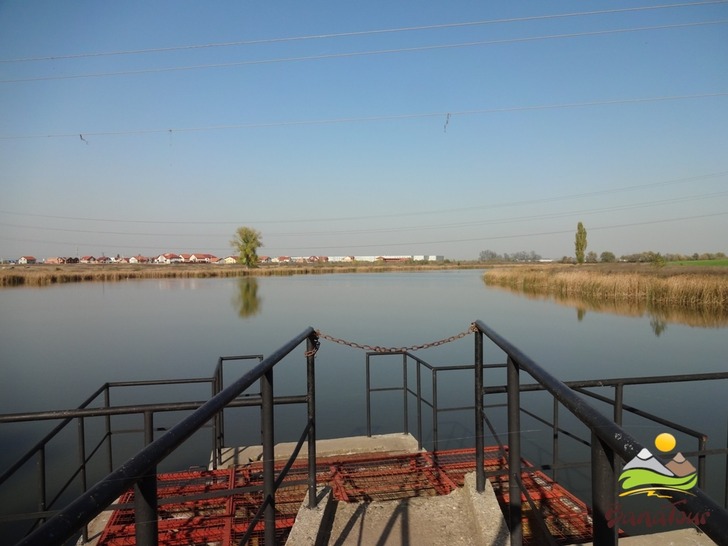
They are located at the exit from town, on the road leading to the locality of Comlosul Mare. They are actually anthropic origin lakes, resulted from the excavations…
Viewpoint

The lakes of Jimbolia

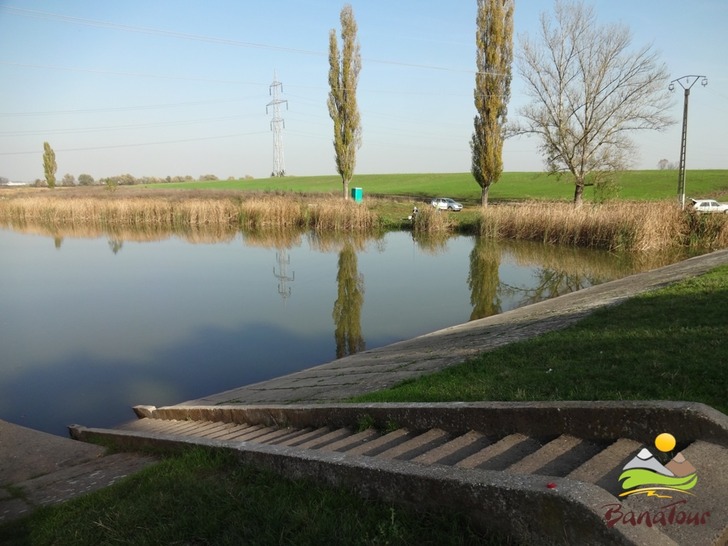
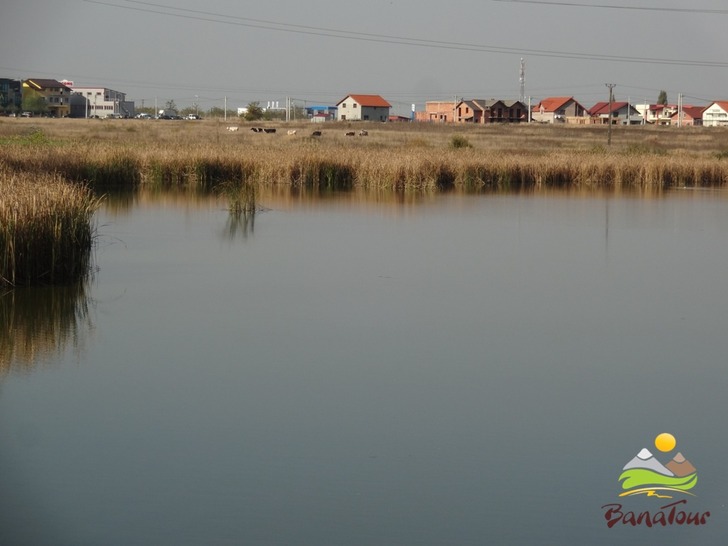
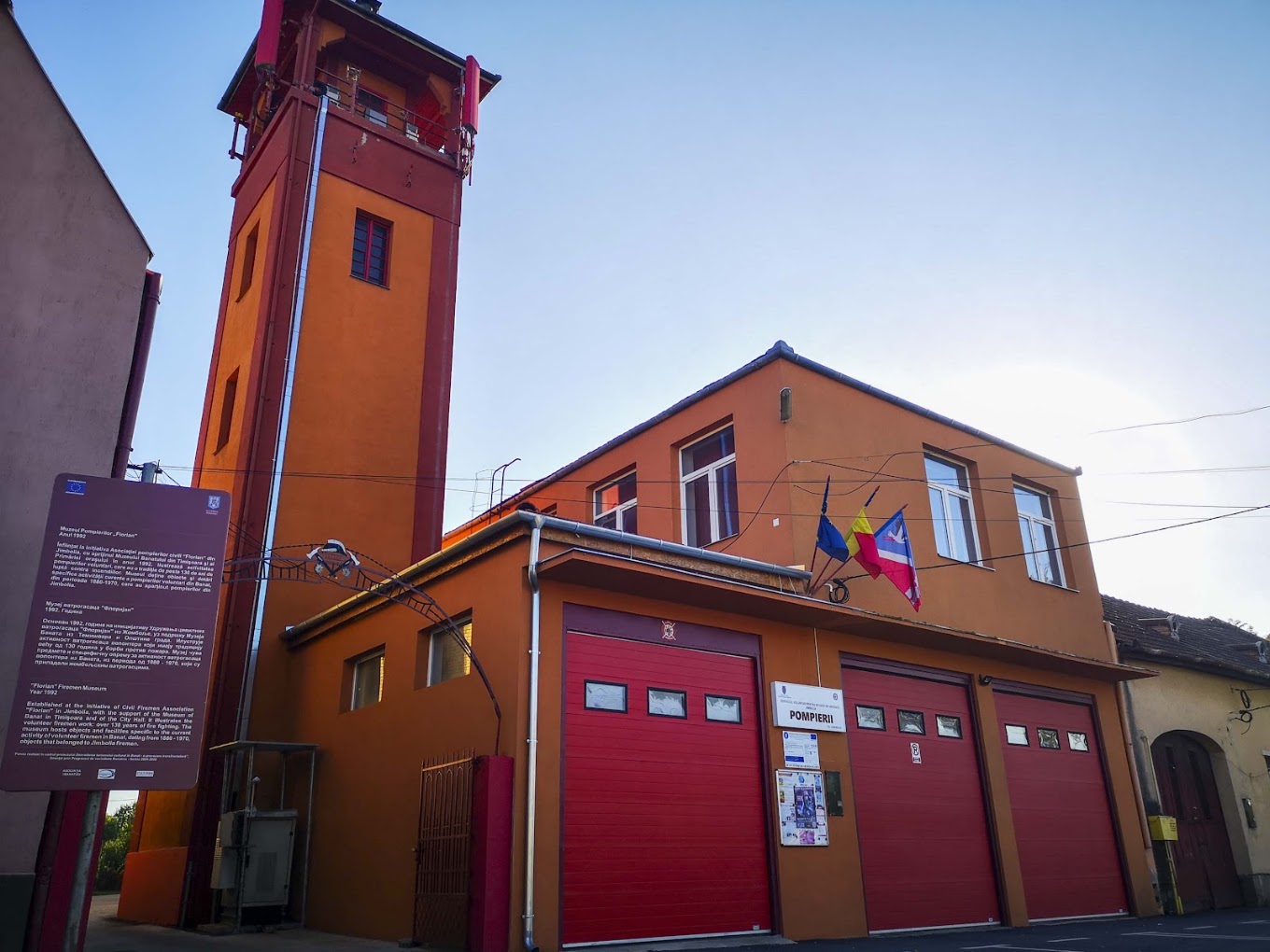
They are located at the exit from town, on the road leading to the locality of Comlosul Mare. They are actually anthropic origin lakes, resulted from the excavations performed by the former Ceramica (Pottery) factory in search of the clay necessary for the construction of bricks. They have areas of up to 7 hectares, and depths of up to 25-30 meters. They represent the favorite place of the fishing lovers (the ponds are populated by various species of carp, pickerel, and catfish) and an ideal recreation spot during the hot summer days.

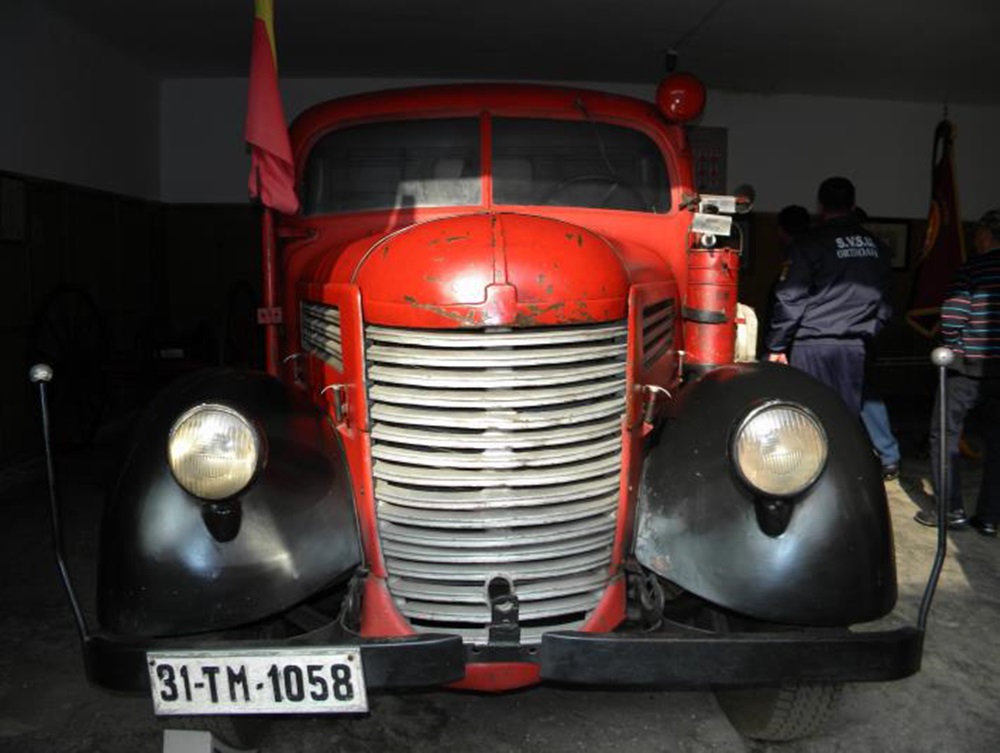
The Florian Museum of Firefighters

Museum

The Florian Museum of Firefighters

It was established in 1993, upon initiative of the ”Florian” Civilian Firefighters Association in Jimbolia, with the support of the Town Hall employees and of the…

  • 9 Strada Liviu Rebreanu, Jimbolia 305400
Museum

The Florian Museum of Firefighters

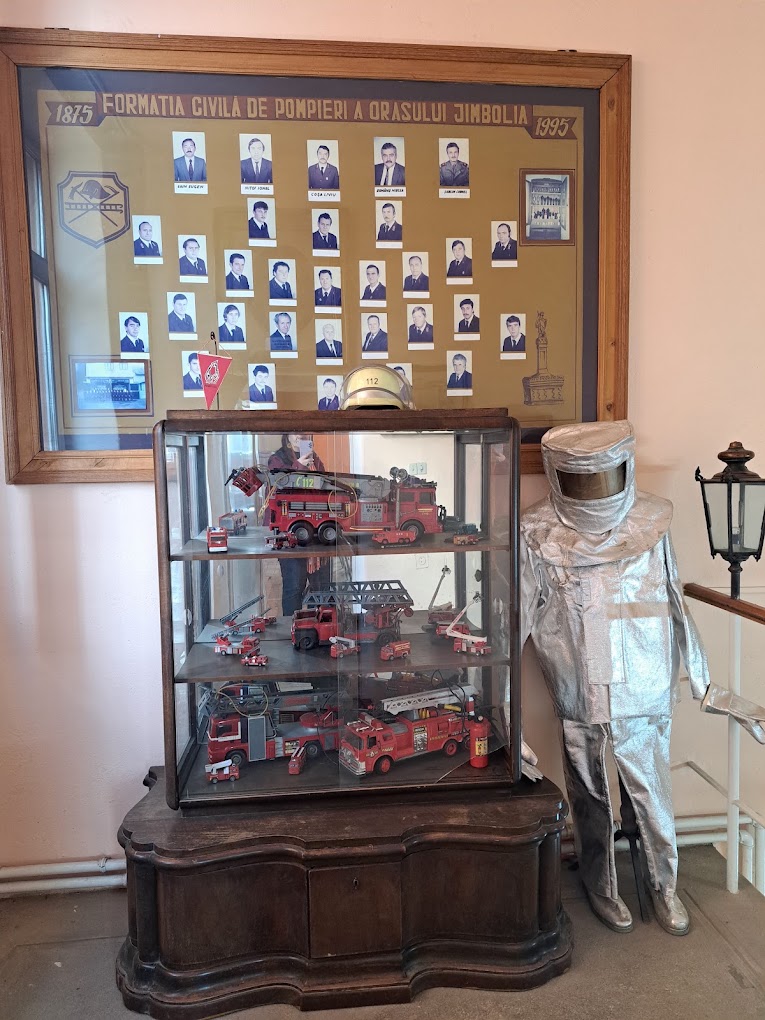
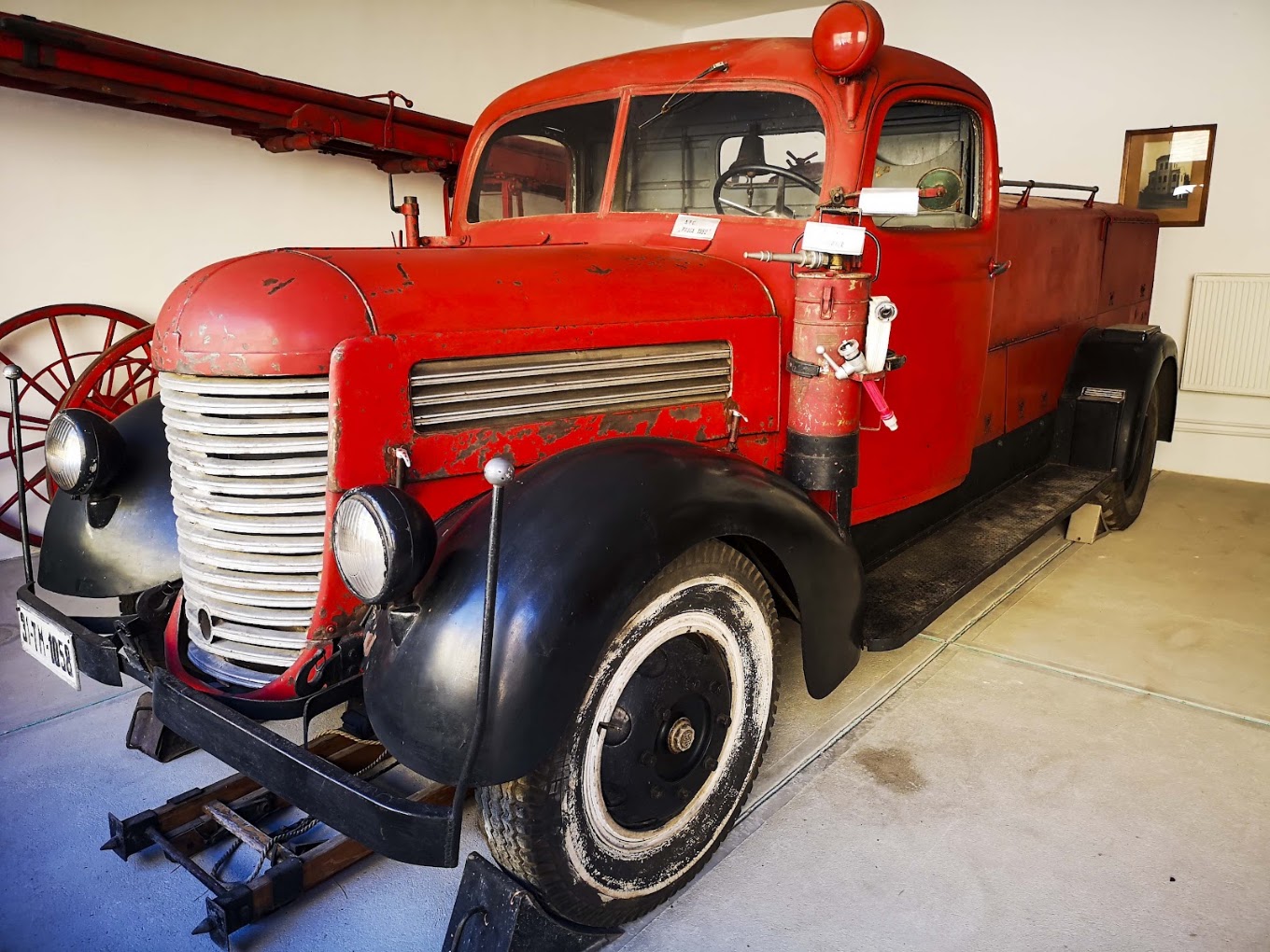
It was established in 1993, upon initiative of the ”Florian” Civilian Firefighters Association in Jimbolia, with the support of the Town Hall employees and of the ”Banatul” Museum in Timisoara, in order to honor the activity of firefighting of the volunteer firefighters. The museum exhibits objects and specific equipment for the volunteer firefighter teams in the Banat, dating back to the period 1880 – 1970, which belonged to the firefighters in Jimbolia, paintings, photographs, diplomas and trophies obtained by the volunteer firefighters in professional competitions.

Contact and practical information

Address
9 Strada Liviu Rebreanu, Jimbolia 305400
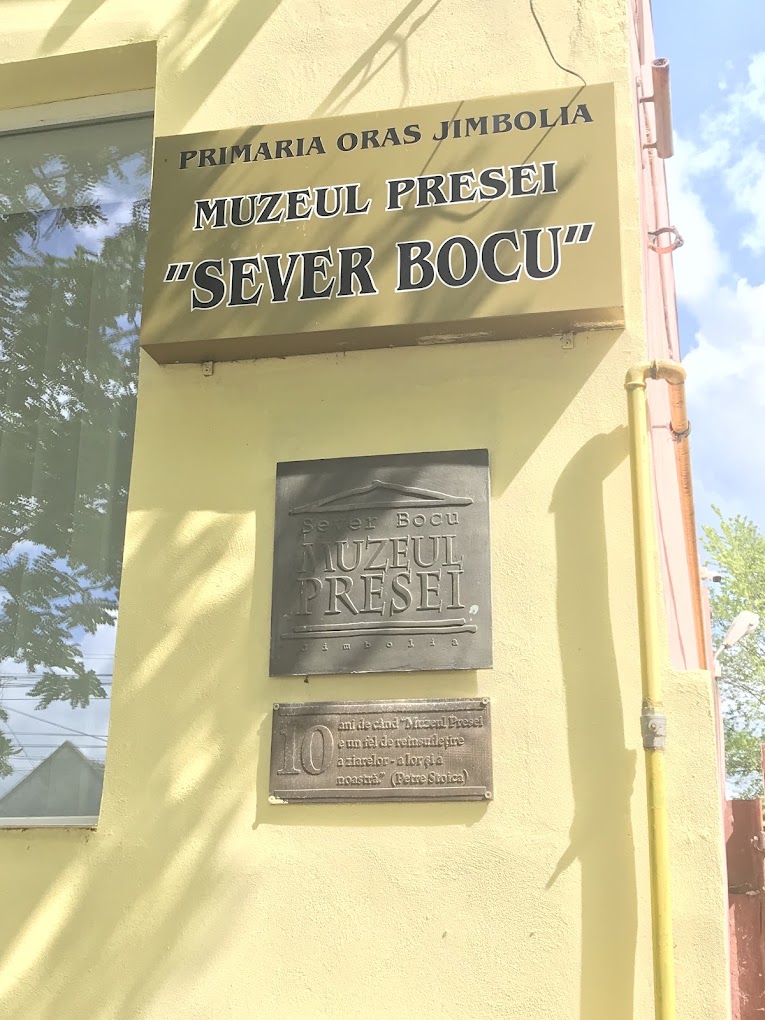
Sever Bocu Press Museum

Museum

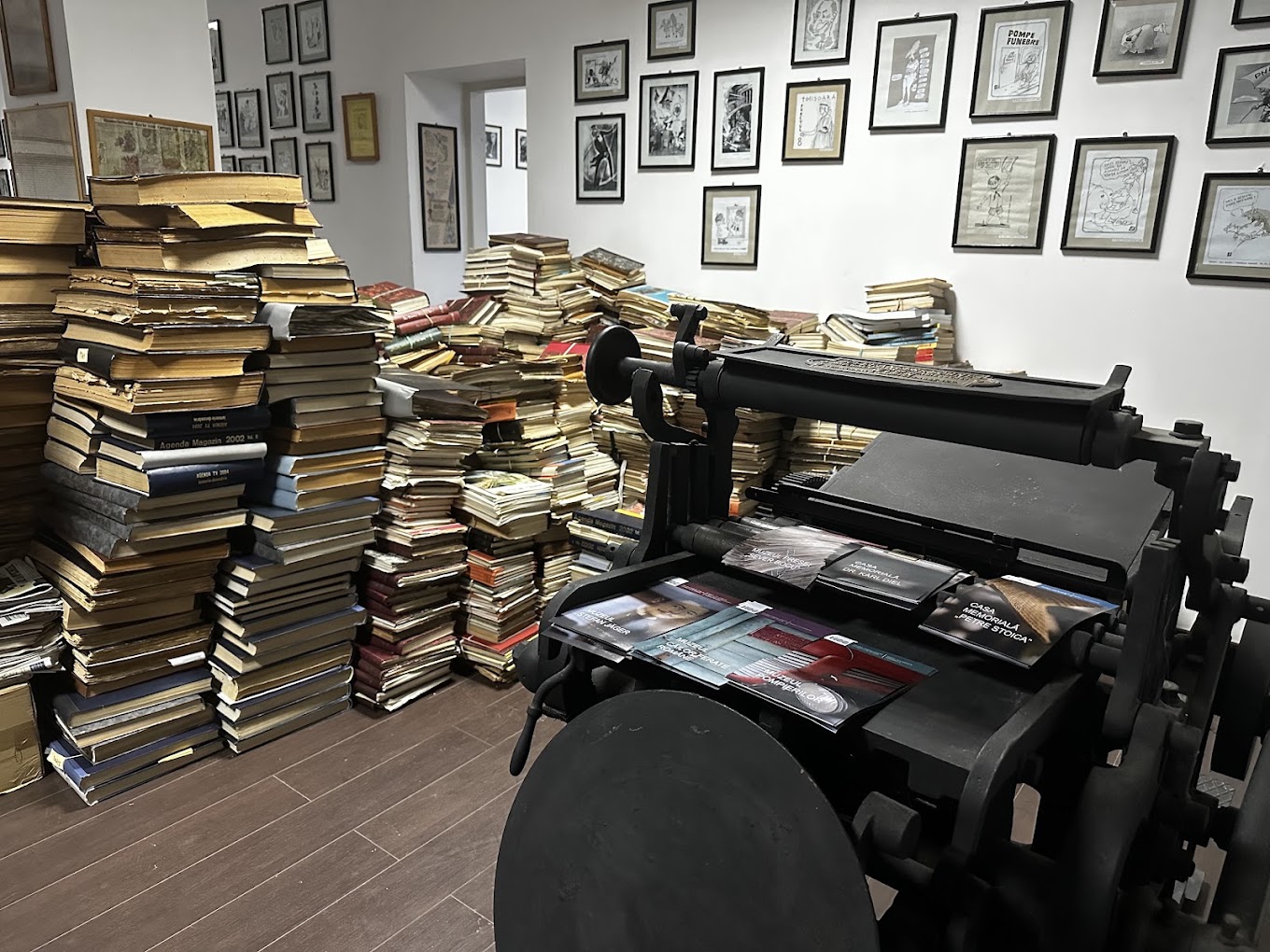
Sever Bocu Press Museum

It was established on initiative and by contribution of the poet Petar Stojic, and its main purpose is to preserve, present and promote the cultural and historical…

  • Loc. Jimbolia,Lorena, 35

Museum

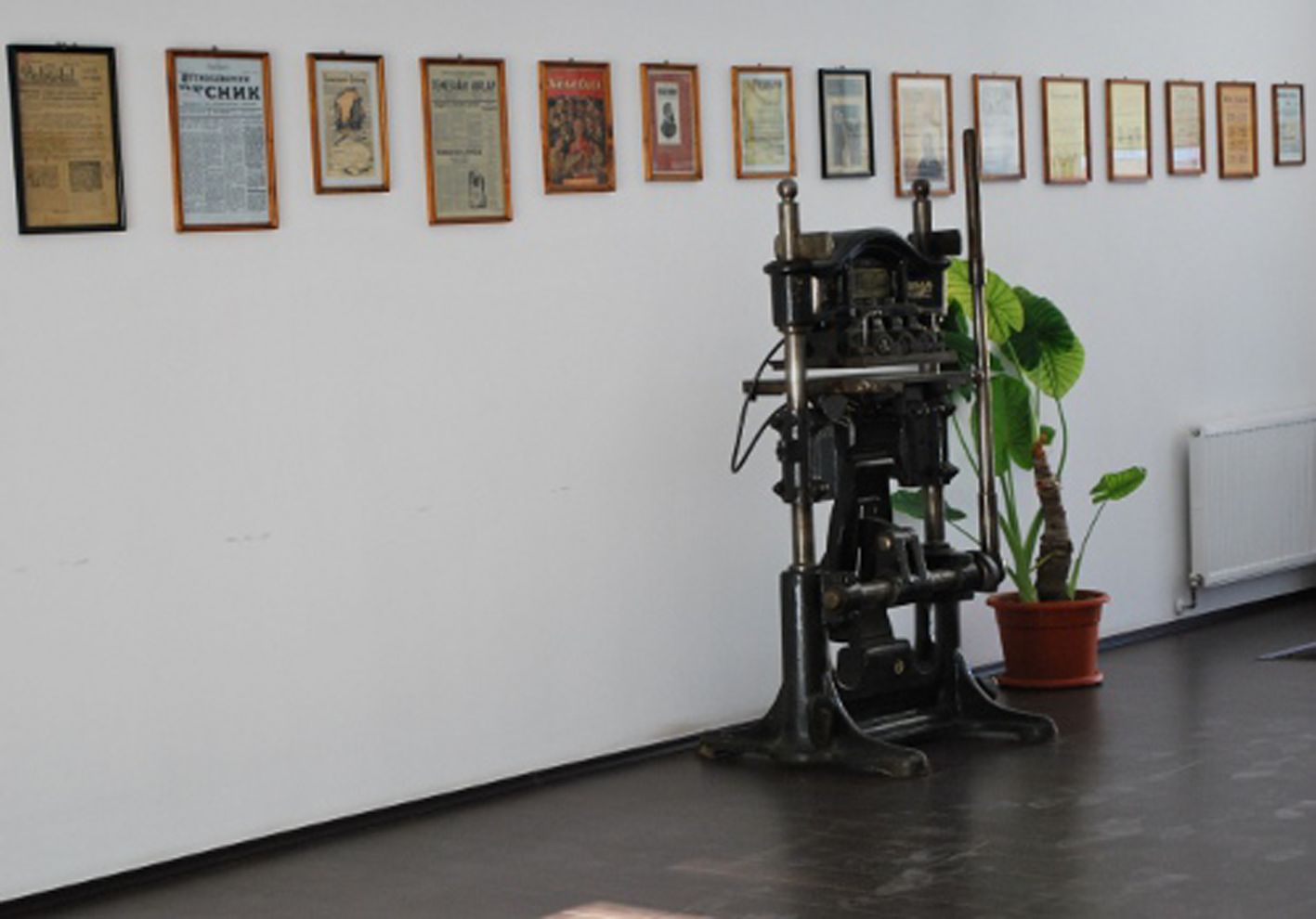
Sever Bocu Press Museum

It was established on initiative and by contribution of the poet Petar Stojic, and its main purpose is to preserve, present and promote the cultural and historical values of the social, political and economic events, as they were reflected in time by the written press. The museum has several rooms where various collections of old newspapers, almanacs and calendars from the 19th and the 20th centuries are presented.

Contact and practical information

Address
Loc. Jimbolia,Lorena, 35
Buna Vestire Orthodox Church

Church

Buna Vestire Orthodox Church

The "Buna Vestire" Orthodox Church was built in the Neo-Soviet style, between 1933-1942, according to the plans of the Romanian architect Victor Vlad. This was…

  • Str. Republicii

Church

Buna Vestire Orthodox Church

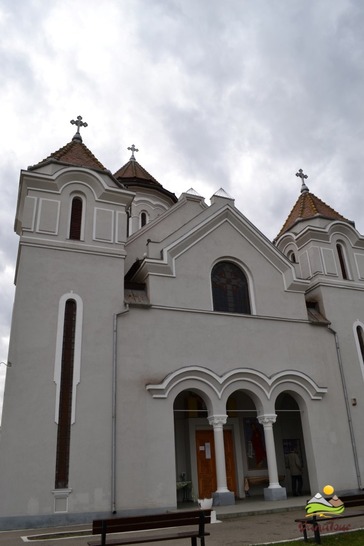
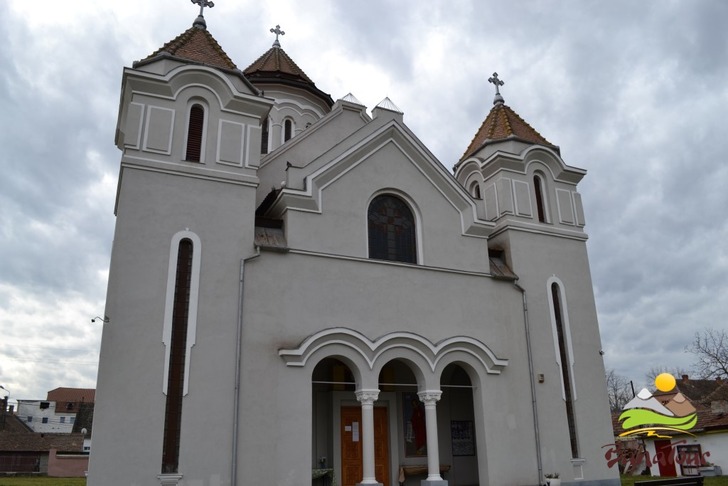
The "Buna Vestire" Orthodox Church was built in the Neo-Soviet style, between 1933-1942, according to the plans of the Romanian architect Victor Vlad. This was celebrated in 1942 under the patronage of the "Celebration" celebrations (March 25), and in 2004 with the patronage "The Assumption of the Virgin" (August 15). The worship place has three towers and a cylindrical vault, entirely covered with a tile. Between 1938 and 1941, painter Vasile Hudici performs the mural painting in an unusual style, and between the years 1938-1944 the iconostasis and the interior furniture by the Iasi artist Ioan Antonescu are carved in lime wood. The traditional Banana prayer is organized, featuring folk music bands, artisans and folk artists from all over the country under the patronage of the Orthodox Church.

Contact and practical information

Address
Str. Republicii
Dumbrăviţa Accumulation

Viewpoint

Dumbrăviţa Accumulation

Dumbravita Accumulation Lake is approximately 7 km away from Timisoara, at the exit of Dumbravita, on the right side of the road, close to Padurea Verde. The lake…
Viewpoint

Dumbrăviţa Accumulation

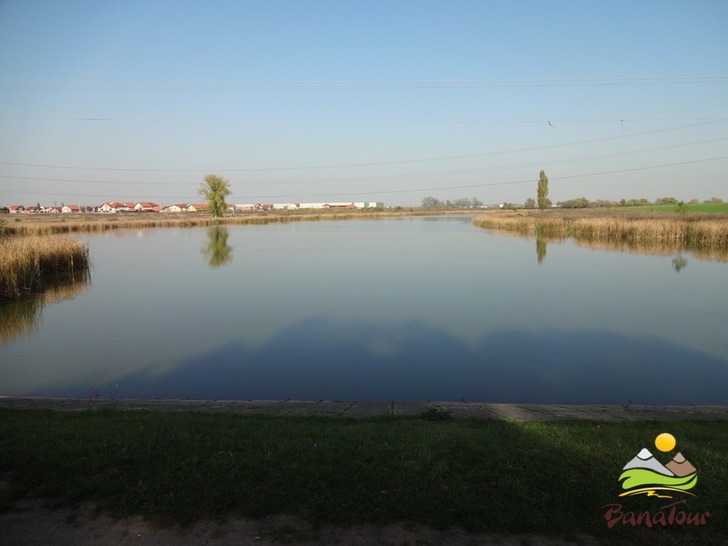
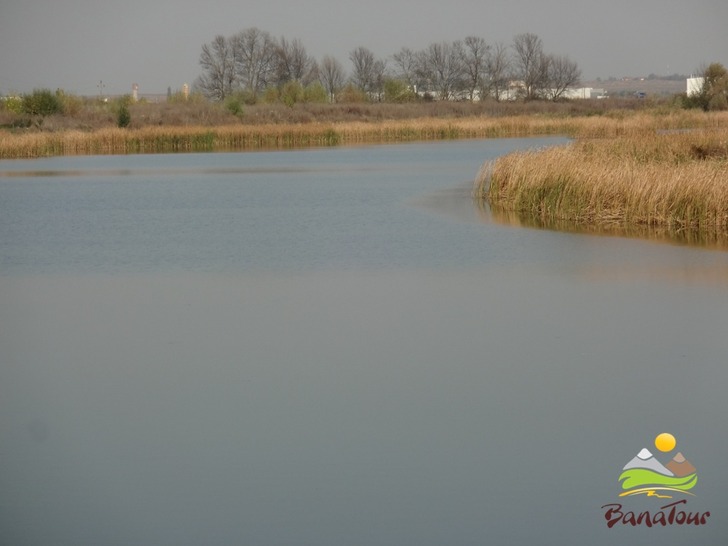
Dumbravita Accumulation Lake is approximately 7 km away from Timisoara, at the exit of Dumbravita, on the right side of the road, close to Padurea Verde. The lake streches over approximately 13 ha. It was set up again in 2009. The access to the lake is by the 691 county road, Timisoara – Lipova; at the exit of Dumbravita, at the roundabout one takes the right and after approximately 500 meters one reaches the lake. Fishing is allowed both with permit or without it (25 lei fee/person) with maximum four rods. Night fishing is also allowed.

The Classic Restaurant Hotel

Hotel

The Classic Restaurant Hotel

The “Classic” Restaurant Hotel (Tudor Vladimirescu Street) – It provides a modern and relaxing atmosphere; the place contains an indoor terrace and offers meals of…

  • Tudor Vladimirescu Street, Jimbolia 305400,
  • +40 727 622 530

Hotel

The Classic Restaurant Hotel

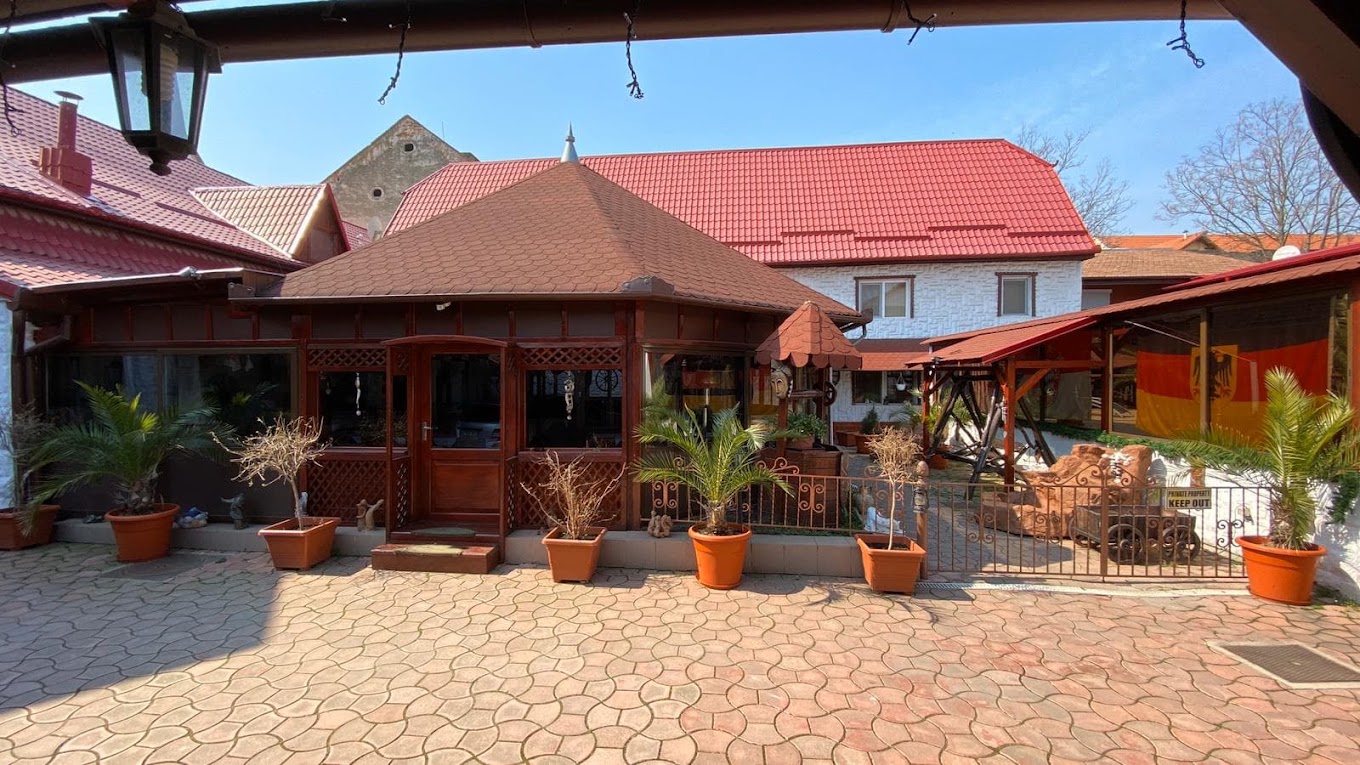
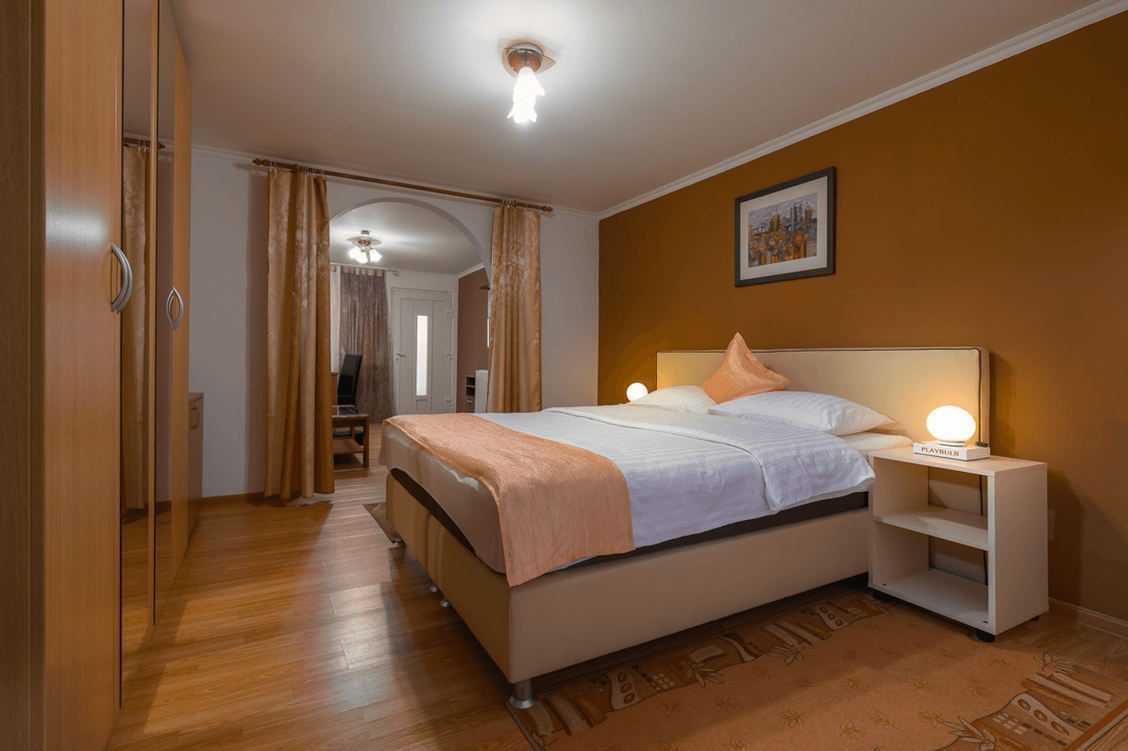
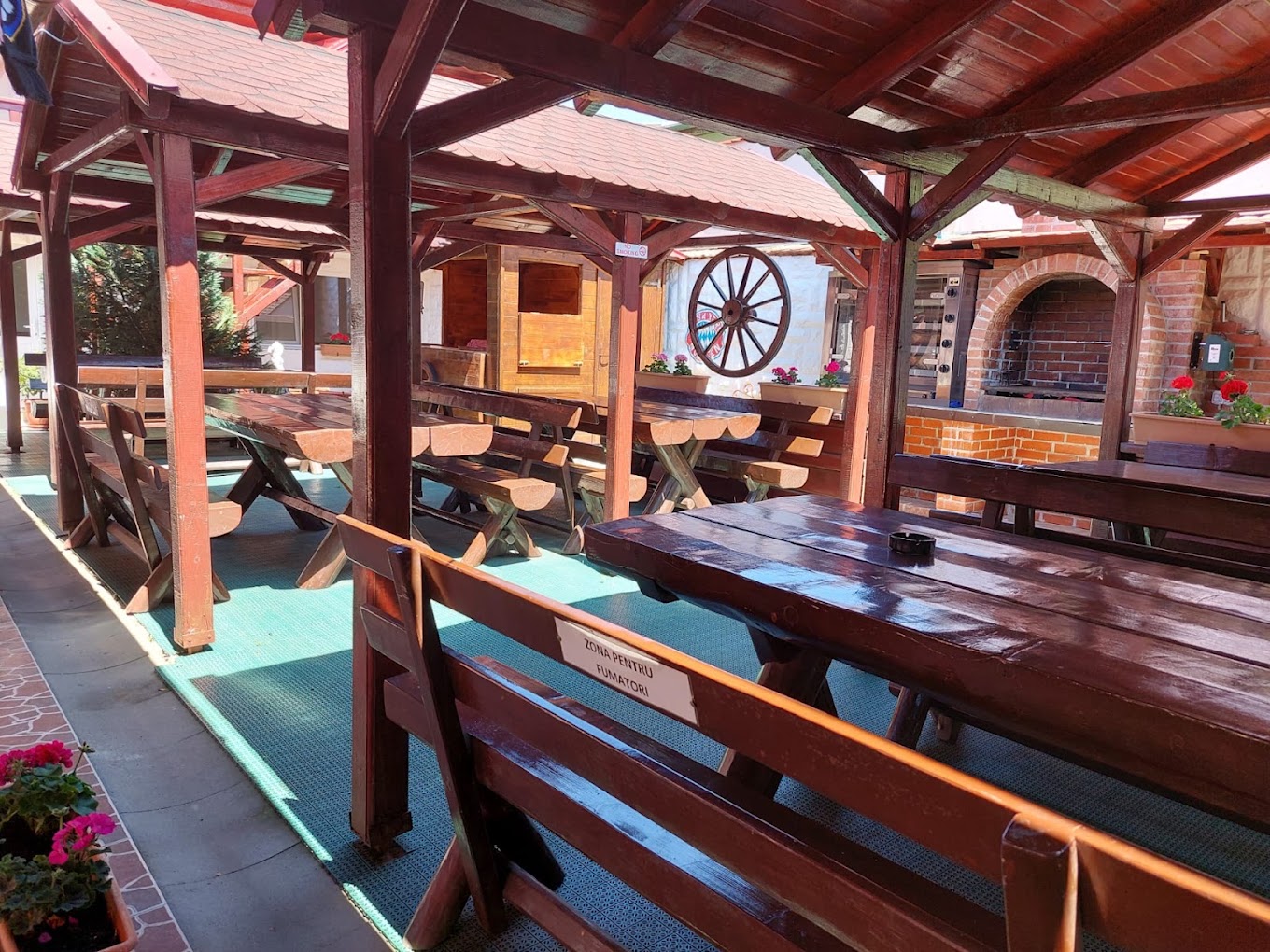
The “Classic” Restaurant Hotel (Tudor Vladimirescu Street) – It provides a modern and relaxing atmosphere; the place contains an indoor terrace and offers meals of Swabian cuisine. It represents a good occasion to remind on the German characteristics that Jimbolia has been preserving for centuries. The hotel can host 30 people and it has two types of apartments: doubles (living room, bedroom, bathroom with shower cabin) and singles (bedroom, corridor, bathroom with shower cabin). Each apartment is equipped with refrigerators and TV sets.

Contact and practical information

Address
Tudor Vladimirescu Street, Jimbolia 305400,