Back to all routes

(Srpska Crnja - Zrenjanin - Belo Blato)

TDB-6: EuroVelo Bridge

This 79 km route connects EuroVelo 13 and EuroVelo 11, taking you from Srpska Crnja to Bielo Blato. Along the path, numerous cultural and natural sites await, including Neuhausen Castle, the Rocky Balboa statue in Žitište, the historic center of Zrenjanin, Kaštel Castle in Ečka, and the Carska Bara Special Nature Reserve. Keep in mind that Romanian time is one hour ahead of Serbian time. Attention: Extra caution is required through the urban area of Zrenjanin due to heavier traffic. Recommended direction: Counterclockwise.

Distance
82 km
Estimated duration
310 min
Surface type
Asphalt
Points of interest
45

Route map

An interactive view of this cycling route's complete path.

The interactive map is currently unavailable. The remaining route information is available on this page.

About the route

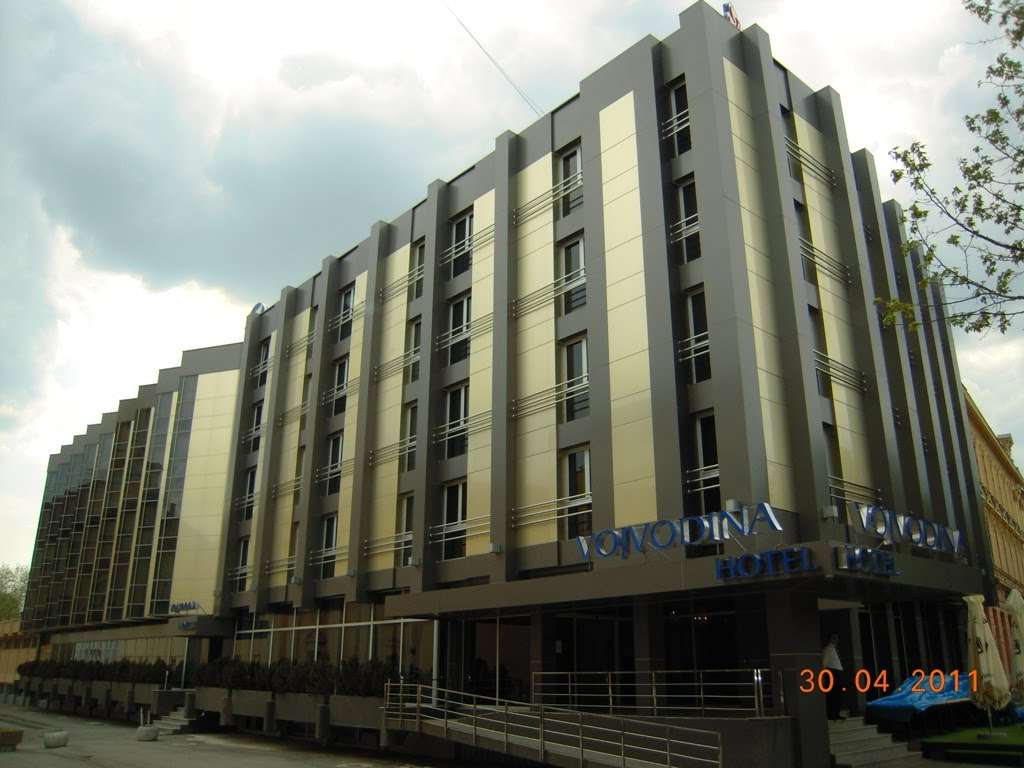
This route is equally intended for nature lovers and those interested in cultural and historical heritage. Its main feature is that it connects EuroVelo 13 (Iron Curtain Trail) and EuroVelo 11 (East Europe Route), serving as an ideal DeTour to conclude a visit to this region or to continue your journey further. The route is 79 km long and can be completed in a single day. We begin DeTour 6 at the Cycle Touring Center (next to the Neuhausen Castle), from where we ride to Srpska Crnja and stop at some of the town's sights, such as the Orthodox Church of the Holy Great Martyr Procopius, the St. Joseph Catholic Church, the Đura Jakšić Memorial Museum and House, the Đura Jakšić monument, and/or the local swimming pools in Srpska Crnja. From there, we continue toward Nova Crnja along the M7 regional road, where the asphalt is of good quality and the road is properly marked with traffic signs. In Nova Crnja, we can see the Church of St. Agatha and continue toward Aleksandrovo, where we can take a break at the Ljubičin Gaj rest stop and view the "Volunteers' Gate" Monument and the monument to Alexander I Karađorđević. From Aleksandrovo, we continue toward Banatsko Karađorđevo, where Lake "Jamura" awaits us—an excellent spot for picnics, rest, and sport fishing. The route continues along the M7 regional road to Čestereg, where we can visit the Church of St. Elijah, and further to Banatski Dvor, where the Orthodox Church of St. Petka and the mid-19th century "Rogendorf" Castle are located right next to the main road. In Žitište, an interesting Rocky Balboa statue awaits us, while the section from Žitište to Klek follows a newly built two-way cycle path that parallels the course of the Bega Canal for about 6 km. In Klek, it is worth visiting the Sluice Gate on the Bega Canal, from where we return to the M7 main road and continue along a good cycle path toward the City of Zrenjanin, the administrative and cultural center of Central Banat. From the city entrance to the center of Zrenjanin, we ride along city streets where special caution is required in traffic, while only a small part of the route follows the cycle path along the Bega Canal. Zrenjanin offers a wealth of interesting attractions (the City Hall, museum, theater, religious buildings, etc.), which are mostly located in the very center and require a bit more time to visit, while Hotel "Vojvodina" is located in the heart of the center for overnight stays. Along city streets and partially on cycle paths, we continue toward the Mužlja neighborhood, but beforehand we suggest resting at the city beach "Peskara", ideal for a break and refreshment in the summer months. In Mužlja, we can visit the Catholic Church of the Name of Mary, from where we take a good asphalt road with light traffic toward the village of "Lukino Selo". After a short ride (4.5 km), we reach Lukino Selo, but instead of entering it, we continue to the village of "Ečka", where the magnificent "Kaštel" Hunting Castle awaits—famous for its opening in 1820 as the venue where Franz Liszt gave one of his first performances. After resting at Kaštel, we continue toward the village of "Stajićevo", riding for 2 km along the M13 main road upon exiting Ečka, where special caution is required due to heavy traffic. Just one kilometer past Stajićevo, Restaurant "Trofej" awaits us within the "Tiganjica" ethno-village, complete with a mini zoo, accommodation, a children's playground, a mini stud farm, and other amenities. After a break at Trofej, we head toward the "Carska Bara" Special Nature Reserve, best known for its rich flora and fauna, particularly its birdlife with over 200 species. Here, you can walk along one of the hiking trails or book a boat tour. The route ends in the village of "Belo Blato", located on the edge of Carska Bara and surrounded by the Bega, Tisa, and reed marshes, which due to its unique character and beauty has been growing into an important rural and ethno-tourism destination in recent years. Recommended direction: Counterclockwise.

Points of interest
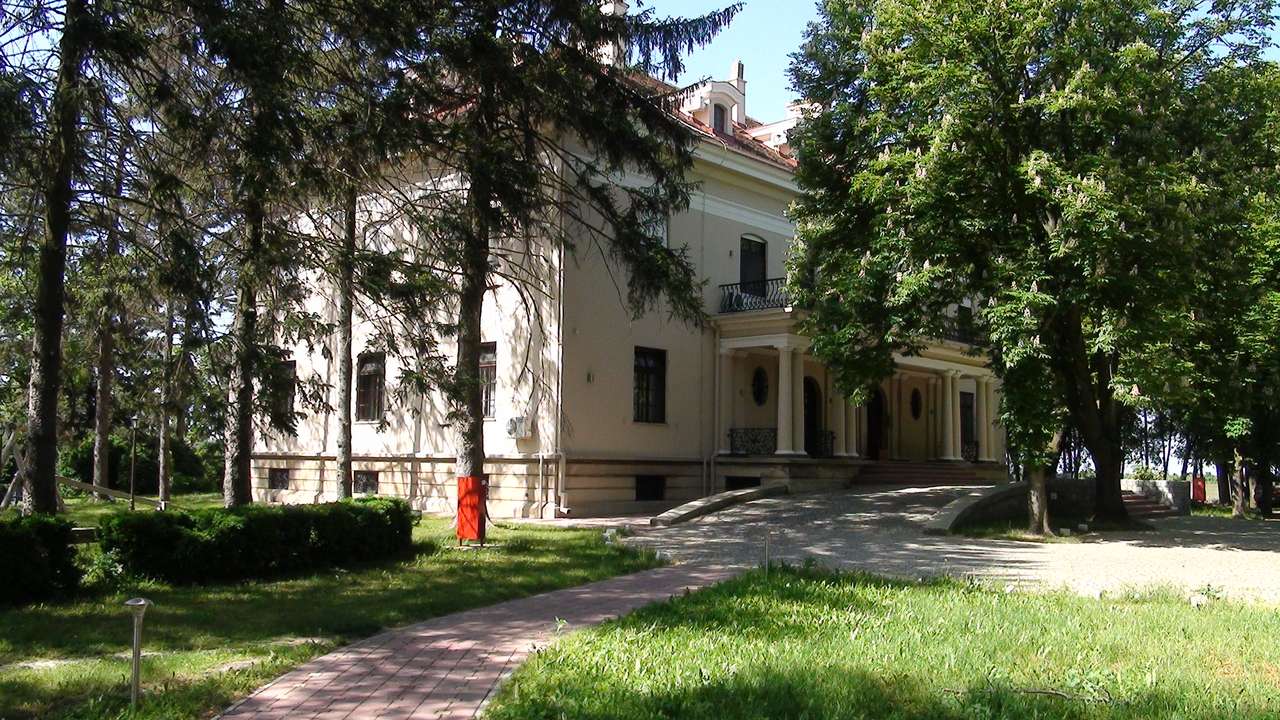
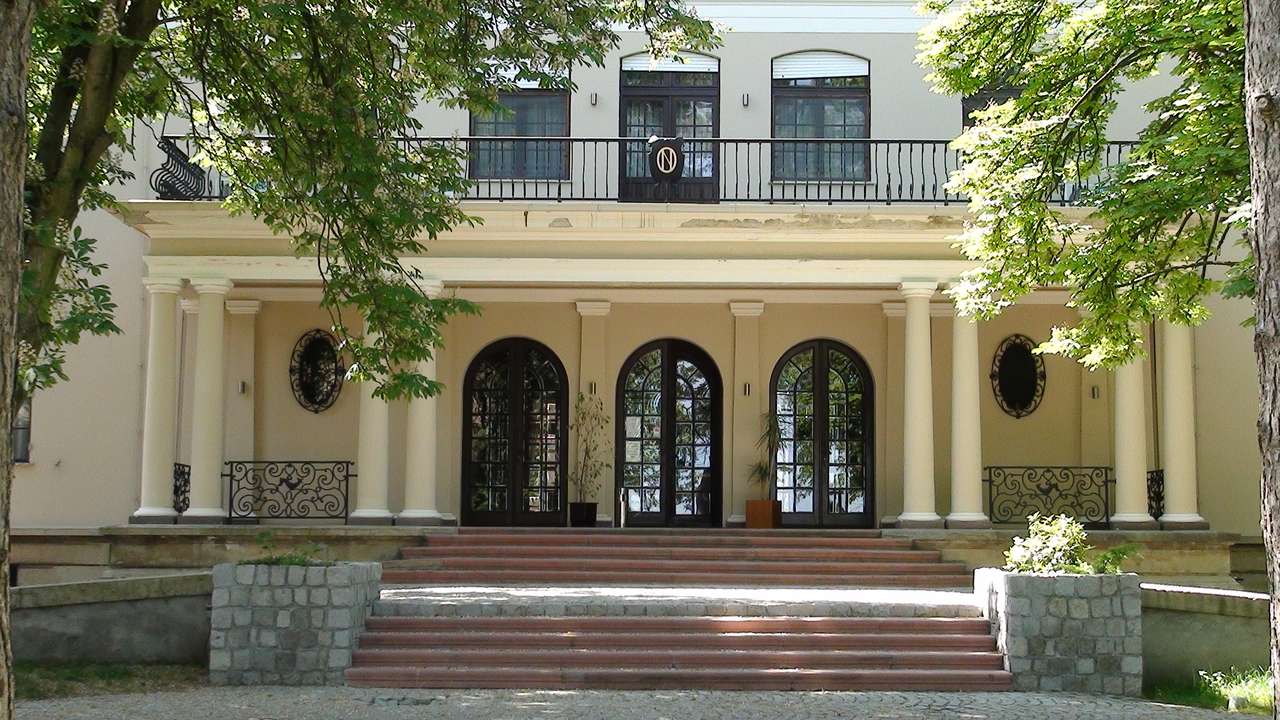
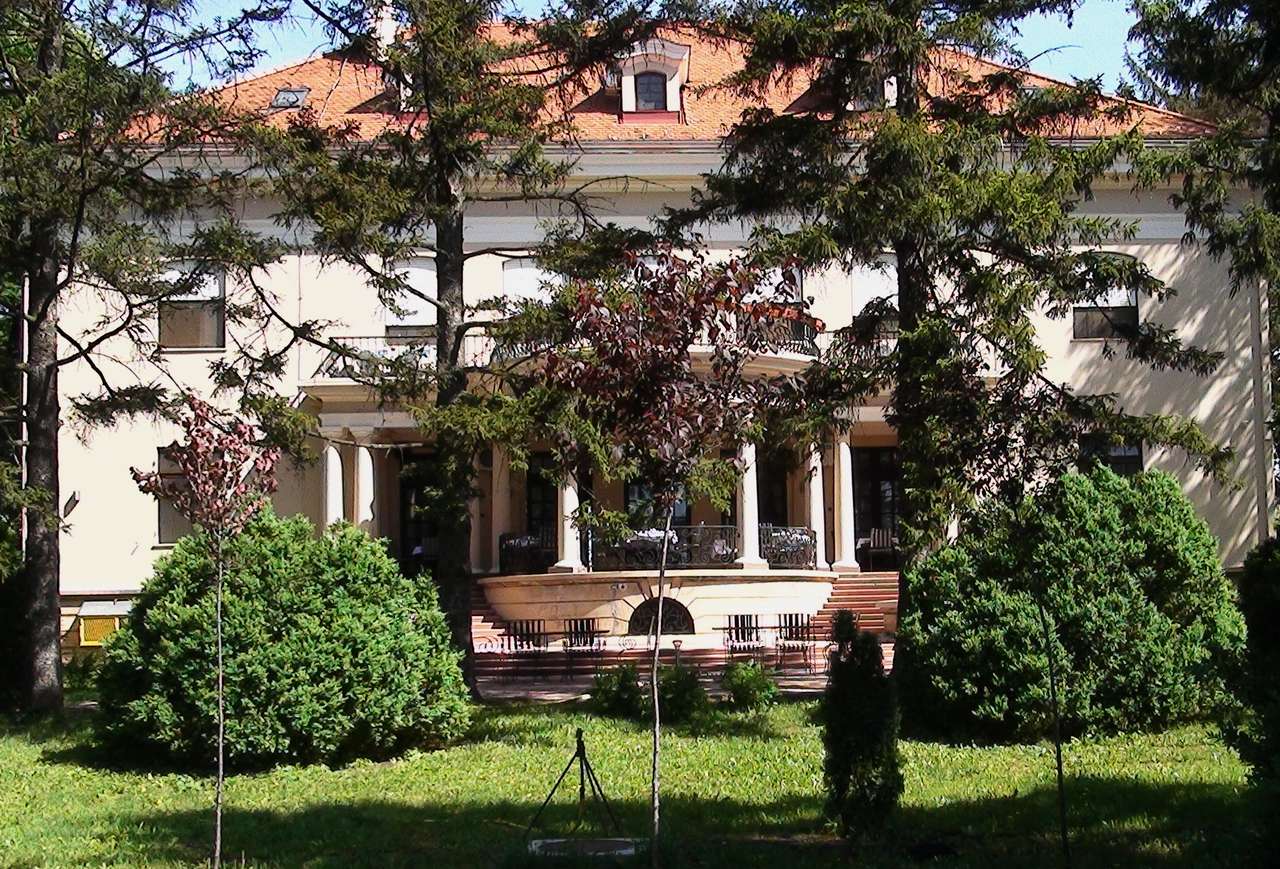
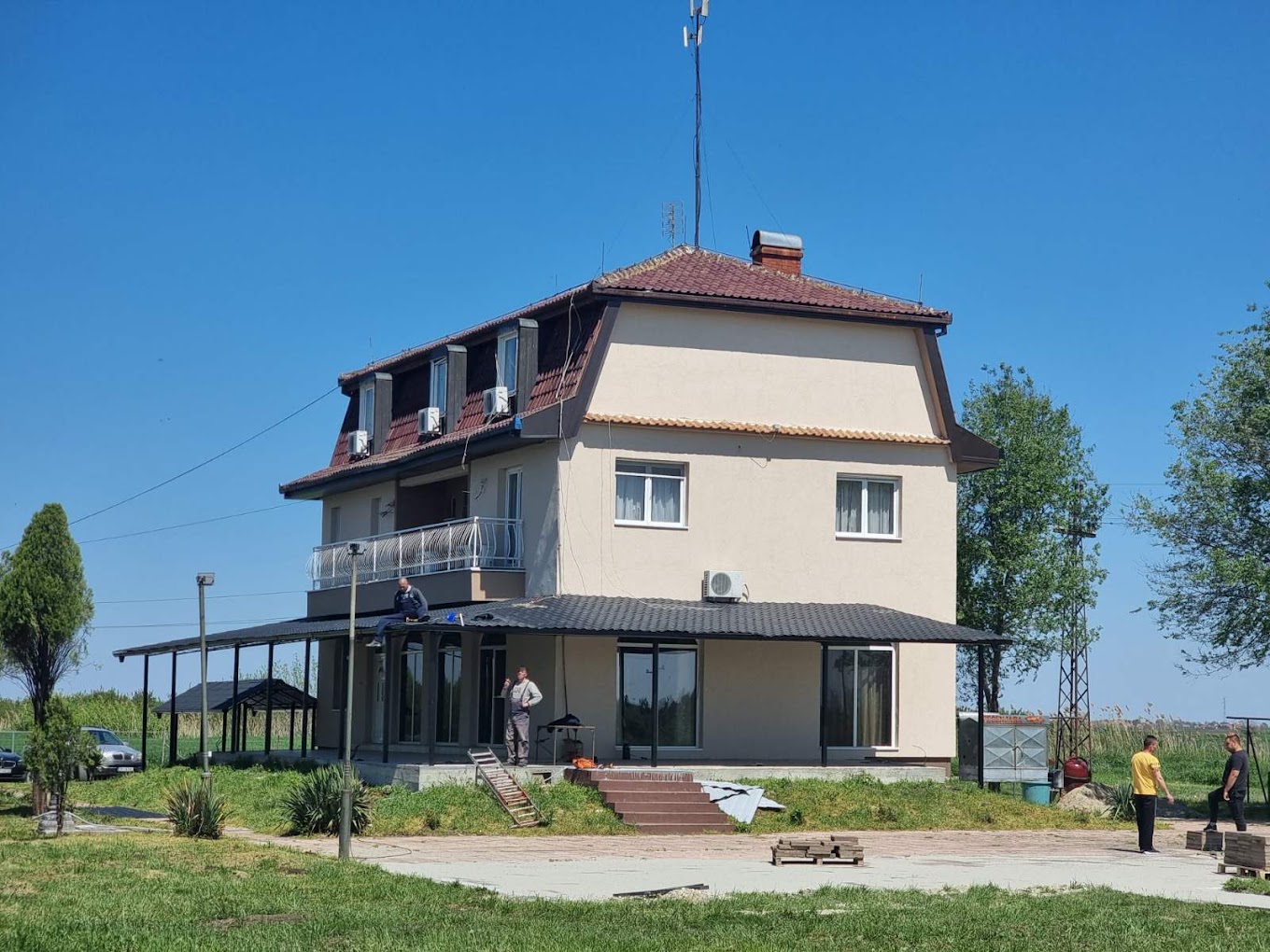
Dvorac Nojhauzen - Kaštel

Castle

Dvorac Nojhauzen - Kaštel

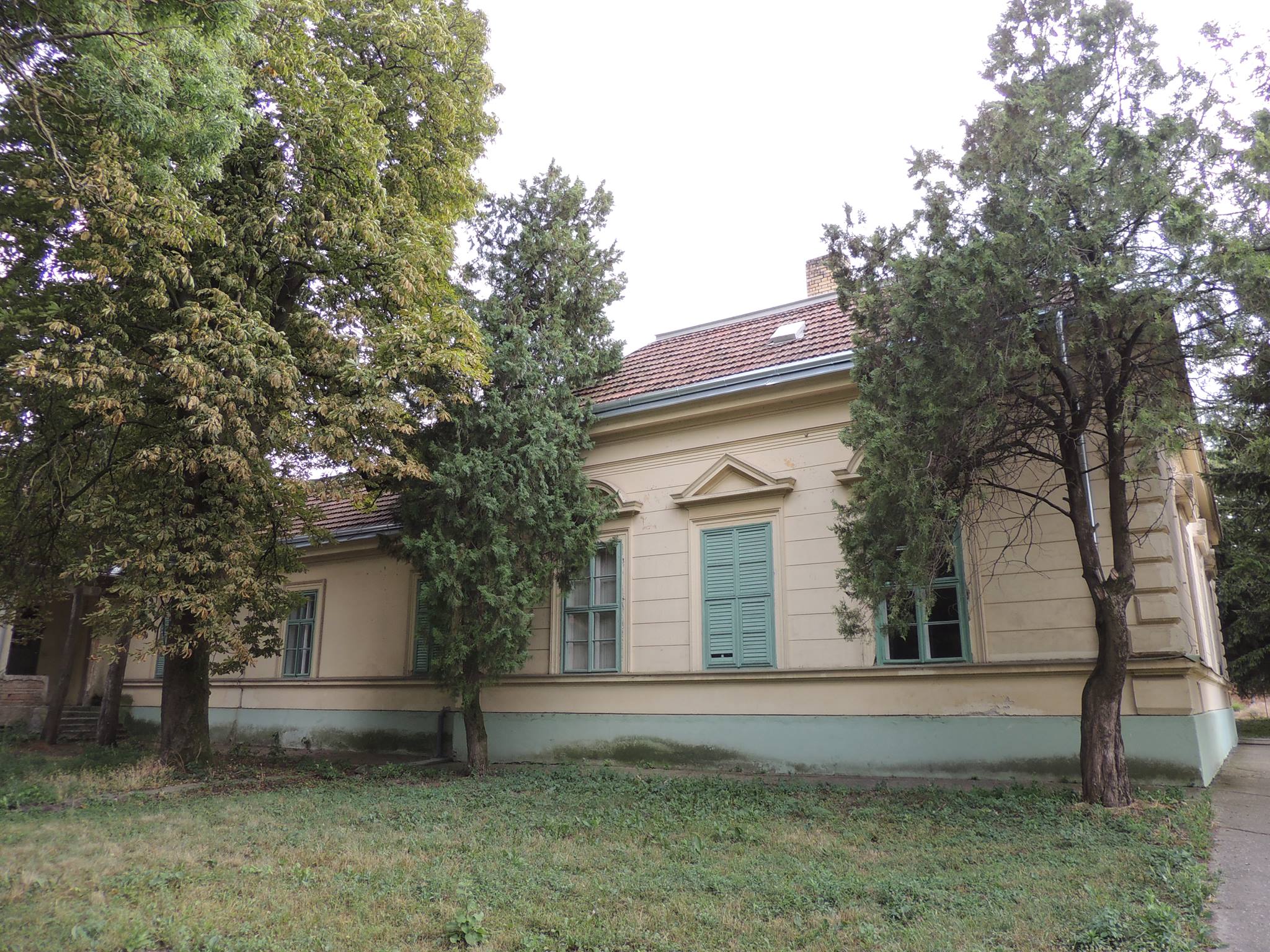
Dvorac je izgrađen 1943. godine za potrebe visokih oficira nemačke okupacione vojske na Balkanu, tačnije za generala Nojhauzena i njegovu porodicu, a po nekim tvrđenjima…

  • Kralja Aleksandra
  • +38123811360, +38123812636

Castle

Dvorac Nojhauzen - Kaštel

Dvorac je izgrađen 1943. godine za potrebe visokih oficira nemačke okupacione vojske na Balkanu, tačnije za generala Nojhauzena i njegovu porodicu, a po nekim tvrđenjima čak i za Hermana Geringa. Dvorac je anahron u odnosu na aktuelnu arhitekturu i stilove tog vremena, iako je u osnovi primenjen arhitektonski obrazac klasicističkog dvorca, sa svim njegovim odlikama.Tome u prilog idu i svi ostali elementi od ugrađenog luksuznog materijala, prvoklasne stolarije, hrastovine do ružičastog mermera itd. U sklopu dvorca se nalazi i nekoliko ekonomskih objekata, a ceo kompleks je ograđen. Kaštel se danas koristi kao restoran sa prenoćištem. Dvorac je evidentirano kulturno dobro.

Contact and practical information

Address
Kralja Aleksandra
Phone
+38123811360, +38123812636
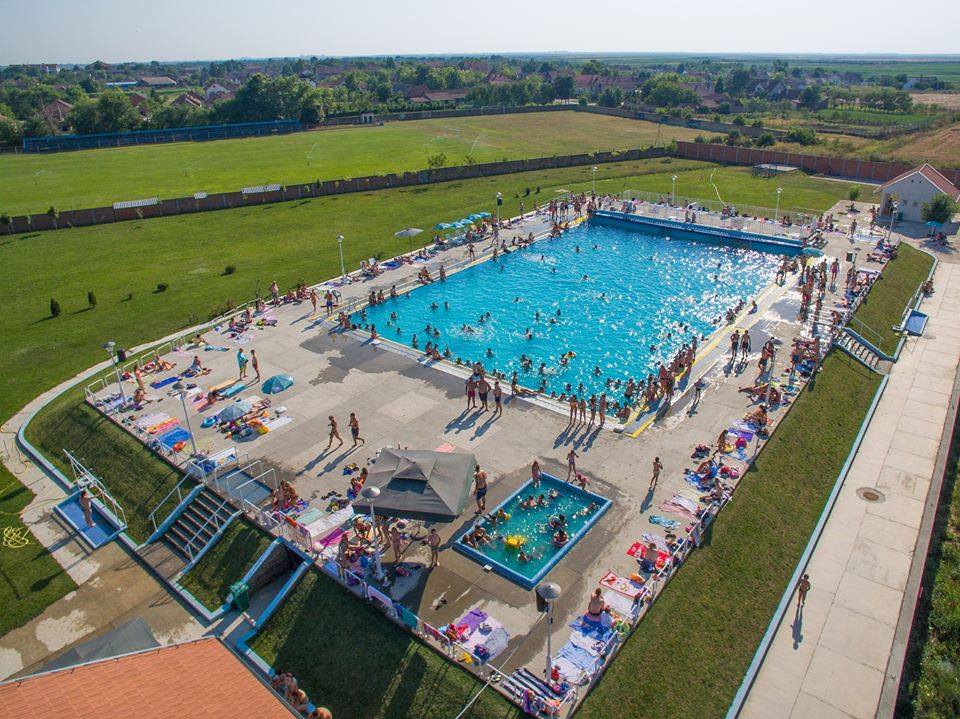
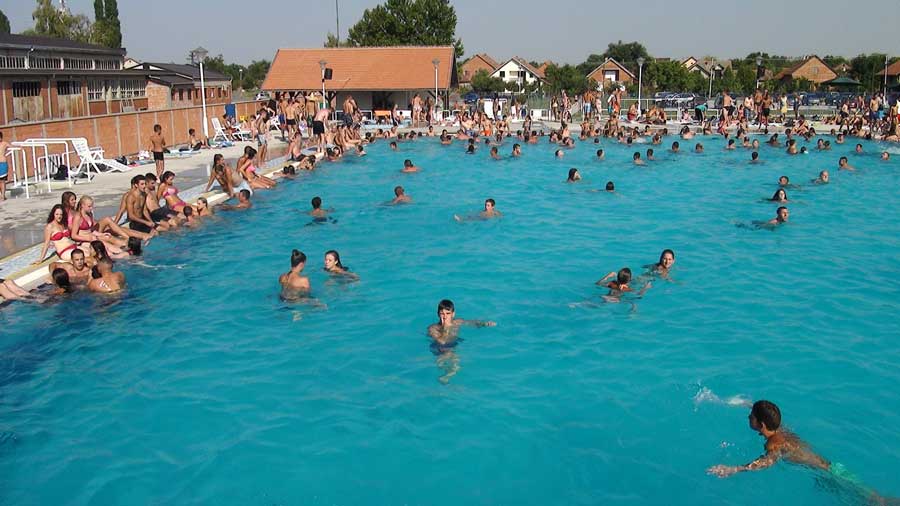
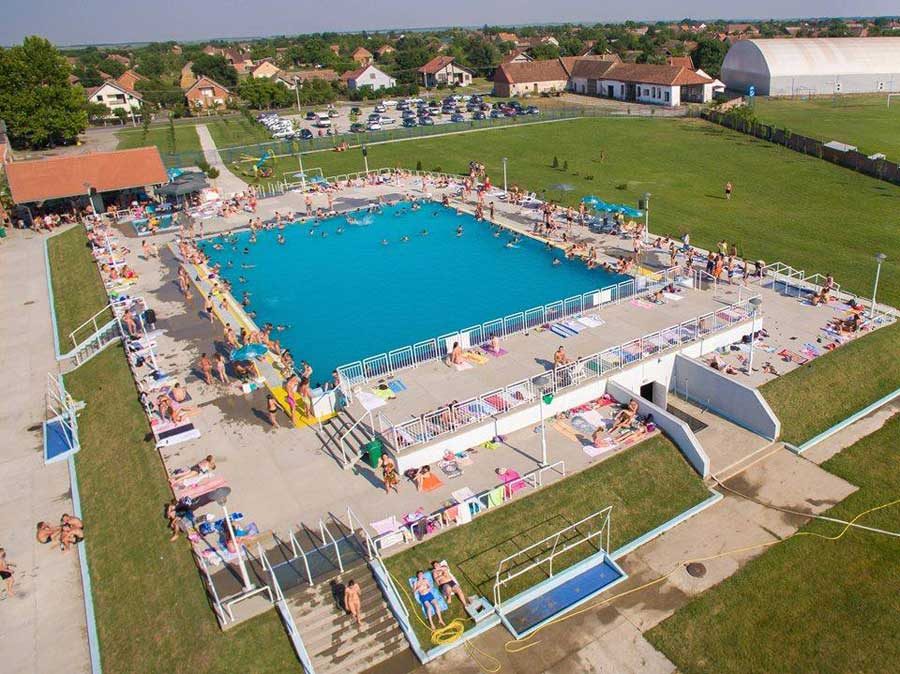
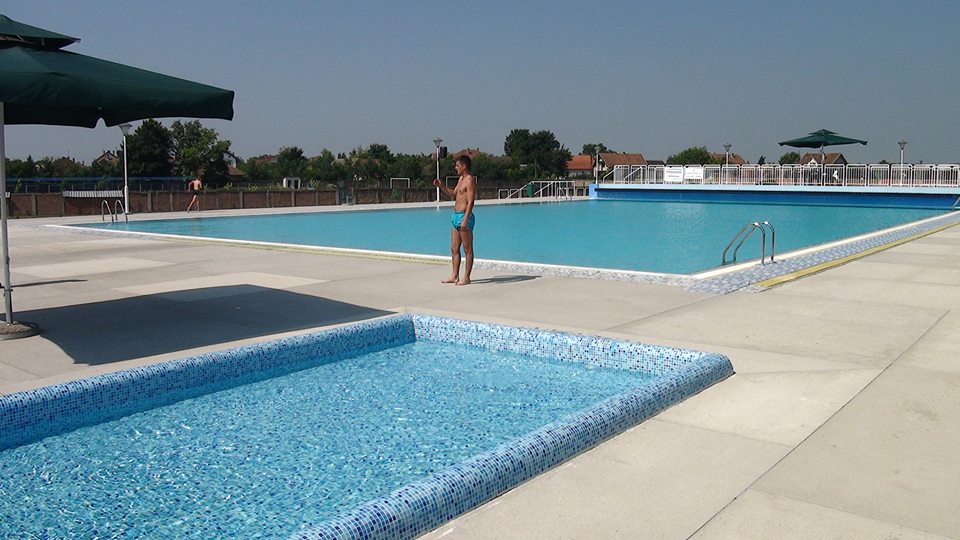
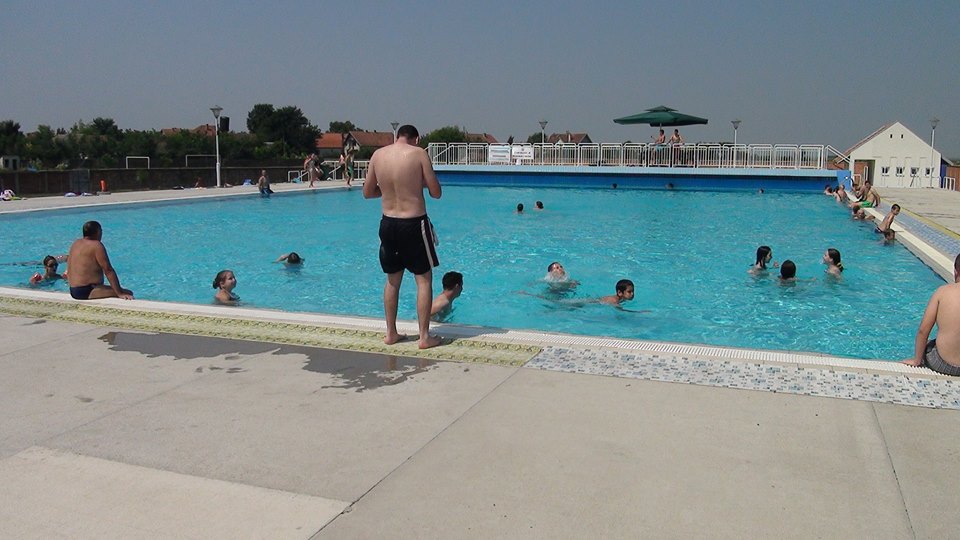
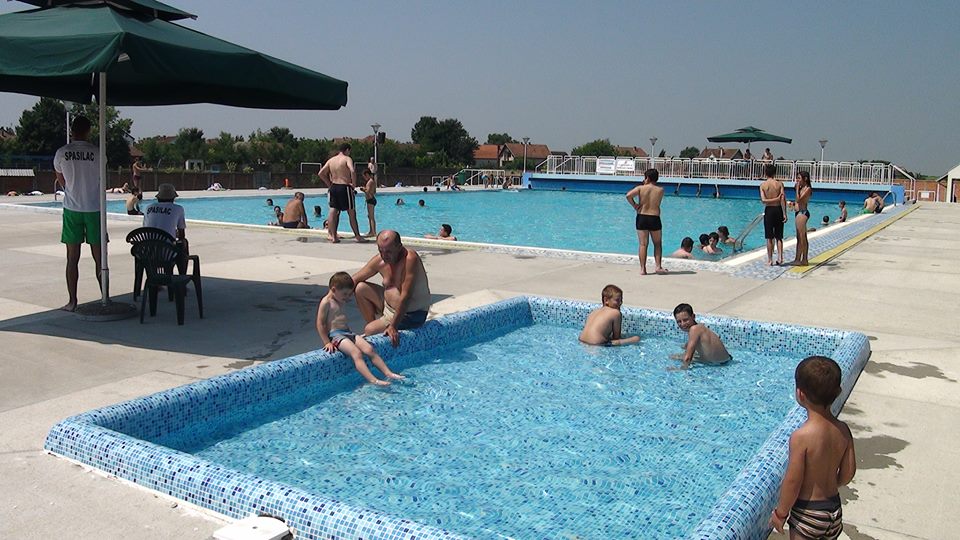
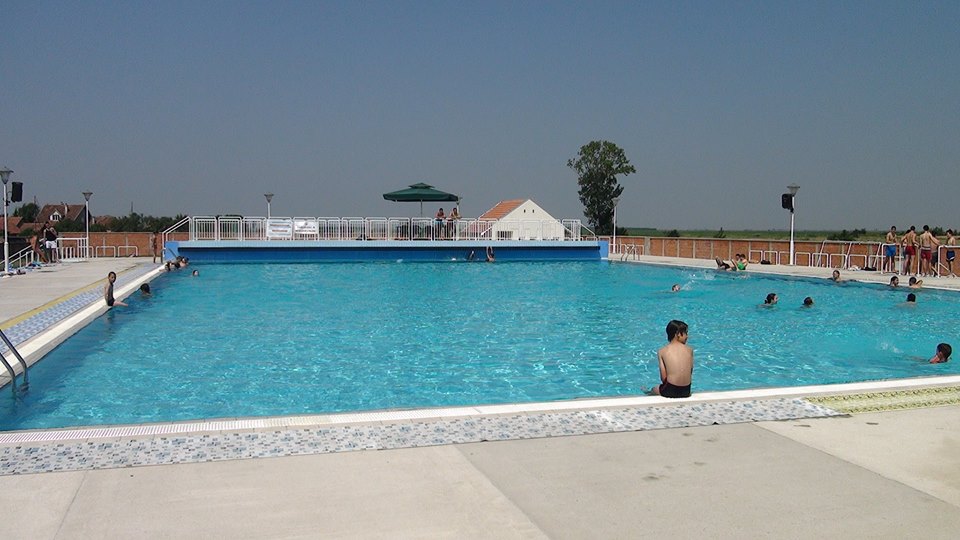
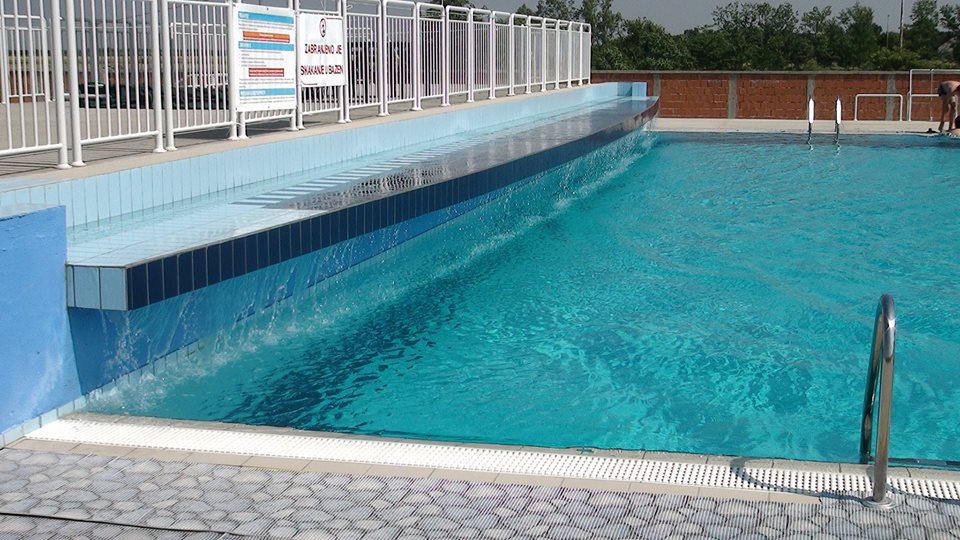
Srpska Crnja – Public pool

Pool

Srpska Crnja – Public pool

Outdoor public swimming pool is under the control of Serbian Crnja JKP "August 8". Opening time is from early June to early September. Regular water quality control is…

Pool

Srpska Crnja – Public pool

Outdoor public swimming pool is under the control of Serbian Crnja JKP "August 8". Opening time is from early June to early September. Regular water quality control is carried out by the Public Health Institute.

Contact and practical information

Address
Partizanska
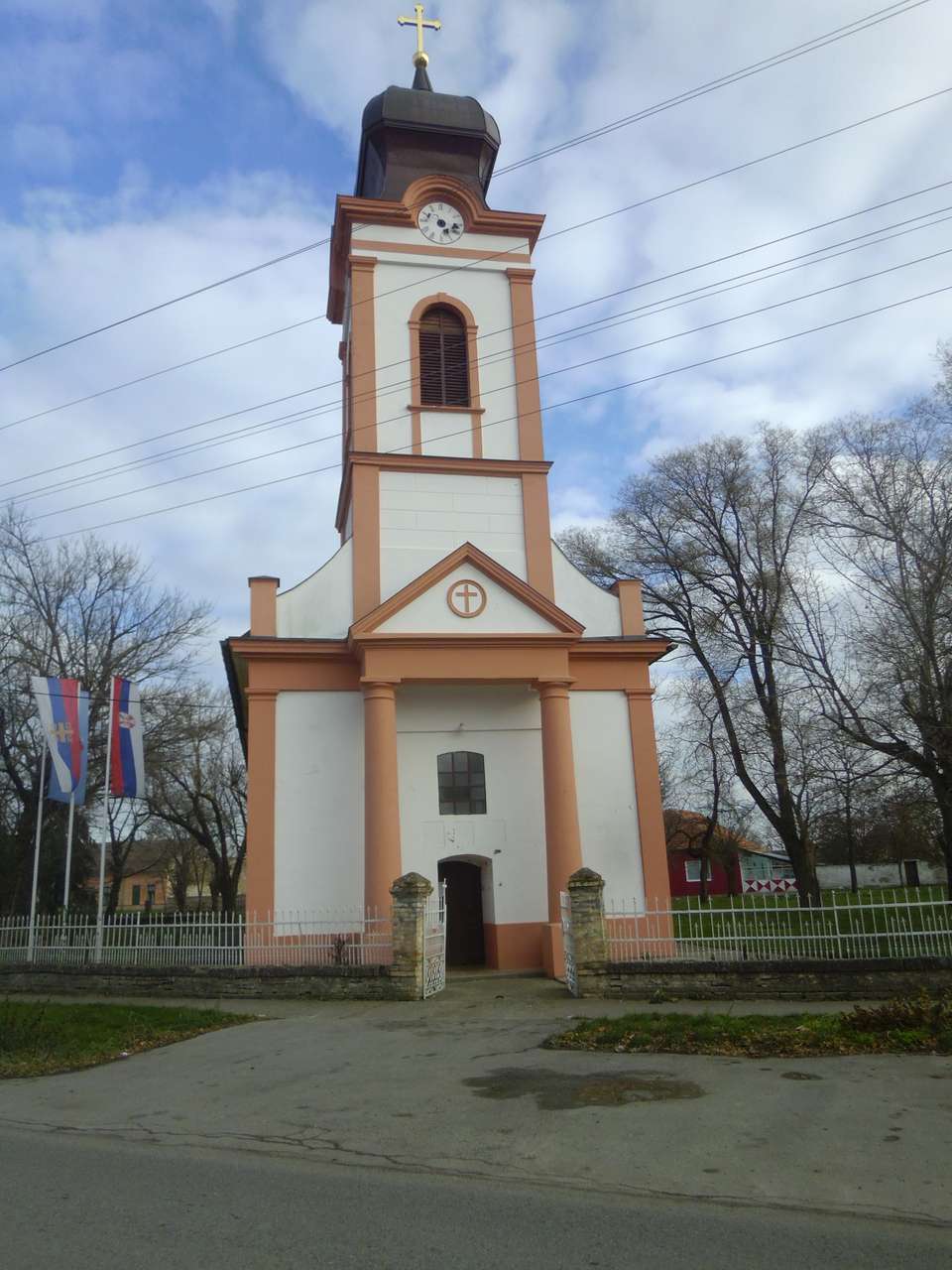
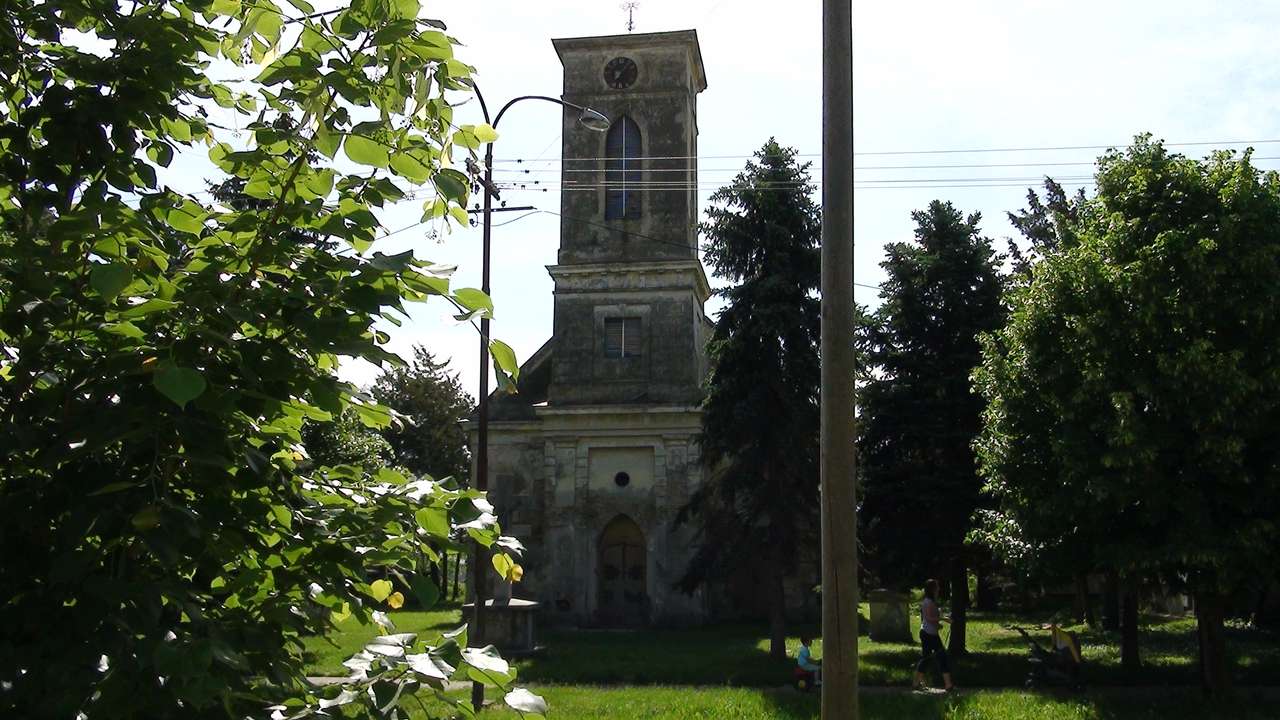
Pravoslavni Hram Svetog velikomučenika Prokopija u Srpskoj Crnji

Church

Pravoslavni Hram Svetog velikomučenika Prokopija u Srpskoj Crnji

Hram je izgrađen 1775. godine i poznat je po tome što se u njemu nalazi ikonostas koji je slikao najznačajniji slikar Srpskog romantizma Đura Jakšić. Đura Jakšić je…

Church

Pravoslavni Hram Svetog velikomučenika Prokopija u Srpskoj Crnji

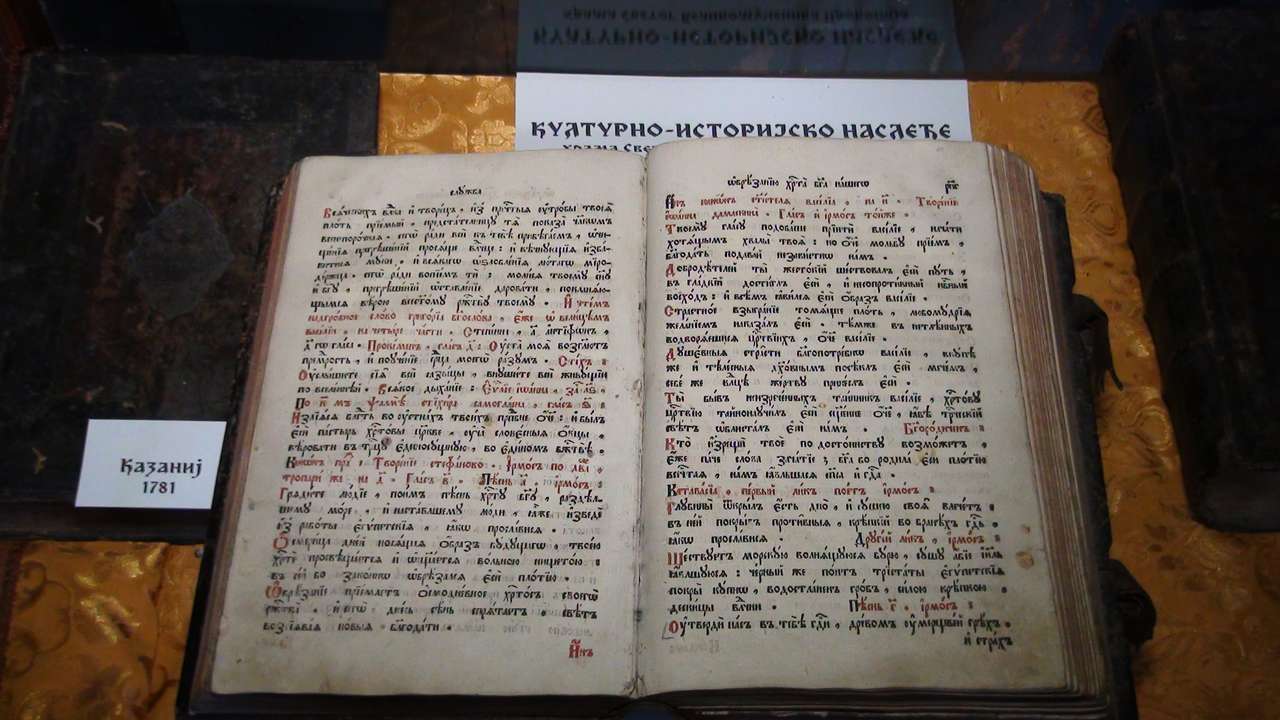
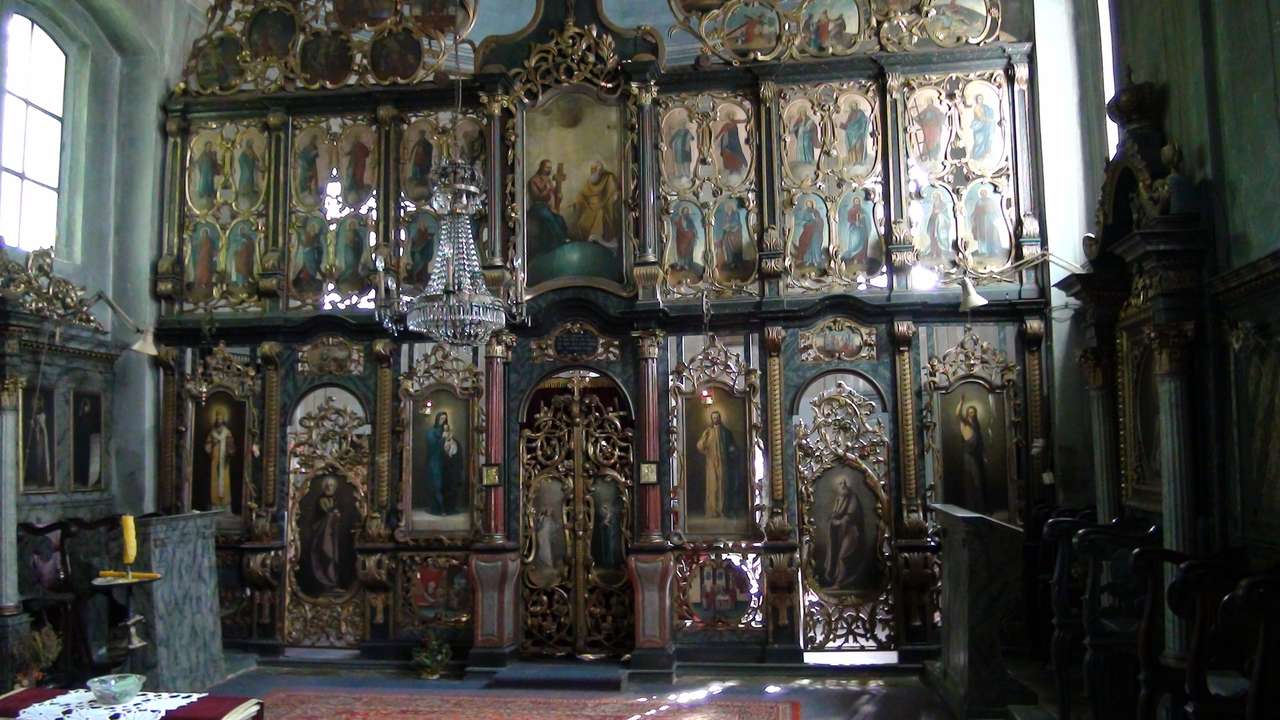
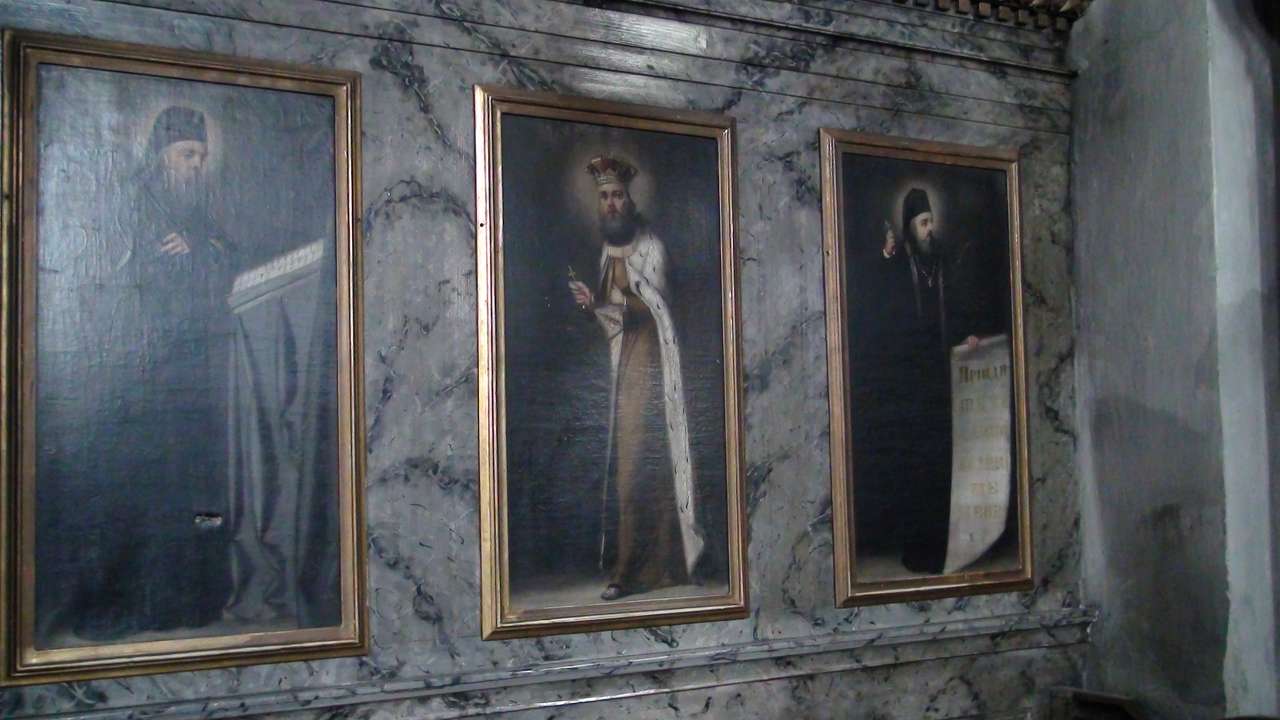
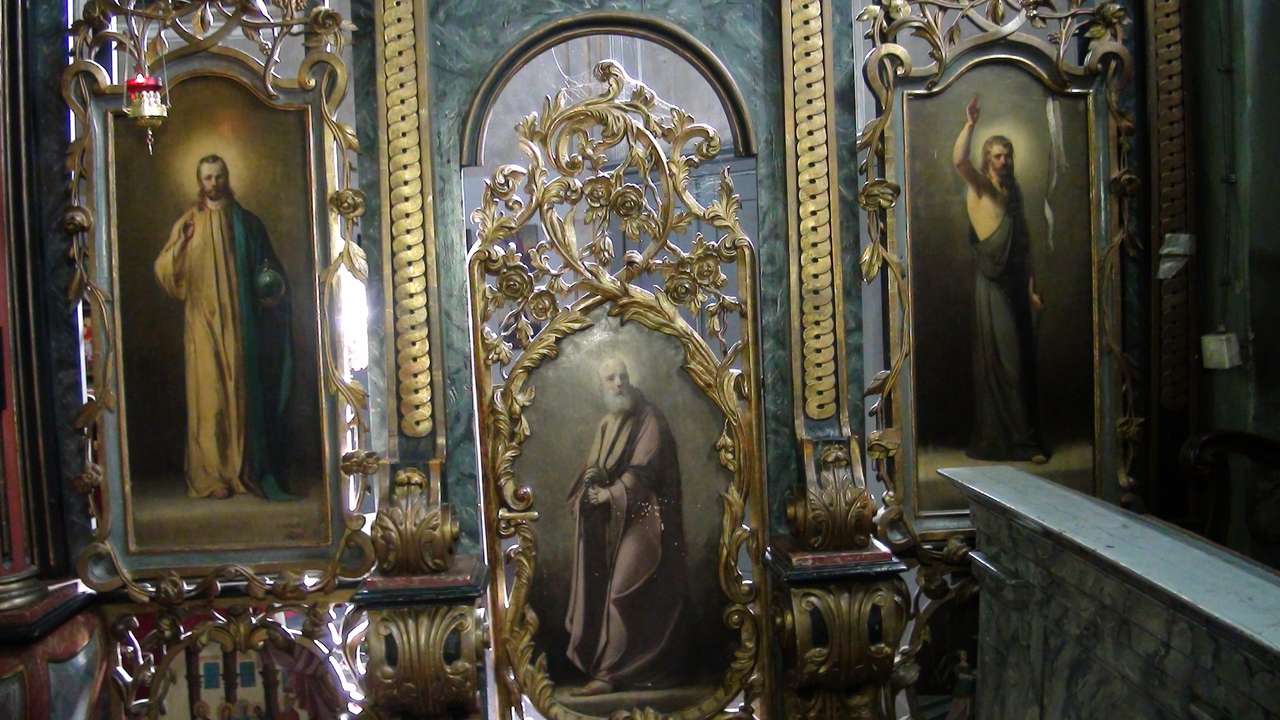
Hram je izgrađen 1775. godine i poznat je po tome što se u njemu nalazi ikonostas koji je slikao najznačajniji slikar Srpskog romantizma Đura Jakšić. Đura Jakšić je tokom 1852 i 1853. godine započeo zamenu ikona, ali nije zamisao izveo do kraja. Krajem XIX. veka, 1892. godine, obnovu odnosno delimično preslikavanje ikonostasa, izvršio je J. Riger iz Temišvara. Hram spada u jedan od najstarijih sakralnih građevina u Banatu. Iako pripadaju njegovim ranim radovima, u kojima je osetna tendencija da se postigne sličnost sa ikonama Konstantina Danila, crnjanske ikone značajne su među relativno malobrojnim Jakšićevim delima iz oblasti crkvenog slikarstva. Pored ikona, u hramu se čuvaju 4 stare štampane knjige: Antologion, Dugo Polje 1643, Đejanija cerkovnaja, Moskva, 1719 , Teatron ili pozor istoriceskij, Sanktpeterburg, 1720, Kazanij, Rimnik, 1781. Crkva je pod zaštitom države.

Contact and practical information

Address
Kralja Aleksandra
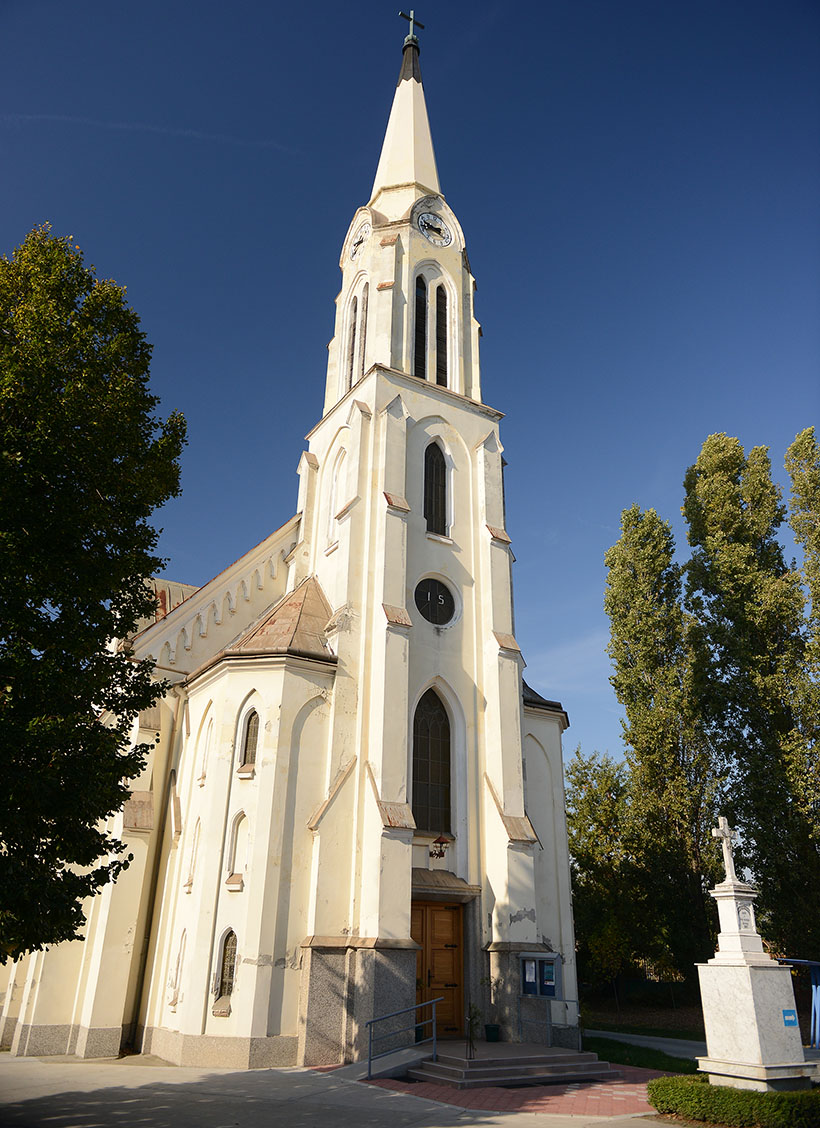
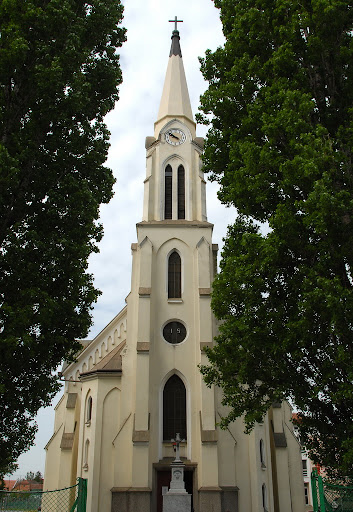
Catholic Church of St. Joseph in Srpska Crnja

Church

Catholic Church of St. Joseph in Srpska Crnja

The church was constructed by Josef Čekonjić on 1 September 1808 at the time when Crnja was divided to Serbian and German Crnja. The church was actually constructed by…

Church

Catholic Church of St. Joseph in Srpska Crnja

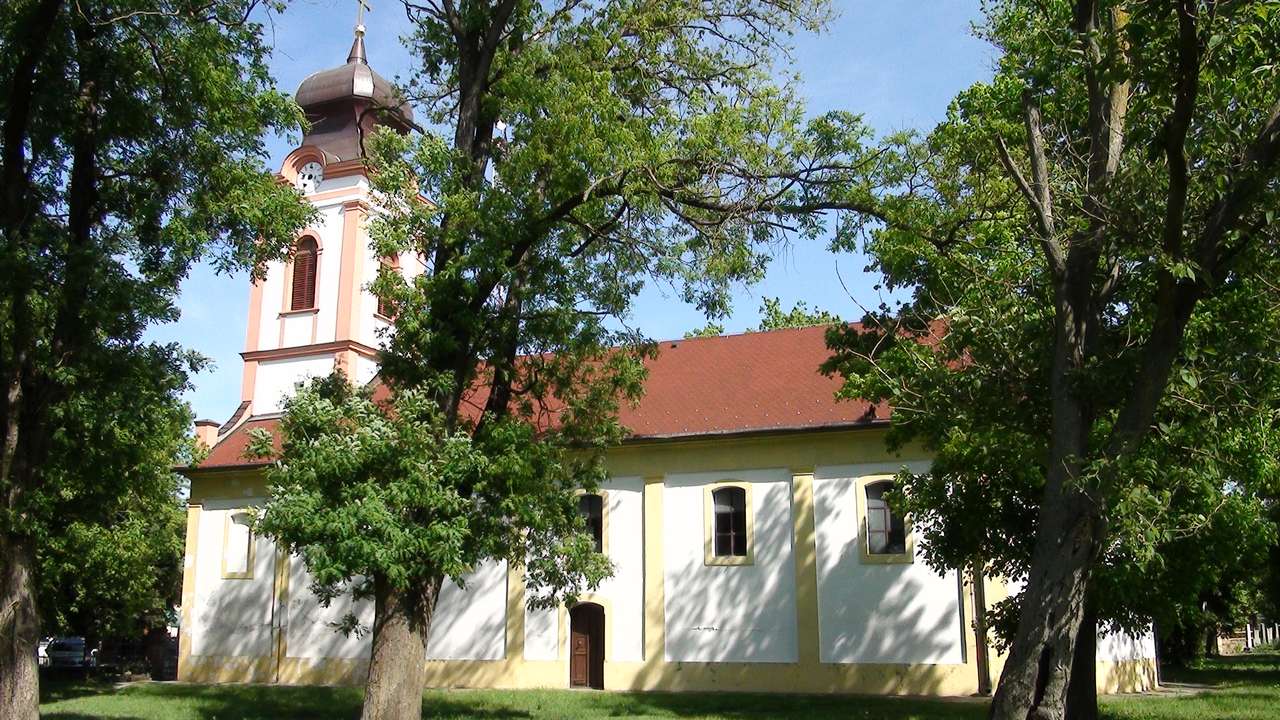
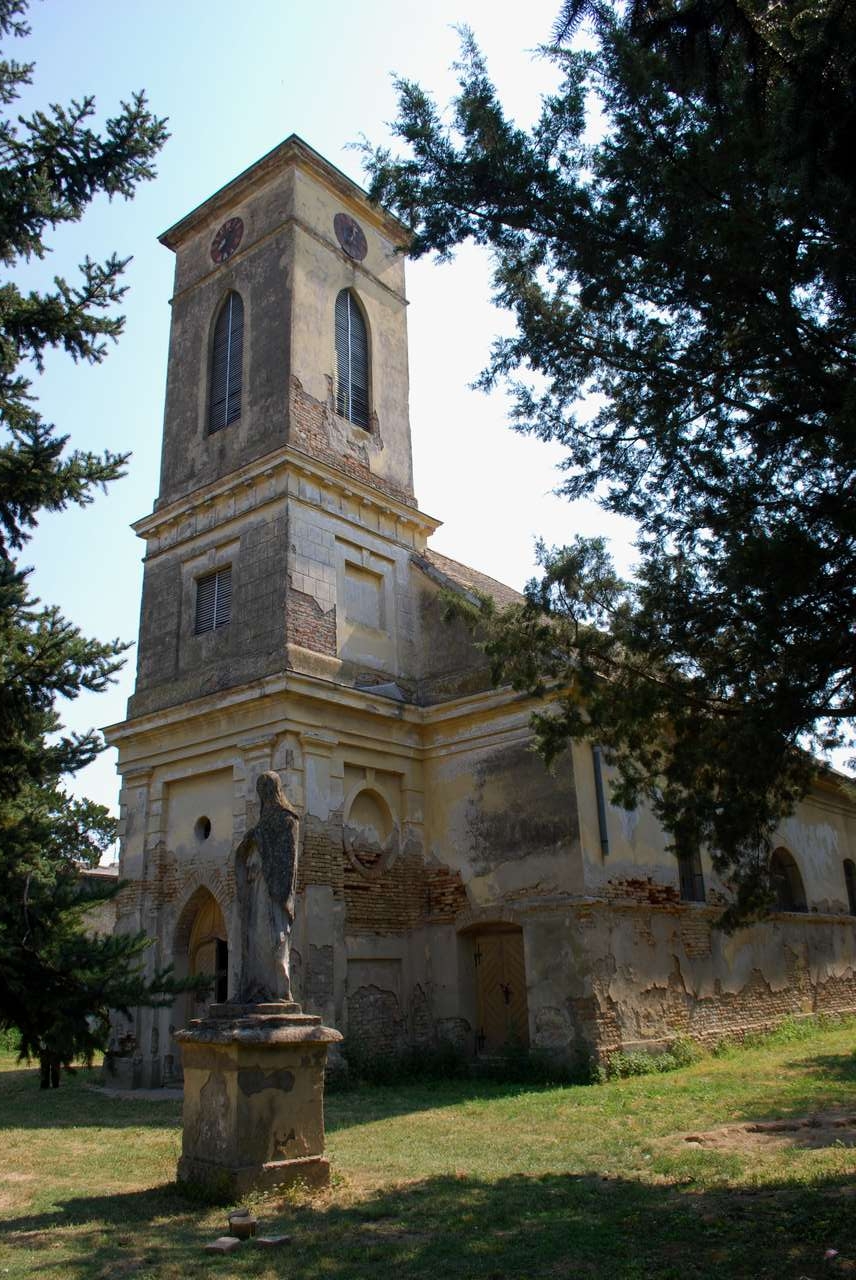
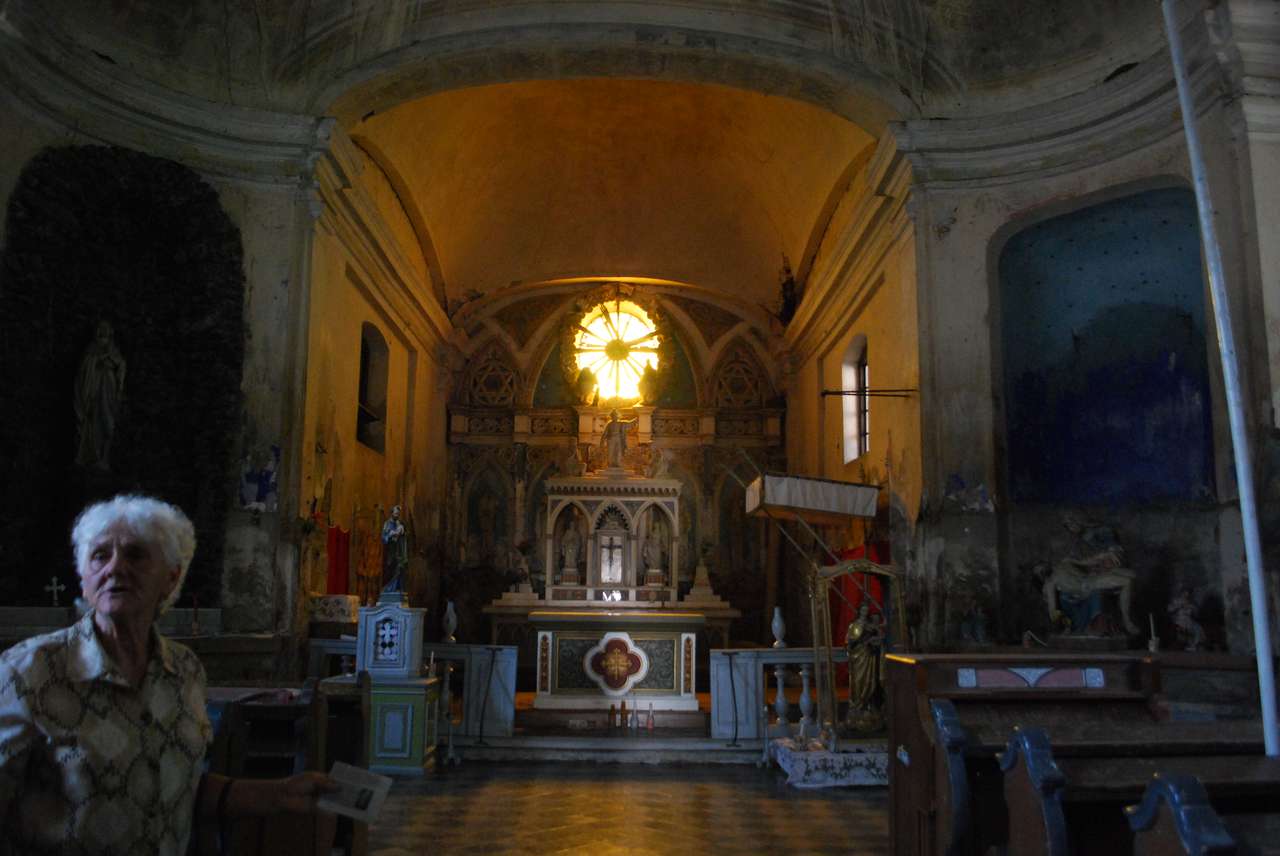
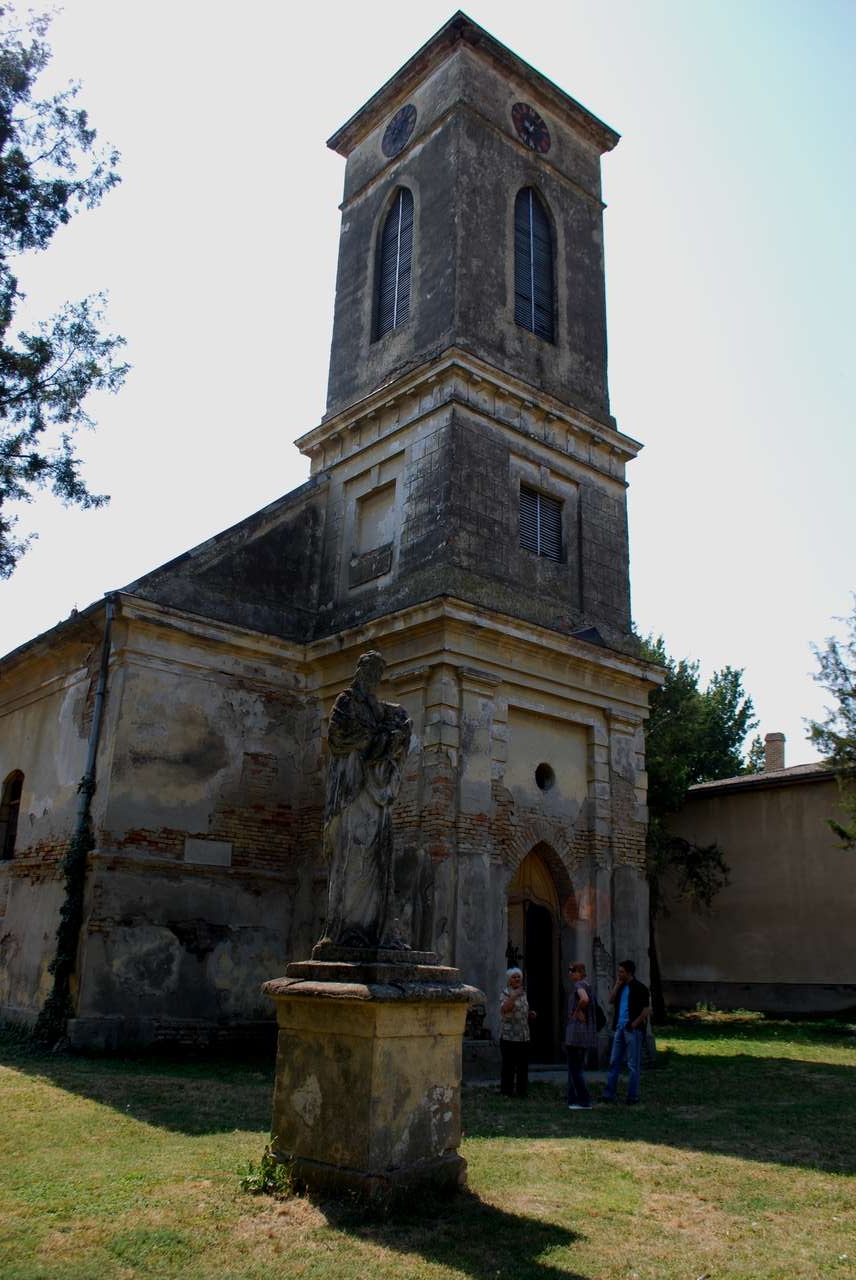
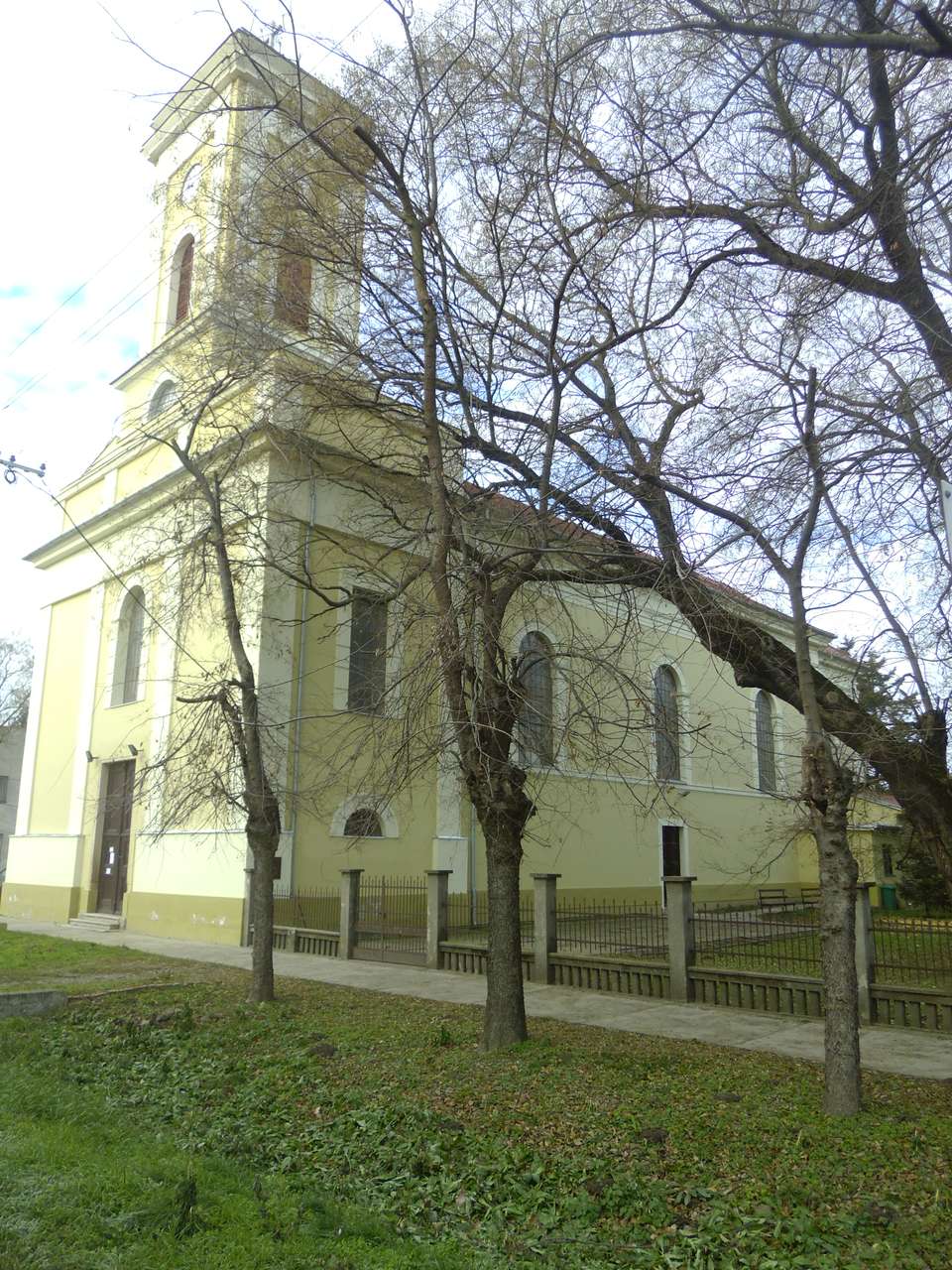
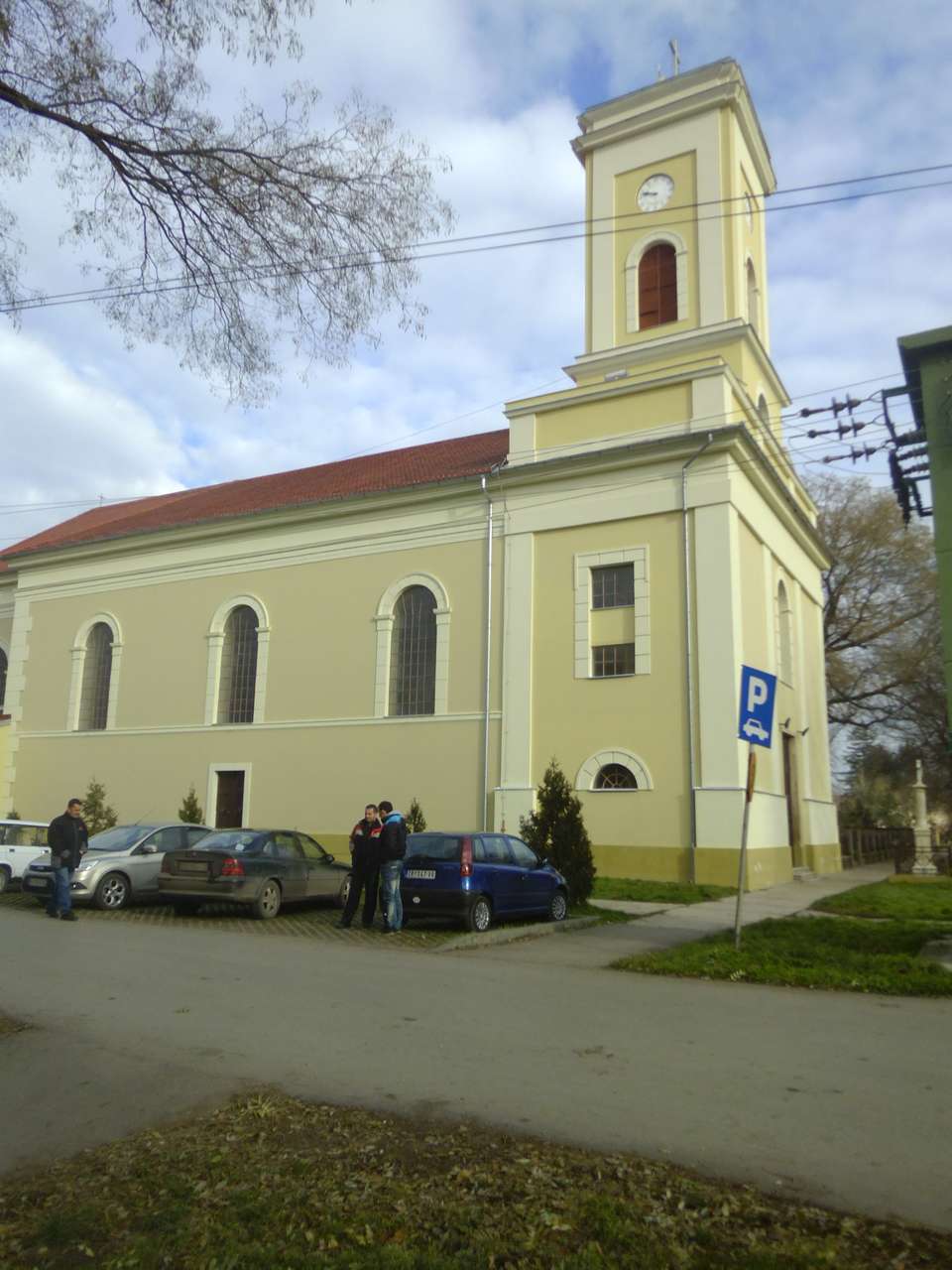
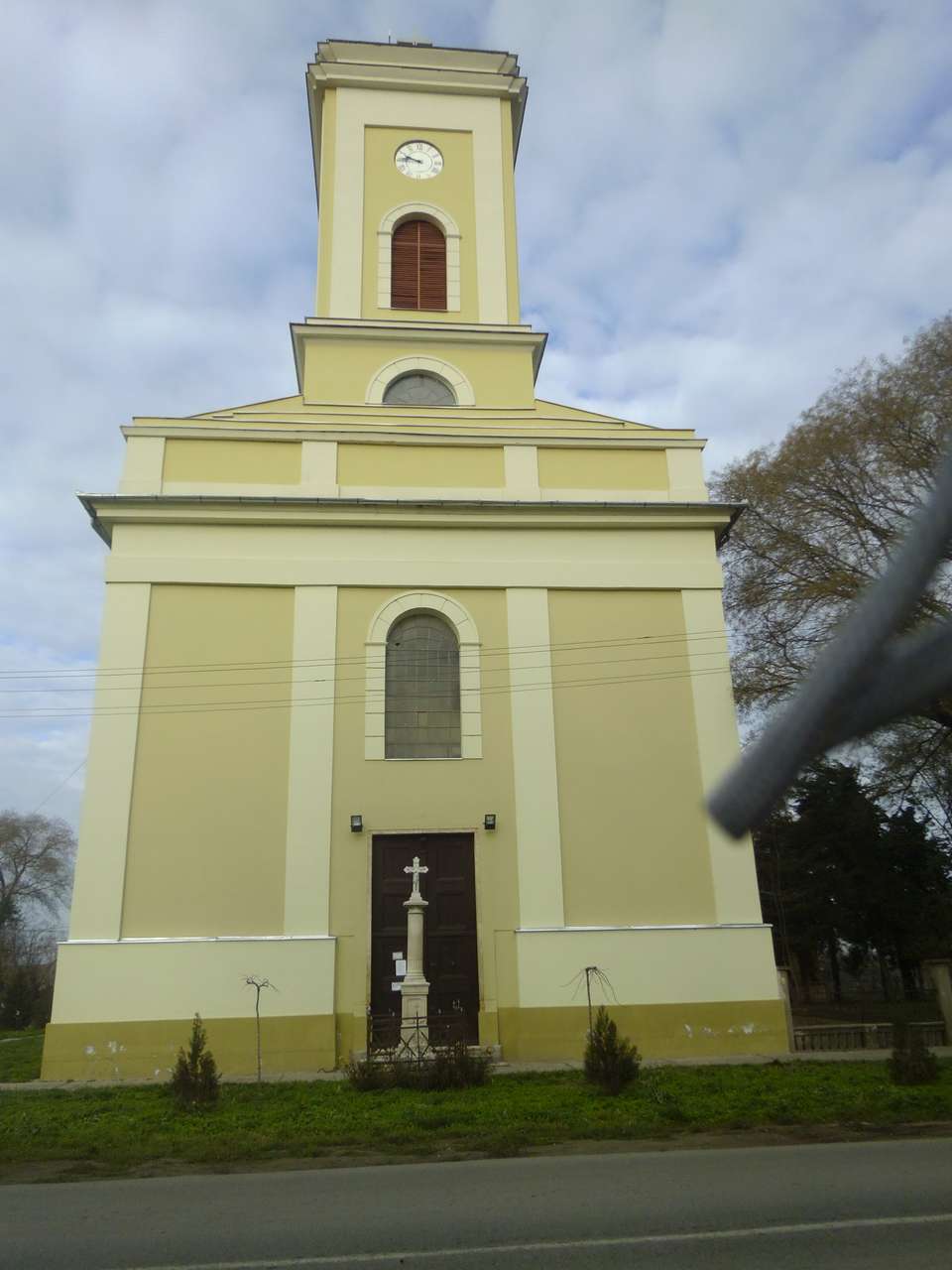
The church was constructed by Josef Čekonjić on 1 September 1808 at the time when Crnja was divided to Serbian and German Crnja. The church was actually constructed by German Crnja inhabitants with Count Čekonjić providing for the material. The stone cross and the statues in front were provided by people. On October 18 it was accepted by the priest of the parish, while the bishop Ladislaus Koszeghi von Remete blessed it in honour of St Joseph in 1811. In 1847 the church was robbed and the damage was significant. The interior used to be adorned by the magnificent Main Altar and Maria’s Altar. Around the church believers used to gather especially at Christmas and Easter. Nowadays St. Joseph church is in extremely poor condition due to lack of money for its maintenance. Initiative for its renovation has been taken and it is to be expected that it will be fully reconstructed and become again the centre of gathering of worshipers and visitors of the place who come to look for their roots. Because of great interest of foreign tourists, first of all Germans whose predecessors once lived in Crnja, renovation of the church is a must.

Contact and practical information

Address
Partizanska bb
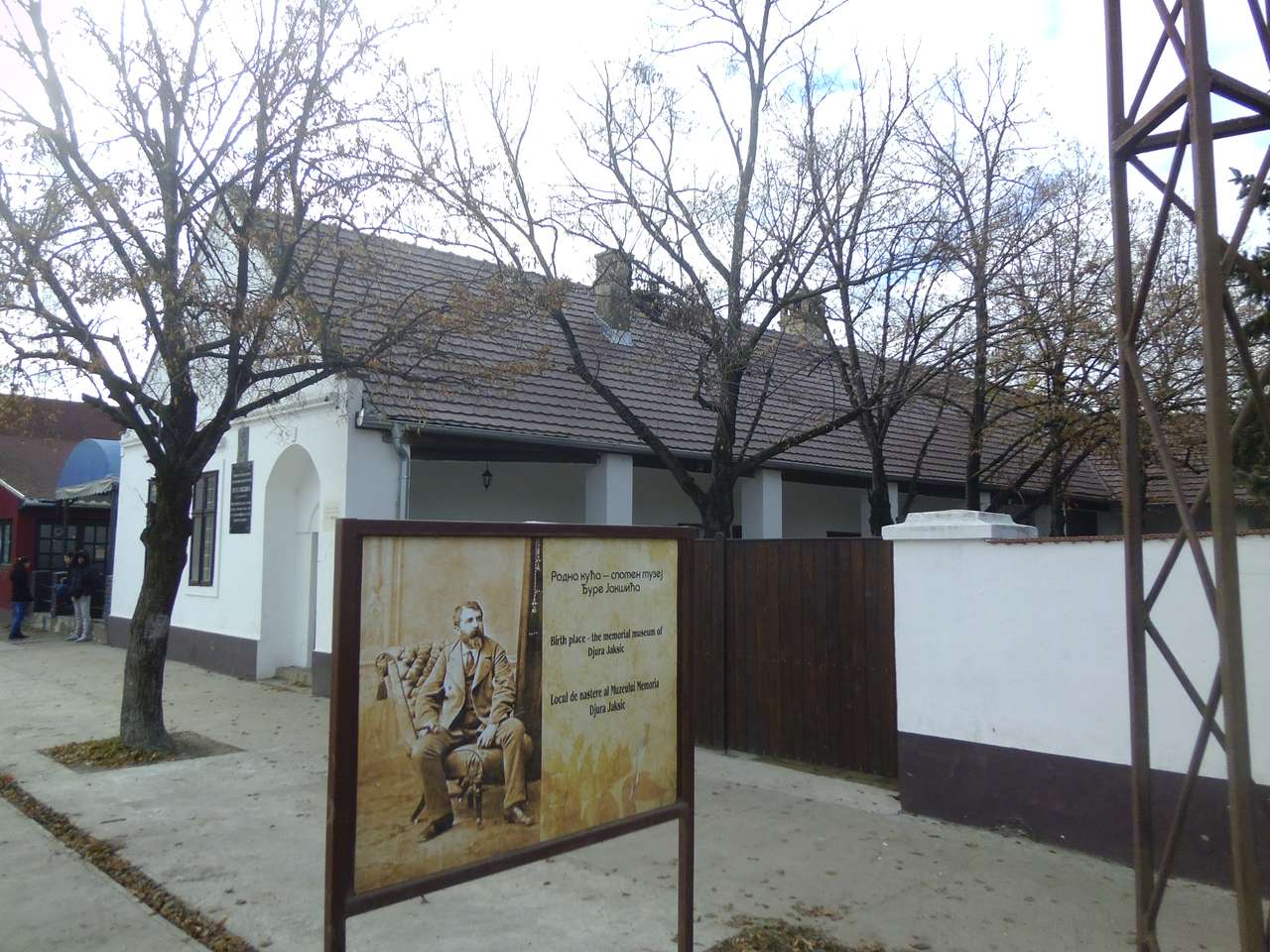
the House of Djura Jakšić in Srpska Crnja – Memorial  Museum

Museum

the House of Djura Jakšić in Srpska Crnja – Memorial Museum

The house of Djura Jakšić turned to Museum has, frequently changed owners and functions. After the death of Dionisije Jakšić, it was inherited by the youngest son…

Museum

the House of Djura Jakšić in Srpska Crnja – Memorial Museum

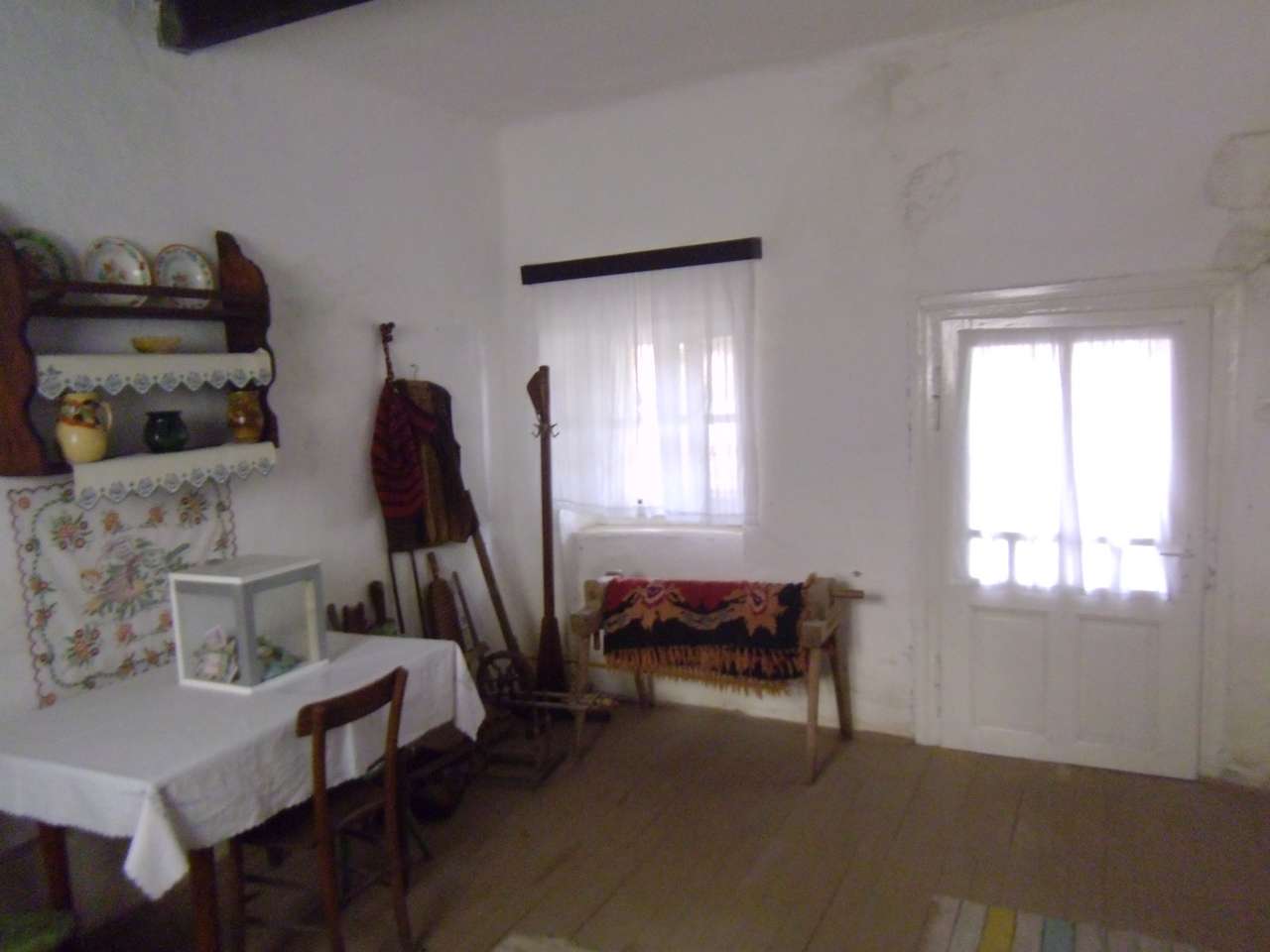
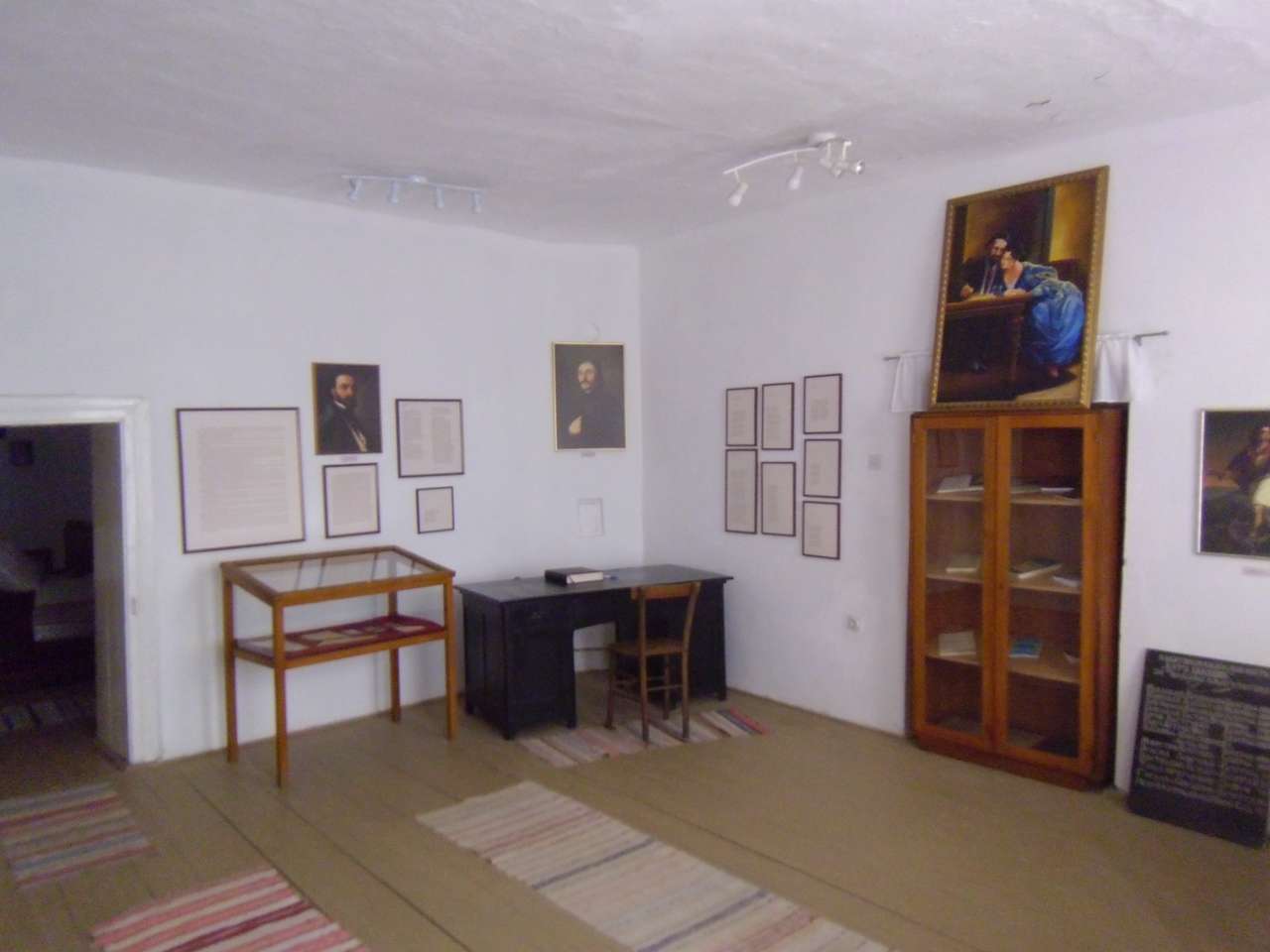
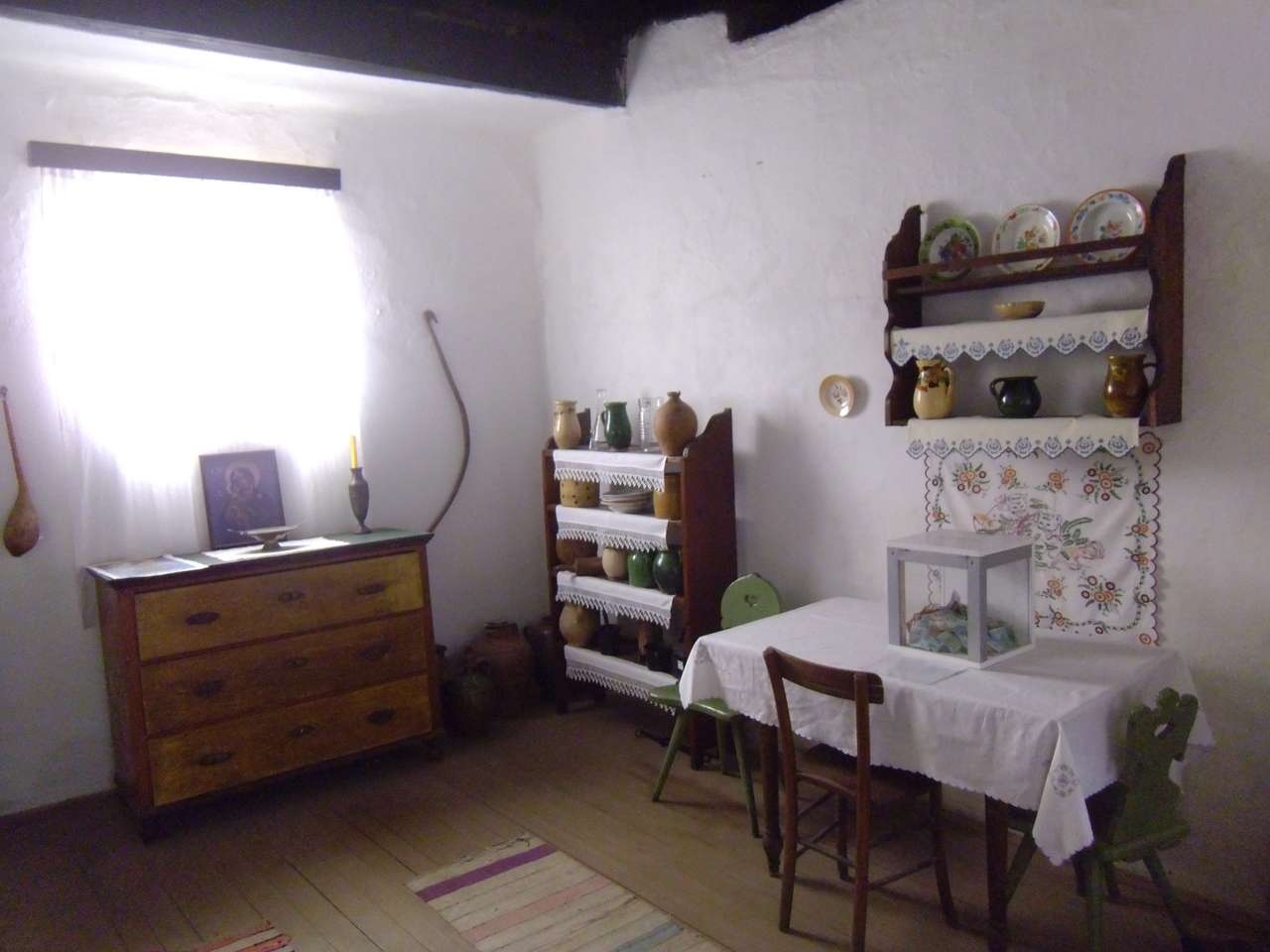
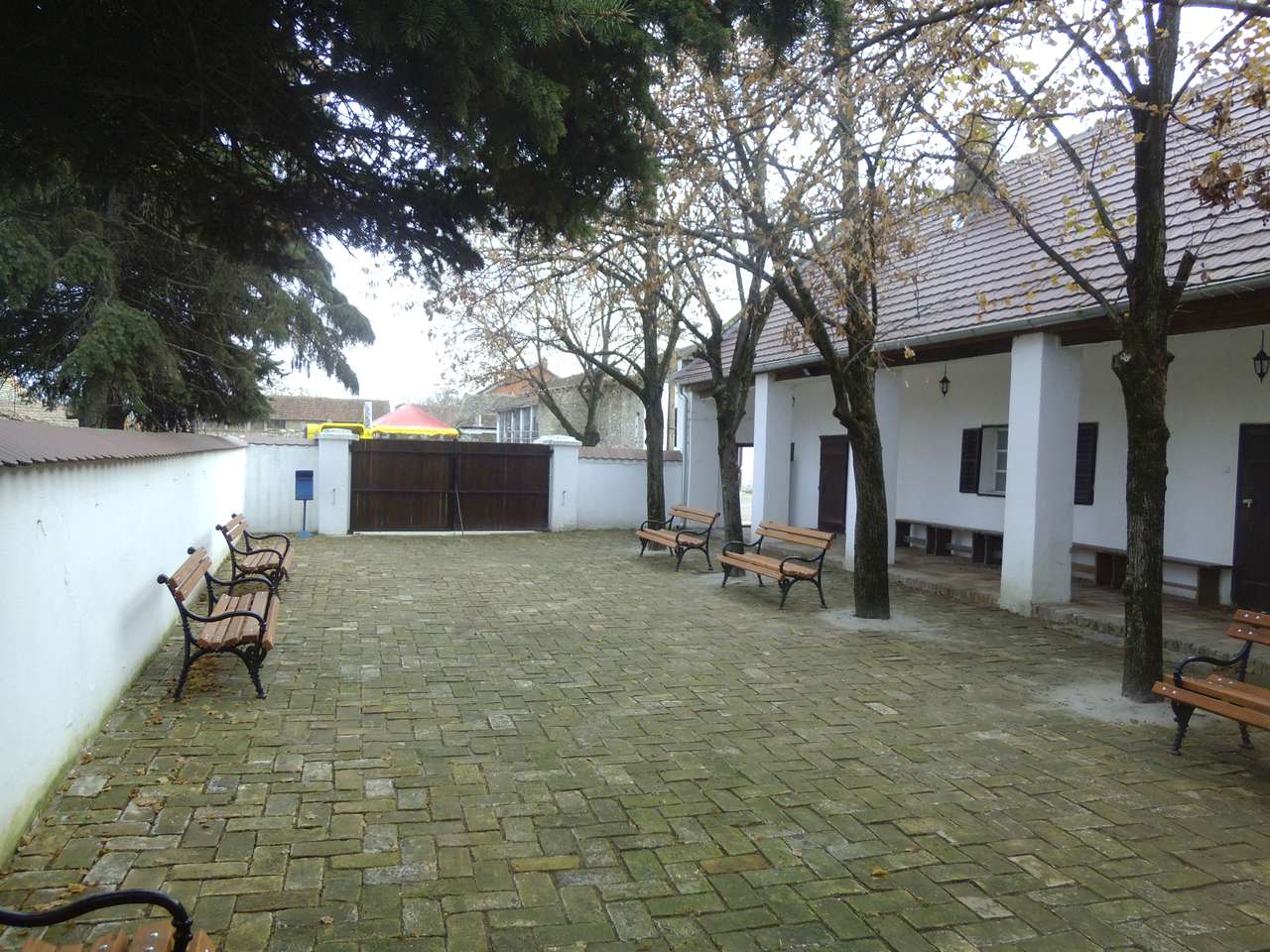
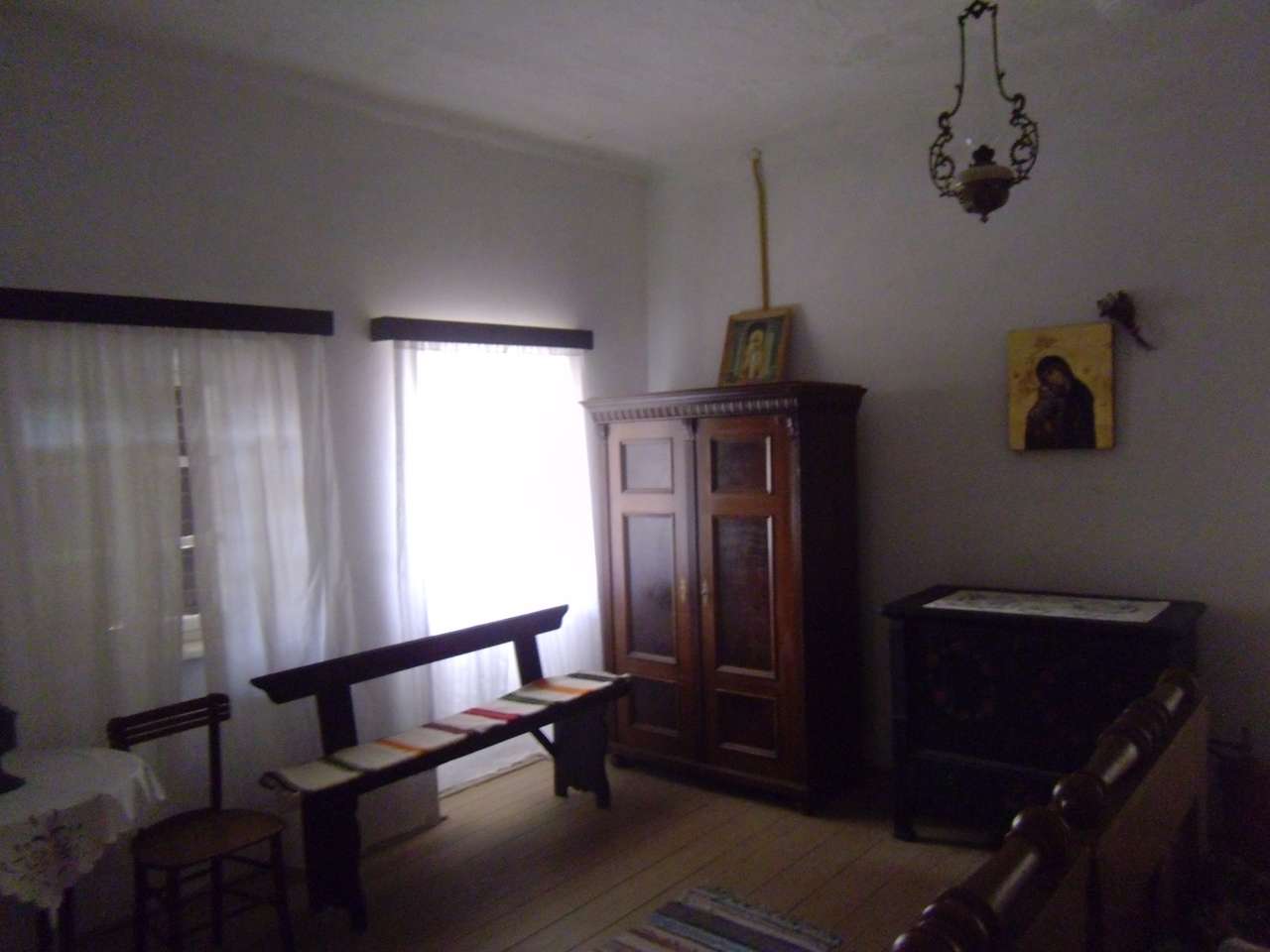
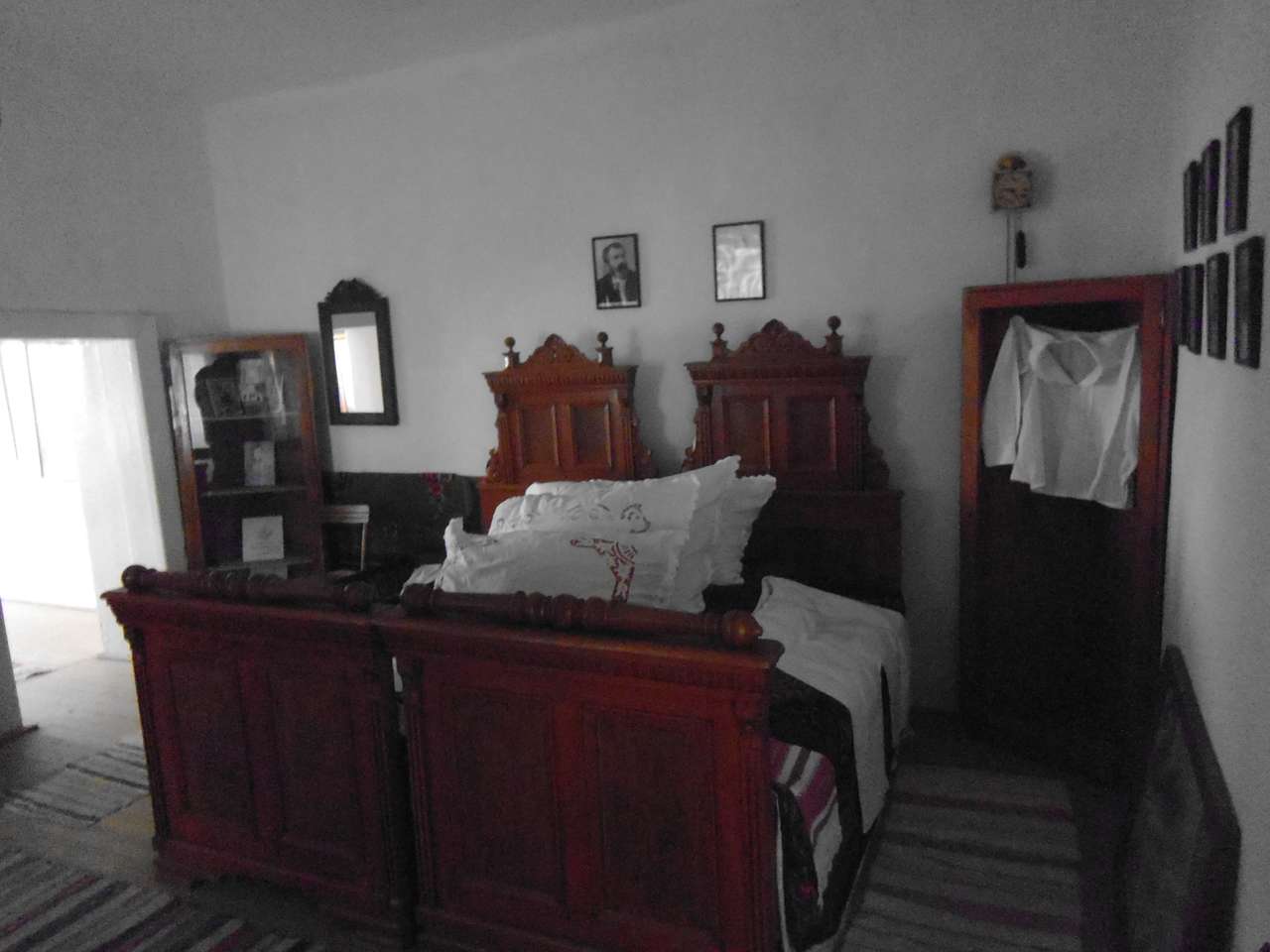
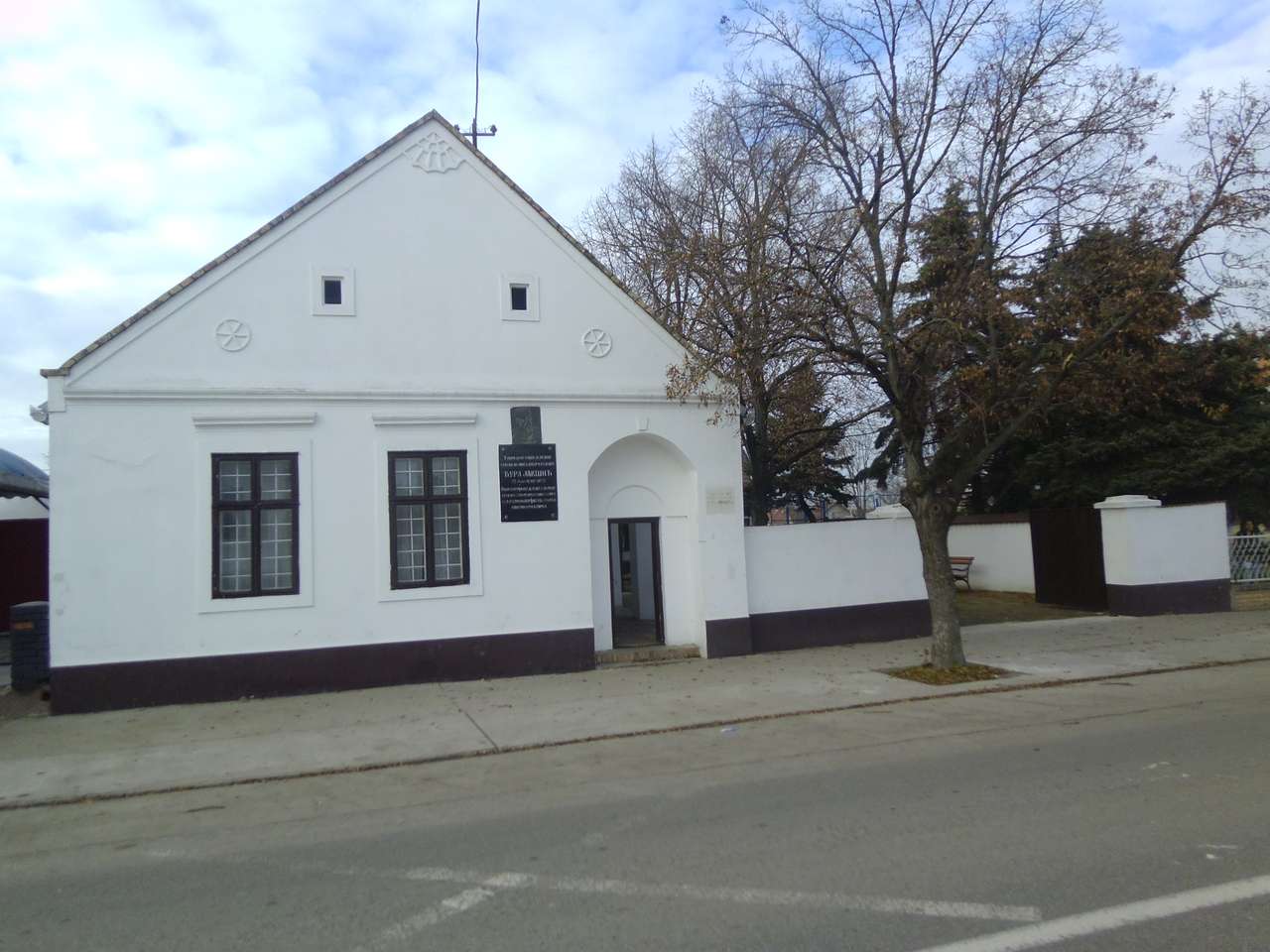
The house of Djura Jakšić turned to Museum has, frequently changed owners and functions. After the death of Dionisije Jakšić, it was inherited by the youngest son Venijamin, a priest in Crnja. After his death, the house became state-owned. The first Srpska Crnja library and reading-room were opened in it in 1919. The first decision on setting up of a museum in memory of Djura Jakšić was passed on 05/12/1944, but the decision was not enforced at that time though. The museum was opened on 5 October 1952. Birth house of Djura Jakšić has been protected at the national level since 1956.

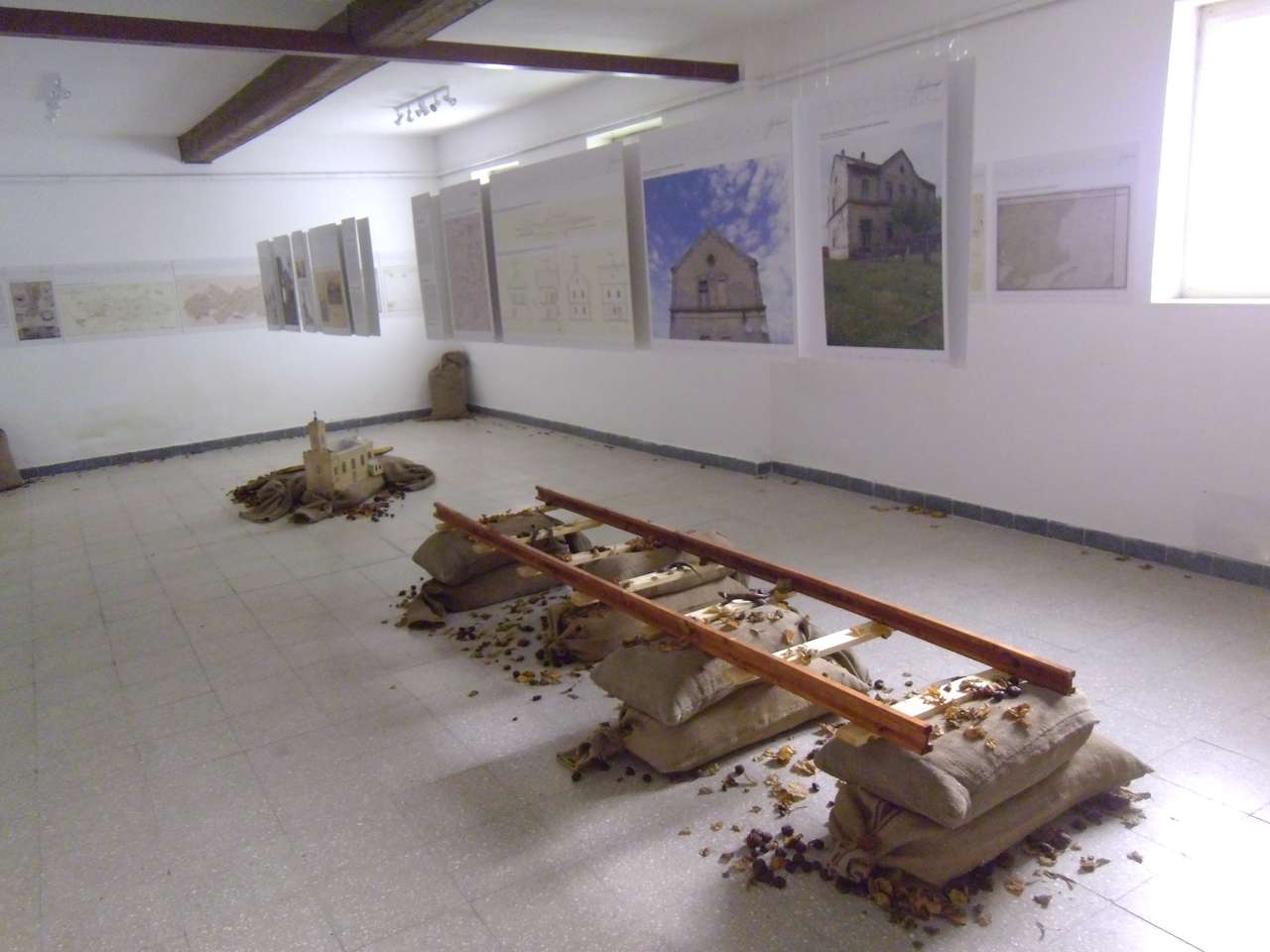
Exhibition space of the museum consists of three rooms. The exhibits as they are now were arranged by Zrenjanin National Museum in 1981 in such a way to consistently reflect the complex personality of the greatest Serbian painter and poet of Romanticism. Approximately 400 various documentary items: photo-copies, xero-copies and colour reproductions interprete the life and work of Djura Jakšić by way of concise description on labels; the original documents are kept in the archives of Novi Sad, Kragujevac, Požarevac, Svetozarevo - Jagodina, City Museum of Belgrade, while the paintings are in the Gallery of "Matica Srpska" in Novi Sad, National Museum in Belgrade and Zrenjanin.

Contact and practical information

Address
Kralja Aleksandra 62
Djura Jakšić Monument

Monument

Djura Jakšić Monument

On the occasion of the 150th anniversary of the birth of Đura Jakšić (1832-1982), a large monument was set up in front of the Cultural Club and the Public Library.…

Monument

Djura Jakšić Monument

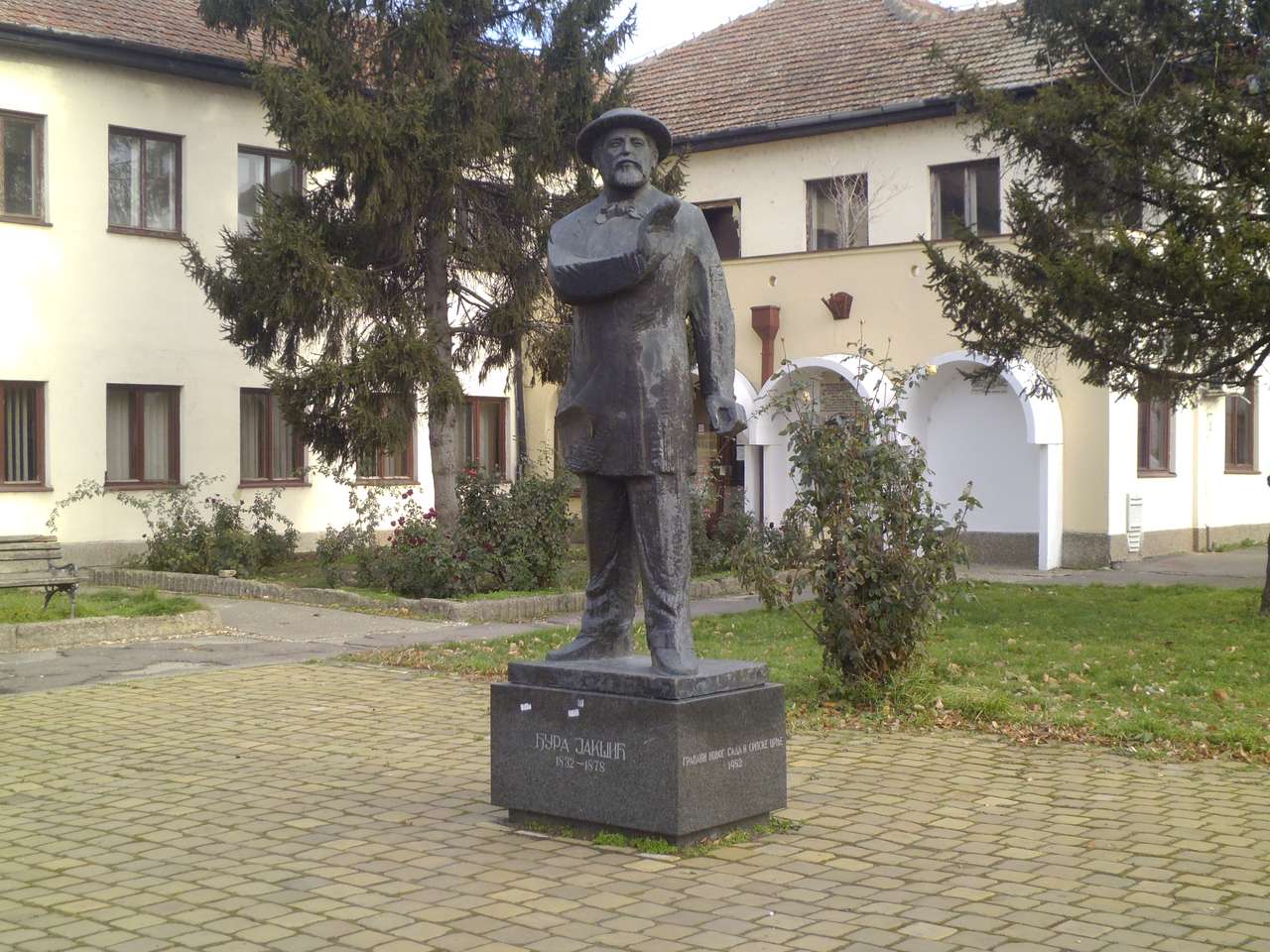
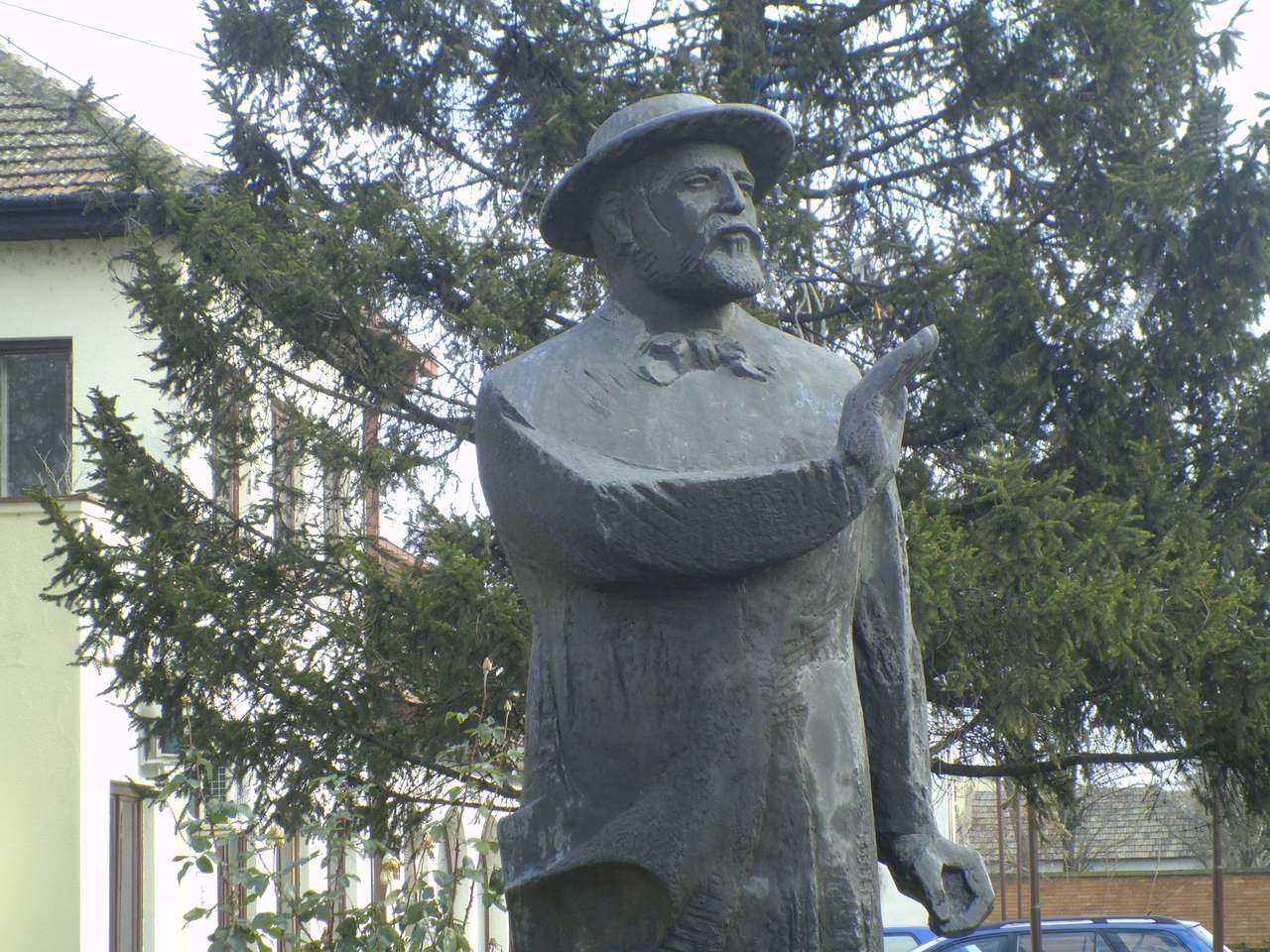
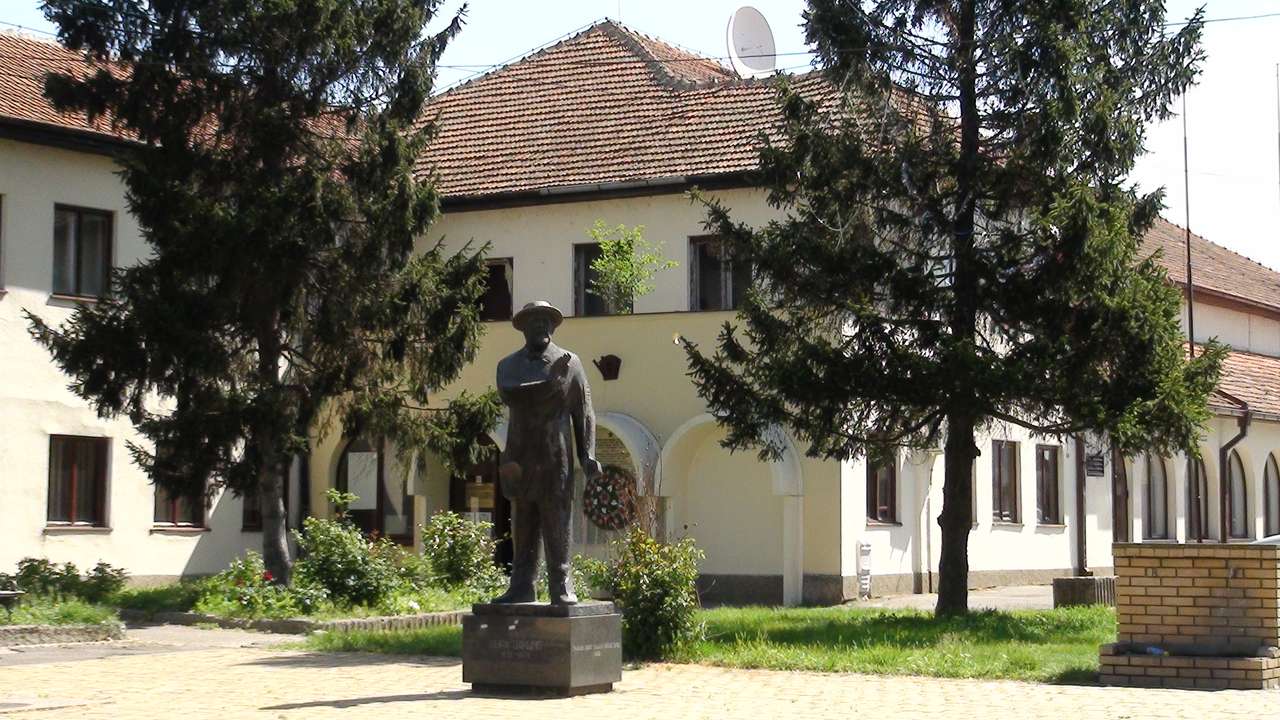
On the occasion of the 150th anniversary of the birth of Đura Jakšić (1832-1982), a large monument was set up in front of the Cultural Club and the Public Library. Created by Aleksandar Zarin, a sculptor born in Srpska Crnja in 1923. This year - the 1982 Djura's Dais Festival - Lipar Nights - lasted for 15 days.

Contact and practical information

Address
Kralja Aleksandra 65
Crkva Svete Agote u Novoj Crnji

Church

Crkva Svete Agote u Novoj Crnji

Kamen temeljac ove crkve je stavjen 3. oktobra 1842 godine na insistiranje Jožefa Čekonjića a već 1844.godine bila osveštena i prvi put se čulo u selu crkveno zvono i…

Church

Crkva Svete Agote u Novoj Crnji

Kamen temeljac ove crkve je stavjen 3. oktobra 1842 godine na insistiranje Jožefa Čekonjića a već 1844.godine bila osveštena i prvi put se čulo u selu crkveno zvono i zvuk orgulje. 2007 godine su počeli da renoviraju crkvu na insistiranje fonda Szent Agota. Naselje Nova Crnja ima jednu katoličku crkvu. U sklopu renoviranja promenjen je krov i pod a prošle godine su renovirani unutrašnji i špoljašnji zidovi. Glavni sponzori renoviranja su bili Pokrajinski Investicioni Fond, Zrenjaninska Biskupija, fond Kirche in Not iz Nemačke, i pojedini donatori.

Contact and practical information

Address
JNA bb
Ljubičin gaj Aleksandrovo Picnic area

Picnic

Ljubičin gaj Aleksandrovo Picnic area

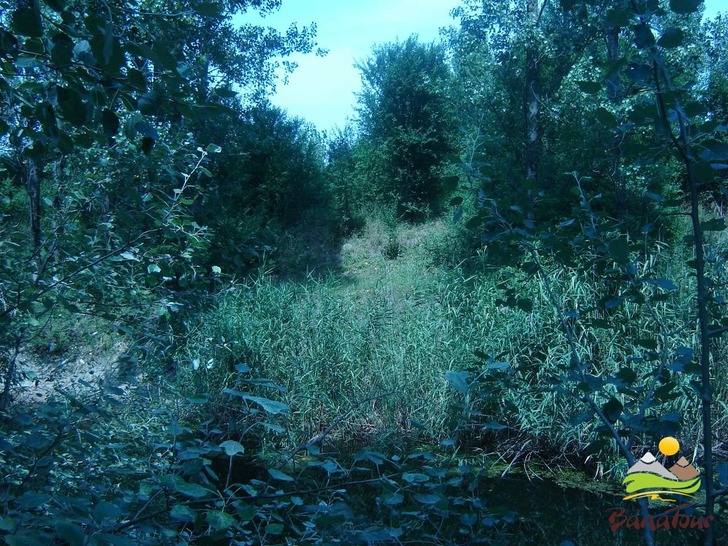
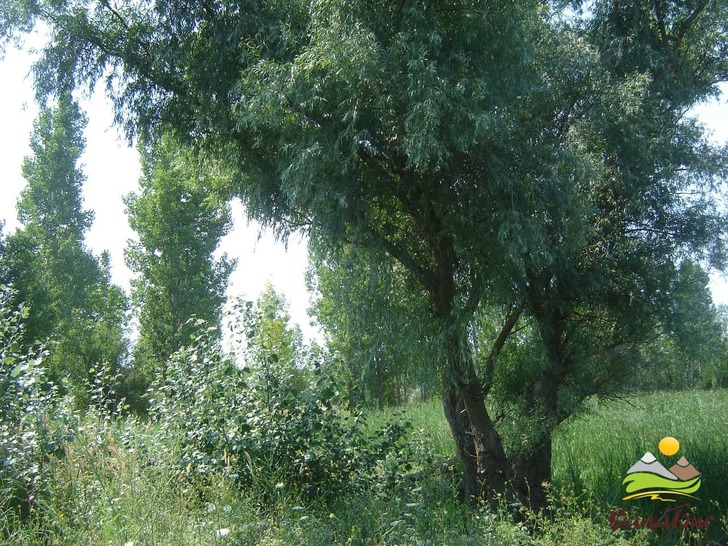
Ljubičin Gaj in recent years has become a real tourist destination. This is a wonderful place for vacation with family, relaxation, the choice of hunters and fishermen,…
Picnic

Ljubičin gaj Aleksandrovo Picnic area

Ljubičin Gaj in recent years has become a real tourist destination. This is a wonderful place for vacation with family, relaxation, the choice of hunters and fishermen, painters and artists who come here in organized colonies ... As it is attractive to tourists, also many of local population like to come here, thanks to their will and work, this place become a little paradise. Besides this place is really served to May Reveille, when there is always need for more place, it has become an attractive and during the winter months. A Banat plain provides an amazing oasis of peace and quiet.

Volunteer Gate

Monument

Volunteer Gate

At the "Volunteer Gate" sign in the village of Aleksandrovo, almost all the locals will show you on a list of 340 names of at least one from the family. Aleksandrovo,…

  • Nikole Tesle 44

Monument

Volunteer Gate

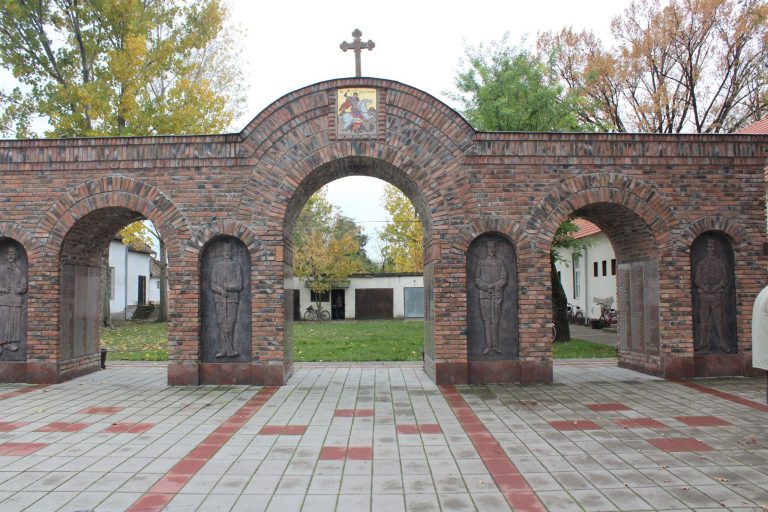
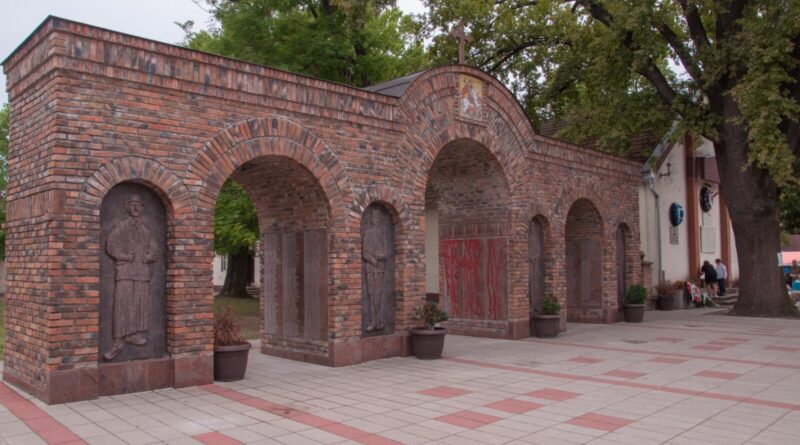
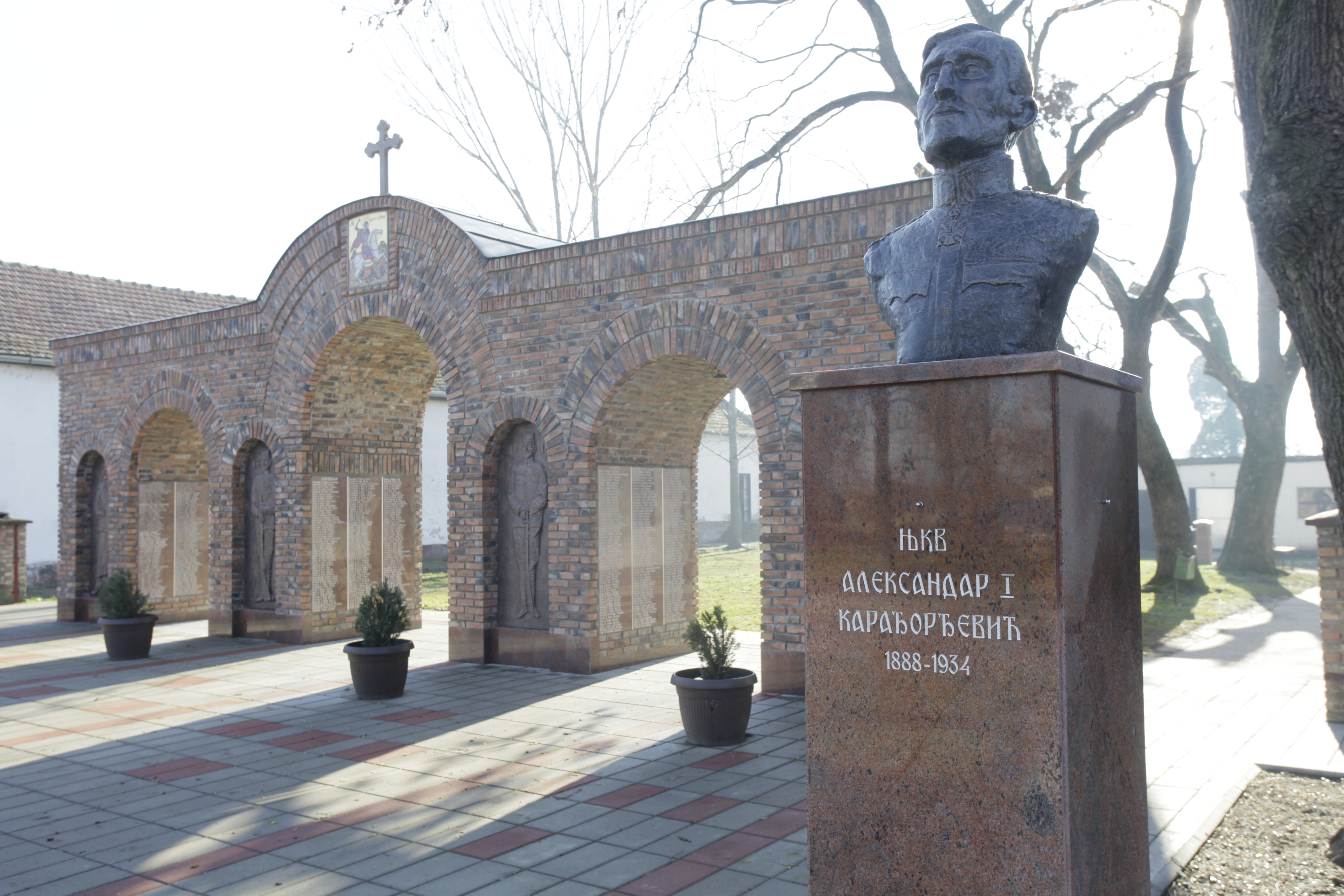
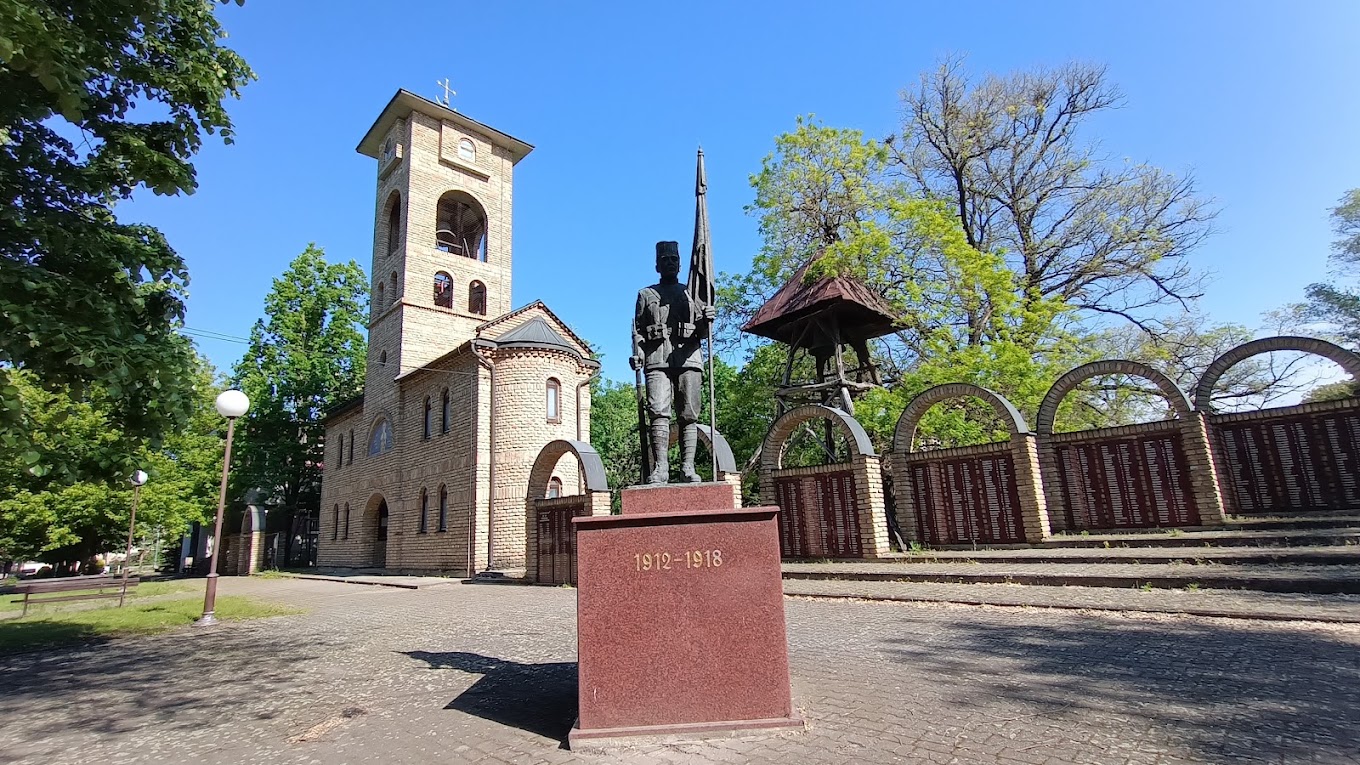
At the "Volunteer Gate" sign in the village of Aleksandrovo, almost all the locals will show you on a list of 340 names of at least one from the family. Aleksandrovo, along with other volunteer settlements, was created as a result of agrarian reform and colonization after the First World War. The village is like a ruler, the streets intersect at right angles, and in the center is a monument with three Orthodox arches and bas-reliefs of Serbian soldiers and volunteers, Banatians and mountaineers. This is a kind of memorial complex, there is also a bust of the king and a memorial plaque to fallen soldiers in the Second World War. Since some of the Serbian volunteers also had American citizenship at that time, the representatives of the embassy of this country visit the memorial and on the occasion of important dates pay tribute to the heroes who indebted both countries.

Contact and practical information

Address
Nikole Tesle 44
Lake Jamura

Viewpoint

Lake Jamura

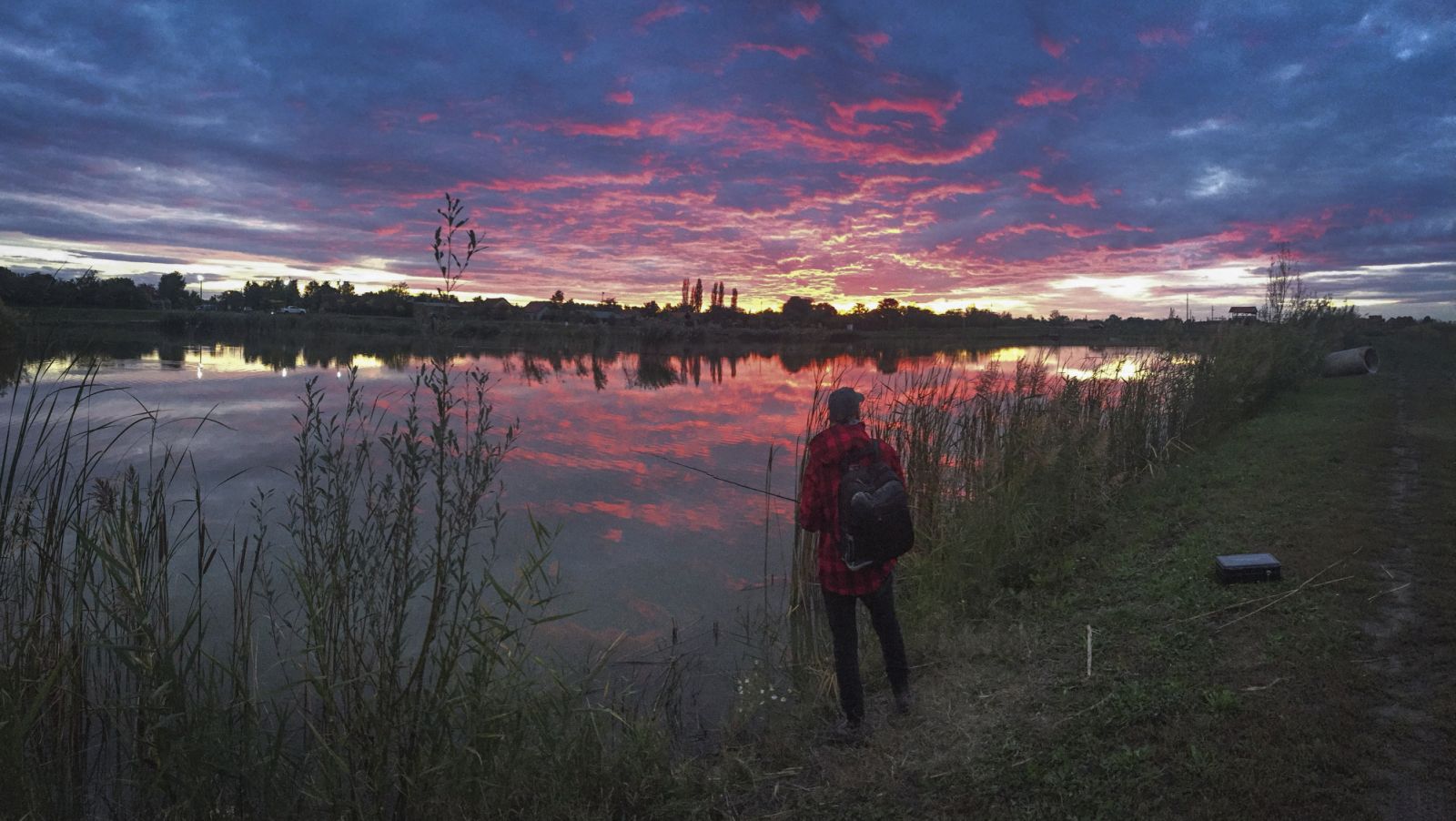
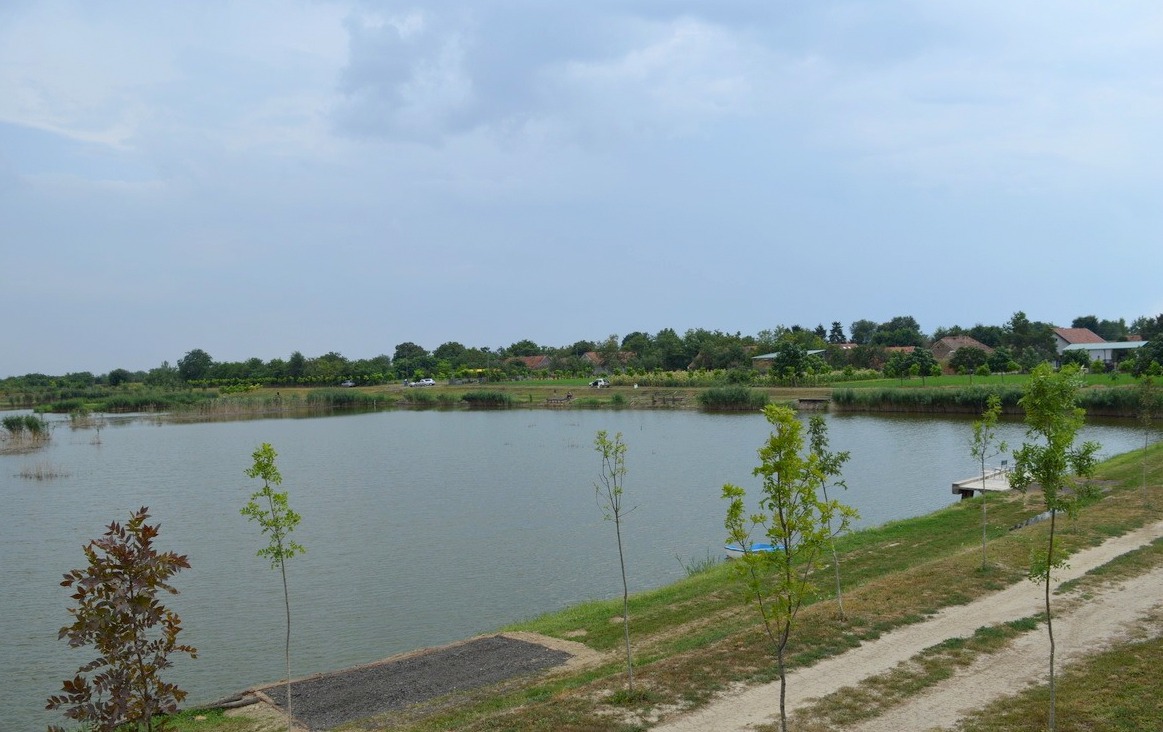
About 30 km from Zrenjanin, in Banatsko Karadjordjevo, there is Lake Jamura. This lake is an ideal place for nature trips, relaxation, socializing and sport fishing. The…
Viewpoint

Lake Jamura

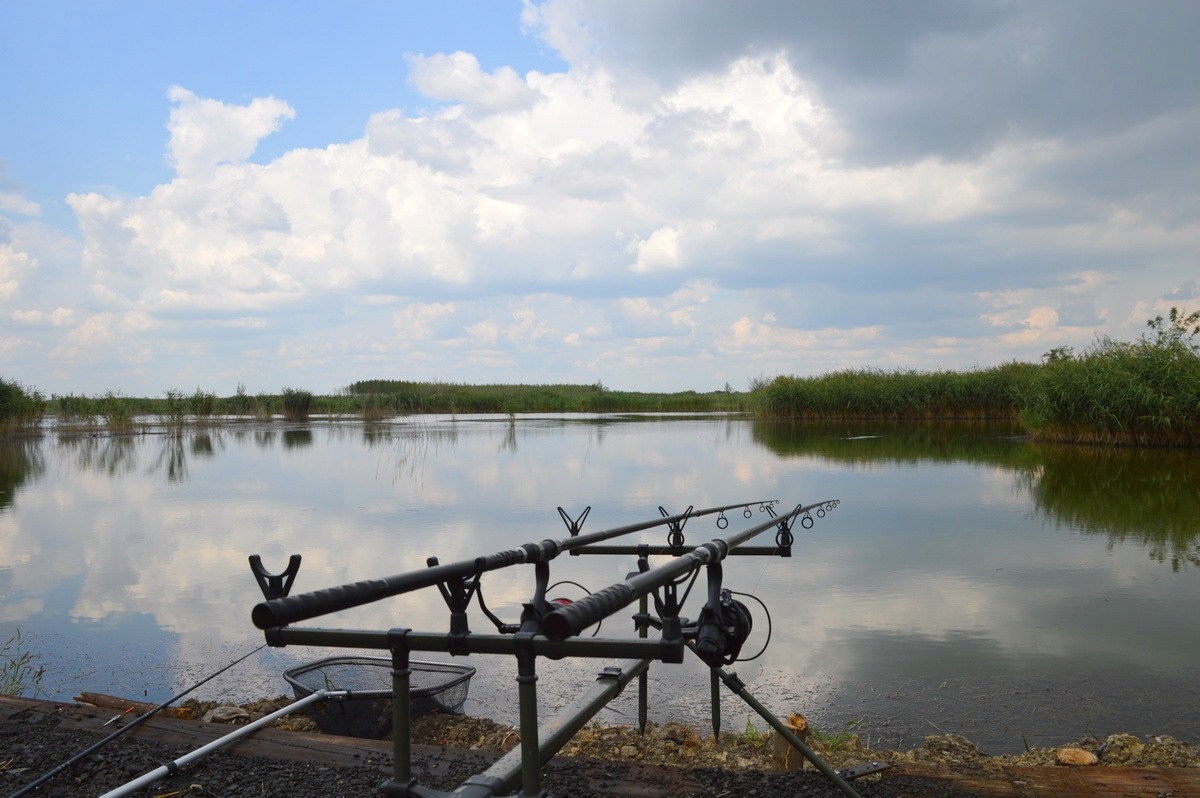
About 30 km from Zrenjanin, in Banatsko Karadjordjevo, there is Lake Jamura. This lake is an ideal place for nature trips, relaxation, socializing and sport fishing. The lake is rich in carp, grass carp, pike, catfish and perch. Electricity was brought to the lake, summer houses were set up, afforested with 750 seedlings - ash, willow, acacia, mourning elm, birch, catalpa.

Church of St. Ilija

Church

Church of St. Ilija

The idea of building a temple in Chestereg dates back to 1990, and the construction of the foundations began in June 2007. Bishop of Banat G.G. Nicanor consecrated the…

  • Marsala Tita, Cestereg

Church

Church of St. Ilija

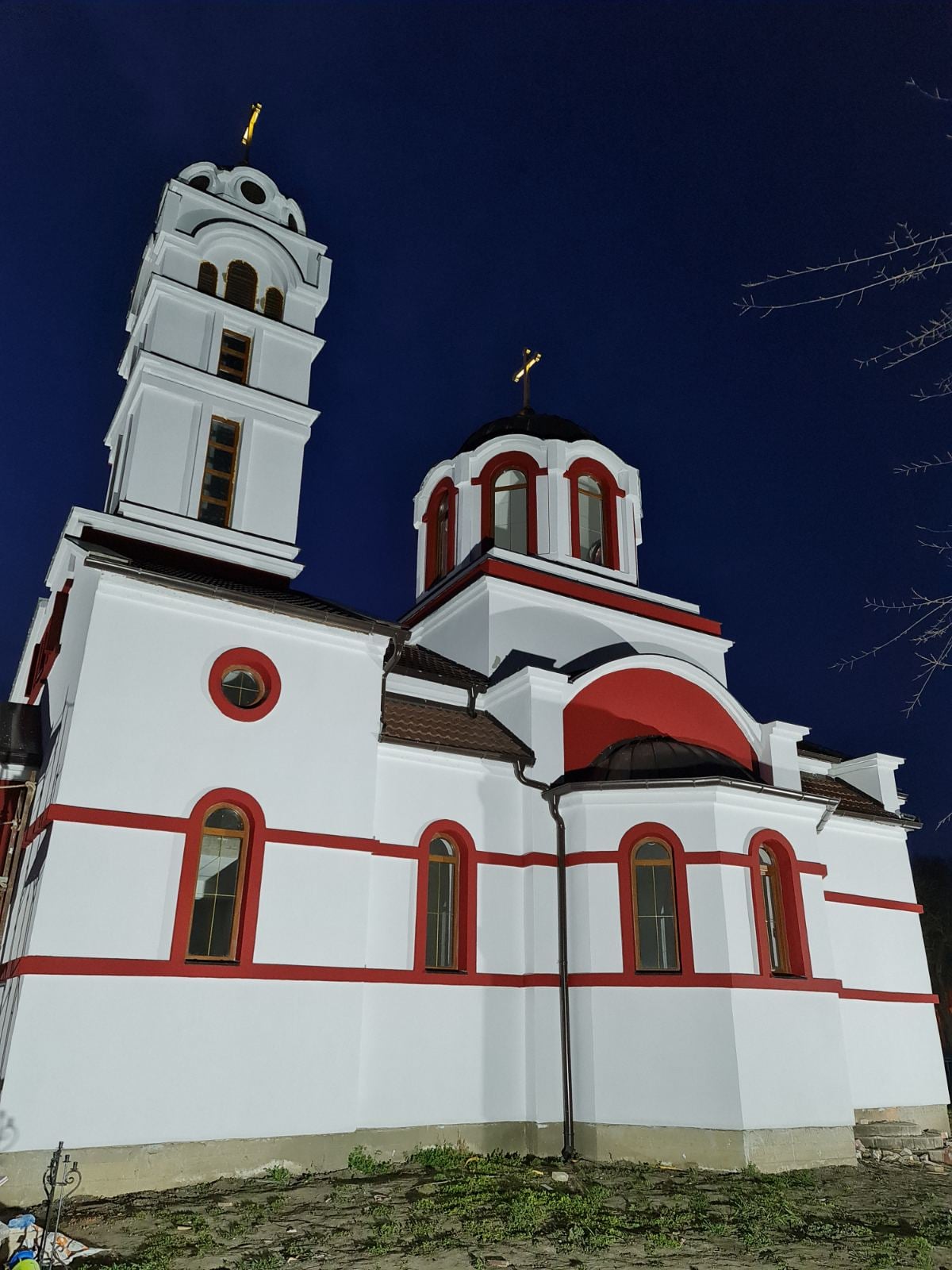
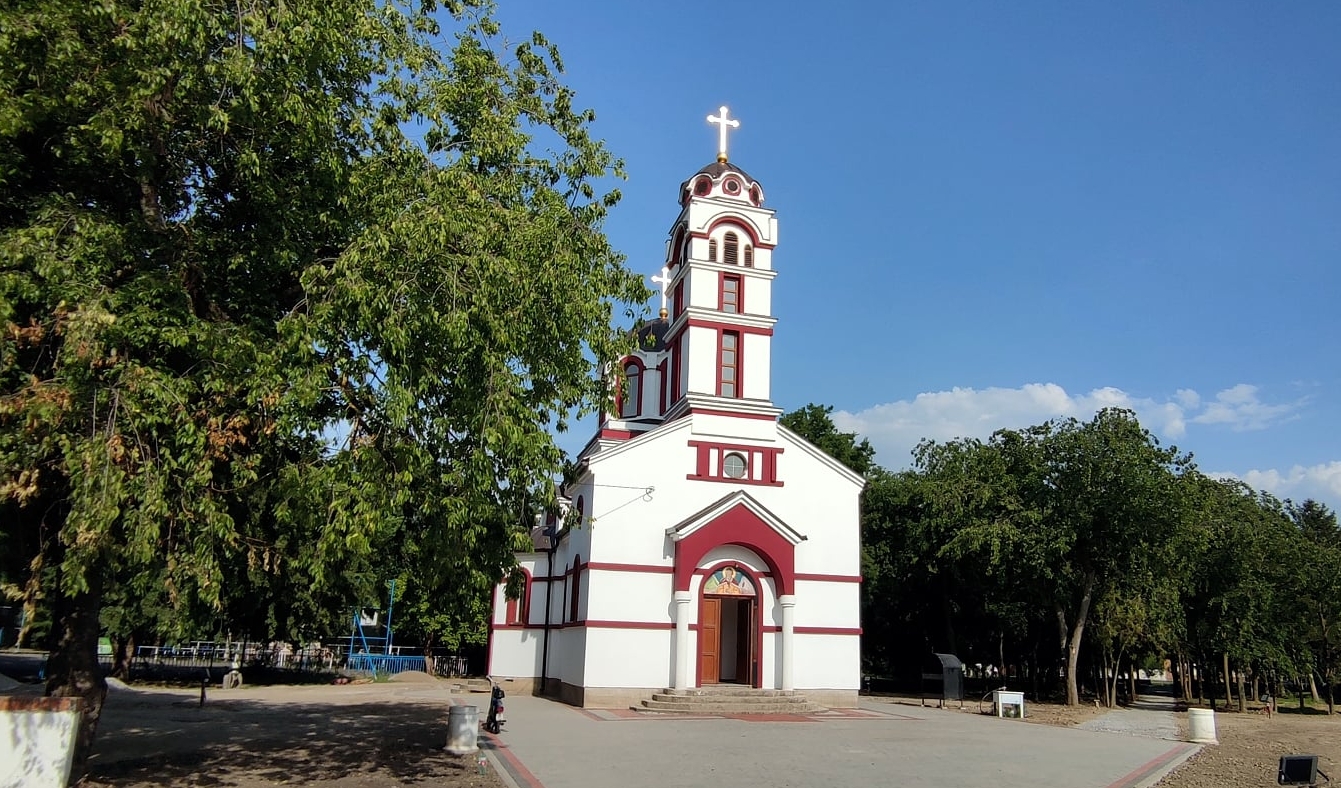
The idea of building a temple in Chestereg dates back to 1990, and the construction of the foundations began in June 2007. Bishop of Banat G.G. Nicanor consecrated the foundations of the temple dedicated to the holy prophet Elijah on August 2, 2007. The temple is designed in the Serbian-Byzantine style, with a dome in front of the central part of the nave and a tower above the narthex. The side apses and the altar form a trefoil.

Contact and practical information

Address
Marsala Tita, Cestereg
Rogendorf Castle

Castle

Rogendorf Castle

Rogendorf Castle is named after its builder Robert Rogedorf, which was built in the middle of the 19th century, and was located in the area of today's Banatski Dvor, in…

  • Kasteljska

Castle

Rogendorf Castle

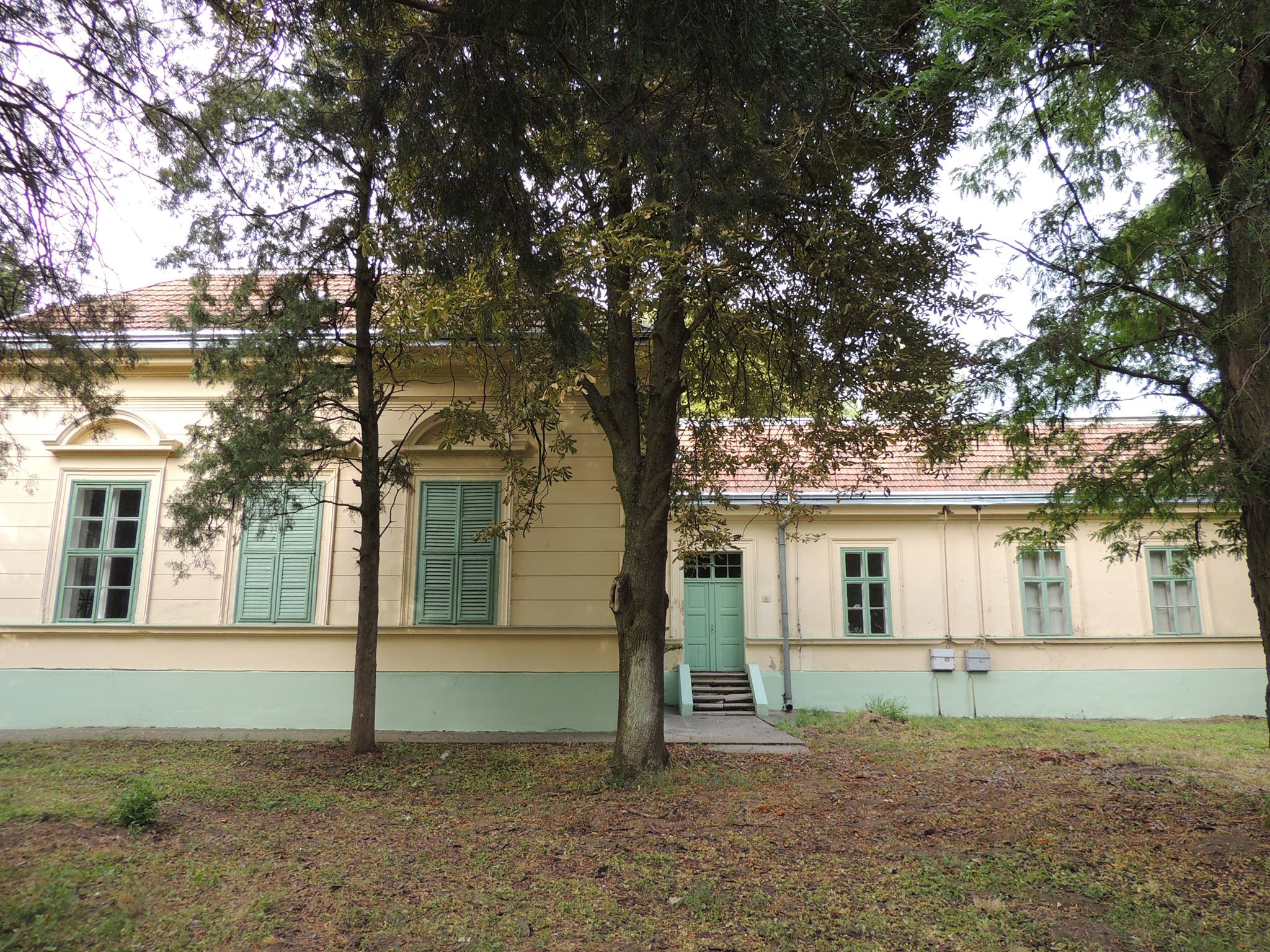
Rogendorf Castle is named after its builder Robert Rogedorf, which was built in the middle of the 19th century, and was located in the area of today's Banatski Dvor, in the settlement of Rogendorf, today's Dušanovac. The former castle was a ground floor building of the Classicist style, with a fairly simple decoration, where the monotony of the walls was broken by windows and the family coat of arms on the gable. In 1898, the castle became the property of Count Sandor Čekonjić and his family. It was expanded over time, to be added a whole new part, as a supplement to the old part of the castle in the Empire style, with features of the Neo-Renaissance. The old part of the castle was destroyed at the beginning of the 20th century, only the new part was left, which still exists today, but is not in function. The entire property currently has no function and has prior protection status

Contact and practical information

Address
Kasteljska
The temple of the Venerable Mother

Church

The temple of the Venerable Mother

The temple of the Venerable Mother Paraskeva in Banatski Dvor was built in 2000 with the blessing of the then Bishop of Banat, Chrysostom, who consecrated it in the same…

  • Zeleznicka 21, Banatski Dvor

Church

The temple of the Venerable Mother

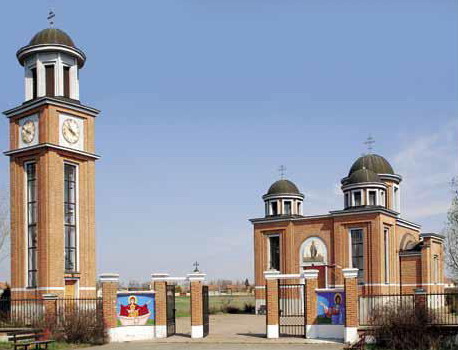
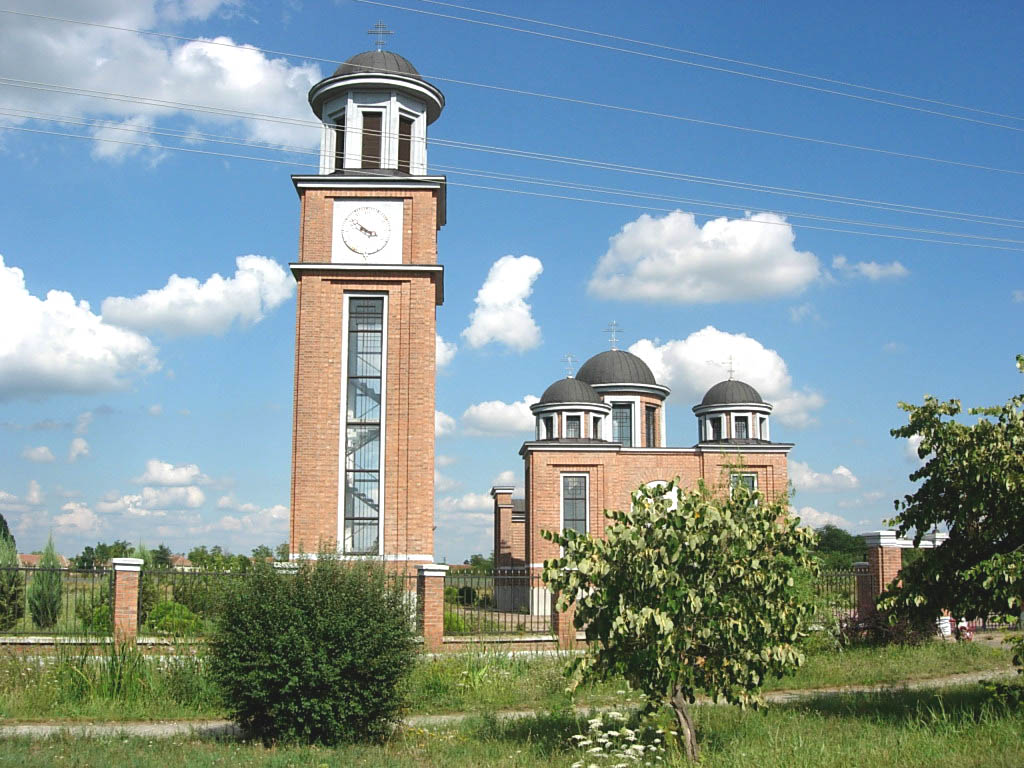
The temple of the Venerable Mother Paraskeva in Banatski Dvor was built in 2000 with the blessing of the then Bishop of Banat, Chrysostom, who consecrated it in the same year. The founder of the temple, who fully financed the construction, is Mr. Mirko Vučurević, a resident of Banatski Dvor with his family. The temple is designed according to the type of single-nave churches of the Raska group with three domes - the central one above the nave and two smaller ones above the narthexes. The bell tower is independent, located on the northwest side next to the church.

Contact and practical information

Address
Zeleznicka 21, Banatski Dvor
Rocky Balboa Statue

Monument

Rocky Balboa Statue

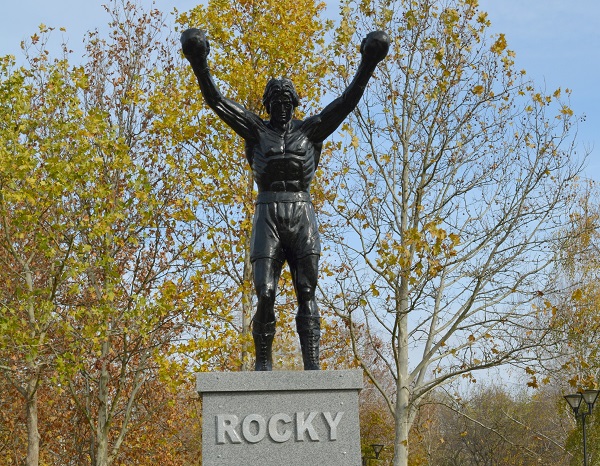
The statue dedicated to the film boxer, Rocky Balboa, is probably one of the most famous statues in Serbia, which the whole world has heard about. The idea of ​​erecting…

  • Cara Dušana bb

Monument

Rocky Balboa Statue

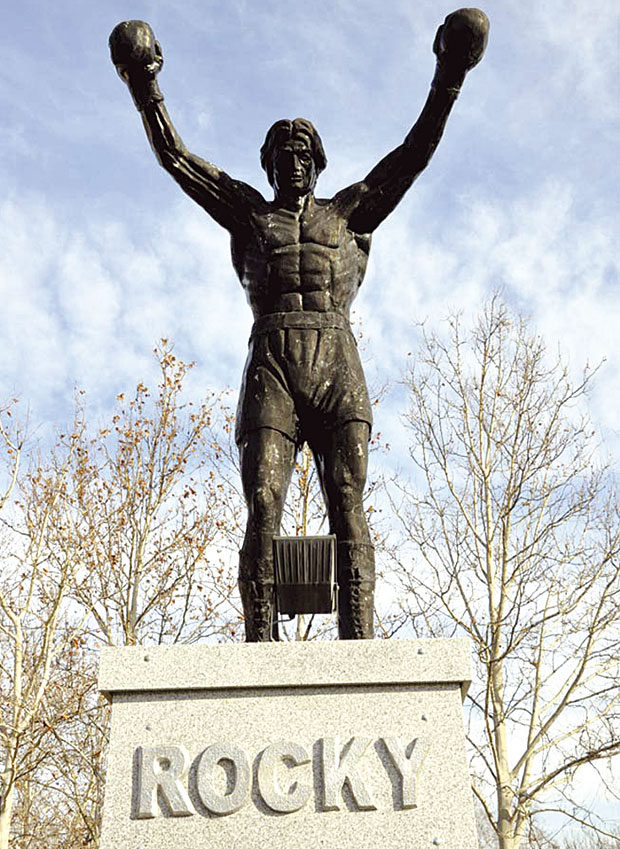
The statue dedicated to the film boxer, Rocky Balboa, is probably one of the most famous statues in Serbia, which the whole world has heard about. The idea of ​​erecting the statue arose as an interesting marketing move by several young people from Zitiste, with the desire to promote their place in this way and point out the need for greater activism and decision-making of young people in society. The goal was, above all, to hear in Serbia and the surrounding area about the initiative to erect a statue of Rocky Balboa as a recognizable symbol of perseverance and the desire to achieve success. However, the making and unveiling of the statue aroused unprecedented interest not only from domestic but also numerous foreign media from around the world, and the numbers of 70,000 published websites, 140 accredited media and 12,000 people at the unveiling of the statue as part of the "Chicken Fest" event were enough. says the idea has achieved a global resonance. Built using the technique of modeled concrete and over three meters high, the statue of Rocky Balboa with victoriously raised hands reminds how a group of young people decided to influence their environment and their lives in a completely different and unusual way. Decorating the center of Zitiste, the statue welcomes curious passengers who decide to stop the car for a moment and take a photo in front of the statue, imitating Roki himself - his hands raised victoriously high.

Contact and practical information

Address
Cara Dušana bb
Zrenjanin – City Hall

Landmark building

Zrenjanin – City Hall

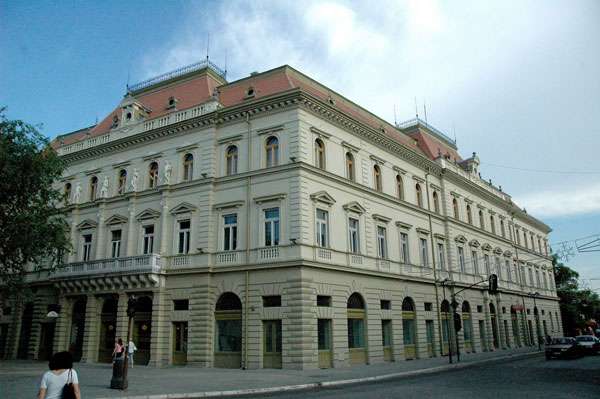
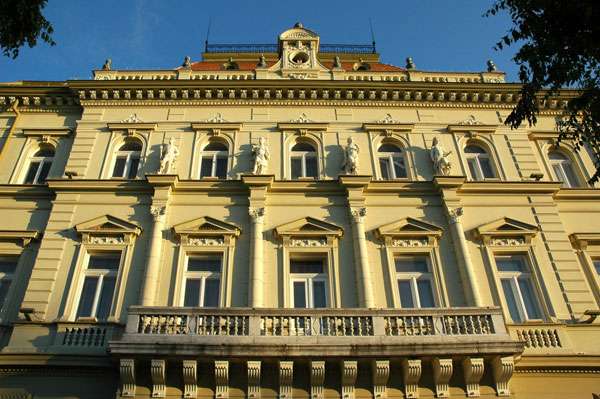
The original County palace was built by the Joseph Fischer in the period of 1816 – 1820 shortly after the catastrophic fire happened in 1807, which has destroyed almost…

Landmark building

Zrenjanin – City Hall

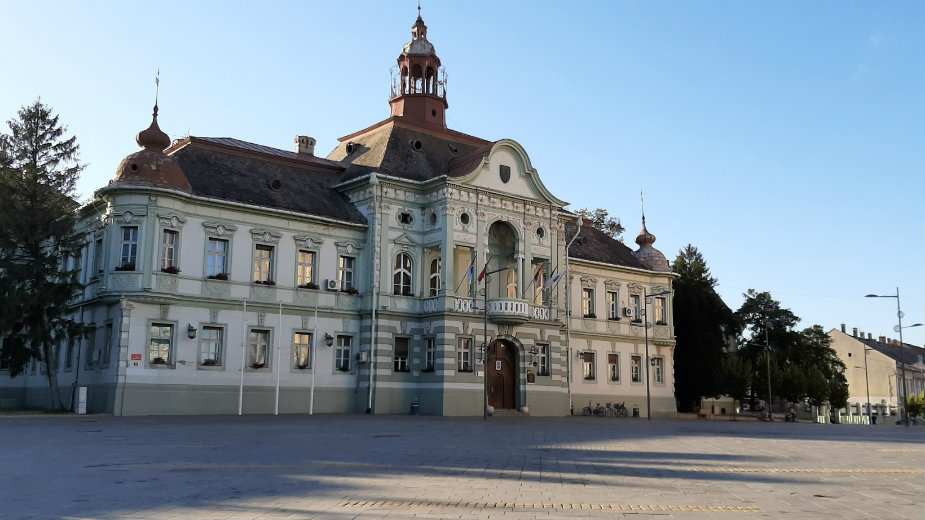
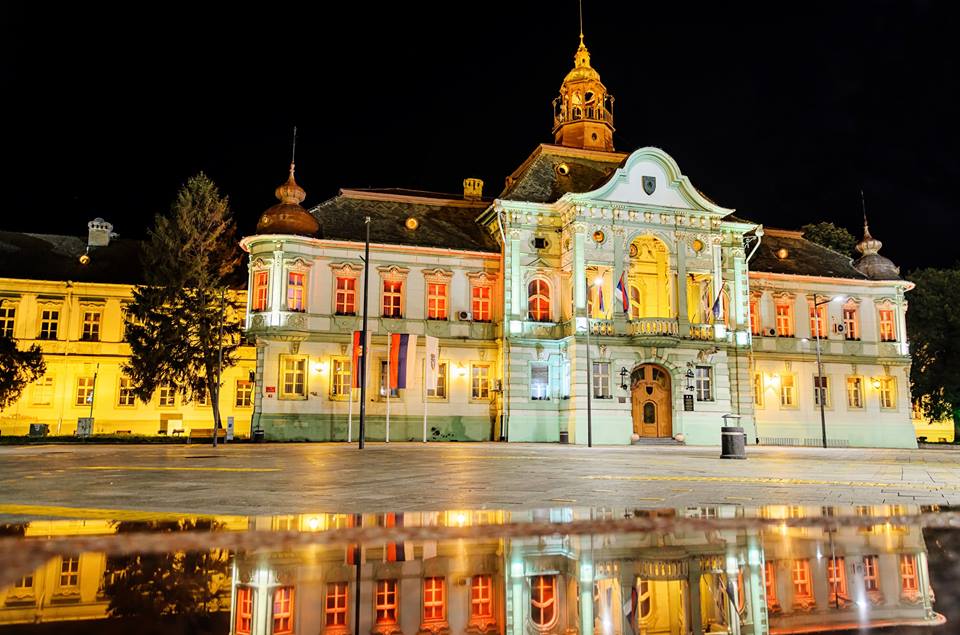
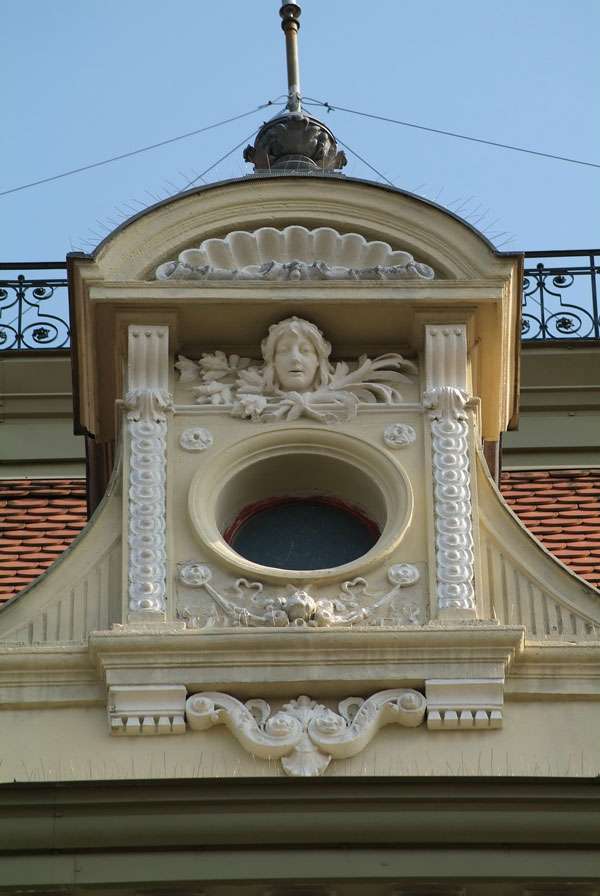
The original County palace was built by the Joseph Fischer in the period of 1816 – 1820 shortly after the catastrophic fire happened in 1807, which has destroyed almost the entire architectural heritage of the Great Beckerek in 18th century. Even after sixty years, due to the low storage capacity, respectively from 1885-1887, the building had to be enlarged, rebuilt and modernized according to the plans by Eden Lehner and Djule Partos, Budapest's most famous architects of the time.

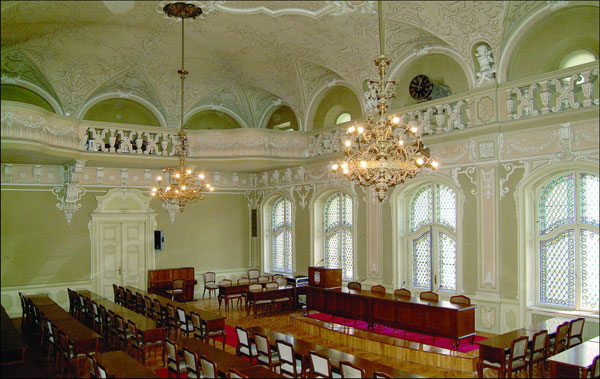
It is one of the most recognizable buildings, since under its roof almost two centuries make important decisions related to the functioning of the city and the region. Palace has being built on the foundation of former Becskerek fortress that has existed in this region from 1528 till 1701. At the site of the former fortress, the county building was built, much more modest than today, which was in 1807 burned in the great fire that devastated the city, and a number of buildings in the center of town Becskerek. The new county building was built from 1816 till 1820. in the classical style, according to the designs of József Fischer, a famous architect of the Budapest. Today, this building is only the central part of the building, which, after seventy years of extended entire county building is restated in the Baroque style. Due to 1902 year, as a result of a fire, the tower collapsed and fell into a large hall, the building was restored and the clocks and windows are placed - stained glass with the coats of arms of the Counts and Barons who have made ​​a special contribution to the restoration of the building.

The most beautiful and the largest stained glass windows are located above the main staircase of the building and represent symbolically - Wisdom, Justice and Power. In the hall on the first floor, the entrance to the Ceremonial Hall, there is a unique "Pantelić Watch" from 1902. The second watch, from wrought iron, which is located in the lobby, is assumed to be built around the year of 1890. Since the foundation of the building it was housed the most important bodies in charge of public administration in Banat, such as the District, the District Inspector, Serbian district offices, and since 1950 the municipal assembly and its administrative bodies.

Contact and practical information

Address
Trg slobode 10
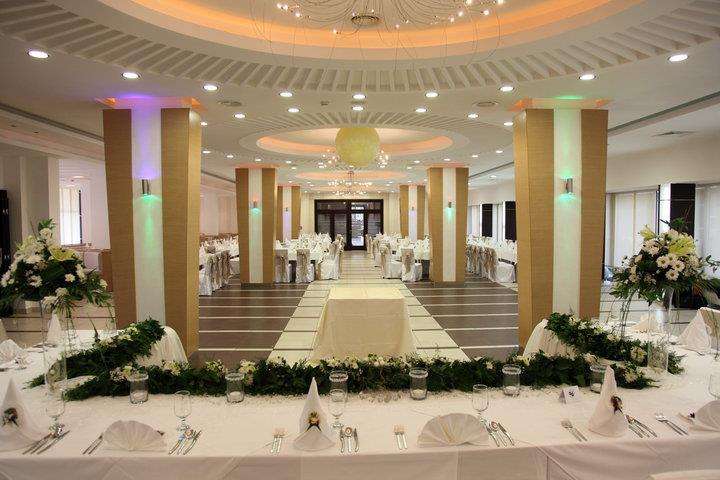
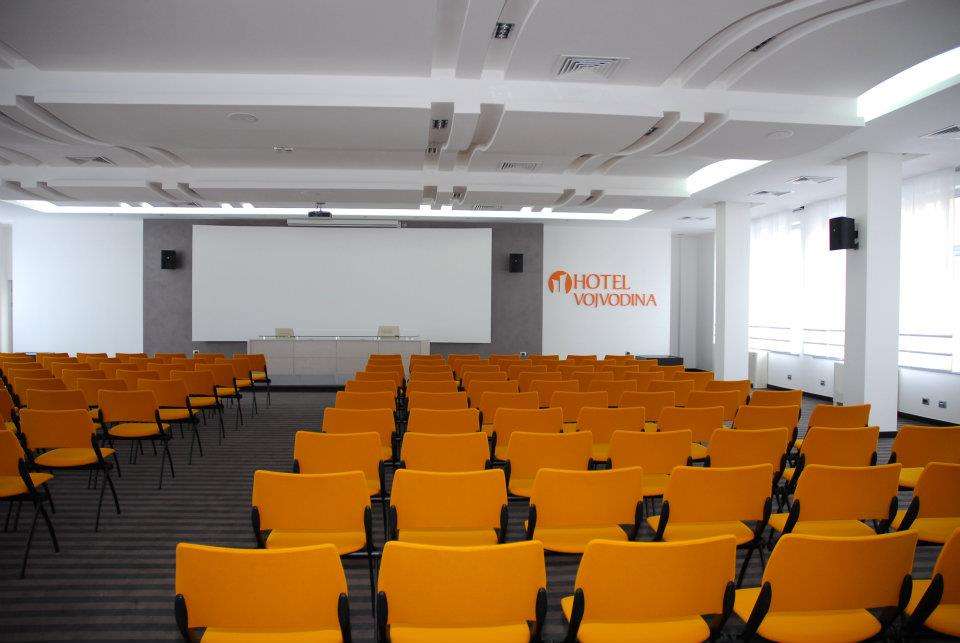
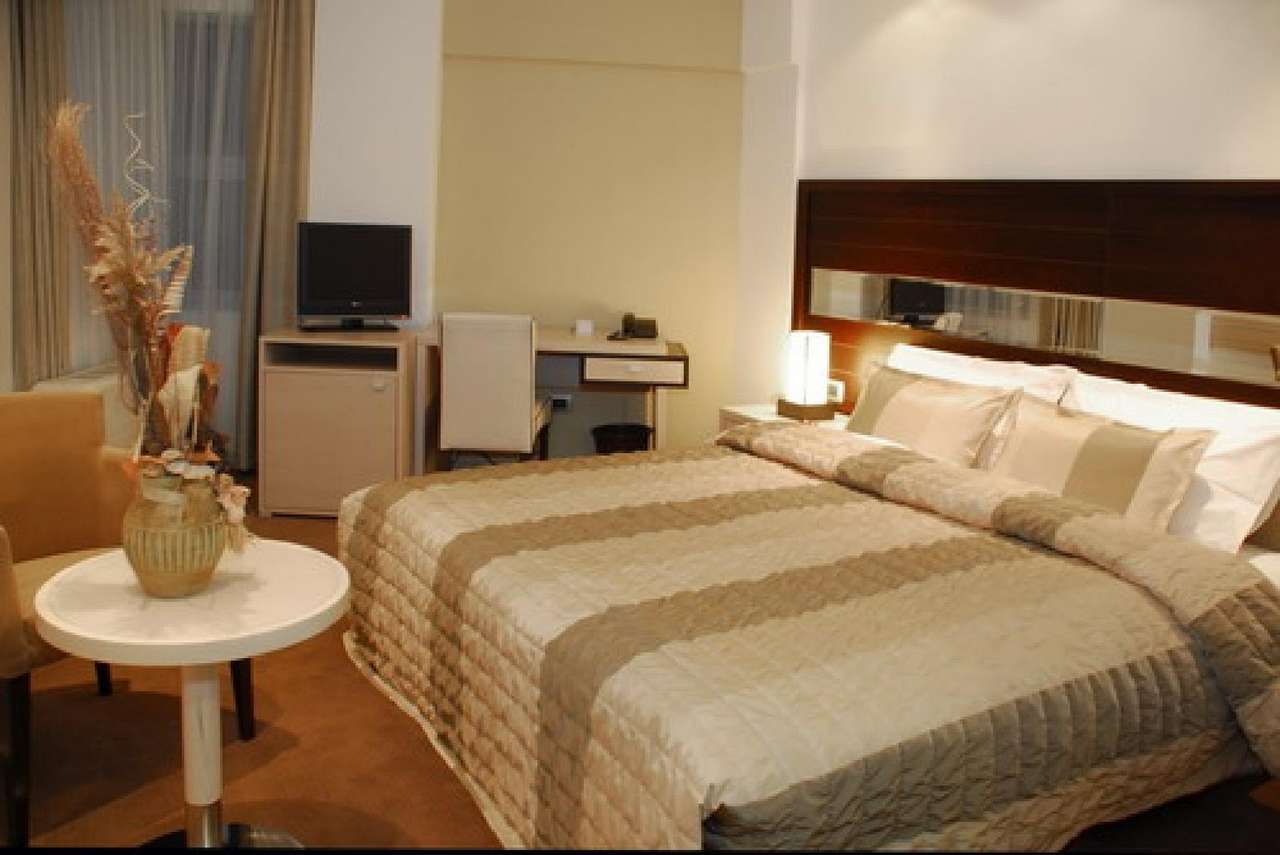
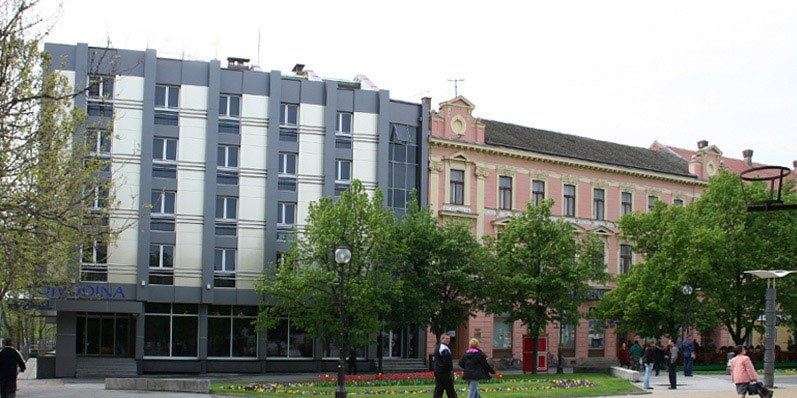
Hotel Vojvodina

Hotel

Hotel Vojvodina

Located in the center of Zrenjanin, hotel Vojvodina has always represented a tourist symbol as of this beautiful city, as well as the entire Central Banat. Its rich…

  • Trg Slobode 5

Hotel

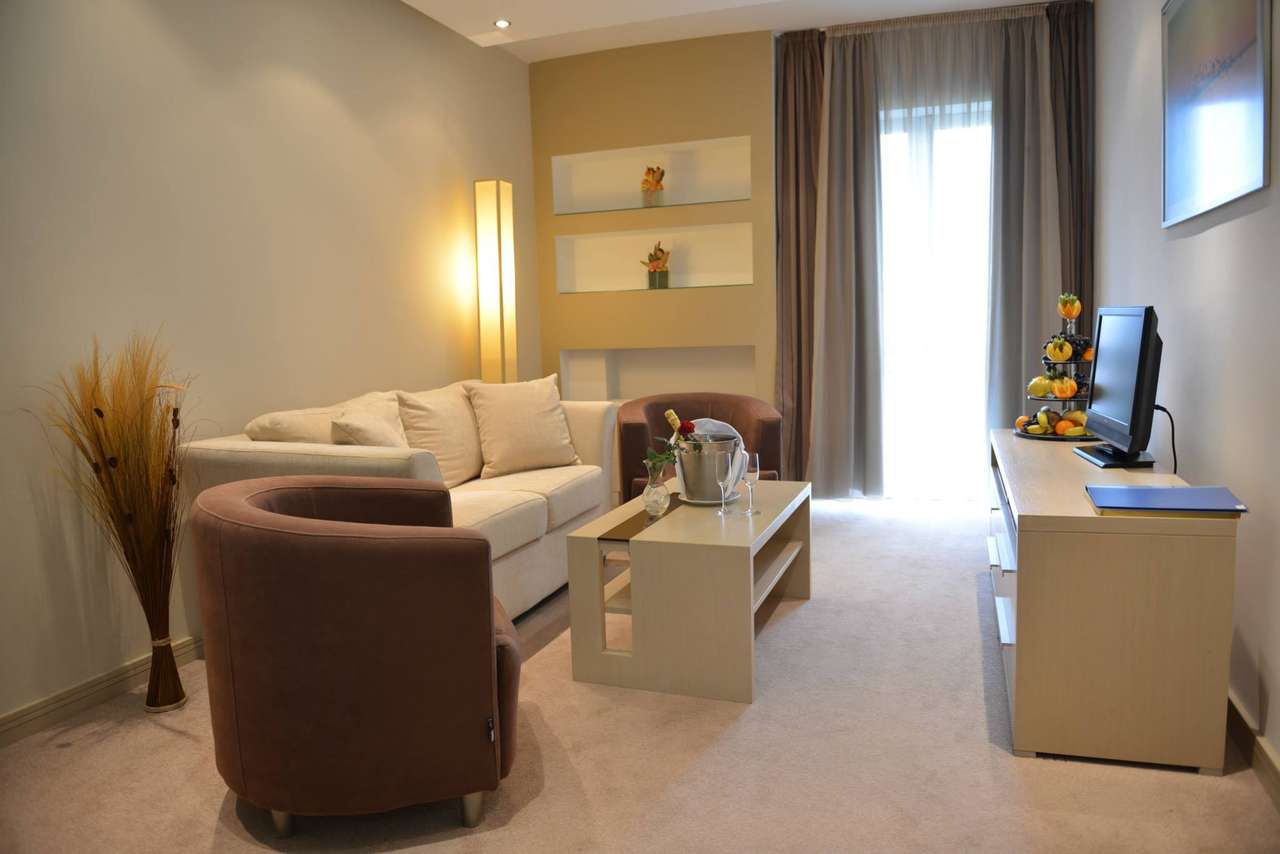
Hotel Vojvodina

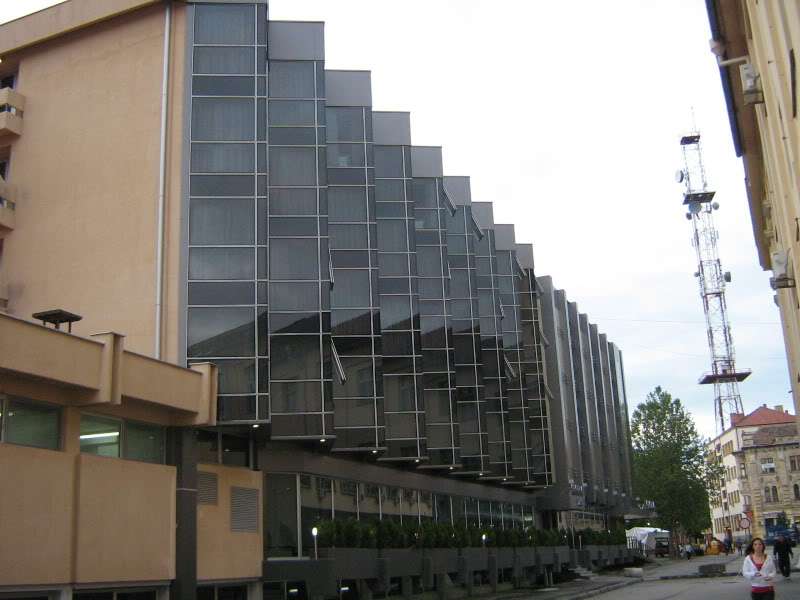
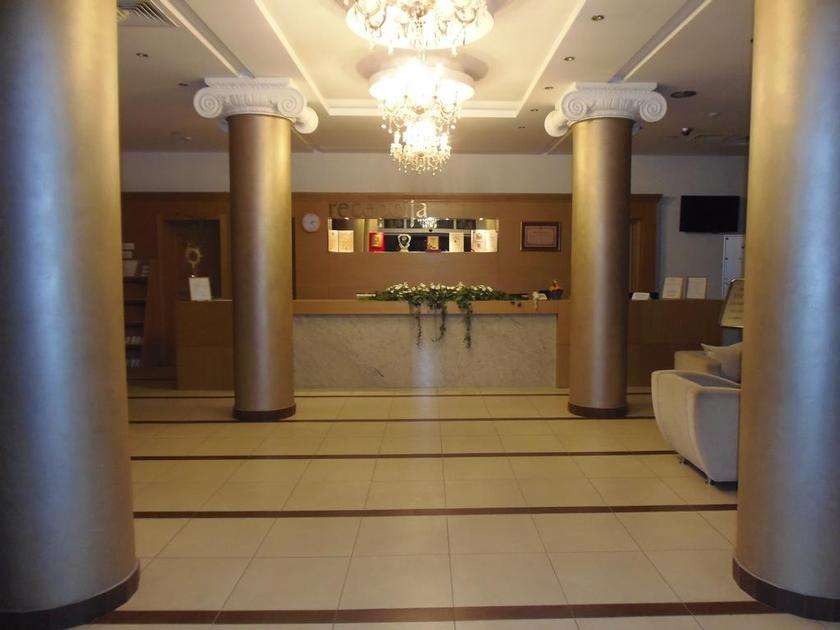
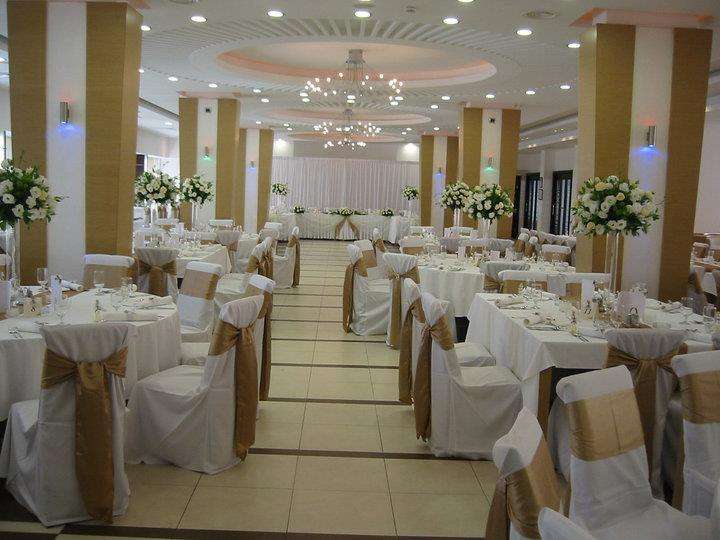
Located in the center of Zrenjanin, hotel Vojvodina has always represented a tourist symbol as of this beautiful city, as well as the entire Central Banat. Its rich history began in 1886 when a small taverna on the Zrenjanin King Peter square, Mr. Franjo Roza built a hotel with the same name Roza. In 1921 David Kon takes hotel and called it Grand Hotel Vojvodina. Even then, the hotel is disposed of thirty rooms, cinema, and restaurant, space for smaller celebrations, as well as a beautiful garden towards Begej and a park that was a favorite destination for guests during the summer season. It can be said that even at that time has been set up a high standards by which the management of the hotel has never deviated, and whose monitoring has led to continuous development and improvement of quality of service over the decades.

Contact and practical information

Address
Trg Slobode 5
Building of National Museum Zrenjanin

Museum

Building of National Museum Zrenjanin

Todays National museum has been founded in 1906 as an Museum of Torontal County, decorated with a free sculpture, a figure symbolic of industry, agriculture, science and…

Museum

Building of National Museum Zrenjanin

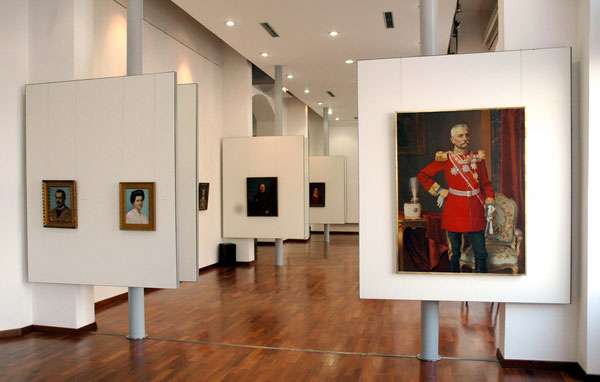
Todays National museum has been founded in 1906 as an Museum of Torontal County, decorated with a free sculpture, a figure symbolic of industry, agriculture, science and art. Since 1966 the building is located in the former Financial Palace, built in 1894, and the area of ​​today's Liberty Square, in the town center. Museum presents a complex institution, native character and his research work covers the Middle Banat. Within five collections department of the Museum over 33,000 museum objects is placed. Since 2005. The National Museum of Zrenjanin has three exhibition space on the ground floor of the building in which thematic exhibitions are presented: Salon, small lounge and lobby of the museum.

National Museum of Zrenjanin belongs to the category of museum-type institution, with native character and its research work covers the Middle Banat. This kind of type of the rich cultural heritage of the area in the field of nature, archeology, ethnology, art and history belongs in the framework of a systematic care and professional treatment of a specialized institution with experts of all required profiles. Within five collections department of the Museum there is over 33,000 museum objects. In the museum there is a reference library with over 5,000 titles. Permanent exhibition space has an area of ​​1200 m2. Currently Zrenjanin National Museum also has three exhibition space on the ground floor, that are salon, small lounge and lobby museum, which is converted into an exhibition space. Zrenjanin National Museum was declared ast the best museum in Serbia in 2006 due to the large number of visitors - over 85,000, organized 34 thematic exhibitions and renovated permanent exhibition.

Contact and practical information

Address
Subotićeva 1
Roman Catholic Cathedral of St. John of Nepomuk

Church

Roman Catholic Cathedral of St. John of Nepomuk

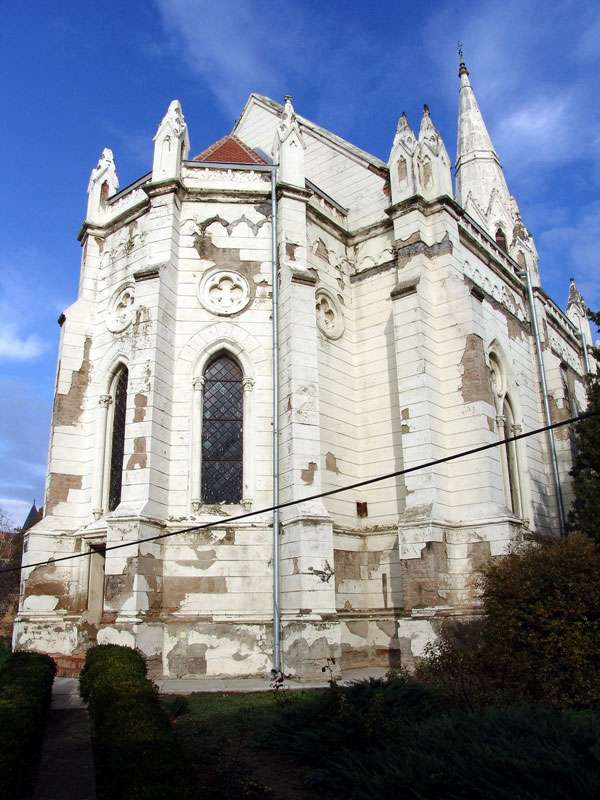
The construction took place in the period from 1864 to 1868. on the central city square, on the spot where former Catholic church used to be. Roman Catholic Cathedral…

  • Trg Slobode 4

Church

Roman Catholic Cathedral of St. John of Nepomuk

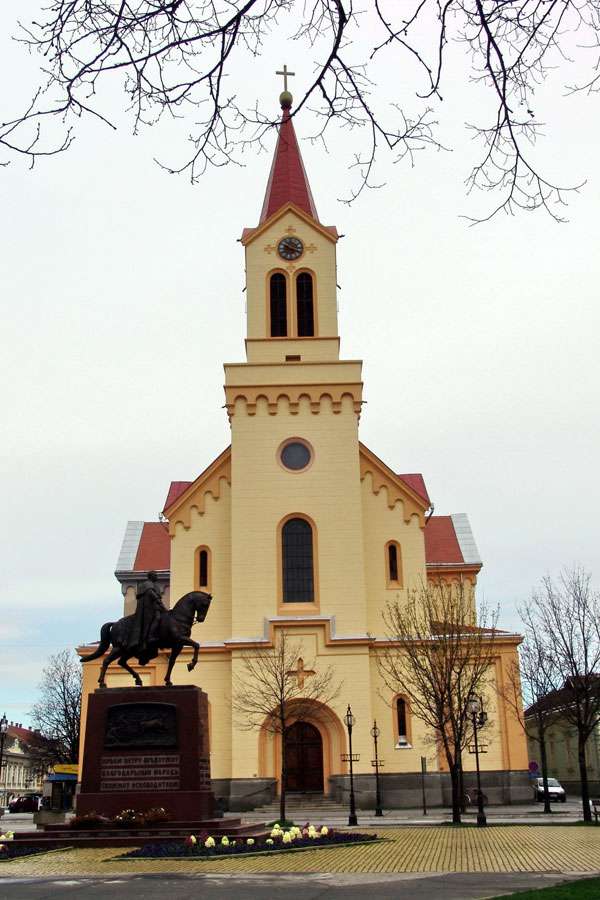
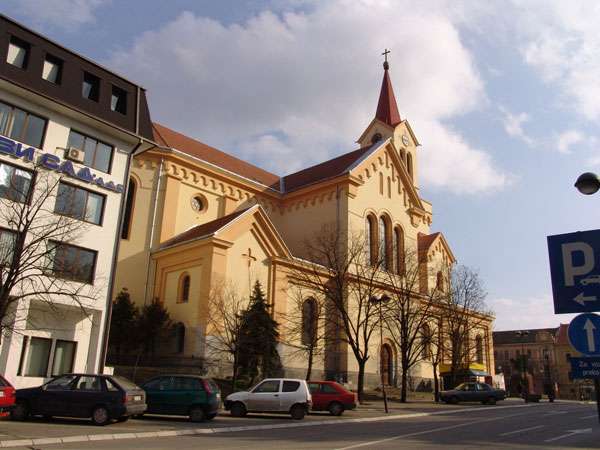
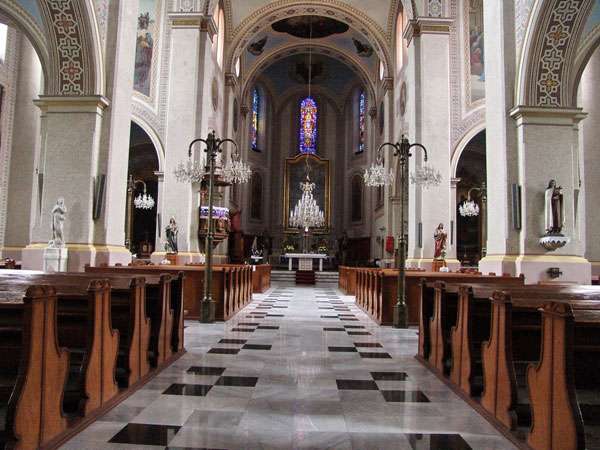
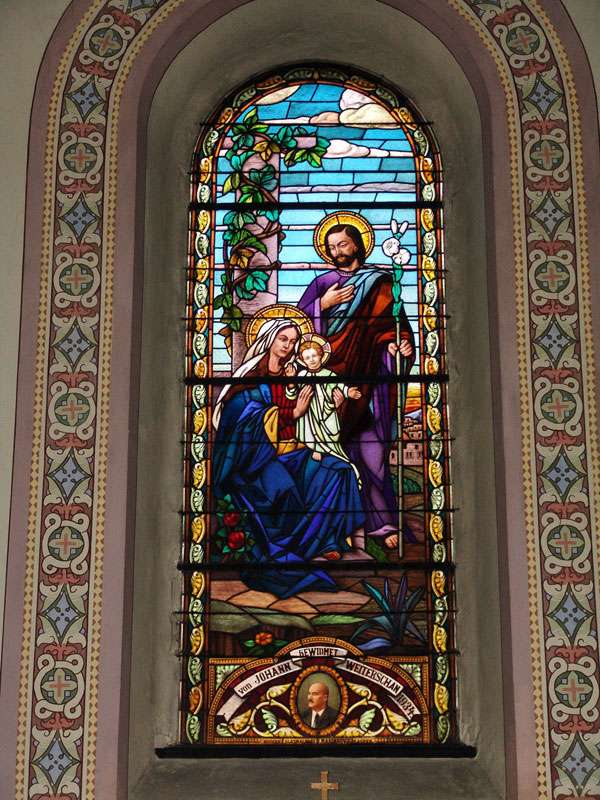
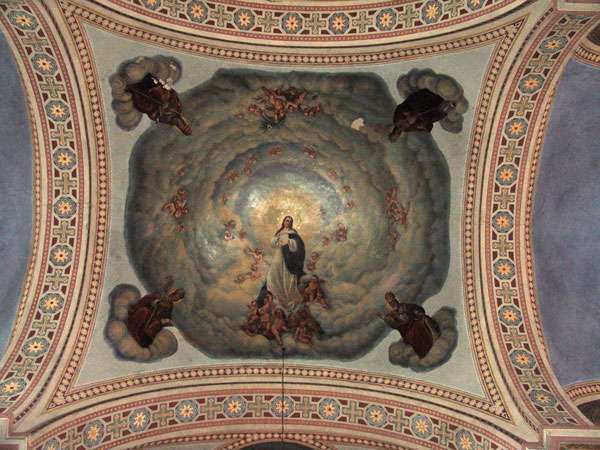
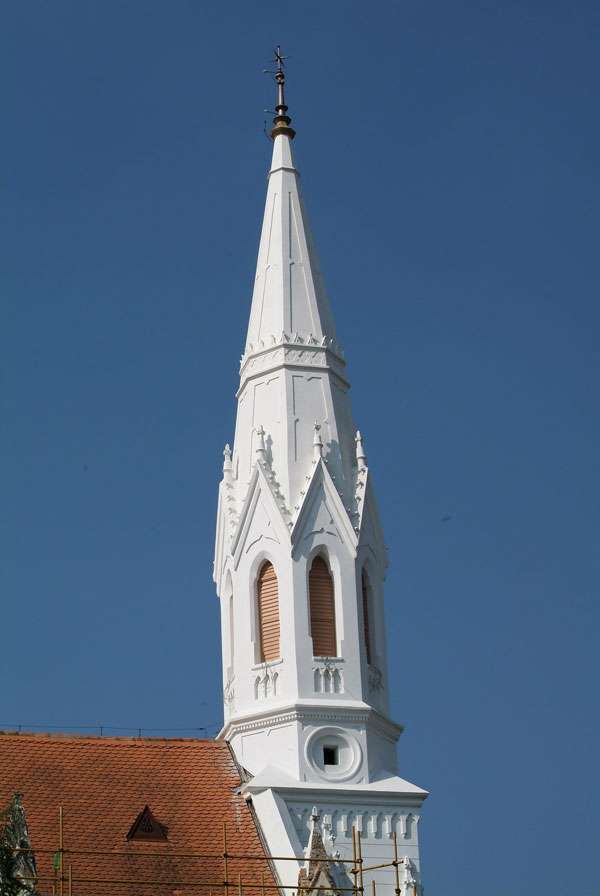
The construction took place in the period from 1864 to 1868. on the central city square, on the spot where former Catholic church used to be. Roman Catholic Cathedral is dedicated to St. John of Nepomuk, patron saint of all bridges and rivers. It is a three-aisle structure in Neo-Romanic style, the work of architect Stevan Djordjević. It was tailor-made for the city itself and its citizens: the sound of its bells could reach the remote parts of Beckerek. Interior was created by Jožef Gojgner a local artist, using Biblical motifs as well as ready/made models done by French artist Gustave Doré. The cathedral has original organ of 1905.

Contact and practical information

Address
Trg Slobode 4
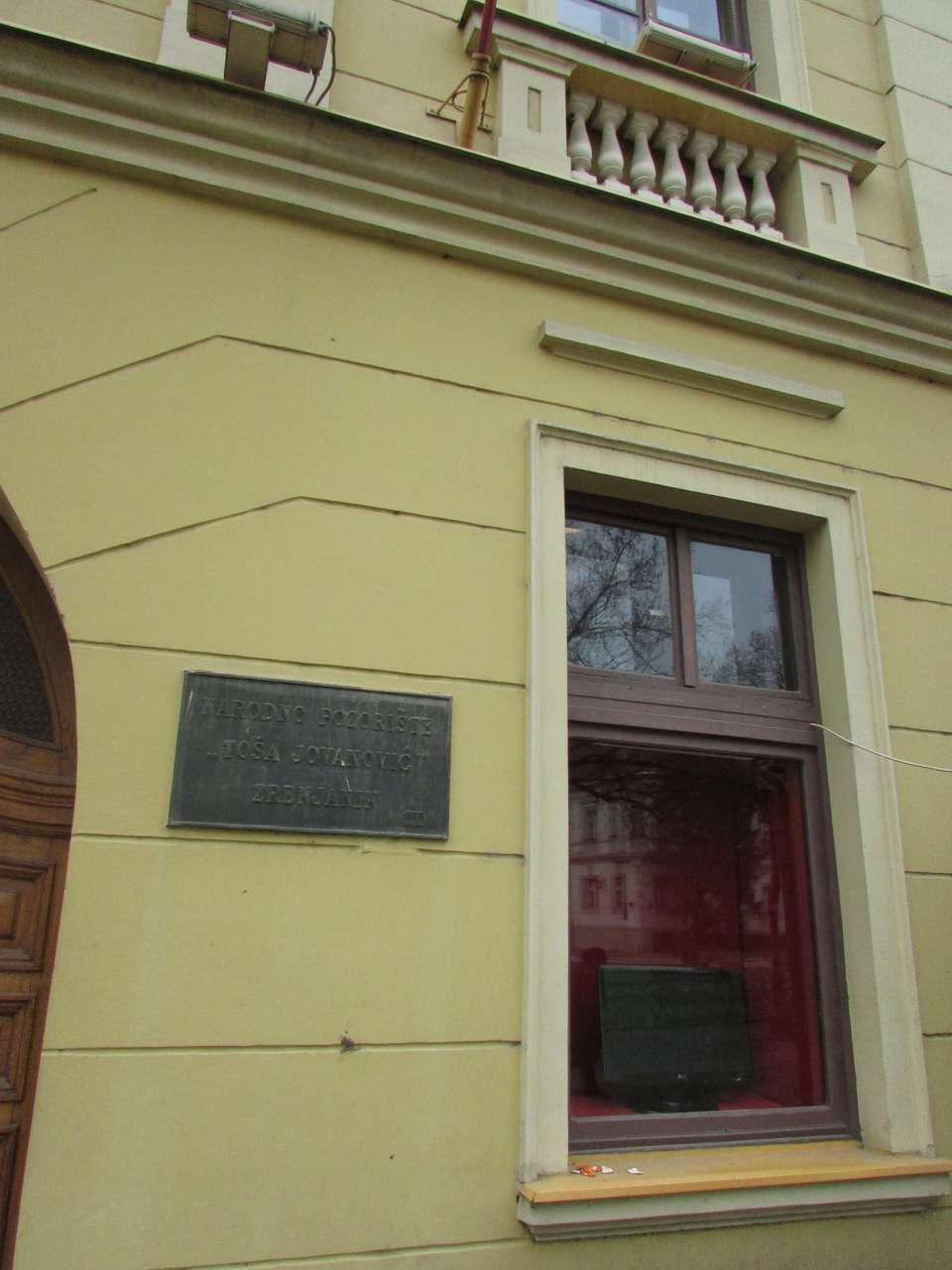
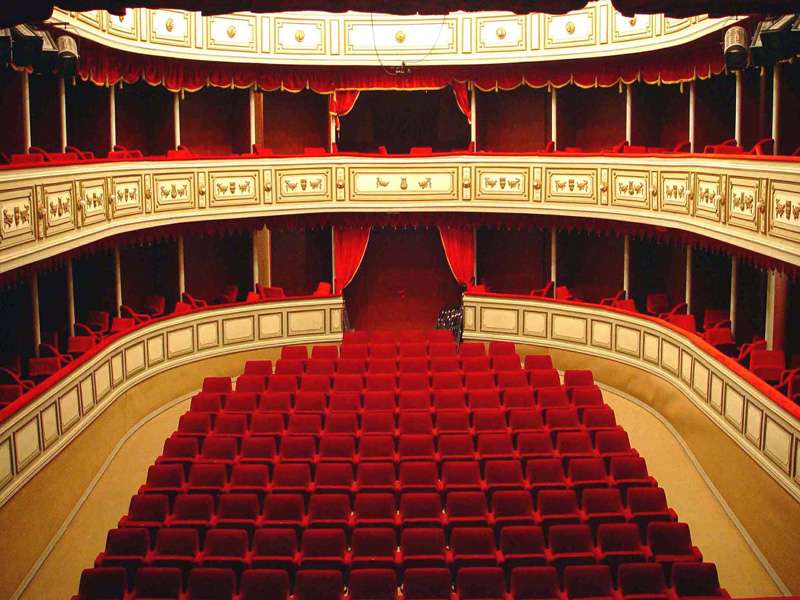
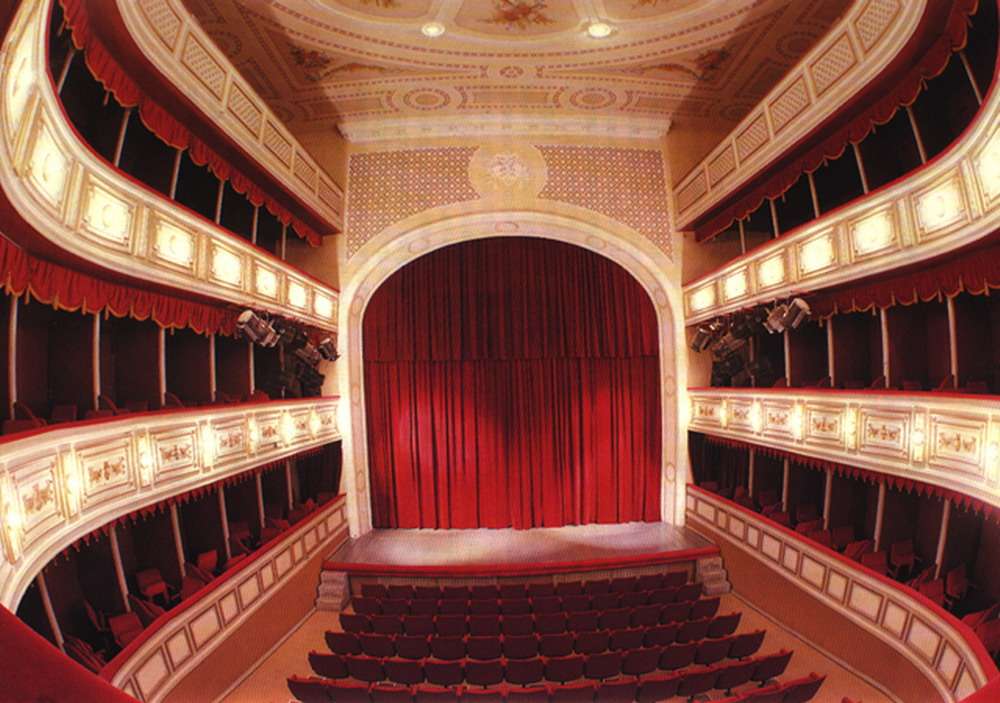
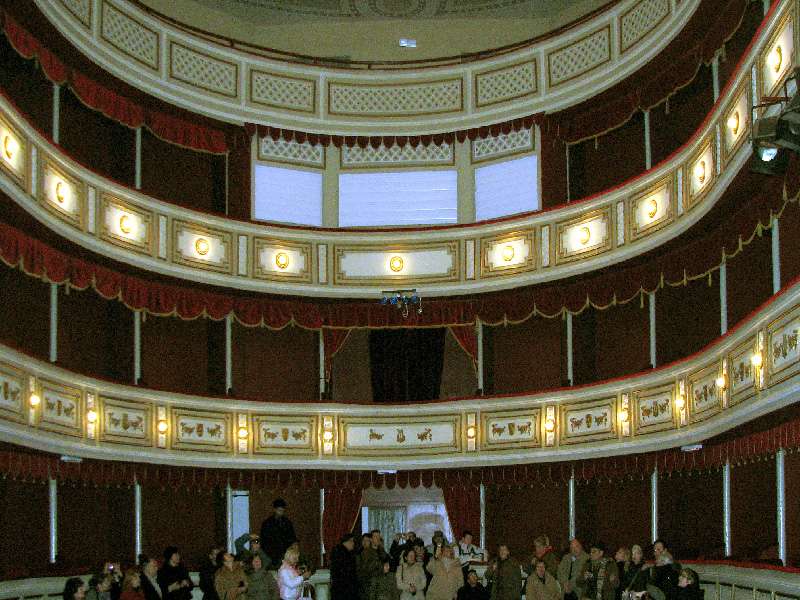
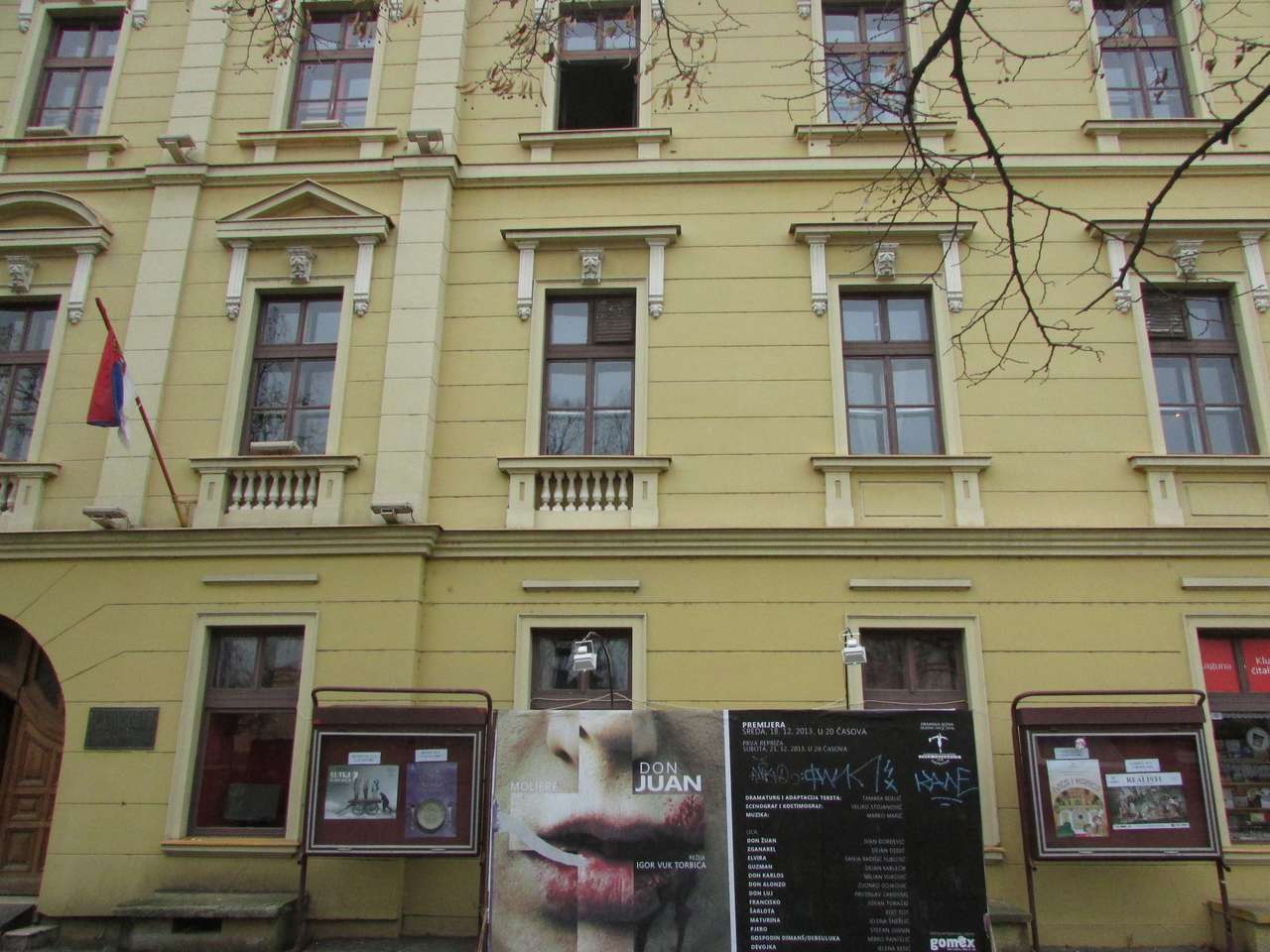
National Theatre  "Toča Jovanović"

Culture

National Theatre "Toča Jovanović"

The very first records on theatre performances with the Serbs are linked to Beckerek as early as 18th century, associated with the name of local teacher Jelisejić and…

Culture

National Theatre "Toča Jovanović"

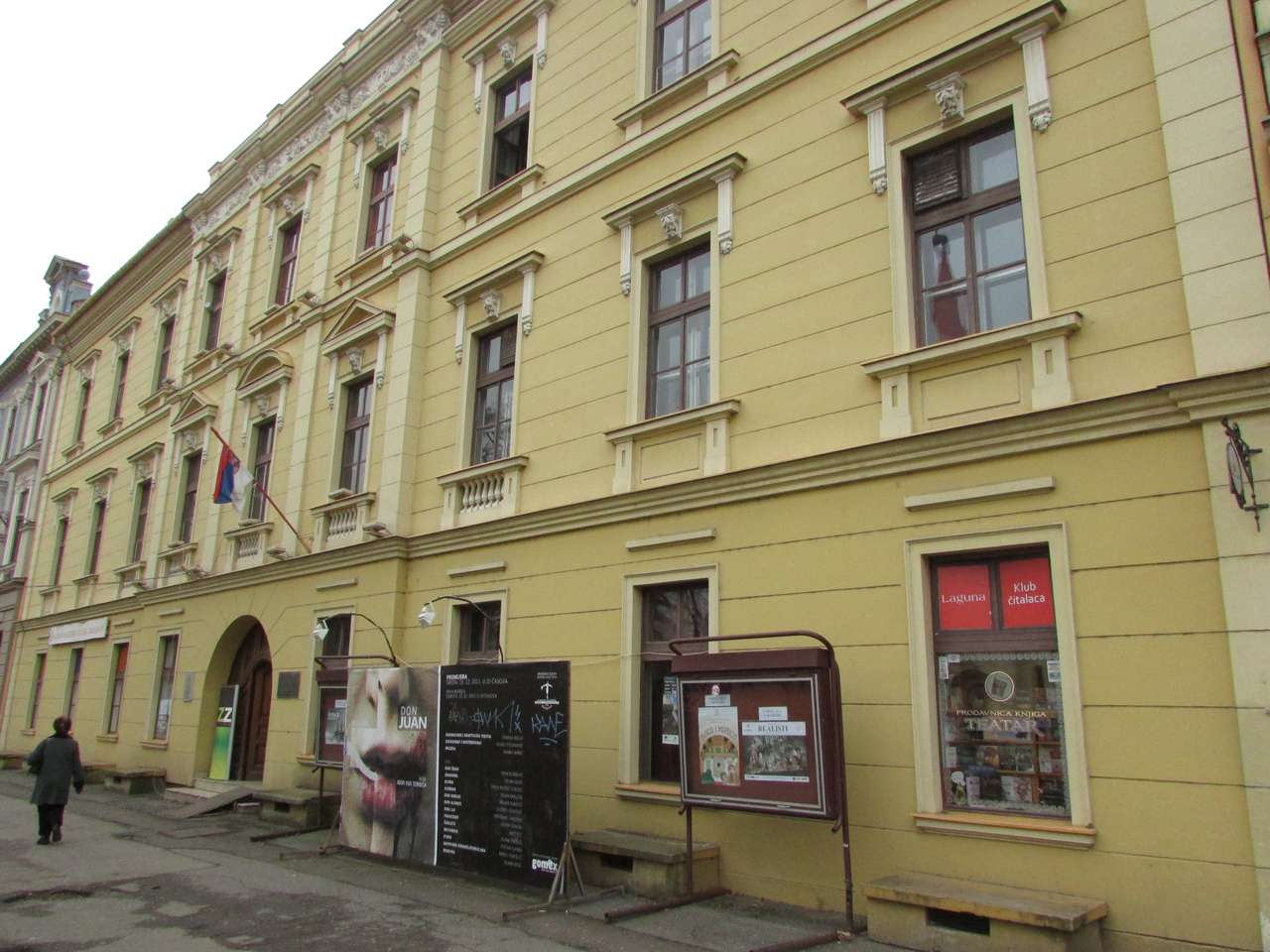
The very first records on theatre performances with the Serbs are linked to Beckerek as early as 18th century, associated with the name of local teacher Jelisejić and his amateur students’ acting group. Wheat grain warehouse was adapted into a theatre in 1839. As legend says, the theatre was the result of a great love of a wealthy nobleman to an actress from Budapest; hoping to bring her to his city, he had a theatre built. This makes Beckerek theatre one of the oldest ones in Serbia and broader. Its Baroque interior is extremely beautiful, functional and acoustic, although basically it is a chamber-type building. Today’s appearance was obtained through a thorough reconstruction and adaptation in 1985. Owing to preserved original design and plans, the interior was authentically restored. For about one hundred years there was not permanent theatre staff (only guest troops - Hungarian, German or Serbian came), wheres since 1946 the theatre has had its ensemble on three scenes: drama, chamber and in1956 professional puppet theatre was formed. Eversince, the puppet scene has had four premiers in Serbian and two premiers in Hungarian language a year. The theatre is called by a famous Serbian Romanticist actor Toša Jovanović.

National theatre as it is today was established by a merger of Drama and Puppet theatre in 1975. The Puppet theatre has the production of 250 annual performances, of which 100 as guests. The ensemble of the Puppet theatre has achieved enormous international success and become the most prominent ensemble of the kind in Serbia.

Contact and practical information

Address
Subotićeva
Palace of Justice

Landmark building

Palace of Justice

Within the space of cultural and historical sites of the old center of Zrenjanin, is the Palace of Justice (courthouse and jail), built in the period between1906 and…

Landmark building

Palace of Justice

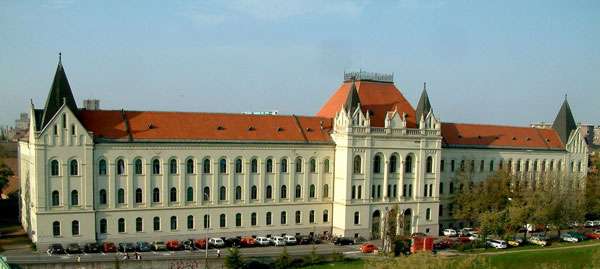
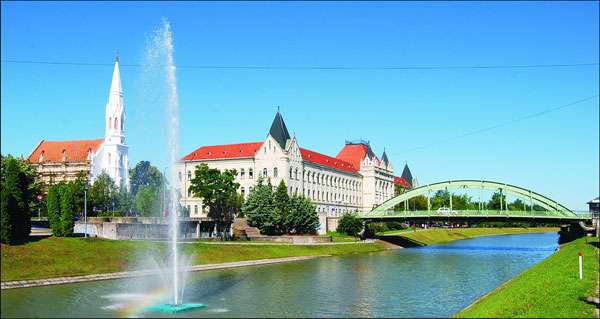
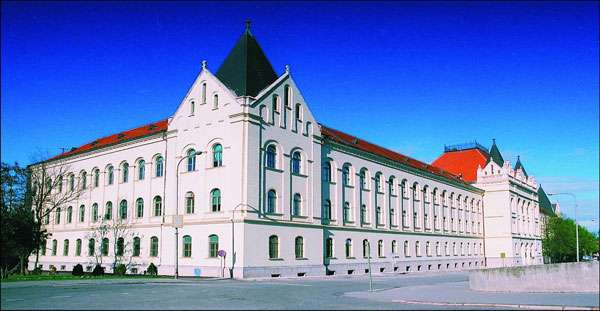
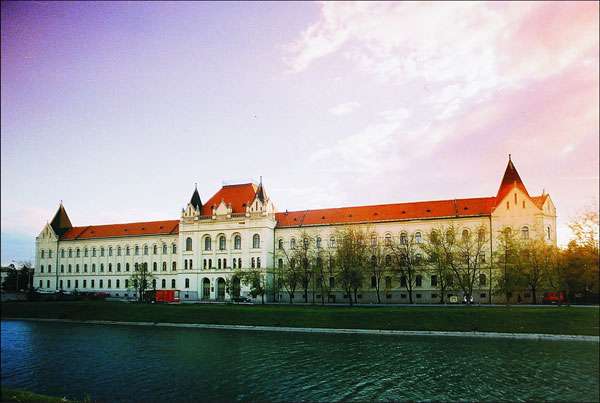
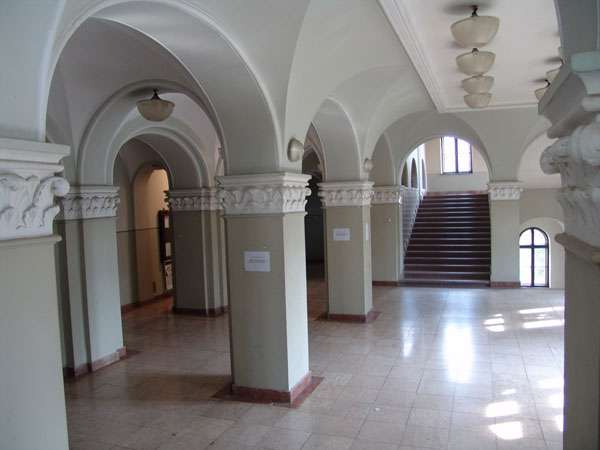
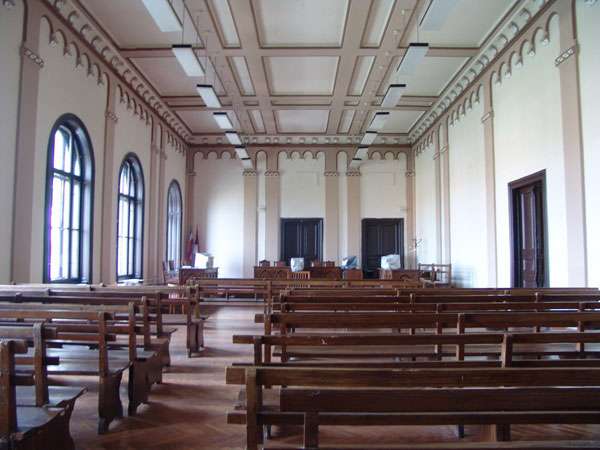
Within the space of cultural and historical sites of the old center of Zrenjanin, is the Palace of Justice (courthouse and jail), built in the period between1906 and 1908. Within call for proposals by the Ministry of Justice in Budapest, the first prize, for the design of the building of the county court and the prison, took the Budapest architect Sandor Ajgner. With it’s purpose and size, the building testifies to the increasing role of the Great Beckerek as administrative management and the regional headquarters of Torontal County. Palace of Justice in Zrenjanin was placed under the protection of the law of the Republic of Serbia and was declared a cultural monument in the year of 1972 (complementary solution 01-104/1-72), and since in 1991 for the cultural monument of the great importance (,, Official Journal of the APV "No. 28 from 30.12.1991.).

It was built in the spirit of Romanticism between 1906 and 1908, designed by the architects of Pest Sandor Ajnera and Marcus Rimer. It was built for the city needs during the period of development of the capitalist economy. Today there are the District, Municipal and Commercial Courts and the Municipal Public Prosecutor's Office and the Attorney. Beside the Town Hall (formerly the County Palace), the courthouse and the jail is the most precious piece of architecture in a protected architectural corpus in the city of Zrenjanin. In addition to the historical and architectural value, the palace has an outstanding environmental values ​​- from whichever side is observed, provides a unique sight. Today, as well as in the past, this building draws attention to its dominant position in the area around the lake and small bridge, because it is a rare case that even in the larger cities, there is an existence of this kind of monumental palace specially built for the institution of the judiciary.

Contact and practical information

Address
Kej 2. Oktobar 1
The Reformed Church

Church

The Reformed Church

The church was built in 1891 as a piece of art of architect Zaborecki.   The Reformed Church is a single-aisle structure with a large double-floor bell tower. In it,…

  • Ulica Narodne omladine 2/1

Church

The Reformed Church

The church was built in 1891 as a piece of art of architect Zaborecki.

The Reformed Church is a single-aisle structure with a large double-floor bell tower. In it, among other things, there is preservation of organ of the synagogue, which was destroyed by the German occupation forces in 1941.

Contact and practical information

Address
Ulica Narodne omladine 2/1
Peskara Beach

Beach

Peskara Beach

Five lakes called "Pescara" are located five kilometers from the center of Zrenjanin, caused by long-term exploitation of sand. Due to the naturally clean water and…
Beach

Peskara Beach

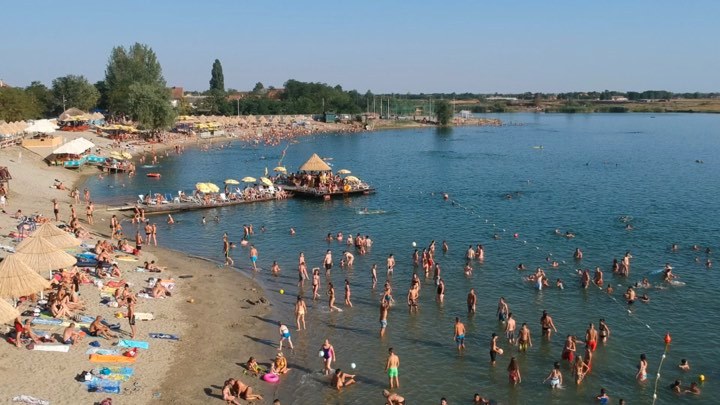
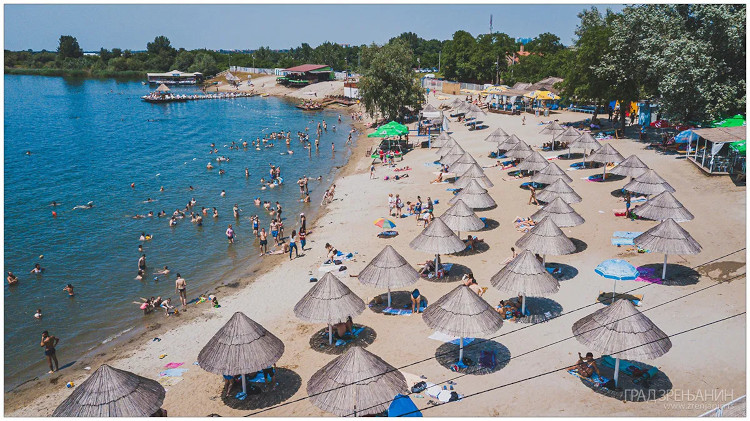
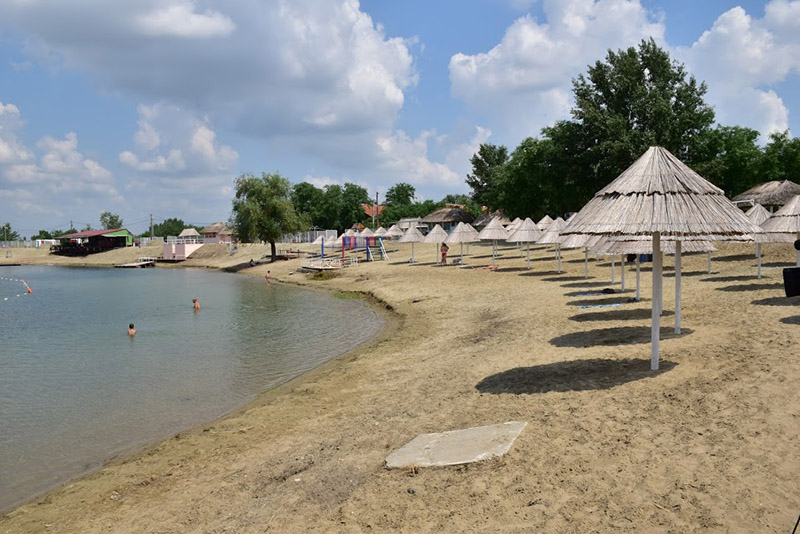
Five lakes called "Pescara" are located five kilometers from the center of Zrenjanin, caused by long-term exploitation of sand. Due to the naturally clean water and attractive location, for many years citizens have been using them for swimming and recreation. The current appearance of the bathing area was preceded by extensive works on cleaning the bottom of the lake, arranging the shore, filling the sand, building communal infrastructure, setting up furniture and other facilities that are used by several thousand bathers who gather on the beach daily during the summer months. The swimming pool is managed by the Public Company "Gradska stambena agencija" Zrenjanin, and during the season, a rescue service is present here, and visitors can also look for refreshment in one of the catering facilities. Entrance to the beach is free, and at the end of the day you can enjoy a beautiful sunset, whose rosy rays are reflected in the calm lake water. "Pescara" is easily reached by the city streets that lead to the suburban settlement of Mužlja, and the streets Mostarska, 9. maja and Tot Ištvana end at the lakes. From the city center, "Pescara" can be reached by streets through the settlements "Berbersko", "Bagljaš" or "Šećerana", then by Radnoti Mikloša Street to some of the previously mentioned streets. All accesses to the beach are paved, with enough space for parking motor vehicles.

Roman Catholic Church of the Name of Mary

Church

Roman Catholic Church of the Name of Mary

The church is located in the settlement of Mužlja, founded in 1888, and it was inhabited by 400 Hungarian families. The church was built in 1902, from the treasury. The…

  • Madjarske Komune

Church

Roman Catholic Church of the Name of Mary

The church is located in the settlement of Mužlja, founded in 1888, and it was inhabited by 400 Hungarian families. The church was built in 1902, from the treasury. The organ originates from the church in Jabuke. The Salesians have been running the parish since 1965, and a dormitory for high school boys has been built in the parish area. The home was blessed on June 8, 2002.

Contact and practical information

Address
Madjarske Komune
Kastel Ecka

Castle

Kastel Ecka

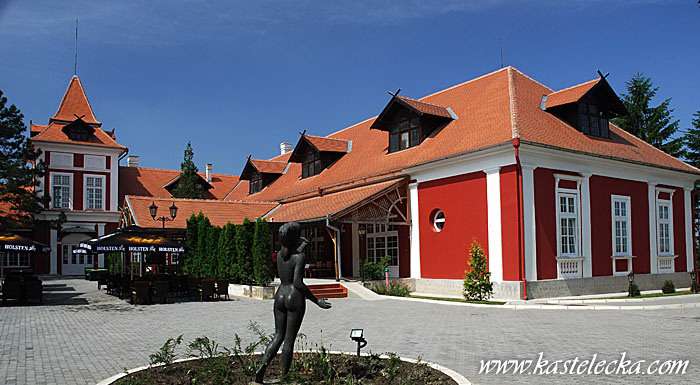
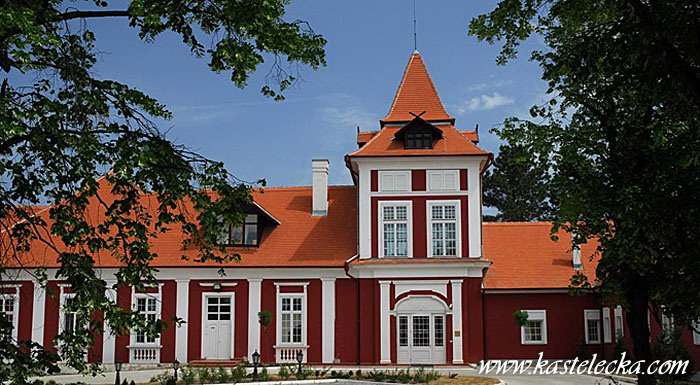
At the 60th kilometer northbound from Belgrade and only 7 km from Zrenjanin in the place of Ečka there is a castle named "Kaštel", erected in English style in the period…

  • Novosadska 7, Ecka

Castle

Kastel Ecka

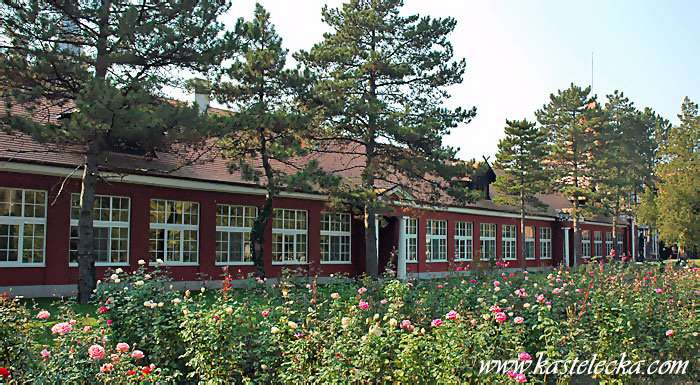
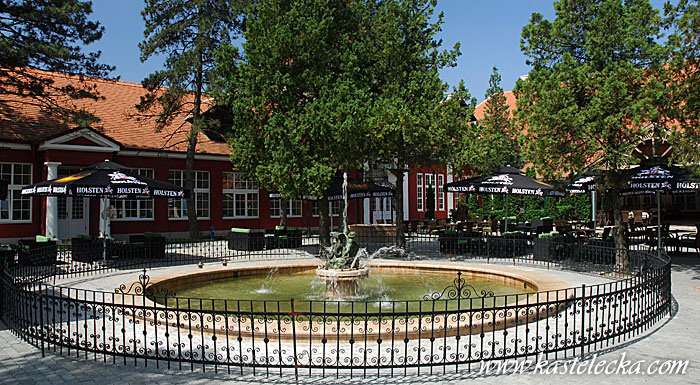
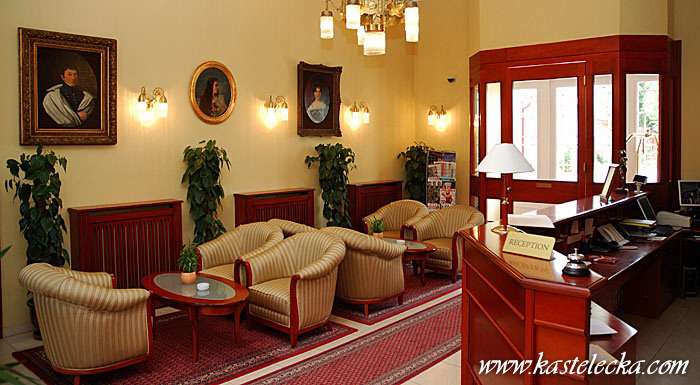
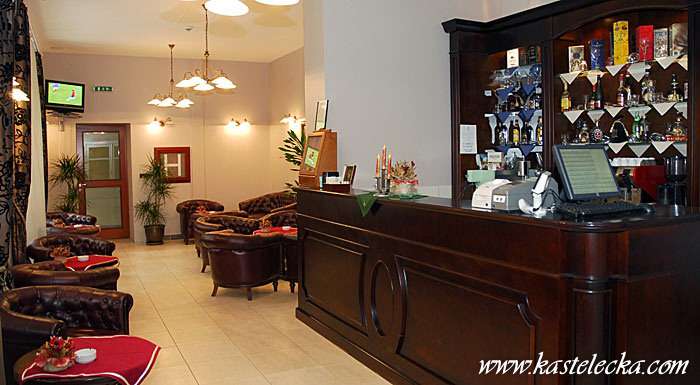
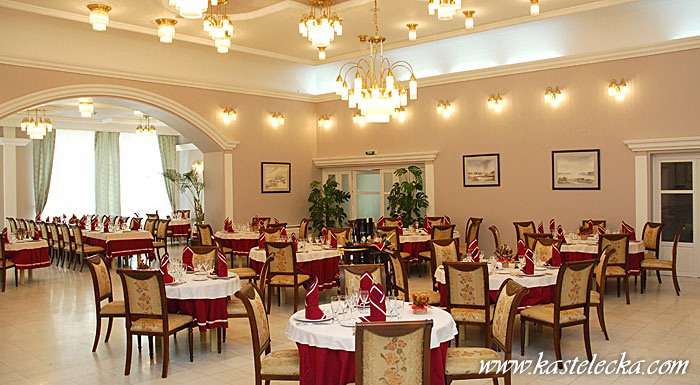
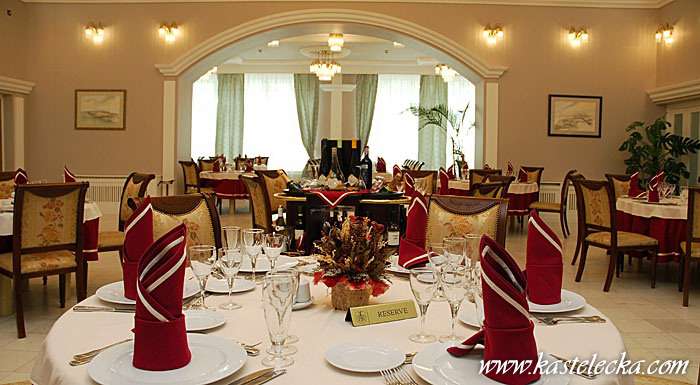
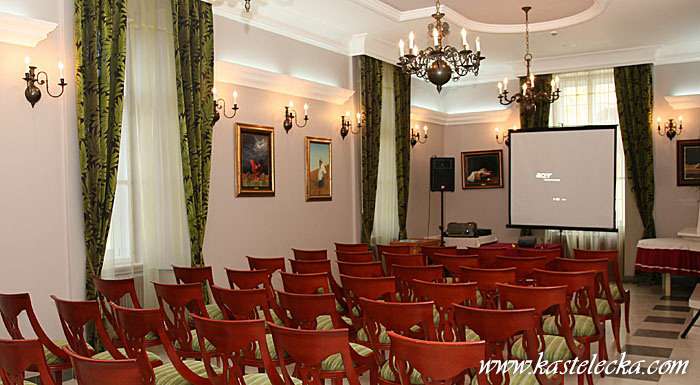
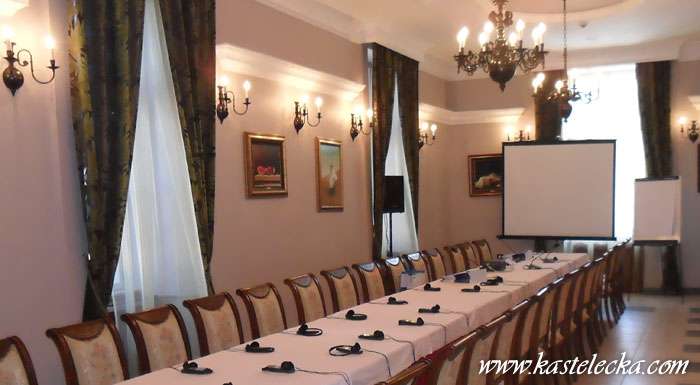
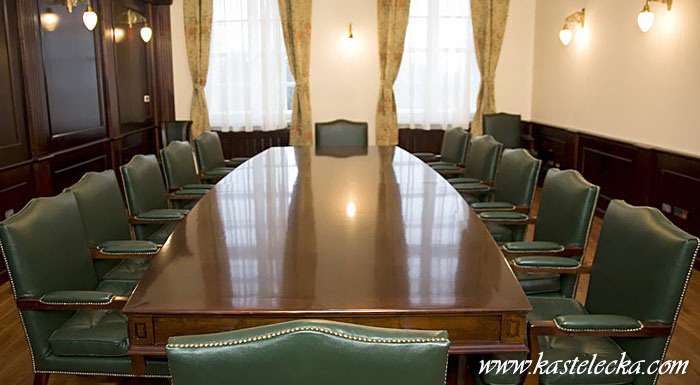
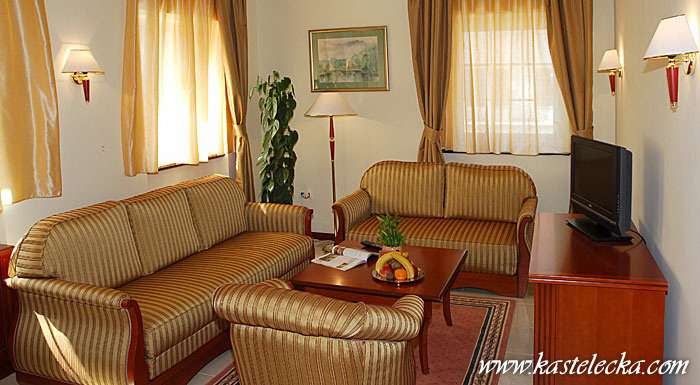
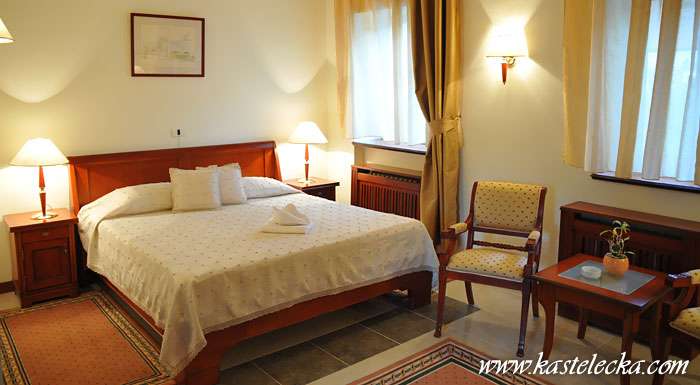
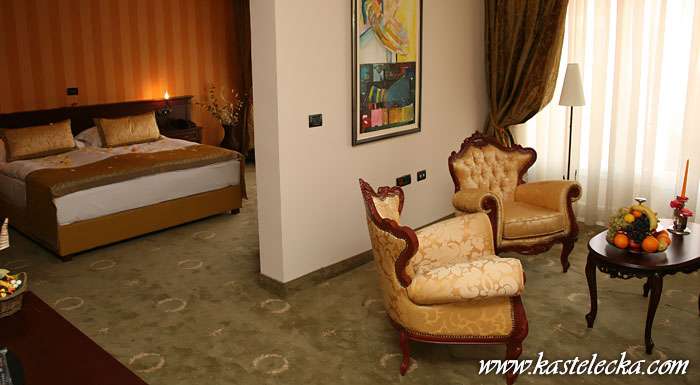
At the 60th kilometer northbound from Belgrade and only 7 km from Zrenjanin in the place of Ečka there is a castle named "Kaštel", erected in English style in the period 1816 to 1829. The castle was constructed by the Lazar family, and on 29 August 1820 at the opening ceremony famous Franz Liszt was invited to play the piano. Nowadays this formidable old building is completely renovated and turned into a venue offering its visitors unforgettable holiday in authentic ambiance inspired by aristocratic past. The castle offers accommodation in 38 rooms and 7 suites, arranged in the style of mixed modern and authentic design, providing intimate atmosphere, peace and the view over grand park surrounding the building. In the ball-room today turned into a restaurant, guests can enjoy national and international gastronomic specialties, and good music while rich wine card will meet the requirements of fastidious clients. Because of its position in the centre of the park and isolation from the city traffic, the castle is a perfect choice for business people, congresses, banquets, seminars, celebrations, promotions and other manifestations.

Contact and practical information

Address
Novosadska 7, Ecka
Restaurant Trofej

Restaurant

Restaurant Trofej

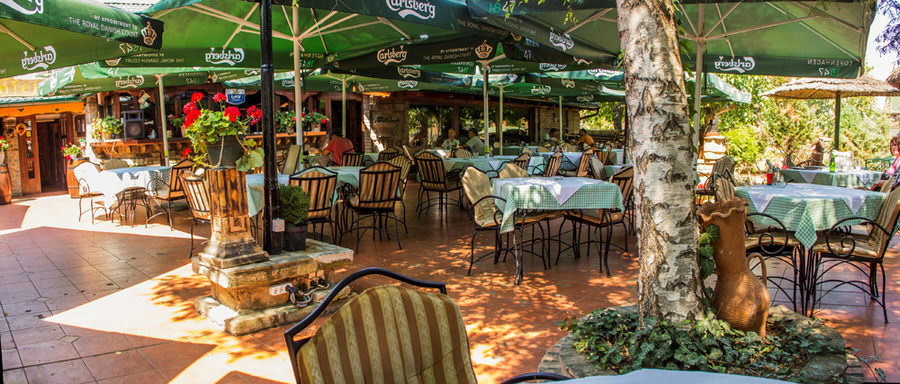
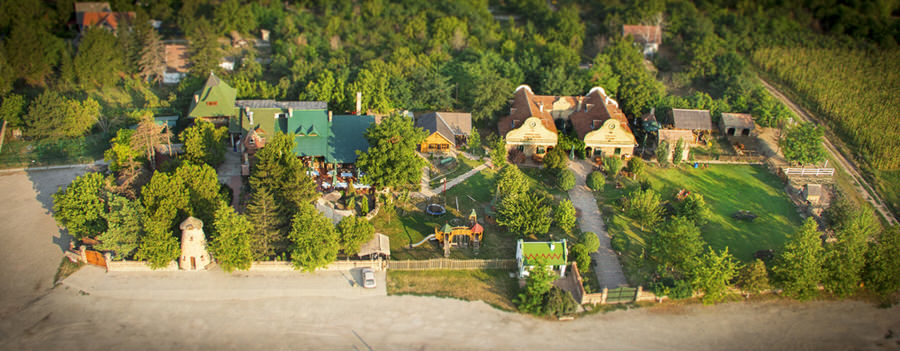
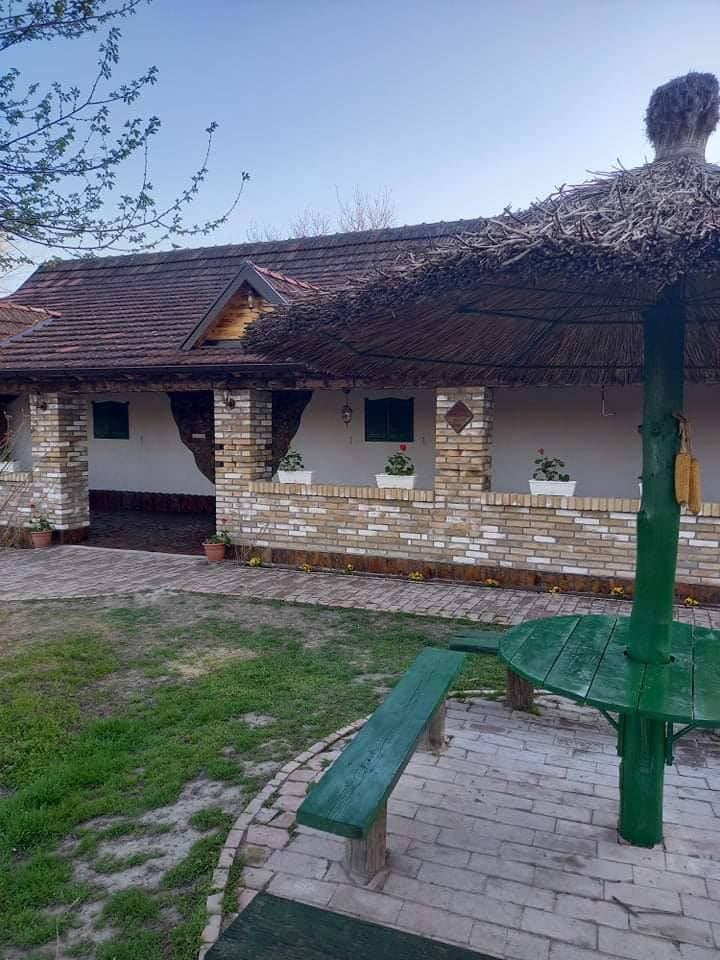
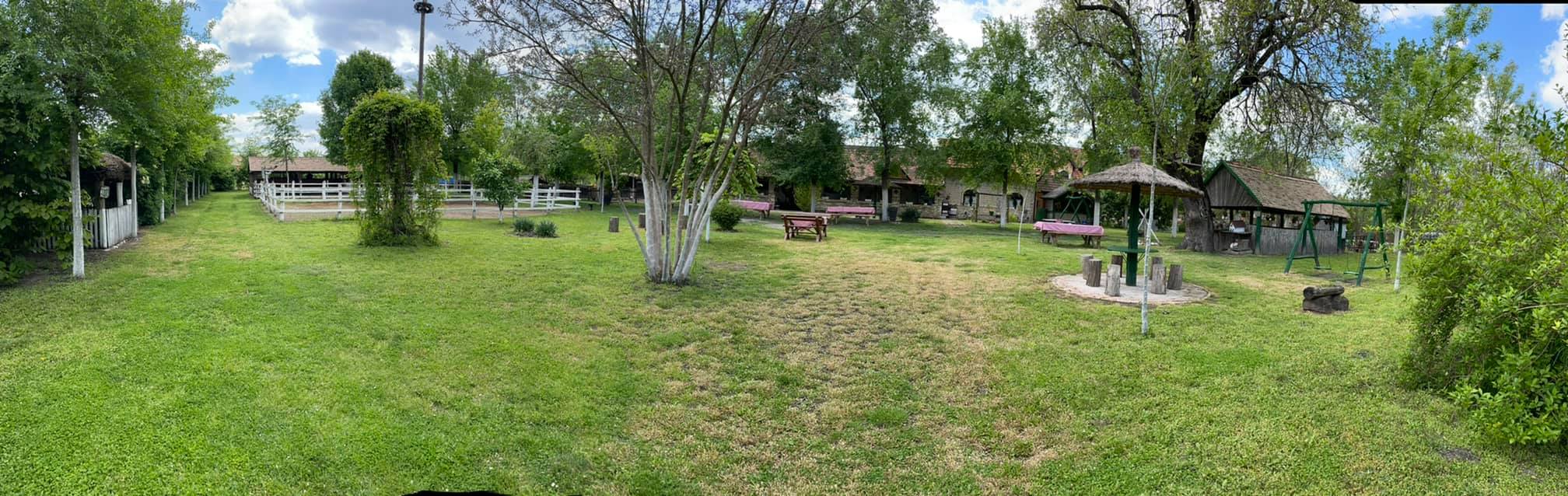
Restaurant "Trofej” is located within the Banat ethnic villages "Tiganjica" and provides you with a multitude of diverse content such as mini zoo, accommodation in rooms…

Restaurant

Restaurant Trofej

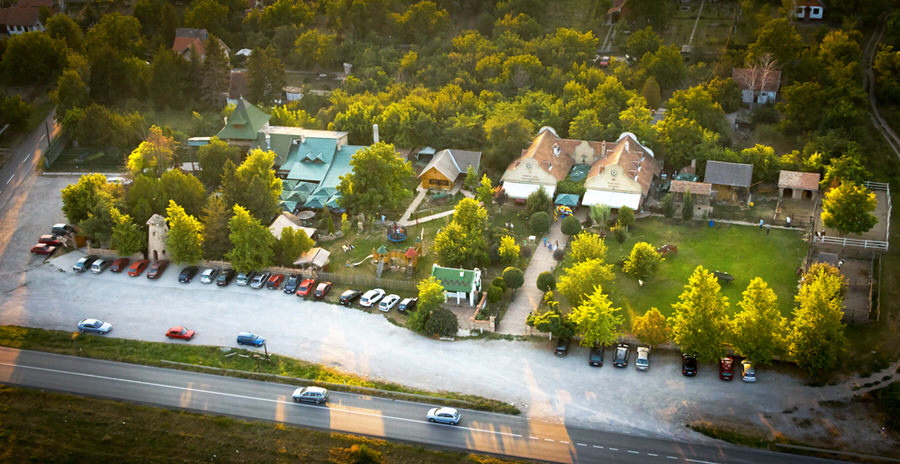
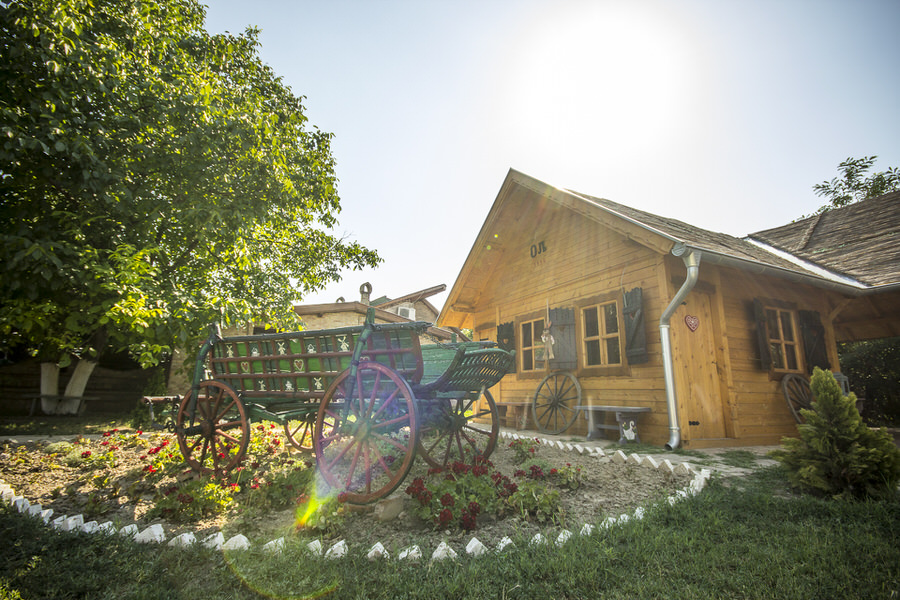
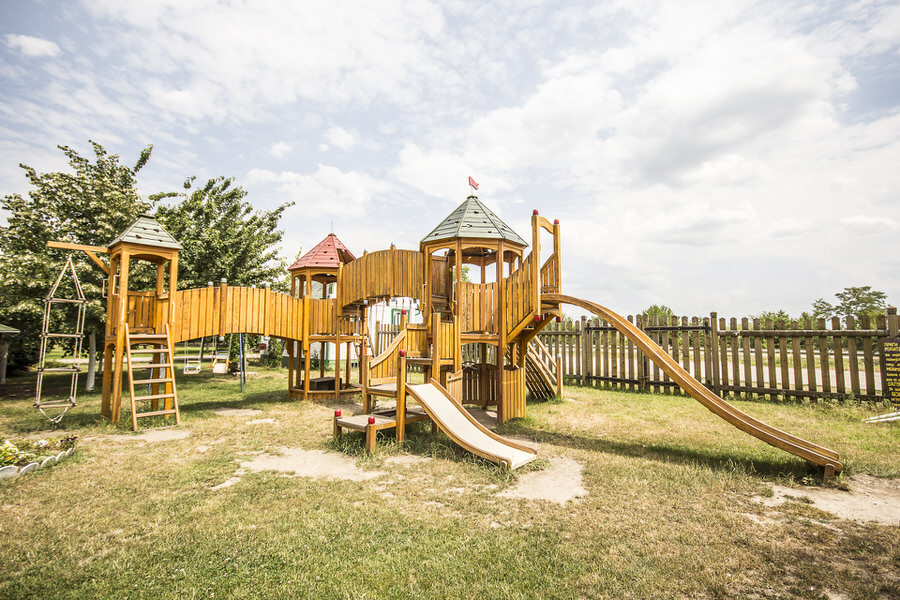
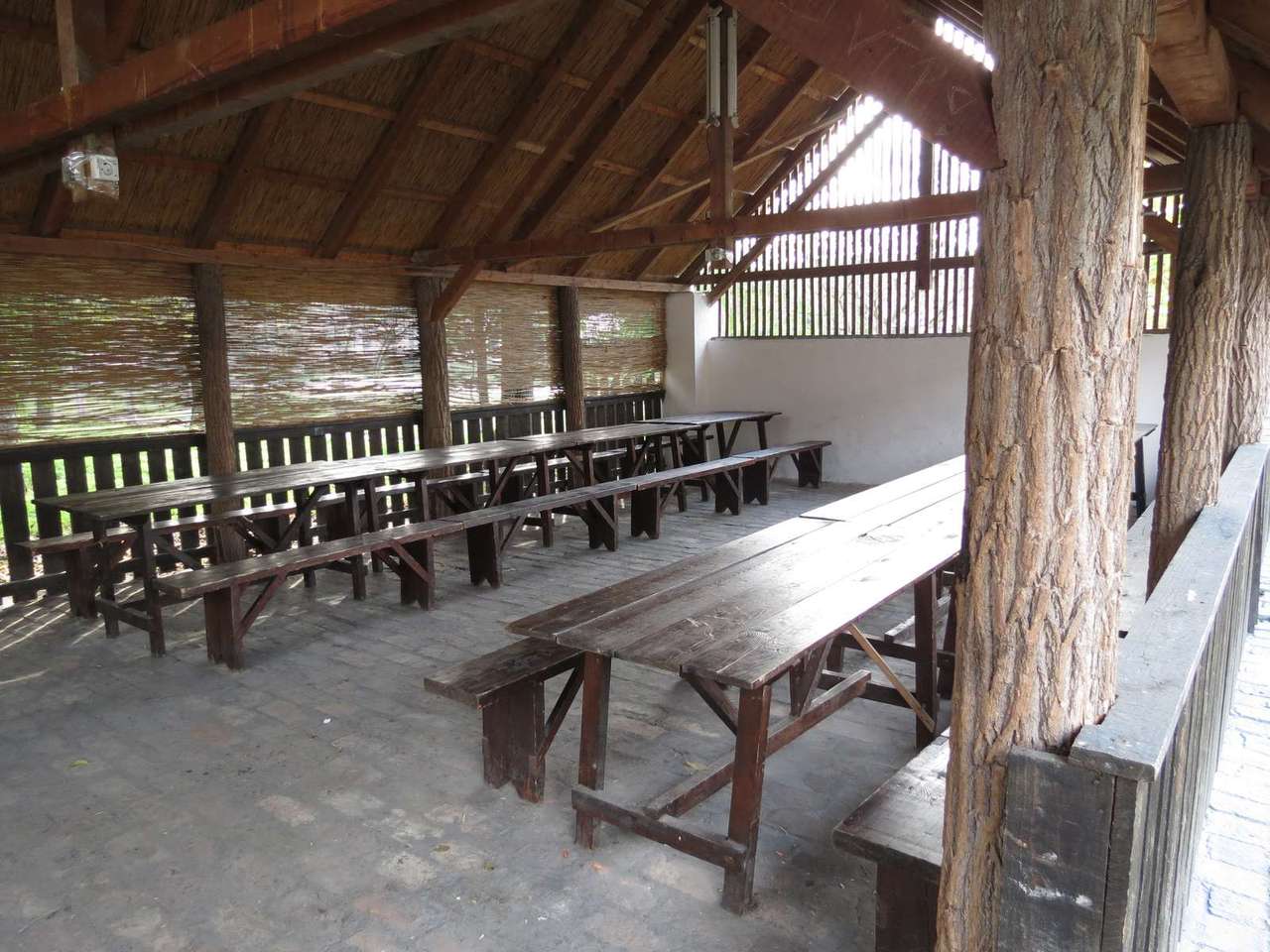
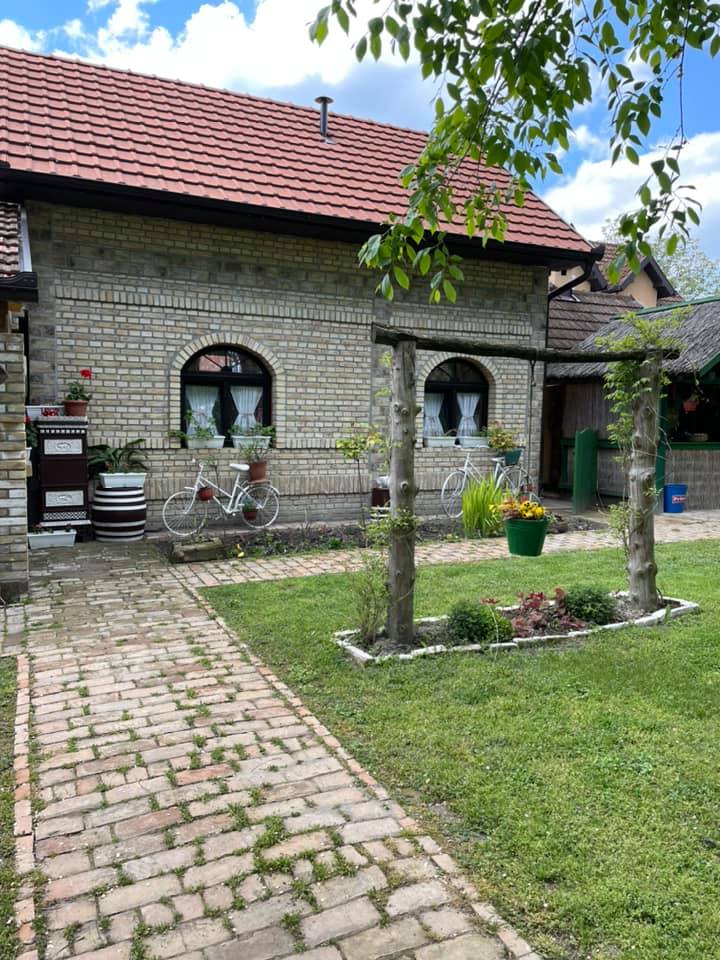
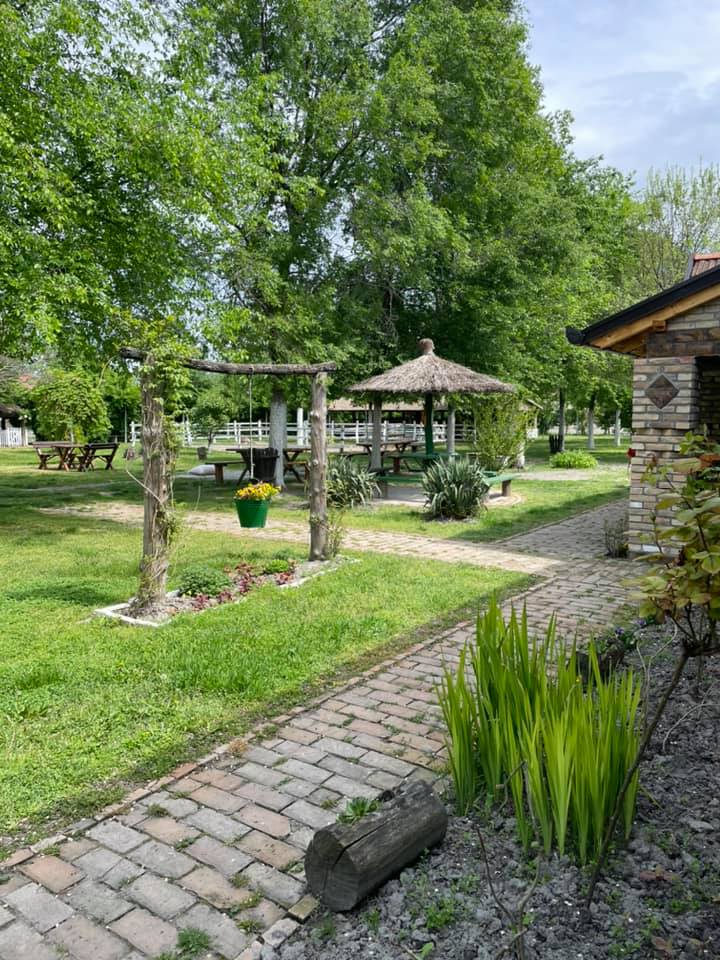
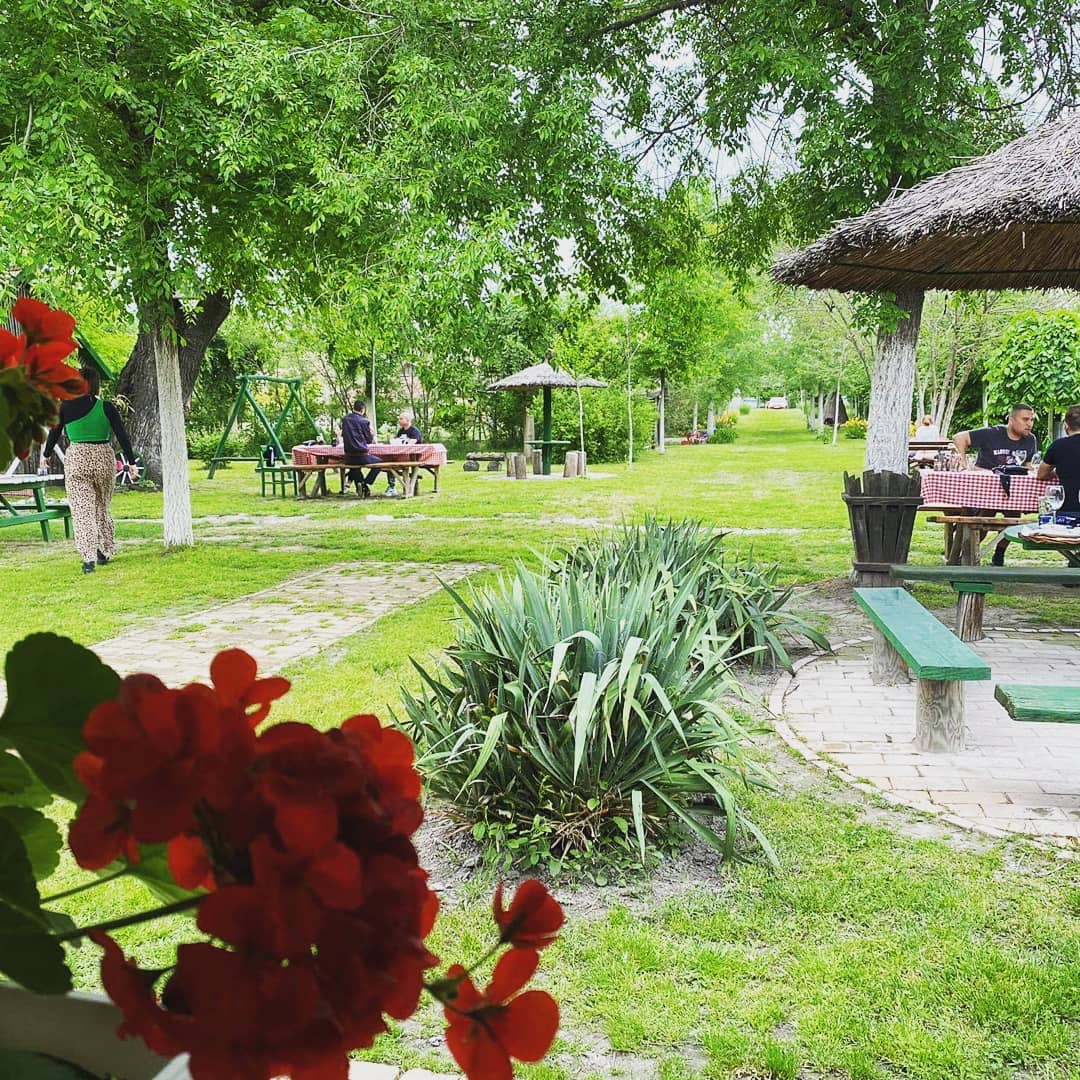
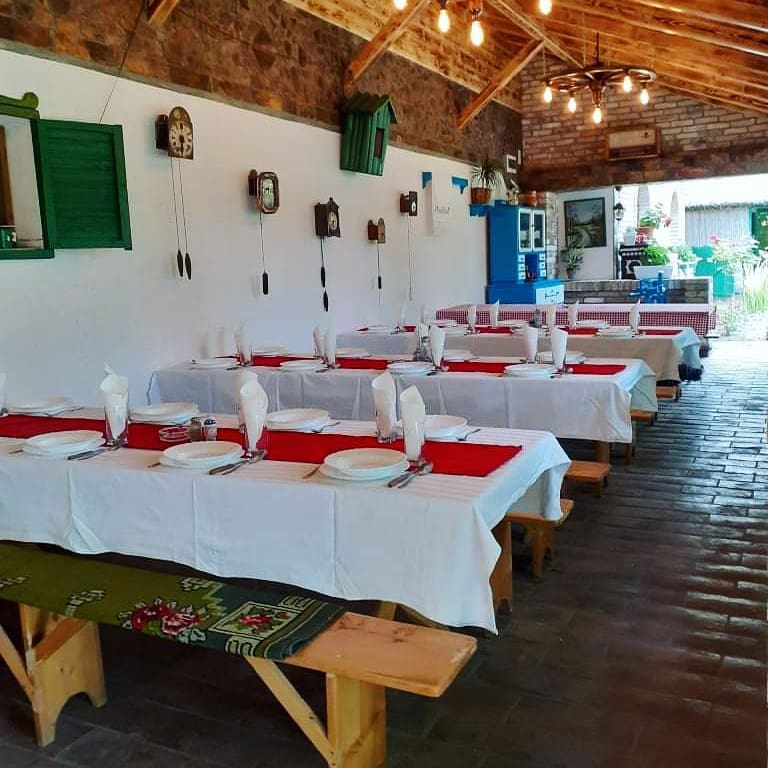
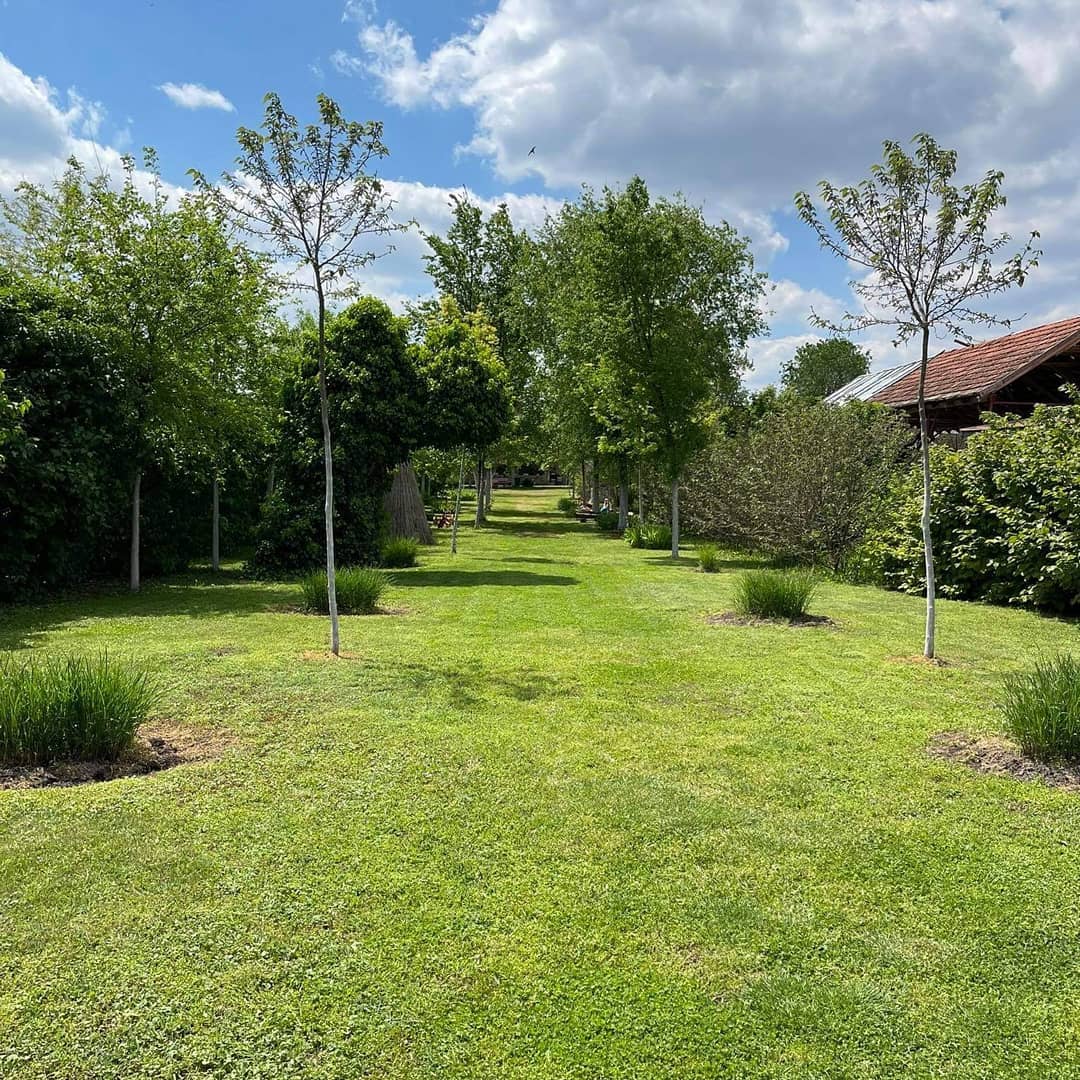
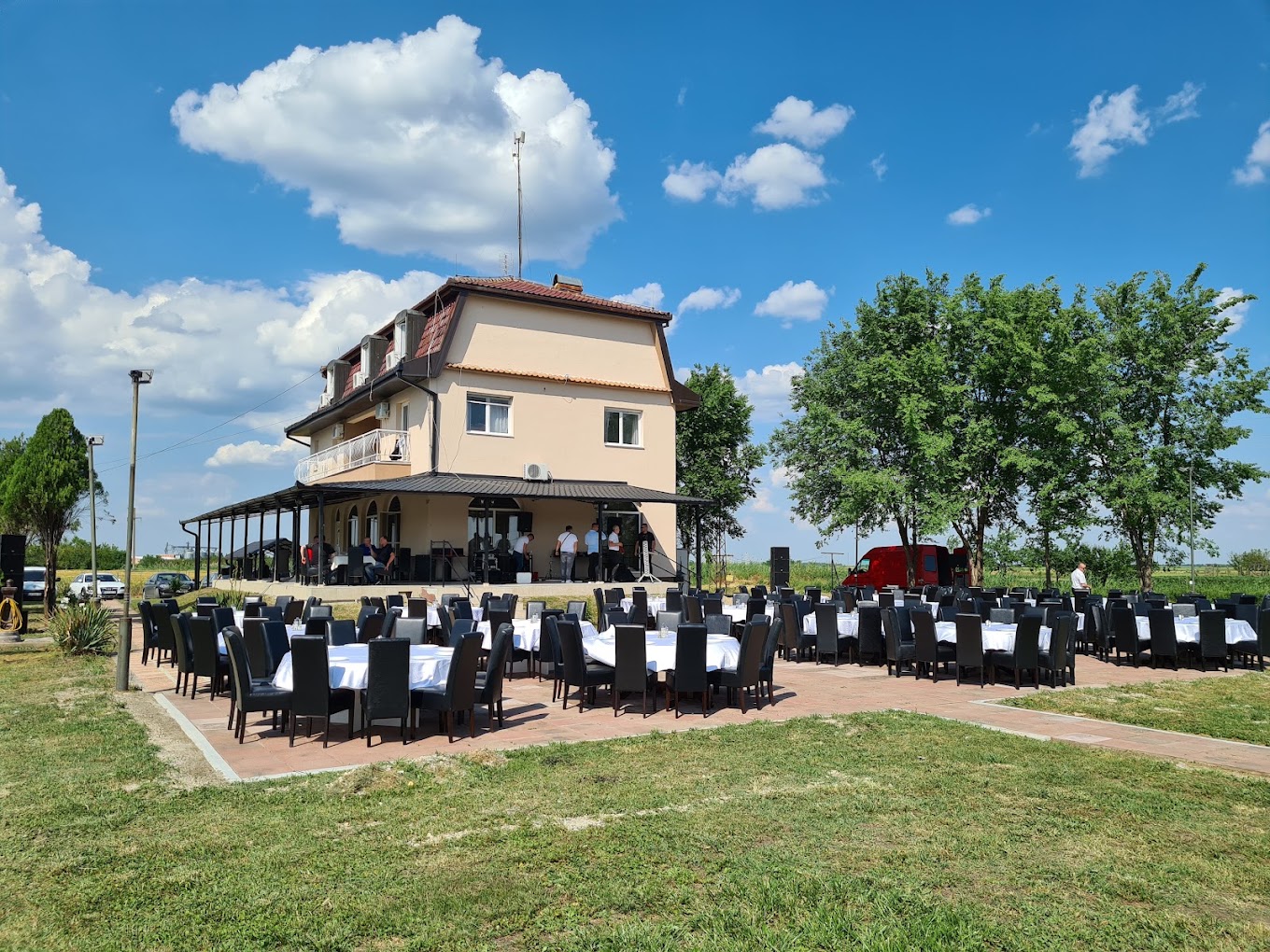
Restaurant "Trofej” is located within the Banat ethnic villages "Tiganjica" and provides you with a multitude of diverse content such as mini zoo, accommodation in rooms decorated in ethnic style, playground, mini pony paddock and large thoroughbred horses, and more much more. This pleasant oasis is located 10 kilometers from Zrenjanin and 60 kilometers from Belgrade, at the gates of the Carska Bara, and therefore makes this place ideal for rest, relaxation and enjoyment in Banat and all its charms.

Contact and practical information

Address
Beogradski put bb
The special nature reserve Carska bara

Viewpoint

The special nature reserve Carska bara

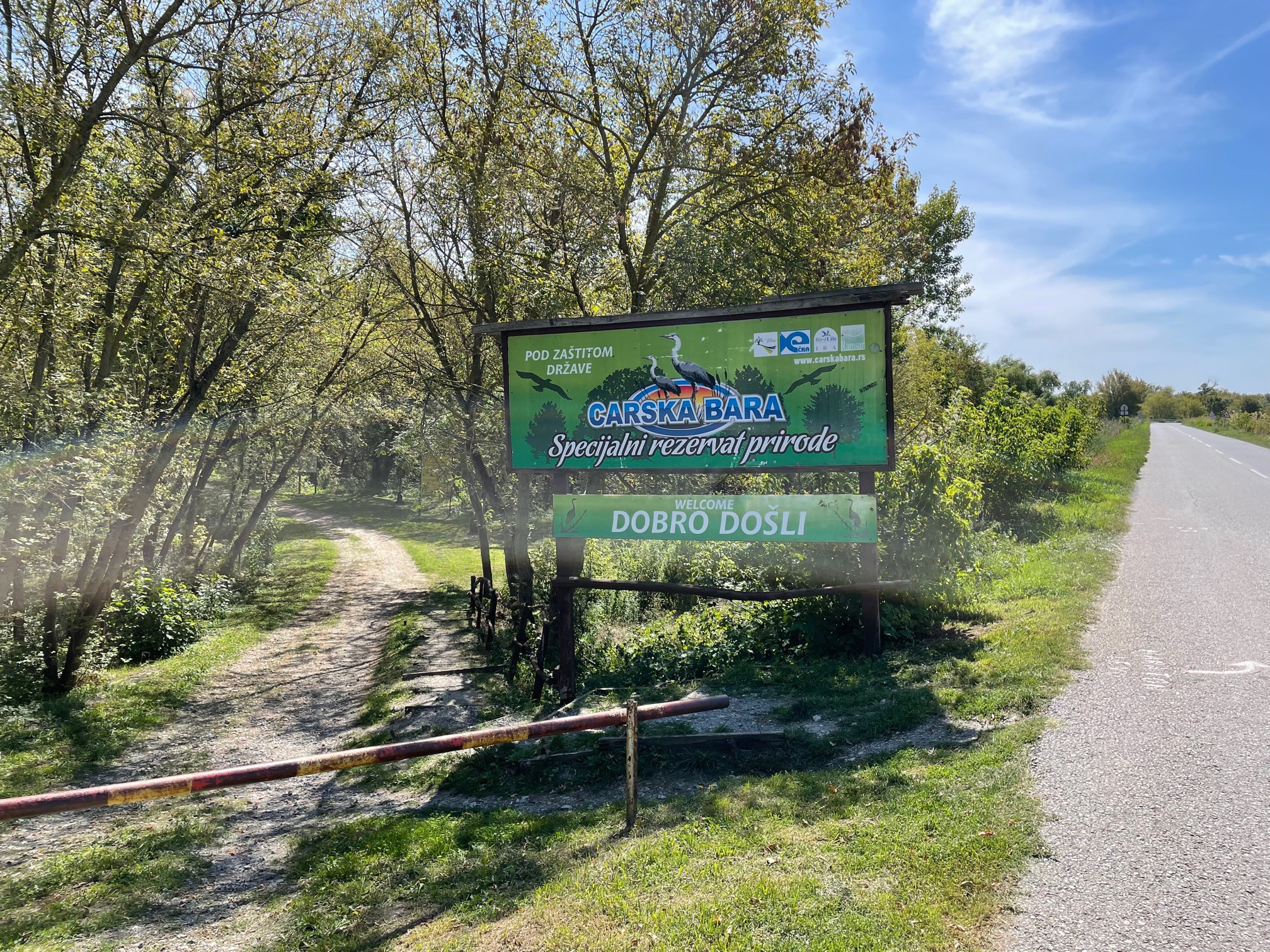
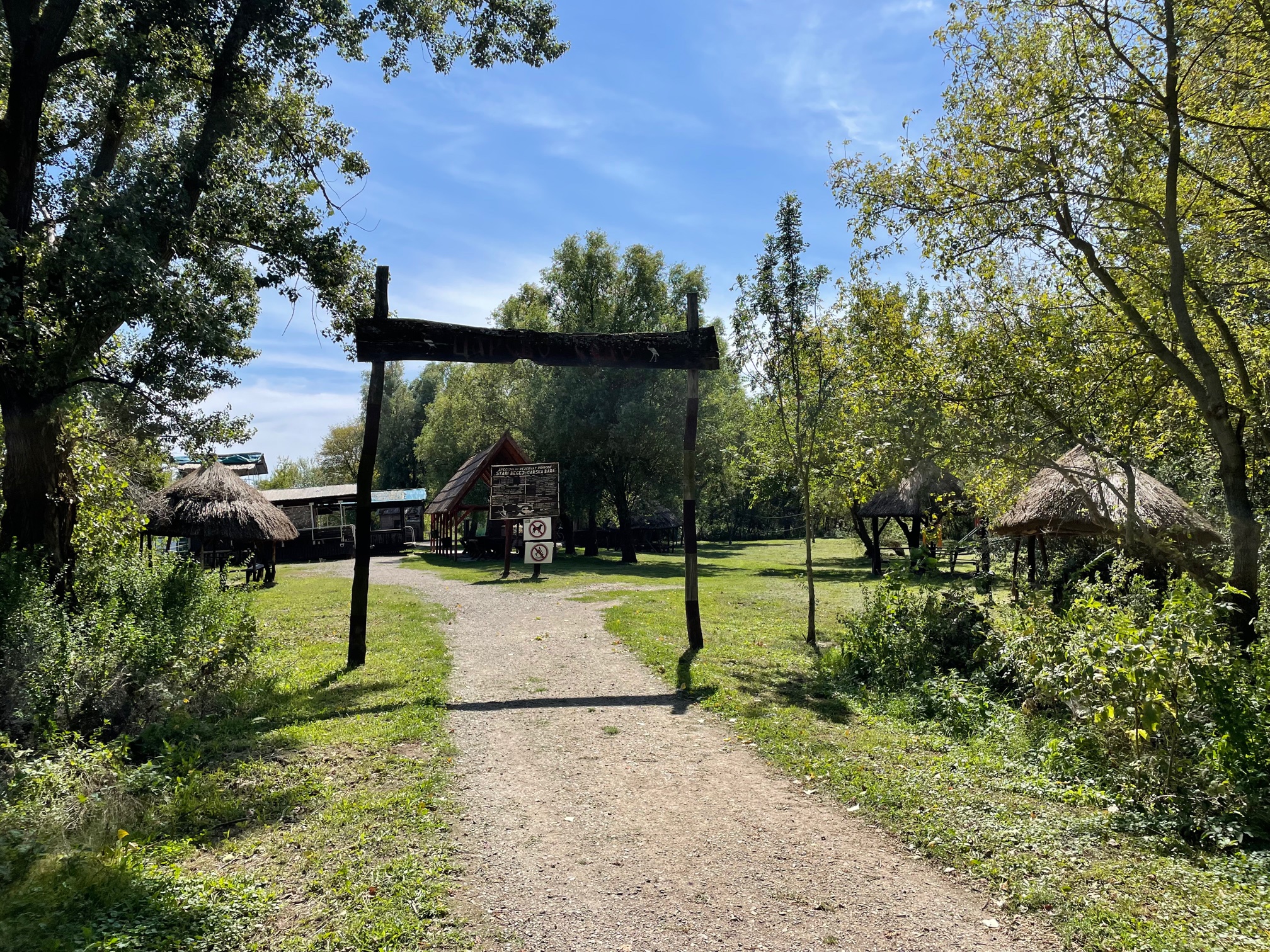
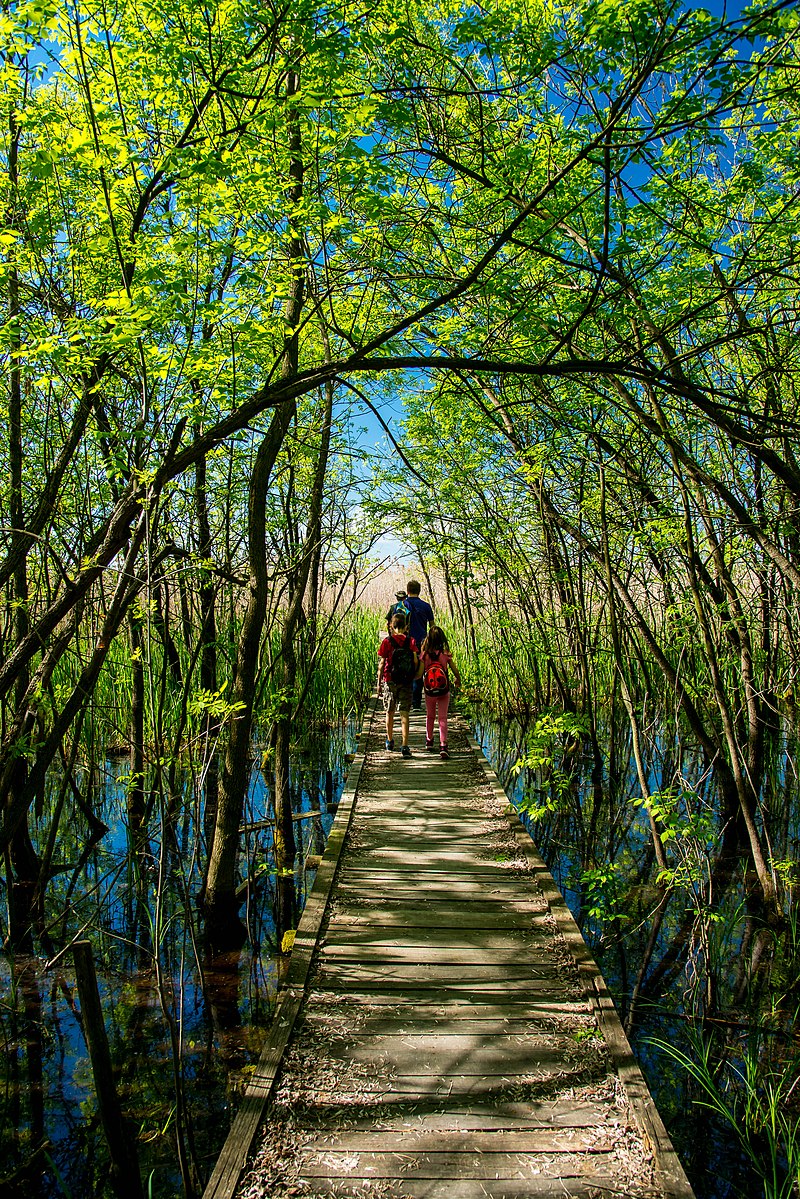
The special nature reserve "Stari Begej - Carska bara" is located 17 km south of Zrenjanin and about 2 km from the main road Zrenjanin-Belgrade, and covers an area of…
Viewpoint

The special nature reserve Carska bara

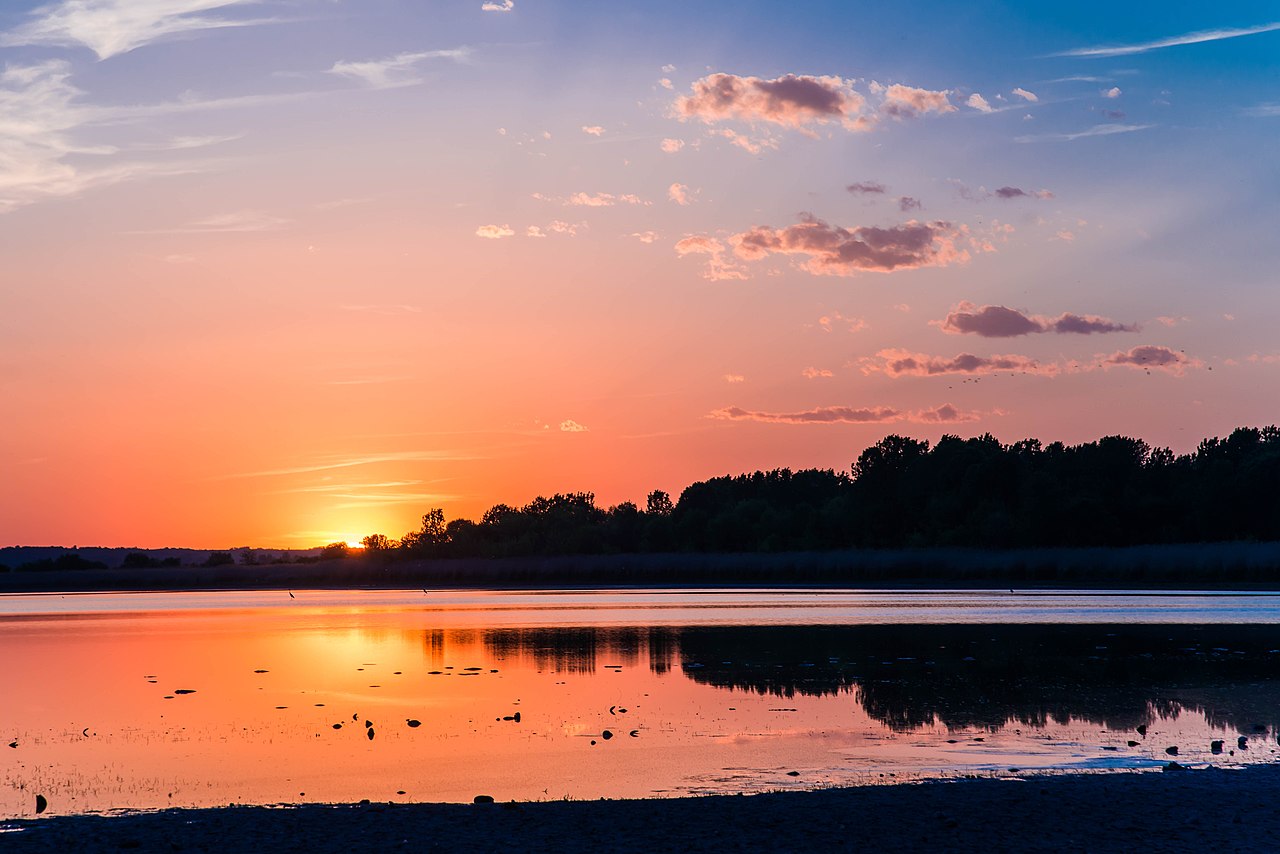
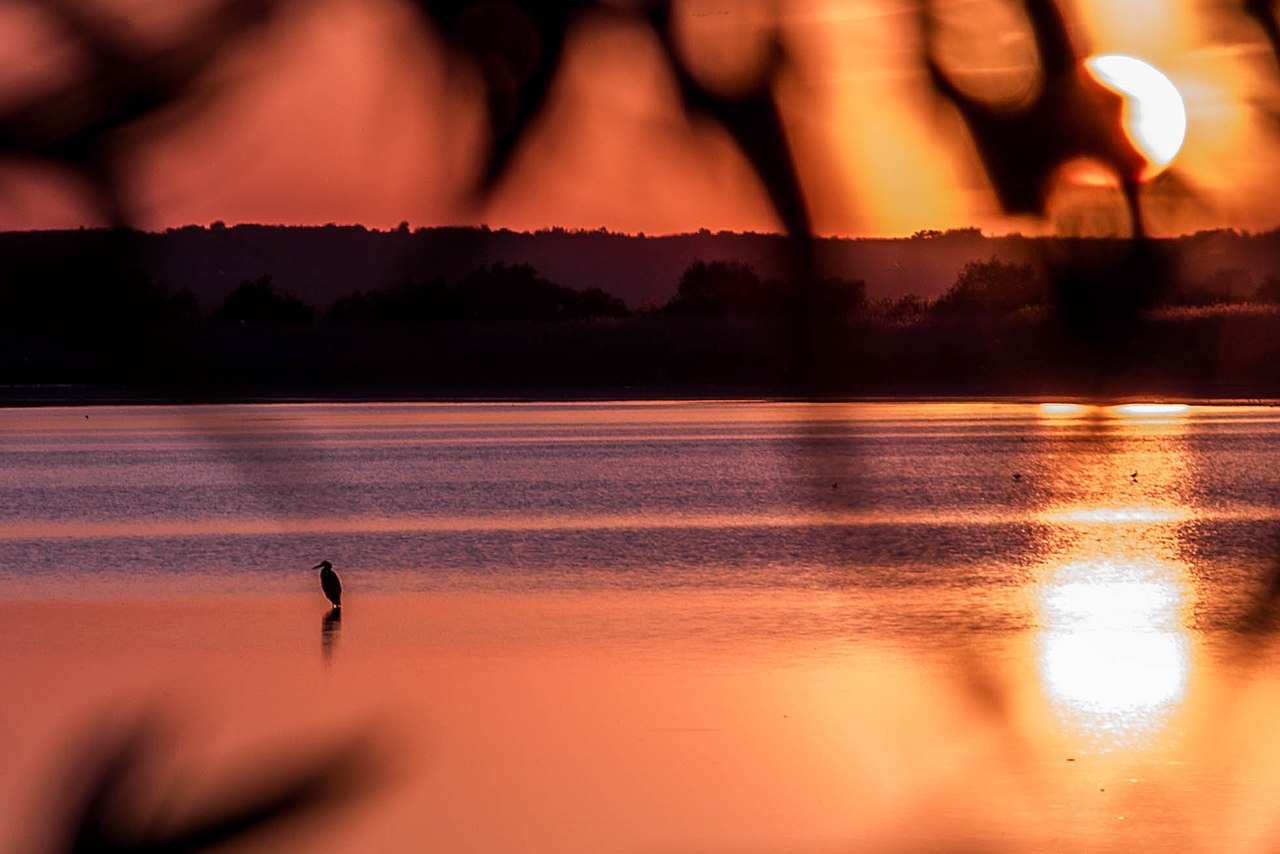
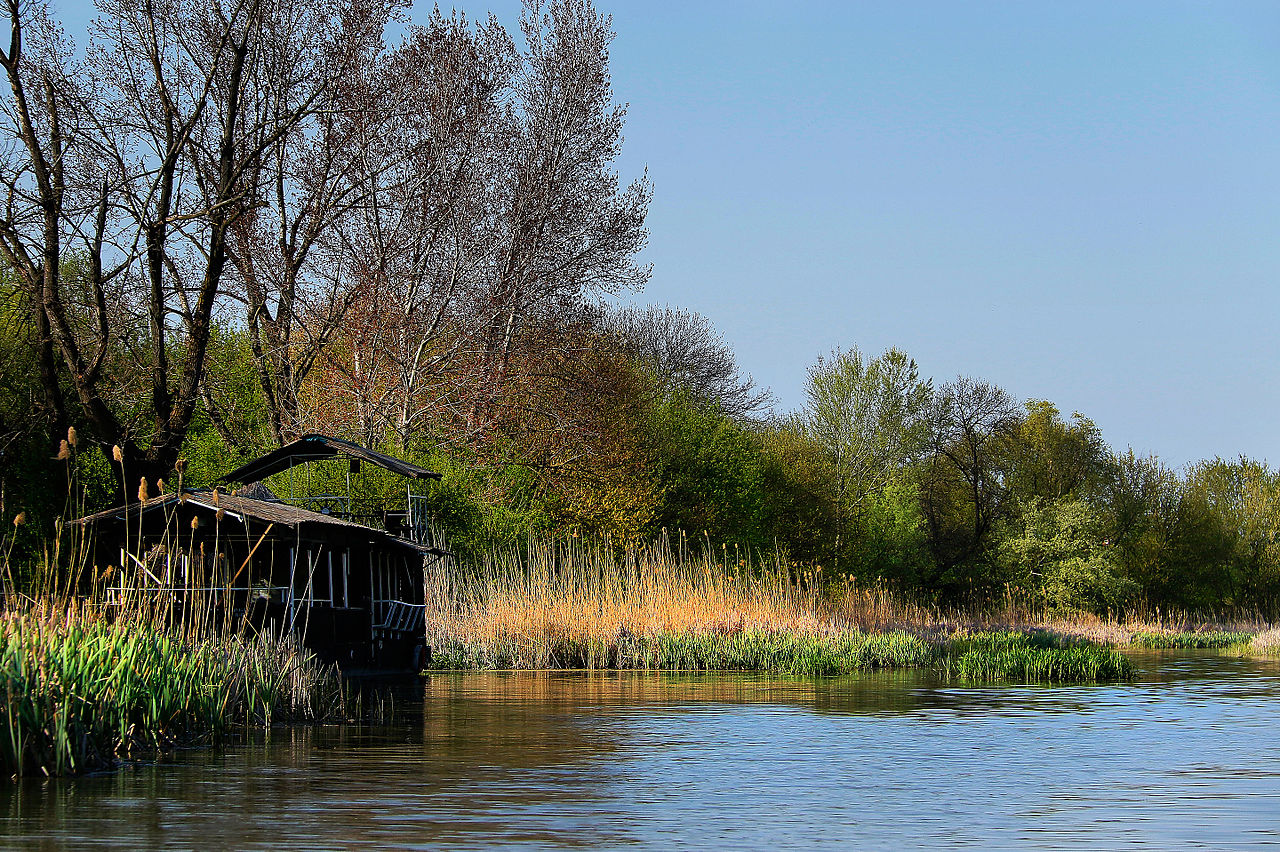
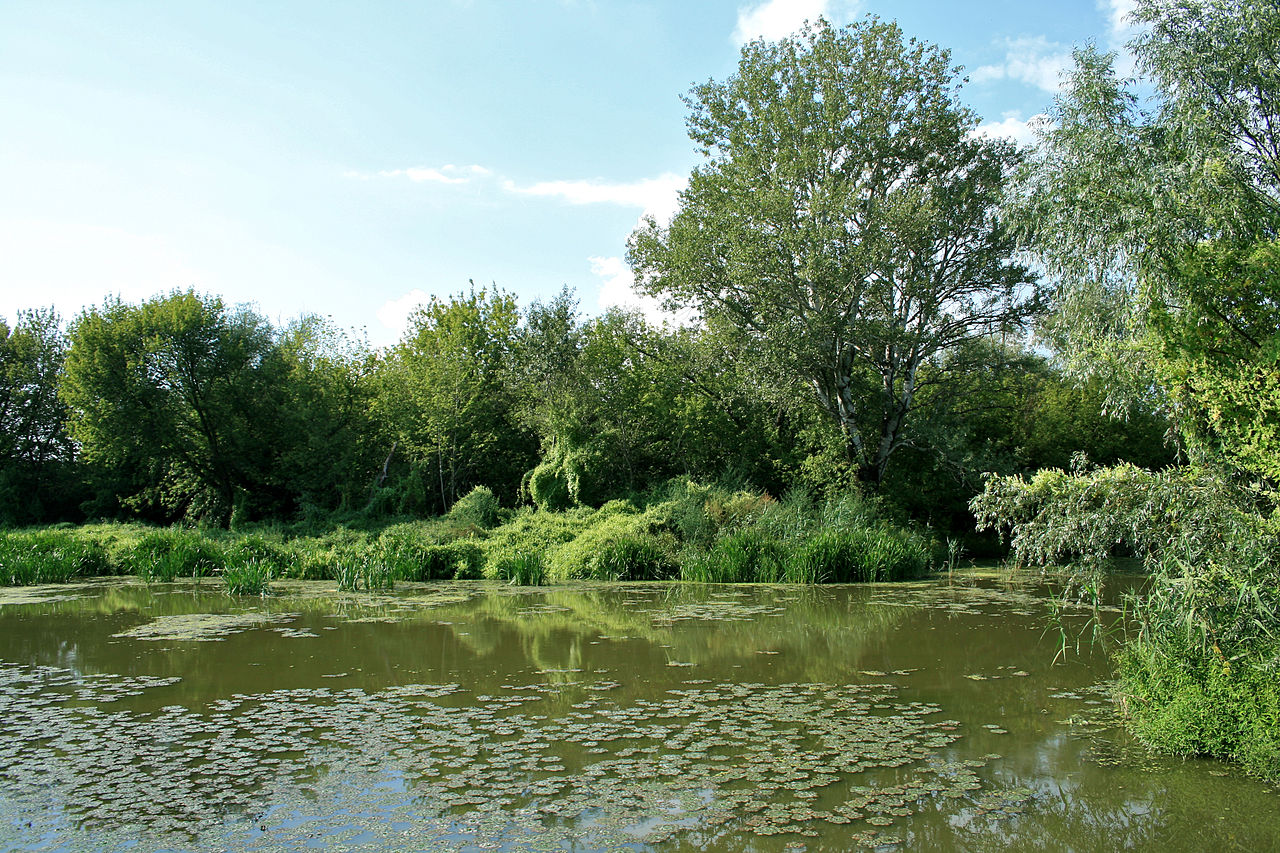
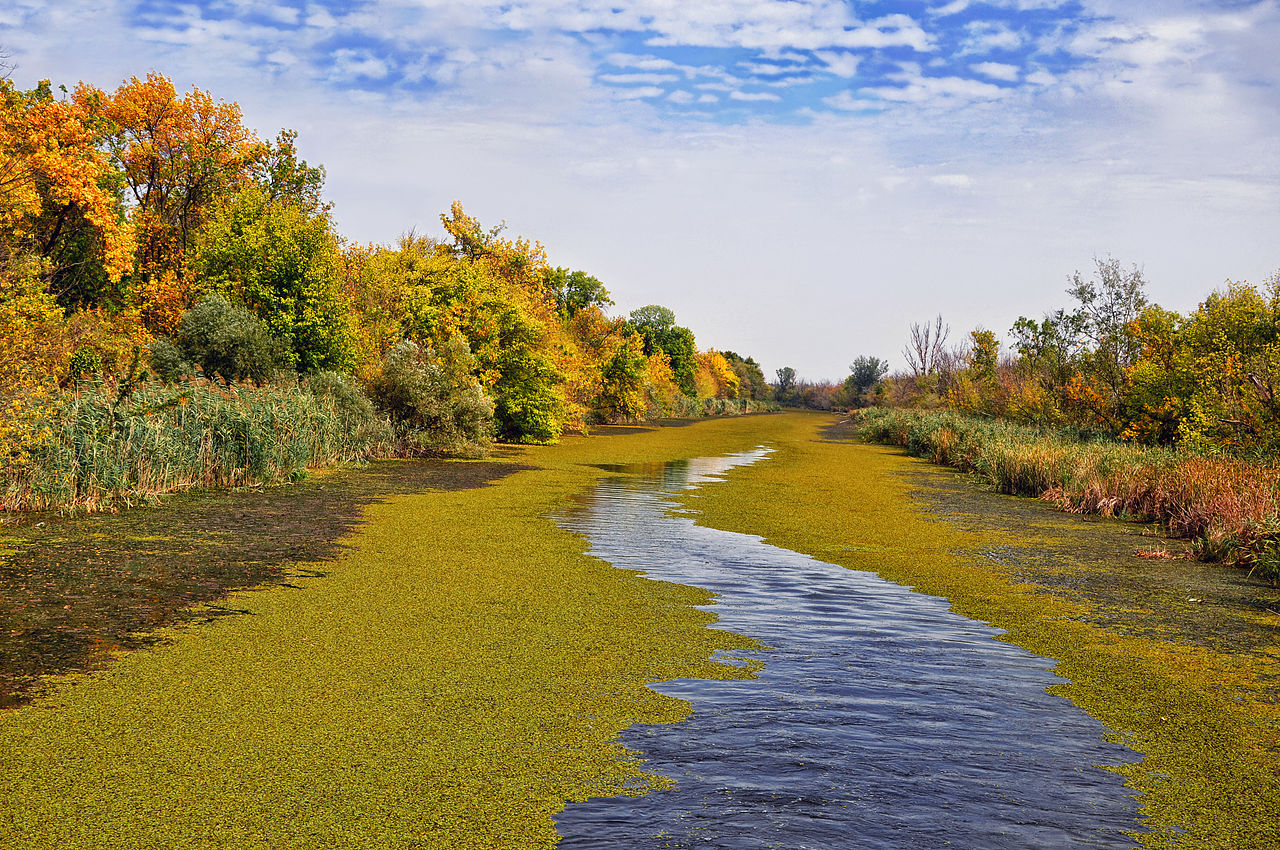
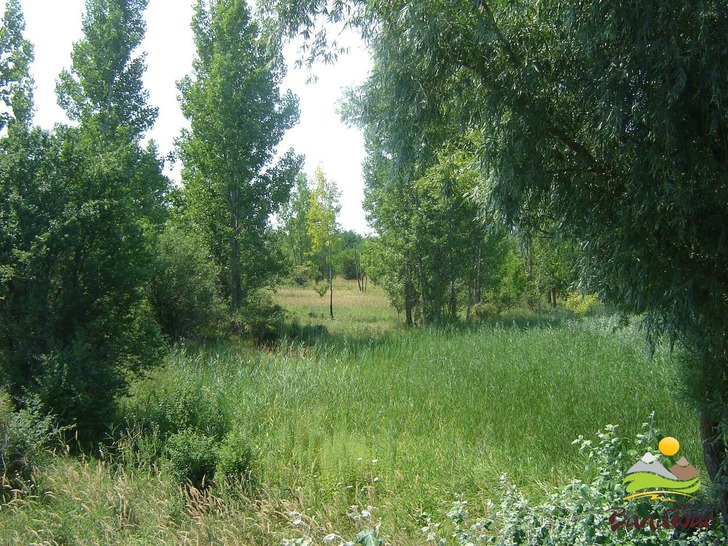
The special nature reserve "Stari Begej - Carska bara" is located 17 km south of Zrenjanin and about 2 km from the main road Zrenjanin-Belgrade, and covers an area of ​​about 1600 hectares. The Austro-Hungarian heir to the throne and the victim of the Sarajevo assassination, Ferdinand, gladly hunted in the area of ​​this pond, hence the name "Imperial". The special natural value of the complex of Carska bara and the abandoned course of the river Begej is given by the mosaic, aquatic, grassy and forest vegetation, as well as the diversity of animal species, within which the richness of the bird world - ornithofauna - occupies a central place. More than 200 bird species have been recorded in the area of ​​Carska bara, among which are real rarities - specimens of endangered species of herons, cormorants, grebes, ducks .... Wetland vegetation of the area consists of interesting plant species, today rare and endangered, such as white and yellow water lilies or swamp orchids, while the area around the pond is overgrown with long-standing willow and poplar plantations. The Imperial Pond was placed under protection as a natural scientific research area. Hunting and fishing tourism is developed in the vicinity of the pond. The tourist offer of Carska bara also includes renting a boat to see the pond and its picturesque shores (capacity 50 seats), and the pond itself is surrounded by several kilometers of forest trails, intended for nature lovers.

Ethno House Belo Blato

Tourist Attraction

Ethno House Belo Blato

Officially, the village originates from 1868 by the name of Eliesenheim, when the settlers were mainly Germans. The expansion and specific multiethnical composition…

  • Žarka Zrenjanina 27, Belo Blato
Tourist Attraction

Ethno House Belo Blato

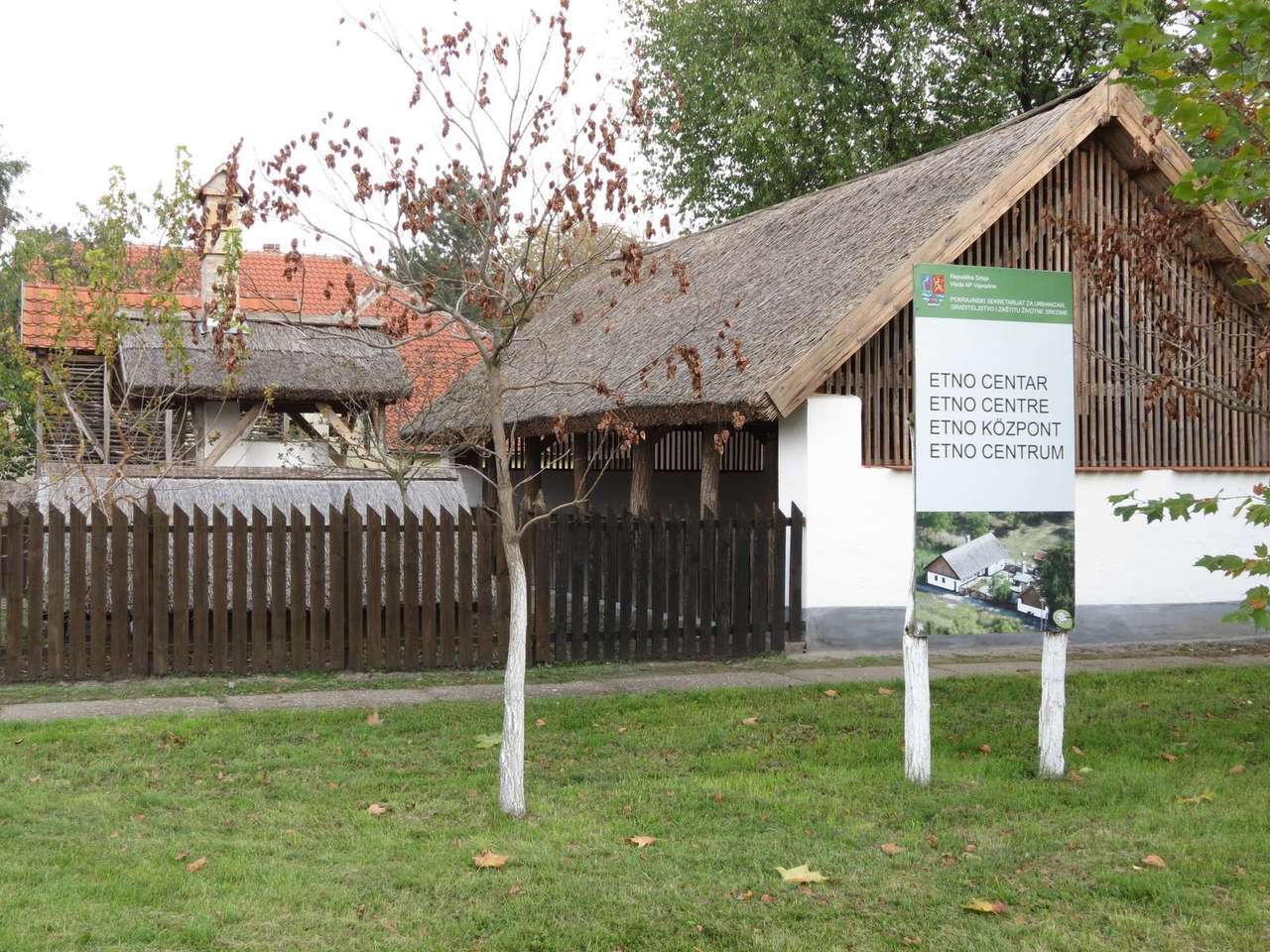
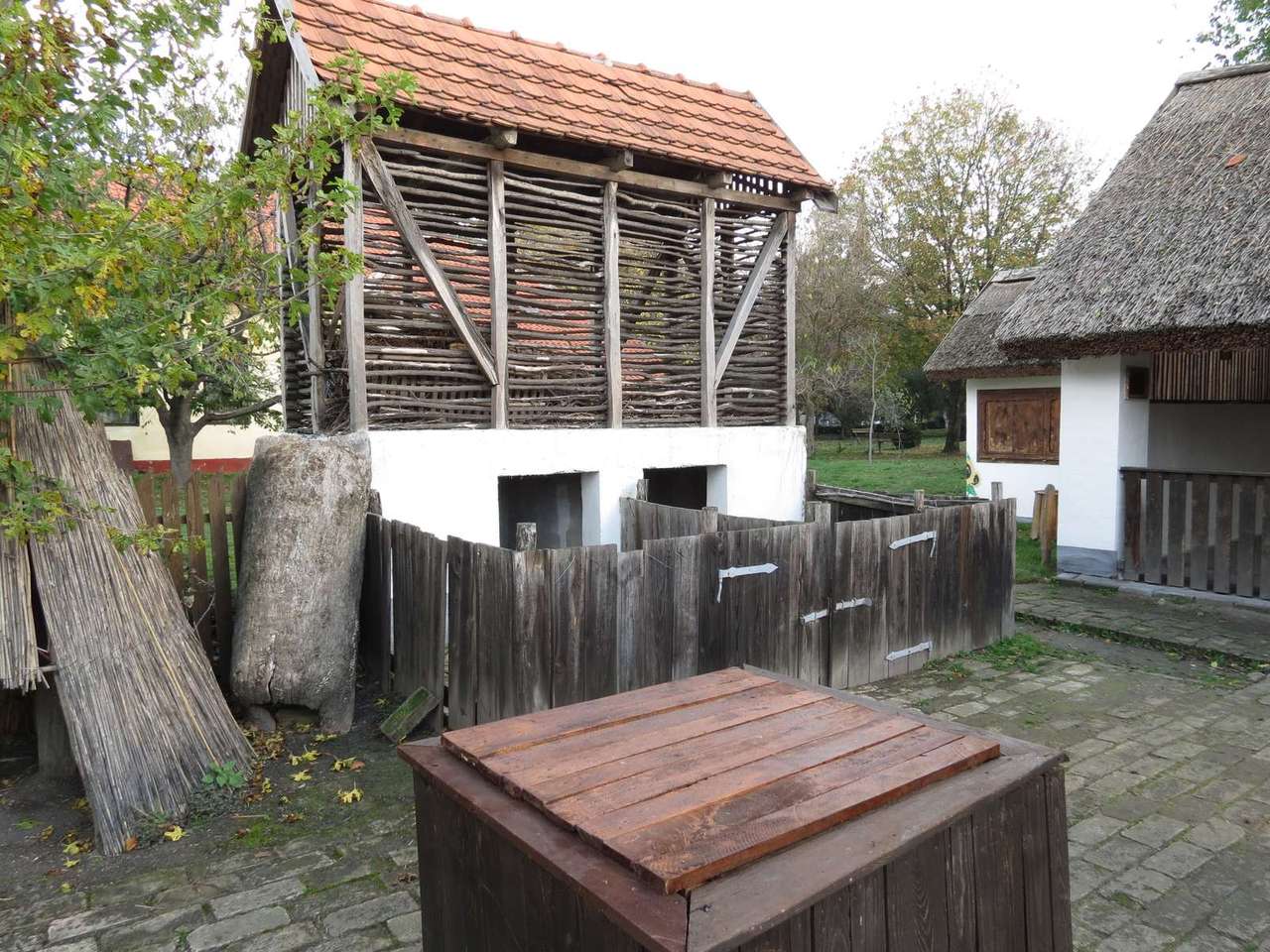
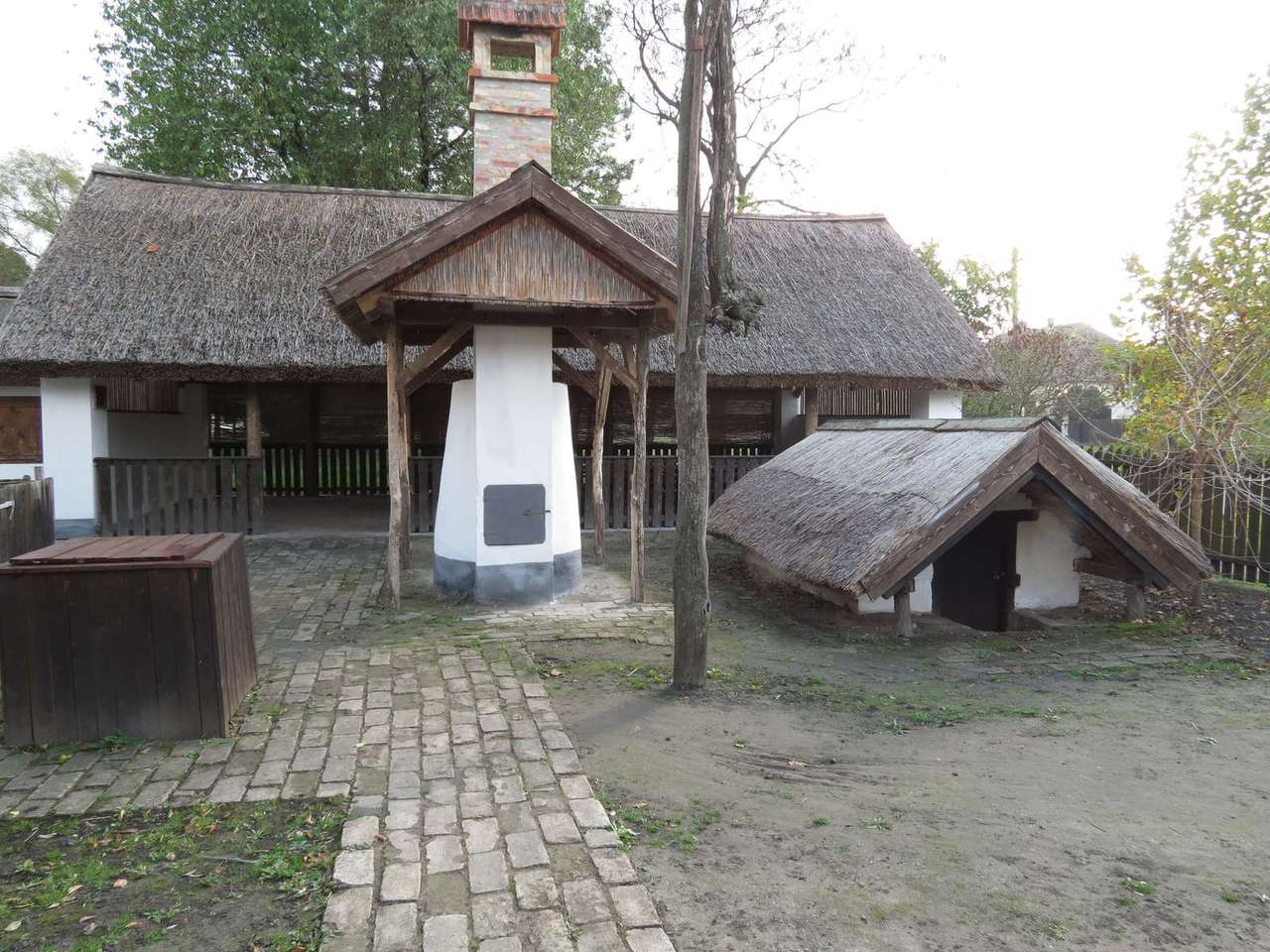
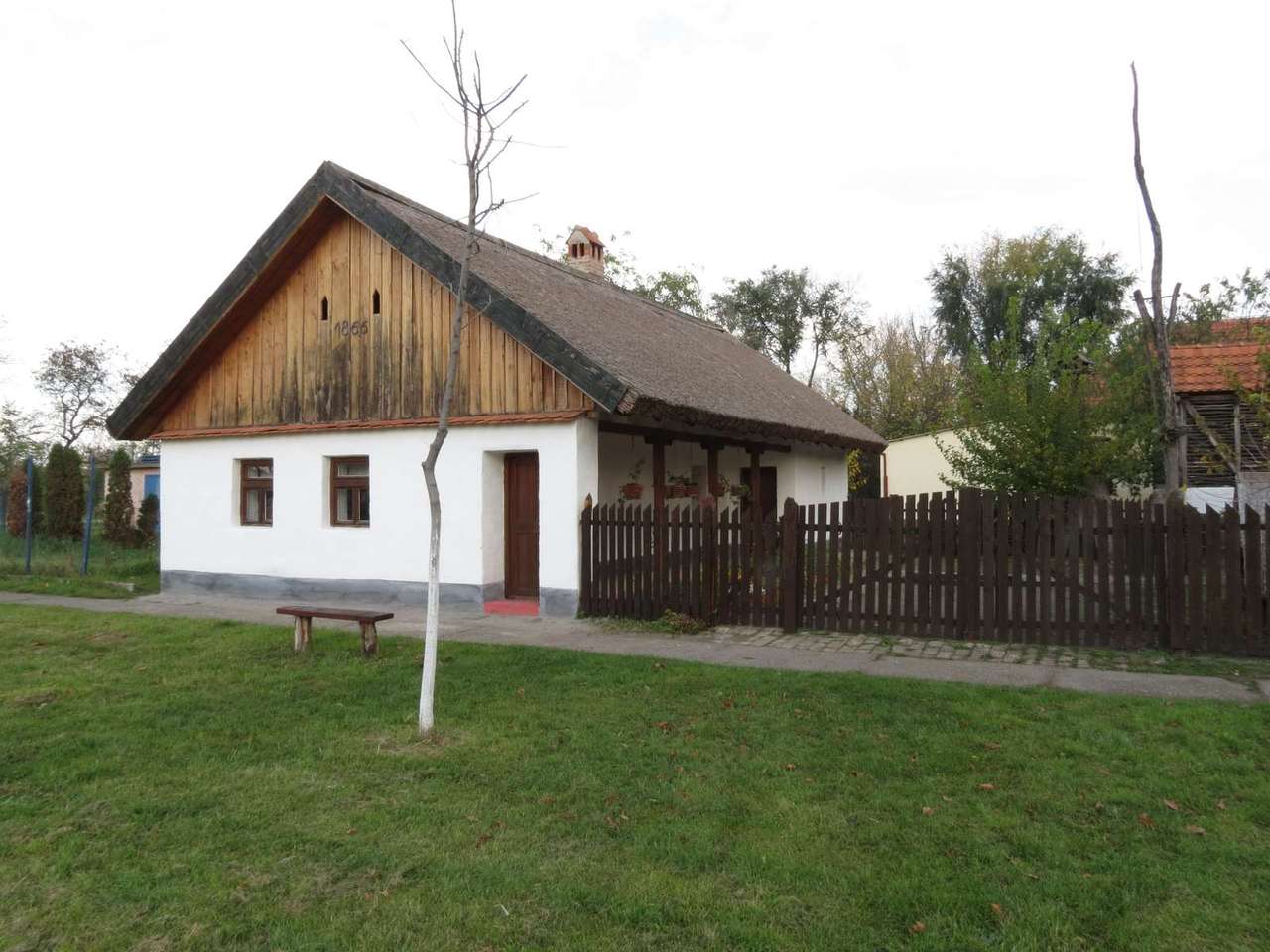
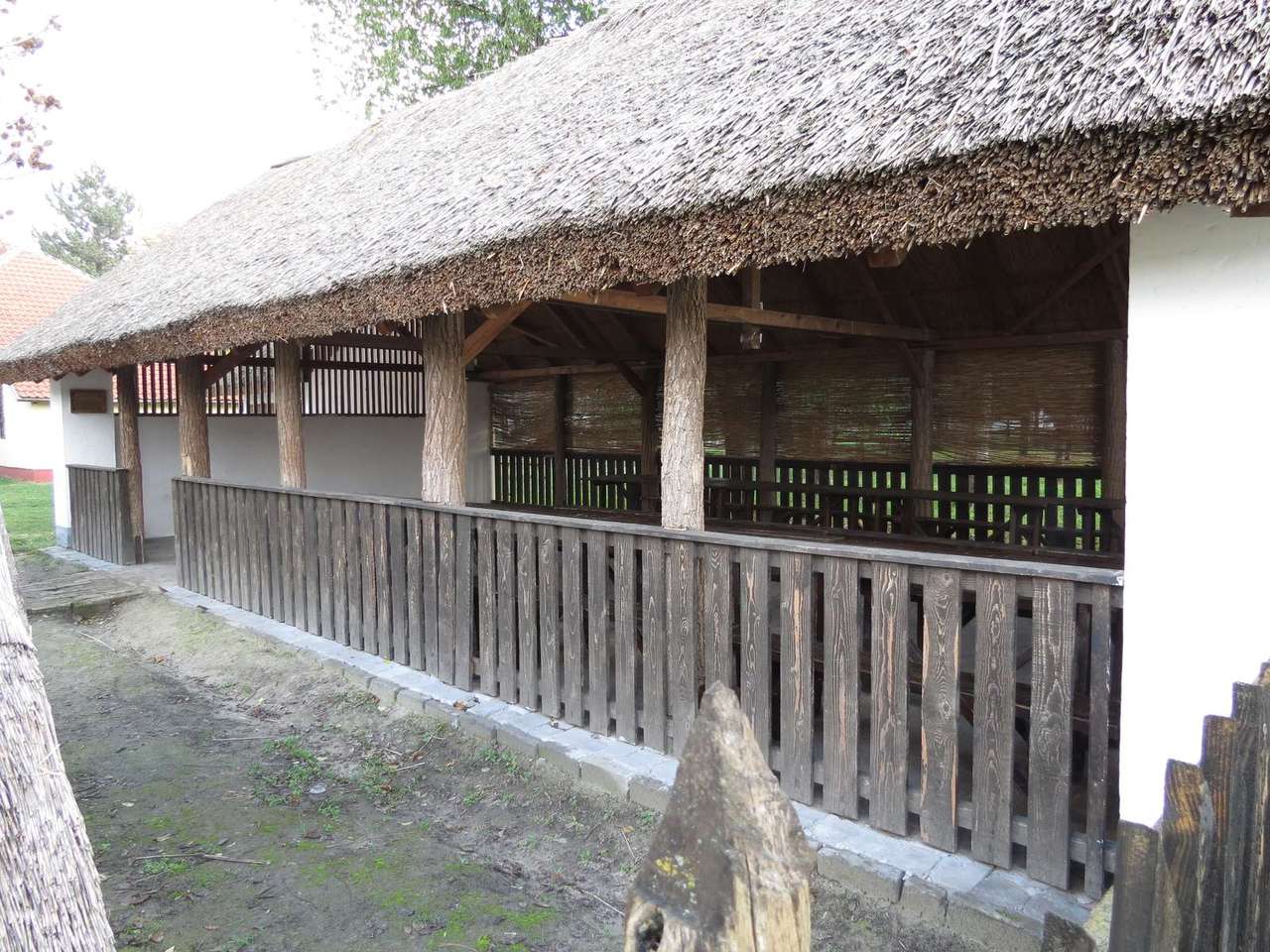
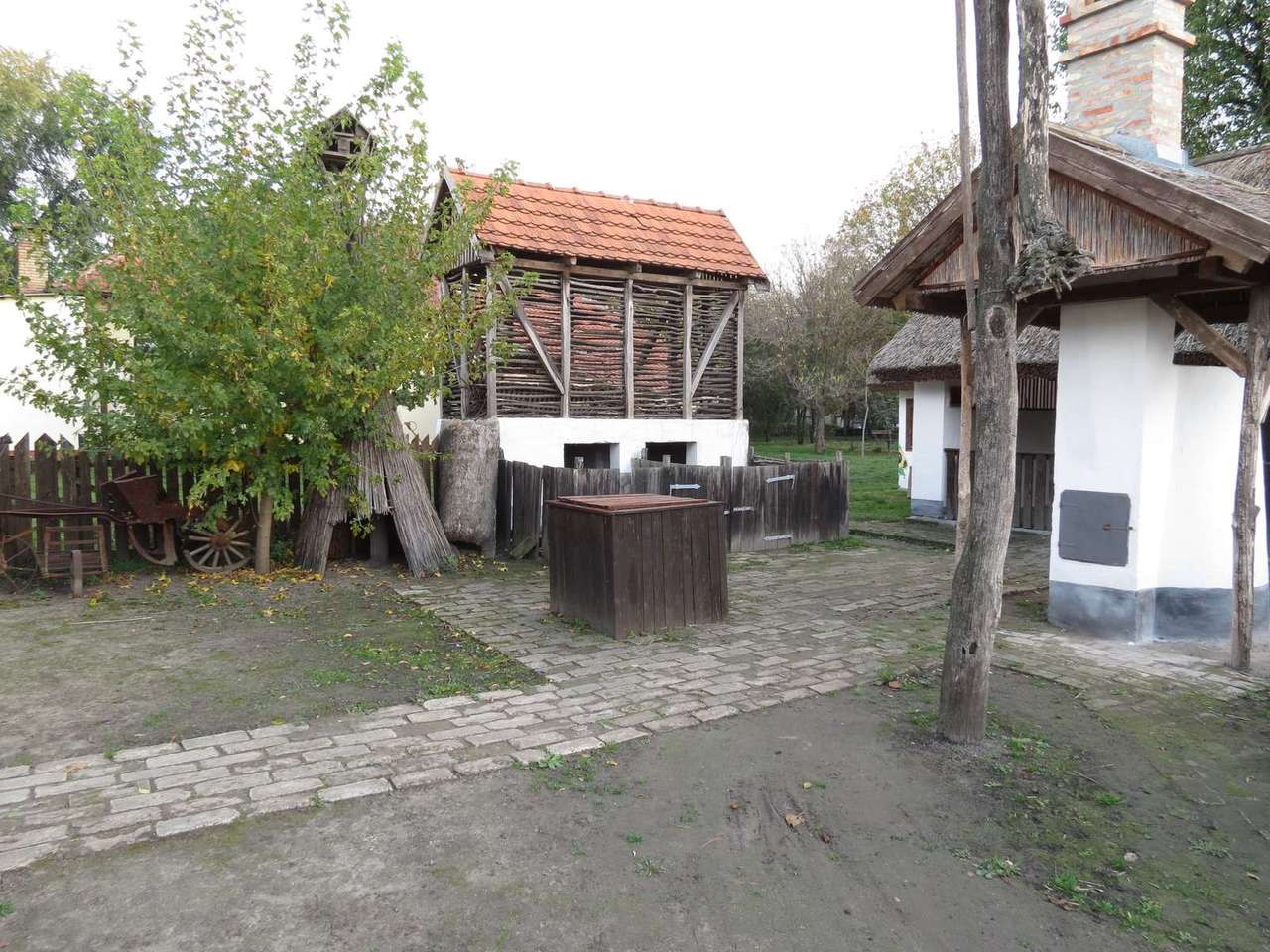
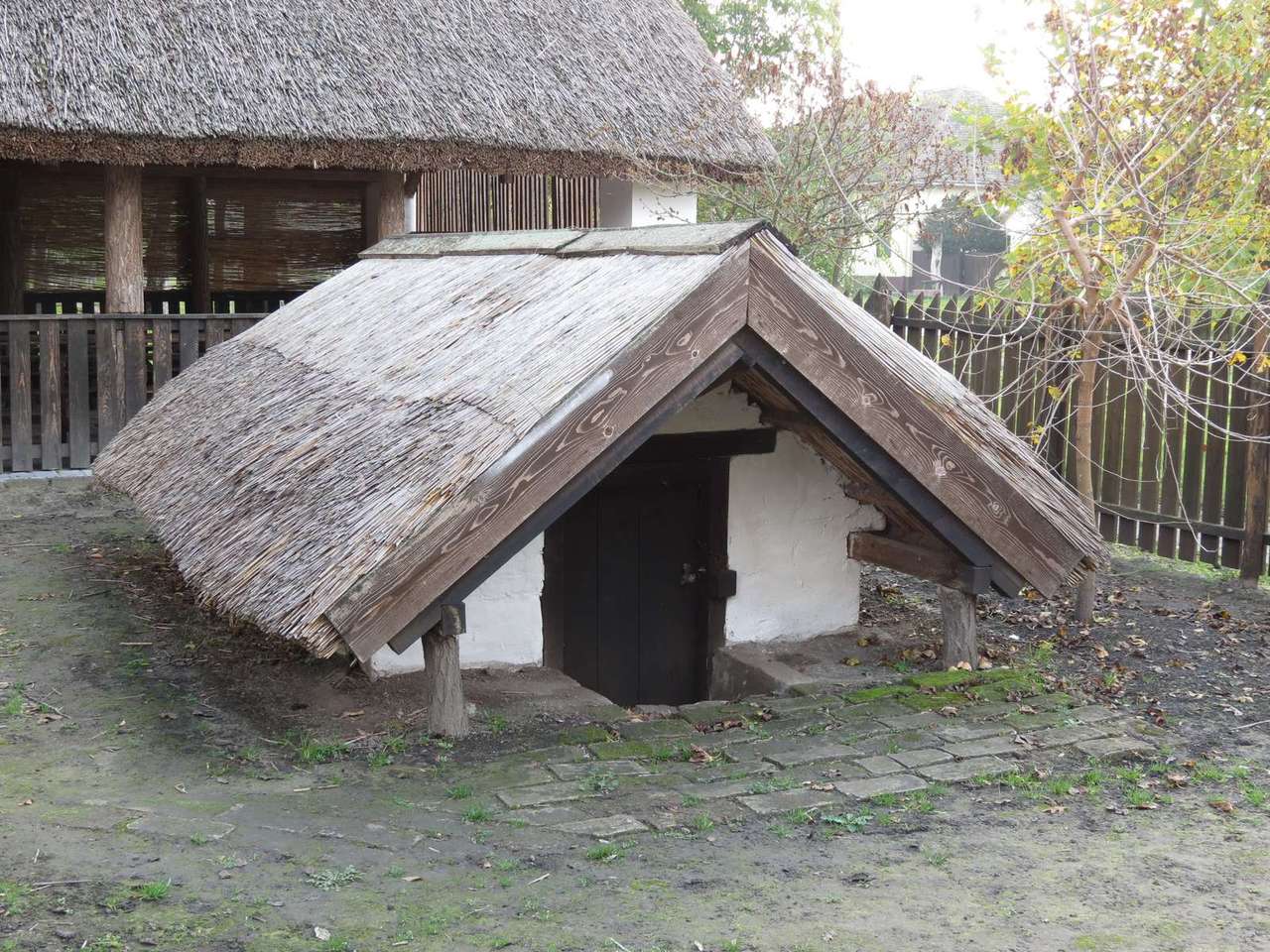
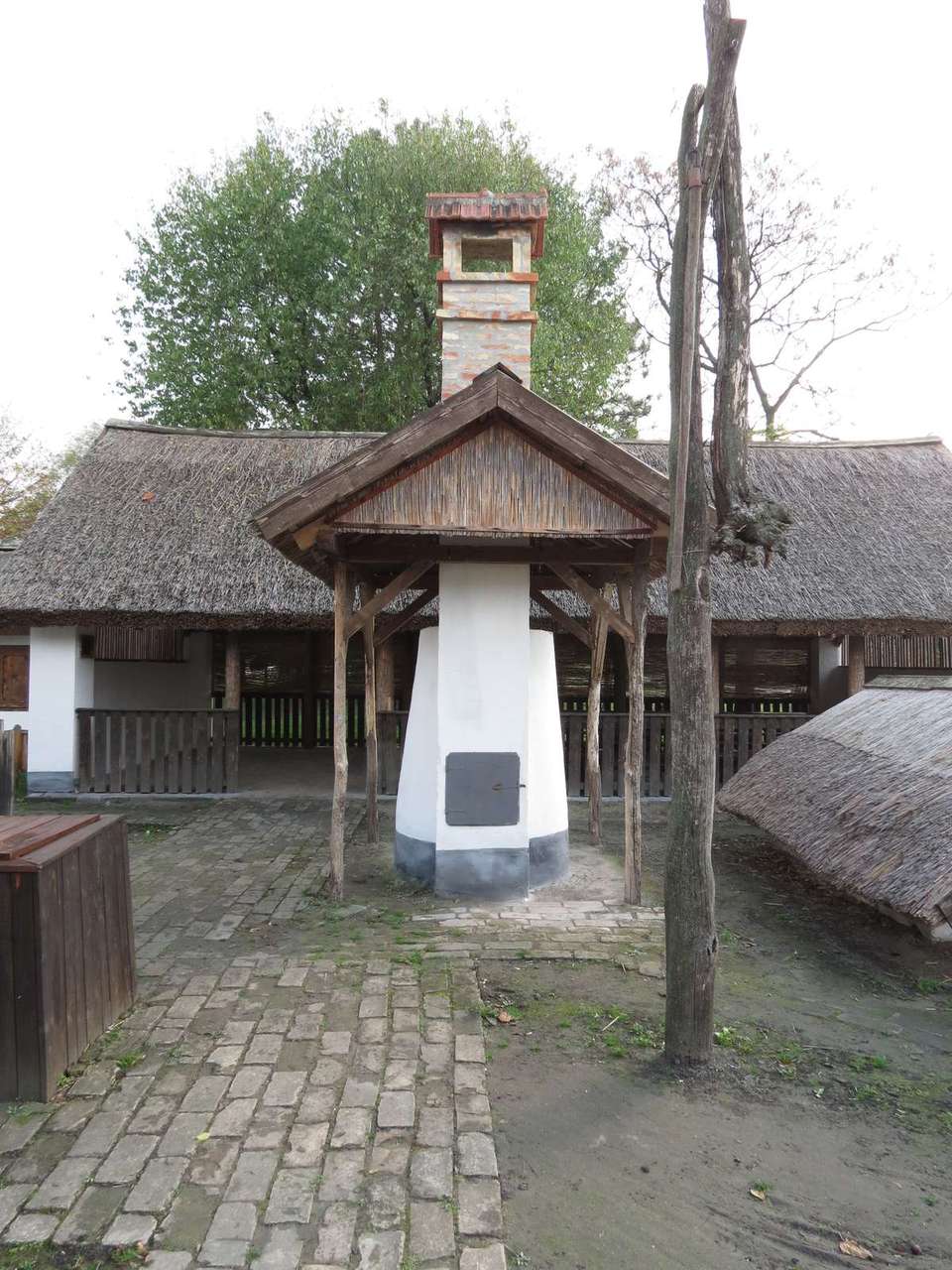
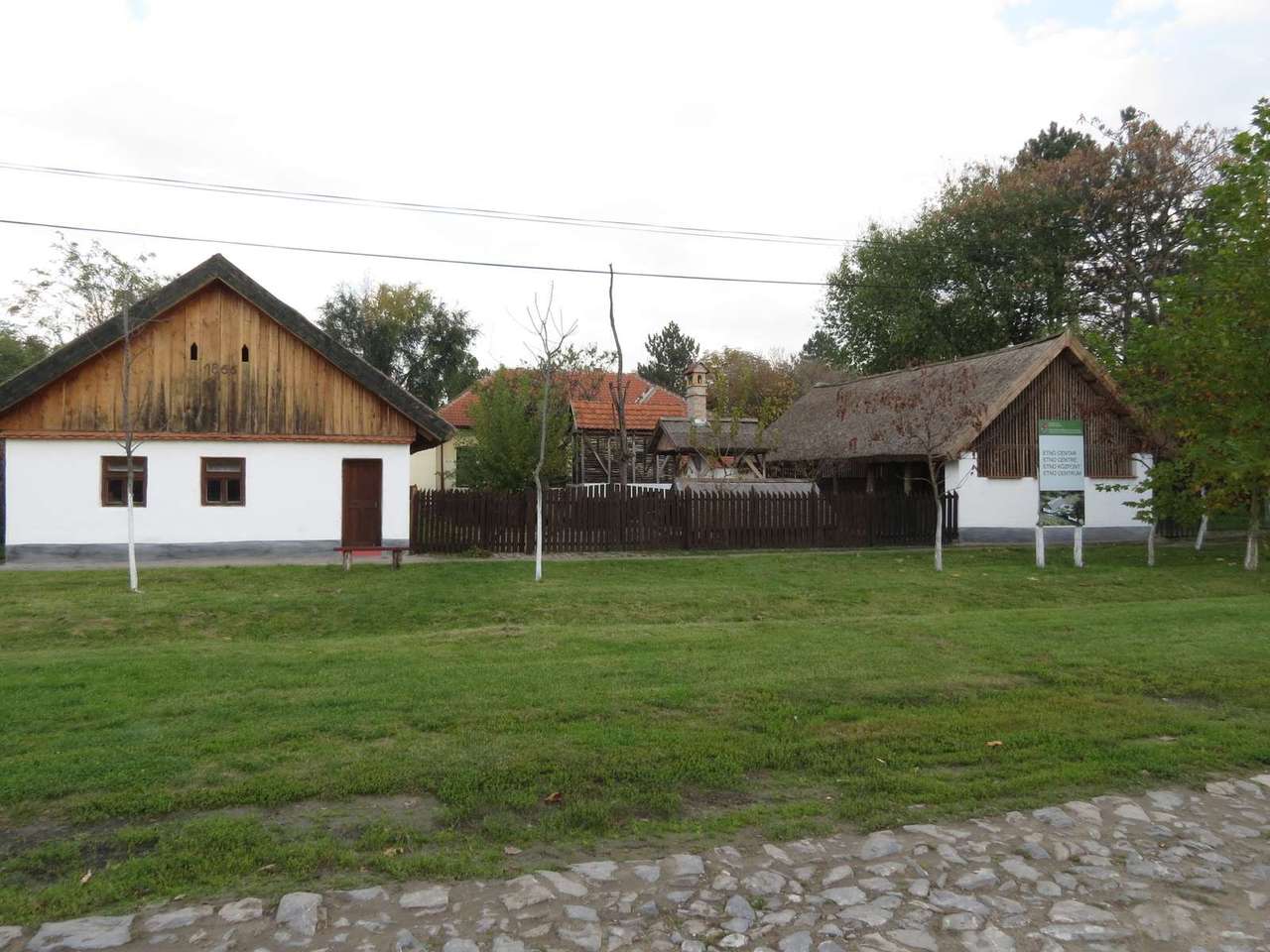
Officially, the village originates from 1868 by the name of Eliesenheim, when the settlers were mainly Germans. The expansion and specific multiethnical composition occurs in the period 1882 – 1887 when Slovaks, Hungarians, Bulgarians and Romanians came to stay. Ethno House in Belo Blato is an authentic Banat house of 19th century, in the very heart of Banat, attracting ever more visitors. The village itself is known by its straw producers, the first and the largest in Serbia, and it attracts tourists by its tranquillity and versatility.

Contact and practical information

Address
Žarka Zrenjanina 27, Belo Blato
Salas Lujza - Belo Blato

Tourist Attraction

Salas Lujza - Belo Blato

Only 60 km away from Novi Sad and Belgrade, on the edge of Carska bara, within the agricultural farm of the Toshkov family in Beli Blato, there is a small green paradise…

  • Zarka Zrenjanina 27, Belo Blato
Tourist Attraction

Salas Lujza - Belo Blato

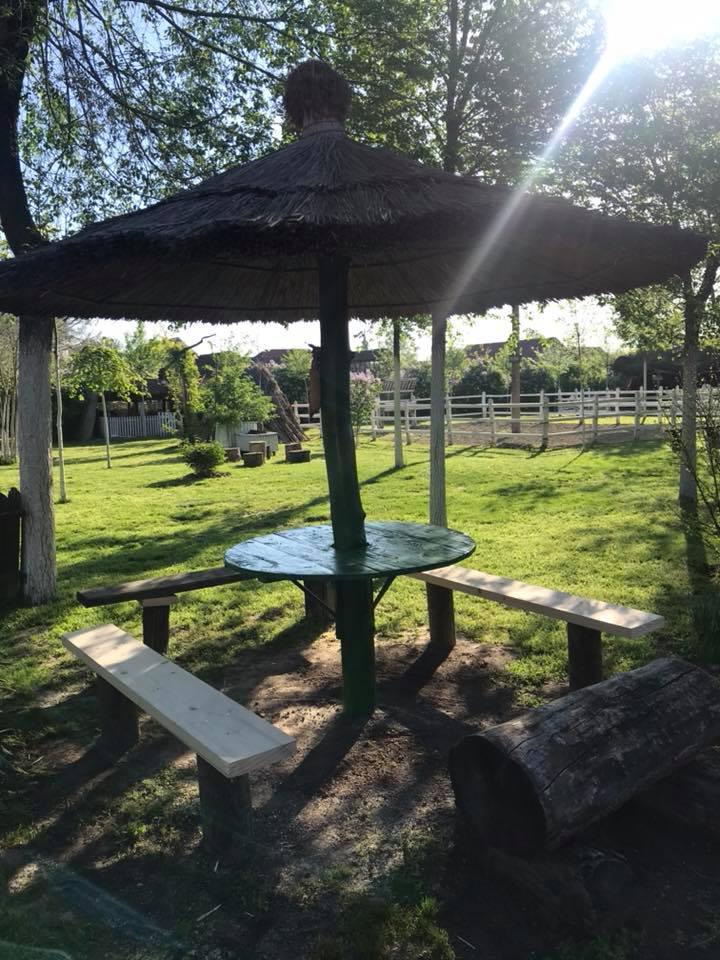
Only 60 km away from Novi Sad and Belgrade, on the edge of Carska bara, within the agricultural farm of the Toshkov family in Beli Blato, there is a small green paradise farm "Lujza", named after the eldest daughter of Count Lazar Lukac, who owned property near Beli Blato. The farm offers opportunities for tourists to enjoy the natural surroundings of the village yard and the traditional gastronomic offer. A place where time stood still. A place where magic still lives. A place where dreams are not sold, but a dream is lived.

Contact and practical information

Address
Zarka Zrenjanina 27, Belo Blato
Large forest in Vojvode Stepe

Forest

Large forest in Vojvode Stepe

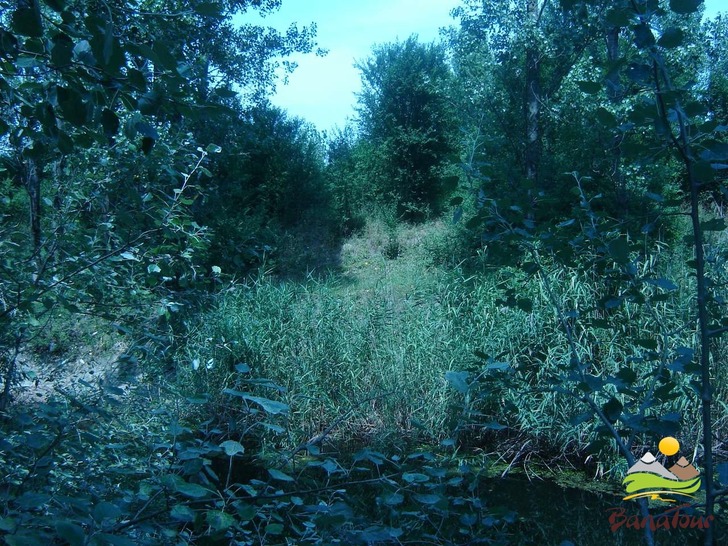
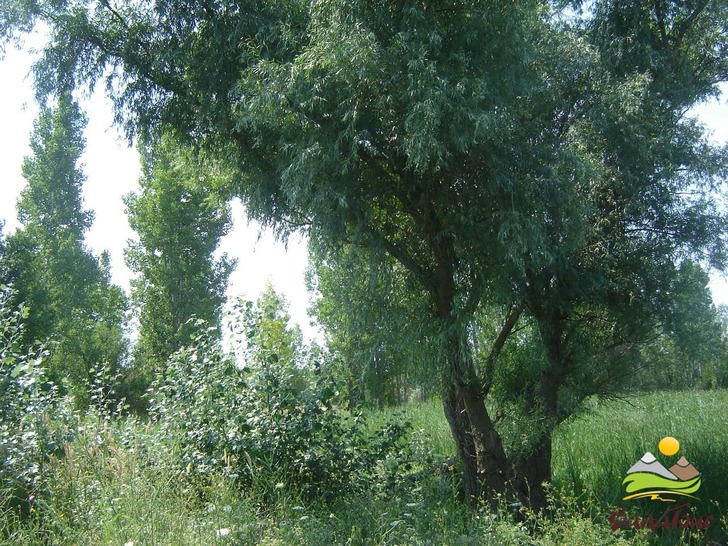
Large forest in Vojvode Stepe represents an ideal place for rest and recreation. Great forest spans at a total area of 186 ha. In abundant flora and fauna precede wood…
Forest

Large forest in Vojvode Stepe

Large forest in Vojvode Stepe represents an ideal place for rest and recreation. Great forest spans at a total area of 186 ha. In abundant flora and fauna precede wood of acacia, black walnut, hackberry, Virginia juniper, American ash, sour wood, red oak and other hardwood.

St. Vasilije Ostroški Orthodox Church

Church

St. Vasilije Ostroški Orthodox Church

St. Vasilije Ostroški church was built in 1939 in Vojvoda Stepa village by newcomers (colonists) who actually were Serbian volunteers in first World war coming from the…

Church

St. Vasilije Ostroški Orthodox Church

St. Vasilije Ostroški church was built in 1939 in Vojvoda Stepa village by newcomers (colonists) who actually were Serbian volunteers in first World war coming from the Salonika Front. The church is the gathering place of believers and relevant spot of cultural and religious tourism.

Contact and practical information

Address
Karadjordjeva
The Žitište beach on the Begej River

Beach

The Žitište beach on the Begej River

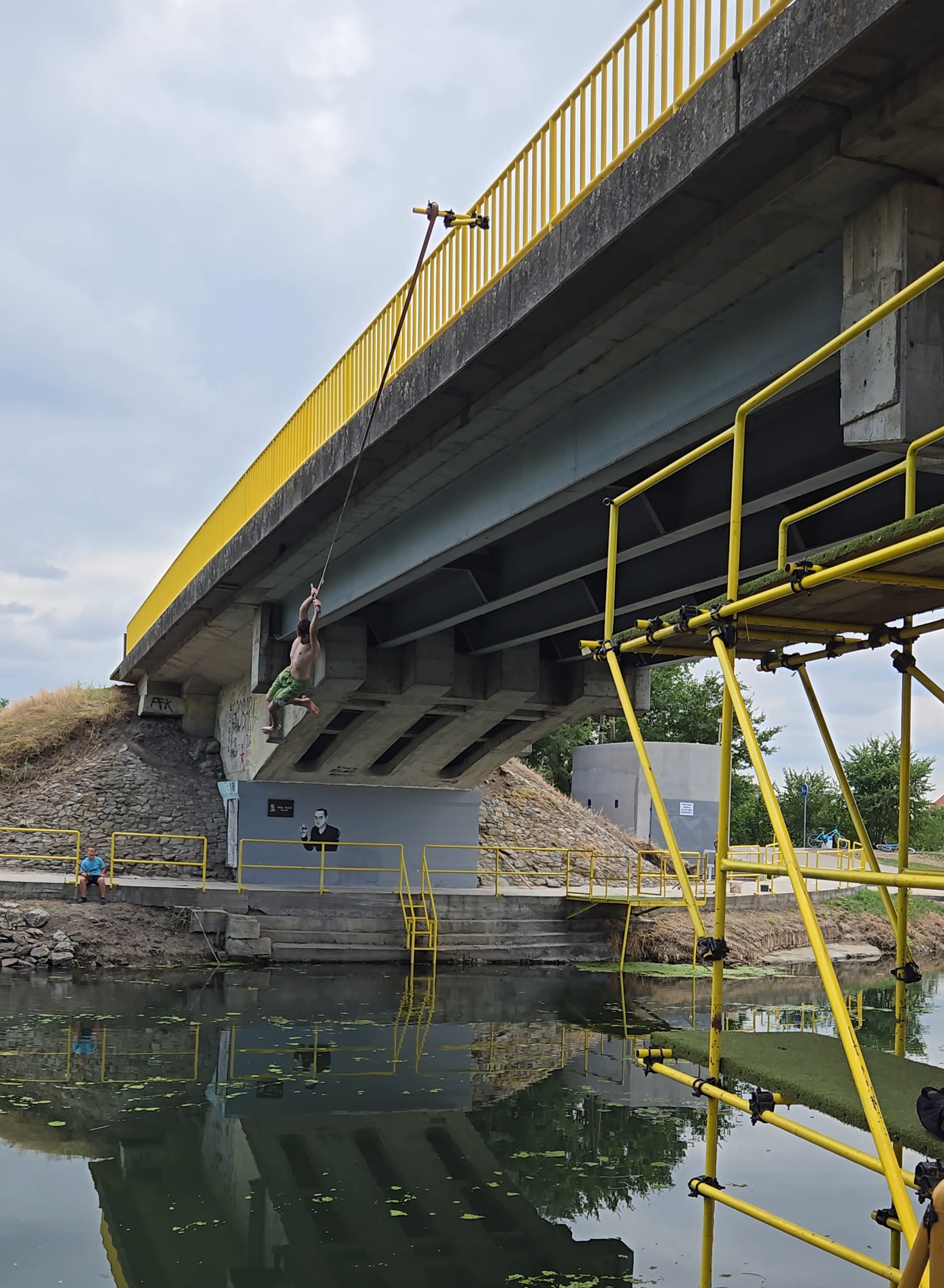
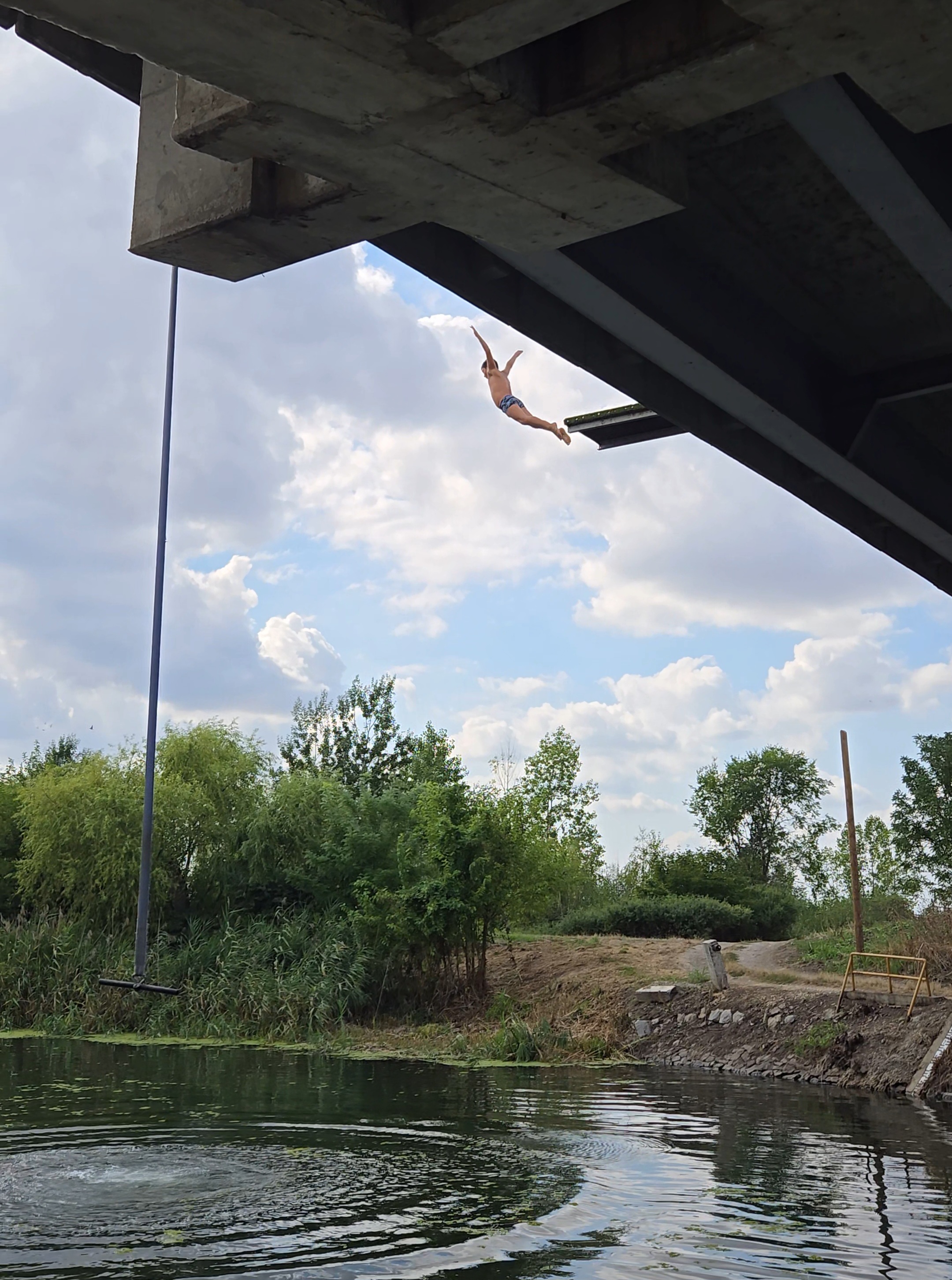
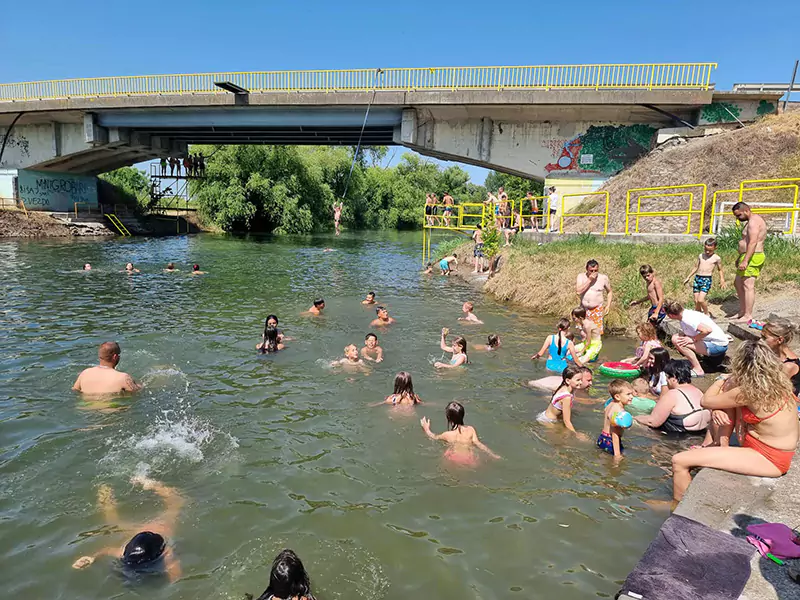
The Žitište beach on the Begej River is a nicely arranged riverbank spot located near the local bridge, perfect for summer refreshment and relaxation.

  • Begejski kej

Beach

The Žitište beach on the Begej River

The Žitište beach on the Begej River is a nicely arranged riverbank spot located near the local bridge, perfect for summer refreshment and relaxation.

Contact and practical information

Address
Begejski kej
Capriolo Center Zrenjanin

Bike Shop

Capriolo Center Zrenjanin

Capriolo Center Zrenjanin is one of the key locations for all cycling, fitness, and active lifestyle enthusiasts in the Middle Banat District. Located in the Ruže Šulman…

Bike Shop

Capriolo Center Zrenjanin

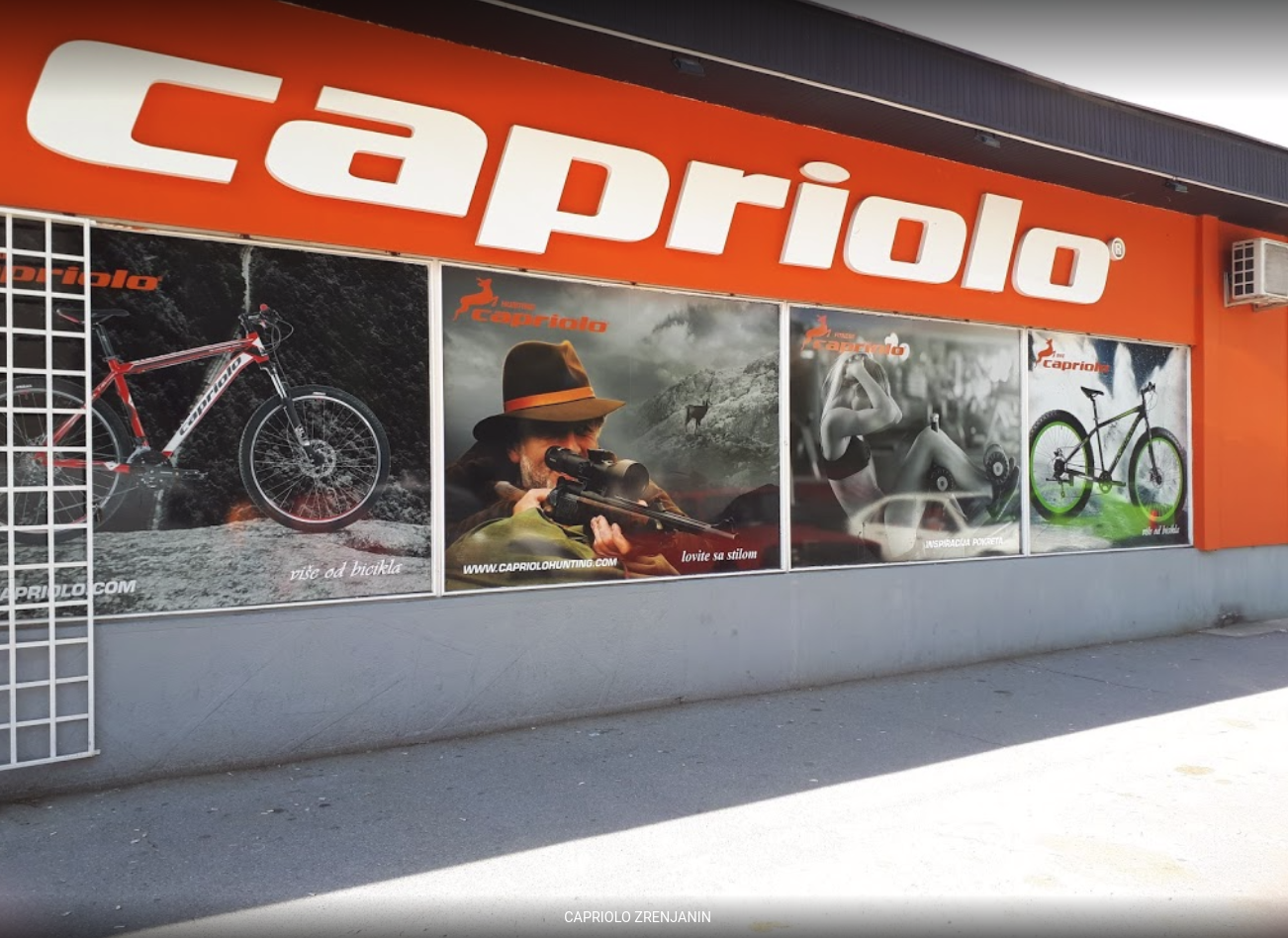
Capriolo Center Zrenjanin is one of the key locations for all cycling, fitness, and active lifestyle enthusiasts in the Middle Banat District. Located in the Ruže Šulman bb neighborhood, this sales and service center is part of the well-known domestic brand Doo Capriolo, which has been synonymous with reliability and quality in the world of two-wheelers for decades.

Contact and practical information

Address
Ruže Šulman bb
Caffe „ART”

Restaurant

Caffe „ART”

Located in the very center of Žitište, Caffe "ART" is a popular local spot known for its cozy ambiance, relaxed atmosphere, and a wide selection of hot and cold…

Restaurant

Caffe „ART”

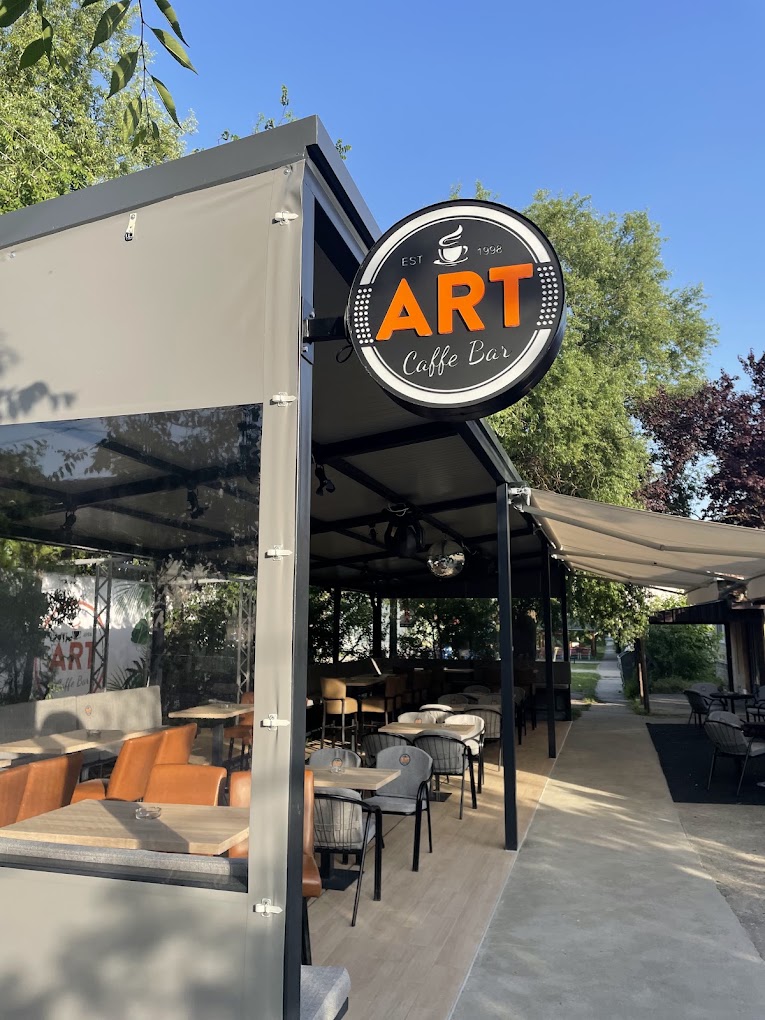
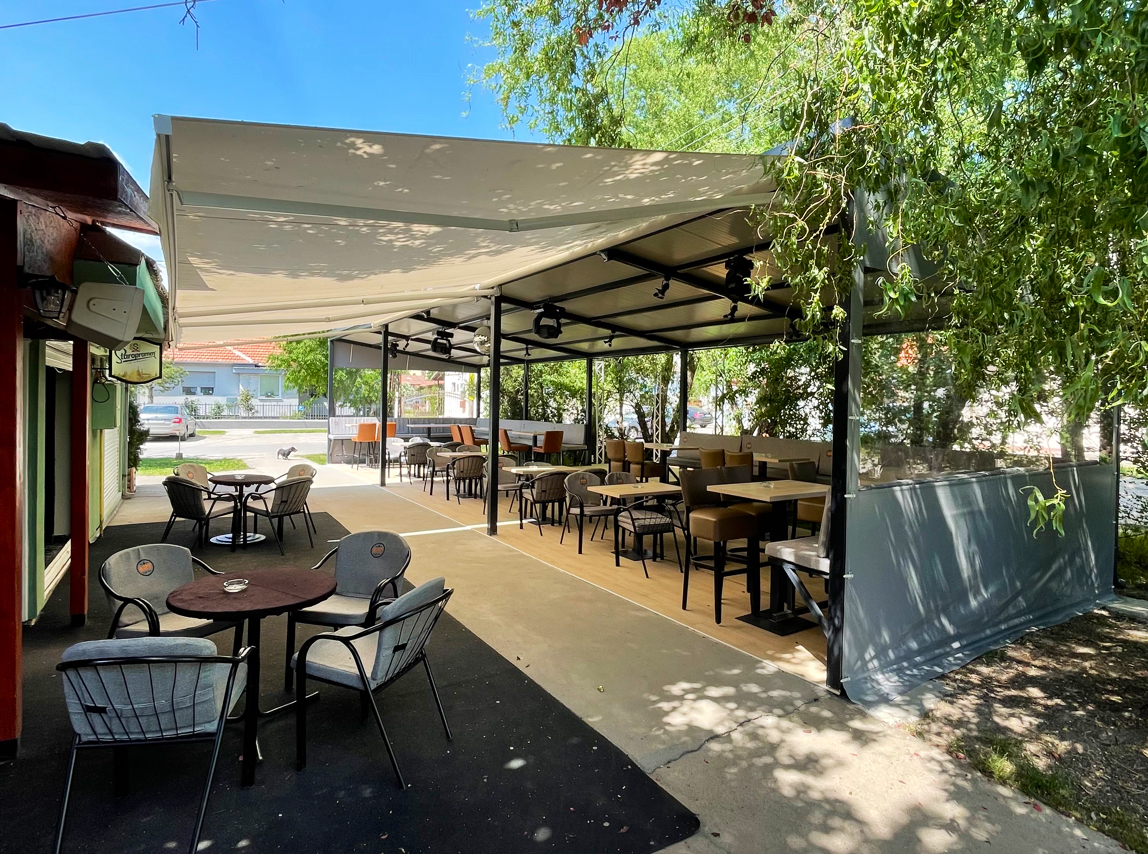
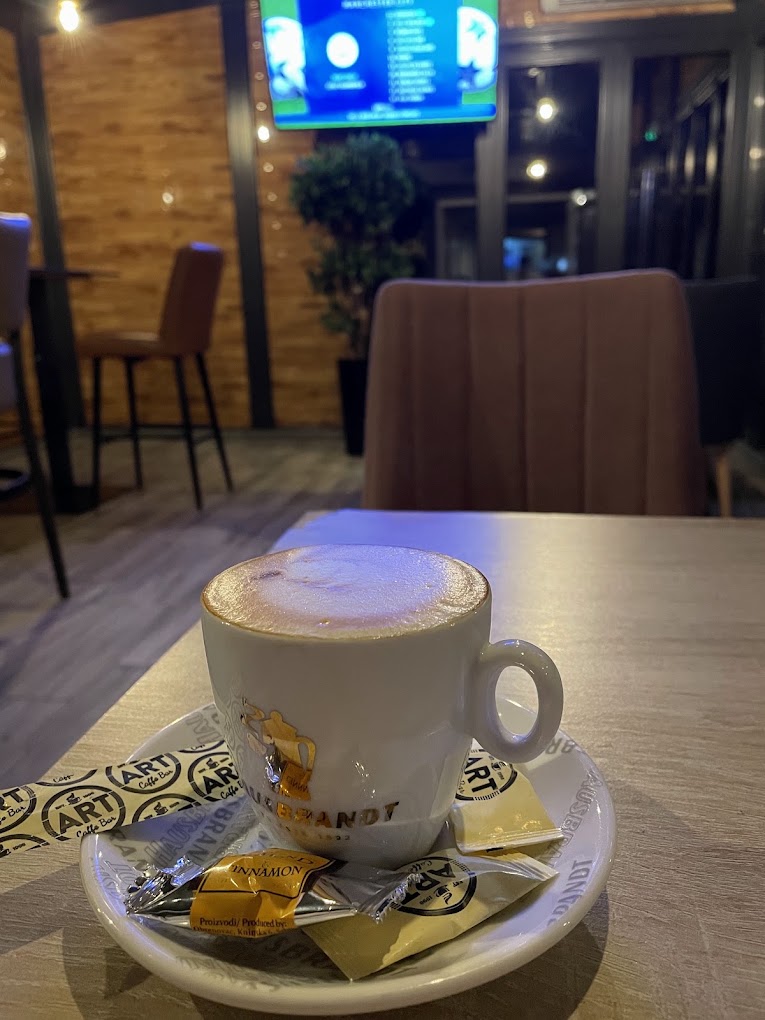
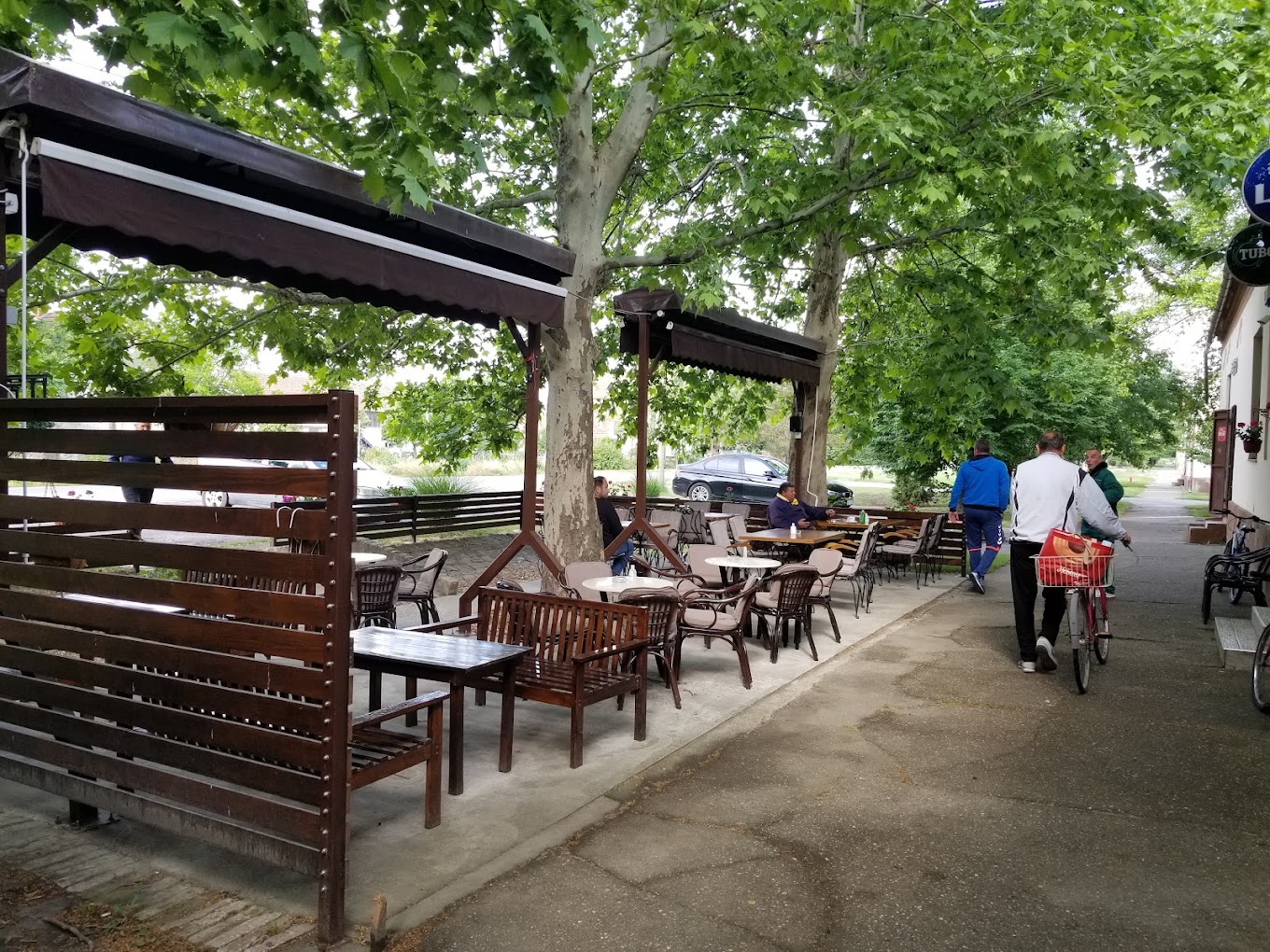
Located in the very center of Žitište, Caffe "ART" is a popular local spot known for its cozy ambiance, relaxed atmosphere, and a wide selection of hot and cold beverages. Featuring a pleasant outdoor terrace in the heart of the town, it serves as an excellent place for cyclists and passersby to refresh themselves, enjoy a coffee, and take a break during their ride.

Contact and practical information

Address
Trg Oslobođenja
Crooked Tree

Viewpoint

Crooked Tree

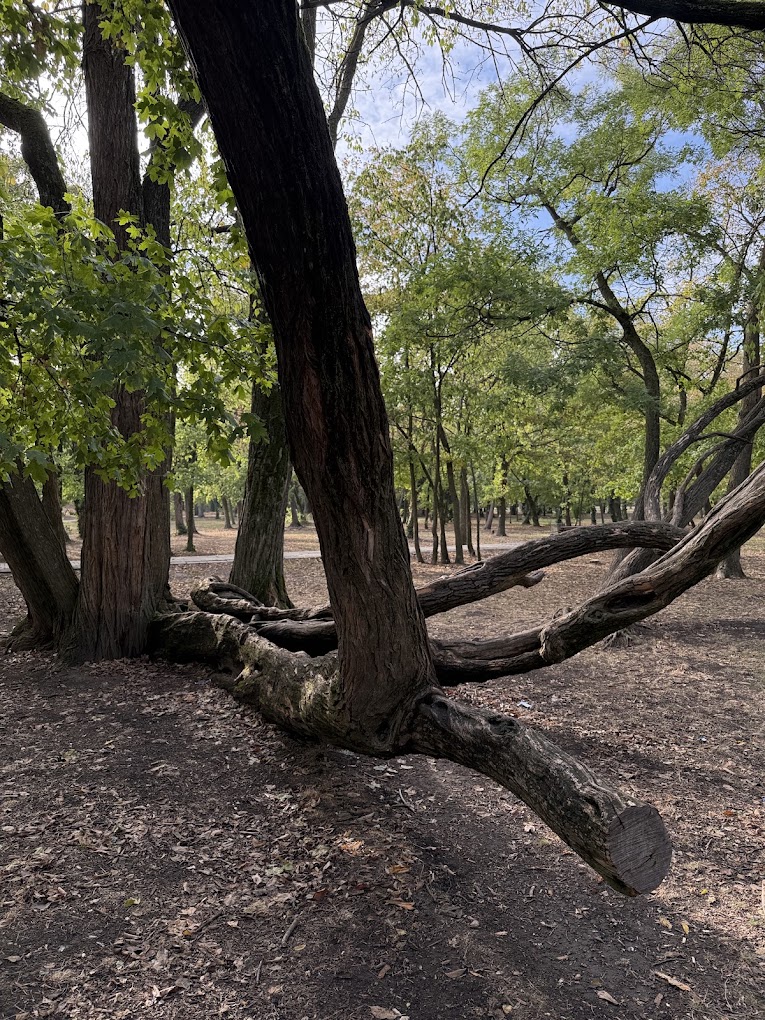
Located in the main park of Žitište, the "Crooked Tree" is a unique natural landmark and a recognizable symbol of the town. This unusual tree grows horizontally rather…

  • Pupinova

Viewpoint

Crooked Tree

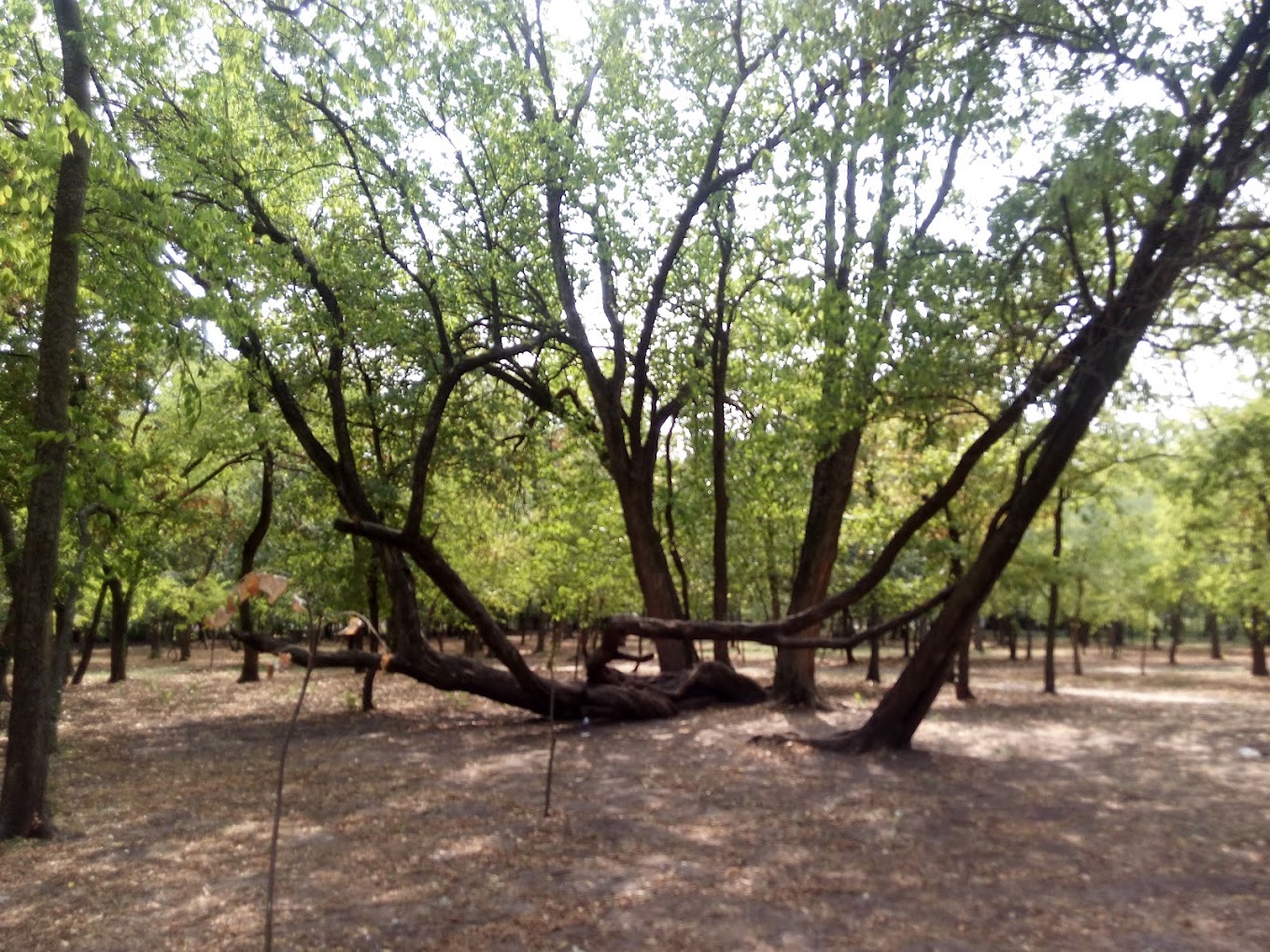
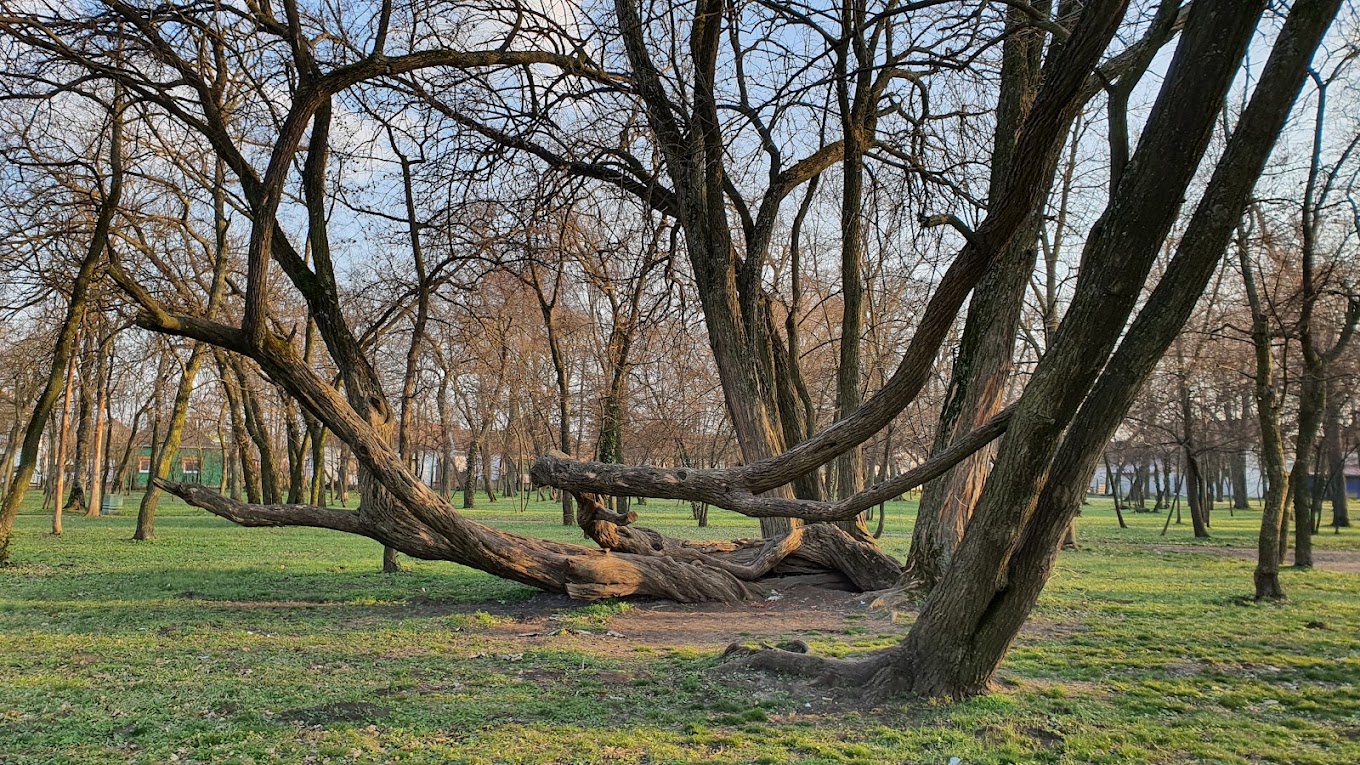
Located in the main park of Žitište, the "Crooked Tree" is a unique natural landmark and a recognizable symbol of the town. This unusual tree grows horizontally rather than upright, creating a distinctive and eye-catching shape. Surrounded by greenery and walking paths, it is a favorite photo spot and a pleasant rest area for cyclists and visitors exploring the park.

Contact and practical information

Address
Pupinova
Restaurant „Lovac”

Restaurant

Restaurant „Lovac”

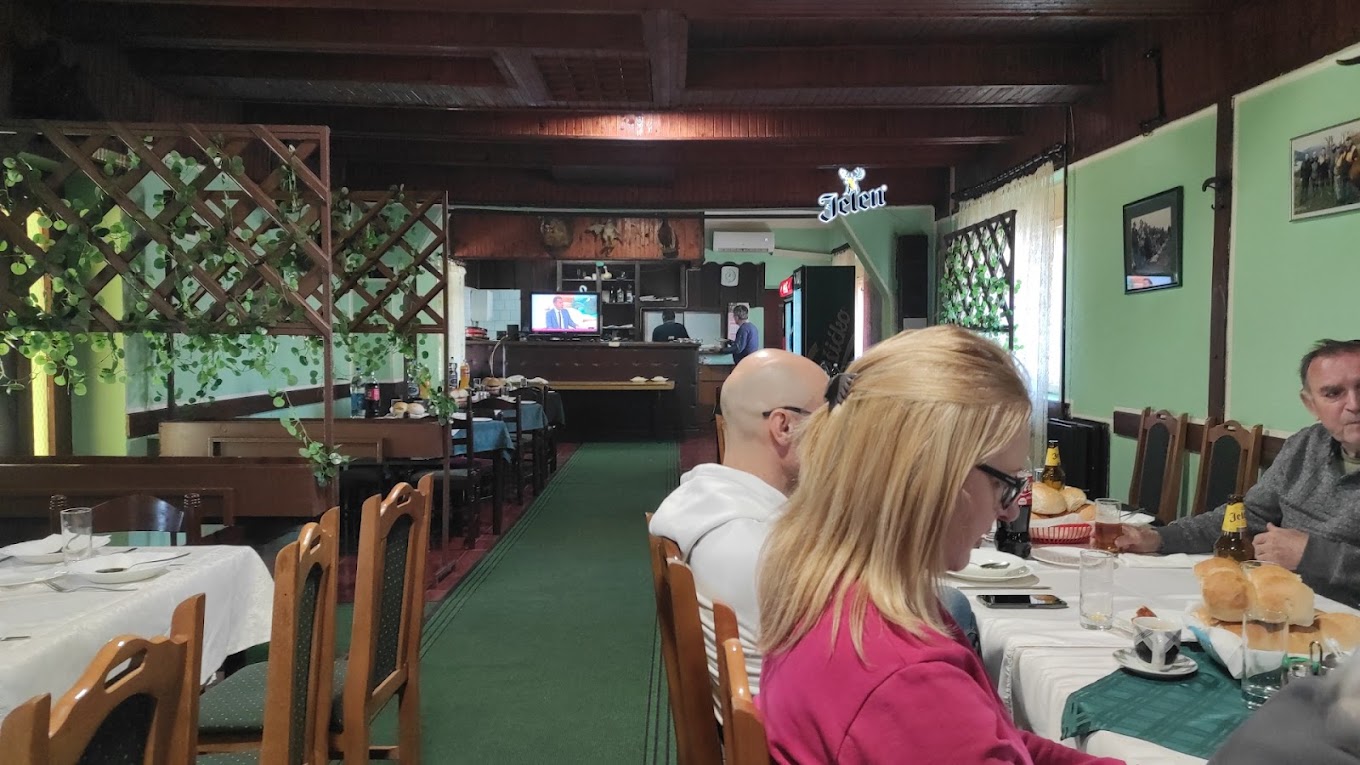
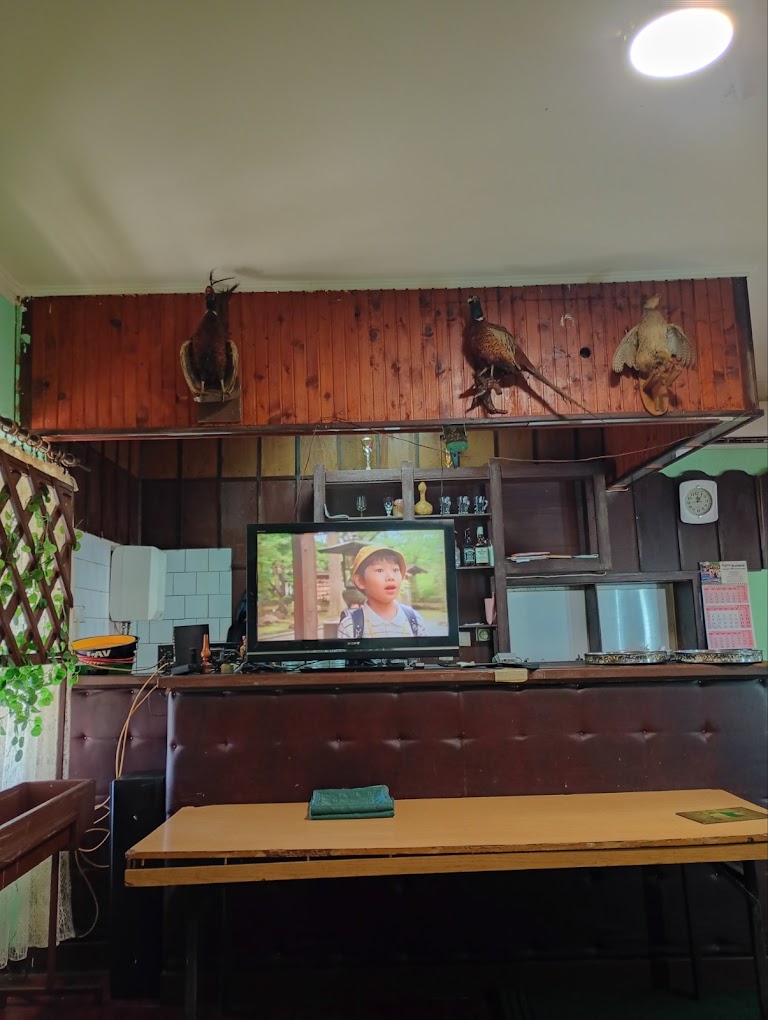
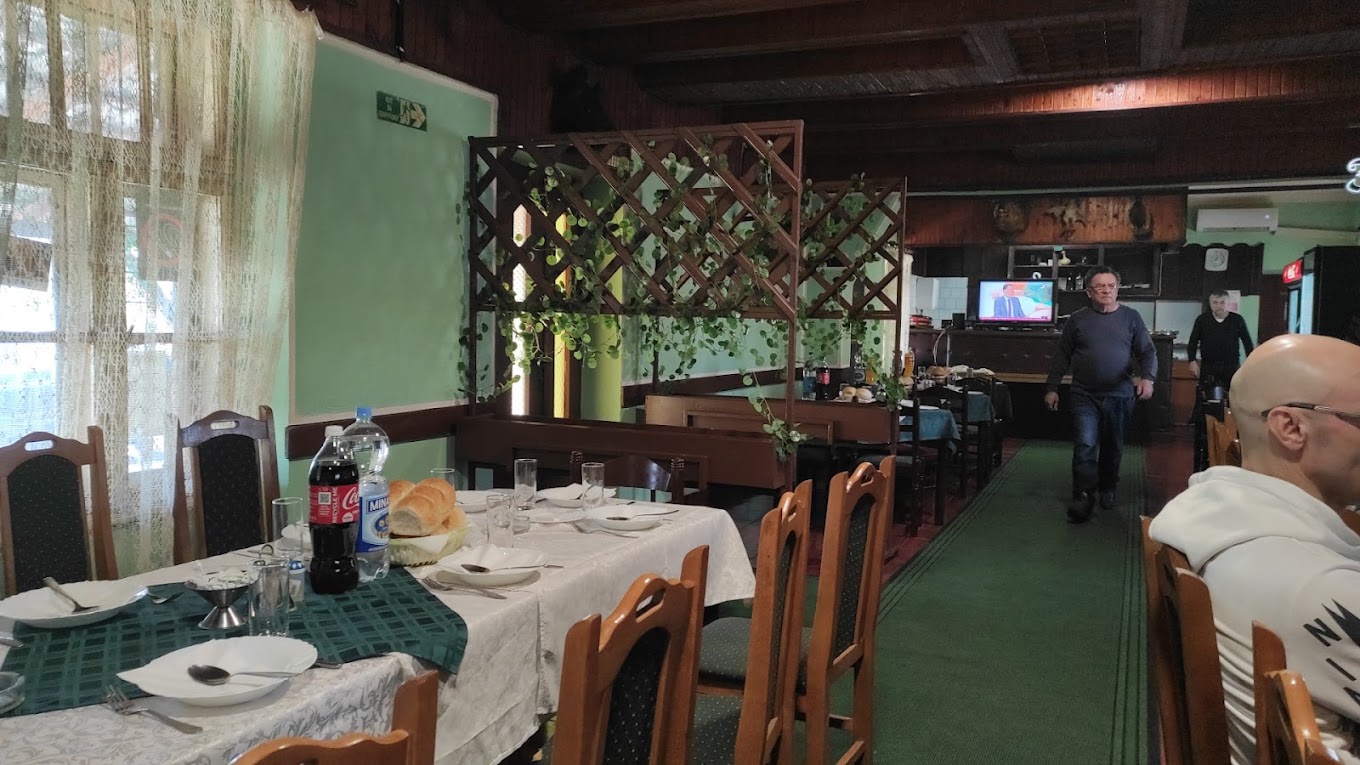
Located in Žitište, Restaurant "Lovac" is known for its traditional Banat hospitality and a rich menu featuring local meat and game specialties. Its cozy, hunt-themed…

Restaurant

Restaurant „Lovac”

Located in Žitište, Restaurant "Lovac" is known for its traditional Banat hospitality and a rich menu featuring local meat and game specialties. Its cozy, hunt-themed interior and spacious outdoor seating area make it a great choice for cyclists and travelers looking for a hearty, authentic meal and a good rest on their journey through the region.

Contact and practical information

Address
Železnička 19
Fast Food Ranch

Restaurant

Fast Food Ranch

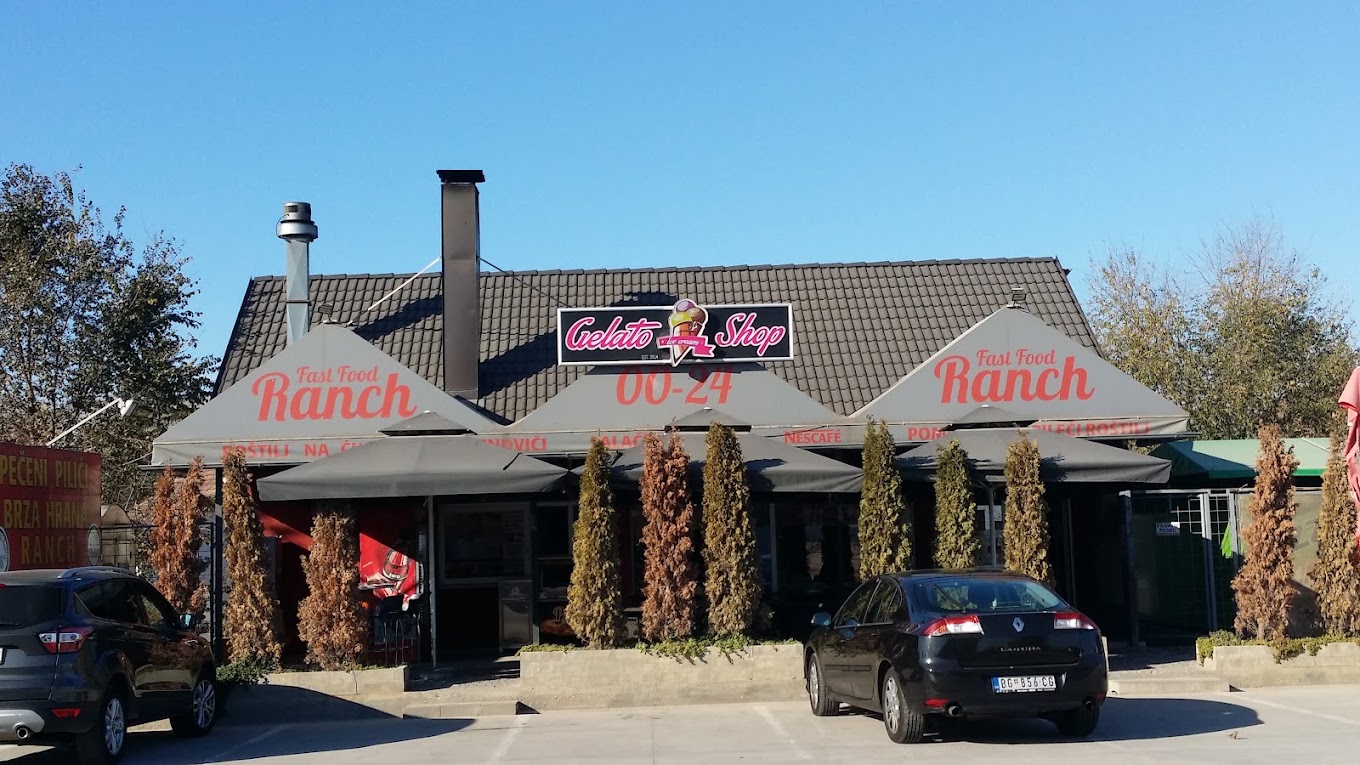
Located between Ečka and Stajićevo along the main road, Fast Food Ranch is a convenient and popular stop for quick bites and refreshments. Offering grilled specialties,…
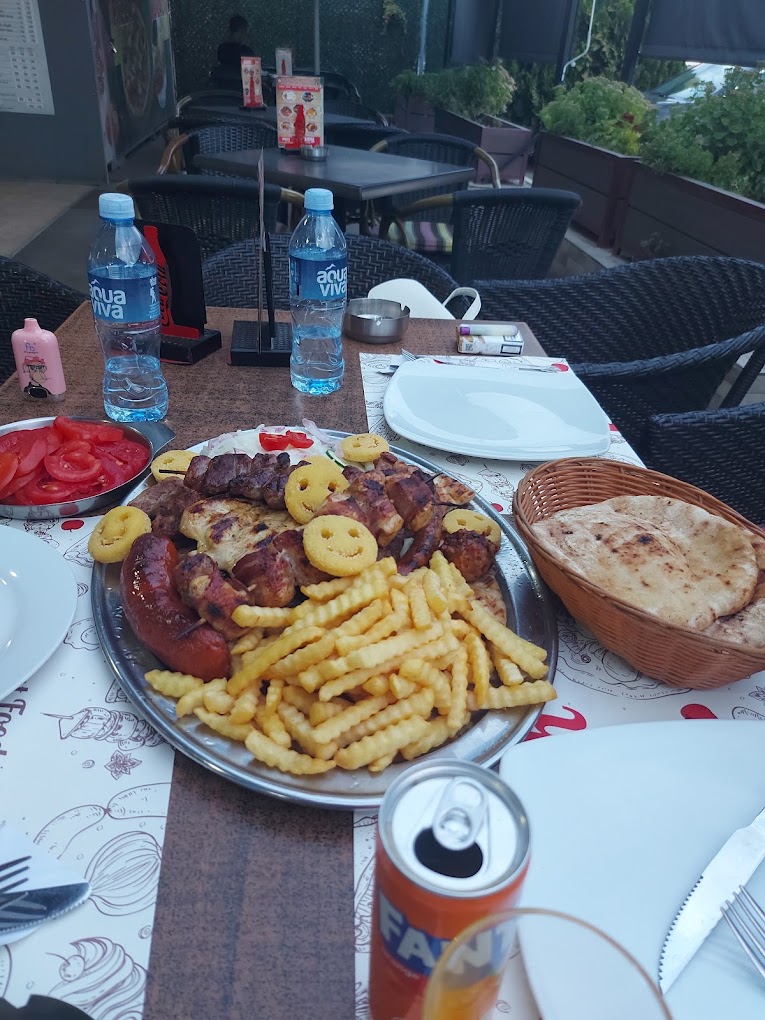
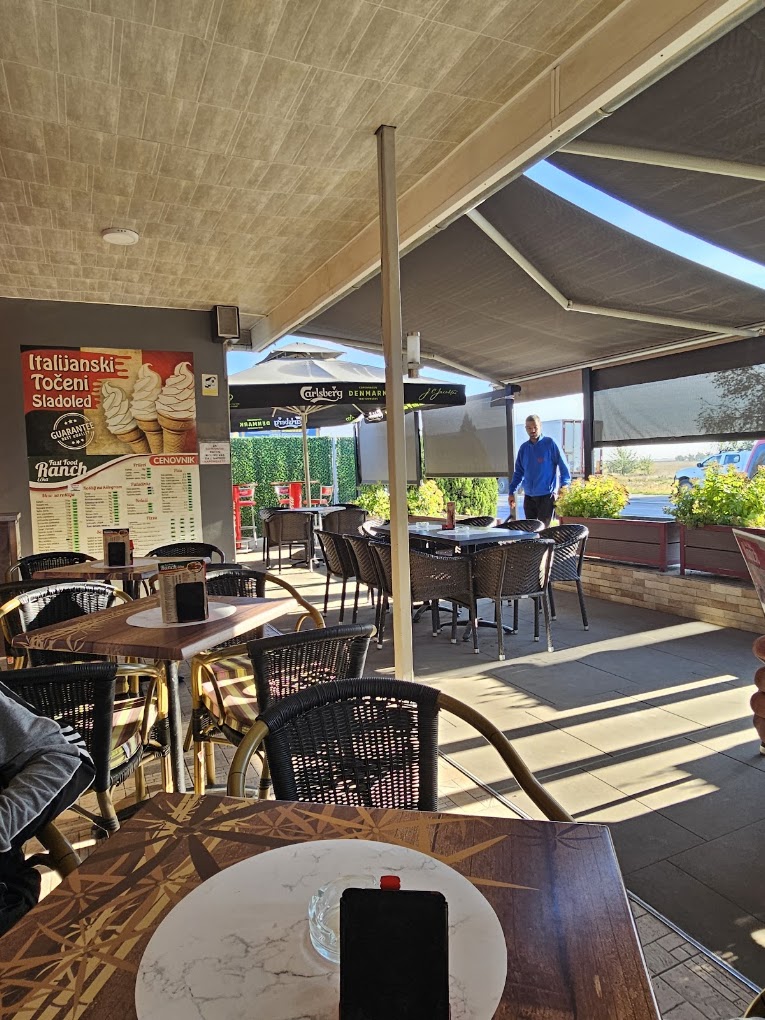
Restaurant

Fast Food Ranch

Located between Ečka and Stajićevo along the main road, Fast Food Ranch is a convenient and popular stop for quick bites and refreshments. Offering grilled specialties, sandwiches, and meals on the go, it is an ideal spot for cyclists and travelers to take a quick break and refuel while riding through the Banat region.

Contact and practical information

Sluice & Navigation Lock "Šlajz"

Viewpoint

Sluice & Navigation Lock "Šlajz"

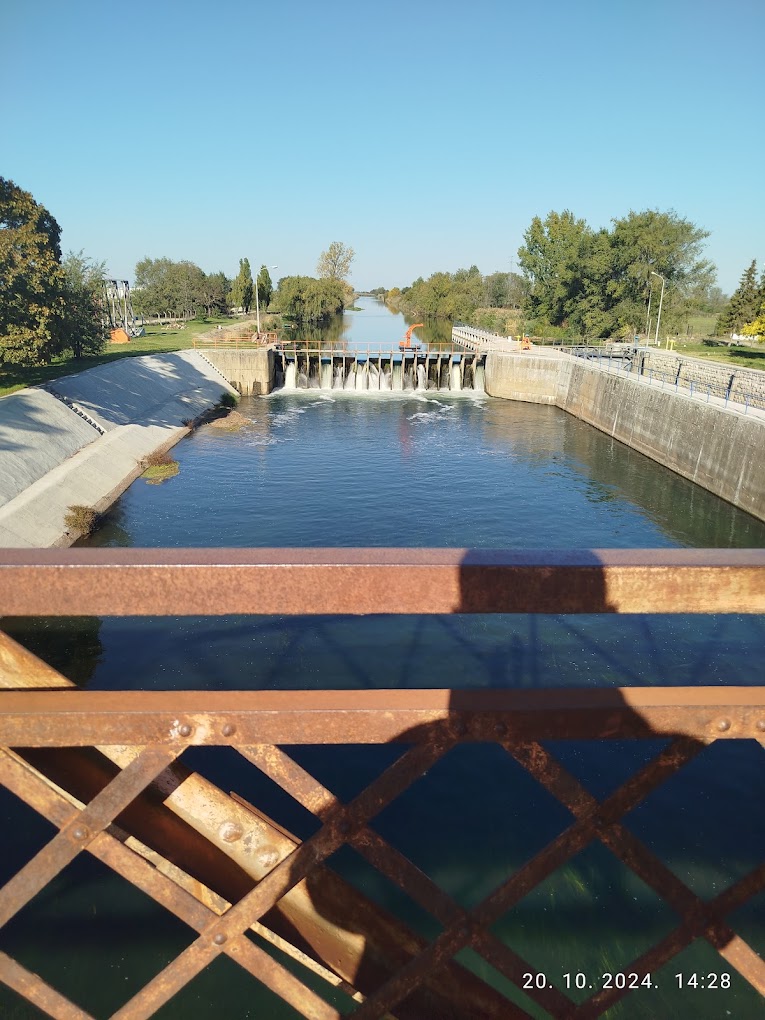
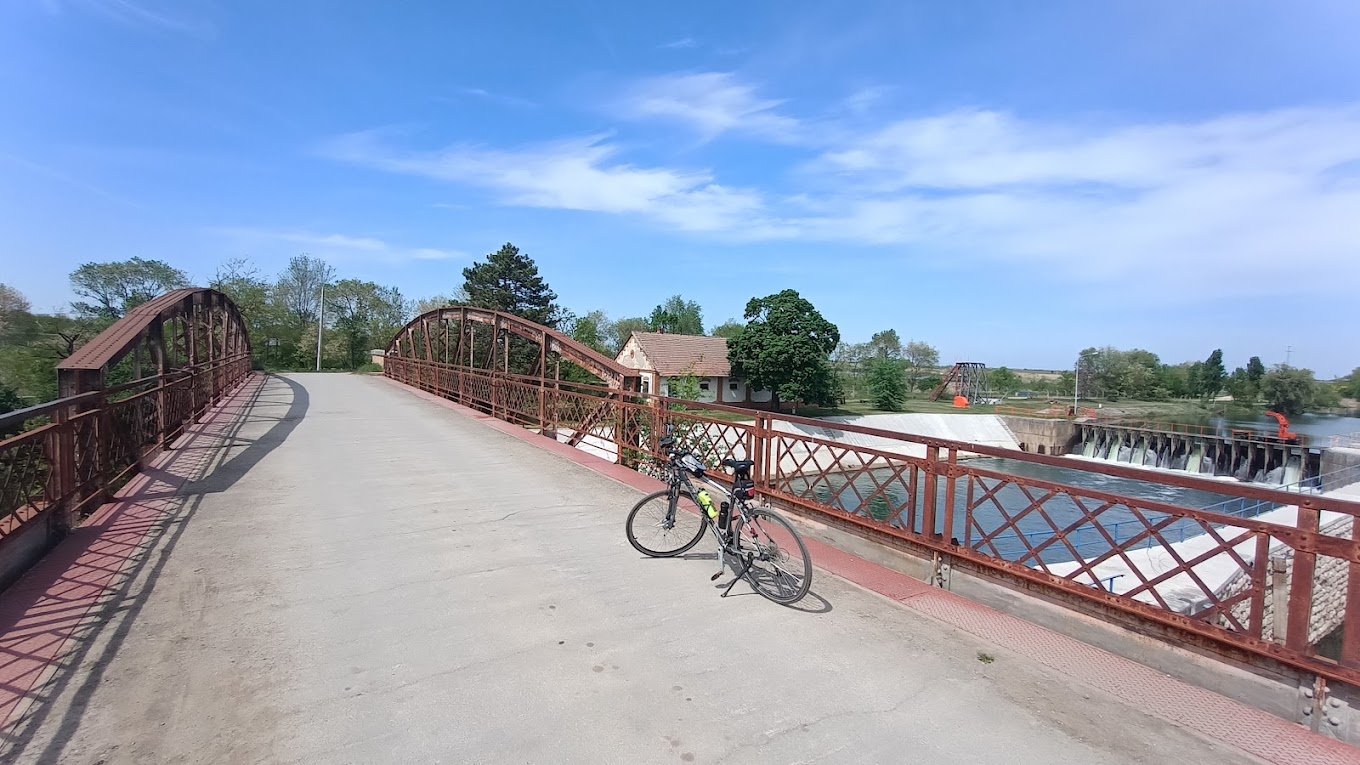
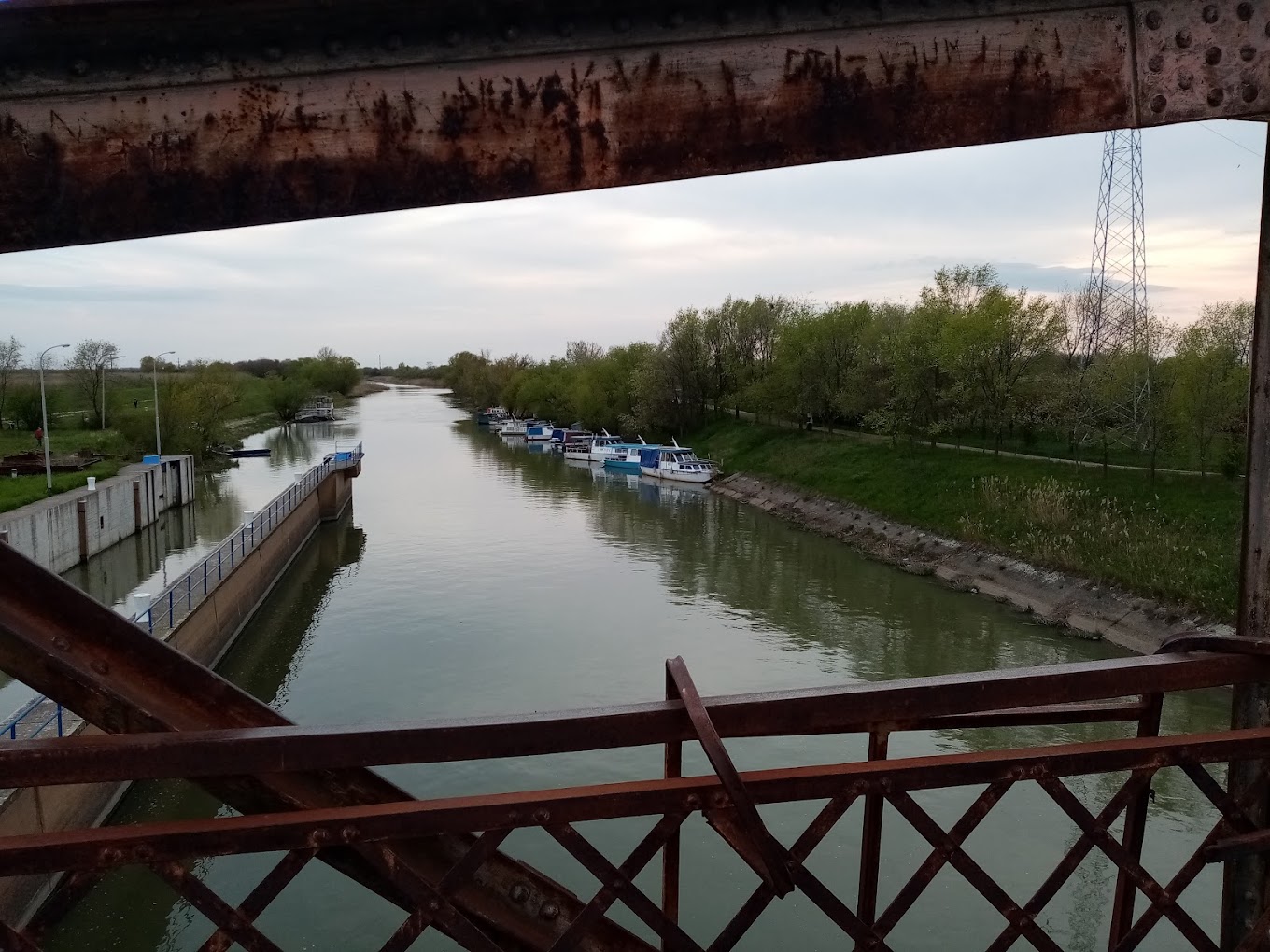
Located on the Begej Canal in Klek, this historic hydro-complex built in 1914 is a valuable monument of industrial heritage from the Austro-Hungarian era. Alongside its…

  • Vase Miskina

Viewpoint

Sluice & Navigation Lock "Šlajz"

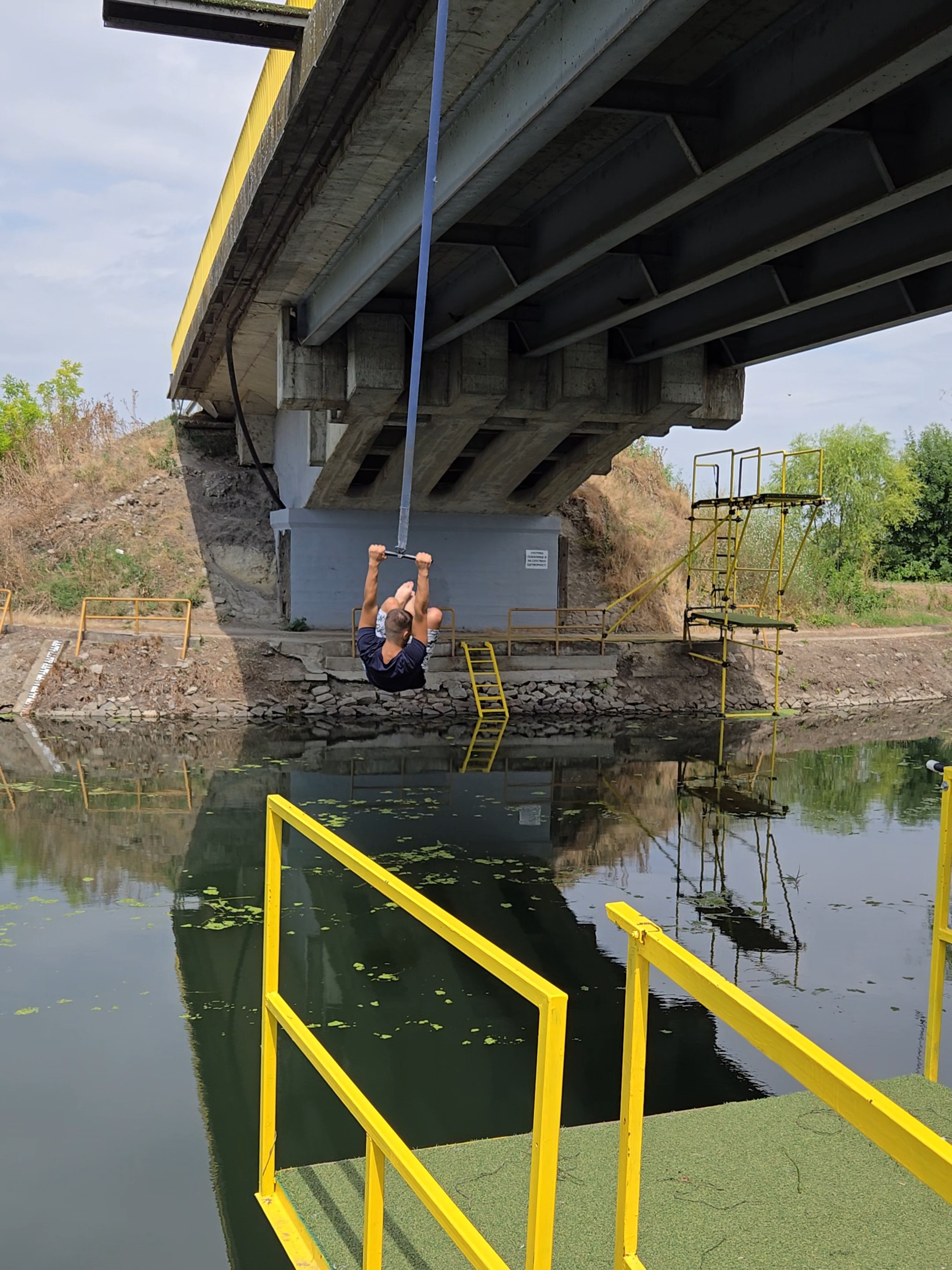
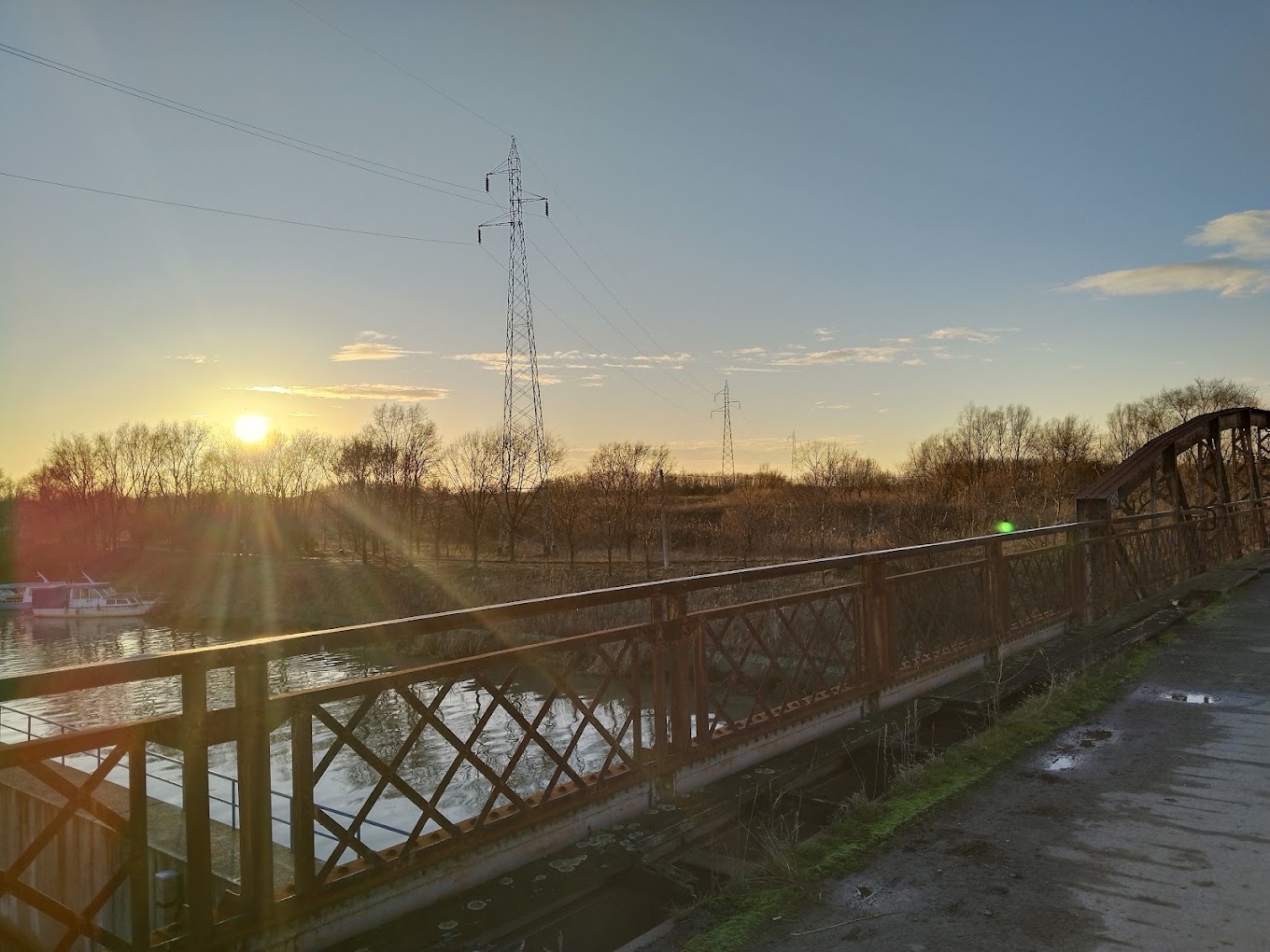
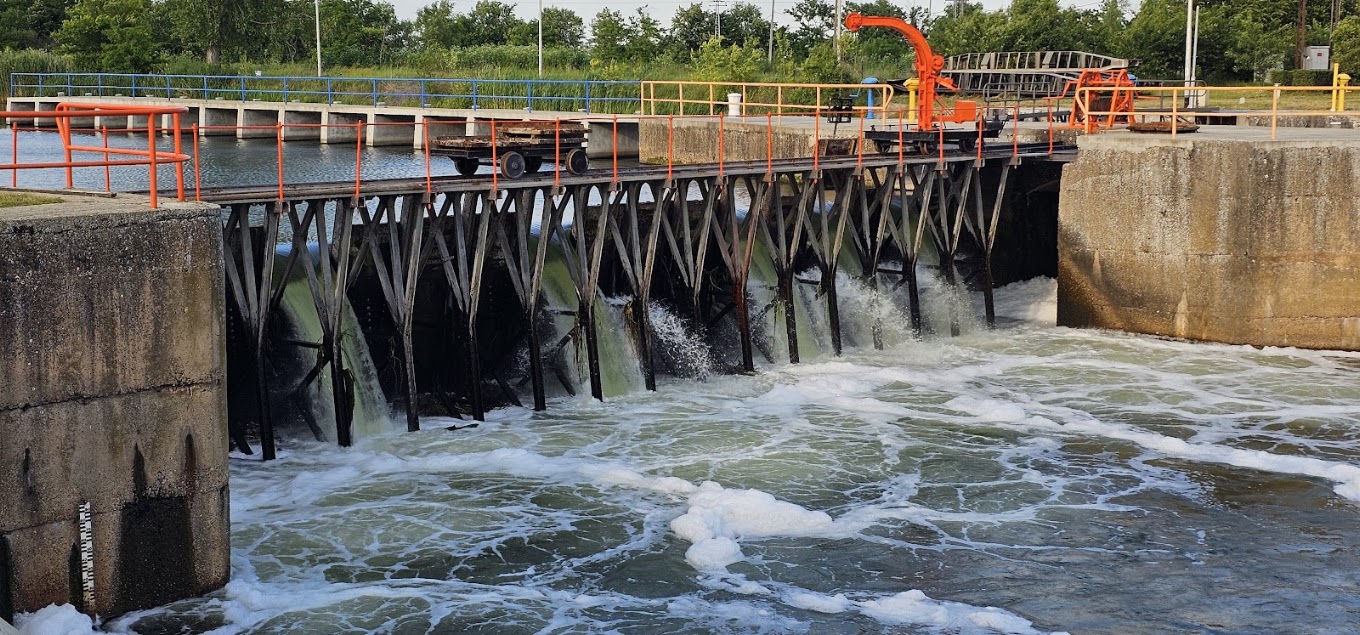
Located on the Begej Canal in Klek, this historic hydro-complex built in 1914 is a valuable monument of industrial heritage from the Austro-Hungarian era. Alongside its technical role in water-level regulation and navigation, the site features a historic iron bridge from 1912 and scenic natural surroundings. This spot is a popular local picnic area for residents, fishermen, and cyclists due to the peace and nature that surrounds it, making it an ideal rest stop right along the Zrenjanin–Timișoara cycle route.

Contact and practical information

Address
Vase Miskina
Motel & Restaurant "Kapija Grada"

Restaurant

Motel & Restaurant "Kapija Grada"

Located right at the entrance to Zrenjanin from the Belgrade direction, near Ečka, Motel "Kapija Grada" serves as an ideal stopover for travelers and cyclists. The…

Restaurant

Motel & Restaurant "Kapija Grada"

Located right at the entrance to Zrenjanin from the Belgrade direction, near Ečka, Motel "Kapija Grada" serves as an ideal stopover for travelers and cyclists. The establishment offers comfortable accommodation and a rich selection of traditional cuisine in a pleasant restaurant setting with an outdoor garden. Thanks to its strategic location along the main route, it is a convenient spot to rest, refuel, and recharge before continuing your journey through the Banat region.

Contact and practical information

Address
Beogradski put bb
Orthodox Church of St. Nicholas

Church

Orthodox Church of St. Nicholas

Located in Ečka, the Romanian Orthodox Church of St. Nicholas was built in 1850 on the site of an earlier 18th-century place of worship, serving as a vital religious and…
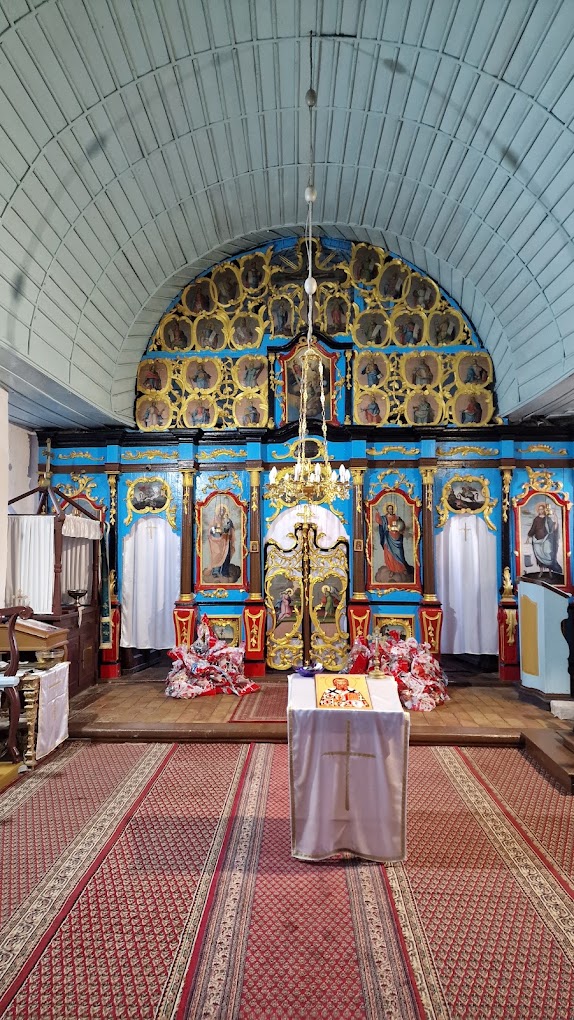
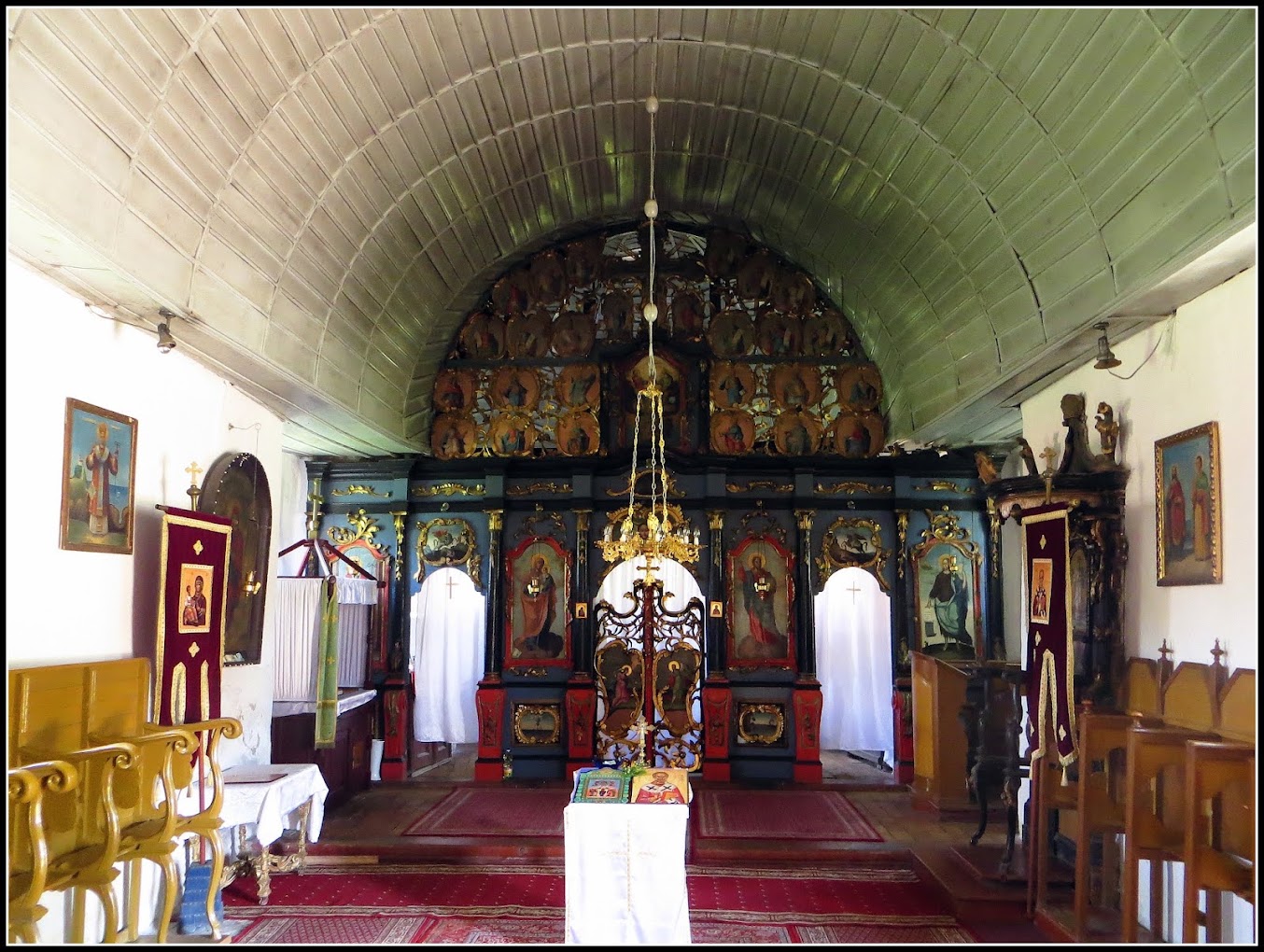
Church

Orthodox Church of St. Nicholas

Located in Ečka, the Romanian Orthodox Church of St. Nicholas was built in 1850 on the site of an earlier 18th-century place of worship, serving as a vital religious and cultural landmark for the local Romanian community. It features a grand bell tower and a valuable iconostasis painted by the renowned artist Dimitrije Popović. Situated near Kaštel Castle, it is a fascinating historical stop for cyclists and travelers exploring Ečka.

Leskovačka koliba

Restaurant

Leskovačka koliba

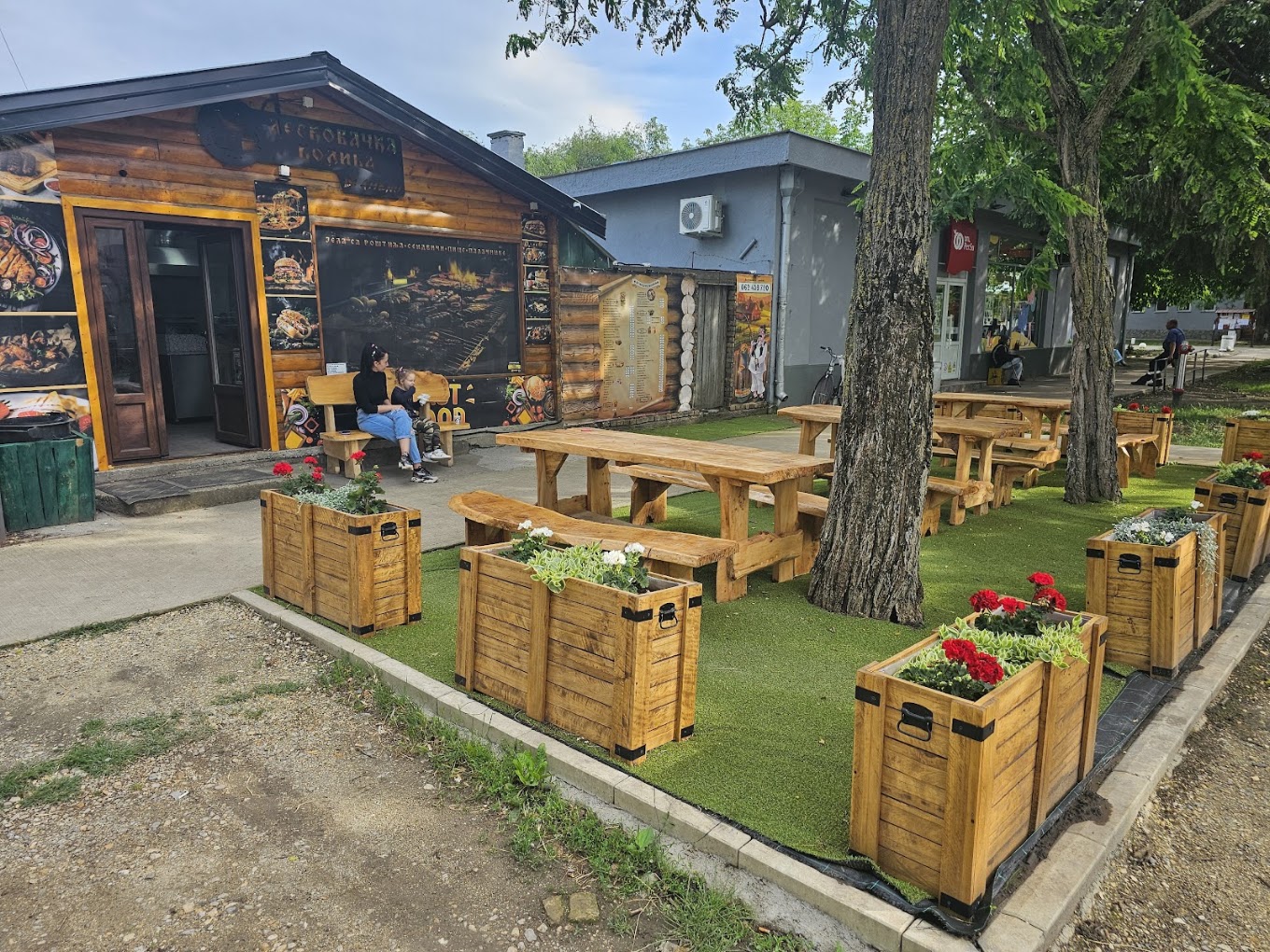
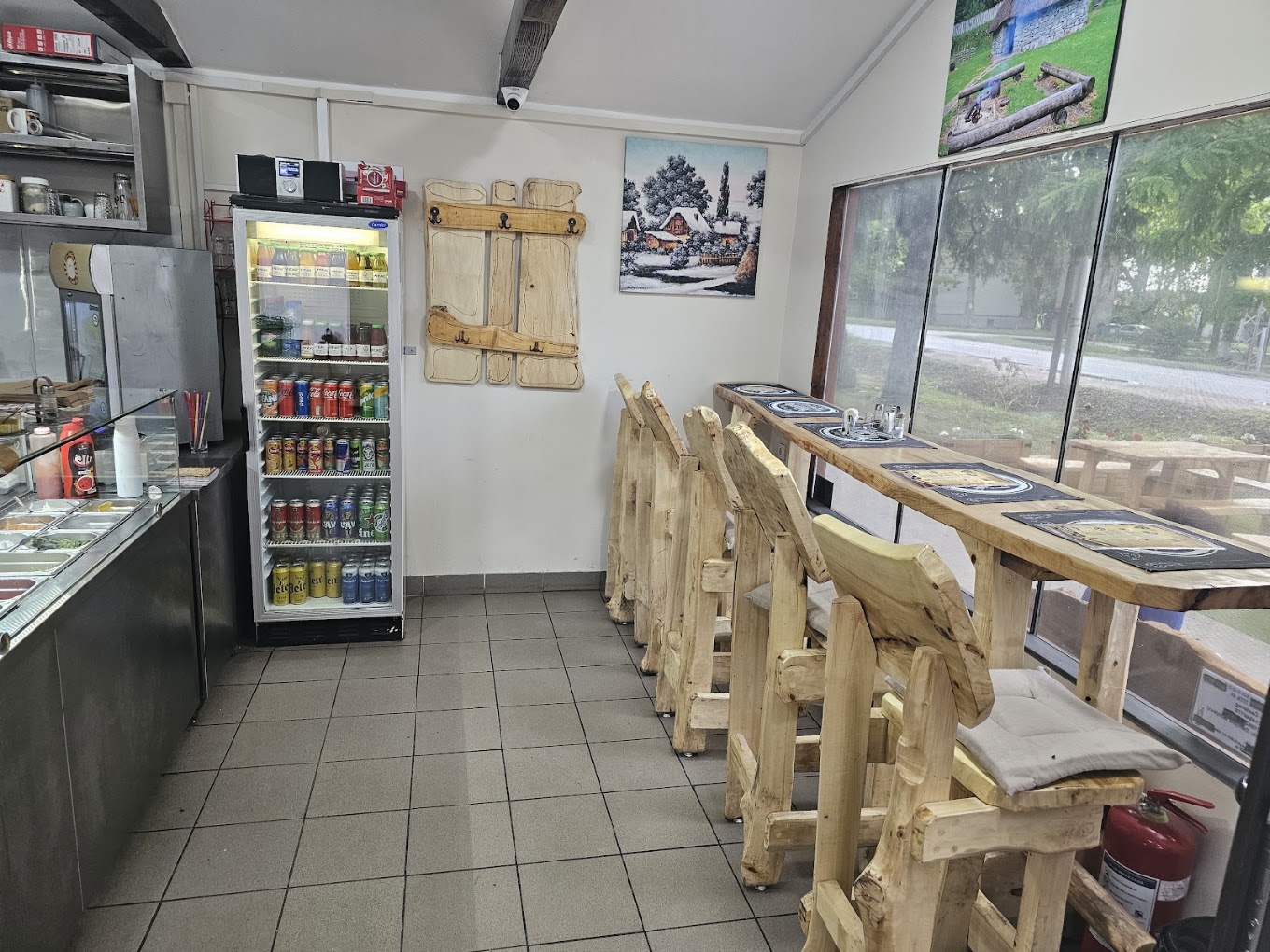
Located in Čestereg, Leskovačka koliba is well known for its authentic Serbian grilled specialties prepared over charcoal. Its warm, welcoming atmosphere and generous…

Restaurant

Leskovačka koliba

Located in Čestereg, Leskovačka koliba is well known for its authentic Serbian grilled specialties prepared over charcoal. Its warm, welcoming atmosphere and generous portions make it an ideal stop for cyclists and travelers looking for a hearty, traditional meal and a good rest while riding through Banat.

Contact and practical information

Address
Maršala Tita
Restaurant „AS”

Restaurant

Restaurant „AS”

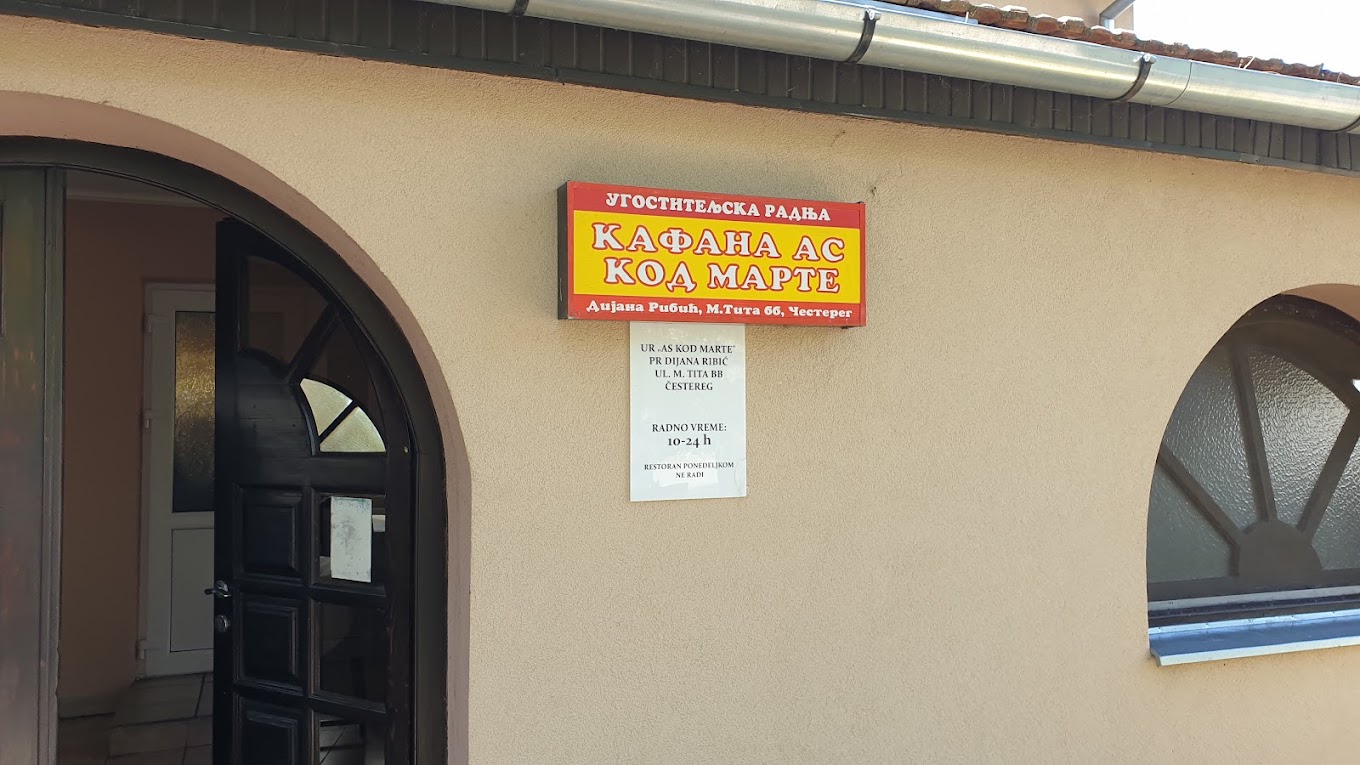
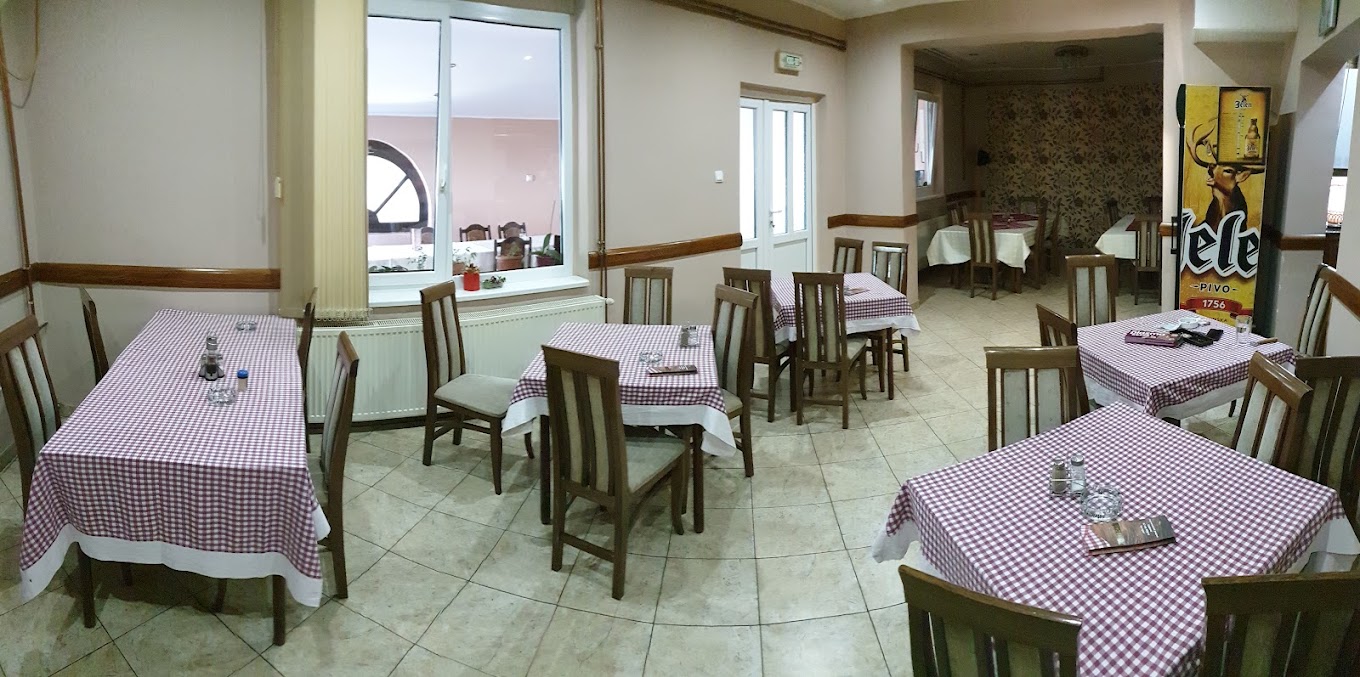
Located in Čestereg, Restoran "AS" is a popular stop known for its cozy ambiance, relaxed atmosphere, and a rich selection of local cuisine and refreshing drinks. Thanks…

Restaurant

Restaurant „AS”

Located in Čestereg, Restoran "AS" is a popular stop known for its cozy ambiance, relaxed atmosphere, and a rich selection of local cuisine and refreshing drinks. Thanks to its location and spacious outdoor seating, it serves as an excellent spot for cyclists and travelers to take a break, enjoy a delicious meal, and refuel while riding through the Banat region.

Contact and practical information

Address
Maršala Tita
Church of Saint Holy Prince Lazar

Church

Church of Saint Holy Prince Lazar

The Church of Saint Prince Lazar in Banatsko Karađorđevo stands as the spiritual and historical heart of this village, which was founded after World War I by volunteers…
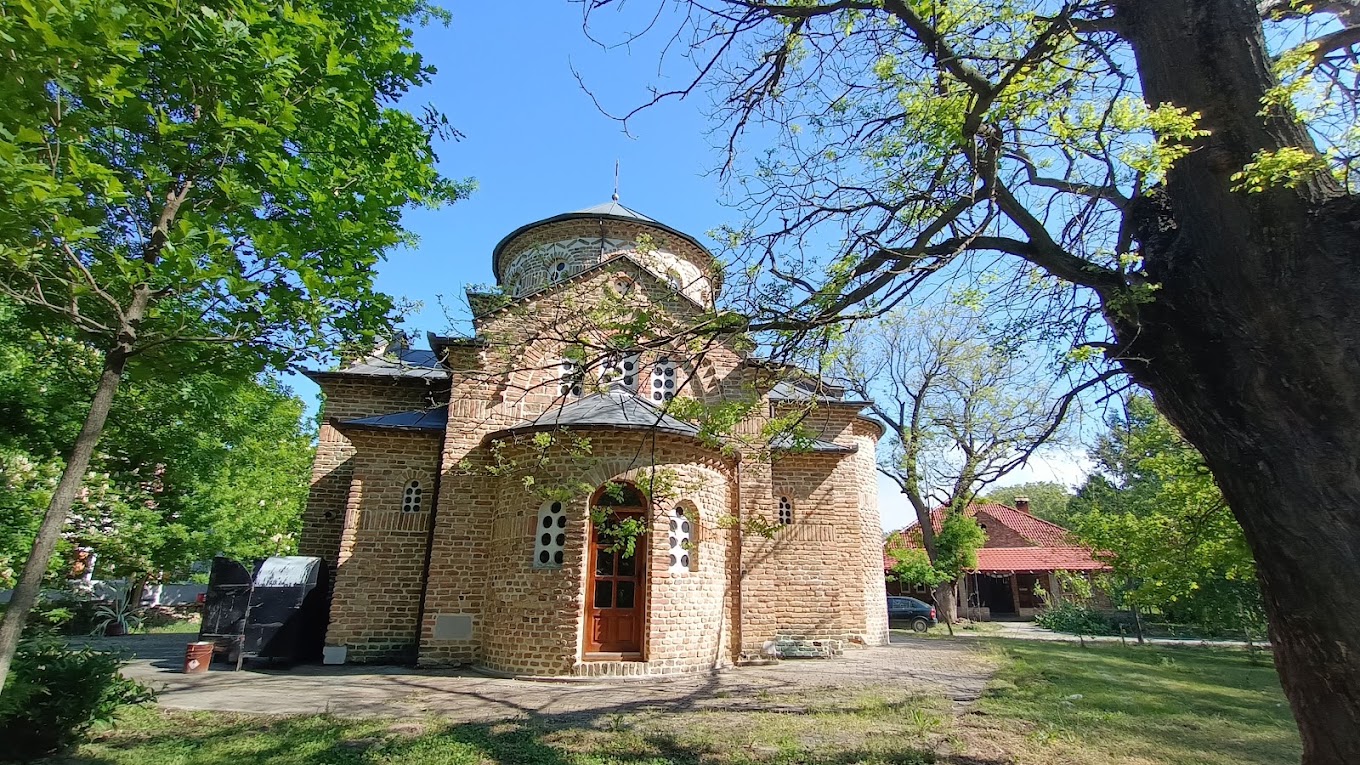
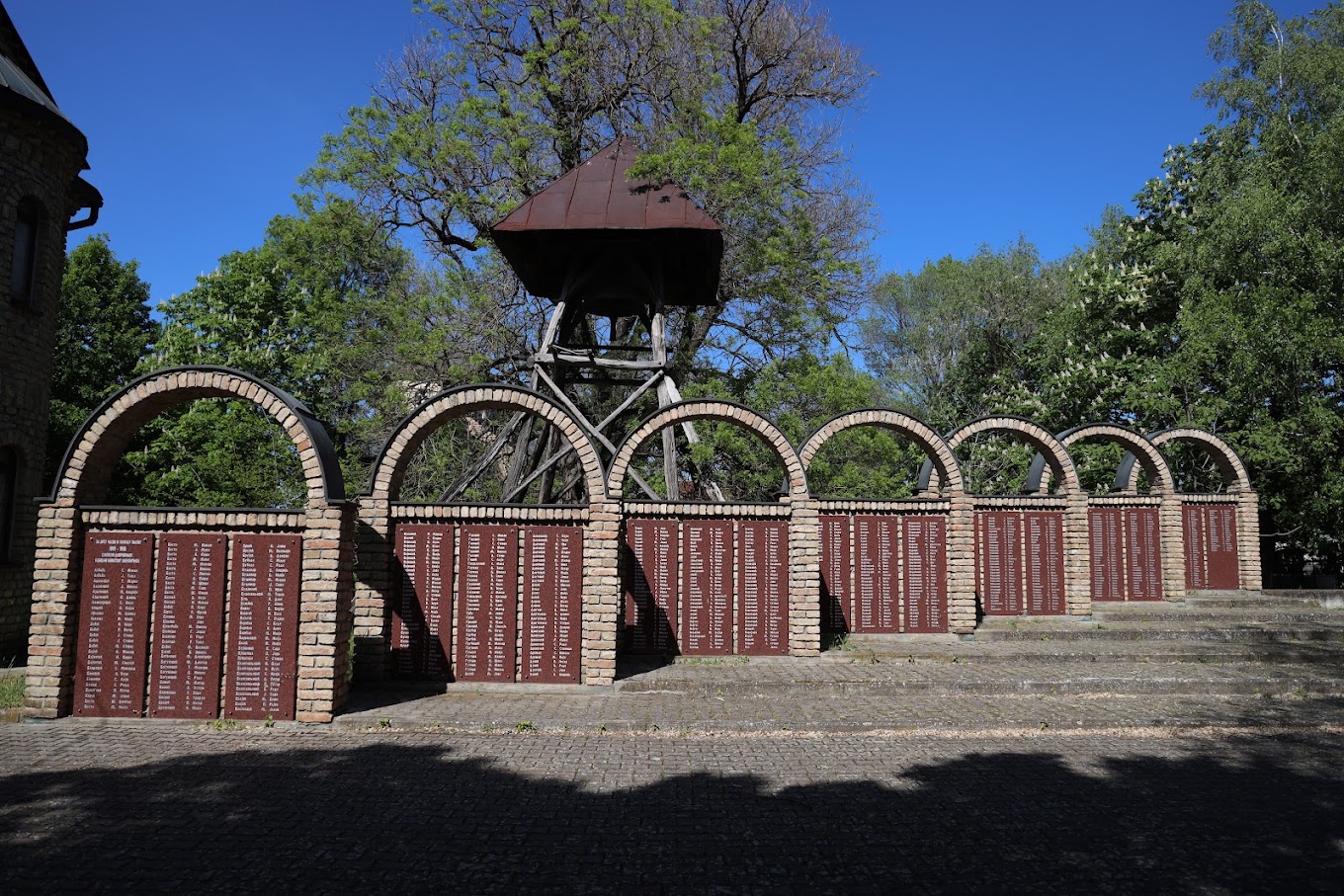
Church

Church of Saint Holy Prince Lazar

The Church of Saint Prince Lazar in Banatsko Karađorđevo stands as the spiritual and historical heart of this village, which was founded after World War I by volunteers and settlers. Built in the spirit of traditional Serbian Orthodox architecture, the church is highlighted by its elegant bell tower and a beautifully kept, green courtyard. Situated right in the village center, it offers cyclists and visitors a peaceful spot to rest while discovering the rich cultural identity of the region.

Pub Vučica

Restaurant

Pub Vučica

Nestled in the heart of Banatsko Karađorđevo, Pub Vučica is a go-to spot for locals to unwind, catch a match, and share a cold beer. Featuring classic wooden pub decor,…

Restaurant

Pub Vučica

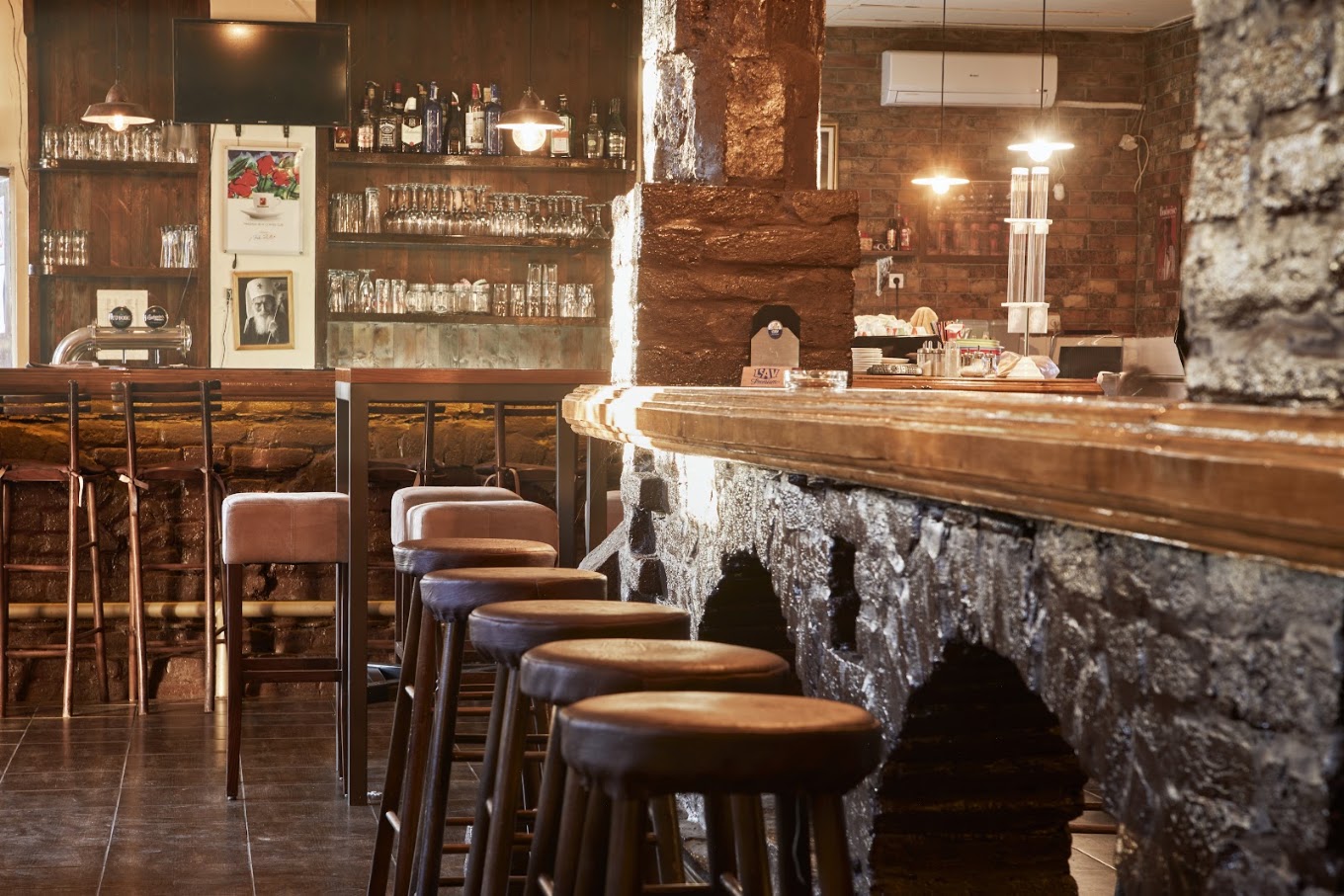
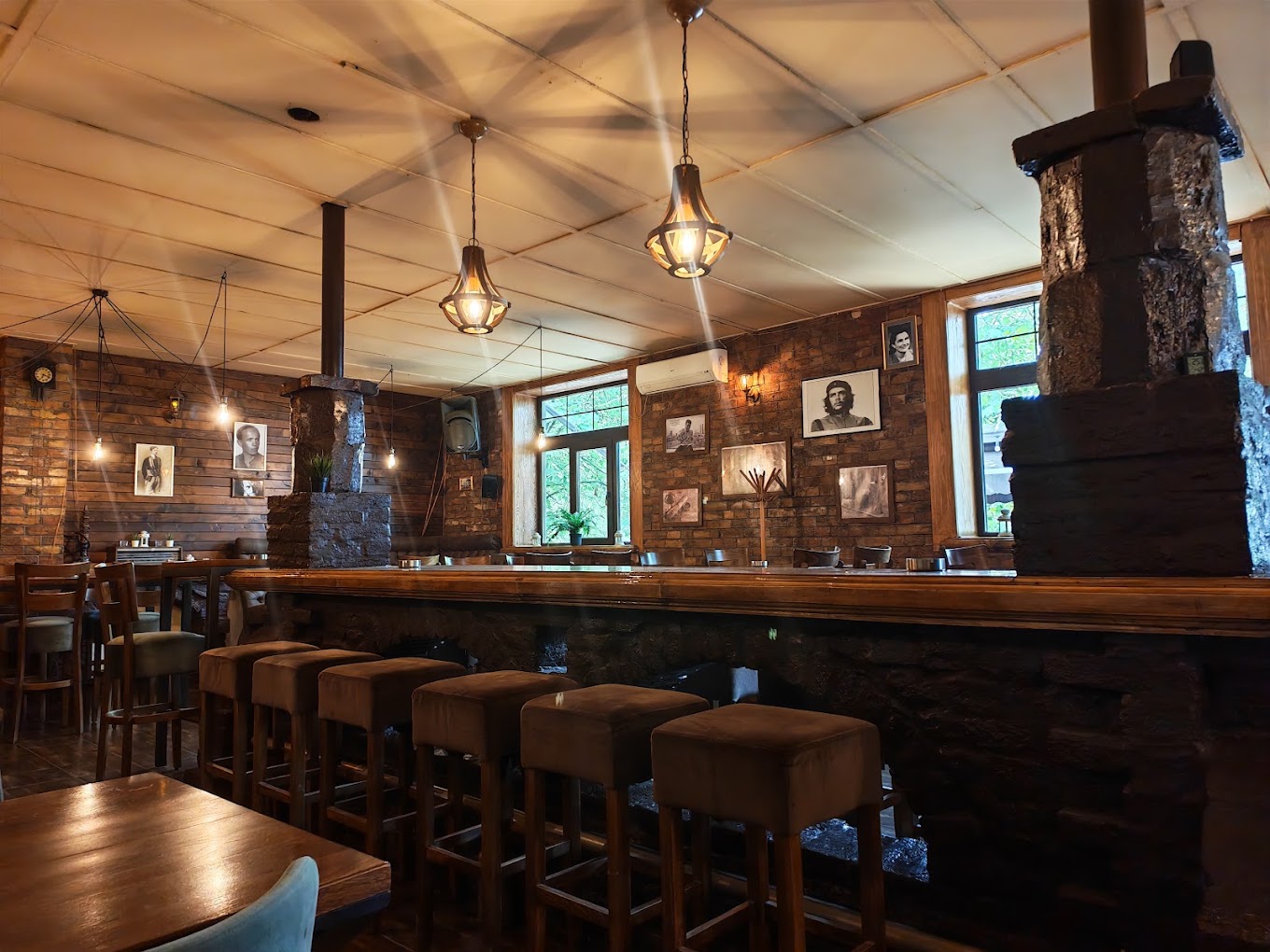
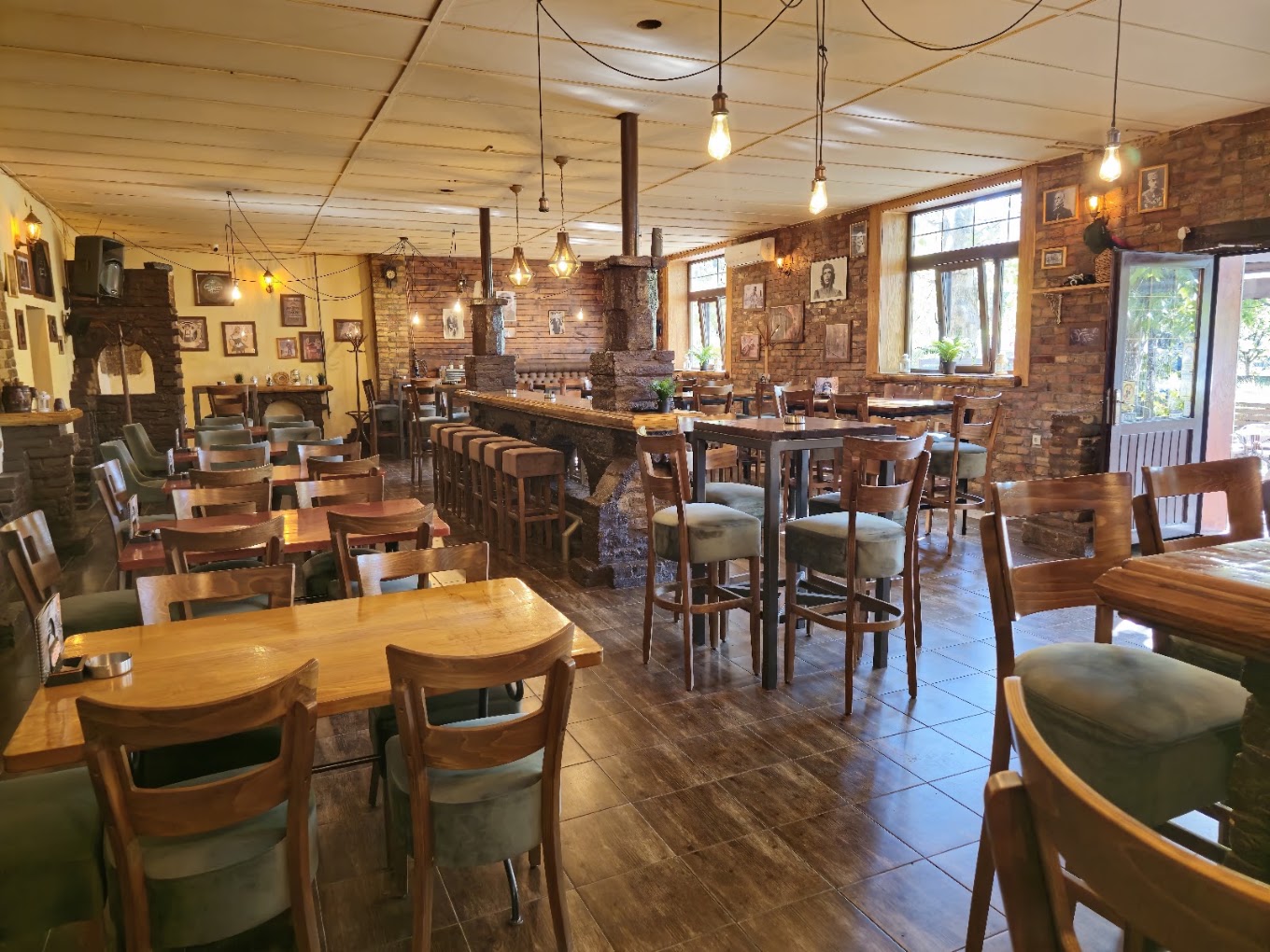
Nestled in the heart of Banatsko Karađorđevo, Pub Vučica is a go-to spot for locals to unwind, catch a match, and share a cold beer. Featuring classic wooden pub decor, an impressive drink selection, and a shaded outdoor terrace, it brings a vibrant energy to the village. For cyclists passing through, it offers the perfect excuse to step off the pedals, cool down, and soak in the friendly local vibe.

Contact and practical information

Address
Solunskih Dobrovoljaca 13
The Orthodox Church of Holy Martyr George in Aleksandrovo

Church

The Orthodox Church of Holy Martyr George in Aleksandrovo

Located in the center of Aleksandrovo, the Orthodox Church of Holy Martyr George serves as the spiritual and cultural heart of this village, which was settled by World…
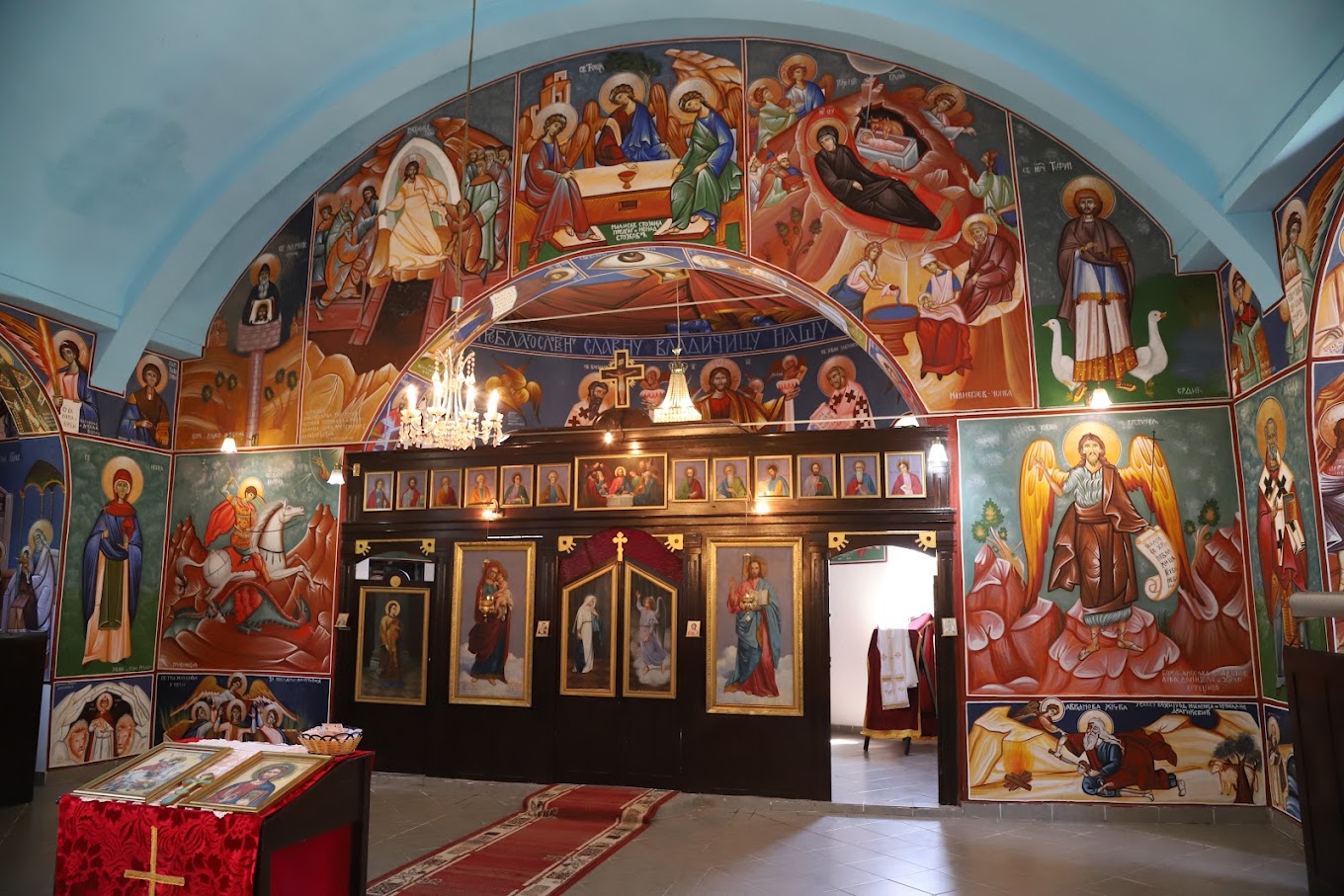
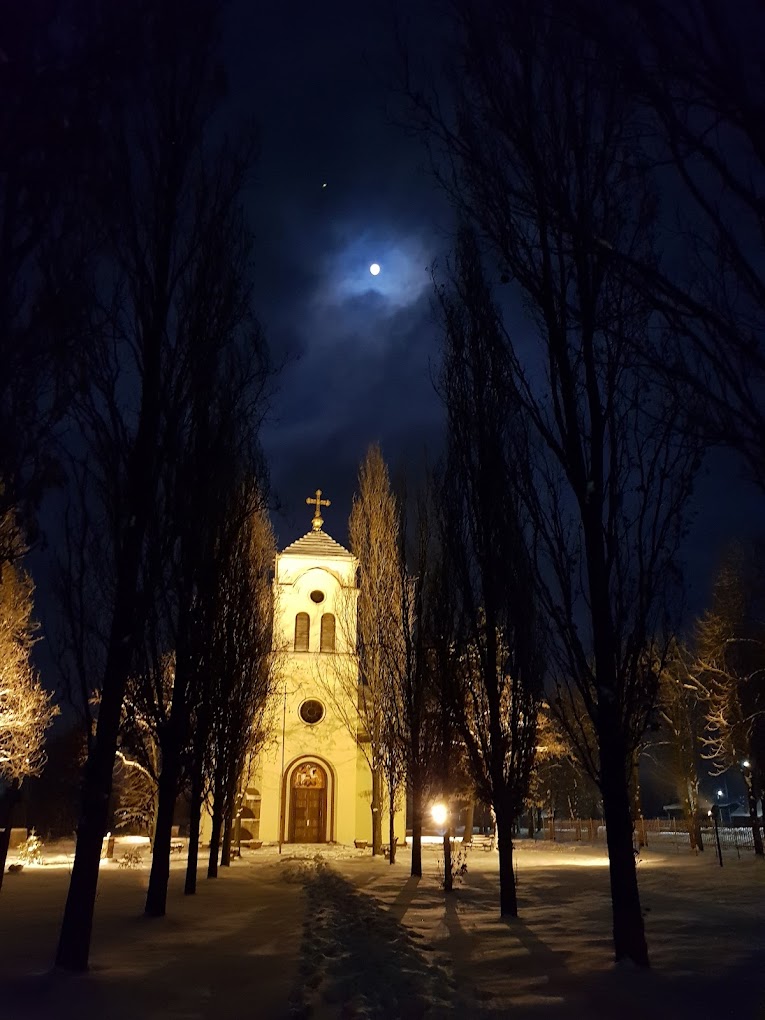
Church

The Orthodox Church of Holy Martyr George in Aleksandrovo

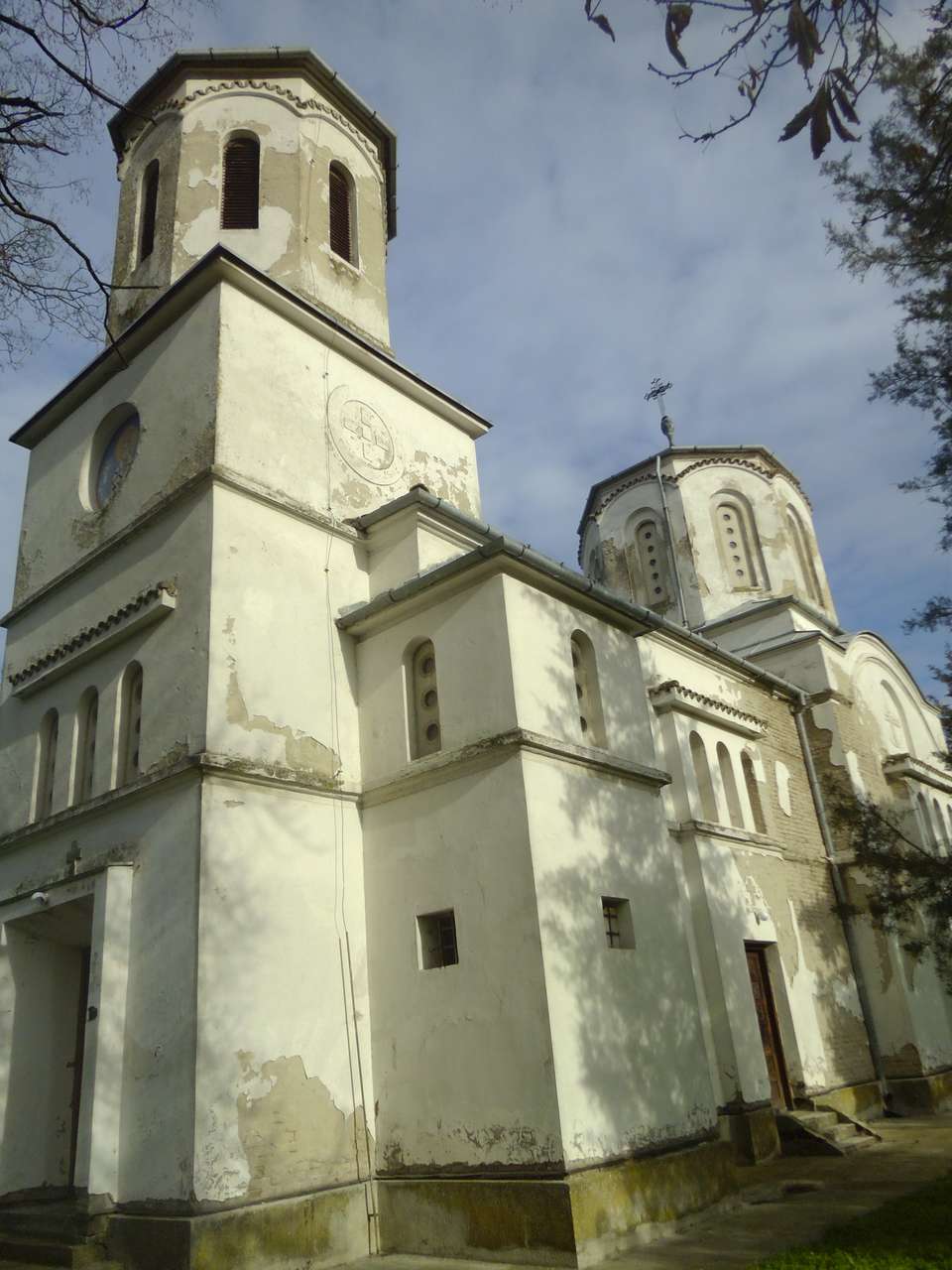
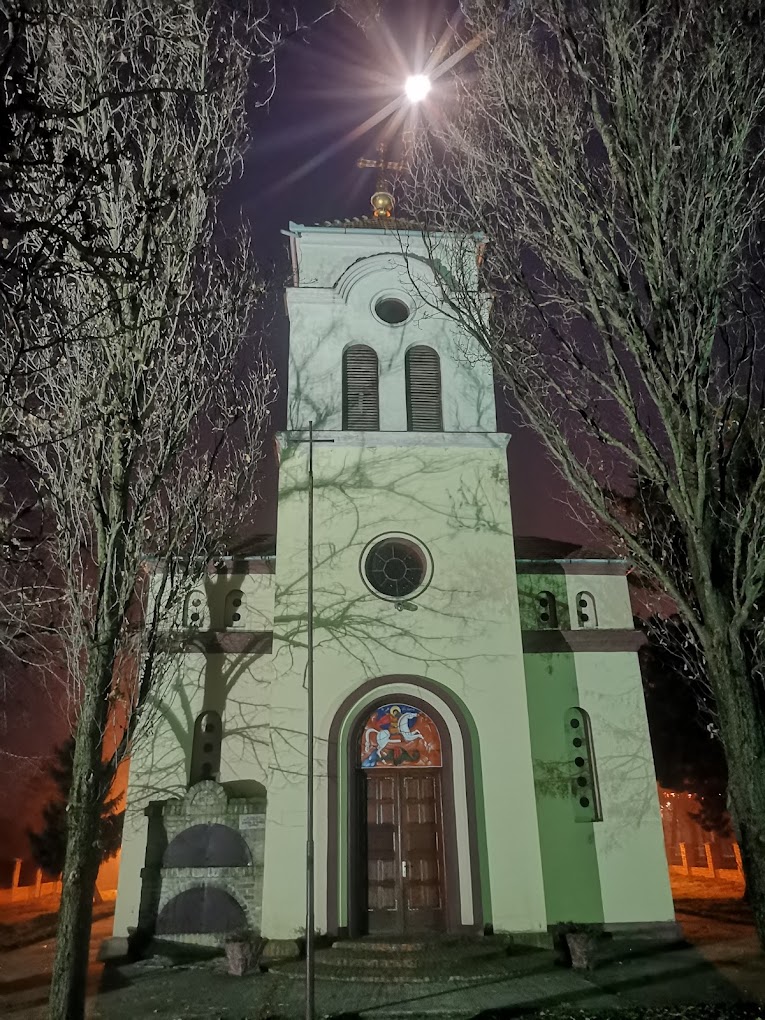
Located in the center of Aleksandrovo, the Orthodox Church of Holy Martyr George serves as the spiritual and cultural heart of this village, which was settled by World War I volunteers. Built in the early 20th century, the church features traditional Serbian-Byzantine architectural elements, a prominent dome, and a serene, tree-shaded churchyard. Situated right along the regional thoroughfare, it offers cyclists a quiet, historic spot to pause and recharge.

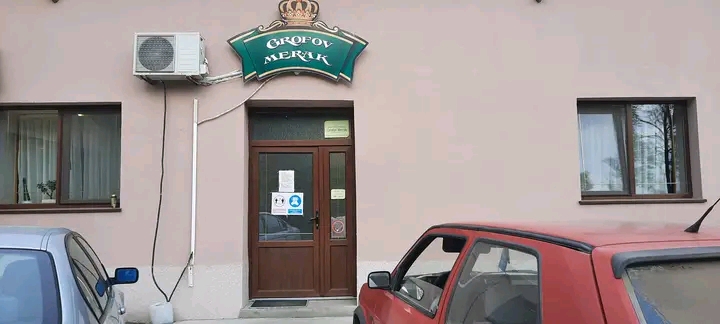
Restaurant Grofov Merak in Srpska Crnja

Restaurant

Restaurant Grofov Merak in Srpska Crnja

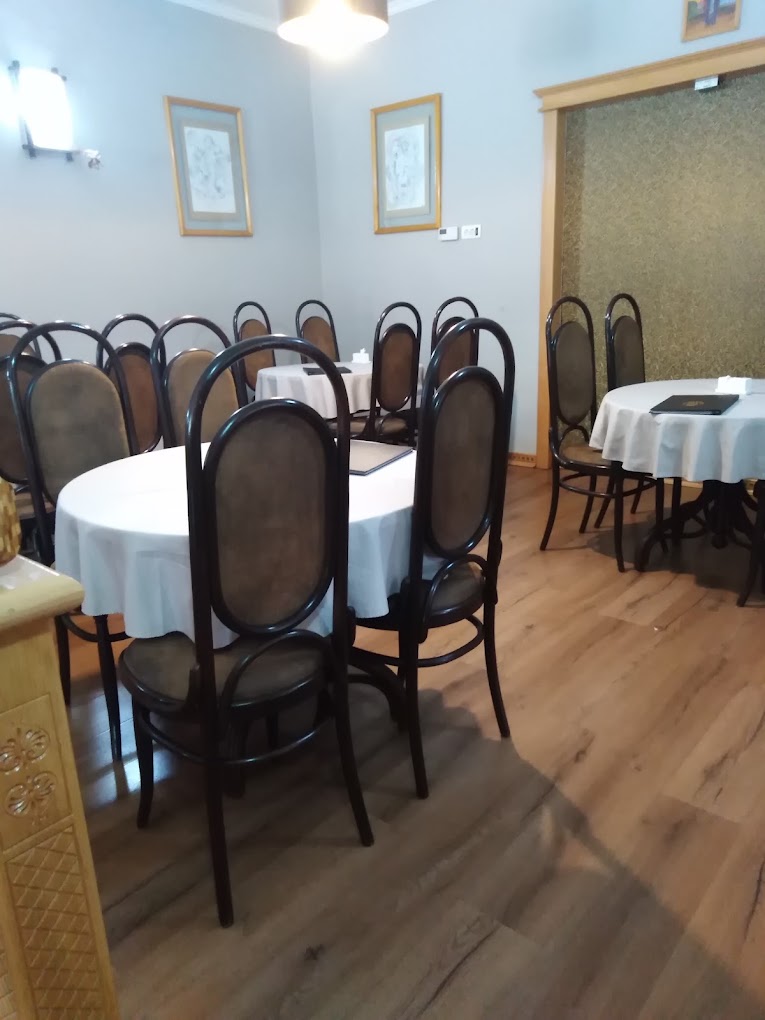
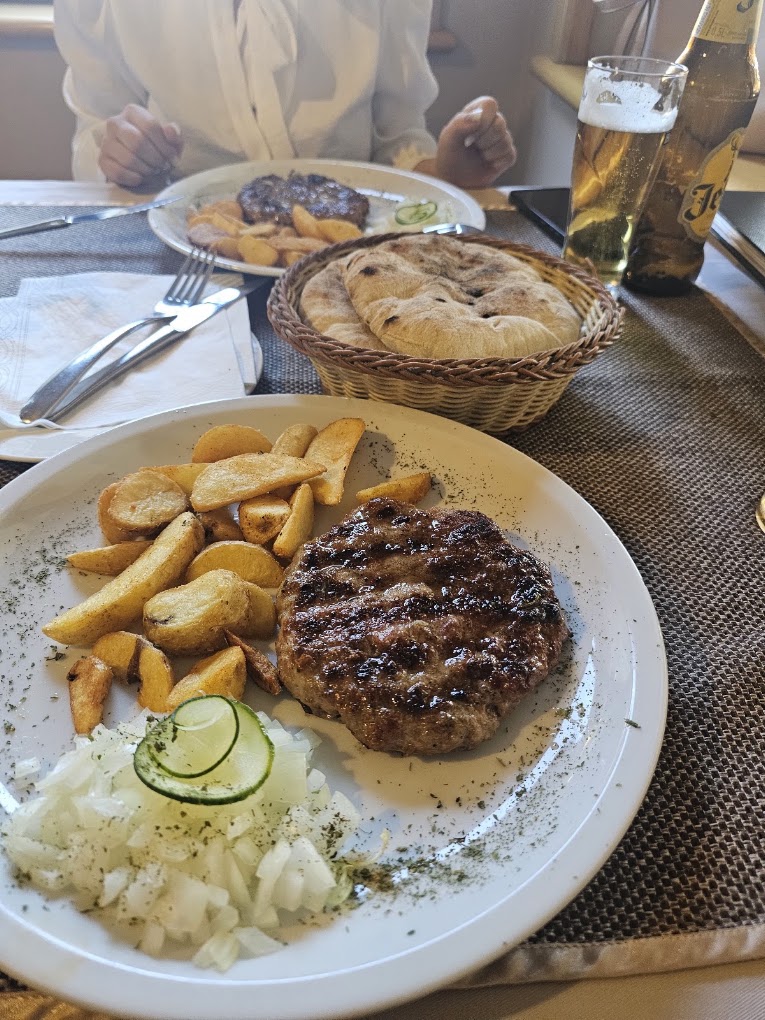
Situated in the heart of Srpska Crnja, right near the historic Nojhazen Castle, Restoran Grofov Merak blends authentic Banat character with a hearty regional menu.…
Restaurant

Restaurant Grofov Merak in Srpska Crnja

Situated in the heart of Srpska Crnja, right near the historic Nojhazen Castle, Restoran Grofov Merak blends authentic Banat character with a hearty regional menu. Renowned for its traditional grilled meats, home-cooked dishes, and warm rustic interior, it brings a welcoming touch to every visit. With its spacious shaded garden and hospitable staff, it serves as an ideal haven for cyclists looking to refuel with a full meal and a well-earned rest before continuing toward the border.

Contact and practical information